The 3 Most Important Tech Startup Founder & CEO Lessons that I Have Learned
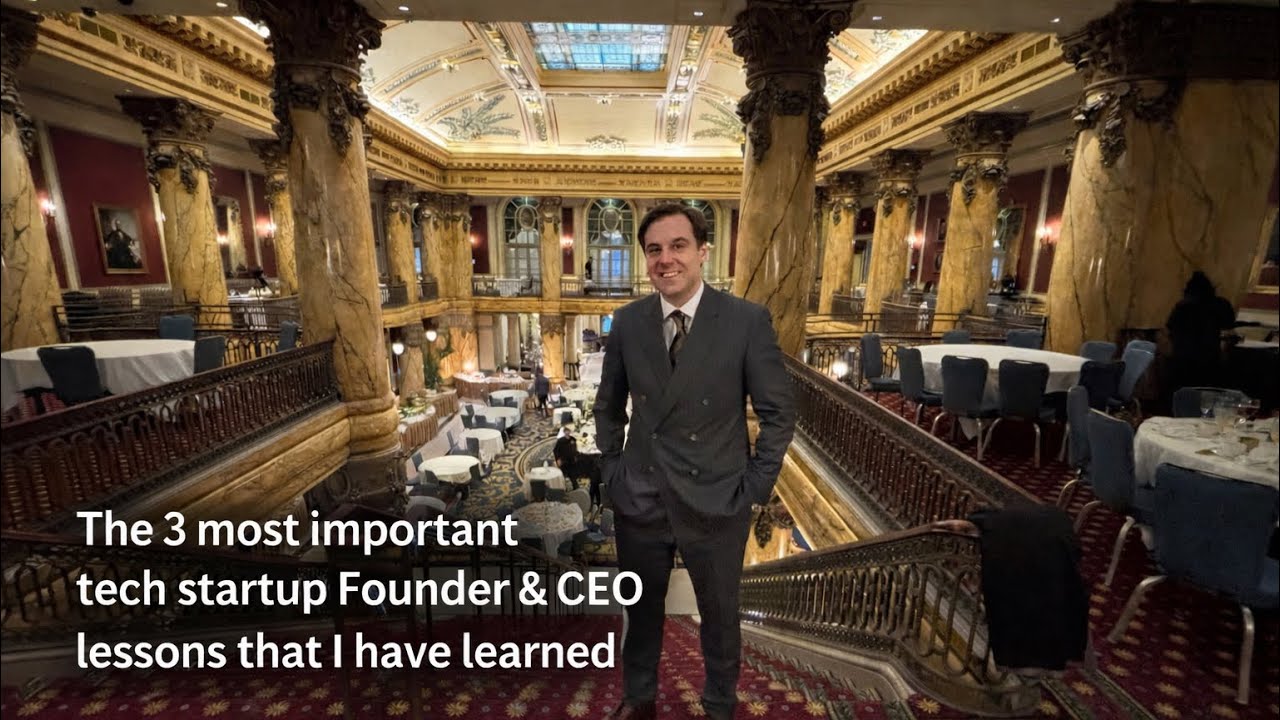
Andrey V. Karpov shares three lessons from building his tech startup: stop doubting and start with a plan, pick a co-founder with complementary skills (ideally a technical co-founder for tech ventures), and own execution across product, sales, and fundraising as CEO. He warns that relentless work raises cortisol and disrupts sleep, so carve out time for self-care.
Chapters
How's it going, guys? This is Andrey V. Karpov, uh, from Hire The Best LLC. I realized that I haven't recorded a video for you in a while, and I was walking my dog late in the evening and getting ready to bed slowly, and then kind of hit me that, um, as I'm approaching the very important milestone of my business, I wanted to share with you some of the things that I've learned as an entrepreneur and that I think would be very helpful for everyone out there who wants to start their business or who has their business and they haven't really still deciphered some important questions. I just wanted to share my experience overall. So first off, if you're doubting whether to start your own business, do not doubt, just do it. Obviously you have to plan for it, you have to prepare mentally for what's to to come. Um, and there may be different situations, right? You may be working right now, you want to look at it as a side hustle. You may have some money saved and, um, you may want to go in completely. Um, you may even be doing it with a co-partner, business partner, co-founder, and that's also a different kind of a story. That usually is the best approach if you're going to do business long-term and productively. One of the reasons why you want to do business with a co-founder is because you'll be going through a lot of challenges along your journey, some of which will not be related directly to your business, but will be related more to your human nature. You may feel anxiety along the way, you may feel doubt, You may just be having that one of a day where you just don't want to do anything. You just want to kind of allow yourself to indulge in whatever else there is in your personal life, or just procrastinate mindfully, or even, you know, do something that you've always wanted to do. And it's not always going to be possible, but having a co-founder will allow you to find that balance. Typically, when you look for a co-founder, you want to look at it from the standpoint of someone who is an expert in a particular domain in the industry, in the field, or a product that you're pursuing or building. But at the same time, absolutely nothing wrong in having co-founders that are both business techies like I am, for example, or finding people that are complementing each other in different adjacent fields. Like, for example, you may be really good at sales and marketing, the other person can really be good at operations and finance, and you don't really have a tech person. But you may not be building a tech startup like I am, right? You may be building a consultative company or coaching company, or, you know, some kind of intangible services. If you are, however, building a tech startup, I highly recommend to have a tech co-founder because that person is usually someone very nerdy. They're usually really good at what they do, and you get to actually help them with the vision, with the strategy, and with ultimately sales. You will also be looking into, um, you know, recruiting people down the road as well. So it will be an operational functionality that you will have to take over if the technical person is actually involved in overseeing these people that you will be bringing on board. But most times the technical person should be equipped enough to help you with those hiring decisions. Another thing that I've learned is, um, it's not only about not waiting and realizing your dream, planning a little bit, understanding what idea you have, validating that idea, looking for potential customers, and obviously assuring traction, which is paid customers, so that you can get investments in your business. Unless, you know, you get immediate traction, which is rare, and that can fund your venture and assure that you have resources, you have people, and so forth. So execution is the number one thing that you as the leader of an organization, whether you're the CEO, COO, or president. Honestly, title does not matter as much, but what matters is, are you involved in day-to-day decisions of the organization? And that is the most critical thing. It's not for the faint of heart because you honestly have to take a lot of decisions. You have to take accountability for those decisions. And you can't just simply say, you know what, I'm not going to decide on this.
I'm just going to leave it to fate. I'm going to leave it to someone else.
I'm going to leave it to people under me.
You are the chief executive officer.
So that means you need to execute.
And what's cool about this is, well, of course, within reason, that means you have to execute and make mistakes. You will ultimately make mistakes no matter how well you prepare, no matter how many courses you take, how many videos you watch, how many books you read, you're going to make mistakes. And some days will be better than others, some days will be worse than others, and some days will be really bad. Because, you know, some decisions can cost you people, some decisions can cost you money, some decisions can cost you time, which is your greatest greatest commodity because if you're bootstrapping the company, which means you're investing your own money into it, it is very risky, right? You have to account for all the risks.
Do you have enough to live? Do you have enough to pay your rent? Do you have enough to feed your kids, family, whatever, dog? And, you know, do you need to go find another job to supplement your income? Can you supplement it with some gigs?
Does that mean losing focus then?
Who's going to be handling your area of functionality in the organization?
If you're the CEO, it's kind of like a no-brainer. It's very difficult to do this halfway. You could pull it off if you are doing it, um, as a solopreneur, but then really that's not a full-scale business. You typically reach the capacity level where you have this pool of customers that you're consulting, and there are some rare occasions, of course, of course, when you'll have some kind of very prominent consulting business or implementation business or whatever project management business where you have like 2, 3 customers at the most and you're doing the whole thing. You can certainly do that, but realistically, if you want to scale your team, you will be involved in everyday decision-making of your business. If you're building a product as a tech founder, You most definitely will be involved in product. You'll most definitely be involved in operations. You'll be involved in sales, marketing, fundraising, um, legal aspects, financial aspects of the organization. Um, like there's networking. There's gonna be a lot. There is gonna be a lot. And you need to also, coming to the next point, you need to not lose the steam. It's, it's not just about execution. It's the fact that the more you execute, the more you come closer to your goal. And also, as close you come to the goal, you realize that it's not the last iteration. Like, there's going to be more to this. Like, you'll have to actually have a roadmap in place to understand what's next. What's next once you build this iteration? What's next once you release this MVP? Did you anticipate those challenges? Did you anticipate those problems? There's just so many things in that path that you have to account for. And therefore you have to be ready to burn out sometimes.
And at the same time, you have to quickly realize that you have to find time for yourself. Like I can tell you, one of the things that happened with me, you know, I'm usually very like energetic, very, you know, um, like upbeat and always looking fresh, looking amazing.
And like, you know, it's like I've always been on top of the game and of myself when it comes to my personal health, uh, you know, and other factors. And I can tell you, like, even right now looking at the camera recording this, I can definitely tell you I've gained a few pounds. And it's not because I'm eating like, you know, spaghetti or something like this.
Is because, you know, you get tired, you wear out, you have higher cortisol levels that affects your metabolism, and, um, you know, you don't often get enough sleep.
And even if you go to the gym, which I do on a regular basis, I love swimming, even if you eat healthy, which is— I still eat a lot of salads and greens and protein, you know, you still are going to be affected by some aspects of, um, you know, being worn out and also the aging process, right?
You can't really stop that.
I'm still very young, but this is something that I understood when I got into a business, when I started building my startup with my team. And this is something that you have to be ready for. Now, if you're very young, if you're in your 20s and you're trying to build your dream company, there's a lot of stupidity that happens there as well. I'm seeing young kids eat ramen you know, drink a lot, smoke pot, and like do all kinds of crazy shit that they think is going to pull them through, obviously, depression, anxiety, and other things. Oftentimes there isn't enough money there, you know, they're only hoping for investment rounds. And, you know, if they can get some money from their rich parents, if that's the case, then they're lucky. Like in my case, again, I've bootstrapped everything. I haven't really gotten any money from friends and family rounds. And right now I'm seeking Seed funding and I'm getting very close to it. And for me, it's a continuous grind and a road of resilience. I don't see this as a challenge. I don't lose hope when I do this. And for me, selling, marketing, and networking is a natural thing. If someone rejects me, that only, you know, motivates me to do things harder. I keep going, I keep grinding, I don't lose hope, and I never will. I'm a fighter. So another thing that you have to realize, with building a business comes a team, right? As we talked about. So your emotional intelligence is critical, not only for yourself to be able to continue on this journey to greatness, to impact, to purpose, whatever you want to call it. May sound a little bit, you know, beefy or cocky, but realistically it is that way. You know, you got to be a little bit egocentric. You got to be a little bit um, somewhat maybe a little bit narcissistic. You got to be a little bit crazy whatsoever. And I say all of this in a good way. I don't mean this in classical sense, but you got to be a little driven and, you know, just completely determined to succeed even if there's a tsunami coming your way. That's the only freaking way you're going to succeed. But you got to keep doing— you got to execute, you got to execute, you got to execute. You got to retrospect, you got to improve. You got to keep going no matter what. There will be people on your team as you build it that will doubt you sometimes. They will ask hard questions. Some of them may even leave. Some of them may drop their morale. Some of them may work less, you know, than they used to. And you still, as the CEO, have to show up, have to do your whole nine yards. And you need to understand when you have that luxury to let go of some things like, let's say, It's the evening right now. It's already midnight. I could still be doing some stuff. I've done this for a long part of my career, but right now I wanted to record this video because I think it has impact and it has purpose. I'm sharing what I've learned thus far. There's obviously more to share, and I will be sharing with you as I have done before, but now I don't record videos so often. So you could say, oh, you know, once in a while, not a big deal. Yeah, and I mean, I don't make money on my YouTube videos, at least right now I don't. Once I grow my startup, once I get my name out there, once we become, you know, impactful and famous, um, it's going to be okay to make those videos once in a while. And they're going to have impact because people are going to sign up. But I've started building my YouTube blogging business, my LinkedIn newsletter business, and my social media outlets long before I actually got into serious, serious entrepreneurship with team building. One of such examples is my LinkedIn, which has over 6,000 followers at this point, and that is my customer base, that is my networking tribe, that is my connections. And they're all over, not just in Richmond, not just in Virginia, and not just in DC, beyond that. So, um, with the team, you have to really assess quickly how you're going to approach it. You have to work on the morale. You have to sort of weed out naysayers. Now hopefully you're not gonna get people on your team who are gonna be like, no, I don't believe in this, I'm just here for the money. You definitely don't want people like that. You wanna surround yourself with people that are very motivated and driven, that are experts, that feel good and passionate about what they do. But you gotta put coal in the chimney consistently. You gotta give them this determination. If you don't, it's again not gonna work. It's gonna be very challenging and you're just gonna, you know, you're gonna start losing hope yourself. And it usually happens if you're seeking self-validation. If you're confident in yourself, then obviously that most likely will not happen. But another thing is egocentrism, or not being open to constructive feedback. Now, if you are that kind of a CEO who is like, you know what, I think I'm the greatest, I think I know it all, and I'm just gonna get people to do what I tell them to do, that's a huge problem too. You're gonna lose people, and furthermore, you most likely, up to the last point, will think that you are absolutely doing everything right, that, you know what, you don't even need them. That's a very bad trait. You do have to understand that delegation is the key. Micromanagement is horrible, and leadership, inspiration, and, um, entrepreneurship within is really the key. Those are all aspects of true agile mindset. Luckily, we have our own framework methodology in the organization that I embrace, that I have formulated initially, and that we keep revamping with great thoughts and ideas together with my teammates. But other than that, that's pretty much what I wanted to share for today. So the bottom line: execution, high emotional intelligence, and tremendous passion for what you're doing. And those are the 3 critical aspects that I would say make a great CEO, make a great founder, make a great visionary. And if you can add a touch of luck in your life, that's even better. If there's love in your life, that's, that's even more wonderful because we know love fuels all the creativity in the world. So I would say those 3 to 5 things are the best things that can drive your success, your team's success, your product success. Of course, be open to your customers, listen to what your customers want, Never neglect their feedback because customer feedback is critical for success of your team, for quality and value of your product. You can absolutely go the route of Steve Jobs where you can say, you know what, I don't really care what customers want. I feel that this is— I have a much better idea that we're going to do it our way and so forth. Just Be realistic and, you know what, know where to draw the line between I know it all, like I know how to best create this product or service and my customers, they're going to love it, I'm sure. Like you still in the process have to collect feedback. And even if you release something and it's not going or it's not going well, don't give up. Talk to your customers, get their feedback quickly, entice them, you know, motivate them by giving them trials, giving them special terms so that they can provide you with valuable feedback and also build brand loyalty. Because there's nothing more that customers love in, um, new emerging tech companies than ability to be heard and ability to influence the development. It's not as much about the amount of features that you're going to build in a product, which, you know, these days there's so many applications that have a ton of features, But what really matters is, are you open to your users' feedback on some key ideas that they present? And sometimes those ideas are not in quantity, meaning like, you're not going to have a situation where you're going to have 100 people requesting the same feature. You may, but overall you may have a situation where 2 to 3 people are asking for the same thing, and you may think it's not important because it doesn't make sense to you, but for whatever reason they're asking for it. It may even signal a pivot from the existing roadmap. But if you have technical capacity, if you have the expertise in-house and you have the wisdom to be able to accommodate that shift or that transformation or addition or change to your existing roadmap or product, that's the best thing you can do is do that. So yeah, highly recommend to listen to your customers. Another area would be your board advisors. Make sure you surround yourself with a strong board. Uh, board is very helpful in giving you the vision guidance, uh, making it more realistic, because sometimes when you vision, you have too many ambitions. And also providing to you wisdom and execution, connecting you to the right people trying your product, right, giving you product feedback as well. But realistically, a good board is the board that is involved, a board that does this out of a kind heart, a board that cares about you, a board that is there when you most need them, when you have a question. You definitely want to have subject matter expert, but you don't want to have people on the board who are prominent just for the sake of titles or famous companies. You want to have people that are really your family, people that you can trust. Um, I would say those are the key primary recommendations that I have. I hope this was helpful. If your first time on my channel, please hit like if you like the video, subscribe, uh, comment, ask questions, provide feedback. I'm always open to your suggestions on how to improve the content on my channel. And I hope you get to try Victoria.ai with a CK. We're releasing it this month. Thank you.
More from Andrey
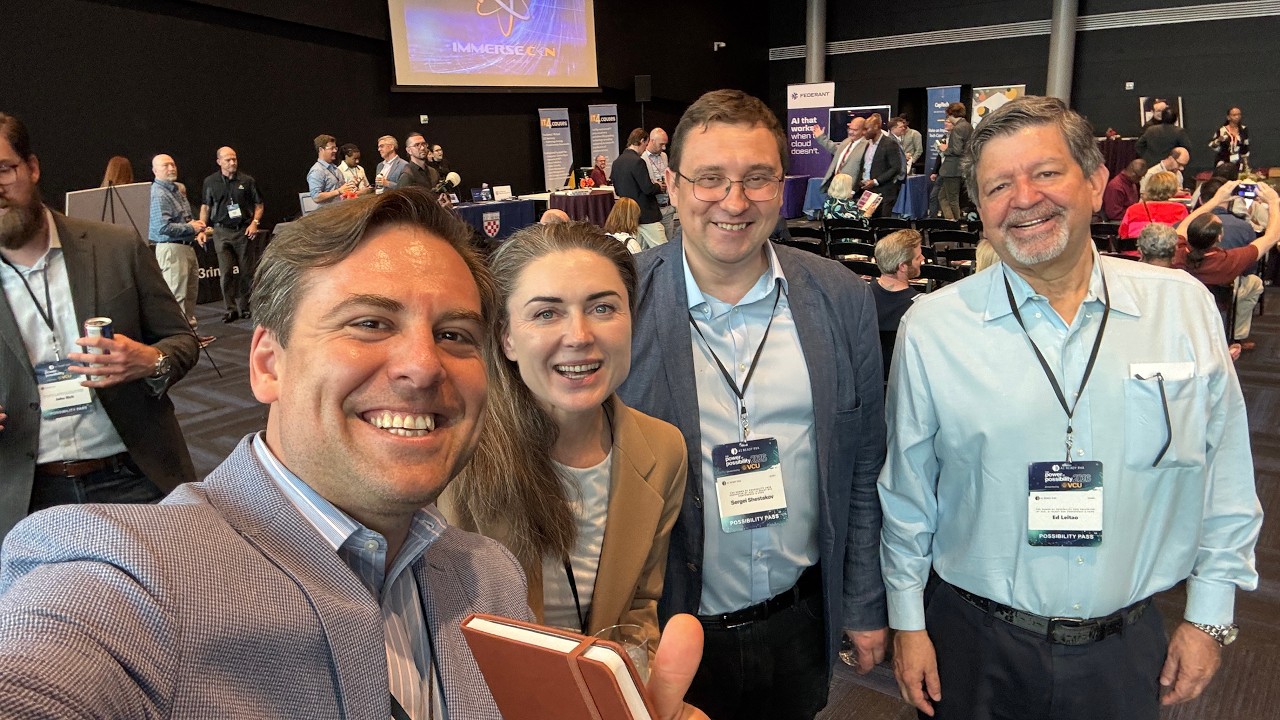
Founder's Interview Showcasing Vicktoria AI at 2026 AI Ready RVA Conference: Power of Possibility
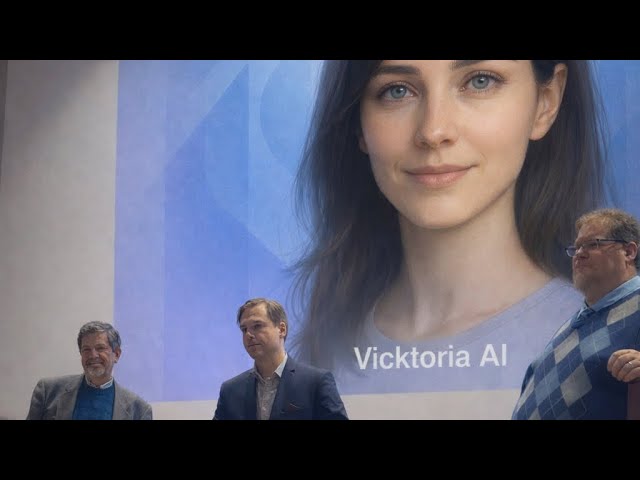
Vicktoria AI 3-min Pitch at TechStars Startup Weekend in Richmond, VA at Robins School of Business
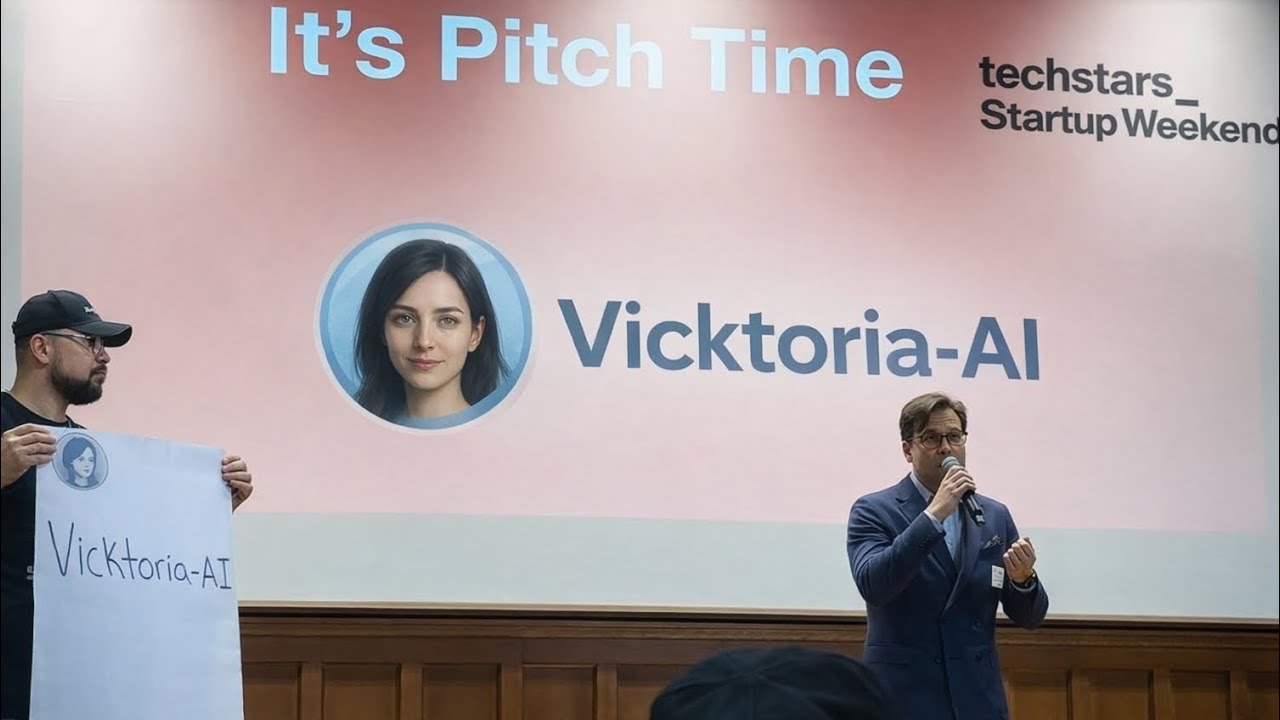
Andrey Karpov’s 60-sec Tech Startup Pitch of Vicktoria AI in Front of the EdTech Community


Life Without Impact is a Wasteful Life or How Focusing Just on Self-Enrichment Will Get You Nowhere

Leading vs. Managing People and How to Attract the Right Talent into an Early-Stage Tech/AI Startup

Anxiety vs. Depression, Neuroscience, NLP, & AI - Deeper Meaning for Everyday Success in Life & Work

The Concept of Delayed Life or Why You Don’t Need to Earn Your Right to Happiness, Choice, & Freedom

Mother Freaking Nature or Why Bonding with It Regularly Will Keep You Energized for Life

You Do Not Owe Anyone an Explanation or How to Find Happiness Within During Challenging Life Times