Audience Bridge Insights #14 - Co-Reg Isn’t Dead — You’re Just Doing It Wrong (w/ Tim Bourquin)
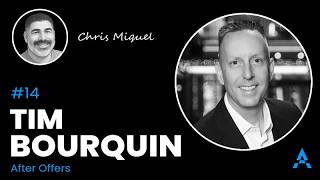
Tim Bourquin of AfterOffers explains why co-registration still works: validate traffic rigorously, match newsletter topics carefully, and price fairly ($2.25-$2.75 per email, $8 per phone). Most people fail because they chase volume over quality and skip the compliance work that SMS requires.
Chapters
The big problem out there right now is bots. You don't want them on your list. There's no human behind it. It'll hurt your deliverability.
How do you balance getting the advertisers and the publishers? How many publishers you need to fill out? How many advertisers you need to fill the publishers? Like, how do you manage that whole thing?
Getting set up with SMS is a lot tougher than it is with email. Restrictions are a lot higher, so you gotta be real careful.
If someone submits an email and an SMS at the same time, you're only showing advertisers that can collect both, or?
Check it after the end of the 30-day. How are we doing? What's our open rate? What's our click rate? Okay, now we can go to 75 a day. 100 a day and slowly ramp it up.
What does a good quality publisher look like to you?
But for people who have a paid product, it's never the right place to start. Do a bunch of meta ads, do Google Ads. Quality of a lead starts with the quality of the publisher they're coming from.
Welcome back to another episode of AudienceBridge Insights. Today I have Tim Berkwin, co-founder of AfterOffers, and I would explain to you what they do, but I'd rather him explain it so I don't butcher it or make it sound not what it really is. So, Tim, how you doing?
Good, thanks, Chris. Appreciate it. Uh, AfterOffers is essentially a recommendation engine, right? So you've probably seen things like SparkLoop or Beehive Recommendations, similar thing. Well, we're very topic-specific. So after somebody joins a newsletter in our network, we ask them if they want a couple of other 3 other newsletters in the same genre. And that's as simple as that. So we started out with just email, but in the last year we've done a lot of more SMS too. So if you got an SMS list, same kind of thing, you join one list and you're asked if you want these others as well. So that's the essence of it.
You talked about SMS there. I just want to touch that because a lot of the stuff we'll be talking about is more on the email front, just because I'm more on the email deliverability side and things like that. And let's grow. But on the SMS side, what is there? Is there any pushback or what are the legalities behind that with TCPA and all that, all those things, making sure that you have the right disclaimer or whatever? Is there any pushback on that or how's that done?
Yeah, so we have for the way we opt in people, we have language that's come up with by the attorneys that says this is what you're doing. It's very clear that you could get text messages, you could get automated phone calls, that sort of thing. Getting set up with SMS is a lot tougher than it is with email and restrictions are a lot higher. So you got to be real careful because there are a lot of, you know, TCPA lawsuits out there if you don't do it right. So most people are doing a double opt-in kind of thing where you send them that first text message, they click yes that they want it. Otherwise they don't get added to the list. It's kind of where, you know, that argument about double opt-in, same as it is for email, goes for SMS too. But that seems to be the best practice now. So but there are a lot of people that are, you know, much better informed about all the rules than I am. I just know that you got to be really careful about explicitly letting somebody know they're opting in for an SMS list more so than you would with email.
Yeah, a few years back, 4 years now, we were doing a lot of work with Mass Legal Tort Company. We built a bunch of landing pages and we're doing a lot of lead acquisition for them. And then we were capturing obviously see SMS as well, emails. But, you know, the disclaimer is like, yeah, you know, this data could be provided to up to 3 attorneys or whatever. Yeah. And that was enough to, you know, allow it to be used for everyone to send messages to them, you know, basically.
Yeah. There's a lot of people doing lead sharing in email, which I don't love, right? I don't think it's a great user experience where they're not specifically opting in for your list. But when somebody buys it, they're sharing it to another list. And some people may have success with it. You don't want to do that with SMS for sure, because that's going to get you in big trouble. Yeah. And I think, I think slowly that will start to die in email as well. I just don't think it's like best practices. But, you know, some people seem to still have success with it.
Let's kind of talk about your journey, your background. So where did you come from? What did you do before you launched AfterOffers? I think I did see that you did some type of online conference or education thing back in the day. What got you to in the kind of online space and then pushing you into AfterOffers and I believe launching this with your brother?
Well, in about 10 seconds. So I was a police officer for LAPD for about 20 years. You look like a damn cop. I still got the, still got the hair work at, I guess. But in my off-duty hours, I was starting to day trade back when that was just starting out, back in 1998, 1999, when, you know, E-Trade, Ameritrade, Schwab, these guys all— they were all platforms that nobody had bought these online platforms yet. And so I started doing meetup groups with other traders. Those meetups turned into like 500 people in a ballroom. I would start to bring in speakers. One day, a guy comes in and goes, hey, can I set up a table in the back? I'm like, yeah, sure, give me $1,000. And then that table turned into 5 tables, turned into a whole trade show that we were doing 3 or 4 trade shows a year all over the country. The Online Trading Expo is what it was called back then. I sold it to The Money Show years later, did some consulting with them. Then I started a paid podcast back before that was even a thing called Trader Interviews. And I would just get on once a week with an interview and do a podcast. And even trying to explain what a podcast back then was, was hard. Um, and we, we figured out a way to do payments and we got membership and we did that. And then I thought, okay, I've got this email list cuz we were growing a list. Maybe 5% of my list was converting to becoming paid members. So 95% of my list never bought anything from me. So I thought, okay, after somebody signs up for my email list, I'm going to offer them other subscribers' lists. And I thought this was gold. This was the brand new idea. Nobody's ever thought of this. And one Google search, I'm like, okay, there's like 50 companies doing this already. It's called co-registration. This is a thing. My brother Emil, who is a software engineer, he was programming stuff to connect with USB back then. We started looking at white labeling one of the existing systems and we just couldn't find something that really worked the way we wanted it to. So I convinced Emil to quit his job, come join me and build Trader Interviews really, and this system on the backend that would help do co-registration on the platform, on the, on our platform. And so then a couple of buddies said, hey, I like what you're doing there. Can I use that system too? And then pretty quickly I realized, okay, the business is not the paid podcast. I was starting to make more revenue from this co-registration system. We were just using for ourselves. And I had all these contacts in the financial space already from the trade show business. So I just started calling them and said, hey, would you want to advertise on this site? I just guessed at pricing and we kind of built it from there. And then pretty soon we sold the paid podcast, focused strictly on the coverage platform, called it After Offers, which most people at the beginning called it After Hours. And, uh, so, you know, if I had to go back and change the name, maybe I would. But after, uh, by the way, I tried to buy afterhours.com. It turned out it was by It was a defunct website for a tuxedo company that was sold to Men's Warehouse. That didn't work out. So go to After Hours.
I thought it was going to be an escort service or something.
Yeah, maybe. I don't know. Yeah. Right now, I think if you go to it, it goes to Men's Warehouse. But so that was it. So that's what we've been doing since about 2016, just doing both sides of the platform, right? We have the publishers, we have about 350 publishers, and we have, you know, 80 to 100 advertisers at any given time that are pausing and activating and budgets during the day. and that's what we do. We, we were kind of, uh, one of the first ones to do it in FinPub. That's kind of been our basis for a long time. We're just now starting to branch out into other verticals, but Spark Loot came along and they do a great job of marketing, a much better job of marketing than we did. So they helped us sell the idea of CoreEdge, which is actually a good thing. Um, and we've got some competitors in the space as well. So that's, uh, that's, that's what we do. Awesome.
I mean, we're going to kind of go down the rabbit hole here before we start getting into some of that stuff. Back when you first started, in comparison to now, what did a lead cost back then and where has it gone to now? Like on average, I know it can vary based on advertisers and demand and what they're willing to pay and stuff like that, probably. But what does that look like?
So it's really vertical dependent. My background was in FinPub, and so that's where we started. And I think I guessed it like a dollar. I just like, give me a dollar for an email address back then. And we've slowly over the years, it's kind of gone up and we're kind of settled in the area of about $2.50, $2.50 for a valid subscriber. One of the things we do really carefully and you got to do it with co-registration is you got to do really hard validation on the backside. We can get into that later. But $250 is kind of where it started. We come down to like $225 for, for advertisers that kind of have unlimited budgets with us. We've got a few, some of the bigger publishers do that, but $250 is kind of where we're at. And so at the end of the day, it's a math game, right? If you're making $250, hopefully the people that are doing it really well, we're helping them offset their Meta costs, their Google ad costs. For ad-based websites, it's another revenue source for them. But that's kind of where we're at, $2.25 to $2.50, $2.75. And then phone number for the SMS offers, you're doing about $8 is where it lands. Yeah, it's more expensive. The SMS is kind of where email was 10 years ago, right? The open rates are really good. You know, most people are opening most of these texts. So as it stands now, you know, it's working really well.
Yeah. Well, SMS is making it rain, especially for Matt Paulston.
Yeah, Matt does a great job on both email and, you know, but a lot of people don't know about Matt is he's an incredible software guy too. So he's really got their system down now in terms of knowing when people are in their inbox, sending additional emails, sending the right emails to them. So it's not just about volume. You know, a lot of people think it's just Matt, you know, spends a ton of money and he does, but he's got a ton of secret sauce. And, you know, underneath that, that really helps what he does.
You mentioned obviously FinPub is your, is your, your primary niche and you're kind of dabbling here and there in some other ones possibly. I think we talked at the last trade show of some examples, but what other niches are you trying to branch out to?
Yeah, so a couple of health Health and wellness is one that we're doing. And, you know, the cost per lead in that area is lower, right? You're looking at about $1.50 or $1.25, $1.50. We're doing kind of an AI tech since that's a, you know, a lot of people are doing newsletters there. So that's another vertical. And then travel, we're starting to do some travel stuff too. But that kind of brings us into one of the things about Cowridge to do it right is you've really got to match the newsletter the person just signed up for and the topic of the newsletters you're offering to them. That has to really match tightly. And even if you deviate a little from that, co-reg starts to fall apart. So one of the things we were very specific about is if you're enjoying it, if you join, if you just joined an investing newsletter, you're going to see investing newsletters on the next page. You're not going to see AI tech, you're not going to see travel, you're not going to see wellness. It just doesn't work. We've tried it and tried it and tried it. Even if the demographic is the right demographic, if they're not in that mode of signing up for that type of list at that moment, it doesn't work. So that's why we you know, we tightly bind those two things so carefully.
So the whole what came first, chicken or the egg, like, and it's always in any network, it's always like this. It's like, is it, how do you balance getting the advertisers and the publishers? How many publishers you need to fill out? How many advertisers you need to fill the publishers? Like, how do you manage that whole thing? Especially now that you're launching, uh, I don't know if you say launching, but you're kind of branching out other verticals. Like, you know, when you launch travel, like, I was, how many publishers you need to get for travel and advertisers? Like, actually launch that that side of the business?
So, you know, we just brute force it. We go out and we email a lot of travel publishers. We email a lot of travel advertisers. And I really only need 3 or 4 on each side to really get that going. And so usually we start with new vertical with smaller budgets, right? Even if they're doing $100 or $150 a day on the advertiser side, the publishers are usually smaller, right? We're not going to go out and get Expedia right away. So the publishers are smaller bloggers, so they don't have a ton of traffic. And our system handles it elegantly in that if we run out of budget or offers just don't show, the user is passed directly through to the publisher's thank you page without seeing the after offers. So to them, nothing's changed, nothing's wrong. But that's what you do, right? It's just like starting anything. You've got to start somewhere. So we try to get 3 and 3 or 4 and 4 and just go with it. And then we slowly add on top of that.
And then on the publisher side, what, what does a good quality publisher look like to you? Like what size, what volume, like what, where, where, who are you targeting?
In the fit pub space, we're looking for just quality. And actually any of the verticals, we're looking for just quality. We don't have minimums on the publisher side because all we care about is does this publisher have good opt-ins? Do they have— are they building a good list for themselves that they want to use long-term? And if they're getting 5 signups a day for that list because they've just started, but they're good 5 signups, they can use afteroffers, right? We don't care. We're looking for the quality. So we've got— we do have publishers like MarketBeat that have thousands and thousands of opt-ins every day. And then we've got this really long tail of smaller publishers that are great publishers, but they don't have a lot of volume, but that's okay. They've got the right quality. So I'm really looking for the quality of the signups they're getting for, and if they're optimizing for building their own long-term high-quality list, then we want to work with them. It's the— when people start to optimize for after-offers revenue only, things start to fall apart because they start to get anybody they can through the funnel and hope that they choose offers on the other side. And so that's what you don't want. You want somebody building a long-term list who's in it for the long term. And as long as they're focusing on that and building a good quality list for themselves, the after-offers revenue is going to be there for them to help them do that.
So, and I'm, you know, this is obviously happens in all types of networks. How often or what percentage of, of your advertisers and publishers are on both sides? They're buying these from people and they're providing these to people.
Yeah, I'd say probably 30%, 35% of them do both sides. They buy subscribers from us and they also show the offers on their, in their pathway, in the signup pathway. And then we have people that do just advertising and people that do just monetization. So it's fine with us. We've got enough volume and flow on either side. They can do either side, but I love it when they do both too. And then obviously we exclude their own ad from their own page so people aren't signing up or seeing their own ad in their own flow. But I think the way to do it right is, is only show a certain amount of offers on the thank you page, right? You don't want to show 15. I'm kind of getting into a different side of what you're asking, but we want that. We want it to be a good user experience for all the sides. We want it to be a good user experience for the publisher. They don't feel like they're, they're introducing people to 15 other newsletters at the same time. And for the advertiser, we want to make sure they're getting the right audience.
And then on the, on the advertiser side, are they providing suppression file for you or something? So not getting sent out to have or—
Yep. So one of the things we kind of decided early on is that we never wanted anybody to pay for a duplicate that's already on their list. So there's a couple of ways we do that. Yes, they can send a suppression file. We actually encourage people to do that. So we don't show the offer to somebody who's already on their list. But secondarily, if you know, when we— when somebody comes in and they pick an offer, we ping the ESP with their API to say, hey, do you already have this person? And if the person is already a subscriber, we never charge them for that. So it's just one of the things we decided early on. We have people like, like we talk about Matt, let's use him as another example. You know, he can— you can run 40% duplicate, right? Because his list is so large, we, you know, we don't charge for any duplicates like that. So we're— it's important to us that, you know, you're only paying for new leads.
Now we're going to dig into even more of the kind of co-reg industry, what you're seeing, how it works, things like that. How would you say co-reg traffic performs compared to other sources of traffic?
Yeah, so co-reg is great for traffic where if you've got a paid product on your site and you're just trying— your funnel has been dialed in, you've been testing for a long time, you just need more people in the top of that funnel. Co-Reg is great for that. I never recommend people start with co-registration when they're just starting out. They're building the list for the first time and they don't know what their lifetime value of their customers are. They don't know what their conversion rate is. Don't use Co-Reg. That's not the place to start. Like I tell people all the time who are just starting a Beehive newsletter for the first time, if it's ad supported, maybe, right? Because they're just— they need as many people on the list as possible to make their ads, you know, shown to as many people as possible. But for people who have a paid product, it's never the right place to start. I would rather somebody do a bunch of Meta ads, do a bunch of Google ads, get their conversion, get their funnel dialed in, their autoresponders all in a row that they know are working for them. They know that it works. And then add CoreEdge on top of that because that's a great way to test little tweaks, right? By putting more CoreEdge volume into the top of the funnel. But it's not good for just starting out because the opt-in or the— excuse me, the open rate and the click rate will be less than organic traffic. It's a very light touchpoint to start with, right? They've just joined some list on a landing page. They see 3 other newsletters they can join. And it's just a, it's a one sentence headline, your company name, and a one sentence description. It's a really light touchpoint. So co-reg leads do need to be nurtured more than others. So I get asked all the time, like, what's the open rate for co-reg? Co-reg does not have its own open rate. It depends entirely on what the open rate is for what you're doing already. So if your open rate is 50%, just throwing that out there, your co-reg open rate will probably be around 30%, right? It's usually 25 to 30% lower. I don't, I don't know if that math, math's up, but that's what generally it is. So the idea is that co-reg leads are cheaper. So you have the open rate and click rate will be less, but over time the ROI will be there. But especially if you're doing co-reg, you've gotta clean your list frequently, right? So to get those people out that don't engage with you, get rid of 'em at least every couple of weeks is what I recommend. If you, if you're doing co-reg, so it, it can work. It just, you've gotta really have your funnels dialed in. If you have got a paid product because it's going to be less than what you would normally do on other organic or paid traffic.
Got it. Yeah. I mean, I agree with you as much as like you should never start with cold reach. You got to, you got to build your, your base just for deliverability purposes, right? You want as much high engagement or whatever, which in turn will help your cold reach, your cold reach numbers actually go up to even your open rate for those to go up. Everything will go up just because more stuff will be landing in the inbox, hopefully. And then, you know, I even go as far as depending on cold reach performance versus other sources, is, you know, a lot of times we'll have a different activation window for co-reg, you know, or a normal call it first-party direct sign-up on your site. I give them 15 days, you know, co-reg you might do like 10 just to get them to open or, you know, do some type of activity to fall into what I call the base sending segment that keeps sending to them. But I tell her, you got to, you know, you got to monitor all your sources separately to you so you know what the engagement rate is, what's the activation rate, what the open rate. So you can monitor that. If you're not, you just look at it as a whole. That's when you get in the, in the, you know, kiddie pool.
I usually tell people to just with CodeRed, you usually send more mail. You can tell me what you think about this. More mail than not, maybe even a separate funnel with 2 emails a day if you're only doing 1 email a day, because most people who are signing up for any newsletter these days, they're not giving you their primary work email, right? They are, they are giving you their secondary email that they check a couple of times a day but are not in there all day every day. That's rare. So you have to think of that, it, their, those inboxes as a river of water, and the user stepping up to the side of the river and they're only going to see your email if it's coming by while they're standing next to the river. If they're not and they step away, they're not in their inbox. Your email that comes in is going to be 30 or 40 or, you know, 2 pages away in their Gmail or Yahoo account. So that's why it's important, I think, to send more email. You get a chance for them, for your email to come by as they're standing next to the river. That's kind of the best metaphor that I have. Yeah.
Yeah. I mean, I don't, I don't disagree with that, but I I still cautiously how many times you send to them because the last thing I would do is send 20 emails in 10 days and they not open one of them. Yeah.
And that kind of goes back to what I hear from publishers when they first say, look, you know, I hear I should be doing all kinds of different lead gen. I heard I should be doing co-reg and showing co-reg leads in my pathway. So showing after offers after somebody joins my list, but I don't want to distract my readers, right? They've just joined my newsletter on the landing page. Why would I show them 3 other newsletters they can join on in my pathway? I don't wanna distract them. And I say, I hate to tell you, but they're already distracted, right? If your opens, if your subject lines are good and your open rate is good, that's not going to change. Just, you know, having showing other newsletters is not going to, to change that because they're already signed up for 25 different newsletters in your industry. We know this because we watch individuals come through our network. We'll see the same email address come through 7 different publishers in 3 weeks. So they are joining other lists whether or not you help introduce them to it. So I think that, you know, they don't have to worry about distracting it. Everybody's distracted already. You've just got to find the subject lines and ways to get, you know, deliverability that is going to work for you. And Core Edge is not going to change that.
Yeah. So, and another tip we can add on to that is like when, when people are doing Core Edge in general, I also say like don't put them through some type of automation series. If you want to send them one like Hello email, great, but just start sending them your best content, your newsletter, because you want them to activate. They're going to most likely activate on a nice piece of quality content or market news or anything like that that you're sending daily. Then when they open or click on that, then yeah, go ahead, throw them in your, your monetization funnel to squeeze whatever you can out of them. But don't do it to every single email that comes in. Usually see it backfire more than go the positive direction.
Yeah, that makes sense to me. And I tell them, you know, you know, send them your best stuff right away. Don't hold it off. Don't wait for it. If you are trying to get people into a webinar immediately, it's not gonna work with co-reg. People aren't at that level of commitment yet. You know, we've tried it where somebody will send immediately a GoToWebinar invite as the first email and the show-up rate will be abysmal because they're just not ready yet. They don't trust you. They don't know who you are. They're not gonna spend an hour online of their time until they've seen kind of some of the stuff you do. So you gotta do, you have to, again, back to nurturing. You gotta nurture them a bit more before you get that ask for the sale.
This is kind of a two-pronged question on this one. Do the advertisers care where the subscribers are coming from? And have you seen it, or is there a different monetization based on co-reg source? Or I don't know if it's either the publisher that's providing the leads or the traffic type. You know, it's an email-generated lead that's coming in from like another newsletter or, you know, email campaign versus social lead versus a, I don't know, whatever other types of leads are coming from.
They do. And we track that pretty closely. So we know which lead came from which publisher. And so for us, someone could come in and say, you know, after about a month, go, look, I've gotten some great sales and great engagement from publisher 95. I love them. Let's try to focus a little bit more there. I'm getting nothing from publisher 12. Let's remove our ad from publisher 12. And they can kind of optimize backwards because we're a blind network, right? We don't actually give out the list of all of the names. You'll go go through, you know, your travels of email and see who's using us, obviously. So, you know, some of the sites, but we don't give out the whole list. We identify them by number because we work really hard to develop those relationships. We've got competitors in the space too that we're, you know, we're trying to wrangle publishers from each other, but we can, we can determine by number where they come from and they can come back and say, look, this, this publisher's not working for us. Let's remove it. In terms of social, it's a good thing. You know, some people are getting great stuff from Meta. Some people aren't, right? So what we don't really truly track on the publisher side, whether it's a social lead came in, a Meta ad that, that drew, that, that drove that. But publisher could come in and look through UTM tags and see, okay, I can tell on my side these UTMs are giving me the best revenue or giving me the best earnings. So I'm going to try to focus more on those sources. So for the advertiser, it's about which publishers are working for them. On the publisher side, it's about which sources for them are people are, people are choosing more after offers, offers and making them more money. We show that all into that in a dashboard to them.
And then what are you actually—
actually, Chris, what are you finding in terms of like social signups versus Google ads? What's working best right now?
So the number one is still email traffic, obviously converting the best. So dedicated email that you bought, dedicated emails, native ads, then email, email traffic, because usually it's coming, especially if you can get a click to opt-in, click from the email going, then you know, it's the email address actually got clicked on that came through versus what they put in. But email is still usually the highest with the highest LTV, although it's obviously the hardest one to scale, right? There's only so many emails that you can't just turn on an ad and just keeps on running constantly like other media buy networks, i.e., Facebook, Google. Obviously the volume—
if you are asking, are you doing where it's click to opt in? So somebody sends an email on your behalf and they click it and they're automatically opted in, then go to your page, or do you like to see them click it, go to a landing page, fill it in, and then go?
They usually just go to a page. You know, there'll be like a little disclaimer. I think SparkLoop has it. yeah, some other ones like the Magic Link or something. And it'll say like, you know, click here to be subscribed to whatever you click there. And then it basically takes you like a thank you page. Thanks for signing up or whatever. So that's a click to opt in. And some of them I seen, they go there, then they go to a mid path where they might have opt-in offers or something else. They keep on trying to monetize. But just email traffic in general, whatever the, you know, even if they put in their email, that's still fine. That one is just like, did they really put the email in that they came from? Or like you said, is it a secondary, third email. But email is always the top. It used to be Google was number 2, GDN especially, when it came from, you know, lead acquisition to activation. But now I've been seeing that shift to Facebook. Facebook usually used to be not as good years back, but within the last 2 or 3 years, Facebook has done a great job as far as like optimizing the users or who's coming in or whatever it is. And quality of those have actually gone Now this is across, you know, I deal with a bunch of different industries and niches. I can't tell you specifically. I know email's still the best for FinPub too, as well in general, but I don't know what they say between Google and Facebook and, you know, that, that I'm not sure.
Yeah, I think in FinPub specifically, I think that you're right. It's still the dedicated email. It still seems to be king. And people will do that too. They'll show after offers to offset some of those costs instead of going directly to the thank you page, they'll go to after offers first. We have people that do to monetize their existing list. If they have a new blog post or a new article or a new PDF, 2-page report, they'll send an email out to their list with a link to it, describe what it is, put the link in the email. When they click on the link before they go to the PDF, they'll hit an after-office page or a SparkLoop page or whatever. Right. And to kind of, you know, get a, get a boost of revenue even for their existing subscribers. So you can kind of put after— the only thing we don't allow, we don't allow after-office to be shown on just a webpage, right? So somebody goes to read a news article, they see after offers there, it just messes up our stats and it just doesn't work. People just aren't, aren't there in signup mode at that point. They're in research mode. So they're not sure.
Well, they got it. You got to pass through the email anyway somehow, don't you?
Yeah. Some people do it where, yeah, exactly. That's why it doesn't work that well. Where, because they're, they're not prefilled, right? They're not, they have to put in their information. They're not in signup mode at that point. We call it signup mode, right? When you hit a landing page, you've signed up for that newsletter. You're still in signup mode and just going to read an article. It just doesn't work.
And then this next question, you know, we might be on two separate sides of the coin on this one. What's your feeling? Do you, do you actually think when people are signing up on co-registration, they really know what they're signing up for? They remember signing up for that?
Yeah.
Or they kind of like—
It's a good question. Here's, here's what we found. We call it rememberability, meaning I've just signed up for somebody, a newsletter on somebody's landing page. I go to the next page, which is the co-reg after office page. I see 3 other newsletters there. We've, we've tested this. We've shown 4, we've shown 5, we've shown 6, we've shown 10. I got— I can't stomach it for too long when we show 10 because what we find is once you show more than 5 things on the page, even if people just chose one of them, they forgot that they signed up for it. They don't know where it came from. So we're really careful about that. We always identify the company name. They check the box, they click subscribe, and the rememberability really jumps up when you do 5 or less. We normally show 3, sometimes 4, sometimes 5, but never more more than 5 on the page just because that rememberability isn't there and it's just not good for the advertiser. It's not a good user experience either for that user that comes through. So some of our advertisers allow pre-check and that's when usually they're like super experienced, dialed-in funnels. They did— they just know the numbers cold. They'll allow that. I never recommend that, obviously, for anybody new. Make sure you're not pre-checked. They have to actually physically check the box, click the subscribe button, and that keeps us in, you know, with GDPR too, in compliance with that. So you really, with those things in can, you know, in combination really boost that rememberability. So you gotta be careful. I mean, co-reg used to be this terrible thing where you'd go to USA Today's website, you'd sign up. By the way, USA Today, I was just there this morning. It's unusable. Have you been to that site? These, the ads, oh my God, it's just everywhere. You can't even see the article. Anyway, co-reg, some people had this old idea where sign up for a USA Today newsletter, they'd show 25 different things you could sign up for. It was travel, it was technology, it was, automotive, whatever, right? And it's just garbage because again, it's too many things they're showing. They're not matching the newsletter that they signed up for exactly with the topics that they're seeing on the next page. So you've really got, you know, there is a specific way co-reg does work, but you've gotta do it in a very specific way to make it work for it. And then even when somebody joins, somebody says, okay, I want that newsletter on our page, we run it through a gauntlet of quality scoring validation. We use 4 different services. They all have to agree it's a good email. It's overkill for anybody doing a single newsletter, but for a network, you really have to do it. We use emailoversight.com, kickbox.com, ZeroBounce, and E-Hawk. All 4 of them have to say it's a good email address. It's not a spam trap. It's not, you know, 15 letters, symbols, numbers at hotmail.com, right? That may be technically deliverable, but is obviously nobody's primary or secondary email. So if you do these things, every step has to be just right for it to work well for people.
Yeah, the— what was I going to mention there was so like on my side, so Obviously, like, I mean, well, first of all, I used to like go to like for HGTV, they'd have like the Dream Home or like, oh yeah, or like the eHome. And that's like you're talking about, you sign up for that, but then they got like 30 different advertisers and lists that you want to sign up for all the freaking different things.
And it's like, yeah, yeah.
Like 25 of them at least.
Oh yeah. The kiosk at the mall with the car, you know, find the postcard. God help you. You're going to get on every list under the sun. It's going to be, you know, you're going to get spammed. I think I Hey, my wife signed up on one of those, what, a petition outside of a grocery store, like one of those, you know, in California, we happen all the time to get propositions on the ballot. And she got added to a bunch of lists just from that. So, you know, you never know what you're signing up for. And that's part of the problem, right? It just dilutes everything. And courage used to be that way.
Yeah. And I mean, so in general, I just, and it's still like in my mind, it's like they signed up for the main thing they went there for. Right. So the primary signup and then the additional ones they sign up for, where there might be some recollection to people who are checking it off. I get that. And obviously, you know, from your history and your stats and all the analysis you guys have been doing, that's why you've condensed them out of ones, you know, recommended them not to be pre-checked. That obviously definitely helps. If it's pre-checked, it would— a lot of them might just go and not even realize they signed up for it. But I still, in my head, is— and I've seen some other tests on my own, which And these are tied more to like doing like funnel things for activation versus sending them the newsletter or whatever daily. I always—
I'm—
whenever I do it, I'm just like, I just send daily newsletters until they activate and then I'll get into it. I don't know if it's the best way, not the best way. I know it works. I don't know if it could be better trying to go a different route.
When somebody starts with us, I recommend to— we know we're not going to start doing 1,000 subscribers a day for you. We can, right? We could do 1,000 subscribers in a couple of hours. I never recommend that. Start very slow, warm it up. We do 25 subscribers a day, 50 subscribers a day over a 30-day period. Check it after the end of the 30 days. How are we doing? What's our open rate? What's our click rate? Okay, now we can go to 75 a day or 100 a day and slowly ramp it up. You just got to make sure, right, that the numbers are working. Again, a math equation. At the end of the day, it's got to be making money for you. So you just got to do it slowly, warm it up and see how it works.
And then, and then when people, when they're, when they're The advertiser getting this data, I guess two things. One, are you guys throttling the delivery of that data to give a little buffer between the initial signup of the primary publisher versus getting to the advertiser so they can make sure their email gets in first? Or are you just telling the advertiser to, you know, best practice to wait a little? Like, what do you tell them there as far as like cadence of signup to delivering?
Yeah, we don't wait, right? If somebody chooses an offer They've got the time between when they went from the landing page to our page, right? Maybe 30 seconds or something like that. We always recommend they send an email immediately. And I recommend anybody who's doing email marketing send that email immediately. And but you got to test it. But if you're not sending a welcome email and you don't send the first email even 24 hours later, they're going to forget that they signed up for your stuff. So especially with co-registration, it's important to sign up to send that welcome email right away, explain who you are, maybe even explain where they came from. Thanks for choosing us after you signed up for another newsletter, whatever it may be. Be, just to be, to explain that. And I think that's the best practice for you. If you wait too long, then they're just going to forget.
Cool. And then because of the, you know, the past, what's the word, picture of what co-reg was, you know, the negative outlook on co-reg to where it's gotten, obviously, I think more mainstream. And obviously these businesses, Beehive, Sparkloop, have kind of made it a normal thing. Like, yeah, anything else. I mean, I think you guys obviously are more advanced than most of these other people. I was going to ask about that later down as far as like, what are your guardrails? What are your safeguards of this data that's coming in to make sure you're getting the highest quality, which you kind of explained all those different checks you guys are doing with your verification partners. Where do you think CoreEdge has to evolve or is it just going to kind of be stuck in this model that hasn't changed much, I guess, over the years?
Couple of things we're doing. Yeah. SMS is a big one for us. We kind of touched on it. That in the past year, the, the number of offers that we have of people that are doing SMS, so they're doing email and SMS in combination. I think that's the best way to do it. There's— they've got their funnels and they've got their stuff they're sending on email, but they're also sending stuff out on SMS text. And so for us, a lot— I'd say almost half of our advertisers now are also requesting phone number to do the SMS because the response rate, the open rates, the engagement on that is so high right Will it always be that way? Probably not, right? We're in this era where, like email was 10, 15 years ago, you've got this window where it's really good and the engagement is really good until it gets ruined, like things always do. And we're already starting to see that with the iPhone almost doing folders now, right? Like primary inbox and you've got secondary inbox for unknown numbers and that sort of thing. So it's already starting to shift, but there's this window right now where it's really working well. So I think co-reg with SMS is a great way to do it right now. So people should really look into that. But also we're using AI to now start to determine not just if it's a stock offer, we're going to show them stock newsletters, but even more granularly than that. If you've signed up for, because we've got a lot of data on people and what they've signed up for over the past 5, 6 years. If you've signed up for an options newsletter, we're going to start to show you other options newsletters as well. And so we, we know what you kind of gather this data and we may even enhance the data where we say, okay, we've got this email address. We know they are in Connecticut. Okay. They're on the East Coast. What's their age? We could actually pile on with different services now what income is, right? So we can kind of build a, a profile of that user and then really get good at showing them other newsletters that we think they're gonna like. Like as well. So we're not just shotgunning out there a bunch of stuff that we're not sure about, even though we're trying, we're doing that pretty well with matching topics now. But I think there's a lot of room to build a profile from an email address or a phone number and actually really show them stuff that is going to be interesting to them and not stuff that they don't want.
That's interesting. I mean, it's basically you guys build your own identity graph.
Yeah.
We're doing with our click activity. So I mean, that sounds amazing. It's, you know, we got to be careful with that too, right?
People can opt out from enhanced data and things like that. But, you know, it's not— we're not tracking them around the internet. We're just trying to show them what we think are the best newsletters that they would like or the best list. It's a better user experience for them and for the publisher and advertiser and all around.
And then with all the changes that have been happening, especially the last 2 years and the complexity of email deliverability, getting emails in the inbox and all that stuff that's going on, what else do you think can be done to enhance co-reg to get the best chance of improving on that, not negatively impacting that as obviously it's going to be getting more and more tighter as far as like the engagement that you're not, you know, any, any lack of engagement or any drop in engagement can really set you back.
Yeah, I think, I think just be really careful about what you're showing and how many things you're showing to them, right? You got to be really good. And we have people that do that, use us and two competitors and they're all in a row, right? So you've got three pages of co-reg. Until you get to the final thank you page. And some people have this idea, well, I'm just going to keep showing— as long as they keep choosing something on those pages, I'm just going to keep showing them stuff. I don't love that. I think you should probably work with one, one co-reg system and just try to optimize that and work with somebody who, like AfterOffers, right, does all of the things right and tries to match that to your content. But you want it to be a good user experience as well. Email's tough these days, right? It's really hard to get engagement in hard to get clicks and it's only getting harder because everything's getting diluted. So I think, you know, adding on to that with an SMS list that has a much higher engagement, that those two things work together. You've got the email that you're sending out that has the content, you've got your SMS you're sending out. Ideally, somebody who's getting both of those things at the exact same time, they're getting an email in their inbox and they're getting a text from you. I think that's working really well right now. So until more people realize that that, then you've got this golden window right here where you can really do things well. Now texting costs more, right? It's gonna cost you money and it's more expensive to buy even with us. It's, it's more expensive to buy a phone number because that's harder to get from the user. But it's, I think that the payoff that people are really seeing it now. So, you know, where does GoReach go? I think email will always be a part of it. I think SMS is even more of it. But those are the two things that you're buying an audience right now. Everybody else, you're renting an audience. If you've got Twitter followers or Facebook followers or Instagram followers, it's all great and it works well. But still the only two owned audiences are email and phone.
You're touching on or talking about how you're doing both email and SMS kind of together. How does that look on the flow? Like if someone submits an email and an SMS at the same time, you're only showing advertisers that can collect both or—
Yeah, no, it's a lot of the people are collecting phone number on their landing page right now too. So they're collecting email and phone. They pass that to the afteroffers page. We show it in the field, right, so that they can change it if they wanted to, but the email is prefilled, but then the phone is too. But we show the phone field for compliance purposes and just to make it a little bit easier. So not everybody does though. If they've— if we have an email-only newsletter that's come to AfterOffers and they check a box, it's a phone offer, the phone field will pop up there and they have to decide whether they want to fill it out and then click, you know, subscribe. So we love it when they prefill it. I think it's easier for the user that they don't have to retype it. That's best practice, but doesn't always happen that way.
But do you get the— I guess if you have, say, 4 offers on there, only one of the offers only accepts email, but they have email and phone submitted. You just sell the email to them and the phone doesn't matter.
Explain what you mean.
So you have 4 offers. 3 of them will take email and phone number. One only takes email. They don't want the phone number for whatever reason. They select that offer. So you're only going to monetize that email because they don't want SMS, right?
Right, right, right. Yeah.
We, we drop on— you not show that option. You only show the 3 because they're, they're gonna take the whole kit and caboodle.
I like the idea. We haven't done that yet. Whereas if we're past phone number and email, we only show phone number and email offers. It's an interesting idea. We're not doing that yet. Right. We, we're, we're still showing whatever offers are in that topic. It doesn't matter. So we'll kind of randomly grab 3 from the database that fit the, fit the geo target and the topic. But yeah, if they don't choose one of the phone offers, but we've been past the phone number, the phone number gets dropped on the floor. Right.
We don't use it.
So it's an interesting idea that we should only show phone offers when we're past the phone number. I've got to talk to Emil about that.
Yeah, well, I don't know. I was just thinking about it. Like, I was like, I didn't know if like at first it was like you got the email sign up and then they go to the next step, which is like, oh, you want to get SMSs? Like it was kind of separated or if it was just kind of like you're saying they're both in the same thing. So it's one page and they're just selecting what they want to get.
It's one page, right? We have some competitors that show the fields for each offer below that offer. We don't. We have one form that shares, is shared for all of the offers that they choose. So we haven't tested it whether or not it's best to do that. We think it is, but we got to test it hard to find out.
And then there's no, there's no, obviously, I guess you already said that you're not doing it. So there's no terms or whatever that you guys have in place that say they can't have multiple co-reg services running on the same funnel.
We don't disallow it. It's not like we have to be exclusive. I would prefer that our publishers exclusive. Exclusive, but a lot of people are doing it so that they're not, and I understand why. So it's not my favorite thing, but if they are using multiple coverage services, we hope we're first, and we do hope they're exclusive with us, but we don't require it.
Yeah, I just feel like that's like, I mean, timeout, diluting the quality.
There is a diminishing returns too. And if you're building a list for yourself that you want long-term, that's high quality, you want the user experience of that signup to be good. And I think one page is there. I don't know that two or three pages makes it possible.
Yeah, I mean, the biggest issue to me is really the media buyers gaming the system where they're just driving cheap traffic to wherever and optimizing for those people that are going to be submitting more than one place. And then they might be getting cheap plays, low quality, but they're submitting because they're whatever, maybe they're the freebie people or the whatever people, I don't know.
And then, yeah, and then what will happen is is eventually advertisers will start to exclude them, right? They'll say, I'm not getting anything from this publisher, exclude it. We'll get down, there'll be less and less offers available. I'll finally have to reach out to them. Okay, I got nothing to show to your audience anymore. You burned through everybody. All the advertisers have excluded your page. They're not running anymore. I don't have any offers to show on your page. And so they will burn it out and it happens pretty quickly. Within a month or two, advertisers will start to exclude that publisher and you know, they'll eventually just go away. But we're pretty careful about it too. We, we vet all the publishers to make sure they're high quality. I know almost all of the owners in our network. That's starting to change as we grow beyond my own network, but we'll join their email newsletter for a while, see what they send out, what kind of stuff they put in their list and what their flow is like. And we turn down a lot of people too. There's a lot of crap out there. So the quality of a lead starts with the quality of the publisher they're coming from. So we've got to be careful about that.
I'm going to rebring this one up. You already touched on it earlier, but I just want to talk about those safe safeguards again that you guys have to improve the quality. Just so people don't understand what it is, you know, you brought up, what would you say, email oversight? What were the other ones?
Yeah. So the big problem out there right now is bots. There's a lot of bots out there. You don't want them on your list. There's no human behind it. It'll hurt your deliverability. Bots are a game of whack-a-mole. Anybody that says they can eliminate all bots, 100% of bots all the time, is lying because there's new ones that pop up every day. E-Hawk is the one service that we use for that. It's e-hawk.com. Ehawk.net, might be ehawk.net, but they do a really good job of eliminating bots. They also do a good job of saying, okay, this person is in India, but they're on a VPN saying that they're on a US-based IP address. Those get thrown out. So you've got to be really careful about that. If it's a spam trap, ZeroBounce will help find zero complainers, people that click on spam. Although ZeroBounce can be really heavy-handed with that. We put in our own emails into ZeroBounce, which I've never called an email spam, I think, and it immediately called to Complainer Email. So the problem is that all of these services have about 5% of their own bad emails that they'll throw out. So anytime you add another service on top, you're gonna throw out another 5% of emails. So for, we, you know, even though we use 4 in line, Email Oversight, Kickbox, Zero Bounce, E-Hawk, that, you know, if we added one more on top of that, we'd lose another 5%. If we'd add one more on top of that, another 5%. So again, I think there's diminishing returns there, but you've gotta be You've got— we use it like kind of industrial— we can think of it as industrial strength validation and quality scoring. Kickbox will quality score it in addition to saying whether or not it's a valid email address because just because something is deliverable doesn't mean it's really a good email. So yeah.
What percentage of traffic are you guys seeing via EHOV that is bot related or?
Yeah, good question. I haven't checked it recently. I'd have to ask to Emil, but maybe 5 to 10% daily, right? Gets thrown out because of some reason that it's not liked. It's either it's either it looks like incentivized traffic or it's on a VPN or it's anonymized traffic, but those get thrown out as well. So all of those things, you never know for sure. It could be someone who's just traveling in Europe and is on a VPN to get back to a US IP address, but there's just something about it that's not quite right. So we throw it out in the interest of just being careful.
Right.
So yeah, E Hawk is probably the most expensive part of our chain. They're not a cheap service, but if you're a network and if you're really serious about the quality of your list, you'll want to use something like that to get rid of bots and spam traps and all that.
And then as far as the publishers and the quality of the data, did you say that that— does that take into account the pricing of the leads for people or—
Yeah. So when we pay out 70% of whatever we've negotiated with the advertiser. To the publisher. And then we, you know, we have costs involved in those validation and quality scoring and server costs and all that. We just eat that as part of the cost of doing business. So 70% gets paid out to the publisher. We've got our costs of doing business. And then, you know, we, as a middleman, we keep the difference as the profit.
And then what niches, obviously outside of FinPub, which is your main one, which we know that there's a lot of demand right now, what are those other ones you mentioned? Which one has the strongest demand right now? Or it's kind of starting to grow some legs?
Health and wellness is looking great. There's a lot of people in that space. A lot of people doing content in that space. I'm seeing some great stuff there. I love the technology newsletters too. So I'm kind of really focusing on those two things, the health and wellness and the technology kind of AI newsletters. There's a ton of them out there right now. A lot of them are using Ko-Reg already, right? If they're using like a SparkLoop kind of thing, our pitch to them is that, you know, SparkLoop is great, but we don't, as a publisher, we don't have engagement minimums, right? They don't have to click 4 times for you to get paid. As long as it passes our validation, quality scoring and all that, you're gonna get paid. And I think, you know, as a, from a user experience with SparkLoop, you'll see other topics when you join an entrepreneur newsletter, you'll see AI, you'll see tech, you'll see, you may even see, you know, new general news. And, you know, we're just really feel strongly that matching the topics close is better for everybody.
Buddy, any insights on where you think the newsletter space is going in the next 2 to 3 years from where we're at now?
There's a lot out there, right? There's a lot of newsletters out there. Deliverability is tough. I think you got to— most people don't know even when their deliverability— they just know that their open rates are dropping or their click rates. They have no idea why. So I think you got to work with somebody like yourself, right? That is an expert in that, that knows that area and can help you do that. Is it's tough. You, you've got to really use other things, not just a newsletter, to engage your audience, right? So it is the social and Instagram and X and that sort of thing and building reputation there. I think people are— don't want to follow nameless websites, especially in FinPub, right? They want to know who's behind this, who's the person. So that's uncomfortable for some people. They don't want to be the face of it because they're worried either that they won't be able to sell it down the road or they're worried about their privacy and anonymity, but that's really what people want. They want to follow a people. They want to follow a human. So, um, I know people are trying to use AI to write all their stuff now. And I think that that can work to some extent. It can certainly be a help, but I don't know that somebody wants to follow just an AI only, right? I could be wrong. Well, time will tell, but yeah, we want to follow human beings.
It keeps on getting better and better. Soon you won't really be able to tell the difference.
Will you be able to know, right? Am I an AI now? And you don't even know, right?
And we're AIs talking to each other.
Right.
Yeah. I always had that joke with my business partner, Justin. It's like, he's like, why can't I— everyone's got fucking 14 note takers on these Zoom calls. Like eventually, like people aren't even gonna go to the meetings. It's just gonna be their AI note takers and AIs just communicating back and forth. And then you're gonna get the summary at the end of the meeting. Yep.
There's a movie. What's that Val Kilmer movie where the kid's going to college and the people are leaving tape recorders in the lecture hall and eventually it's It's just the tape recorders of the students and the tape recorder of the professor talking to each other.
I don't know.
I mean, I thought it would be interesting to have a podcast where you get 4 AIs and you give them each a personality and they debate and they talk in a podcast, almost like the All In, but AI personalities.
Yeah.
I was trying to go down that road of trying to make that. I couldn't quite figure it out.
They have the, uh, they set up that, that, uh, uh, OpenClaw community for like the AIs to have their own social network.
Yeah, I don't know. I think a lot of that is BS. I mean, I think there are people in there putting in comments that are actually human just to stir the pot. But that's coming, man. I mean, the all-in equivalent that are all AIs, that's coming. And that's going to be interesting.
What's something happening in the space that most people aren't paying attention to yet? And it can't be SMS because obviously that's been the new hot thing here in the last, definitely last year.
What are they not paying attention to? I think, I think people are—
or what are they sleeping on, you know?
Yeah, good question. Trying to think about what that would be. For me, it is SMS because not a lot of people are doing it yet. It seems like it's a hot topic, but people— I think that the hurdle to get it, to get it at your own phone number and everything is a little high. It's starting to get easier to do that.
Yeah, the thing— so here's, here's my point. Like, SMS is obviously working great for— it works great for obviously Finpub. It's doing great.
It does.
It's very good for lead generation. It's— I've seen it harder for, for actual transactional e-commerce type stuff. Don't know how it plays into general news. People have like media brands that are trying to use it to like— it's just so, so cost heavy without getting like— you can't really make it on an ad arbitrage type of game, driving traffic to an article and this and that. That, that, that's, that's where I think it needs to be solved unless SMS prices dramatically drop, which probably won't happen because taxes are just going to keep on going up on that stuff.
Well, here's one I think that I did see because of the cost of SMS and because it's much easier now to have to make your own app in like a Lovable or a Replit and an AI. I think I'm starting to see people make their own apps, get the push notification permission, and then sending push notifications in the same way they're they're— they— people are sending SMS. Uh, you don't need permission. You don't need your own phone number to do it. You do have to get people to agree to the push notifications when you're onboarding them with the app. But the app used to be the big thing that was expensive. You'd have to spend $100,000 to get a good one. Now you can go into Lovable or Replit, do your own app, put it up into the app stores, and, and get push notifications with basically the same kind of messaging that SMS has.
So yeah, I just, I just wonder how, how I don't know how much adoption that'll actually get downloading an app for, I mean, a better, a better price than most serve purpose besides you saying, put, you know, push notifications.
Yeah. Well, I mean, I think the ones that I've seen do it are doing it just for that reason. Now you probably have to have, you know, content in the app itself, but if you're already doing that for your newsletters, no reason why you can't just duplicate that in the app. It doesn't have to be some super high-speed thing, right? An app these days can be pretty low-key stuff and you can do it yourself on Lovable or Replit. So I think it's a low-cost way to kind of fake the SMS thing. I don't know if that's a trend or not, but it's a couple of things I'm just kind of seeing early on.
And to kind of wrap things up here, we're just going to go a little off business and just off the industry and just go into some other stuff here. So what's something that you've changed your mind about in the last few years?
I think that the idea I've been through points where I thought co-reg is dead and then email is dead. And if you talk to my brother, my co-founder Emil, I've gone through those stage a couple of times where I'm like, this is just not working anymore. Within 2 years, co-reg is going to be dead and email's, you know, not going to be working anymore. It's going to be too diluted. And every single time I'm proven wrong by that. It just has lots of staying power. So I think there's, there's always in everything, there's always this thing like the, like email is too saturated, podcasts are too saturated. Good content will always shine through if you stick with it. So most people just don't stick with it. It's too hard to do 2 years worth of a podcast and get very little and all of a sudden they blow up and same thing with emails. So it, it email's not dead. It's the only audience owned audience thing until our mothers and grandmothers of Discord channels, right? Or something like that. It's gonna be the thing. So it's not going anywhere. I think it just became, it's, you have to be, it has to be done as good as, as, as it's, you gotta be great at it still. And you just have to stick with it, keep doing it because it's too easy to give up. So don't give up. So I guess, you know, the whole, the email is dead. We've heard it time and time again for the last 20 years. It's not, it's not going to be sticking around.
It keeps on growing. The amount of, the amount of volume of emails going out, just infinitely grows every year. Yeah. What's the biggest risk you've ever taken?
The biggest risk I've ever taken?
You go climb Mount Everest or something? K2?
Well, you know, I was a police officer, so there was some risk in there, you know, a couple of times. Been shot at a couple of times. So I guess for talking about real risk, that was probably it. I mean, I loved being a cop. I really enjoyed it. It was a hard decision for me to quit when my business was taking off. I actually became a reserve officer. So in California, but all over the country, you could be, I was full-time for 8 years, but then you become a reserve officer, almost like a volunteer firefighter where you get paid a dollar a year and you work once a week, a 12-hour shift. And so I did that. And so I did that. I actually just retired a couple of years ago from, from doing that, working one shift a week. Um, but I guess my wife would tell you that that was the riskiest thing I'd done.
For a dollar. I mean, did it, did it pump up your pension or something?
No, no, it's just, it's a kind of a volunteer basis. So I had to keep up all my—
In California? Yeah. For a dollar, 12 hours shift?
I wasn't doing it for the money, right? I was doing it because I really enjoyed it and I had good partners and we had fun doing it. It was a lot of fun. But, you know, it's changed over the last few years too since COVID and all that. So I'm kind of glad I'm out of it. But I think the, you know, maybe the biggest risk was quitting my full-time job as a police officer to do business. That was a scary time. I had a wife who was in grad school. I I had an infant daughter. So talking about just business risk, that felt like super risky. But these days, you know, I think the idea that working for a company is the safe thing to do, I just don't think that's the case anymore. I think, you know, working for yourself, getting a side gig going on the side and then quitting and doing it on your own. I'm kind of ruined to be an employee ever again because I just, I like—
I feel you there. What's, what's one habit you swear by?
For me, it's getting up in the morning and just kind kind of affirmation stuff. I know it sounds corny, but I have affirmation stuff that I read about self-talk, positive, because I, I can get into these negative self-talk things about mistakes I've made or mistakes I'm making. But I think really starting the day with reading affirmational stuff about having positivity, positivity and confidence in yourself that you're doing the right thing, it kind of sounds corny, but when you do it day after day, I think it really works. It works for me anyway.
The last one would be any, any books or podcasts that you're into right now, you to people?
So I listen to a ton of podcasts. I really like Andrew Warner's— it's a YouTube video and podcast together, The Next Big Thing. It's fairly new. I like it. Talks a lot about AI and using AI and specifically how you can apply AI to your businesses. I also like a podcast called 20VC, which is these 3 VCs, one of the founders of Saastr and 2 other VCs talk about business and that sort of thing. I really enjoy that.
That one.
I listen to All In too. I like them to talk about business and politics and that sort of thing. So kind of those 3, I think, that I listen to the most. I walk every day. I walk 4 or 5 miles every day. So I just, you know, podcasts I'm listening to all the time in the morning.
Well, I was just on a 20-hour road trip around the state of Florida taking my daughter to colleges. And I was listening, I wasn't listening to a podcast, it was an audiobook. And I was listening to Steve Jobs. Yeah. And that book is insane. That a freaking nutcase. Yeah.
Oh, man. I think the world really misses Steve Jobs. I mean, Apple products were just so incredible. And it's just that this, this ease of use, it just— I think it's lost now. It's not there anymore. So, man, what a huge loss.
Yeah.
Great, great book, too. Have you ever read the Elon book by the same author?
Not yet. That's on my next— by the next one I'll get. I don't really listen to audiobooks or do that. I really just do them when I'm driving or traveling. Which is, I mean, talk about a good habit or thing to do when you're driving long distances. It makes time go by so fast. Like I used to dread driving 4, 6, 8 hours, 12 hours, and now I can put on an audiobook. It seems like I'm in the car for 2 hours basically.
Yep. Yeah. We're about 4.5 hours from Las Vegas and there's a lot of conferences there. So we, I used to fly, but it's just easiest to drive now. So I'm doing that, you know, 3, 4 times a year going to Vegas. And so podcasts are the way to go. To make that trip really short for sure.
Nice. Is there anything you want to plug or where can people find you?
That's it. You can kind of see some demo videos at afteroffers.com that kind of shows how we do it a little bit differently than most people out there. But, you know, I recommend that if you're a publisher, if you're a newsletter publisher, you should be using CodeRedge to monetize your signups, whether you use us or somebody else. Give it a try. We don't have any long-term commitments either, right? You put it up in your pathway for 2 weeks. If you like it, you like the money, great. If you don't like it, take it down, right? It's okay.
Okay.
And on the other side, give it a try as an advertiser. Start slow, drip it into your sequences really slowly to start. And Ko-Reg works best when you've got a funnel dialed in and you just want more traffic on top of it. That's the best way to use it.
Awesome. Well, Tim, I appreciate your time. I think this is a good, great, actually great conversation. I think we dove really good and deep into Ko-Reg. So I think we're going to open some people's eyes on, you know, actually the, especially especially the care you guys take on your network to make sure the best quality traffic and products are coming out, which I don't think people realize so much when they start doing these things. They just, you know, think it's any lead coming in. So I think people will enjoy this conversation. And are you going to the newsletter conference in New York or?
No, I won't be at that one. I go to, we just got back from New Media Summit. So we'll probably go to that.
Are you there? There.
Yep. And then we'll be, of course, at Financial Marketing Summit, which is a great one if you're a financial publisher. Go to that one.
Is that one back in Orlando or where's that one?
That's in Orlando every January. And then they've got one coming up at the MarketBeat offices in July.
I should be coming up for that one too.
Yep.
So I will see you there.
All right. Sounds good.
All right, Tim. Appreciate it. Take care. Thanks, Chris.
Thanks for the time.
More from Chris


Audience Bridge Insights #21 - He Kills Most Facebook Ads in 3 Days. One Has Run for 2 Years.
Audience Bridge Insights #20 - $3 to Acquire, $3 Back in 7 Days w/ Andy Mackensen, The Assist

Audience Bridge Insights #18 - The AI Standing Between You and Your Subscribers — with Chad S. White

Audience Bridge Insights #17 - AI Is the Biggest Change to Email Since the iPhone w/ Dan Oshinsky
Audience Bridge Insights #16 - CPM vs CPC vs CPA: How Newsletter Ad Money Actually Works
Audience Bridge Insights #15 - Why MarketBeat Just Cut Their Email List in Half (On Purpose)
Your Newsletter List Size Is Lying To You! Make sure you identify this hidden metric.

Audience Bridge Insights #13 - Your List Size Is Lying to You (with Armando Roggio)