Audience Bridge Insights #15 - Why MarketBeat Just Cut Their Email List in Half (On Purpose)
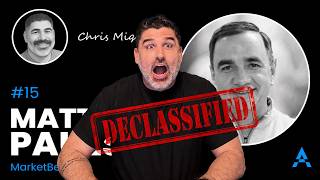
In this 60‑minute Audience Bridge Insights podcast, host Chris Miquel interviews Matt Paulson of MarketBeat. They discuss the state of email deliverability across Gmail, Yahoo, Apple and other providers, noting that Gmail makes up 70% of their list and that automated Gmail image‑proxy opens have forced them to re‑classify many opens as non‑engagement, prompting an aggressive list‑cleaning that will halve their subscriber count from 6 M to about 3 M. They describe their response to the Yahoo outage, bot‑click filtering, and the use of spam‑rate targets (<0.08%). They explain the migration to Beehive lists, the “Make Money Button” automation that targets recent clickers, and the recent re‑implementation of BIMI with a Verified Mark Certificate. AI is used for content generation (SEC filing summarization, earnings‑call briefs), developer productivity (Cloud Code, GitHub Copilot), and internal agents (Multi and Victor) that monitor reports and alert on anomalies. The conversation moves to SMS, covering a 400 k subscriber base, active‑user revenue (~$9 per user/month), compliance steps (reassigned‑number database, TCPA defenses), and the importance of regular list re‑validation. They detail MarketBeat’s YouTube channel (600 k subs, 40‑50 k views per video, $100 k/month revenue), acquisition tactics, and future growth via Shorts, TikTok, and MSN syndication. Technical evolution includes moving from a monolithic ASP.NET codebase to Node.js “Vibe‑coded” apps and refactoring cron jobs. They discuss co‑registration lead quality, activation rates by channel, and advice to focus on activation metrics for list growth. Finally, they critique ESPs for lacking deep cohort analytics and share upcoming events (MarketBeat Open, music festival, women’s basketball tournament).
Chapters
Content's pretty darn good. Like, it's like a human would want to read that.
How is Gmail looking for you right now compared to last year or the year before as far as deliverability goes?
You know, we're 70% Gmail, so like that's kind of the tail that wags the dog.
Everyone just talks about AI, but when you go out there and actually talk to people that aren't in the business, they don't know what the hell you're talking about.
Yep. I mean, we're not trying to replace people with AI. We're just trying to like work off of our people so they can do more interesting stuff. We've got all of our eggs in the SendGrid analystratings.net basket.
Deliverability, like, "This is a very risky thing we're doing." How has that affected engagement in general, numbers with the ISPs, maybe even revenue?
We have a great bank of advertisers. We know which advertisers work really well. We know which offers are hot, which offers we should send. So a lot of it's a data game, and we've just gotten pretty good at that.
Welcome back to another episode of AudienceBridge Insights. I have the pleasure of being invited by Matt to his new beautiful MarketBeat studio.
Yeah, this is the first non-MarketBeat official podcast recorded in here. So kind of fun to be able to use all the new equipment and lighting and cool stuff that we have.
I'm excited about this one. It's the— actually, Matt kicked off the AudienceBridge Insights podcast. He was my first guest.
So this is act 2, episode number like 15, 20, 16, I think we're on now. Okay, cool.
So not too bad.
I mean, I made it to 26. So if you make it to 27, you're doing pretty good. Before I place out on my podcast.
Yeah, I gotta keep going. I gotta keep going. Let's go back to the beginning. So when we first kind of got to know each other and started was it was during the big Yahoo debacle that happened.
Yeah, about a year ago.
Last year. Yep. You know, last year hit everybody, especially the finance industry, very hard. I know we worked on some stuff, got through some of that. Just wanted to see how everything's going in the Yahoo space right now in general for MarketBeat. How's it going in the FinPub space as a whole for everyone? I did attend FMS for the first time this year, Financial Media Summit. It seemed like some people were starting to like get out of the funk that, that happened this year.
So yeah, it does seem like the Yahoo issues have mostly come and gone. All of us that had Yahoo issues last year, I mean, you basically lost the people that were active on Yahoo. Like you didn't get most of them back. So it was a lot of kind of rebuilding of your Yahoo audience. You know, we're getting there. We're not quite where we were in terms of clicks. Like on a weekly basis before the Yahoo issues a year ago. But we're probably 60, 70% of the way back. So we're pretty happy with how things are going right now and just hope they don't take another big whack at, you know, affiliate traffic and stuff like that.
Have you had since that kind of growth back up to, to the audience, have you guys had any setbacks during that time frame where they kind of hit you again and you kind of had to slow down and get back up or kind of steady?
Yeah, there was one, I think October, November that we had an issue for like a week or so, but it was, it sounded like it was more of a technical issue than anything that we had done. And then it came right back. I don't know exactly what happened, but things, things are pretty good right now. Lately we've had more issues with Apple than anybody. See issues there off and on and yeah, heads and tails.
Apple has not been friendly to anyone across all the people I talk with. Everyone's getting throttled or blocked for a certain subject. A lot of, a lot of bounces.
But for us, like, Apple is a pretty small portion of our list. Like, you know, we're 70% Gmail. So like, that's kind of the tail that wags the dog. And like, if our Gmail stuff's doing fine, like the other stuff, well, you know, it's kind of nice to have, right? Not critical. They just announced that they're getting into the business email game now.
So just like the Microsoft or the Google Workspaces, Apple's going to have their version of that. So, well, it'll be interesting to see how that goes. As far as MarketBeat subscriber base, kind of keeping on in that conversation, do you have a big percentage of people that are using corporate accounts, even if they're their Google app accounts or their Microsoft Outlook accounts for businesses? Like, or is it mostly your top level, just Gmail, Yahoo, your general emails?
And we kind of have a big other category of everything that's not like Gmail and Yahoo and all the Yahoo domains and Microsoft and, um, I would say Gmail is the biggest, and then it's like other, and then it's Yahoo, and then it's Microsoft, then it's Apple, then it's probably Comcast. But there is a lot of that. We see tons of bot clicks on that, so we have to try really hard to filter those out and look at like things like click velocity of like this IP has clicked 40 times in the last 24 hours, probably a bot. And then we make them go through a CAPTCHA or something like that. They're really like, we don't want fake engagement signals, so we try to filter out as much of that as we can.
Yeah, those are the hardest ones because of all the, I mean, they're business related, so they have all their internal firewalls and all the things in place that check everything. And then as far as Yahoo, they came out with Insights this year, or maybe tail end of last year. How has that played into your guys' deliverability monitoring or anything like that? You guys looking at that closely? Just keep an eye on it?
Yeah, I mean, I probably log into it once a week. Our Yahoo spam numbers are pretty good. They're kind of 0.04, you know, try to keep it at a 0.08. So look at that, like everything's fine. So pretty happy with that.
Nice. Now let's go into Gmail, which is the big delivery— I mean, probably the largest chunk of your list, I would say. How is Gmail looking for you right now compared to last year or the year before as far as deliverability goes?
You know, it's, it's really hard to tell because we've changed how we track Gmail stuff. Historically, it's had a pretty high open rate. But what we've come to realize recently is that a lot of the Gmail image proxy opens are probably like just automated opens. So we've started making it so that if we send the Gmail address, the email, and then the pixel fires within the first 5 minutes, we consider it automated and then we don't track it as an engagement metric. And in doing that, like, you know, there's a lot more— a higher percentage of our open pixels are considered automated. And then that kind of cascades into like we don't do a triggered email on an automated pixel. Then we send out less and it's just just kind of reset the bar for all of our metrics. Generally, I think it's fine. We have a domain reputation of medium on Gmail. We're working on getting that value that high, right? And like to do that, like, you know, we're focused on like getting our spam report rate under 0.08, really focusing on email signup channels that have a higher activation rate of like of all the emails signed up, what percentage of them click. You know, we're focused on that. And then just kind of, you know, we have a lot of people on our list that they may have like recent open dates, but they've never clicked. And like they could have been on the list for 12 months, maybe gotten 500, 1,000 an email from us and never click, like, that's probably like not a true engagement signal. Like if you've gotten 500 emails and like haven't clicked on one of them, like it's probably not a real account in my mind because you're going to click on something eventually. But like those people, we're going to start to scrub them and we're probably going to do some of the more aggressive scrubbing we've done over the years just because our list is 15 years old and, you know, there's just a lot of, a lot of noise on there and kind of, kind of need to dial back. Like when we're done cleaning out, we're like, we won't have 6 million email subscribers anymore. We might have 3. Like we're going to cut it back pretty hard.
For fun, have you ever gone back and looked at like a recent purchaser, like a recent purchase, see how long the oldest person's been on the list? Like, do you have someone from 10 years ago that still maybe made a purchase this year?
Yeah, I mean, we have people from 2011 that are still actively opening and clicking. I haven't looked at the purchase data, but we've definitely had some longtime subscribers. And every now and then they write in and they're like, I remember when you guys were Analyst Ratings Network.
And I'm like, yeah, we still sell from analystratings.net though.
We sure do.
Looks floaty.
It's hard to warm up a new domain these days.
Yeah. Yeah. Well, talking about that, I know one of your big initiatives, I don't know if it was beginning of this year or end of last year, you started testing out some new lists over on Beehive.
Yeah.
And I've heard that's been going very well. I know you kind of talked about that a little bit on FMS. How's that going right now? What was your, you know, initial strategy when you were, when you were going that route and what was the kind of ramp up of these new lists? Because I think these lists now are pretty mature.
Yeah.
Or at least the first one you had, I think was pretty mature.
Yeah. So about a year ago when we had the Yahoo issues, we thought, okay, We've got all of our eggs in the SendGrid analystratings.net basket for deliverability. Like, this is a very risky thing we're doing because we get our domain gets blocked, our IPs get flagged or whatever. Like, that's a bad day, right? Like, yeah, we have other channels, we have SMS and browser notifications on our website, but like email is very like stuck in that one basket. So we thought, okay, everybody is talking about Beehive. I was not in the financial publishing industry then. Like nobody was on— none of the FinPub people were on Beehive yet. I thought, okay, we should try Beehive lists and we should try a Substack list. The Substack list didn't really go anywhere. It was— couldn't get good open rates on those emails. We were sending people to the Substack page to sign up, like through our push notifications and SMS, stuff like that. Had a very hard time getting people to sign up. And then when people did sign up, like the open rates were just not good. So we eventually turned that list into a second beehive list. But now what we do is like on our main landing page, you know, there's a thing that says like that, you know, when you sign up for MarketBeat, you're also going to get a free subscription to American Market News, which is our beehive list. And then when people fill out the form, we just do an API call to Beehive saying Chris signed up, put him on the list, you know, start sending him the daily email. And then if Chris activates and starts to engage with that email, then we'll also send like an ad every day to the people that are opening and clicking actively. And, you know, we're able to maintain 40-50% global open rates on Beehive, really healthy click-through rates. And, you know, we've done the stuff that you've talked about with the base sending segments.
And you've coined your own term there for Beehive, the Make Money Button, right?
Yes, there is the Make Money Button. And that is— it's an automation where you're taking your most active people and then just sending them your best kind of I don't know, make money kind of emails. Could be an offer for an advertiser, could be like your own best offer for your product. But like if you know somebody has clicked in the last 7 days, like they're an active person, like that's the time to just like start sending them the stuff that will make you money. Matt McGarry made a really nice video about how to set that up.
He tried to steal it from you.
He did. Well, I don't say he tried to steal it. You're just— he did give me credit.
Yeah, he credited you, I think.
Yeah, he did credit. It was definitely my idea. So and it definitely works like we make so much money from the Make Money Button series. Go look at Matt's video on that and learn how to do it if you have Beehive.
Awesome. And how many lists are on Beehive right now?
Uh, we have 4. 3 that are really kind of up to speed. 1 that's— we're just getting started on. You know, I think by the end of the year we'll probably move 2 more over. Uh, we're probably done creating like brand new lists on Beehive for a while. From our— we send like too many different newsletters from our main sending domain. So I think it'd be helpful to move a couple of them over to Beehive to— that way Gmail doesn't think like— like, because we have like 10 different email lists and if somebody happens to be on all 10 of them, Gmail is like, you're sending 10 emails a day to this person. It's like, well, yeah, but they're different brands, but they don't really see it that way.
And then, and I guess you said you're just going to migrate a couple of existing lists over there.
Yeah.
Same, same people. You just—
Yeah. So we'll just take like, I mean, we'll move over inactives, but the people who are active will, you know, like take something off kind of our offanalystradings.net, our sending domain, and move them over to our Beehive list. And then I think that'll go pretty well.
And when we were talking earlier, I think you mentioned, I know in the past you had done the BIMI setup, but you stopped doing it because because, you know, back then when you initially did it, you didn't really see anything, and now you're telling me you recently redid it?
Yeah, we just VMC again, a Verified Mark Certificate, because we have our Mark B.M. trade— like trademark, so we can get a VMC. We did a BIM EPI 3 years ago, did it for a year, thing expired, and thought like, this didn't make a big difference to our deliverability, let's drop it. And now we're kind of hearing through the grapevine from people like our friend Ashley at SendGrid and from you that like, you know, it probably does actually make a difference with deliverability, so go spend the money and get a VMC and just, just do it. How long ago that happened? Or did you last week, I guess.
Pretty soon, too early to tell. So yeah, well, we'll have to follow up and see if it really made any movement across those, those sends. Let's go with the whole world's talking about now, at least in our little nerdy ecosystem, especially on Twitter and stuff, which is AI. Seems like it's everywhere in the world. Everyone just talks about AI. But when you go out there and actually talk to people that aren't in the business, they don't know what the hell you're talking about. Yep. So we're still kind of in the infancy, but obviously it's going to snowball here. Obviously snowball for our industry in the tech industry. What is your, your mindset on what AI is going to do to email deliverability, inbox, consumer behavior within the inbox because of all these AI summaries? Obviously all the ISPs are going to be leveraging it heavier than they already do with all their filtering algorithms and things. How do you think that's going to affect you? And then we'll get into the second part is how is MarketBeat kind of leveraging AI right now?
I think that the content filters are going to have a really hard time, like Cloudmark, because what you could do is just say for every 1,000 recipients, rewrite an email so that every email just looks a little bit different. It'd be really hard to do fingerprinting in a way that ESPs have historically. Like, I feel like if you are, yeah, if you're an ESP trying to filter based off content, I feel like that's going to get really hard for them to do. If you're a sender, like, it's great news because then you can use AI to rewrite any email that you sent before, send it again. It looks like a brand new email. And, you know, if it got fingerprinted before, the new email isn't fingerprinted. So it'd be tough, tough for ESPs, good for senders. You know, I think the email summary stuff that's in inboxes right now, you know, right now it's, it's only available to people that are paying Google a couple hundred bucks a month for their Google AI Ultra thing. So most people don't have that today. I do think there's, you know, there's the trend of like inboxes are flooded with email. People get too many, too many things. I'm guessing there's going to be machine learning to say, okay, Chris is not engaged with XYZ email right now. It all makes suggestions to say, you know, you haven't opened this newsletter in 30 days, do you want to unsubscribe? One of the predictions is that Google is going to start clicking the list unsubscribe button for you proactively. Like, I could totally see that happening. I feel like the summarization tools are probably like a, you know, a year or two out from this being the default for everything. I don't know that it's going to change that much for us.
Yeah, the— I actually talked about that as a prediction for the auto unsubscribe for people that aren't engaged with their email on Matt McGarry's year whatever, the end of the year thing. Which I think is going to happen because it makes sense. They know everything that's happening. They have the tech stacks already there and the amount of money it would save them not having to receive, filter all those emails in bulk is—
Or if it's like a dead Gmail account that hasn't been logged into in 12 months, like they probably should just unsubscribe.
Yeah, mailbox full for like 10 years. Yeah, it's interesting. And then as far as MarketBeat itself, how are you guys leveraging AI within the company, whether it be for, for content? I know you guys played a bit a few months ago or maybe in the last year of using some AI summarizing within articles or something.
Yep.
I know you guys are starting to use it on the tech team side for faster development and things.
AI at MarketBeat really started about 12 months ago when the initial kind of strategy was to kind of use the APIs that OpenAI and others offer to kind of summarize content, to make automated content, which we have been doing automated content for 15 years with templates and stuff like that. But now we could take like an SEC filing and write a news brief or an earnings, earnings call transcript and write a story based off that. And like, content's pretty darn good. Like, it's like a human would want to read that. And I don't know if that's been true of like the template and stuff we've done historically. Like the new automated stuff we're doing is really good. So you can write a full news story about like what was said on an earnings call and like, it's great. We also do like news summaries for companies where it's, you know, Apple. There might be 200 or 300 news stories a day written about Apple on kind of big news sites. So we try to sum, like distill and summarize it into a couple paragraphs to like, here's what's moving Apple stock today, doing a lot of that in the fall. So that was kind of our spring summer initiative last year. In the fall, we, when Cloud Code got really good, when Opus 4.5 came out, we had all kind of experimented with different things with like GitHub Copilot Agent and some of the, you know, earlier things that had come out. And Cloud Code got really good. And I basically told everybody like, okay, this is what we're using. You all need to go get this right now and try it out. So our dev team has become super efficient with Cloud Code. Like we're burning through our past kind of like we had like a year backlog of stuff and we're just burning through that list. We'll be caught up up in a month or two of like everything that had been on the list for over a year. And then our dev team's gonna have a lot of free time to like go do new stuff, which will be really cool. And then lately, like, we've, we've created a couple AI agents. I've had an OpenClaw instance or ClaudeBot kind of since it came out and kind of teaching it to do new things. But one of the cool things to have it do is, you know, we have a big reporting system called the MarketBeat Web Admin that's got kind of all of our data. We looked at it, you know, today together. Um, I'll have my, my OpenClaw— his name is Multi— logs into that, looks at all the key reports, and then if anything has changed dramatically dramatically over the course of like a week, like he'll alert me to that because, you know, I don't look at the reports every day, but he can look at the reports every day and be like, hey, your Yahoo open rate went up 15% this week. You should take note of that and figure, figure it out. So he's really good at alerting me and that kind of stuff. And then we just recently installed Victor into our Slack instance. And Victor is basically like OpenClaw for your Slack team, which has allowed some of our people that, you know, maybe aren't technical enough to set up OpenClaw on their computer to have like an AI agent where they can train it to do stuff. And that's going pretty well. Like our team's finding a lot of cases for it.
And you said, didn't you say that like Victor and Molti have a little chat every day to follow up, summarize with how their day went?
Yeah. So we have a Slack channel called just projects-lobster where the two Open Claw agents talk to each other and at 7 p.m. every night they each give each other a report of like, here's what I did today, here's what I learned today, here are the things you should keep an eye on. And that way, like their memories can kind of, I don't know, cohabitate a little bit.
Anything interesting come out of that?
Not yet. Molti makes a lot of mistakes. Like he just does like get stuff wrong.
So we've been having a lot of them get wrong on his Twitter posts or his X posts.
Uh, there's some of that, but like Multi just gets stuff wrong and then like we'll call him out and be like, Multi, you messed this up again. Then we had Victor start keeping track of Multi's mistakes, just did a running log of that. That's kind of been fun.
What, um, I guess what's the, what's the end goal with, with these agents for you guys?
Um, I mean, we're not trying to replace people with AI, we're just trying to get some of the legwork off of our people so they can do more interesting stuff.
How many developers are on the team now?
Let's see, we got Rebecca, we got Becca, we got Ryan, we got Liz, we got John, Savannah, and Alex. So 7— one of Alex is a designer, but so probably 6 developers.
Nice. And you just 3, 4x them, so now you have 24 developers.
Yeah, we can do a lot of stuff. You know, we have a 15-year-old code base, so a lot of it's refactoring. And we were running jobs through an ASP.NET web application, like cron jobs. We're moving that to like a separate job system, so that's big project this year.
Got it. Any plans on changing any of the tech stack?
Well, what it's— what we're doing more and more, uh, like we've built like 2 new web applications that tie into our existing database, but they're built like on Node.js, entirely vibe-coded. Like we built a new editorial management system so that our writers and editors can have their own workflow in their own system where like a writer can submit a pitch and then like an editor can approve it. The writer can write the article, the editor can edit the article, go through a bunch of checks in it, and then like use AI to write like a meta description and like meta keywords, stuff like that that a person shouldn't need to write. It's all in an entirely like Vibe-coded Node.js application, and then it just writes back into our database and then eventually we'll go delete all the legacy stuff that's in the MarketBeat web admin. And I see us building more and more kind of specialized apps versus like having one big monolith that we've historically had.
And then this past, I don't know, I wouldn't say that maybe last year, maybe the last 2 years, you've really gotten your hands into that SMS game.
Yeah.
How's that going? How big is your SMS list now? And then what do you see more, more growth there or are you kind of seeing somewhat of a ceiling that you got to kind of break through to get to the next level?
So we're at maybe 400,000 SMS subscribers. We have 3 different SMS lists, but 200,000 of those are— have clicked on a link from SMS in the last 90 days. So 200,000 is probably our active number. It's definitely— it's a different game than email. It's simpler in some ways because like deliverability is not as much of a problem. Like if you have a shortcode, code, right? But it's also much more complex from a legal perspective. For example, like, one thing you need to do is every now and then run your email, your SMS list through the, like, what's called the reassigned numbers database. Because let's say Nick had a phone number, he signed up for MarketBeat SMS, he says, I don't want Verizon anymore, I'm gonna go to AT&T, get a new phone number. But somebody will eventually end up with Nick's old phone number. That person hasn't opted into MarketBeat SMS, but Nick did, so that consent is no longer valid. Then you have to run your list through the reassigned numbers database and say, okay, that number is reassigned, we to unsubscribe that number and it's not a valid opt-in anymore. The other thing is there's a lot of serial litigants under the Telephone Consumer Protection Act, TCPA. So like at least once a year, somebody threatens to sue us over TCPA saying, you know, I didn't opt into your list, you're spamming me with SMS. And we're like, and we, of course, you have to go back and say, hold on, like you gave us your email, you gave us your phone number from this IP address, you filled out this form, and then we sent you a text and then you clicked on the confirmation link and here's your Verizon IP, or you clicked on it and just really like provide the evidence like, yeah, you did opt in. So like you could sue us, but we've got the data to prove that you've opted in. And then they usually go away. Like, we've never had a TCPA thing become a lawsuit. We just get, get the complaints from like the serial litigants all the time where like they're just looking for people that don't have the consent data. And then if you don't have that, then they'll sue you and then you end up having to settle for $15 grand. But thankfully we've got good consent data for everybody.
So that's interesting. So how often are you guys rerunning that phone number SMS checker?
You're supposed to do it every 30 days. So we end up spending a couple grand a month to do that, but it's just kind of the cost of doing SMS. Like the, like you pay way more for SMS than email, but the revenue per subscriber is also quite a bit higher. Like of our 200,000 active SMS subscribers, like that might be like $9 in revenue per user per month. Like, you know, 200,000 people like that could make us $1.8 million in revenue each month. So it's the monetization is very strong.
And it's interesting how you talk about that. And that's a big problem. We talked about this on the email validation side earlier today, and it's a big issue with the industry. And a lot of people, one, don't really do probably a great job validating on the front end when they're acquiring the data, but then really recycling and then revalidating during a certain cycle, if it's quarterly, biannually, whatever it is, to make sure that their list is still valid. It's kind of a similar thing because I mean, people's emails, I mean, I've had, you know, 20 emails over the years and different emails turn into spam traps because you left them and things like that.
And that can end up hurting deliverability pretty Yeah, that's definitely something people should do too. You know, like every 90 days or whatever the good frequency is, but just go revalidate your list and make sure all the people are on there are still good and kick off if somebody's become inactive and now they're a spam trap. Like obviously you don't want those people on your list and there's lots of these services out there. Our friend Sean runs One Code Emailable. You use One Code Email Oversight. We use whatever SendGrid has built in and they all kind of do slightly different things. So it's just kind of knowing which ones are the good ones. And we use one called Kickbox for years. That was pretty good. But, you know, who knows?
I actually had Tim Berkland from AfterOffers on. I think it was the last episode and he talked about it. So all, every, everything that comes through his co-reg channel, they like quadruple verify on 4 different validation tools. Plus he has other layers of things for bot protection. So he's trying to do it on, you you know, for his clients, which is great.
That's probably overkill for, you know, a normal person, like with the list. But I guess if you're running a co-rides lead network, that could make sense.
Yeah, I mean, it's definitely like— I mean, he said it. I think he said like every time he does a validation, he's losing like 5 or 10% because it just keeps on whittling. Everyone has their own little master global suppression file, their own bot file that they say are bots and things like that. So now that we've talked about SMS, let's talk about your your, your YouTube channel that just skyrocketed, which you built this beautiful new studio. Yep. Um, which, how long has this been open now?
I mean, they finished like a week ago, if that.
This is one of the first episodes in here, guys.
Yeah, we hired, uh, Brian, the guy behind the camera, to help us run the studio and to be kind of our video production coordinator. And of course, we have Bridget doing her YouTube channel. She's doing a great job with that. We're up to 600,000 subscribers. If you video get 40, 50,000 views. We've been able to get some great guests, like Mark, like Mark Chaykin is a regular on our channel. He's, um, one of the experts over at Stansberry Research, and, you know, he does really well on video, so he's been our frequent contributor to the channel. And we've been able to get some really fun guests just based off our advertising relationships. And, um, there's a real audience for it, like, and it's, it's very much different people than, like, are normally on, like, a MarketBeat email list.
Is the majority of your acquisition for that channel strictly like advertising via Facebook— I mean, Facebook— via YouTube directly, and that's where you're getting your subscribers?
Yeah, so like initially when we started the channel, like, we sent our email subscribers, um, and our SMS subscribers to YouTube to like go say, hey, we published a new video, go watch it on YouTube, um, to kind of seed the channel with some people. And then we did YouTube ads for a while. They've been off for a couple of months now, and now all the growth really is organic YouTube, of YouTube showing our videos to people that might like them. And then obviously if they watch the whole video, it'll show more of them for a while.
And then have you guys been able to track how many of those subscribers may have now gone the other way to your email list?
Yeah.
Probably your SMS list from the YouTube page?
Yeah, I mean, it's a few thousand a month. It's not a huge number, but the people that come from YouTube tend to be pretty engaged and pretty kind of high revenue per user numbers. You know, our YouTube channel probably makes about $100,000 a month. So certainly covers the salary of the staff and pays for rent in the studio and pays for some equipment. And you know, it's profitable. It's not wildly profitable like some of the other stuff we do, but I think it is a key differentiator for us. And at, like these days it's really easy to go build out a stock research website that has data powered by like, you know, you can go buy stock market data anywhere from Intrinio or Zacks or whoever and then vibe code a tool to show off that data. Like anybody can do that now. So like that's not really a bar anymore. Like 15 years ago, like that was kind of hard to do. Now it's really easy to do. Then the next layer above that is kind of like original written content where you've got writers and editors and like the real people and see their picture and their bios. Like, like that's kind of a bar of like difficulty. Like there's a great site called stockanalysis.com, like really cool website. They do a really nice job. But one thing that differentiates us from them, like they've got some really good tools, but they don't have the original content piece. We have kind of the written content piece, but then the bar above that is video. Like video is hard to do because you need a studio, you need a host, you need guests, you need production people, you need editors, and like just a lot of people that goes into it and like equipment and resources. So like we see that as a differentiator for us versus the people that either don't have the resources or the ambition to do that.
Did you guys find— oh, we talked at one point. Did you guys finally hire a, uh, a guest booker or whatever? Someone who like tries to get guests for you guys for this pod?
Um, we don't have somebody that does that actively. Um, so our YouTube team is Bridget, our host, Brian, who's our video production coordinator, and then Lacey, um, who was our original YouTube host, is now mostly doing some other things, but now she's, you know, still helping with the YouTube channel. A lot of it is just our advertisers and kind of the, you know, so many of our advertisers are financial newsletter publishers and all those newsletters have a face behind them. And then it's to the person who's the face ends up being the guest on our YouTube channel. It gives them credibility because it's kind of an independent media where it's talking to their expert and it gives us content. So it's really a win-win kind of deal. And, you know, sometimes they can promote their offers. We've done some of that with, let's say, moderate success, but it's been really a lot of fun to learn YouTube and what works and what doesn't work.
Working.
You will argue over like, we should do ads again, no, we shouldn't do ads again, and just kind of go back and forth on some of that stuff. And, um, it's been a lot of fun to do it.
Uh, you think you guys will get to 1 million this, this year?
If we turn ads back on, we will. If we don't, then, uh, we probably won't. I won't. Because like, you can grow your, your organic view count pretty easily, like with your organic stuff, but if you really want to push your subscriber, like your subscriber count, like you probably got to do some YouTube ads.
What, what percentage of the, of your subscriber base do you think watches an average video? How many views does it get?
Average video gets 40,000 to 50,000 views. So like, that's pretty good. Yeah.
Better than social media reach.
Yeah. We've never figured out social media outside of YouTube. Like, we've never been able to make it work for us.
Are there any new emerging channels that you guys— I mean, you're always looking for a new channel and, you know, spreading out. I mean, you're a media brand now, obviously, not just a— originally you guys were, you know, an SEO kind of play game on the website. Then you got into the email game, which is what really blew you up. And obviously now you're trying to find different things. SMS, what was next? Now you're doing YouTube. Is there another channel that you see on the horizon? That's something you're going to try to capture. I know you talked about your kind of AI openness where like you allowed all the AI to come in and scrape the entire website and stuff to get that data. Because obviously if they're doing that, then hopefully people searching for stuff are going to find you. Are there any other channels? Is that the channel that might be the one?
We do get some good referral traffic from like ChatGPT, but it's nothing compared to Google. I think the emerging thing, like the— we're still trying to figure it out. Like, you know, we have some great video content on YouTube. We've just recently started putting that like on Facebook and Instagram, get seen some pretty good engagement reach there. So I think that's a growth opportunity for us. Then can we do like some native Shorts and get them? Yes, on YouTube, but also on like Instagram Reels and whatever Facebook's version of Shorts are. We also upload our YouTube videos to MSN.com and like do pretty well with that. Not everybody does— can do that, but we've got like the MSN deal, so we upload all of our videos there and it makes us a few thousand bucks a month to do that.
What about TikTok?
We have a TikTok channel. I don't know if we're doing videos on it actively now. We actually run ads on TikTok profitably and like that's kind of unusual that a financial newsletter that's generally kind of for older people is doing well on TikTok. But the ad channel is doing pretty well for us.
As far as monetization, we talk about— I mean, you guys have— you guys, you in general, were the brainchild behind it, but you guys have mastered your cohort analysis, the monetization of all your sources. That's how you've been able to scale so much because you know exactly what you're putting in, what's coming out. So you know what to kind of push on and what not to. What— how are other people in the industry doing that? Is it— they're not able to do it at that level?
I don't know if I have a great answer to that. You know, in terms of monetization, like we do really well. Like we've got the data of like who our buyers are, which is kind of a unique thing for financial publishing that you get postback data. Not everybody gets postback data. You know, we're really good at getting people to sign up on multiple channels of like when you go to our landing page, like you're going to sign up for our main email list or be high our SMS list, so we could get people on 3 channels at once. Could send them to the YouTube channel to get number 4. So obviously if people are on more channels, you can send them more ads and monetize better that way. We have a great bank of advertisers. We know which advertisers work really well. We know which offers are hot, which offers we should send. So a lot of it's a data game and we've just gotten pretty good at that.
Have you guys done an analysis on your subscribers that opted in with both email and SMS? SMS, and has that— is the engagement on your email for those people higher than just your regular subscribers with just email? Kind of because they're on multi-channel, maybe they see more, so they're more ingrained to the brand?
They tend to be pretty separate. Like, somebody who's very active on SMS, like, that's not a guarantee that they're going to be active on email. And if they're active on email, it's not guaranteed that they're going to be active on SMS. So like, if we do a trigger campaign based off SMS, like, we probably won't send an email off that because it's not like a good indicator that they're going to open an email. So yeah, they tend, they tend not to be correlated, I guess, is my experience.
Since you brought up the triggered emails or the trigger campaigns, what, um, what would you say the biggest mistake people are making out there around their triggered campaign to trigger systems that they're trying to implement?
Yeah, there's no good tech to do it right now. Like, Inbox Mailers is out there, but I don't think there's a lot of product innovation happening with that product. I think KITT does a pretty good job with, um, like, trigger-based emails from what I know. Beehive doesn't really have it yet. Hopefully they'll add soon. Like, the problem is you have to build your own tech. But then when you build your own tech and if you're going to be based off open pixels, like, you have to know what a real open is, right? Or if it's going to be click-based, you have to know that it's not a bot. And, you know, it's pretty hard these days to differentiate, like, real engagement from fake engagement. And, like, if you can do that, you can do triggers really well. But, you know, if you send in a triggered email based off every click or every open, like, you're gonna have a bad day.
And then based on— I mean, we talk about, like, identifying real human openers, real human clickers, like, all this stuff. Some of these ESPs, a lot of them are starting to come out with their own, you know, verified click metric, human click metrics, real click metrics, whatever they call it, to try to help identify those. What have you guys done on MarketBeat? You guys do have your own custom platform. What has changed over the last year or 6 months of how you're looking now, your opens and how you're looking at your clicks from your traditional?
How has that affected delivery or engagement in general, numbers with the ISPs, maybe even Yeah, I think we've gotten better at identifying automated traffic in the last 6 months. And like, you don't want to like unsubscribe people because they're sending bot clicks because an email address can be both a bot and a real person. And like the security software might be clicking on every link and then the person like might be clicking on the link here and there. Like you don't want to like kick off an email address off your list because the security software is opening every email. It's like there's still a real person behind it. So you have to differentiate like the, the security software traffic from the real human traffic. Traffic, and you tend to do it by like IP address or like there tends to be, tends to be a lot of that stuff from like the cloud computing networks. So you can do it from like the ASN numbers, like for an IP range and say, okay, if this is like Google Cloud traffic or AWS traffic or if it's Microsoft Azure traffic, you know, probably not a real person. And then we can send them to like an interstitial page where like they have to click on a button to say like, yeah, I'm a real person. So like when we do like a click-to-opt-in campaign, for example, we know that a lot of the clicks from the cloud computing networks are Pi bots. So when we get a click that comes from like Azure on a click-to-opt-in campaign, we'll send them through a Cloudflare CAPTCHA page before they ever hit our redirect script. And then it'll go through all of our standard other bot checks too. That way we kind of have two layers of protection. You just kind of have to do that depending on the campaign type. But then we have other stuff that's like pure affiliate stuff, whereas we're only getting paid per sale. It doesn't really matter if we send bot clicks to those links. We just try to discount those clicks from our click perspective. Active, like in our campaign counts, but we'll still redirect to the landing page in case it's a real person. Because if they end up buying something, we'll get paid for it. Like, there's no reason to block that redirect.
We're talking about— I mean, I guess let me rephrase this, I guess. So my last two newsletters I sent out over the last couple weeks, one was my podcast about co-reg with AfterOffers, uh, Tim Berkman. This last one I just talked about, I talked about how cheap clicks can become very expensive for you. You know, a lot of it's tied to co-reg in general, leads and things like that. What is your thought on co-reg? What can you share there? Where, where would you tell people that you really have to have all your ducks in a row and make sure those cheap leads don't become expensive? And then, I mean, it could be expensive leads could even not be— it could be very expensive as well if they're just not good quality. But are you banding your co-reg?
Yeah, so for, for, you know, there's kind of different levels of like engagement with channels. Uh, co-reg tends to be on the lower end, lead shares even lower than that. And on the high end is like a PPC campaign where somebody went to your landing page, they typed their phone and their email and then they're looking for that lead magnet and then they're going to their inbox to get the lead magnet right away, right? So that tends to be pretty high engagement. Website opt-in, somewhere in the middle. So it's good to know like what your engagement is by channel of like what percentage of these people activate in terms of like of the 1,000 people, how many of them actually like clicked on a link within their first 30 days, stuff like that. And co-ads can work. It's really got to be an alignment in category. So like if I'm on another investing website and then there's co-ads from MarketBeat, like that can work pretty well. More general co-ads like what SparkLoop does, I haven't seen that work as well with our own data. What we found with SparkLoop is that like every newsletter would promote our offer across every different category and we'd just end up with a ton of leads. All of them probably came from Meta, very low engagement. Well, lots of like click engagement, but not a lot of buyers.
Right.
Like from a raw engagement perspective, it looked pretty good because people clicked on stuff all the time, but there weren't very many backend, like people actually bought stuff. So we ultimately had to shut it down as a channel because like it's ultimately self-defeating for you to send traffic to your advertisers that aren't going to buy anything because they're going to look at your list as junk if you're not really driving those backend sales.
And how does, how does the beehives, what they call them, the upsells or not upsells, the —up, up, uh, an Absolute Booster, whatever they call them. How is that traffic looking? They seem to have some more FinPub kind of people on there now. I don't know, are you testing that one?
Um, well, we're buying ads on Beehive's ad network for our marketplace. That way it can kind of go through our cohort tracking system. Like, the early data on that's pretty good. That's not Beehive Boost. These are ads in other Beehive newsletters. So Beehive Boost is their like co-ed program or recommendation platform. We haven't done a whole lot with that yet, but running ads on their ad network has been pretty good because one thing that they'll do is like they'll handpick which newsletters or which categories they offer— show your offer to. So like they only show the MarketBeat offer to like finance investing type newsletters. That way, like a cookie newsletter doesn't see a MarketBeat ad as something they can run, right? Which is really nice.
And then it's like you said, those are the ads that are actually going to your site to fill out the lead magnet.
Yeah, it's kind of higher tier, high quality person anyway, and you end up paying more for those leads. But I mean, ultimately, I think, you know, having people that are more engaged on your list, people actually want what you're sending out, like, is, is what you need to do long term. Like, it's a, it's a quality game more than it is a quantity game these days.
When we're looking at ESPs, we can talk about— I mean, you have your own custom app, but now you're on— sure, you used other ESPs in the past, you're using Bhab now, and are you tested Substack? Kitt, uh, but Beehive mostly right now. What do you see from these ESPs that's, that's usually missing? And I know I remember seeing, I think you put an X post or something yesterday, how like you wish ESPs just focused on an email, email automations and things like that, and not all these additional things that they're trying to do. Um, what do you think they're missing in general?
Yeah, what you see with both Kitt and Beehive and probably some other ESPs is they try to be like the everything creator platform because like that's what they want their investors, or it's what their investors want them to be like. They want you to have your podcast Beehive or Kit, they want you to have your newsletter there. They probably want you to have your video content there, recommendations through there, maybe a referral program. And like a lot of these things are just kind of noise for somebody who's really focused on email. Um, really where all the ESPs need to get better is kind of at the data game of like cohort analysis of like which channels are driving like good engaged leads with the kind of engagement data based off ESP. A lot of them don't give you that data unless you like pay for an enterprise plan or a more expensive plan, because email is, you know, it's a 50-year-old technology and like it wasn't designed to be sent to a million people. And we've added so many things on top of that. And, you know, each ESP behaves a little bit differently and like you really have to have some depth of understanding of that data. And the ESPs don't always give you that. So like I would love to see them more focused on like there should be a base sending segment installed into every ESP, right? But no, you have to set it up from scratch. Some more, more stuff like that that's really email focused. And engagement deliverability focused. That's what they should spend their time.
I think we're getting close to the end of this because I think you have a place to go. What's, what's the one thing, one advice you would give any of the newsletter publishers out there? It doesn't have to just be FinPub on like what's the number one thing they should be focused on while they're growing their list?
I think the thing that more people need to spend time on is like, what are your activation rates by channel of like, so you get 1,000 leads from a channel, what percentage of them actually ever click on anything. And then to know that like, okay, my Twitter leads had a 10% activation rate, my Meta leads had a 20%, this co-ed thing only had 5%, and really focus on channels that have that higher engagement metric because that's ultimately what's going to be good for your deliverability long term. Perfect.
And I think we'll end it on that one. Matt, thank you so much for having me here at the studio. Love it. It's beautiful.
Yeah. Thanks for coming and make sure to follow me on Twitter. I'm @MediaKing. Chris is @MIQChris, right?
Yeah. @MIQChris. We're trying to get the email king. Twitter's holding the your ex-holding hostage right now.
Yeah, I'll just email Elon and let him know that. You should. Yeah, you should.
And is the MarketBeat Open coming up soon?
MarketBeat opens in October. We're also— so that's our tennis tournament. We have the Loudly Cooler Music Festival. That's our outdoor concert kind of festival thing. That's in July. We're also going to be doing NCAA women's basketball tournament called the MarketBeat Invitational or something like that. So got a lot of cool, fun stuff happening in Sioux Falls that MarketBeat Money pays for, and we just have a lot of fun doing it. Yeah, that's awesome. It was my first time in Sioux Falls.
It's a nice, nice city. Very, you know, it's a smaller city, but very well, well put together. Thanks for having me, guys. I hope you enjoyed Market Beat Declassified. See you guys next week.
More from Chris


Audience Bridge Insights #21 - He Kills Most Facebook Ads in 3 Days. One Has Run for 2 Years.
Audience Bridge Insights #20 - $3 to Acquire, $3 Back in 7 Days w/ Andy Mackensen, The Assist

Audience Bridge Insights #18 - The AI Standing Between You and Your Subscribers — with Chad S. White

Audience Bridge Insights #17 - AI Is the Biggest Change to Email Since the iPhone w/ Dan Oshinsky
Audience Bridge Insights #16 - CPM vs CPC vs CPA: How Newsletter Ad Money Actually Works
Audience Bridge Insights #14 - Co-Reg Isn’t Dead — You’re Just Doing It Wrong (w/ Tim Bourquin)
Your Newsletter List Size Is Lying To You! Make sure you identify this hidden metric.

Audience Bridge Insights #13 - Your List Size Is Lying to You (with Armando Roggio)