ServiceTitan Memberships vs Service Agreements | Podcast Ep. 11 | Mastering ServiceTitan
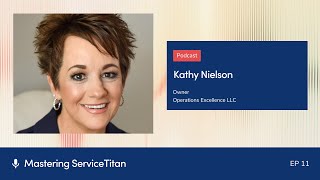
Podcast conversation (host Josh Lu; guest Kathy Nielsen of Chicken Lady Speaks) about operational best practices in ServiceTitan—differences between residential memberships and commercial service agreements, benefits, setup and management tips, staffing/seasonality strategies, and common mistakes to avoid. Emphasizes simplicity, consistency, deferred revenue considerations, and using memberships as technician training/incubator. Also offers Kathy's consulting services (ServiceTitan Deep Dive).
Questions this video answers
About nine years as a user and consultant.
chickenladyspeaks.com (Contact Us page).
About under $1M up to roughly $13–15M in revenue.
Welcome to Mastering Service Titan, where we get expert advice from power users. I'm your host, Josh Lu, and today I'm here with Kathy Nielsen from Chicken Lady Speaks. They are known for operational excellence and it's such an honor to have you here with us.
Thank you very much for having me. I appreciate it.
I was telling you before we started recording that Kathy has been one of the most highly requested guests to have on the podcast. It's going to be a fun conversation. I'm sure we'll be diving into the topic of services agreements and memberships, but before we get there, I wanted to ask if you're on a plane and someone's sitting next to you and they're like, what is it that you do? How do you answer that?
My little 10 second elevator speeches. We're in the service industry, so plumbing, heating, cooling, electrical, all the trades. I mention those because those are the most familiar. If you get into some of the others, people kind of get lost. I tell them we concentrate on the operations side. That's, that's our gig. Customer service, financial, like getting the data in correctly. We don't work with you on are you profitable or not profitable. We. But we get you good data.
Gotcha. And another fun fact about Kathy is that she has been on Service Titan since the very, very beginning of Service Titan.
Yeah, yeah. I have as a user first and then in this space as a consultant for. Gosh, I'm going on nine years.
Nine years. Wow. And so she has seen the entire evolution of Service Titan and probably knows the product way better than I do. Definitely knows the product way better than I do. And so super happy to dive into some of it today. I was talking to the onboarding team today and they said one of the biggest misconceptions about Service Titan is the difference between service agreements and memberships for those who are living under a rock and just don't know what those things are. What is service agreements and what is memberships?
Sure. So I actually speak at a lot of the Toolbox events on memberships. They're really my jam. Like, I love memberships. Memberships are more for the residential side. So it's like business to customer where service agreements are for the commercial side where they have maybe 20 or more units. And it's more business to business, where each facility, unless it's a franchise that's exactly the same, you know, box, they have different needs for every facility. And so that service agreements are more tailored to that. Where memberships are more. It's pretty much the same Stuff at every residence. Just maybe a little different equipment, but the same thing you do.
That makes sense. And if someone is a little new in their business and they don't have memberships at all or service agreements at all, what do you think are some of the benefits of setting up memberships or having service agreements? Like why should someone use that?
So I like to use an analogy of farming. I'm from the Midwest. There's kind of four areas of farming, right? You, you work the soil and get ready to plant. That's like your zero to three year old equipment. And then you're planting the seeds. That's like your three to five year old equipment. And then you're letting the sun and the rain and humidity do all its work. And that's like your seven to nine year old equipment. And then harvest is like your ten year and more. If you don't have clients in all season seasons, you're not a viable company. Because if you, everybody's at replacement stage, you replace them all. Now what do you do for the next 10 years? So what memberships and service agreements do is they keep people in your circle for those repairs and things that are going to be needed and be proactive. So we all know manufacturers are amazing, but sometimes they'll have issues on a coil or a gas valve or something. So you can be proactive to your customer and check in on them when those things come from the manufacturer. So you can be proactive and replace them and take care of them.
That is such a good analogy. That made so much sense. Because you want that healthy mix in your business, right?
Yes, absolutely.
So you don't have highs that are too high and then lows that are like dry drought seasons or something like that.
Exactly, yeah. You want that revenue to bump along so that you're not sitting there with guys, nothing to do or you know, back in the day we work on, you know, refurbishing things at the shop or something just because we didn't want to send people home. You know, they need money too to buy groceries. And so it, it keeps that in play.
That makes sense. Let's dive into memberships a little bit. So for someone brand new on memberships, if they're maybe thinking, I know I need to do this, but I just don't know how. It seems kind of intimidating. Where would you have them start?
Well, I do a lot of memberships with people and for people. Some people just want us to set them up because they don't, they don't want to learn all that when they won't use it again for years and then they won't remember it. The biggest thing is you need to look at seasonality, especially if it's heating and cooling. I'm a big fan of managing it seasonally. The big thing people forget is memberships aren't this big problem profit center right there to keep people in your circle. So if I'm spending an inordinate amount of time as a CSR trying to book it and having to dig in information before I book it, then that's just additional profit you're losing. So you want it to be as seamless and as thoughtless in the process as possible so they can just. It's all dialing for dollars. Right. And so that's the biggest thing is you have to be really clear on what you want. A membership is what you sell. A reoccurring service is what you promise, and the reoccurring event is the act of doing so. You need to just be really clear. What is that?
Are there some misconceptions about memberships out there for people who want to stay away from it or don't like memberships for some reason?
I think some people have this thought that they want to customize everything. And so you sell a membership and then they're spending 20 minutes editing. Okay. So you just spend another 20 minutes. Again, they're. That just eats profit. So I think they really have to think about the. The amount of admin time they're putting into it. And I think that's where people go wrong in the front end, is they go into it with that expectation.
Right. And if you don't, if you set it up, maybe they're afraid that if they set it up wrong, it's going to be a bigger headache later than what it's worth.
Yeah. Because if you don't manage them correctly, it will be a big headache. So they have to be set up right and they have to be managed correctly. I have lots of horror stories of people that have been through it multiple times because they just, you know, they. They want to start out with this big giant option package. Well, if you let your customer cherry pick everything that you offer, then it's going to be unmanageable.
Yeah. Let's jump into the setup a little bit and then go into management after. What are some do's and don'ts when it comes to setting up your memberships?
Well, I have a lot of opinions. One of my opinions is. So a lot of the big question is, do you defer revenue or not. So what deferred revenue is, is when I sell a membership, it goes in a bucket on my balance sheet and it sits there until I actually perform the service. And then it moves to income where your labor expenses and so if they're going to defer revenue, then my next question is either way, when's your first service? At six months after you sell it and 12 months after you sell it, for example is what I really recommend. People are like well sometimes we do it then and sometimes we don't and sometimes it's a heat visit and sometimes it's a cool visit. I said no, most times. Here's what we do. You need to make hard lines in the sand. So let's say I defer revenue and pretend it's $200. If I do the first visit right away, I am now negative. If it's a monthly package, I'm now negative $90 or whatever the math is because they've only paid me one month. You really want them to have skin in the game. So your first visit should not be the first month in my opinion it should be in six months when they paid you six months. So it's things like that that I really try to help them understand the impact of the end game. People don't look at the end game first. You need to know the end game to know how to get there. So I'm big on that.
Yeah. Earlier you mentioned some people have way too many options and it gets super complex. For those just listening, Kathy just rolled her eyes and laughed. So what are your thoughts on should they start with one plan or should they have three? That age old question of how to tier it.
Well, I'm a big fan of the membership telling you how many sisters systems. The reason I say that is when I go to book a visit, if I have three systems, my tech's going to be there four hours or whatever that is. If your default is it books it for an hour and a half, then they have to remember to stretch it out. That's an opportunity for error. And so what happens? The tech gets out there, he's got calls booked for the day and he's going to be there four and a half hours. But they forgot to do that. Right. So I like just having a very here's our membership. But I like having it like one system, two system or like tankless versus tank to water heater. Just so it tells you in a flash, in a heartbeat what that is.
Wow, that's so smart because it's really simple. You have one membership and then you just have how the way you organize it relates to how you're going to manage it later.
Yes.
Or else like you said, I can't imagine if they forget that on hundreds of jobs over the year.
Happens all the time. All the time. Because you know, CSRs are really good if, if you keep them, they should be really good. Right. And if it's just a manual thing they have to do. And the more manual things they have to do, the more opportunity for error.
Any other best practices when it comes to that initial setup?
The other one is when you are booking your visit. The more you put in there that's pre filled in, the less they have to fill in when they book it. And so you're going to have a lot more opportunity for consistency. So my favorite saying is consistency breeds accuracy. So if you're consistent in what you do, your information is accurate. It. So I'm just really big on being as thorough in that. So they have to do less on.
The back end right now when it comes to managing the membership. So let's say someone's listening, they're like, okay, that sounds great. I built one membership, I've got it split out with different ways for how many systems I've got. And they're like, it's go time. We want to start managing these things. Do you have one person in the office handle all that and own memberships or how do you like to structure the organization?
Well, I love having a person generally responsible just so you have one person to go to and say, you know, where are we at? How's it going as far as outbounding? Because the follow up is really fantastic. That screen works really well when it's used correctly that you can say, okay, Josh, you're going to call on anybody due in the next two weeks and I'm going to call in anybody the third and fourth week. So you can really filter that down or you can do it by zip code. Because booking those visits when you're dispatching for profit on visits is geography. Right. So if I can get everybody in a neighborhood that's more profitable than them driving around town, so you can really dial that in. So I think you can switch, spread out the outbounding aspect of it. But I, I really encourage one person to really be responsible.
And is it true that membership visits, you try to pack it in during the slow seasons.
So when I was GM at Shaw, I just had technicians and I had grown it to the point where I had three full time maintenance techs because that's our incubator, right. I can send a guide to the place we had them trained at and they can come out of there a week later and do maintenances and then that grows them into service, right? If I have three full time maintenance guys. And what are they going to do in the busy season if I do all my maintenances packed here? The other problem is with packing them is let's say I want all of them in March and September, okay? I have 4,500 members. I can't do 4,500 visits in one month. It's not feasible. And so what happens when you dump them all into one month? Now it's like digging through leaves to see who you need to call. Because what if I sold you yours in February but I sold another person back in November, I want to see that other person. Now I gotta go dig. But if I stagger them and make them seasonal, so the first visit is six months after the sale and the second visit is 12 months after the sale, now I don't have to dig. It doesn't mean you have to do them then. It means here's when they land on a list. Wow. Does that make sense?
That makes a lot of sense. It's so cool watching your brain operate because you've got it so clearly laid out and systematized that it's pretty impressive and inspiring to see.
I'm a very linear thinker. I'm huge on processes. I teach how to create processes all the time and I have a process for creating processes. So yeah, that's how my brain works.
So cool. And so something you mentioned earlier about it being an incubator is really interesting to me. And so a lot of the, the newer, less experienced technicians kind of start out just in, in memberships doing maintenance and during that time they're getting training and whatnot to be able to graduate into service.
Right. Because like I said, we had this one place we would send our technicians and they taught them all of that in a week at this place and they got their EPA license so they could come out and do that. So all we had to do is have them ride with a tech for a week to teach our process and learn mobile and then they could be doing that and you're going to put them on equipment that's, you know, one to say seven years old. So it's stuff they saw in class. You're not going to generally have major problems. Right. And then my selling techs, I'm going to put them on maintenances like the 13 year old equipment and more. Right. Because then if they find things, they can offer an option. So that, that is that area to grow them into service. And then once they're doing those maintenances and busy season does come, I can put them on a no heat or no cool on newer equipment and let them start learning.
That's so smart.
Yeah, because you've got to grow technicians. You're not going to hire a journeyman technician that doesn't have a job because there's a reason they don't have a job.
Any other advice when it comes to managing the memberships after, after you've built them and started selling them?
I think the other thing is, remember, you can't make somebody do something they've already paid for by leaving them sitting there for months and months and months. Well, now they're going to show up on your list again either for another visit or to renew a membership. So I like to have a process. Right. So I would call them, I would. And whatever that is, I say call, but it could be text or email or whatever your mode of contacting them. So you contact them, you contact them two weeks later, you contact them two weeks later, contact them two weeks later, you dismiss it two weeks later. That gives them two and a half months to call me for a service area paid for. If they're not going to call me back in that time, I'm moving on. And then they'll show up in two and a half more months for either expiration or another visit. Your list has to move forward. You're not always, always scooping backwards for all of these lists if it's used correctly. That's my big thing is don't keep thinking that you can't move on. It's their choice. You know, it's kind of like buying a gift card. How many times do we get gift cards and we never use them? That's why stores love gift cards. Right. So it's the same principle to me. You can only do so much.
Yeah, you, you mentioned expirations. How do you all handle expirations? And if customers get angry and things like that that they missed out. I mean, it sounds like you give them enough warning with how many times you're reaching out. But what's the communication look like when it comes to managing expirations?
Well, if they called three months later and said, hey, I missed my visit and we said, oh, Mrs. Customer, we did contact you first, I say something like, what is the best method? Can I verify? Because here's the number we're contacting. Maybe we didn't have the right number. And then I would go do the maintenance. I'm not going to argue with them. I still want back in the house. But I would verify first the information and then I would say we'll be happy to take care of that. You know, here's our next available.
That makes sense. Now let's shift gears a little bit and talk about service agreements. I know there's a lot of new service stuff coming out when it, when it comes to service agreements. What does service agreements look like now today versus when you first heard about it or saw it in service time?
So my session today is on service agreements here at Pantheon. So the service agreements has grown a lot. At the beginning I really was not a fan. It was very clunky and still you still had to manipulate a lot. It was very time consuming to get equipment in. Now you can put the equipment in in bulk. So my husband, for example, is a service manager for Walmart corporate for state of Kansas and part of Nebraska for refrigeration and H Vac. So his stores might have 40 rooftop units, three walk in coolers, ice machines galore. All of that equipment. In the past you would have had to enter that one at a time time. Now you can take an Excel spreadsheet, you can dump it in and bring that into your agreement. My second favorite new thing is materials. So you can add all those materials. So if you need filters or belts or whatever that is cleaner and it will give you a material list and you can do requisitions off of it, but it gives you a report. In the past there was no good way to get that when you're trying to prep to do them. So.
So for people who've been waiting to get on, now is a much better time to get on. Service agreements.
Yes.
How about the setup for those? Do you have to create a brand new one basically for every location or not really.
What you do and kind of the place people struggle is you. You make kind of generic templates. What people think they need to do is make the template template be the chicken coop is the template right for the business. But really the template is deferred revenue template or point of at the time of service template. It's more generic. And then you pull those templates into each different location and the visits are generic and then you pull them in. That's probably where people kind of go off the wrong path at the start because it is very different. Different than.
Are there other template types that you like to use. You mentioned the deferred revenue. Are there others that are pretty out of the box that you like to recommend?
I don't know that they're overly out of the box, but it's usually the deferred or pay up front when you agree to it or pay at the time of service. I think with commercial it's more common to pay at the time of service. Some will do like quarterly billing or something, but I feel it's much more common to pay at the time of service.
Okay, gotcha. How about do's and don'ts? When it comes to set up and managing those service agreements, is it similar to memberships in that way or.
In my opinion it is. And you get to choose when you're going to do the visit. Where in memberships you managed it either seasonally or let the months fall. How they fall in service agreements, you tell it a time frame that you want to do that service. So it could be a one week window, it could be a month window, whatever that is. If you're say for example going to do two PMs a year, you can just put the month range that you need to get it scheduled or filter changes. Oftentimes in commercial you're not contacting them to schedule it. Right. They're open our business Monday through Friday or whatever their hours are. So it's just more a matter of putting it in the schedule and being consistent.
Right. Just making sure you get it done, Letting them know you're going to be there and what happened.
Right. And I think in commercial it's more on you as the contractor to do it where with a homeowner it's more on them to answer the phone and let you schedule it.
Right. Yes. Because their home's not open all day every day.
Right.
That makes sense.
Right. So I think that's probably a big difference as well.
Okay, cool. Anything else that we may have missed that I should have asked about memberships or service agreements that we didn't get to?
I think that if you have small commercial buildings that you're doing, oftentimes light commercial has residential equipment and they may only have a unit or two, in that case, I would still do a commercial membership the way we've been doing them. I wouldn't look at doing service agreement for that. It's really for that larger, like I said, 15 or more units.
Okay. Yeah. Those are like the gray area in between ones. Right. Okay, thanks for that clarification. If people want to work with you or say hi or reach out what's the best way they can do that? And what kind of services do you like to provide?
So operations is our gig. I came up through the ranks from CSR to general manager. So when we work with clients, we really come at it from the perspective of having sat in that seat. So we like to work on the operations side. We do a lot of Service Titan teaching training setups. We do a lot of QuickBooks. My staff is QuickBooks Pro certified. I've been known in this arena for to help with accounting for a long time. Gene at Service Titan. Gene Hager, the accounting guy. Him and I have known each other forever. So that's our gig. If they go to chickenlady speaks.com there's a contact Us page. The technical name is Operations Excellence, but everybody knows me as a chicken lady forever and ever. So they can contact us there. We are doing a little show special. We offer a service called a Service Titan Deep Dive. We comb through your Service Titan. We don't make any changes, but we can see poor workflows or maybe settings or configs they didn't know about and offer suggestions. We give you a report and you can take that report and run with it, or we can schedule zooms and go over it. But we are offering a discount. If you mention you're interested in the Deep Dive and use the pantheon, you heard us here on Mastering Service Titan, we'll give you a discount for that.
Amazing. Thank you so much for offering that. Do you have a favorite type of company that you love working with?
Our sweet spot is like the under a million to about 13, 15 million. The biggest reason is we can really help them affect change because they're wearing so many hats that they struggle to have time. You can't just shut the door and ignore business. The larger companies, which have a lot of them, don't get me wrong, we can certainly help them, but they have layers of people to help figure it out. So it's just not as, I wouldn't say as impactful. It's still very impactful. It's just you don't see it as much because they're not wearing all those hats. Does that make sense?
Do you have a favorite coaching moment or a favorite story? Working with a customer that just is like a highlight for you when you think back.
Yeah, one of my favorites. Really good customer out of Texas. I knew them before when we were in a peer group and then now they're clients. So I was sitting in her office, Delana, and she's trying to do her monthly statements and reconcile. And I'm a fan. You reconcile every day, not once a month. Because if you do it once a month, your financials are good for about an hour once a month. So I was sitting there, I said, wait, aren't you bringing all those transactions in? Because she's bringing some in from Servicetitan, but then her banking. And she goes, what do you mean? So we connected everything. And then we got her payables connected from Service Titan. And a few days later, I got a text and it said, I heart you. And she sent me a screenshot of all this that's flowing in automatically. And that just makes my heart happy. And when you said earlier about I'm one of the most requested guests, that just makes my heart happy because I love, love seeing people grow and prosper and just, you know, those light bulbs go on.
Wow, that's so cool. You are really in, like, your power zone of operating in that way. That's so cool to hear those stories. I bet you have so many of those and we'll continue to have them. Any last words of wisdom or advice as we wrap up here?
My biggest one, I tell people about Service Titan and this isn't necessarily memberships or agreements, is watch your permissions. Watch your permissions. Because admin gives people a permission. You don't realize. And even if you want to give them all the permissions in the world, permissions keep honest people honest. And I've seen too many disgruntled employees leave and and ruin good businesses.
Oh, my gosh. I feel like we're planting the seeds for future episodes. There's so many deep dives I'm sure we could go into. So thank you again for coming on the show today. Thank you all for listening and we will catch you on the next one.
Thank you for having me.
More from Bill



ServiceTitan Virtual Agents: Simplify Before You Scale | Podcast Ep. 110 | Mastering ServiceTitan



Life After Live Events: How to Turn Post-Conference Energy into Real Profits | Podcast Ep. 297




