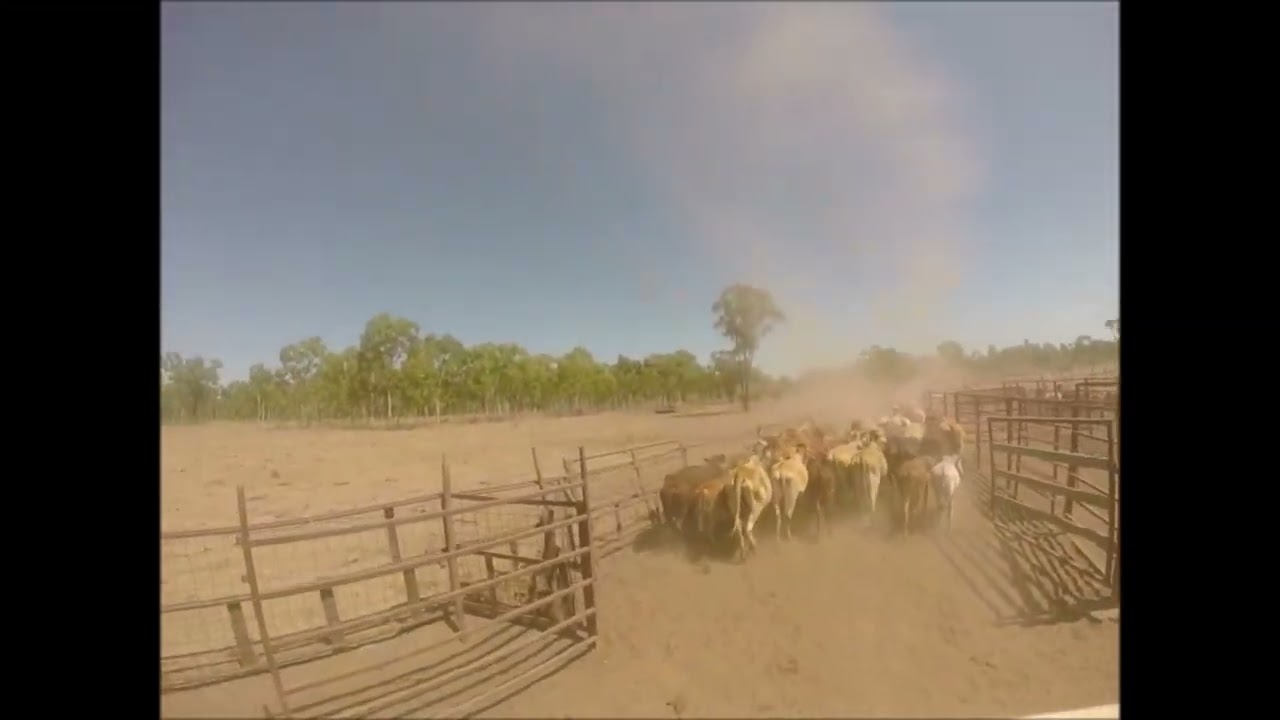
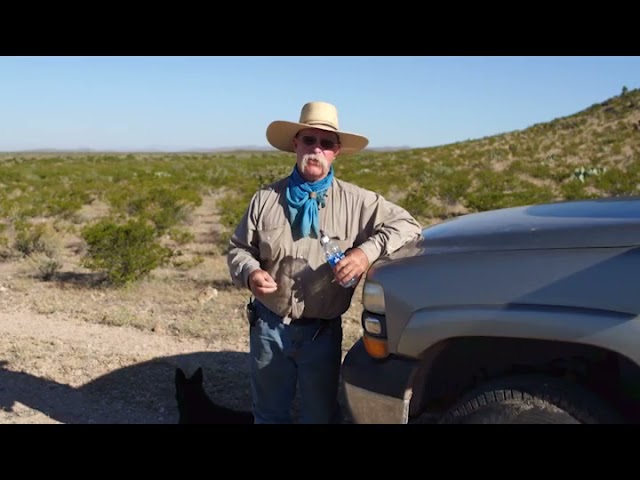
Bob Kinford documents a rangeland restoration experiment on Circle Ranch using 280 head of cattle to graze bare draws and hillsides. Within weeks to months, the grazed areas show dramatic increases in grass cover and forb diversity compared to ungrazed sections, proving that strategic cattle placement alone can rapidly restore degraded rangeland.
Chapters
The preceding photograph was of this exact spot. Ah, this whole area here was basically bare ground, no grass at all. And what I did was I had about 280 head of cows that I parked right here And right over here on the other side. And that was basically bare ground. It had, had about as much grass over there as there is here right now. All of this extra grass comes from the Hoof Action fertilizer, as you can see right here. I've got some commoners still sitting here from the day that I set these. But little things like this can improve your grass, and it doesn't take much to do it. Just walk up your cows when you get to a spot that doesn't have any vegetation on the ground and let the cows do their work. The preceding picture was taken in this draw. And it was fairly indicative of the condition of the whole draw. As you can see, it hasn't all the way filled in, but it has made quite a bit of difference. This is that same draw after a few months and a little rain. You You can see how much more grass there is right in the bottom of that draw now than there was before. This side of the draw is the side I didn't put any cattle on. And compare that to this side of the draw where I had cattle. And this is only after one shot of that 280 head up here, because it was about 4 miles back to where they were drinking at. This area was completely, and I mean completely bare, no weeds, no nothing. And we put up some mineral tubs up here just as a little experiment to see how much, if anything, it would do. Now what is interesting, you can see that we've got different forbs and stuff starting to spring up here. The next shot here is going to be from down below this where the cattle were walking. back and forth to this area from water, and that's where you're going to see a big difference. This is from the bottom. You can see how much grass there is. I did— I'm standing right next to the water, and they'd walk up back and forth between the water and the mineral every day for about 2 weeks is all they were in here, or maybe 3. 3 weeks. And it actually, all of this area in through here, looked about like what you see up on that hill. Not a lot of grass. And then we've got grass up here that these cows have never touched. Cattle have never been put up in here, so chances are there hasn't been more than 10 or 15 head of cows in this whole thing for the last 30, 40 years. But now we're getting to use the grass that we wouldn't have utilized otherwise, other than just herding these cattle around a little bit. And chances are these cattle are going to come right back up in here again Today, their salt's right over the top of that hill, so when they graze on over, they're gonna go ahead and come right down on their salt, their water's right there, and they'll just make this circle again tomorrow. Now a few months after those cows left here, you can see there's more grass here But look up this draw. Look at the amount of feed that there is up this draw now. These cattle, ah, I set them up here to where they go over that hill, graze across the top. And go down to their salt, and they did that for 8 days. And as you can see, there's a pretty drastic change in the amount of feed in this draw, the diversity. When you look down here at the amount of weeds that we have coming up that weren't here before. It's a big change, and all it took was just placing these cattle up here and letting them come back for a few days. This is the same area as the previous clip that had cattle in from last winter. Now this area had been grazed and Right before it had been grazed, it had been hit with a Yeomans plow. And you can see there's some areas here that there's a little bit of difference, and then there's other areas Where you can see a big difference. The fact is though that this combination of using the plow and grazing has really helped this area out. Areas like this were actually bare ground before this treatment of grazing and plowing. And as you can see, we've got a lot of forbs up in there. Some new grama grass plants. Letting that water get into the ground and then having it stirred up a little bit and fertilized with manure and urine makes a big difference. In some areas, the results were pretty, pretty dramatic.