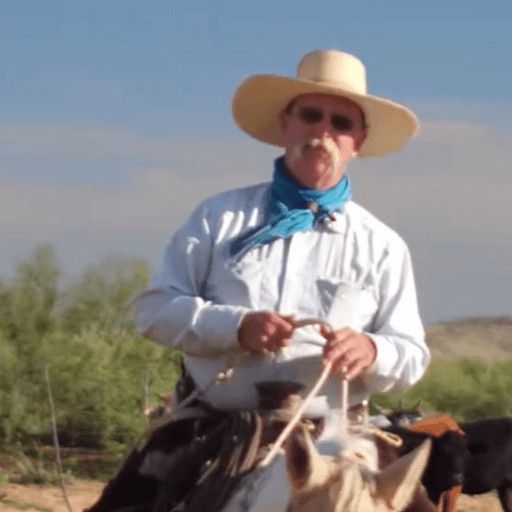
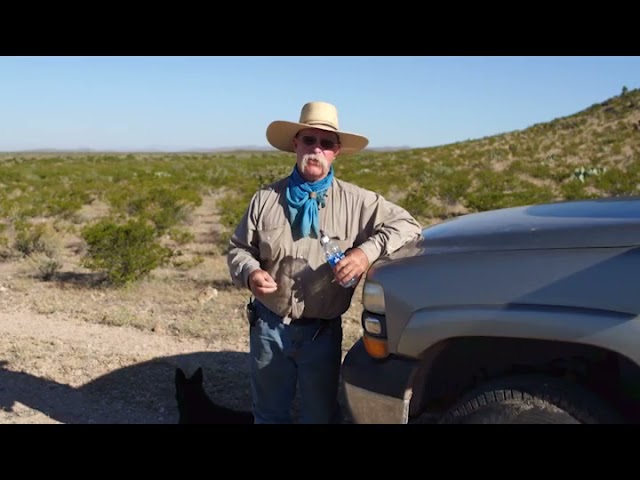
A rancher shows how to move cattle trapped in brush after a storm. He uses the herd's natural instinct to circle, angles away from individual cows to turn them, and positions gates so they pass through on their own. The key is keeping the herd loose and letting a lead animal emerge naturally.
Chapters
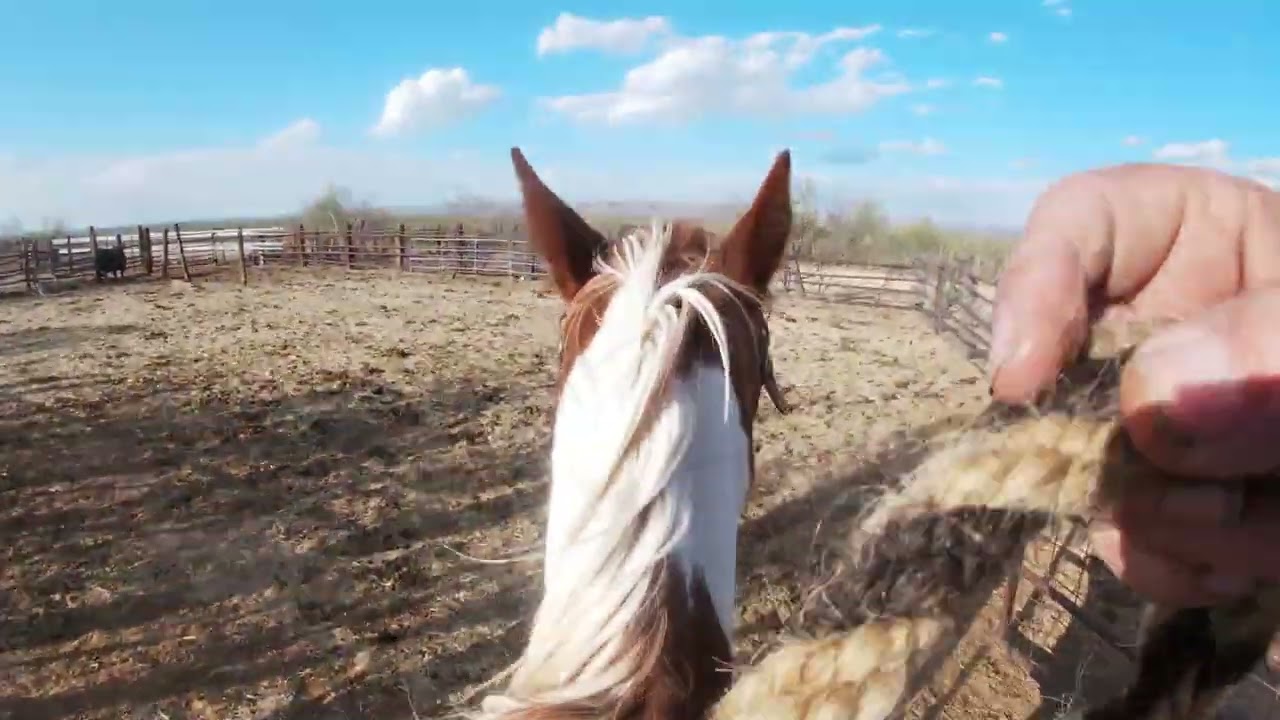
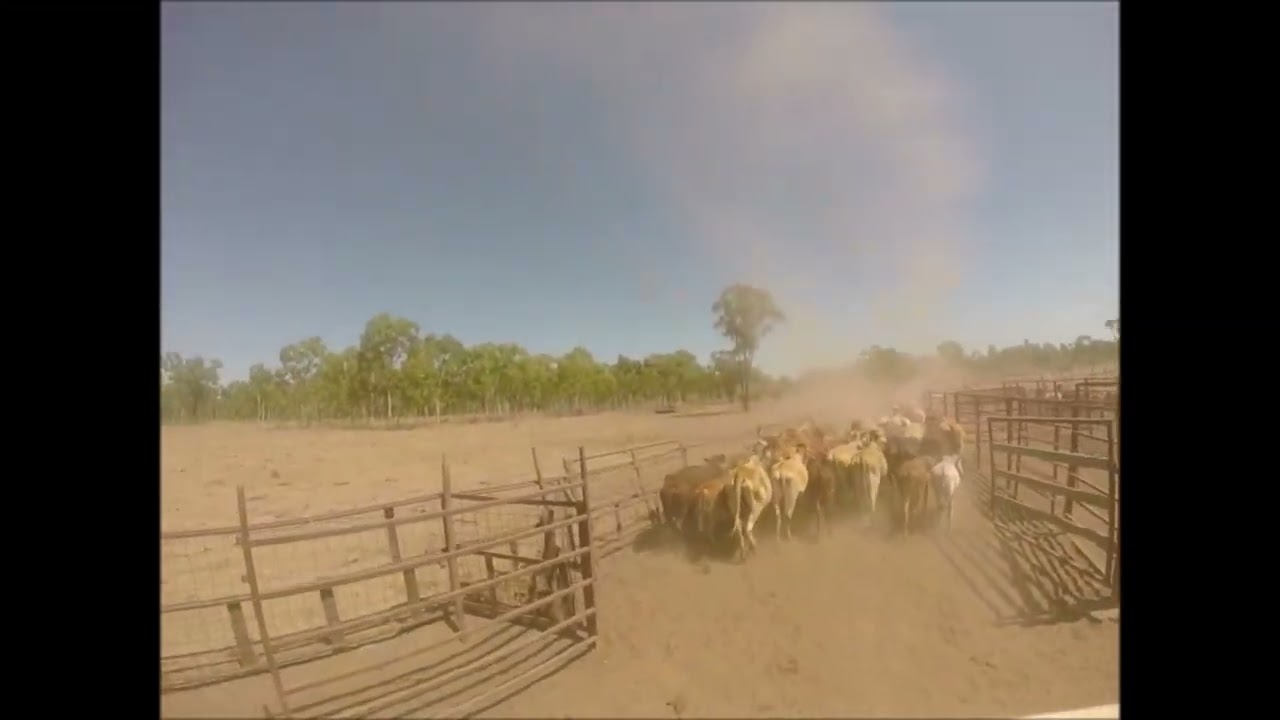
Cattle kind of in the brush today after that storm this weekend. Just getting them moved out of here. And as long as the guy don't go pushing real hard, get them more or less gathered up. Come on, girls. Hold your mama. Instead of going ahead to turn that one, I just went away from it. Come on, Mama. Come on, girls. Come on, girls. I'm going to turn that cow to the right by taking off away from her as soon as I get a chance. Come on, girls. Good mama. Look at her baby. I'm just gonna head off from this cow. There. Basically on that, just let them go around you. They've got an instinct to go around you. Let them use that. It's the first time these cows have been in this pasture and they don't know where the gate is up here. I just jumped up there. Open it up. There have been a few cows that I let go back and were looking for a calf. Couple days, they can go ahead and pick up their calves. See, I'm just angling myself away from those cows just a little bit and they're straightening back out. Kind of slowed down there on backstop. I'm going to go ahead and have them go by me. The looser you can have your cattle and the more— as you can see, as I come riding up, I'm not really riding at them, I'm just letting them go by me. The faster they'll get their herd instinct going and start holding in together in one group. When you start going back and forth across it all the time, some people have a tendency to do it too much and you get what I call the tank track motion where the back end actually passes up the front. Every group of cattle you have, when you put them together, they're gonna find their lead animal, be it a steer, cow, bull, or whatever. And if you let them go loose, go by them to move them rather than wadding them up too tight, those lead animals will become evident. And I've actually seen people that would take and keep going back and forth across them, and that's a good thing to do. That's kind of how I got them started up in this brush. But if you keep mashing on them like that on the back, what happens is, is your animals on the back will actually start passing up the ones in front of them. You don't want them to pass them up. You just want them to kind of get up and join up with everybody, not pass them up. When they start passing them up, that's just like you being in a traffic jam. It's just going to be harder for you to maneuver because you're always looking for somebody to— To have to pass or that somebody's passing you and nobody's happy. And generally what happens is when you get into that type of situation— There you go, Mama. There you go, Mama. When you get into that type of situation, you're under a lot of stress. It's like if you're used to driving on these ranch roads and then you go to the Denver Stock Show and everybody's doing 900 miles an hour on the freeway. There they get started through there. I'm not interested in these cows going through that gate all fast and in a hurry because I still got a bunch of cattle in the brush back here in back of me. And they should, when they hear cattle coming up back of them, just keep on moving through that gate. Anytime you can get cattle to going through the gate by themselves, you're a lot better off. And if you haven't noticed, there's nobody else out here with me today. There's a drinker off over here a little bit with some cattle sitting on it. I'm just gonna kind of bend them up, drift them over that way, and then later on today after they're done drinking, I'm gonna go ahead and move them on out further in this pasture.