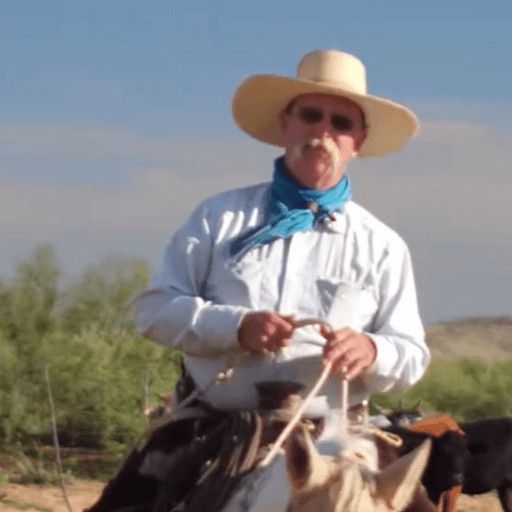
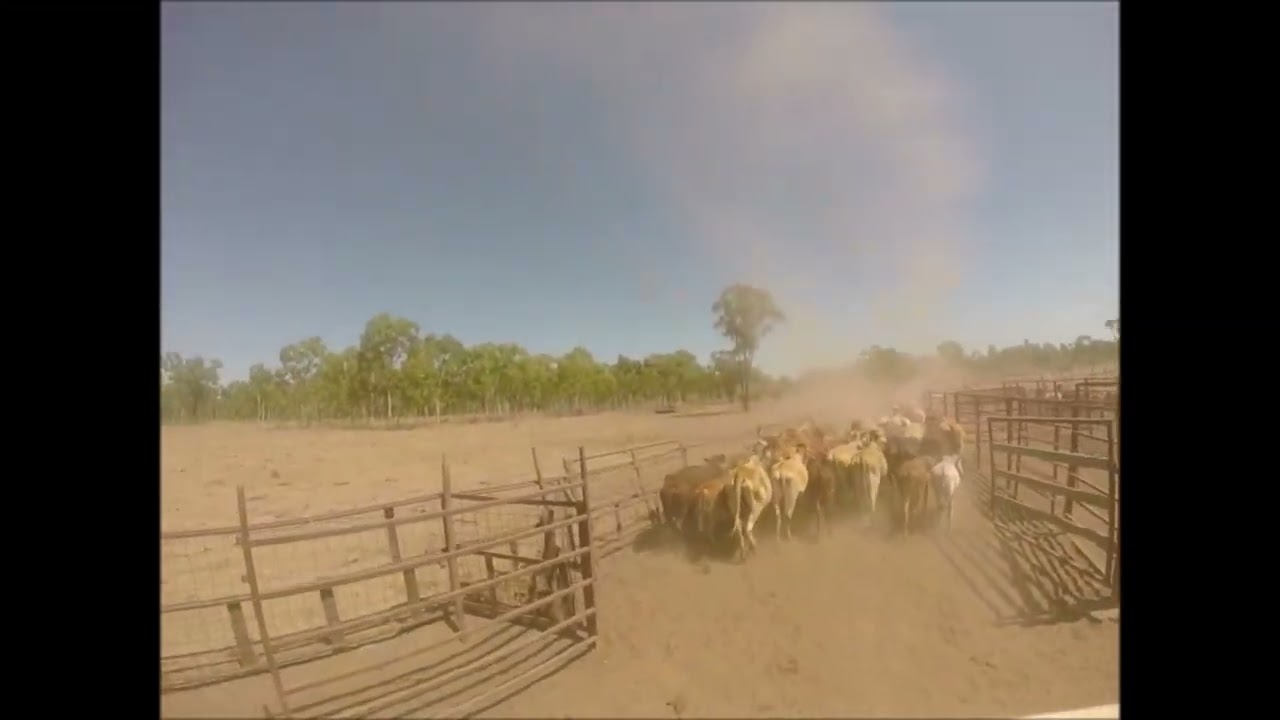
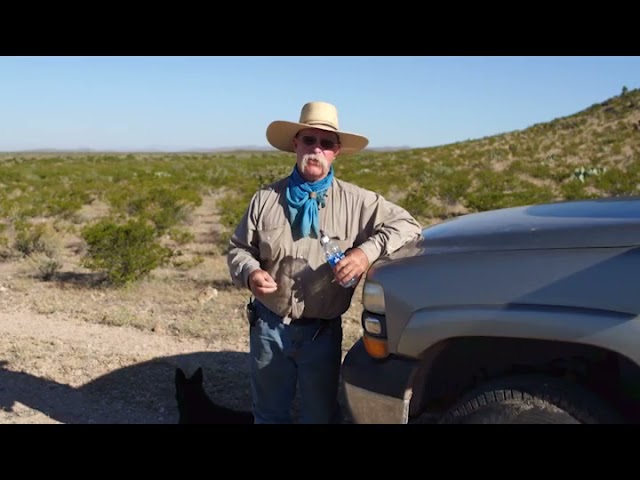
A trainer at Columbia Ranch in Mexico demonstrates the grazing-stop technique, which shapes cattle into cohesive herds without electric fences by moving them to a point, slowing the front until they graze, then letting the group tighten naturally. Over days, scattered pairs grow into groups of 10-30 animals that graze together and return to one water source as a unified unit, cutting labor and fence work.
Chapters
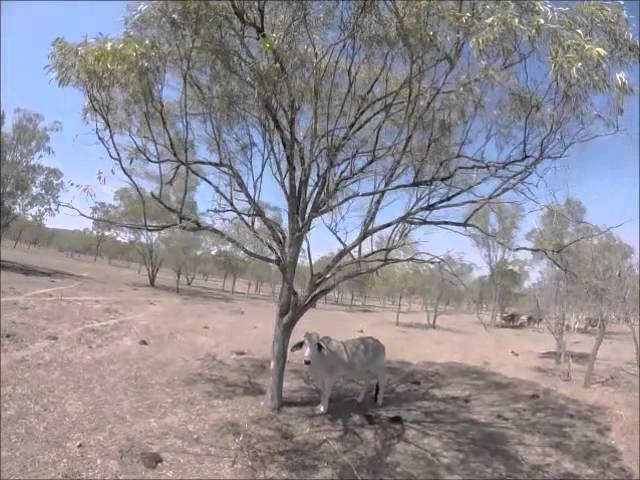
Okay, this is day 2 of our project here on the Columbia Ranch in Mexico. And what differs what I'm doing here from a regular placement Is we're not stopping the cattle. We're taking them and bringing them to a point, slowing down the front till the front starts grazing. And in the training episode, we don't really care what they do as far as grazing as long as they're sticking together. And as you can see here, probably 90% of the cattle are all grazing in the same direction. They're kind of spread out. Every day that we do this though, they wind up getting a little bit closer. I've got one more day that I'm going to be here, but these cows are And heifers are kind of starting to come together. Yesterday when we gathered them, they were in groups of 2 and 3. One is— there was one group of 15, and the rest of the groups were all under 10. Today the groups were between anywhere from 10 to 15. Yeah, I think we're getting close to the end of the season. 20 and 30 in a group. So they're starting to, starting to come together. And you don't— the thing about this is you don't want to force the cattle to come together. What you're doing is you let them start grazing together, and every time you, you make a move, they just start grazing a little bit closer together on their own. Because they're comfortable with the situation. And once you get through the training process, which it can last anywhere from 5 days to 2 or 3 weeks, depending on the consistency of your moves. And once you get them done, then you can place them someplace. You can place them to graze up a draw, graze up a ridge, graze across a flat in a certain area, and they will graze out and they'll come back to water. All as a herd. And this means instead of running electric fence and having to deal with maintaining fence every day, you come out, you make your moves, and you're done with it for the day. Down here is where we placed the cattle last night on a— we call it grazing stop. Some of the older cows stayed down there and they're spread out still, but what they did is they grazed up the ridge that we were wanting them to graze to. And these cattle basically grazed up this ridge. Most of them are headed back down to water right now, but they came all the way up to the top of the ridge into this little canyon. Yeah, they grazed. Some of them dropped back here to graze back down to water. Can't really see them that good, but this is what they'll do, and then every day that you take and you— You place them, they keep grazing closer, but everything stayed between that ridge right down there and the edge of this ridge going into that draw. So they stayed Basically on the ridge and grazed up here together. Tomorrow they'll be even closer, even though I'll be leaving in the morning, we're not gonna be able to spend the time to get all these in here. Let's see if I can zoom on down. Instead of groups of 2 and 3 on your cattle being scattered out, they're a lot closer than they were. And eventually they'll get, like in some of my other videos where I took, where everything's acting as a herd and they're tight together, these cattle will be acting just like that within another week if they come back out and start working on it. Part of what we're doing in this training process is— okay, the cattle scattered out on this ridge. And we want to make sure they all go to the same drinker because they've been used to all going to different drinkers. So we're just kind of setting these cattle to where they're all going to graze toward the same drinker. And I missed one, and here she comes right now. She's coming up here to catch the rest of the cows, which is— She's coming up here to catch the rest of the cows, which is Getting that herd instinct going. She wants to come up and be with the other cows, so she was laying down back there, everybody left, so she just got up and she's making her way back to the other cows. This is our grazing stop on the 3rd time. As you can see, they're closer together. These here are just kind of heading up that way. I have some cattle that have actually made it around the corner. They're up there on the side. As you can see, these are all A lot tighter than they were last night, and last night they were tighter than the first night. Another couple of days and they'll be actually acting and handling as a herd. Mmm!