Desert grass turns gray and dead when left ungrazed for over two years, blocking sunlight and preventing growth. Nearby grazed sections stay green and healthy. Tobosa grass needs three grazing passes yearly to remain productive and prevent oxidation.
Chapters
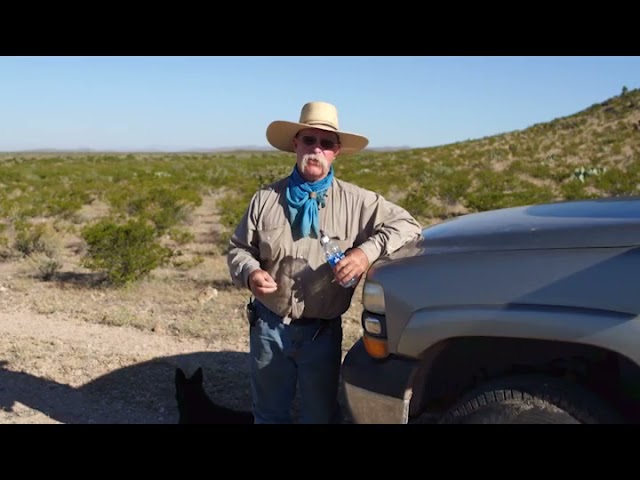
Okay, this is grass that's just been way, way, way over-rested. I'm gonna kick some of it apart here, just a little area, see what happens. See all that that was gray? There's nothing growing there. It just falls apart. It's blocking sunlight from getting to the ground so anything can get any photosynthesis. Nothing can grow on that. The few pieces of grass that are healthy in here You can see it's got green in it. This is the first part of February and there's green grass. The grass that's healthy has actually got some green in it. All of this would be green if it was grazed right. Okay, here we have an area that's not quite as bad oxidized as that other place was, and we'll just take this little bunch right here. Let's kick it down a little bit. All that gray, real oxidized stuff breaks up. That isn't going to grow back next year. That's just dead. It doesn't even hardly have any organic matter left in it. Now let's look into this. Once again, we've got all this dead stuff that just— it'll kind of help hold a little bit of water to get knocked down. But look at the amount of green grass in here. This grass that is, is actually alive has got green shoots starting up, and this is in February, first part of February. Go over here where it's dead, just breaks apart, crumbles up. And there's nothing. Anytime you're resting this desert ground over 2 years, you're resting it too much. It needs the animal impact. It needs animal impact in dense enough numbers that you can get this soil worked up a little bit, fertilize it, And then rest it. Some of these grasses, you'll be able to hit them once in a season and not go back. This tobosa like this, it may need to be hit 3 times a year. And there's places within 100 miles of right where I'm standing where the tobosa grass gets grazed in March, April, and it gets grazed again in July and August. And it gets grazed again in November, December, and all 3 times it's getting grazed, it's on green grass.