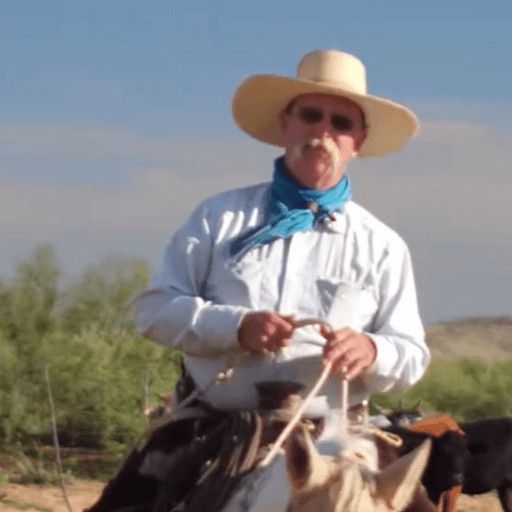
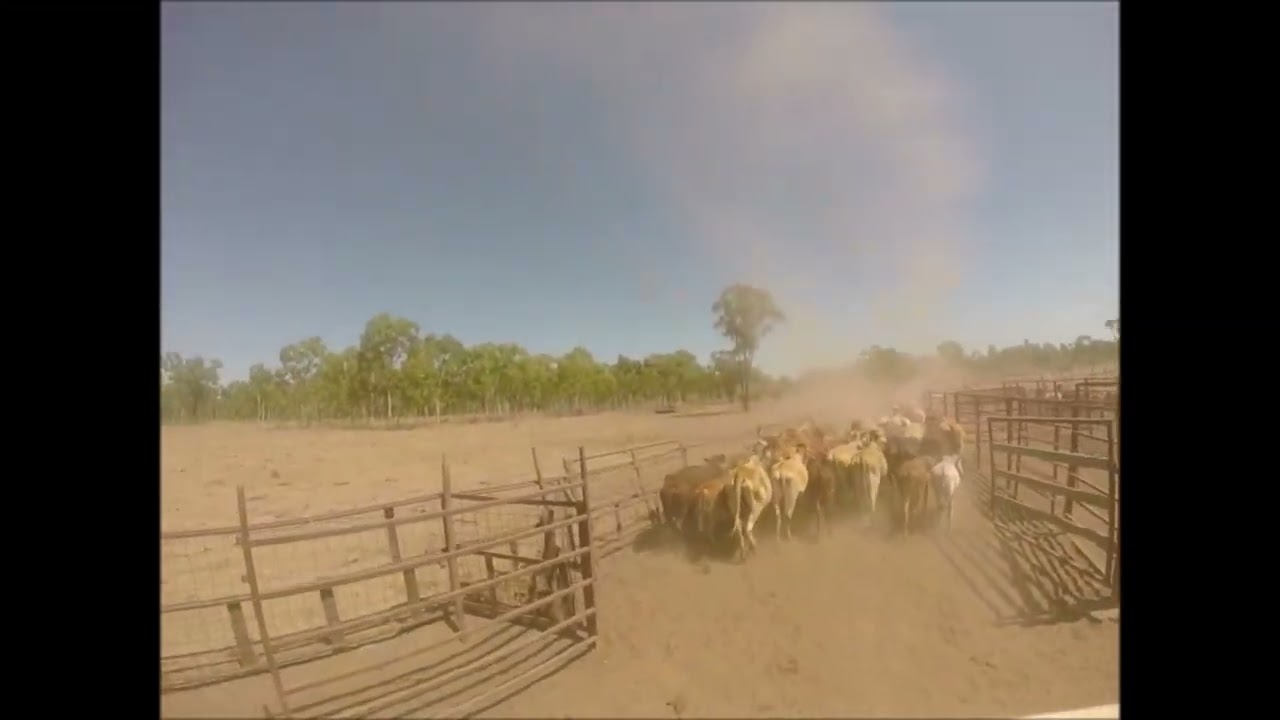
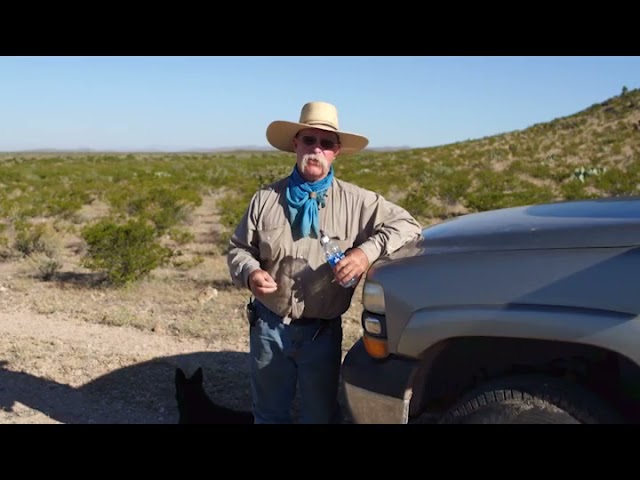
A stockmanship trainer shows how to move cattle by positioning your horse at a 45-degree angle and moving opposite to where you want them to go. The cow turns naturally without seeing you as a threat. He demonstrates moving 180 head into a draw using salt and water placement to open up new pasture.
Chapters
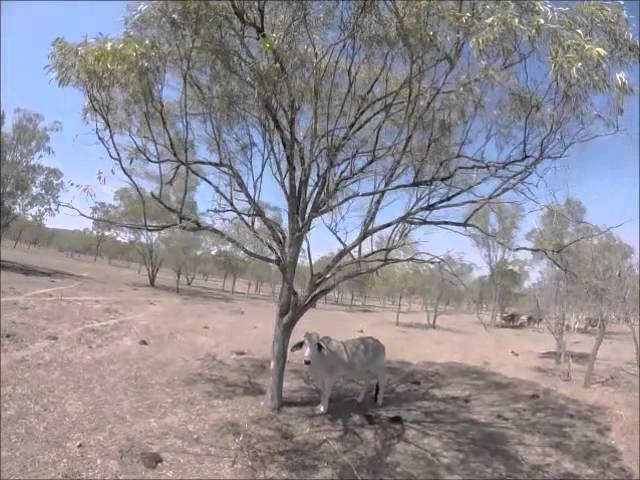
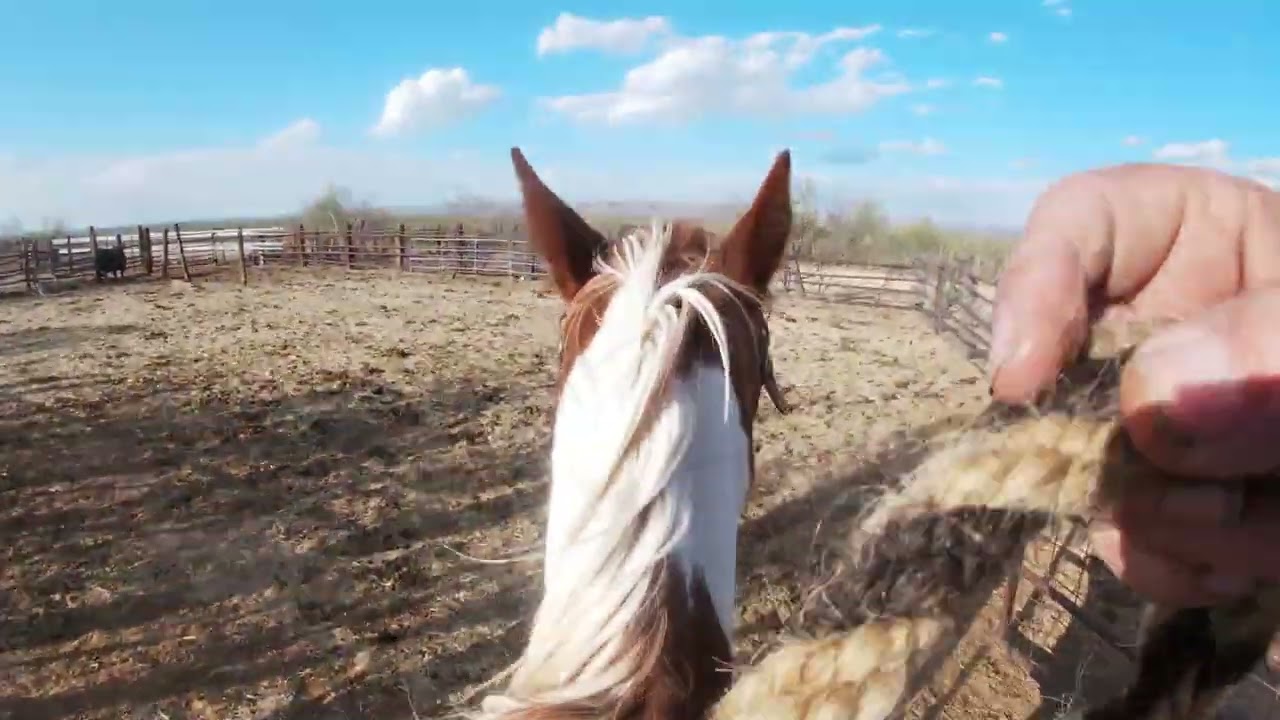
Uh-uh, uh-uh. I'm going to play around with this cow here a little bit. Have these guys that they say that, get the eye and work off the eye and push the eye, train the cow to drive. The cow is going to react to what you do. I want this cow to take a right-hand turn. Hey, looky there, sucker went right. I went away from it. I want it to go the other way, to go to the left. And he's going to the left. Anytime you start taking and putting pressure on that front end of the cow to turn it, All you're going to do is excite the cow. Yeah, you'll get it turned, but if you use lateral movement on your horse— okay, we're going straight. I'm going to go to the right with it by moving my horse to the left. Get through this little bush here. Okay, now I'm going to move her back to the left. See, look here, right there. This will work in a feedlot. In fact, it really works well in pens. Just shift your horse laterally from one side of that cow Going away there. We go back up, back up. See if I can keep doing that. See, that cow likes to go around. This is what really gets to me in working sawhorse classes and that. Okay, now let's move her back to the other side. Looky here, I'm not even getting anywhere close to that. The front end of that cow. Go ahead and start coming up. But notice when I do this, I'm moving off at about a 45-degree angle and they just start turning. Do it again. Moving away from that cow, she turns. Do about anything I want to with the cow without having to go to the head. Anytime you start Going to that head to get that cow to go through a gate, then you're just putting pressure on it, you're acting like a predator. Move up here, there you go. Go around that bush. Now I'm going to see if I can't get her to go around the bush again. A little bit light. Go around that bush. But you don't have to train a cow to drive. That cow is going to work off of what you're doing. If that cow runs off, it's just natural for the cow to run off because of the way you're approaching it and what you're doing with it. Okay, now I'm going to go ahead and turn it to the left a little bit more by going to the right. And one more time, turning it right. By going left. Sometimes you have to get out a little bit wider, but don't worry about it. It's a lot easier to just— don't worry about training the cow, but to just use your position and a little bit of lateral movement on your horse, you can get that cow to do about anything you want. This is one of these places that they say cattle won't graze. And what I did is I had approximately 180 head in here. And I drove them up this draw and just let them set until they started grazing out. And as you can see, the draw right here where we drove them up, you've got a lot of tracks, a little manure here and there. It's going to help this draw out. And then we've got grass up here that these cows would never touch. Cattle have never been put up in here, so chances are there hasn't been more than 10 or 15 head of cows in this whole thing for the last 30, 40 years. But now we're getting to use the grass that we wouldn't have utilized Otherwise, other than just herding these cattle around a little bit. And chances are these cattle are going to come right back up in here again today. Their salt's right over the top of that hill, so when they graze on over, they're going to go ahead and come right down on their salt. Their water's right there. They'll just make this circle again tomorrow.