In this instructional monologue, the speaker presents a horsemanship philosophy that frames every rider as a horse trainer, emphasizing that each ride either improves the horse, maintains its current state, or creates problems. The core elements of effective riding are identified as timing, balance, feel, and focus. The speaker stresses that without focus, the other elements cannot be applied. To develop feel, a partner exercise is described where the rider closes their eyes and learns to sense each individual footfall of the horse at a walk. The speaker then explains how to time a stop by waiting for the horse to begin gathering on its hind end, allowing a balanced halt. Rider balance is highlighted as crucial; leaning out to “help” the horse actually impedes it, akin to being pulled sideways. Proper communication for turning involves giving the horse an inside opening while the rider’s balance is set slightly opposite, enabling the horse to turn under itself. The talk concludes with encouragement that these concepts will be expanded in future videos.
Chapters
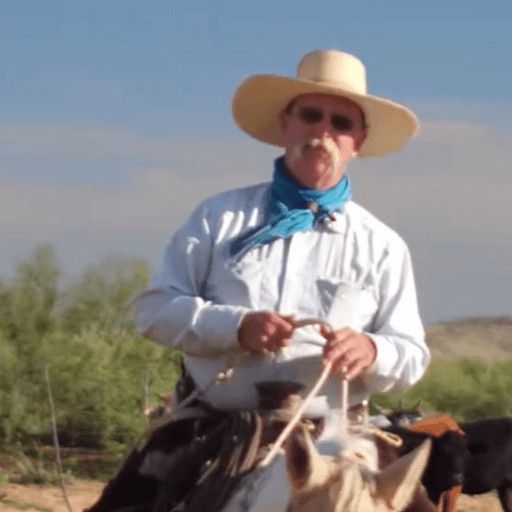
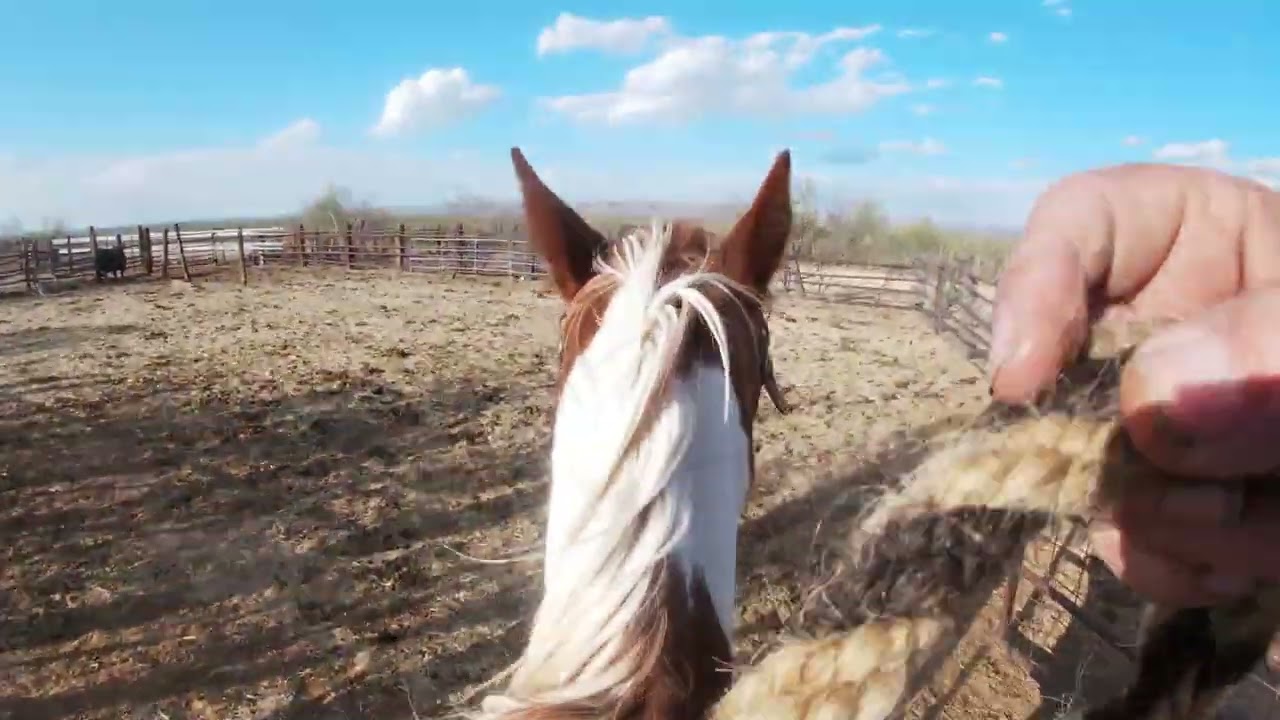
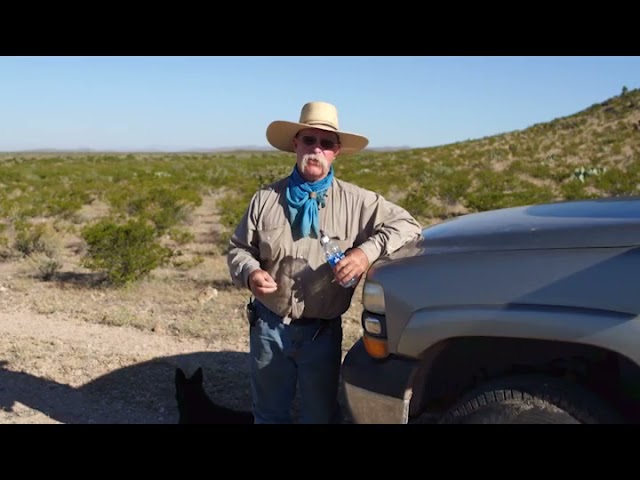
That's right. We're going to talk about horsemanship philosophy in a way that I hope will get some people to thinking about some things that they don't normally think about. First thing is, if you're riding a horse, you own a horse, you go out and you ride, I don't care if you're doing a trail ride, if you're roping, cutting, whatever, you are a horse trainer. You are training your horse. Every time you ride it, you're either going to make it a little better, you're going to do things that allow that horse to stay right where he's at, or you're going to do things that are going to start causing problems for the horse. Now with that in mind, the things that you really need to consider is timing, balance, feel, and focus. Tom Dorrance used to say a lot about timing, balance, and feel. But if you don't have focus and you're not paying attention to what you're doing, then the timing, balance, and feel won't apply because you're not focused on what you're doing. I can't, I can't take and exemplify that enough. You can have a broke-to-death rope horse and you're going down the arena or you're going out across the Past you and you rope it and you miss your dally and you look down at your horn, take your focus off that steer, and chances are that horse is just going to blow right by it. And if you're on a colt, that's especially true. Your timing. If you don't feel where your horse is at, your timing can't be there. So the first thing you have to do besides focusing is learn to feel your horse. The best way I've found to teach people how to feel their horse is to have a partner ride with you and start out at a walk. Close your eyes and you start out with one particular foot. It may be the right front foot. You tell them, close your eyes, and you tell that person riding with you when the right front foot is hitting the ground. Once you get that down, go to the left front foot. Then you can go to one of the back feet. And And then switch until you can feel that horse at a walk all the way around when that particular foot is hitting the ground. That way you can get your timing. When you're stopping a horse, you don't want to try to stop that horse as he's striding out because he's not gathering up. You need to get him when he's starting to gather up. So when you stop your horse, you need to time it where that horse is starting to come forward anyways on his hind end. To where you can stop him and he can plant himself. So you have your timing and your feel and your balance. Your balance is important. People have a tendency to want to help the horse around and they're leaning way out like this and they're helping that horse around. But if— stop, think about it. If you keep your horse cooped up in a stall, And you turn him out once a week, what does he do? Your horse will run hard and he'll stop hard and he'll turn. And he's doing a balanced stop and he's coming around on his hind end just the way you would want him to stop if you were on him. So you have to have that, have your balance. And your timing and feel when he's coming up. And that helping him around, the object is not to help him around, it's to communicate to the horse when you want the horse to turn around. When, when you want the horse to do anything you want it to do, it's communication. And if you're out like this and you're helping, helping that horse around, you're actually impeding him. What you're doing is just like if somebody grabs a hold of your shoulder and pulls you off to the side, your reaction is going to be pull the other way so that you don't get pulled over yourself. And that's what you're doing to the horse. You want to be able to make sure that horse has an opening on the inside and that your balance is set a little bit to the opposite side so that horse can actually get underneath itself and turn around. So I hope this has helped you think a little bit, and shortly we'll have some more videos out. Thank you. Thank you.