A rancher explains how to use feed to concentrate cattle on bare ground in a serpentine pattern, forcing them to crowd and trample the soil so vegetation regrows after rain. Feeding twice or three times weekly this way can treat areas 100 times larger than the feeding spot itself.
Chapters
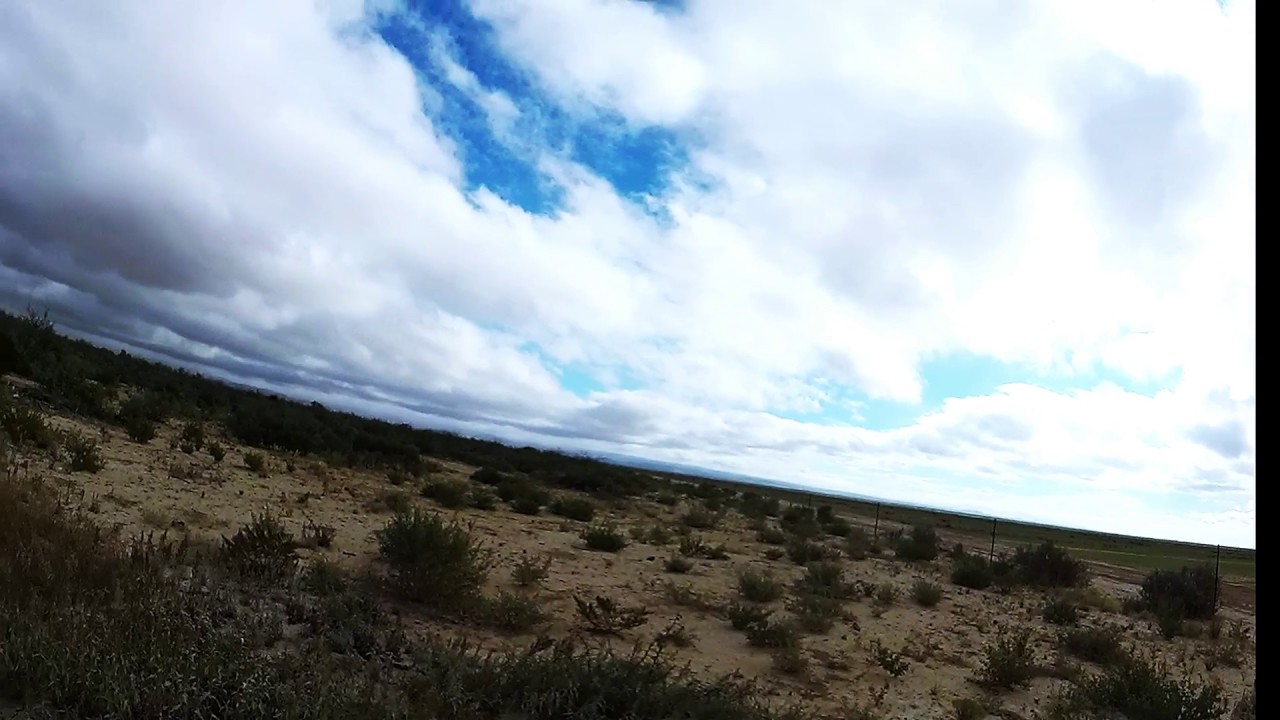
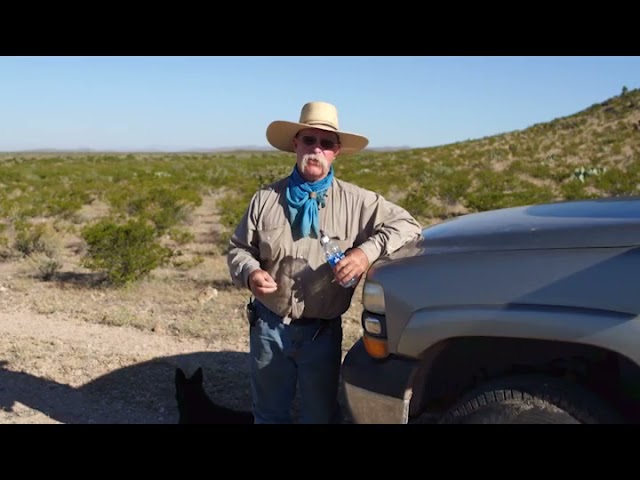
Okay, we talk about getting herd impact and sometimes using feed to do it. This little spot right here was bare ground just like out past it. You can see the weeds here along the side. You get up past it a little bit and there's a little tiny bit of grass but not much. What I did is I came out here to cake last year and there was about 10 head here sitting by the gate and I I took that 10 head and I fed them right here where you can see this weeds and grass growing. And what I did is I just fed it out in 3 lines in here, kind of a serpentine, to where they all had to crowd in there. And this is the response that the ground got when it rained. So You can imagine if you were going to cake and rather than stringing it out down the road like a lot of people do, or getting out into someplace in the grass and stringing it, if you'd go to your bare ground and every day that you're caking, just cake a little bit further out, but cake it to where they have to concentrate themselves. And if you're doing a herding program, when you start caking cattle and calling them to feed, they will They'll blow apart and go right back to being in small groups within 1 or 2 feedings. That calling them up to feed is a lot more stressful than we realize. So if you would take and feed your cake in lines that are about 2 cow lengths apart, in kind of a serpentine fashion out through this brush, you would wind up getting this type of response over an area that it would take to— 2 hours. To cake 1,000 cows, if you're doing that 3 times a week or even twice a week, you would be getting a spot 100 times bigger than this, however many times a week that you're caking.