
Brad Costanzo on "Stuck At Home Summit"
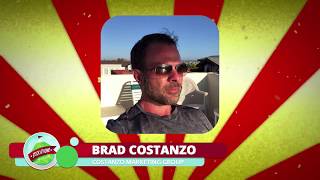
Interview (YouTube, recorded 2020-04-06) of Brad Costanzo by Kurt Molly. Brad recounts leaving financial services after the 2008 crash, validating and selling a niche product (bar-magic pickup tactics) for $47 and generating roughly $500k in his best year. He created a joint-venture community (the Seduction Syndicate) to centralize promotion and used podcasting (Bacon Wrapped Business) as a low-maintenance platform to gain access to high-value guests, perform 'stealth' discovery calls, and convert guest relationships into consulting and client work. Key lessons: add value, be the hub people want access to, use small targeted audiences and private events to build influence, and focus on proactive content that solves customers' problems.
Questions this video answers
$47
About a half a million in sales
Bacon Wrapped Business
The Seduction Syndicate
Chapters
Hey, everybody, it's Kurt Molly here again. Hey, I'm with my good friend here, Brad Costanza. So let me talk about Brad here for just a minute. So here's the thing. Brad's like this interesting oracle, and that's kind of. I'm going to kick off his introduction, and here's why. Because for the longest time, people are like, do you know Brad Costanza? Do you know Brad Costanza? Do you know Brad? And I'm like, I've heard of this. There's a TV character. No, that can't be it. But his name seriously came up coming come up over and over and over. And then some of my friends of influential friends, like friends of friends, right when you're first getting started out, they're talking about Brad. Then some other influential friends started talking about Brad. They're like, hey, you're in San Diego. You got to meet Brad. And I'm like, oh, everyone's always talking about Brad. And then when I got to meet Brad, I kind of understood why, because, well, Brad's been doing this online thing since 2008. We're going to get into that here in just a little bit. But Brad has this really unique way to literally kind of interject himself in some amazing conversations and some really great situations with amazing business owners, billionaires that he's been able to help out. See, what Brad really does really well is he really helps on the brand positioning and turning really the branding into a premium branding and writing some really good copies and some really good stories around this. Well, one of the things is, as the economy is kind of taking a turn and as this traffic and conversion event that we were going to go hang out with Brad at this event. Well, as soon as that event got canceled, I kind of started thinking, well, all my friends are sitting at home. And then Brad told me why he started his podcast, which is bacon wrap business. You got to check it out. I've been on a couple of times, but I'll never forget what he told me. He's like, man, actually, I'll just be honest with you, is as a selfish reason, and I've heard other podcasters say this as a selfish reason. I just want to get my friends on. I want to ask them a bunch of questions, really, about my business and other business questions, and then just record it and, well, see if I can add value to other people. Well, essentially now we have 40 plus some experts because of the idea that Brad gave me. And I mean, heck, Brad even stood right here. He stood in the guest Bedroom. This is part of a guest bedroom and a studio. Brad stood right here. We recorded a 30 minute video together. And it's only 30 cents for people to watch that video. So Brad is a wealth of knowledge. I can't wait to talk about how, how he connects with people. One of my favorite sayings that he gives people and one of my favorite memories of you is when I have this VIP party at TNC. As you know that we're like, there's only 100 people invited. Brand knows how this whole thing goes. Anyway, I'm sitting there and I look over and there's this dude with like these cauliflower ears. That means he's a fighter or some stuff. Like, I'd done some fighting back in the day. Doesn't really look like it, but I got punched a couple of times anyway. And I'm like, who? And Brad's like, oh, that's Frank Shamrock and I'm Frank. Oh, my goodness. You mean like the guy from ufc kind of helped create the whole thing and like has this whole tap out. Brand. Oh, Brad just brought him to a party. And Brad has connected with some of the most amazing people out there. It's one of the things we'll talk about here in a little bit. But Brad, thanks for coming on and hopping on here. I can't wait to talk about your history. I can't wait to kind of talk about some stories. And I just want to say, sir, thank you for being here during this time. It's great.
Well, it is. It is my pleasure. It's a crazy time. We're all in. But you and I always have a crazy time together. So this is gonna be crazy squared.
Yeah, this is gonna be fun. It's gonna be fun. Okay, so here's the deal. As I mentioned to all of our guests on here, there's three different types of people who are listening to this. There are beginners who are gonna be binge watching. There are intermediate people who again, just want to get more well rounded on the belt. And the thing is, I tell people, I go, look, the belt method is just not a Facebook training. I mean, you've actually seen Brad this whole entire. We run some experiments together. Really what my goal is here is by interviewing a bunch of experts is really to help people become more well rounded on the belt. And there are going to be some experts that may want to reach out to Brad. So remember, this interview is going to be run for the rest of 2020. So Brad, let's talk about kind of from the beginner aspect. So 2008, market changes, market's changing now. And like I mentioned on almost five or six of the interviews now, you can either read that book who Moved my Cheese? And continually do the exact same thing over and over, thinking that this economy will always go back to the same or know that it's going to change. So in 2008, what happened? Did you. Were you forced out to get into online marketing? You want to talk about that experience?
Yeah. I was in my early 30s and I was in financial services. I worked for Prudential Investments. I was a financial advisor and then a consultant, like an internal consultant at the company, working with the other financial advisors. And it started, you know, the, everything fell apart. Especially it started in financial services. That was, it was a financial virus, right. And I got let go. Now fortunately I get a little severance. It put a little bit of money in my pocket. Not a tremendous amount, but it just enough to kind of let me weather the storm. And I had just so happened to have read two books simultaneously, the Four Hour Workweek, which gave me the idea that, you know, creating your own life and designing your life using digital marketing and selling information was possible. But I didn't know what to sell. The only thing I knew how to do is sling stocks and whatnot. And I didn't even consider myself a big expert in that. And I also read a book by Neil Strauss called the Game and it was all about pickup artists and things like this. I never considered myself a pickup artist. But there was one thing in that book that he talked about which was using magic tricks to pick up girls. Now I had a girlfriend at the time. I'd been dating for maybe a year or two. She's my wife at the moment in the other room. This is like 14 years ago. And she, she and I were talking and I was looking at this kind of stuff and I was talking with another buddy of mine, I was like, man, I want to do sell information online, but I have no idea. I'm not an expert in crap. It just so happened I knew a couple dozen bar tricks. Like little bar magic, not card tricks, just bar tricks, you know.
Now just to be clear now, you're a good, you're a good looking man, as people may see with the kind of light and stuff like that. Brad is a good looking man. Now I always thought as a 15 year old boy that magic was the greatest way to meet girls. Yeah, I found out when my mid 20s the girls didn't really like magic that much. So please tell me how are you turning magic into something sexy?
Well, so that, that was the thing. And this all gets to the business model, but when I remember where I was when I was in my early to mid 20s and my buddy Jason, we were sitting at a bar and he made a. He took a match and then he like went like this and it disappeared. And then he brought it back and it was just super cool. And he showed me how he did it. I was just having fun. And I turned over. There was a really cute girl standing next to me, and I just wanted to try out my trick. And, you know, we had already said a word or two, like, hey, how you doing? Blah, blah, blah. And I was like, hey, watch this. And I just did. I just did the trick. And I wasn't trying to impress her. I wasn't trying to take her home. I wasn't trying to do any of that. I was just kind of having fun. We were just shooting shit. And the look on her face, oh my God, that's amazing. We started laughing. You know, we went on a few dates after that, just very naturally just kind of happened because I wasn't trying to impress her with magic. I was just entertaining myself. And after that, I started to learn. I get on YouTube and I'd learn a handful of other mat. Just like little spontaneous bar tricks, like how to take a napkin at a bar and tear it up and make it reappear or look like that. All this stuff you could learn on YouTube for free. And my whole thing was, don't look like you're trying to use magic to pick up girls. But it ended up working. When I had been single, just accidentally, I was like this reluctant magician. So the fact that it dawned on me that man, when I was doing these things, yeah, that stuff kind of worked. And it worked to keep the conversation going if anything else. Then it comes across the book of Tim, you know, Tim Ferriss book that says you can sell information online. It can be the most random niche information ever. And then I remember having read the book the Four Hour Workweek. And this is, by the way, the point behind this is how to spot and then create opportunities. So then I remember whenever I read the Game by Neil Strauss, I would Google pick up artist magic tricks. Like, what did you do? So that information wasn't out there. I googled it and I found myself. I was like, if this existed, I would buy it. I'm not even out single, but I would buy it because that would be cool. And I thought, all right, well, in the book, Tim Talked about validating a product idea before you sell it. So having had no other idea, but I was sitting with my buddy tv who became my partner, and we decided, you know what, why don't we just use this as a marketing laboratory Use this time. I mean, shit, I don't have a job and I don't really want to go out and put my resume out there. It's 2008. The financial services industry is not hiring anybody right now. So I'm going to just figure this out and worst case scenario, it's going to be a marketing lab and I'll learn a couple skills. So I wrote a sales page for a product that I would buy if it was, if it existed. And it wasn't a long sales page, it was just like, you know, I don't know, 4,000 words or something. And I ran a little bit of Google traffic to it, pay per click generated a little bit of an email list. And people are like, yeah, I want this product, I want this product. And next thing I knew, I found myself, you know, standing in front of a fireplace with my buddy at the Flip Cam saying, okay, imagine I was at a bar and imagine there's girls around me, here's a trick you can do and blah, blah, blah. And here's how I would use it to talk to girls. And here's what I would say and wouldn't say, but you're gonna have to imagine that I'm in a club. So this was as ghetto as it gets. Like there was no, there was no production value, there was no anything. It was just me throwing some stuff out there that other people might find interesting. Turns out that a lot of people found it interesting, especially which was the next step, which is that I did realize that this was kind of cool. It added to anybody else selling dating products, but nobody was actually. Not that many people were actually searching for how to pick up girls with magic tricks. Not enough to keep me busy. So I reached out to all of the other people who were selling dating advice, seduction, pickup related products in that market at that time. And I created an online mastermind for all of them and kind of this little syndicate of sorts. And I said, hey, I've got this little cool little product and you've got this thing. I'm not teaching dating skills, I'm just teaching how to use magic without looking like an idiot. And would you like, I can promote you. You can promote me. So just the traditional joint ventures. And my best year, I ran that for about five years. My year I did About a half a million in sales, selling a $47 product with no continuity, one upsell, and that was about it. And I tell this full blown story just to understand that, like, right now we are in the very early stages of who knows what economy. I think it's going to be a lot worse than 2008, potentially. And I had a project, I put my head down and I just got busy trying to create an idea of something that might appeal to people around the world. I didn't have to have it appeal to millions of them, just enough to kind of put money in my pocket. And that was the first opportunity I kind of spotted and created. And once more, my mindset was I got nothing else to do right now anyway. I'm just gonna. I'm gonna learn the skills I need to learn and put them to work and see what happens.
You know, there's a. I would just introduce or I was just interviewing somebody. His name's Stephen Kuhn. And a lot of people basically talked about this where it's like, you know, if you just get out there and add value. And I remember when I first got started 10 years ago, and I'm like, add value. Everyone says, add value. And then you get these voices in your head of, I don't know if I can add value if I'm not good enough. Blah, blah, blah, blah, blah. And one of the people we were interviewing before, Miles Beckler, has a great YouTube channel and makes a ton of money off of YouTube. And Miles doesn't even have a product. What Miles does is he thinks, well, what's the problem that I'm having? Oh, I'm having a problem with my phone case. Okay, well, let me record three videos and how I made my own phone case and how I did X, Y and Z. And that can go off to an affiliate offer. He doesn't start with an affiliate offer, but he starts by adding value. So one of the things that you had said is, you know, I just want to kind of figure out where I started adding value. So one of the other things I want to agree with you on as well too, and I want to dive a little bit deeper is just my personal experience. So I remember I wasn't really old enough, but I can remember the dot com bust. I remember everybody being super excited. I was just getting out of high school, so I kind of watched for afar. I wasn't really affected. Now I lost everything in 2007, 2008, and the real estate bust. So I completely understand that. And seven years later, I was served a cease and desist from Facebook and lost everything all over again. And what I remember is sitting there wondering what, what am I going to do? What am I going to do? What am I going to do? And that doesn't help anybody. So I started to dive in deeper. And honestly, as I started to offer value like you had said, I talked to our friend Telman Knudsen and I started offering consulting for the things at that moment that I just couldn't do. So let's talk about that for a minute. So you were. Because you kind of skipped over this a little bit. This is what I heard roots while. And I want to clarify this. So magic guys think it's kind of cool. Like I said, girls think it's kind of geeky. You kind of find this product that, hey, wait a minute, I think I can teach guys on how to do magic without being found. Ridiculous. That's the best way to kind of say it. But here's what I got to know from you on a third person meaning. I always heard that you were involved in a dating niche, but it's kind of one of the godfathers in the dating niche. And I think you just kind of completed that story. Did you? You started calling everyone to complete a syndicate. Will you talk about that?
Yeah. So I'll tell you exactly what I did there. And that was, that was one of the most brilliant moves I had done in business, which at the time, so I had about five or six of the big guys, or let's just say medium sized marketers who are doing well. And I started to just reach out to them. I'd find them and say, hey, I love your product, I want to promote it. And I'd get like five or six relationships. And then I found myself talking to these guys on Skype or email every once in a while. And this is before Facebook really came around. I mean, this was 2008, 9, et cetera. I mean, Facebook was there, but it was just barely. And then there was an instance there was this guy named Matt and he was kind of. He was a big marketer, he had a big list in this industry and I really wanted to get on his radar to get promoted. And then there was one other guy too. And I even asked a friend to introduce me and he said, hey, would you like to meet Brad? He's got this product over here, does, you know, magic, etc. And he was like, sounds stupid. I don't know who that guy is. And I was like, oh, I'm so mad. Like he won't even give me the time of day. How do I get his attention? And I started to think, okay, how do I get the attention of big people and how do I make them come to me instead of going to them? So I started to think about this like alright, one of the things that this industry is missing that the real estate investment guru industry had and still has was this a Google group. So this is before Facebook groups, like a Google group of emails back and forth, like a group email list and more importantly a launch calendar and a promotional calendar. So a lot of people are doing affiliate and JV deals but they just weren't. What do you call it? There was no central way to do that and in a lot of markets there still isn't. So I create in the marketing. In the online marketing world, those of us who remember there was something called the syndicate and it was a group of the big ball. It was like a cabal of they're all promoting each other, right? It was like hard to get in there but if you were in there you made a lot of money. So I created a private ning Network and WordPress site as well that like in a calendar that just hosted the everybody's promotions and then I created this Google group and I just reached out to my first circle of friends and said here's what I'm doing. It's going to be free, we're going to be able to communicate with each other, share marketing practices and we are going to and I'm going to manage the calendar so that you guys don't have to. So if you have a promo you just tell me and I'll put it on the board and other people can see where to sign up for it. So I wasn't the coolest kid at the party but I decided to have, I mean I wasn't the coolest kid in school but I was having the party at my house. So if you wanted to go to the party you had to come through my door. So the way I did that is I set up a little private page and if you wanted it, I just told all my friends, hey, you know some other people who would add good value to this, send them here. And just like a Facebook group works now there's a handful of questions but then so they answer the questions and one of those things that is mandatory is put your phone number in there because you have to have a talk with the founder of this. It was called the Seduction Syndicate. It still is actually. It's still alive today. I'm not in it, but. And I forced a phone call with me. And the reason is I wanted them to know who I was, and I wanted them to know that I'm the founder of this thing that's about to add a lot of great value to you. So now you and I get on the phone, you want something from me, you've heard about it, it's cool, from your friends, you want it from. We talk, we build a relationship. I'm pretty good at that. And then I got the chance to say, yeah, Kurt, I really know all the stuff you're doing. I think it's super cool. One of the. Are you familiar with my product? And sometimes they would say yes, and sometimes they would say no. And if they said no, I would just tell them, well, so here's what I've got. Here's why it's kind of cool. Here's what some of the other, you know, people have liked. By the way, I'm happy to set you up with a free account. You can take a look at it. And I've got a really generous affiliate program if you ever want to, you know, do a deal together. So remember, I still haven't given them what they want, which is access to my group. So every single one of them said yes. And throughout the course of the next several years, that added, I mean, high six figures to my account. Simply by being the hub, I didn't have to be the biggest, best, coolest, you know, guy. I just had to have something that everybody else wanted. And that was. That was this. I was the toll booth. You had to come through me. And you didn't want to piss me off either, because I can kick you out and then you're going to lose access to something really important. And hopefully that answers your question. But there's a lot of really interesting lessons to learn there, which is it doesn't matter how big or small you are. Find something that the other people want. Like, what do I have? What do I need? And like, how do I match these things up? And how can I make. How can I make people come to me? In this case, I wanted partners in content marketing in our world is all about how do you make customers come to you instead of going out and, you know, cold calling them and whatnot. Like, how can you attract them through whether it's your content or whether it's through something you have access that they want, etc. And that was one thing that created just a tremendous chain reaction in my business. And then I ended up selling the Business. A few years later started consulting, which is, you know, primarily, you know, what I've been doing for the past few years.
And that's what I heard then. So that makes a lot of sense because anytime that I'm like, so who's Brad again? And they're like, well, he had like this dating syndicate, but it wasn't like his dating syndicate, where it was like they did. They almost made it sound like it was the Godfather, the gatekeeper. Now that makes a lot of sense, right?
I had one of the smaller size businesses. I wasn't in the small, I was in the middle sized business. In the beginning I was like tiny, tiny. But yes, I had the party at my house. There was no other party being had. It had the network effect, which if people aren't familiar with that, it's one of the most powerful effects in business. It's why Facebook is a success and Slack is a success. But if you're not in the group, you're missing out. So I became the godfather of this group, even though some people in there made a hundred times the income I did.
It's interesting because, I mean, you see me do this exact same thing in San Diego. As I mentioned before, other past calls, like I was a short little fat kid, always got picked on. I never got invited to parties in high school or anything like that. So now I go to a 10,000 person event. I have a VIP only event that there's no plus ones. You literally have to be on the list. Brad knows how this whole thing works. And literally the whole reason that I do it is because everyone wants to be at the party. And people are literally like, oh my goodness, Frank Kern's marketing manager wants to come in. Well, now I've built a relationship with Frank where Frank's doing one of the summits. So it's kind of one of those things where, and just to be clear, and Brad, I'd love to chat with you about this because I know that you do the same thing here. There are some friends and colleagues that we have where they're like, oh, you want to meet some ballers? I'm going to rent this fancy car. I'm going to rent the VIP suite. I'm going to pay all top shelf liquor. They're going to put 10 to 20 grand into the relationship. And the relationship just now what I do with my parties, when I say a VIP party, it's just a VIP list. I spend less than $1,500 on alcohol because I want less than a hundred people because I want great conversations like this. So, Brad, I don't see you throwing money everywhere to earn everyone's attention, but a lot of people, you get a lot of people's attention. Can you talk about that for a moment?
Yeah. So. Well, one of the ways I've done. Yeah, and I don't. I've done little things, you know, like that as well as little parties. But in general, I mean, the way that I've continued to build those relationships has been my podcast, which is, you know, a tremendous platform to just invite people to come share and take time out of their day. Because once more, I give them a platform, I give them my audience. I built up an audience. And, you know, one of the key things here is you can have a tremendously powerful audience that isn't big as long as it's the right one and you just hit on it perfectly. Like, look, I don't need a whole lot of people there. 100, 150 of the right people. For instance, with my podcast, if I. Let's just say I only had 150 listeners, and I've got more than that. But if I only had that. But they were the right listeners, and they were the right guests, which the secret sauce of mine is the guests. I've made way more money off the guests of my listeners than I the get my guests than I have my listeners. Then it's tremendously powerful because there is a value exchange there. Like, you know, they're. They're sharing their information with me as well as the relationship, and I'm sharing my audience with them. And that's one of the ways that, you know, I've been doing this for five or six years. I was kind of doing podcasts before podcasts were, you know, super cool. But that's been the single biggest networking hack that I've ever used, and it's responsible for creating, I mean, a lot of money. I can't even track it. I'd be making that number up. And marketers make numbers up. We know that. But I'm not willing to do that.
Let's jump into something that you had taught me, which was great. So we talked about adding value, right? Getting in there, just adding some value. You do this in groups, by the way, this is why I love our free Facebook group. This is what we do. All for the belt. And this is, by the way, this is where everyone gets to see all the interviews at, is inside of the free Facebook group. By the way, if you do, like this interview with Brad, if you would like to have access to all the other interviews, all you got to do is just upgrade to the belt during open enrollment during the summit and basically get access to all the replays. Basically, with all of the relationships that I built over the years and all these interviewing questions, this literally, it has taken 10 years to do this. So I'm not going to sell it at 97 bucks. I want to help you become a more well rounded marketer, thought provoker, and just kind of give you some great other ideas to help move forward. So, Brad, something I want to touch upon is you talked about adding value to help build that syndicate. Okay. You talked about finding kind of a niche online where there was just just enough people to kind of get started with magic. So that makes sense. But then let's talk about the podcast for a minute. So bacon wrap business. So you started the podcast from what I mentioned when I, when I kicked this thing off, because you wanted to ask questions to people, you know, to kind of answer your own questions. But here's the other thing. Let's be honest. It's a great lead in because almost no one says no to be interviewed. Can you kind of talk about your. While you. Why you started it? Kind of where you're going with bacon, right business now too?
Absolutely. So it was back in the time where there were people were starting to pop up with podcasts. People told me, man, you, every time I talk to you, it's like, we have great conversations. We should be recording these. You should do a podcast. I was like, all right, that's cool. But I don't really want to do the Brad Costanzo show because I wasn't a well known name outside of very small circles. So I was like, I don't know what it would be about. And then one day I was sharing somebody else's post or podcast episode on my Facebook wall and I said, check out, I don't know, Kurt Molly's interview over here. What he said, that's some bacon wrapped business advice if I've ever seen it. And then as I looked at it, I was like, bacon wrapped business with Brad Costanzo. I was like, that might be a name that I could get behind because it's just cheeky enough and kind of fun and it would give me the permission to just kind of to play with it. And then I started to think, okay, well, I also want, I want to talk. I want to talk to amazing people about topics that I want to talk to you about. About anyway. And I want to get answers to things without buying somebody's full blown course because oftentimes I can just, I can just get on the phone with you and ask you over the course of an hour, a handful of things and I can go apply them. But the other thing I wanted to start to make a name for myself while I was, I was very busy consulting and working with a clients. But I wanted a low tech, low maintenance way to just start to build my own brand. And a podcast really is one of the best ways to do that. It is not highly tech intensive. It is very, it's relatively, it's simple to do, but it can also be like golf, right? It's the easiest game to play, it's the hardest game to play well. And it's one of those things where you can put a podcast out there and it's, it's just terrible. Like you get five, you know, five listeners, etc. And you know, nobody's listening and you start to get discouraged so you're not doing it. And one of the things I realized very, very early on, and I continue to not only understand, like use it today for myself, but for some of the clients that I've helped set up podcasts very specifically for, is the way to get instant, instantaneous return on investment for a podcast. And that is when you change what ROI means and you stop thinking about that. It's, it's just money. Because for me, ROI is access and influence. If I can get access and build influence, the more access I get, the more influence I have. The more influence I have, the more access I get, the more, you know, and it just keeps like compound interest, right? So one of the secrets that most people don't really realize until you start a podcast is that podcast statistics, downloads and subscribers specifically are secret there. It's not like if I have a YouTube channel, you know that, hey, you can look at my YouTube channel and see that I got six subscribers. I have, I don't know, I have like a 1500 subscribers, but my videos may get 50 downloads. I'm not that active on YouTube, but I got something little. You can see it with my podcast. You cannot see the numbers. I don't even know how many subscribers I've got. They don't tell us that I see how many downloads I get. You can't find that no matter how hard you look. That's powerful, right? Because if you, you can put lipstick on a podcast, right? You can, you know, they say put lipstick on a pig, you can dress it up. If you have some good episodes, you got a good name. A decent looking cover and you got 20 or 30 reviews. I don't care if it's from your friends. You can dress it up to where it looks very, very professional. And that alone will allow you to get it in front of other people and say, look, listen, I'd love to have you on my show. I think my audience would love what you're talking about. In fact, even sell some books. You may have zero listeners, it doesn't really matter. In the five or six years that I've been doing this, I've never once had a potential guest ask me, well, how many downloads do you get before they said, okay, and the more you do, the better you look. Right? So I realized that I can get access to almost anybody. Like, you know, one of my former clients, Jesse Itzler, amazing millionaire billionaire entrepreneur who. I just reached out to him one day and said, I loved your book, love to have you on my show. I think my audience would love you. And he said, let's do it. Didn't even ask what the show name was. And you know, over the, you know, turned into like quarter million dollar client for me. The. And an amazing man and a great relationship and many relationships after that. One of the, one of the things that I've done with my clients, whether it's teaching them to do it or doing it with them, is actually creating this for them. Like, there's a lot people who help you create a podcast, but my goal is to help you create a platform for what I think of it as like stealth sales interviews with your market. Especially if you're in like B2B sales or you're trying to reach really hard to reach people. Every other podcaster out there is focusing on their, on their, on their audience. I'm focusing on who can I get on the show. And an example of this, if you don't mind me going down this soapbox. I've got a client of mine is A, he's been in the hospitality space for years, high end hospitality. And he's owned his own restaurant, like five star restaurants. And he's worked, you know, at the Ritz Carlton dining room. He's the manager there and he's everything in between. And his last role, employee role, was a, was like an operations and culture manager for a restaurant group. And he had wanted to start doing some consulting. And so I helped him get, you know, create a consulting offer and doing what he's doing. And I was like, well, one of the very first things we're gonna do is we're gonna Set you up with a podcast. And this podcast is gonna. It's not about you, it's about the hospitality industry. It's gonna feature, like, the heroes and the people who are doing it right. And it's all about shining light on the guest. So what we started to do is. Started. We set it up, we went through all the little technical stuff. I taught him how to do basic interviews. In fact, I even did some interviews with him where I was like the co host of this. And we started to first just seed it with some basic content, like me interviewing him and just talking about some of the pillars of what restaurant groups and hotels need to do. Pretty soon we got like 10. 10 or so episodes, and now it's out there. It's on itunes. He doesn't even have a big website about it. It's just like, on itunes and Spotify, which looks very, you know, official and cool. So then he started to reach out to restaurant managers, owners, hoteliers, people that he already knew, and people that he would come across and say, listen, I love what you're doing in this space. I think it's absolutely fantastic, and I would love to feature you on my show. And it's listened to by other people in the industry, but also a lot of people who just love hospitality and food. So we're going to talk about what you're doing, right, and all of that other great stuff. Are we going to really shine the light and make you this pillar of this industry? Now, that's flattering. 99% of the population never gets asked for interviews, especially saying, hey, let's shine the light on the stuff you're doing. Well, the minute they say, yes, you've spent the first. I trained them how to spend the first half of the episode talking about all the good things they're doing. So how did you get it right? What were some of your challenges in the beginning? How did you overcome it, et cetera? Halfway through, you switch it. So what's a nut you're trying to crack? What's something that you guys are working on now because, you know, everybody doesn't have it all figured out? What are some of the struggles that you're having that, you know, some of your. Some of the audience is probably having too? The reason you say that is now you're doing Discovery. You're trying to find out, how can I add value? And if I'm a hospitality consultant and this restaurant manager might just be saying, well, you know, we got great guest service and Yelp reviews, etcetera, but, man, We've got a. We've got a high employee turnover for some reason, you know, we're always just churning through them. And it just so happens, for instance, that my client, that's one of his expertises is employee, you know, etc. That opens the perfect door not to pitch him there, but now you've got the relationship, you get off the. You stop recording and you say, kurt, I've got a great idea for you that might be able to help that. Can we set up a second call? And this was doing well. This was. We were having some success. Unfortunately, the restaurant industry is now in utter chaos, probably more than other industries, but. And this is a big takeaway for everybody out there. He's not stopping the podcast. In fact, he's sitting around with no clients at this exact moment, just like everybody else. But he is still working on making. Using this time to build those relationships with other restaurateurs who are probably sitting at home. And more importantly, using this content to build an audience, a powerful audience that he can then go back and start to capitalize on once this stuff starts to shake out, etc. But he's learning a really valuable skill of building an audience with the right people and doing stealth discovery calls. I cannot tell you how effective this is, and I love it when I see other people not doing it, because the people who do this have a tremendous, tremendous leg up to get access, to get influence. And those two are the two small hinges that swing the door of opportunity. At least that's how it's worked for me.
I mean, the thing is right now is we've had so many different guests say this. They're like, you know, hey, add some value, produce content. And just. I remember when I first started out, I'm like, I don't even know what that necessarily means. And it's like, right now, there's a couple of different choices. 2007, 2008. I've talked about this in other interviews. People decided they wanted to go back, they wanted to get an education because it was a down economy. They wanted to get different degrees, those degrees. Some of those degrees came with stipulations. And if you were a teacher, a civil servant, that would be forgiven. Ten years later, less than 10% of those loans have ever been forgiven. Kind of sold a bill of goods. Now I feel bad for those people. I really, really, really do. So you kind of have a decision, as times are changing, kind of decide, do I want to sharpen my skill? Do I want to try to do the same Thing as before. So one of the things I want everybody to keep in mind, as the economy is changing, there's still going to be commerce. People are still living our lives, right? We're still going to be buying stuff. So the positioning is just going to change. So you want to kind of think about the change in positioning of the market. So you have a couple of different options. You can either kind of sit there and read the news and be super worried or start going down very specific rabbit holes. So a couple things that I want to do is I want to improve my YouTube marketing. I want to improve my Google marketing. Well, the other thing is, is just to be very open with all of you. I want to improve my overall mindset because I know this economy is going to be crazy. One of the reasons of putting on the summit. So if I get a bunch of my friends together to ask, what did Brad and I talk about right before we turn on the recording? Hey, man, what are you doing? What do you have going on? What do you like? I'm circling the wagons because unequivocally, I know surrounding myself with some really smart people and with you, with all of you who are watching, you know, we can all help figure this out together. But it starts to come down to add value. And I got a couple of questions to kind of wrap this thing up. Brad is I got a couple of questions around adding that value. So I understand of the mastermind you set up for kind of the syndicate, the dating niche. That makes perfect sense. That sounds like that was something that you sold. So that's great. Start the podcast. It sounds like from the podcast, just to be clear, you don't do sponsorships on the podcast, is that right?
No, not currently.
So if you listen really close to the stories, Brad says he made more money with his clients, not necessarily his listeners, but you have a pretty good listener base as well, too. So I know people. I've been around you when people are like, oh, yeah, I heard your podcast. So the other thing is, is one thing that you taught me is you introduced a good friend of mine that I've learned so much from, Mr. Ron lynch over into Austin. And one of the things is with Ron's story, and Ron will be here, actually has two appearances here. So Ron meets a bunch of people here in Austin, and it's all because of this person right over here. And the way that you started working with Ron is the same way that you started working with the billionaire that you talked about, Jesse and some other people. What's that Frame it. Famous Brad phrase that you help to add value with.
I got you, bro.
What is that? Like, someone calls you out of the blue and they're like, hey, Brad, I got a problem. What happens?
Yeah, that means that. So I'm well rounded enough of skill set that if I can't, like a lot of things, I can potentially do the things I can't do. I've made a career out of knowing the people who can. So you don't need to know every. And it's, you know, they say that it's. It's not, you know, it's not what you know, it's who you know. I refine that a little bit. It's not. I don't have to know everything if I can access the people who do. I don't even have to know them yet if I can access them. So, for instance, let's say you need something from me and I'm like, oh, man, I don't do that. But this is an opportunity for, you know, me to make money. Now I could just tell them, man, I can't help you. Which is what a lot of people unfortunately do. I could just refer them out to somebody and make an introduction or a lot of times, what I have done, and this totally depends, is if I don't know them, I will immediately go try to get them on the podcast, build a relationship, get it, or get an intro to them in one way or another, and then see if there's a way that we can help this client together in a way that allows me to still be seen as the one who added value besides just a referral. Referrals are powerful, and I do probably 70% of them are referrals. But if this is a relationship that I really want to keep and nurture, I'm going to make sure that I'm doing more than just referring it out, that I'm going to be seen as a key cog in that wheel. And sometimes that's simply hiring somebody to do it and market it up. Sometimes that's bringing somebody in as a specialist where I maintain control over that. But the key is I want to be seen as this key person of influence, this critical thing that, like, man, I need Brad around. And in fact, several of my clients have referred to me as a catalyst. And I love that, because a catalyst doesn't necessarily do all the work, but a catalyst is a change agent. It's like when you can have a bunch of inert chemicals and you drop a catalyst in and it creates a chain Reaction of events that causes, you know, you know, tremendous things, you know, to happen. And that, you know, in chemistry, but also in life. And I like to think of myself as a catalyst that even if Brad can't help you specifically personally, he can get it. He can help you get it done. He can help make that happen. And one of my clients told me, he goes, you know, it's great. It's not even that. First I thought he was gonna insult me. It's not that you're even necessarily smarter than other people, but when we're together, smart things happen. And I love that. And I was like, yeah, exactly. Because sometimes I just know what questions to ask or what people to introduce you to. And it's like, I did it just kind of. Because I'm just paying attention to what's going on. And I think that's the. Paying attention. The real law of attraction. It's not attraction. It's a law of attention. It's like, what are you paying attention to? Because you're paying attention. Attraction is something you receive, right? But I'm paying attention to the problems people are having. I'm paying attention to the things that. The problems that I'm having. And I'm trying to connect those dots. And one of my favorite questions to ask is, how might we. And it's a tremendous question that creates a lot of interesting answers. And it's a lot different than how can we? How do we? How must we? How should we. The minute you ask, in a brainstorming thing with yourself or with a client or partner, whatever, how might we do this? That, to me, it's like, it opens the door for an imagination to play. How might we. We're not committing to do it. We're not even saying it's possible. We're just saying, what if it were possible? How might we do it?
I've actually had brain scientists tell us that might is a brain. Chemical is a word that causes chemicals in the brain to flow for imagination. So how does be able to. How might we specifically be able to. Or one of the things is, whenever I'm stuck personally and I'm sitting there like, let's just say, hypothetically, I have a tire and I got to think about, like, how am I going to be a MacGyver? Or I am stuck because I just lost two clients and I have to pay rent tomorrow, whatever. How might I specifically be resourceful right now? Yeah, so they're creative words. How might I. In specific, is to a point. How might I specifically be resourceful? Right now. Which brings it to the current moment. Now, not future, past, present. And I don't know why, but you ask yourself that four, five, six times and literally it's like got an answer and you start running with it and there you go. So Brad, kind of last, the last question around this whole thing we talked about bacon wrap business, the podcast. Make sure you guys go check that out. So again, a lot of people are sitting here that we're going to. People watch this interview for all of 2020, right? They've heard us talk about adding value. They've heard you talk about a podcast. Hey, I got you to help out some billionaires. Like what are you doing to sharpen your skills right now? What would you advise someone to be doing right now as well too? Instead of watching the news and worrying about what may have been.
So, alright, so. And knowing that there's different levels of people watching this, right? So for the people, for the most more advanced people, the people who have businesses right now, I think now is the time more than ever to connect with your, connect with your customers, call them up if you can. Stay top of mind, create non promotional but just really value added heart centered content with them, but just nurture those ones who are still with you. You know, do something there on the, for the, I mean I think that's the single best thing you can do. It's going to be hard in the near term to get in the very near term because so much, so much uncertainty. But you can always build those relationships for the other two, the more beginner and the more in the middle of the road ones there is. Especially if you, if you're finding your business getting disrupted. Understand. I'm trying to think of the best. You know the advice that I would want, number one, proactivity is the way to do it. So don't just react. The Dalai Lama had a quote in his book the Art of Happiness years ago which said there's no reason to worry because if you can do something about it, then don't worry, just fix it. And if you can't do something about it, then there's obviously no reason to worry. We're in a situation right now, do what we can, stay inside, etc.
Etc.
But the other stuff, you can't worry about that. So just get busy being proactive in creating. One of the things I'm doing right now is I'm trying to continue to build my audience of people who want to listen to me and add value to their lives. And that value can be in different ways that value can be in. You can entertain somebody, you can inspire them mentally. You can motivate them to just kind of, you know, do some stuff. But a lot of the times, if, you know, create the value and build the audience, and there's a lot of different ways to build an audience, and some of it is not that hard. The belt is a, you know, the belt method is a perfect way to build the audience. But people wonder, like, you know, who's my audience and what do I do and how do I serve them and, like, what kind of content do I do? And to kind of give, like a, you know, a brief little. Yeah, I guess, framework or overview for this. And this is exactly what I've kind of done and what I'm doubling, tripling down on because even my business has slowed down at this point. But the kind of content you create, first of all, you should know who you want to serve and how you want to help them and understand that, you know, content that gets them from problem to solution is one of the best ways to add value. It's like, you know, one of the easiest things to do. And, you know, I like to say that Led Zeppelin was wrong. She's not buying a stairway to Heaven. They had it all wrong. She's buying Heaven. But a lot of people focus on selling their stairway. But people are in some degree of hell, which is, you know, they don't have what they want, and they want to get to heaven. But, you know, if you give them a rope ladder, if you give them an escalator, a stairway or, you know, or whatever, they just want to get there, but they want to know that, okay, you can help me get there. The minute they believe that you can help them get there. Now you want to introduce your stairway after you've sold them on the version of Heaven that or, you know, having the results they want. Your stairway has multiple steps to get there. So let's just say there's three, three overarching steps to get from here to there. And what is step one? What is step two? What is step three? And keeping it very, very simple, because each one of those steps can generate ideas for creating content around that I may be able to, you know, let's just say it's create content, build an audience and make an offer. Right? Like, that's kind of some of the things we're saying, well, what are all the ways to create content? What are all the ways to build an audience? What are all the ways to make offers? Those alone, if you just think of them as a tree can create a lot of different ideas for content that you can put out right now. And there's a lot of ways to distribute it. There is probably none better than the belt method. And those of, yeah, we're not gonna. I don't have to go into that because the people who are watching this probably are, you know, gonna get a good primer on there. But the other thing, the other framework that I don't see a lot of people talking about, which is very, very important because it's one thing to create content, but if you actually want to build an audience, you have to stand out from everybody else who's creating content. And I guarantee that right now we're gonna see more content creation than we ever have, because people are stuck in their house and this is one of the proactive things they can do. How do you stand out in a very crowded marketplace? Well, I've come up with seven basic things that I think everybody should keep top of mind. And you don't have to do them all. If you can do them all, that's amazing. But you need to be thinking, what makes me stand out? So number one, can you be an interesting character, somebody to pay attention to? You don't even have to have value if you're wacky or weird or something like that. Like, okay, I'm just gonna pay attention to this person because either they're polarizing or they're just quirky or interesting. I'm gonna pay attention there. Do you have social proof? Do you have a lot of followers? Do you have a lot of testimonials? Do you have a lot of things that other people are saying that you're amazing at it? Are you building value? And as Frank Kern talks about goodwill, are you actually just putting valuable content out there versus just entertaining bs? Do you have a unique solution, a unique mechanism, a usp, which is one of the most under misunderstood things? I've got a whole episode I'm doing on that. But do you have a signature solution that works, that just simply makes sense? Can you provide some powerful epiphanies and revelations for people? I don't hear people talking about this enough, but if you can ask really good questions of your audience and you can get them to think and connect the dots on their own and be like, man, I never thought about it that way. You made me look at something in a whole new perception that I never would have pieced together on my own. You're going to be able to stay in their mind and be stay top of mind. And the last two, emotional bonding. You may have the ability to just really connect with your audience better than anybody else because you understand what they're going through better than anybody else. You may not be interesting. You may not have much social proof. You haven't put out a lot of goodwill out there, and you don't have a unique mechanism. You're just there to help them. And they realize that, man, this person gets it. They get me. And I feel really, really comfortable with this person. And then the last, not least, actually maybe one of the best is do you have demonstrable proof and results that what you do is as good or better than all the other competition? So being an interesting character, having social proof, building value and goodwill, having a unique mechanism, providing powerful epiphanies, emotional bonding and proof and results. Write those down, rewind this and just ask yourself, where am I on this? Because wherever I am, like, what do I need to dial up or double down on? Create content around that and then use the belt method or various other methods to get that content into the people who need to hear it the most. And you'll be able to make offers left and right, and it, you know, the rest of it should take care of itself. That's the stuff I'm working on right now in my business, is what I'm working with the clients that, you know, work with me on. And I think it's the number one thing that people can do is just get their head down and. And make things happen, especially in uncertain times.
All right, man, I appreciate it. I gotta run. Thank you very, very much for your time, Brad. I know you gotta run as well, too. Thanks. This is great. So again, check out bacon wrap business. Check out the podcast. Check out Brad on Facebook as well, too. Can't wait to see you soon, my brother. We'll do this some more. We'll run this all for 2020. This will be great. Thank you, my brother.
All right. Thanks, brother.
Have a great way. Take care. Thanks.
Bye.
More from Brad

Seriously. If you pay mortgage or your rent this is like an IQ test Bilt https:/bradslinks.com/bilt

AI Native email marketing: Send emails from Claude/ChatGPT with NitroSendAI (Review, Not Sponsored)

How to Migrate ChatGPT Memories and Chats to Claude (Including Claude Cowork Triage)




My Investing Message To My Younger Self (And The Lessons I Learned the Hard Way)



