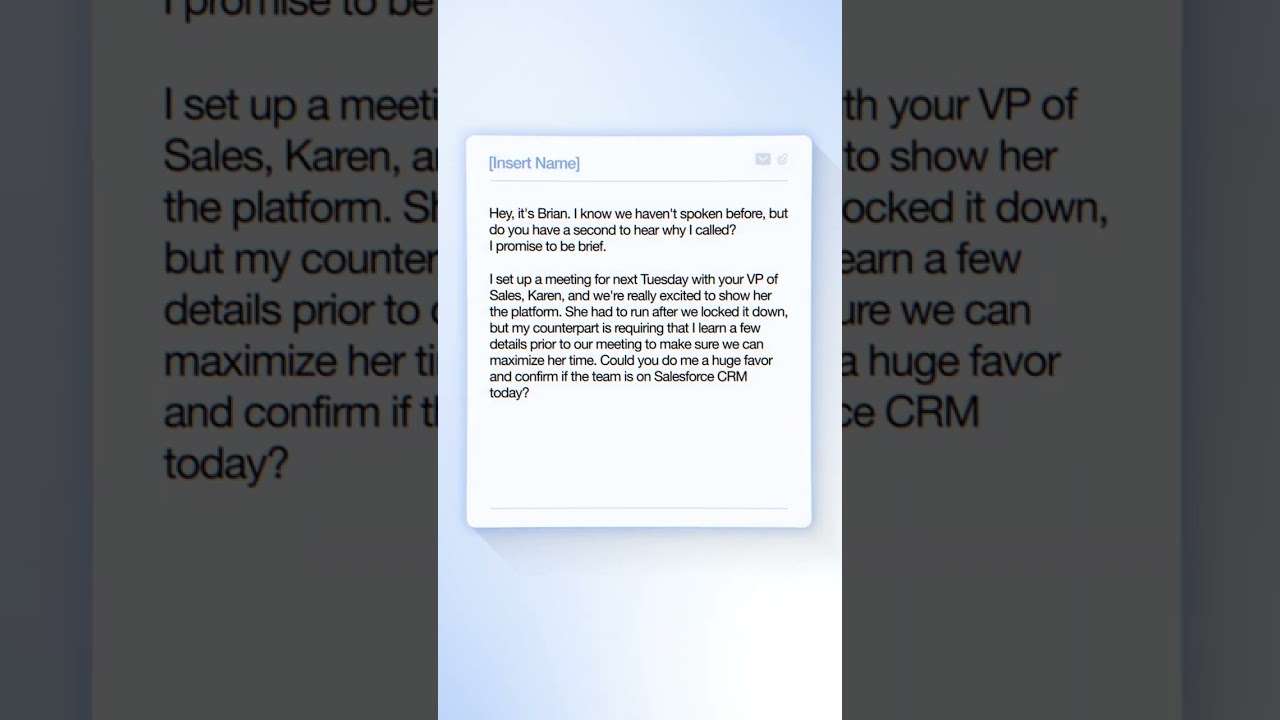
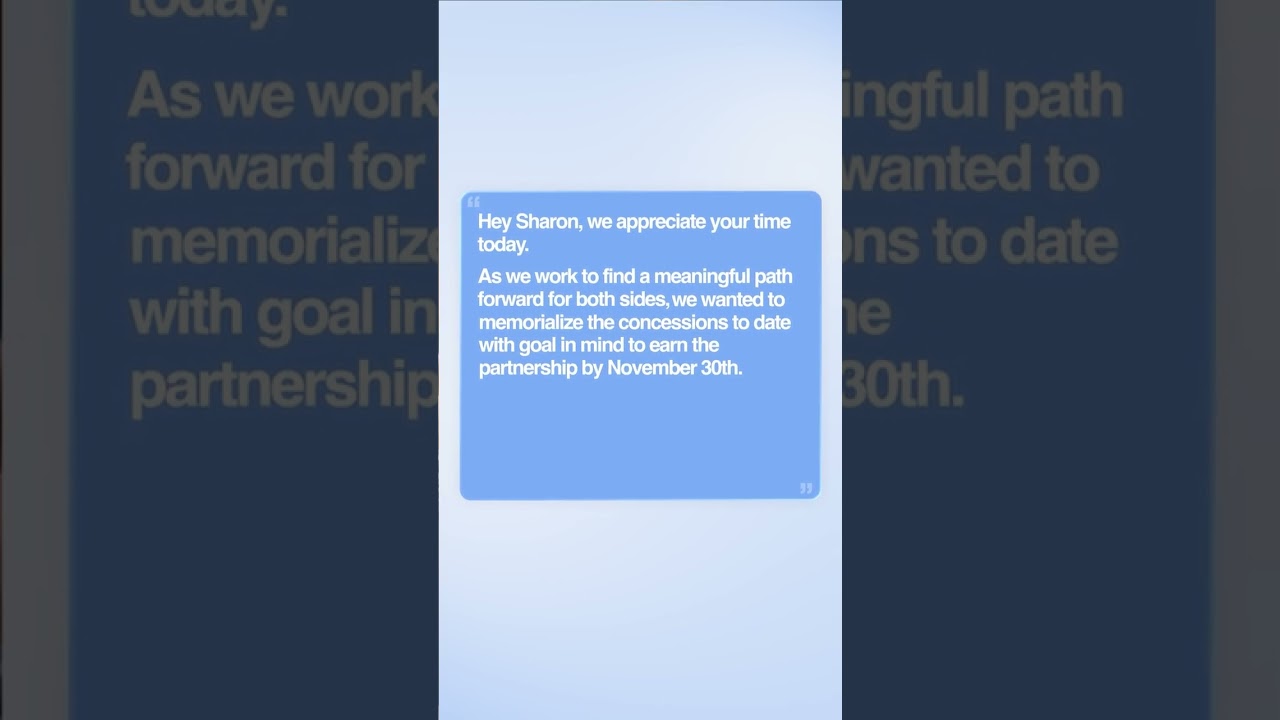
Brian LaManna introduces the OPPS cold-email framework (used to book 73 meetings). This chunk names the four parts (O = Observation, P, P, S = simple CTA) and fully explains O: lead with a concise, verb-led observation (aim ~8–12 words), use the target’s exact verbiage (product/integration/person), and make the opener compelling enough to secure an open. The clip ends with a CTA to closed1.xyz for the full framework and an invitation to comment.
Questions this video answers
73 meetings
Chapters
Last year I booked 73 meetings via cold email and all 73 of them came using my exact OPPS framework. The OPS framework stands for O Observation, P Problem, PPS and then S is simple CTA. Step one is leading with a strong relevant observation. Something like hey, notice that you recently released a new integration around X or heard your podcast with Jim back in June. I try to lead with a verb right from the get go to eliminate the fluff. It's going to include something like realized, saw, learned. Just came across. Noticed there's three different keys to leading with this observation. Number one is making sure it's tight and concise. I try to make it eight or last words words. Number two is the more specific and relevant to better using their specific verbiage from someone at their company, the name of their product, the name of an integration, something very hyper specific that makes sense to them. And the third is that if they don't open this email, you're not going to generate an opportunity. No open equals no op. If you have interest in seeing the entire OPS framework broken down with real examples that I've leveraged, go to closed1.xyz and check out Systematizing Outbound. Would love to hear from others. Do you have any other relevant way to finding an observation? Leave it in the comments down below.