From Launch to Monetize: How to Start, Grow, and Monetize Your Podcast Authentically
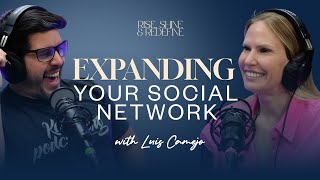
In this interview, Caryn Meininger talks with Louise, founder of a podcast studio/agency, about the practical journey of building a podcast from scratch to a 600‑episode show and turning it into a revenue engine. They explore why staying silent costs years of business growth, how a 20‑minute‑a‑day consistency habit and a 45‑day live challenge can jump‑start a voice, and the importance of choosing the right content vehicle (YouTube, social, podcast, blog). The conversation dives deep into guest acquisition using a "ladder of influence" (C‑, B‑, A‑level guests), the "ask" mindset, and the "breadcrumb" strategy of leveraging high‑profile interviews to unlock more guests. Monetization is broken down into relationship‑driven client work, authentic sponsorships (critiquing CPM models and promoting growth‑partner deals), nonprofit funding, platform creator payments, and funnel tactics like newsletters versus lead magnets. They also discuss operational limits, capacity planning, authenticity, testing content experiments, and the launch of their Business Creator Club community. The episode ends with a concrete 24‑hour action: go live on Facebook and tell a story to start building voice.
Chapters
What's the cost of not putting our voice out there? And for us, it was three years. Like, three years of not advancing our business, three years of not starting our business. So we were like, okay, let's do an audit of our time. And literally, we were like, we have 20 minutes a day. Like, what can we do in 20 minutes a day?
It's freedom. It's freedom to talk about what you want. There's no rules, and I love telling my clients and people in my world, like, there's no specifics. There's no steps. It's do what feels good for you. And as long as you're real and authentic in who you are, it's gonna shine through, and your frequency is gonna keep rising.
You could be on YouTube, you could be on social media. You could be a podcaster. You could blog. Right? There's advantages and disadvantages to each one of them, but at the end of the day, if we're not able to be consistent with it, nothing's gonna happen.
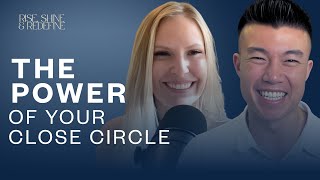
And I think it's. Anything you do, it's always leading with service 100%. It's like, how are you serv. Welcome to Rise, Shine, and Redefine, the podcast where entrepreneurship meets purpose. I'm Karen Meininger, and I'll help you create an authentic and powerful business. Let's dive in. Welcome back to the Rise, Shine, and Redefine podcast. I'm your host, Karen Meininger, and I am here with Louise from the podcast studio. And I am so excited. I am wearing the headphones. This is his studio. He always wants me to wear the headphones, and I always refuse. But in honor of him being on the show, the headphones are on, and. Wow. I can hear so clearly my own voice. This is amazing.
Yes. Well, I feel so honored to be on your show. You've come so far, and I'm so excited. You know, it shows. It shows on, like, how you record, like, the energy that you bring here. So thank you for having me.
Yeah, no, I'm so excited. And you're like, the podcasting king over here. You gotta hold up to it. Thank you.
Yes. I need the crown now. Yep, I'll hold it.
Where is it? We'll put the imaginary crown on.
Okay.
So, yeah, I'm super excited because I want our guest, our listeners, to really find their voice and figure out a way to get started in podcasting, or even if it's not podcasting or a way that you. They can get more confident on. On sharing their voice.
Yeah.
What are. How did you even start in this podcasting world.
That's. That's a really good question. So one question that we ask a lot is like, what's the cost of not putting our voice out there? And for us, it was three years. Like, three years of not advancing our business, three years of not starting our business. And we started way back in 2015, 2016. We're doing like, small social media videos for, like, local businesses. And I remember a meeting that we had. We. We are working with a network of 10 gyms, and the owners were so happy that, you know, the, the product that we're doing and they're like, I need to introduce you to other business owners. So we had a meeting in their conference room that they set up and we're having this presentation. We're showing, like, the things that we're doing, the results that we were having with them. And, and at the end on the questions, one of the guys was like, well, that's all great, but what about you guys? Like, I found nothing on you guys. And gut punch today, I would have answered maybe a little bit different, but at the time it was like, really, really tough. And we closed no business after that day. I thought the presentation was the best. Our owners, who loved it, pitched the friends that also had similar businesses, and nobody could believe it. And I think that question, like, just created like this doubt in everybody else and just because we weren't doing, but we're preaching one. So immediately we started to try and figure out a way to be present online consistently. And for us, that meant an internal challenge of going live on social media, on Facebook at the time, for 45 days to try to find that voice. Because we're trying to model other experts. We're trying to model, you know, the Gary Vee's, the Grant Cardone's, like that people in our world that we're like, man, like, they have massive volume. They do content in this way, they record the video this way. They do these quote things, you know, like, how do we do it? But we're freelancing. At the time it was just me and Fonzie and we're doing client work. So we're pretty topped out capacity wise. So we were like, okay, let's do an audit of our time. And literally we were like, we have 20 minutes a day. Like, what can we do in 20 minutes a day to keep us consistent? Because I'm done with people going in our profiles and not finding anything, right? Not even a website, like a social profile. We do social media, right? We should be Present there, right? So that's how it started. And then we did a couple of those rounds. Crazy stuff happened. Business grows. And then on podcasting specifically, we have traction with our freelancing content, little agency. And in 2020, Covid happens. And within a week, every single business that we're helping closes. And everybody called and they're like, guys, like, we're not going to be able to pay for this. Like, can you please, like, take us out of auto draft? Or can you change the car? Like, we're going to pause it. And we're like, oh, freaking out. And we had a one client that was online, brand new. He was publishing three podcasts a week. And the guy goes like, why don't you guys start a podcast? And we're like, what's a podcast? Almost like we just came from one of the big podcasting events in Orlando, and we interviewed a ton of people there. Like, we were trying to interview customers because we're coming out with a product which is the one that you use. We're like, oh, that's a great idea. It works well. But we weren't podcasting. We went there to sell, and this guy pitches to us, and we're like, I guess we'll try it. Because we were doing the 45 lives before. We're like, we were able to be consistent. Let's just do a Facebook Live show. And that's how our content is. Profit show started. So we did 20 episodes, just me and Fonse, trying to document, you know, a longer version of our Facebook Live. So we'll share our story of what we learned that week, and then we apply it to our business. But then we started running out of ideas and things, and we're like, oh, crap, what do we do now? And that's when we started interviewing people. And, you know, 600 episodes later, here we are.
Wow, 600 episodes. So you know a thing or two about podcasting.
Yes, we've learned a few. Couple of things. Still lots to learn, you know, like, things platforms change and evolve. But yeah, I think we've. We found our channel, and that's what a lot of our message is, like, the creation process. You could be on YouTube, you could be on social media, you could be a podcaster, you could blog. Right. There's advantages and disadvantages to each one of them, but at the end of the day, if we're not able to be consistent with it, nothing's going to happen. So find a vehicle that better suits you to start, and then you can build systems on the Back end to support the other ones.
Yeah. And I love that you did the 45 day live because you mentioned that to me before and I'm like, every day I'm like, all right, here we go. We're going to start this 45 day live.
Sounds like we need to start a new challenge with people era. Yeah.
And haven't done that yet. But I love the podcasting because it's, it's freedom. It's freedom to, to talk about what you want. There's no rules. And I love telling my clients and people in my world, like, there's no specifics, there's no steps. It's do what feels good for you. And as long as you're real and authentic and who you are, it's going to shine through and your frequency is going to keep rising. Like, I know for you, you're 600 episodes in, like, you and your brother, like, banter like no other. And it's just really beautiful to watch. And you can, you can share your voice, you can interview whoever you want and. Okay, let's talk about that. How do you get high level people onto your podcast?
That's a really good question too. So initially we're faced with that and we call it the ladder of influence. Right? You have C level players, B level players, A level players. Right. And obviously A level players are like your dream guests. Like really, really, really big people. So they're probably going to be harder to get at this point because, you know, they might have a platform, they might, they might not see the value of guesting in a small show. Some people are not like, we never assume. That's rule number one. So when the show initially starts, it's like, okay, how do we design not just a podcast, but like a show? Right? So that's our point of view. It's like, okay, our show is not just the audio podcast, it's also the video experience. It' the guest experience. Like when they come to our studio or online studio, like, where does that look like? For example, you have a really good experience, you know, you know, because you have an in person studio that you bring people on and like, that elevates your rankings in this. And you've had people from all over the country like that, they come here to Jacksonville to be with you. That's incredible. That's like level A type stuff. So it's like, okay, how do we build this platform as an experience? And then the video comes out, the clips come out. You know, there's a marketing strategy behind it. So is the whole picture. So now that we have that show design, and again, these might seem a little overwhelming, but take the pieces that apply to you today, right? And you start asking people, number one rule is, like, start asking. You never know if they're going to say a yes or a no. And we're very proud to every single person that we've asked to be on the show have said yes, except one, which was a very big Level A influencer in our space at the time. And we end up getting that person through a person that came to our show. So how do we start doing that? Okay, well, what's the premise of the show? What's unique about your show? What's in it for them? Wift. Right. What's in it for them? What happens if they come to the show? So for level A influencers, more likely they might be, you know, promoting a book, or they might be promoting a platform or a program that they have. And maybe your audience, audience resonates with them as well. And by bringing them, you can add value to maybe send some traffic their way. Right? So I remember very first Level A influencers I came to show, it's a guy named Todd Brown. He's been in the marketing space for more than 30 years. He's coached some of the top marketers that would now we consider mentors. So he's like the grandfather, like, in this space. And he recently wrote a book called the E5 method. And he was promoting the book. My brother got the book. He was reading it and actually he didn't buy the book. He downloaded a PDF. This is how broke we were. Downloaded a PDF and was writing notes in the PDF and he where episode Todd was episode 40, I think. So he goes on Instagram story and he's tagging Todd as like, oh, man, this book is amazing. I've been learning this. And he sees the PDF and. And he tags Todd. And Todd's like, oh, man, that's awesome. What's your address? I'll send you a book, right? Because he's happy. And we're like, oh, my God, this is awesome. And then we're both in the office. We had an office to build things down. And we're like, man, invite him to the show. Maybe he says yes. And my brother's like, okay, I guess. So we recorded a video like, be unique. Be you. Maybe it's not a formal email, but maybe find him in the platform that maybe they're least, you know, popular on, because maybe they see it. In that case, we're like, Maybe this is a virtual assistant that sending us this. We don't know, but I guess we'll send a video. So my brother goes. He grabs the phone and he's like, hey, Todd, dude, your book is amazing. Thank you so much for sending us. I'll send the address right below. But we have a question. And he pans out and he's like, me sitting, like, the little table corner that we have. So if you go to episode 40, you'll see the little table I'm talking about. We had like some superhero, like, things in the back, total random stuff. And we're like, what's up? Can you want to come to our show? And immediately the guy was like, yeah, let's do it. Send me the calendar link. We're like, what? So that was like our first, like, level A. And what happens is, obviously we prepared for the interview really well and obviously providing a really good experience for him helped. And then at the end of the interview, we have a record. It's like one of those, like, things that you could hang, but it's not like a picture, but it's like something that he said. And it's like, you guys are going to be big. And like, just let me know if you guys need anything. So the experience helped because we had good questions. We are prepared. Like, we provided a great platform for him to do it. And then we would leverage his name like crazy because he was, like, very well known in the industry. So we will reach out, be like, hey, Karen, nice to meet you. Like, I just saw your post on social media about X topic. It was like, really good because he helped me do xyz, like, be very specific on what it is. And then, by the way, like, we just had Todd Brown. I don't know if you know who he is, but Todd Brown will put the link to his profile and the show maybe two, you know, two weeks ago. I would love to have you in there. So what happens is, like, the person reading that be like, oh, Todd authority, if he's well known in that came to that show, they must be good. Let me potentially say yes. So we started using that strategy, what we call also the breadcrumb strategy. It's like, okay, Todd, who interviewed Todd or who's related to Todd? And then we will start connecting the dots in our industry. And that's how we started bringing people. And then once you have one or two, we will ask, hey, Todd, thank you for this experience. Like, do you know anybody that could be a good fit for the show? We're Looking for X, Y, Z. And then they'll tell us a couple of names that are also maybe level A or maybe level B, like, but they're going to say somebody that they feel really comfortable, you know, saying, because they also want to look good. Right? So they're like, sure, Todd, can we throw you. We always say this phrase, can we throw you under the bus and tell them that you send us? And people laugh and they're like, yeah, absolutely. So we would do a version of that. And that's how we started bringing people that are related in the industry and initially level A. Right. So that's fun. I don't know. We never read it somewhere. It came natural. It was like, man, we want that person. Why don't we just go ask that person? Right?
There's such a power in the ask too. Because the same thing for me, I. I started asking higher level entrepreneurs, especially female entrepreneurs, and. And, And I was just like, just ask.
Yeah.
Worst thing they say is no.
Yeah.
And it's like, okay, you can always ask them again later. If they say no, I will say just like you. I've never had anyone say no. And. But it's not because I'm afraid of the no. I'm detached from the outcome. If they say no, they say no. It means, okay, where do I need to work on my own skill set in a way that is gonna make it make sense for them to be in the experience. I love your studio. When I get to bring people here, it's amazing. It's an experience. I mean, we were with Mokosi drinking champagne. You're like, don't ruin my equipment, please.
You're a VIP client, so it's fine.
VIP as Mokosi's like, with her hand, like champagne glass right here. I'm like, oh, my God. Oh, my God. Oh, my God.
Yeah.
No, it's just the power of an. Of an ask. And I actually learned this in a mastermind, where it's like, how many no's can you get? Like, go. Go to your neighbor's house and ask him for something.
Yes.
Right? Like, see if they say yes or no at Starbucks. Hey, would you consider giving me a free coffee?
Yes.
Right? And you just, you. You build that muscle. Like the no muscle. It's like you, you gamify it, like, how many no's can we get? And then you're like, yes, I got 25 nos today. And you get to celebrate it. And then it doesn't mean anything about you. And I know a lot of times it's really scary to go out there and ask because what if they say no, did you die? You're like, okay, they said, no, it's not a good fit right now, but maybe in the future it's a good fit.
Absolutely. And they talk to you. That's a huge win. Right? Like, that's another thing.
It's like, oh, they responded okay.
Exactly. And you're like, you know, maybe you have some marketing stuff going on. It's like, when can you. How can we get you on the show? And they're gonna tell you their filters, right? Because that's one of the things that we receive all the time now. It's like this, like random AI pitches. You know, there's a lot of software that, hey, this episode was incredible. And we, our automatic response to that is like, awesome. What specifically do you like about that episode? And they stop sending you messages or now we're counter pitching. We're like, if you want to be on our show, it's $1,500. Right. And we just don't want random people on our show. We want people that are in our network, maybe people that we. For now, the business creator club, people that can help the people in our studio. So like, we're very jealous of like who comes to the, to our show. So we like. And then people that respond to that email be like, oh man, like, maybe we don't have the fifteen hundred dollars, but is there an exchange that we can do? Can you guys be on our show? Or now the conversation is different. So same thing, right? Is with that person. Like, what's in it for them? And I think that's super important because you're going to open a lot of doors.
Yeah. And I think it's. Anything you do, it's always leading with service 100%. It's like, how are you serving other people? Something that really bought bothers me is the DMs. Right? We're gonna, we're gonna digress for a second. But like the dm, somebody slides in your dm, right? Or into an email and maybe it's an AI pitch or an AI dm. And hey, I have this invitation for you. It's like, I don't know you. Like, I don't, I don't know you. I don't wanna buy your services. And if I'm looking for that type of service, don't you think I'm already shopping that and looking for people I trust versus you? And I actually got. It's funny because normally I don' in the DMs to those. But this one woman I don't even know, I don't even know she had like a million followers. And I'm like, who is this girl? Whatever. And I could tell it wasn't really her. And she's like, trying to pitch me some service. And I'm like, I don't want your service. She's like, I haven't even told you what it is yet. And I'm like, I know. I don't want it. Like, you don't know anything about me. You haven't built any kind of relationship with me. And I think it's the same with podcasting. It's like, you gotta know a little bit about what show you're going on versus, like, here, I want to be on your show, you know, 100%.
I think that's why, you know, be protective of your platform too, right? Like, we started very intense. We started with three episodes a week, and we kept it for like three and a half years. Right now we're doing about two a week. And the reason is because we found out very early that the power behind podcasting, or at least our podcast, was the relationships that we're building with the people that were coming to the show. So it's imagine like, this Venn diagram where, like, on one side you have, like, your message, their message, your audience, right? And then in the middle is, like, the relationship side. So, of course, like, we're talking, content is profit. Our guest is going to be talking, you know, content is profit. That's the theme of the podcast. And then at the bottom is like, what are the questions that our audience is asking? And that could be from your own social media, the community, the conversations that you have here and there with your customers, right? So the topic is going to be relevant for the audience, but we can't. We forget often that our person that's across the mic is also the number one member of the audience in that specific case, because they're listening to you, they're having this conversation one on one. So we often encourage people, don't have an interview, have a conversation about that topic, because you're going to be at the same level of that. And going back to Todd's interview, I remember Fonzie asking The questions, like, Mr. Todd, it was hilar, like, just by, like that. We're one intimidated by him because he was like our first level a person, and we're, like, respectful of him. And at the end of the interview, he gave us that. He's like, Guys, you're good at what you do. You've done this 40 times, right? And you guys have to be at the same conversational level because you guys are also influencing people, right? We're not the reporters. We're having a conversation about this topic. And then what happens is that person perceives you as also an authority. And now you can have a one on one conversation. And then because your number one audience member, because they're listening to you as you interact right now, the door opens for different asks. Hey, can we partner? Hey, can we do a joint venture? Hey, can we collaborate together? Right? Whatever that looks like.
Yes. And it's also watching for positive projections, right? Like with, with Todd, right? It's like, oh my God. Oh my God. Holy shit. Like, this guy is going to be on our show. What is. Yeah, and I've had people on this show too on Rise, Shine and Redefine, where I'm like, oh my God. And then you meet them and you're talking to them and you're having a conversation and you're like, oh, they're like me. We're just having a conversation. And it's like, oh, I don't have to have these people on a pedestal. Coming back to the power of the ask, right? It's like, wait, if you don't put them on this like a level, maybe they have more followers or more money or whatever, but at the end of the day, they're human. And it's like sometimes we forget, oh, you're just like a human. Let's have a conversation. Like, like if you didn't know who I was and I didn't know who you were. Yeah, like taking all status, anything away, it's like, what would you talk about?
Yeah, and definitely your new puppy.
Oh, yes, I have a new puppy, you guys. I have a new puppy. We named him Bowser. And my husband and I did not agree on that name. But that's okay. He. He won that. That and he's a Bernese mound dog, so he's super cute. And we did not sleep last night because it was our first night with him. So, yeah, super cute. Okay, so tell me about. So you have. Content is profit, which is obviously monetizing, right? We want to create content for profit. What are some ways, even for me, like, I want to know what are some ways that I can start monetizing this podcast and other people listening can, can really start small. It doesn't have to be this huge thing. I do know that it one, it could be with the guest Right. That could be one way. But what are like, give me all your ways.
All the way. Yeah. I think the shady one is the one that you mentioned. A lot of people are like, oh, this is so shady. But to be completely honest, I think it's one. The most profitable one, which is with the person that comes to your platform. What's a way that you can collaborate? And this is a tricky one because we've seen a lot of their very fishy ways. We have. We don't teach this, by the way. Like, obviously, the people that come to our studio, we mention it, we, like, we share our process, but it has to be genuine, right? So we've been in specific shows as guests that we jump on is, like, sweet talk all the way to the show. We do the show, and it's speed show, like, 15 minutes. A minute. And then as soon as it ends, his pitch and it's like, it throws people off. So. And for us, like, turn off. I'm like, dude, like, get a coffee first. Right? Like, what? What's this? And, yeah, and there's a lot of people teaching, hey, just, like, create, like, a fake show and invite all these people so you can have all these sales conversations. And we've been on shows where they never launch. And I'm like, that's so dishonest. So you know what?
I was on a show, I just realized that now that where somebody did that to me, it never launched. And then she pitched me and was trying to get me to work with her, and I was like, it's so shady. Yeah.
Even though it's the number one way that you can collaborate. Because we tracked our first 100 episodes, and what we were trying to do at the time was, obviously, we're coming from COVID and we were like, we have 30 days of cash flow. This is, like, pretty intense. We had to figure something out. And after our first interview, the guy asked us. He's like, hey, I love this. What are you guys doing right now? And we share with him our process and what we did with content. And he's like, dude, I need that. And to this day, he's a customer, which is incredible. Thank you, bud. And he kind of got us of that funk. But that conversation was like, wow, this is a really good opportunity to establish a relationship that can be business. So we started asking our question. We're like, right after the show, it's like, hey, you know the questions. Like, hey, you're now a part of the show. Like, who else can be part of this? Leads so we get three to four names every time. Those are leads, people that can come to the show, potentially partners. Then that person that comes like, hey, we do xyz. I don't know if that's for you, but I would love to show you. And we would love to. At the time we were asking for feedback because it was a brand new product and 80% of the people that we asked said yes. And then 20% of the 80% that came said yes to working together, which was insane. And that saved our business. But we were coming from a genuine part, so that's number one. I think there's a little bit more science to the madness or like a method to the madness. Right. That we can follow on making sure that you are authentic. People can smell it. A second way, which is also very popular is obviously sponsorships. And with sponsorships, I think people maybe tackle it the wrong way. There's something called CPM cost per thousand downloads. And the industry has been kind of measuring how they pay creators through that. And a clip view is very different than a podcast listen or a podcast view, for example. A podcast view weighs more. Is a higher quality person that's listening maybe, right? Versus a clip is people that are scrolling and maybe it's like brand value. They see your face and we've seen cases where they're like, hey, I see you everywhere. I'm like, sweet, what's the name of our show? They have no idea, right? But they see the face. So obviously different content acts in different ways. The issue is like for the CPM method, all these brands and people that are asking for those numbers, they don't really have a background or they're just looking for exposure and that might not be the best way to monetize. So there's a different way where you basically pitch almost like a partner, a growth partner, where it's like, hey, you sell them on the idea of your show as a platform that helps X community, that helps X audience. And there's different assets under that, right? For example, in our case, that's why we have business Creator club. Now as a community of entrepreneurs are looking to create more brands like adobe brands like HubSpot brands. Like people in the business world are very interested in that because now we have business people that could use pipelines or like CRM methods, right? Or they could use Adobe as a software. So they're probably very interested in that show and it might not be a big show right at the end of the day. So now there's like different packages that you can do. So there's a guy named Justin Moore. We continue to. You know, he's been on the show twice. Incredible guy. He has a book called Sponsor Magnet, and they talk specifically about how to find his growth partners. Because it's not just about the cpm is about a vision of the show and who we're helping. And now you can land a $2,000, $5,000 deal a month, even though you have a small, you know, small show or smaller show compared to the CPM method. So that, to me, will be number one. Number two, there's a show that runs out of the studio. They're a local political show, and they got a nonprofit. They register the whole company that owns the show as a nonprofit, and they got another nonprofit to make donations to their nonprofit to fund the production of the show. And they've been online for about two years now. Super small, very niche political show, but they have an incredible community behind it, so it is possible. The other way is obviously, if you have a business, right, it's obviously driving traffic to the show and then to the show. It's like the people that are listening are building trust with you. Authority, relevancy, and trust, because they see you consistently, frequently, and then transition those people into a relevant offer for them, like, how are you helping them? Right? So it could be. This is now we're talking about, like, more on the funnel side. But it's like, what. What is the solution for them? Is the community is, you know, retreat like the ones that you do? Is it a lead magnet? Is it a newsletter? You know, recently we had a guest on our show, Adam, and he decided to close all the other social media and just focus on podcasting and threads from Instagram. That's all he does, one man show. And he basically moves people from the threads to the podcast to the podcast to a newsletter. And what he said was really interesting to me because when you do a lead magnet, people just want the lead magnet. And then obviously you get the contact information, and then you can continue to communicate with them. And some of them are going to ascend in your model. But he's like, yeah, sometimes people, just one, they would lead magnet. And then they bounce out or they don't read your emails anymore. They don't want the emails. You just want the thing versus if they. If you bring them into the newsletter, the intention is different because they want to read your newsletter. So now they're going to open your emails, and now they're going to continue to build trust. And I'm like, man, like that's actually really cool. So that's what we're testing right now. We're going to see like, okay, instead of sending to a lead magnet, we're going to, we're starting building a newsletter based on the things that we do on the show to move them into the community. But I think a myth out there is organically, any content can grow maybe. But we had a recently meeting with like with three of the main podcast producers. I guess in now the entrepreneurial world, it's like Alex is Ormos his producer, my first million producer, which is part of our network, Ed Mylett's producer, who they record locally as well. And I was like, man, guys, like how do you guys pulling these hundreds of thousands of listens and millions of views on YouTube. And they're also asking the same questions with bigger podcasts, like the top two. And the answer is ads. People invest in the marketing. The show is not the marketing. We have to still market the show. So it is like a funnel, right? If we present our show to 100,000 people, X amount are going to listen. X amount are going to listen this percentage. If the content and the call to action is relevant to them, they're going to take action and then they can move into the business side. So that's why I say like the number one way is through the relationships that you're building through the show. Because that guest now know what you do, you know what they do, you can help them, but also they can refer not only guests, but maybe work, maybe you don't work with that person. But now they know what you do and be like, the bistros are the ones that are supposed to do this, right? So it's like, how do we start building that network? And then there's obviously different ways. Like platforms paid all the creators, right? So you know, you have Facebook investing heavily now into, into video. So recently I've been putting a lot more attention in my Facebook post and just yesterday I got a notification. Your profile is monetized. It hasn't been ever monetized. I'm like, am I gonna earn stuff with that? I don't know. But platforms itself, they pay creators if they create quality content. And what is quality content? Quality content is content that other people want to consume. Because people, the platforms want audiences to be interacting in that same platform. So Facebook doesn't want you to leave the platform. Facebook want to keep you in the platform, right? So they can run these ads and stuff. So obviously this is very high level. But as A business owner. I think the number one way is one finding those growth partners. If you're trying to finance the show or keeping up with the production, obviously, you know, sell your own products, but that if you're doing it organically, it might take a bit. We've seen podcasting more of a. As a sales, you know, helper, you know, you already have the sales conversation and be like, hey, by the way, here's my episodes that you can consume and build trust to then close the person, for example. Right. And the number one, like I said, relationships that, relationships that you're building through the show, they become incredible partners.
Yeah. And I, the relationships I think is the most important piece. And even if that particular person doesn't become your client, they might know somebody who knows somebody who knows somebody and then they find you. And I just feel like we're all kind of interconnected and we're all meeting each other for a reason, especially if we put effort in. And also something with podcasting too is, is something I notice and I try to be really mindful of this is be really interested in what your guest is saying versus what am I going to say next? And, and it's funny because when I first started I would have like a list of questions and be like, okay, what am I going to ask? Like I want to be really prepared. And then what would happen? I wouldn't ask one question. Think I would ask one question. And then the whole conversation went in a different direction because like you said, I like it more as a conversation. It doesn't have to be this whole like question, answer, question, answer. And yeah, but I think I, I'm. I want to work on more of the monetizing. We were talking before you came on the show about maybe putting ads on my podcast. I'll let you guys know how, how it go on YouTube, right? It's on podcasting or on YouTube.
Well, there's, there's both ways, right? You have your podcast, which is the, the type of content, but then you distributed audio and then you distribute it on video. So obviously video. YouTube is, they just became the number one podcasting platform because three asexual people already are familiar with it. Now they're putting their content in there. But yeah, there's a very, there's a promotion tab that you can start targeting different, different things. I'll tell you a story. It's not a podcast, but it's a company that they do these long form videos and their number one goal right now is finding investors for what they're doing. And they're taking, basically they're taking gamers to racetracks, which is crazy. Like actual racetracks. And it's incredible.
Like Gran Turismo.
Like the movie, like the movie grand tourism.
Okay.
They're doing it real life. And you know, they have this content, but then these brands that are trying to invest or the investors, they want exposure, right? That's that. This is number one thing. Like what, what's in it for them? Like, what do they need? Right? And the brands, they all have different objectives. Maybe one prefers like a smaller, higher quality, high intent, niche audience versus other ones. They just want to spread the brand around a bunch of channels, for example, Right? They're different priorities. So we could tackle any of them. But in this specific case, they had really good content and the people that were consuming it at the time were consuming a ton of it. So they were like spending a lot of time with the brand because they were the gamers, the people that wanted to be there. So. But it was not a lot of volume compared to what these other brands that they're interested in bringing into the company are. So what they started doing is they just created almost like a little private channel for those very hardcore fans. So the content's still there, but now they have this community aspect and they started investing ads to show the content to new audiences. So content is an experiment. So it's like, okay, I post this, my hypothesis is X. Well, what happens is X plus one or X plus one, right? Or negative one, what happens? And then from that feedback, we can start testing new things, like the ads, for example, on YouTube. And in their case, they started investing as little as $100. And they were like multiplying the number of views. Average duration of the watch stayed the same. So they're like, this is a win. So they ended up substitute. They ended up replacing to two people in the production team that were in charge of like the organic growth that were not being successful. And then they put that money into the ads and then they started. I think they're about 500,000 subscribers at the time. And now that is what's opening the conversation with the big sponsors. Because the big sponsors see that and they're like, we want to be a part of this. And it's like, it's so interesting, right? It's like, okay, what is the leverage that's going to help me achieve our goal? But we have to be like, very clear, like, what is our goal?
Yeah. And it could be tricky too, because it's like, is it Visibility is it. I mean, obviously it's visibility, but it's also being quality and. And there's strategy to it as well.
I remember our first mastermind we invent. We just invested. This was crazy. We invested $20,000 that we didn't have, and we just quit our job. We're like, oh, what are we going to do? And that first night after freaking out, we're having dinner, and we're having dinner with this agency owner from Canada. Amazing guy. And he's like, we're having this conversation because we're selling content, right? And they're like, man, the problem that we're having with the people that are trying to buy is that they want, like, these massive views and these things. And he's like. And he was coming from that space, and he's like, this is something very simple that I tell them. I was like, you want to feed your ego or you want to feed your wallet? As simple as that. And, like, you will qualify them based on that. And he was very direct with the ways that he communicates. But I think at the end of the day, that's true, right? It also depends on what type of business do you have versus what kind of product do you offer? Because there might be constraints. Like, let's say one of your videos or your podcast goes mega viral and it resonates, and then you now get 100 applications. That's a. That might be a constraint. Like, do we have the capacity to process 100 applications? Let's say out of those hundred applications, you know, 20 are a fit. Are we able to fulfill with those 20 people? Right? So that. That's something else that we have to consider. Like, it's, let's say a product on TikTok goes viral. We've seen many, many examples where they sell out and then they're stuck trying to fulfill this, and then that's worse than if they grew slowly. So that's the other constraint on the monetization lever that we talk about all the time is like, okay, what does qualification looks like? What does fulfillment look like? Right? Like, if you're a coach, do you have capacity that to take three or four more clients a week, Right. And still deliver a ton of value to these people. Right?
Well, I think that's when. When scaling comes, it's like, okay, we bring in team and it's. But, yeah, and I think, you know, everyone's like, how do I go viral? How do I go viral? And I mean, I asked myself that question too. I'm not going to Pretend I don't. But it's true. It's like, do I have the capacity or do you have the capacity to hold? If you did go viral, you know, do you have the team in place? Do you have fulfillment in place? Can you take on the hours, the time that there's management there and in. Sometimes I think there's a little woo. But the universe won't let you become at that capacity until your nervous system can actually handle at that capacity. Because if you're overwhelmed now just trying to get visible, imagine you actually become visible and then it's like, oh my gosh, how can I fulfill? How can I serve? How can I still serve? Be in integrity, whatever your values are, right? For me, integrity is one of my number one values. And it's like still being integrity. I, I, I bought this, what is it called? Opus Bed. Okay, I'm going to throw them under the bus for a second. Bought this Opus Bed. Okay. It's this like sound bed that's supposed to like do this emotional healing. You put on these headphones. I bought this in 2023. I still have not gotten it. They told me it was a three month back order. Haven't gotten it. So three months go by, message them, hey, what's going on? Oh, we're back ordered whatever they tell me another three months. We're going on almost two years now. Just mess them. Oh, now it's a tariff. Because of the tariffs, it's like constantly this excuse and I'm like, you're selling like a $3,000 item and just be transparent like hey, I can't handle this. Or you know what, I'm so excited you bought this. But we're really a two year back order. When I was working in the I used to sell Sunbrella outdoor fabric and when Covid hit, they were backordered for a year on one color. Like people would order, I'd be like, it's a year backorder. And instead of being like, oh, it's two months and then two months you have pissed off customers. It's just like coming back to being what can you handle? And can you still be in integrity and fulfill? Because like you said, it's worse to have where you can't fulfill the service that you're providing or the product then not having instead of building slowly.
Yeah. I think we have a couple of stories also ongoing viral we had and with unexpected results which was like really interesting, right? Like this guy, Brian is a coach, amazing guy. He has a very powerful story where you Know, as a child, he got run over and almost loses his. Lost his arm. And they reattach the arm, but right now it doesn't look normal, right? And he's a speaker. He goes on stages. Incredible. Incredible. Coach and friend. And we were. He has a podcast. Very frequent, you know, same thing. And we were like, how can we spin the content where we can share the story but now show it visually? Because it's so powerful, right? Like, at the end. That's the other thing, is, like, is our stories worthy of that attention? That's the other thing. Like, are we good enough delivering these stories? So other people pay attention at the end of the day, right? Because that's that attention. And that time that they're investing in watching you or consuming you is very valuable. So that's the other thing. Like, we don't consider that, right? We just think, hey, because we say, abc, people should listen to me. No, we have to earn that too. So anyways, we were trying to craft this message, and Fonzie had a great idea. He's like, hey, how far are you from the place where this happens? And he's like, it's not far. Maybe 20 minutes. So they drove there, took the mom, and the video is really them sharing the story at the location. And you could, like, you can see the mom gets emotional. We gave instructions of the videographer to film the mom and do this and get their reactions. And there was a mix of things, right? Story powerful, very unique as well. Emotional because the mom was there starting to cry. The guy was telling. It was crazy. You could put the picture of you're in the parking lot. This is where it happens. That's where I was laying. You can see all these elements. Well, that video took off to, I think, close to 9 million views. And what it did was it elevated everything else around that video. Like, people are like, okay, who's this guy? It's just like, if you put a ton of marketing dollars behind it, right? What happens is that people find you and they're like, wow, this is really impactful. It creates curiosity. And then you're like, let me go see what. What else do they do? Like, is this an account that does, like, shocking stories, or is this, like a story of the guy? So they start, like, consuming. And what happens. All the videos around started to also go to 100,000, 200,000, and everything grew. But here's the interesting part. It didn't attract the right audience because almost nobody converted into what they wanted, which was more coaching clients. It got the Authority, like mirage, I guess, or like, you know, you know, fake perception of like, hey, we're going viral. But at the same time it's like, did that translate into business? So it happened. But then for them that was not a priority anymore. They were like, we did it. It didn't really, like, maybe we can try it again. But the effort of going out there filming this or like it wasn't really worth it for them because they had a very solid process behind the podcast and behind the guests and behind what they did and the personal outreach. And they're like, we're not going to chase that anymore. We're just really going to focus on what we enjoy doing, what we know is work. We had another example, Amanda, very business oriented type of content. They wrote a book called the Ultimate Sales Machine and it's been around for, you know, 30 years. That wrote it. He, she wrote the second edition, we helped her launch it. And we did like very little, like five minute podcast episodes throughout like 90 days and topics that are like, really like the book we've seen in person at events where people come up to her and cry because the book changed their lives, changed their business. Like that impactful. And the content is not a bad content. Like it's coming from the book that has changed people, right? And she's like, man, I don't understand. Like I go online and like all these like entertainment accounts or like fluff accounts, like all these millions and millions and millions of views. And now with that we're doing something here that is helping people that is changing lives for real. Is not getting, you know, the traction that maybe we picture it would get. And I was like, we're always related to the business side, right? And she decided to do a personal experiment. So she had this really good friend that puts up parties and like gatherings in Austin, Texas and has a huge following. And basically he did a guest post be like, hey, here's my friend Amanda. She's single, very successful.
Oh boy.
And she's really good looking, right? And very successful and all this. The post went crazy. It was on X or Twitter and started to get like a ton of views. And I think the amount that she got, she got something like 6000 dms.
Wow.
Attention people. Zero on the business side. And she's. I couldn't take it. She's. I had to ask the. My friend to like put the post down. So are we actually ready for something like that? Right? So I think content is one of those that are like a mirror and it helps us. You Know, show who we really are and work on ourselves to get better every single day. And at the end of the day, it's like, what are the things that we're testing? Are we creating out of intention? You know, are we creating just because we're chasing something external? Because if you are, might not last long in this game. And this is why, in our specific case, we love podcasting because it's a real conversation, is what we feel comfortable doing. We enjoy doing it, like, every single day. Like this happy place. Yeah, right? Yeah. And then you can build system on the back end to leverage that. Be like, okay, well, in our case, we do clips and we do blog posts, and we write different things and we test other things. But to me, it causes a lot of friction. To like Brian, for example, is like, okay, well, do we know this works? Are we willing to do this every week? Find a story, go somewhere, travel, bring the videographer, like, the resources behind these things? Right. Are we willing to do that? If the answer is yes, awesome. Go test them out. But it's like, how can we build a system that supports us and we grow with them? So. Because if we grow, we're going to grow capacity, we're going to grow resources, and then we can support other parts of that creation.
Amazing. Yeah, I love it. You want to be on the chill rocket ship? Fly to the moon, but be in the ease. Well, thank you so much for coming on the show. Just before we go, a couple things. Where can people find you? Where. How do. How do they work with you? How do they get into your business program? Sorry, I forgot the name of it.
You're good businesses.
Content.
Business Creator Club.
Business Creator Club Club. Okay, so how. How does somebody join this? How do. How do they find you? Where do you hang out?
Yeah, well, hang out in my house too many times. I do hang out a lot in my house, but no online. If you're listening to podcasts and you like to listen to podcasts, content is profit everywhere. Like I said, more than 600 episodes. Pick and choose. We recently launched a community called Business Creator Club. So you can go to BusinessCreator Club and you can be a founding member right now. $37 a month. I'll set the price. Because if it's not for you, not for you, that's okay. But we're meeting every Thursday. Open office hours have been coming in with different problems on content, and we kind of point them in the right direction, and we've been building podcasting resources in there as well. And then that's really the best place right now to connect with us. And then from there, there's different options. Like, if you're in Jacksonville, Florida, you can come to studio podcast suites and record here. This is our, like, headquarters. Ish.
Yes. And one last thing. What is. What is something somebody can do in the next 24 hours to just move the needle in podcasting or finding their voice?
Go live. Like, go live. Here's a simple framework. Think about a story of something that happened today or yesterday or something that you learn. Hit that red button on Facebook live without writing a description. Don't write anything. Be like, going live. Hit it. Tell the story and then related to your business. And then do a little call to action at the end. It's like, hey, if this resonated with you, send me a DM or connect with me right in the comments.
Amazing.
This is gonna change. It's a lot of friction for a lot of people, but it's gonna change.
I'm gonna. I'm gonna do it. I'm gonna do it.
Let's go. Yes.
Amazing. Thank you so much. It was a blast. I had so much fun with you on the show.
Thank you. Karen. You had a good questions.
Thank you. Awesome. And we'll see you soon.
Absolutely.
And come to Jacksonville. Come hang out in a studio.
Yes.
Amazing. Here.
Awesome. Thank you, Karen. Thank you for having me.
You got it. Thank you so much for tuning in to Rise, Shine and redefine. If this episode resonated with you, please hit subscribe and leave a review. It means the world to me. If you want more daily inspiration or any behind the scenes, follow me on Instagram Karen Meininger for daily inspiration and behind the the scenes. Until then, keep rising, keep shining, and keep redefining your journey.