A coach breaks down what college soccer scouts actually look for in strikers, using a player in blue boots and number 5 as an example. He emphasizes that strikers need to press and defend constantly, not just wait for touches. Pre‑game communication with recruiters and understanding the college team's formation matter more than you'd think.
Chapters
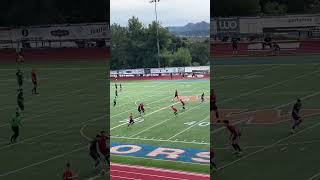
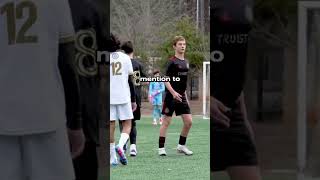
Scouting a striker to see if they can play college soccer. This guy right here in the blue boots, you're going to turn around, he's number 5. Number 5 is a strange position number for a striker, but this guy's got super athletic ability, great technique, and I want to see his movement now to see if he can play college soccer. So when we're watching you guys defend, I know strikers, you're like, well, that's not our job. Well, it definitely is your job, and it's important that you force them one direction so that way the rest of the group can thus start a press to win the ball. And it always does start with you guys. And naturally, as strikers, one of the first things coaches are looking for is, you know, are you lazy when you're defending? Because if you are, we're just going to move on and find somebody else, because there are lots of very good strikers out there who also work really hard. So I've been watching this game for a good 10 minutes now, and our striker has not touched the ball pretty much at all. In fact, you can tell because he's dropping really deep in order, in hopes of you know, being involved. Now he's coming back here to his striker role. But sometimes for you strikers, there's a large part of the game where you don't get the ball and you of course want to perhaps blame other people. Here's his moment. Great turn, great touch. Playing through. He might have been on. I think he was off, to be honest. But even seeing the moment— oh, here's another opportunity. Here we go. Oh, he could have maybe even shot it. The keeper was way off his line. What can be frustrating for you guys is— there you go. There was two touches. He may not touch the ball again for quite some time. And in the meantime, people are getting angry. And for that reason, you strikers, when you do get the ball, obviously it's really helpful when you guys make a moment out of it. But even in his mistake, the way he received it, had enough composure to turn, did show me there's something about him. He gives me kind of old Ronaldo vibes in terms of his build and his pace. I haven't yet to get to see it, but even still, he's been quite positive throughout, talking to his teammates, looking for space. He's in a nice gap at the moment, and that's one we're looking for, you guys. We still want to see what your reactions are like, even when you don't touch the ball, because it's inevitable you're going to play some game in college where you don't touch the ball a lot. And there he goes. He'll be frustrated with that instance. See if he gets a second ball. Nope. And sometimes when college coaches come to your showcases, this is what happens, right? You're— the Princeton or Columbia have told you they've come to watch you. They come to watch you and they see you touch the ball 2 times. This is why they have to see you so many times. This is why it's so important you get on a phone call with them before the showcase. This is also why sometimes you have to go to an ID camp even if you don't want to, because at an ID camp you're more likely to at least touch the ball because they can set up a drill to like make sure you touch the ball. So that's why they have to do all the above. If you want more help playing call to action, give me a call. Links in the bio. I'm gonna keep watching him, see if there's any good moments. His personality is a little bit more come to feet as it is like running behind, and looks like they often play with 2 strikers, the green team. And so because of that, you have to also think to yourself, you know, what formation is the coach playing when he's trying to recruit you guys? Call me if you want more help. Link about