The First Step to Overcoming Relationship OCD (ROCD) | Stop the Cycle Today
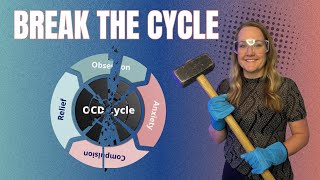
Danielle Gianni explains that overcoming relationship OCD starts by breaking the cycle: intrusive thought, belief it's meaningful, anxiety, then compulsions like reassurance-seeking that temporarily relieve but deepen the problem. The first step is recognizing compulsions and refusing to act on them, treating them like a puppy begging for food.
Chapters
Hi, Danielle Gianni here. If you're struggling with relationship OCD or rocd, you know the feeling. It's that endless, exhausting loop. Is this right? Did I choose the wrong person? Why can't I feel 100% sure I know what the first step feels like it should be? It feels like you need to figure out the answer. It feels like you need to google one more symptom or read one more thread or. Or ask your partner for one more piece of reassurance. But here's what I want you to know. That is not the first step to overcoming rocd. That is the first step to getting stuck deeper in the cycle. I know from personal experience. Today, I'm going to share the actual, single most critical step you need to take to break free from relationship OCD and reclaim a peaceful relationship. It's simple, but it's radical. Stick around, because if you get this right, everything else in your recovery journey becomes possible. To understand the best first step, we have to talk about the real problem. The problem isn't the intrusive thought, the thought that is my partner right for me, because everyone has those thoughts sometimes. The problem is that you're choosing to believe that all of your thoughts and feelings mean something. Your brain sends the obsession or thought, the what if or the statement thought, and you automatically choose to believe that it's true just because it's a thought in your head or a feeling in your body. This is completely false. Let me give you an example. Many of you have had moments in your relationship where you felt confident, excited, calm, and even in love. Of course, you've also had those moments of panic, of your feelings being gone and things just don't feel right. But a lot of times when we're in the present moment, when we go back to just letting things be, with getting out of our heads and not paying attention to our thoughts and feelings, we start to feel more present and. And even grateful for our partner, glad to be where we're at and even finding them more attractive. Now, you may be somebody who hasn't experienced this lately, maybe not at all. But most of us can go back and forth between these two realities. When you're in your head and paying attention to the thoughts and feelings, your anxiety skyrockets. So what you do to bring the anxiety down is that you perform the compulsion that could be constantly reviewing old memories or comparing your partner to others, researching spirals, endless reading about relationship symptoms or attachment styles, reassurance seeking, asking your partner or friends if your relationship is normal. And here's the thing. That compulsion sometimes gives you a moment of temporary relief, but it also sends a powerful message to your brain that this topic is dangerous. We do need certainty and we can't stop until we get it. You see, it's your response to the thoughts and feelings that are causing the things that you don't want. The compulsion is the fuel and the true enemy of your recovery. So if the compulsion is the problem, the first step is simple. It's seeing the cycle for what it is so that you can then stop it. OCD is a process or cycle of very normal thoughts and feelings that pop into your head. Yes, they, at least some of them, start off as very normal thoughts, doubts and fears. But instead of just letting them come and go, like you do many others, you start to automatically believe them and give them meaning. You take them way too seriously. And then you start to project them onto your partner or your relationship. No shame here. I used to do this too. Then you feel those feelings of discomfort. This may be strong feelings like anxiety or panic, or it might be a subtle feeling like bother or annoyance. You may or may not realize it, but the way you handle these thoughts and feelings is key. It will either cause them to fade and go away, or to stick around and come back stronger later. Which leads me to part three of the cycle. You respond in ways that seem effective with compulsions, but these responses are fueling the cycle. These compulsions are coping mechanisms that seem logical, but they don't work. And in fact they're training your nervous system to be more anxious and obsessive. If you're trying to get rid of the thoughts and feelings, overanalyzing, seeking perfection, comparing, checking or other compulsions, you're mentally sabotaging your relationship, which will affect it physically as well, at least eventually. The anxiety is then reinforced because you are training your brain with your response to focus on the topic more and to sabotage your own self trust and self esteem. And your brain will become more hypervigilant of the things that might be or go wrong. These are usually non existent or very small things that your brain and your perception is blowing out of proportion. So until you can see the cycle for what it is, you're not going to be able to stop it. Of course OCD will try to trick you, trying to convince you that it's not OCD and that it's real. Whether that's finding things in your environment that seem like proof, or hearing something someone says on social media that OCD wants to latch onto, we need to simplify it here. See the discomfort followed by compulsions. This is your clear cut sign that the obsessive compulsive cycle has started and it's time to use your recovery tools to stop the compulsions from even starting. This sounds easier said than done. I know. And it takes serious self awareness. Compulsions hide in plain sight. They often disguise themselves as normal problem solving, thinking you're just an analytic person, or just making sure I want you to become a detective of your own mind when discomfort or anxiety hits. Ask yourself, what am I doing right now to try to get relief or certainty about my partner or relationship? Is this action helping me tolerate discomfort or an attempt to reduce anxiety? Could I wait a week or so to do this response? If the answer is yes to that last question, you can easily wait several days to do it. It's not a compulsion. But if it feels urgent or your brain is making excuses for you that you need to do it now or very soon, it is a compulsion and it is feeding the obsessive compulsive cycle. It's teaching your brain more and more that you need certainty that you need relief. And both of those are leading to a continued need for more and more of that. But neither of those exist and you'll be chasing them forever. Now, once you identify the unhealthy response or the compulsion, you need to label it for what it is. Say it out loud or internally. This is a compulsion in response to discomfort labeling. It creates a tiny bit of space between you, the observer and ocd, that noisy process. Instead of getting sucked into the content like is this relationship right or am I with the right person? You shift your focus to the process. This is the feeling of a compulsion. I don't need to do it. However uncomfortable I might feel right now. When your brain screams, you must check Instagram to see if your partner's ex has posted anything. You don't argue with the thought. You simply say, thank you, but that's a compulsion and I'm not going to do that right now. Say it firmly. Set a really firm boundary for yourself in your head. You are treating the compulsion like a puppy begging for food. You acknowledge the request, but you do not give in. You're setting healthy mental and physical boundaries with yourself, which helps your self esteem long term. You're not going to be perfect at this and don't beat yourself up. If you do end up doing some compulsions, your goal is to reduce them little by little over time until you've stopped them completely. Now implementing the first step to Recognizing the cycle takes practice, awareness and time. And it takes accountability. It's why this is the very first thing we focus on inside my 12 week the path to Love Pro Program. If you're ready to stop the endless mental torture and start building a clear path to the lifetime recovery stage, you can learn more about the Path to Love by checking the link in the description below. Remember, your recovery is all about progress, not perfection. Today your only homework is become more aware of the cycle in your life. Notice when the thoughts or the discomfort show up followed by compulsions. You are stronger than your anxiety or urges. You deserve peace and I promise you you're going to get there. If this video helped you, please give it a thumbs up and subscribe for more ROCD insights and in the comments below. I'd love to know how good are you at catching the cycle of thoughts and feelings before you even start doing compulsions. Share with us so we can help each other label it. See you next time.










