How To Vegan Protein With Anastasia Zinchenko, PhD
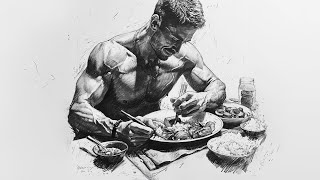
In this episode of the MyVegan Personal Trainer Podcast, host Remy interviews Dr. Anastasia Zinchenko, a biochemist, powerlifter, and vegan nutrition coach. Anastasia shares her personal journey from endurance athlete to vegan strength trainer and explains how she derived science‑based guidelines for vegan protein intake. She outlines the importance of essential amino acids, identifies lysine and sulfur‑containing amino acids as the most limiting in plant foods, and explains why a vegan must consume more total protein than an omnivore. Using animal‑protein benchmarks (1.6‑1.8 g kg⁻¹), she extrapolates a target of ~2.4 g kg⁻¹ body weight from whole‑food plant sources, which can be reduced to ~2.1 g kg⁻¹ if lysine is supplemented (1‑2 g per day). She recommends roughly a 50/50 split between legume and grain proteins (ideal 25 % legumes, 25 % grains, 25 % seeds) to achieve a complete amino‑acid profile, and suggests aiming for about 30 g of protein per meal (25‑30 g for smaller individuals) across 3‑5 meals daily. The discussion covers digestibility, the impact of cooking vs raw diets, adjustments for body‑fat percentage, training experience, and goals (bulking vs cutting). Anastasia emphasizes a flexible, sustainable approach, tracking macros, and not being overly rigid. She promotes her online resources (Science Strength Instagram, website, vegan protein guide, recipe ebook) for deeper guidance.
Chapters
If you want to build a house, you have like the building blocks, the bricks and you have windows, you have doors and so on. So you can't build a complete house if you don't have all the bricks or if some of the windows are missing, you won't get the house. So that's why it's important to get all of the essential amino acids that.
Was Dr. Anastasia Zinchenko and this is a Myvegan Personal Trainer Podcast with Remy Episode number three.
Welcome to the Myvegan Personal Trainer Podcast where it's all about living a fit plant based lifestyle so you can thrive in life while caring for the planet and animals. And now your host, medical doctor, CrossFit athlete and online personal trainer Ramey.
Hey, it's Remy. Welcome to episode number three of the MyVegan Personal Trainer Podcast. So how do you get your protein bro? The number one question every vegan gets to answer on a random Tuesday afternoon. The guest for today's episode couldn't have been a better pick. To answer this question, your mind might want to put her in a stereotypic box, but you will fail miserably because she has created her very own. She is an international level powerlifter but bodybuilder and an interdisciplinary scientist with a PhD in biochemistry from the University of Cambridge. Working in the field of sports nutrition, exercise science, mental health and food science, she has coached hundreds of people the world over helping them lose weight, build muscle and eat healthy without suffering and compromising. She has written over 150 articles and as an expert for plant based protein nutrition and exercise science for digital and printed media such as Men's Fitness Magazine, she has developed novel recipes and food products turning popular deserts and pastries into delicious and nutritious high quality plant protein sources that allows hundreds of people around the world lose weight, maintain a healthy diet while reducing the use of animal products. She has conducted research studies with strength athletes to optimize protein intake for recovery from resistance training and to maximize satiety on a weight loss diet. She was among the first who came out with guidelines in terms of how to optimize your protein intake as a vegan trainee based on the currently available scientific literature. Mahatma Gandhi said, you must be the change you want to see in the world and Anastasia has taken this to heart. She's vegan because she wants to do the least harm possible to herself, other people, the animals and the planet. She has in the past lived as a digital nomad all over Europe, but is currently based in the vegan capital of the world, Tel Aviv. So where do you get your protein, bro? Well, well send this episode their way so you don't leave them astray. At the end of today's episode, I will be sharing some valuable resources that will actually help you immediately increase your protein levels. So make sure you stick to the end, make sure you subscribe if you're not already a member of the tribe. And just to get through a bit of a boring disclaimer, the information provided on this podcast is for informational purposes only and is not meant to take the place of professional, medical, dietetic or fitness advice. Consult with the relevant professional for your specific situation. But without any further ado, ladies and gentlemen, please help me welcome Dr. Anastasia Zenchenko from sciencetrends.com all right, Dr. Anastasia Zenchenko, welcome on the My Vegan Pill Trainer podcast.
Thank you very much for inviting me.
Yes. I'm super grateful that you said yes. We are not even, as I told you pre recording, we're not even launched yet and you said yes. And you have high value information to provide when it comes to building muscle as a vegan in an as optimal fashion as possible. So instead of me just having an episode doing it by myself, I thought why not get a scientist who's actually doing research in the field, who is in the trenches and have all the updates. Yeah. So that's why I thought you should come on.
Sure. Yeah. I think I was actually probably one of the first people who actually started putting science based info on the vegan diet. Because when I became vegan, I think it's like nine years ago, so I became vegan and started strength training at the same time. At that time I was a PhD student at the Cambridge University in biochemistry. And you know, I just started lifting. And the reason why I started lifting was I was an endurance athlete for my entire life. I was running, mountain biking, swimming. And then I moved to Cambridge for my PhD. I spent most of my life in Germany. Or like now I can't even say most of my life because I grew up in three different countries and lived in up to 15 countries up to now. So, okay, in Germany I spent like 15 years, which is like a decent part of my life. And you know, the state where I'm from, everything is full of mountains, full of forests. So I was outdoors like all the time, just getting out, running, mountain biking or like swimming. My background is in swimming. Then I moved to Cambridge, uk. It's probably the flattest part of like Andria and I was like, oh, okay, what am I going to do? There are no mountains. I can't mountain biking. Then it was raining a lot. I was like, I don't feel like running. And I started, I realized that they put something into what I was allergic to. And I was like, okay, what am I going to do? And I just got like an email with an offer. Oh, join the gym for new students, whatever. And I'm like, okay, let's give it a try. We'll go and run a bit on the treadmill. And then after a while, like first, you know, few months, I was just, you know, a cardio bunny, running on the treadmill or cycling. And then, oh, maybe I could get like my arms toned, you know, like, you know, all the girls, all the women you usually hear like, really, like.
Typical, typical girl, like, get rid of the grandma. The grandma.
I think I just like, strengthening was just, I know biceps and abs that were the only things I've started doing, you know, once I joined the gym. And over the year it became more and more like I got into strength training and lifting more weights and realized, oh, you know, there is something like bench press and deadlift and squat. And then the gym manager came to me, it was like, you know, normal commercial part of a gym. And he came to me. It's like, girl, what are you doing here? You are stronger than most of the men here. Like, go and train. Where you go, man, train. So I changed to free weights area. And that was like the most intimidating probably place in Cambridge. No windows, just iron and weights. Huge guys that were probably, except of me. There was like a few other women in the gym, like in this part of the gym, but most of it's like huge, like huge, steroid loaded guys hearing like. And I was like, okay, okay, let's give it a try. And then at that time I also learned there's like such a sport like powerlifting. Squat, bench press and deadlift were my favorite exercises. So I was like, okay, let's go for it. I will just train and see what happens. And half a year later, I competed in my first powerlifting competition. And yeah, three years later, I represented Great Britain as a world championship. This was actually my story, how I got into lifting. And it was a very good, you know, stress release during the PhD because, you know, when you work on very challenging projects, nobody in the world has worked before and nothing works. Then you just come to the gym and let your aggression out. And I think that's how I got very strong, very fast. Accumulated stress and frustration of my PhD research and yeah, so. And at that time As I mentioned, I also turned vegan. And what you could get, you know, information available on the Internet. It's like your whey protein, eat your eggs, chicken breast and tuna. And actually 12 years before I became vegetarian, so, like, all the meat and stuff was, for me, out of the window anyway. And then I became vegan.
Okay, so you became vegan. So when do you become vegan? Like, in the process of training or before you trained?
Maybe like one or two months after I joined the gym still, when I was still doing, like, cardio already at that time, I started, you know, I started just looking into, like, you know, just toning my arms already at that time I became vegan. And I was like, okay, you know, there are all the people around me. Drink some whey shakes and stuff. Well, yeah, I can get some soy shake or what. What the hell should I do? I started listening to lots of podcasts. Yeah, I think that was my major information source in the lab while doing experiments, I was listening to podcasts in training. While I was training, I was always listening to podcasts. And at that time, there were, like a few vegan bodybuilders. But to be honest, I don't think they, you know, everyone told just what works for him. Oh, you know, I discovered I eat tofu and I eat Saitan and I, you know, eat I don't know how many kilograms of beans a day. They put everything into one shake because it's too much and I can't eat everything at the same time. So I need to shake all my food because, yeah, you know, the green smoothies are great, but, you know, to order to get enough protein, you have to buy, like 10 kg of greens and, you know, do with them either, whatever, every day to eat them. I was like, okay, it's crazy. And because I was a scientist, or like, I am a scientist and I had also access to all research literature. I know how to read research literature. And I was like, okay, what does research literature say? And of course, at that time, most literature was again about animal protein sources. And I was like, okay, what is the difference between animal and plant protein? Can I just take numbers from animal protein? Just, I don't know, do a few fancy calculations and apply them to plant protein? You know, will I somehow, you know, get what I need this way? And that's what I started doing. You know, I started reading at the beginning. It was just for me. I was like, you know, just to know what should I do to build my muscle to get strong? Because I was, like, really fascinated And I, you know, wanted to get stronger. So I started reading all the stuff and then, okay, what is important? Okay, they're essential and not essential amino acids. Not essential amino acids are the ones the body can produce. Okay, in emergency case, my body can produce them, so screw them. Okay, what are the essential amino acids? Oh, essential amino acids are this and this and this. Let's see, in animal protein sources, there's this amount of them. Let's compare the plant protein sources. And in plant protein sources, it's like, usually less so then I read more research and was like, oh, when you are vegan or eat from plant protein, you need to eat 16% more protein in order to get the same amount of essential amino acids. I was like, oh, amazing. Let's take the recommendations for animal protein and put 16% on top. I just recalculated the recommended serving sizes. Okay, I just need to eat 16% more protein and things like that. And then I started digging deeper and deeper and maybe for some of the listeners, you know, to understand why the essential amino acids are so important, it's like, you know, if you want to build a house, you have like the building blocks, the bricks, and you have windows, you have doors and so on. So you can't build a complete house if you don't have all the bricks or if some of the windows are missing. You won't get the health. So that's why it's important to get all of the essential amino acids the body can't produce, because the amino acids are building blocks for proteins in our muscle. So basically what we use for lifting, but also in many other molecules in the body. Most of the stuff in our bodies is built out of proteins like enzymes. Most of the people know, oh, enzymes are just, you know, this fancy digestive enzymes. I take if I have digestive problems. But no, enzymes that are the workers in our body, they do everything, like all the reactions, you know, they convert sugar, they break down sugar, they, I don't know, build. And they do basically everything. Then all the other stuff, like ribosomes, they're also made out of proteins. So basically everything that is in our bodies is made out of proteins. So protein is not only important for people who want to build muscle, but everyone, because your cells are regenerating, you're growing, you need protein. And yeah, there are like different building blocks for proteins, the amino acids. Protein is like a long chain of amino acids. And that's why it's important to get all the right, you know, all the essential amino acids in because Your body can't produce, like, our bodies can't produce them. And now the thing gets even more interesting because we need different essential amino acids in different amounts. So I started looking into the single amino acids. It's like, okay, what are the amino acids? That is the most difficult to get on a vegan diet. It's like lysine and sulfur containing amino acids. Lysine is, like, often, like, there's more lysine, all kinds of legumes or like soy products. And sulfur containing amino acids are more, like, abundant in grains, like, I don't know, rice, wheat and so on. But on the other hand, you know, you can't take rice as a protein source because rice is mostly carbohydrates. Like, I know 80% carbohydrates, and then 10, 10% protein or like, I don't know, 10 to 15%. And then it starts, okay, then I started calculating, okay, if I have to get the sulfur containing amino acids from rice, how much rice should I eat in a day? Started, you know, looking also nutrition data up. And it's like, oh, I need to eat. I know some crazy amount, like 3 kg of rice a day. Okay, it doesn't cut it. Okay, maybe I should take rice protein powder. But it was like a very long story how, you know, I learned myself. You know, looked into the research, looked at nutritional data, looked, not just nutritional data, oh, how many calories has this food, but what specific amino acid has this vegan food and how can I use it? And then I started everything combining, like, forest and recipes for me. Like, okay, how can I combine different protein sources that I get, like, a complete or, like, balanced amino acid professor? I give my body everything I need because, you know, if I just eat, I know, like, 16% more protein from one protein source, I might still lack in some of the essential amino acids. And that's how then everything started. I had the food blog. I started, you know, recipe books. I started coaching people. I started sharing everything in the Facebook group where I became admin. And then people started asking me, oh, can you write a blog? Can you start a YouTube channel? It's so interesting. Can you explain this and this and this and this? That's how everything started. So then I was just doing what people were asking me for. I was like, okay, I know this stuff. I figured it out for myself, why not to share it with people? And then people started asking me about coaching, if I can coach them. That's how I became an online coach. I was like, okay, this nutrition we developed different recipes. We applied for clients all over the world. We do also online coaching for nutrition and training. Basically everything, all the diets we give out are based on the science. On the science. You know, I spent years looking into or recalculating. And of course our clients just get super amazing and delicious recipes. Like most people don't understand how much is like really behind it. Or even like, you know, meal plans, you know, you get, okay, eat this and this, like in a super easy manner. But when I write meal plan, I have like huge Excel sheets that do all kind of calculations with like huge amazing data sets. Probably nobody but me can actually read and see what, what's actually there. And there's like really lots of science behind it. How we help people, you know, all around the world, especially people who want to reduce animal protein consumption or are already fully vegan. But even if there are people who are like, okay, I would like to eat less, you know, animal protein, I have no idea how to do it. These are the people we're like, okay, you know, to work with us, you don't need to be fully vegan. We want, you know, to reduce harm as much as possible and we help people to, you know, eat more plant based. Like, like our recipes are based on like really high quality vegan protein combination. So. Yes.
Yeah, yeah. I've not even come to my questions yet. You, but you already, you, you, it was a good head start. You already started the conversation when it comes to protein. And as I already mentioned, the purpose here is to kind of build an overview for a vegan who is wanting to optimize the process of building muscle. If we can start from a bird's eye perspective and start going deeper and deeper into the trenches. Let me just start off with a question. It's a bit broad, but how do we approach this whole task of optimizing our protein intake as a vegan who wants to optimize our muscle, muscle building process?
So first of all, you need, as a vegan you need to eat more protein than let's say a meat eater.
Yeah.
Based on the research we have available, you know, for optimal, you know, muscle building, you know, if you eat animal protein sources, it's enough to eat 1.6 to maybe 1.8 grams per kilogram body weight. And the research studies we have around, we use as like lower optimal limit, 1.8 kilogram for body weight. So that's where research studies on people who weren't vegan because, you know, like really cool vegan research is something that is like really lacking at the moment. So if someone has too much money, like a few millions, you know, I'm happy to accept them and run like vegan research on this topic. But up to now it just doesn't happen like data and bit of money to, you know, run the research studies like really on a vegan population. So, so that's what we, let's say now I have taken like, okay, 1.8. Then you know, I looked what, you know, 1.8 gram animal protein and then I took different animal protein sources and looked at the amino acid composition. This 1.8 grammar per kilogram protein, how much of it is adenolyzin? How many percent is sulfur containing amino acids? How many, it's like, I know bcaa, you know, put it down basically in different percentage ranges to see, to look at individual amino acids. Then I took vegan protein sources, all kinds of different stuff starting from tofu, pea protein powder, gluten, cytan, whatever, you know, people eat. And looked how much of this food should you eat and how should you combine it to get the same amount of the essential amino acids as you get in this 1.8 gram per kilogram protein? We know from research studies for animal proteins. So what I got based on my calculations was, okay, if you combine, let's say as a rule of thumb, about half of your protein intake comes from grain protein and half of your protein intake comes from legume protein. Like grain protein, like seitan is a great source. Legume protein, tofu is a great source. Let's take this too. Okay, Half of your meals are tofu based. Half of your meals are cytome based. It's a bit boring, but okay, let's go for it. Okay, then you need to eat 2.4 grams per kilogram body weight. If you take it, you know, from plant protein sources. 2.4 grams per kilogram is actually a lot depending on the diet. Especially if you are like either like a person who doesn't move a lot or like, like a smaller person. Or at that time when I calculated it, I was on bodybuilding contest prep. So I competed in bodybuilding as well. I was like, okay, if I just eat this means for me I would just eat protein and nothing else because my calories were so low. Then I was like, okay, usually it's limiting amino acids. Also in this case was lysine. I was like, okay, there is a lysine supplement. What happens if I would just say I will just supplement with lysine and then based on your body weight, it Depends on how much license to take. But let's say even like 1 to 2 grams. It's not like, not a lot. It's just 1 to 2 grams would apply for like most of the people depending on the body weight. Okay, I take like 1 to 2 grams slice in a day. And I realized then I just need to eat 2.1 grams grams like protein. 2.1 gram protein per kilogram of body weight. And then I made this like, okay, either you supplement with license or you don't. If you don't supplement, probably the most like where you were like really on the Safe side, it's 2.4 grams per kilogram and if you supplement it's 2.1 grams per kilogram. Those were the things I kind of calculated for vegan.
Just a question. So when you were supplementing with lysine and you then drop the protein intake need to being 2.1 gram per kilo body weight. But when you do this, do you then still make sure that the protein intake is, has the same percentage, the same proportion? So you're saying 50%, half of that?
Yeah. Ideally it would be even like 50% legumes, 25% grain and 25% from seeds. But again here we have like the theoretical world, what you calculated what is in theory the best and practical, you know, how many people use seeds as protein source then? Because it's like usually, you know, seeds are also high in fat. Seeds aren't a protein source, seeds are a fat source. Then it comes further, you know, things what we kind of put in account for in our meal plans. Many vegan protein sources, people don't know. Many people don't know that there is like defatted sesame seed flour. Sesame seeds are seeds and you can make it, for example, to bake protein bread. You can use it for protein, hormones and things like that that were like, you know, the recipes that emerged based on this like research. It's like, okay, we need somehow to get this in. How can we create like cooler recipes where people can still get it in? So there are kind of some options. Sunflower seed, flour, it's also great for like protein bread also in combination with different flours. But most people, you know, most vegans just don't know and don't know where to get it. That's why, you know, we have also like lists for different links for different countries. Like we have clients from the U.S. okay, here's the links. That's where you can, you know, order it there in the US that's where you can order it in Australia, that's where can you order it? I don't know, in Germany. And get this in the store, you know, that's useful. New plans because. Yeah, you know, it's important for us that, you know, we just. That people can really get it, you know, and benefit from it. So. But, you know, if you don't have any seed flour available or don't know where to get it and what to do it. Okay, just go half, half, half grains, half legume. Like protein, not the amount you eat.
Yeah, I understand. Okay, so 2.4 gram per kilo body weight and it drops down to 2.1 with lysine supplementation from there. Like, how do we go about it with this number? Is it something that we can use for Everybody? So it's 2.4 gram per kilo body weight without.
Well, it's not a number I use like absolutely for everybody. Okay. Another thing that is important maybe also to know because like in the vegan community there is like such, you know, let's say, stream of people who think that not processed stuff, raw food is particularly good and healthy cooking is not good for you. But to be honest, cooking increases digestibility and raw food decreases digestibility. So if there's even someone who eats like mostly raw diet, then the protein requirement even goes up to 2.7 grams per kilogram, which is actually not doable. If you eat just. I know often that I like vegetarians. It's like, what do you want to eat? Like 10 kg of fruit a day? Like, seriously. So it's just not doable. So that, you know, that's another thing, you know, But I just said, I usually, you know, I don't make any raw vegan meal plans and stuff. They're like, you know, certain criteria for clients we have, it's like, okay, you know, we don't take any clients who have. We have clients who have like, you know, certain needs because of certain health conditions. But people who want to eat fully raw. It's not our story. Let's say it's like that.
Yeah.
Okay, then of course it depends also on person body fat percentage. For people who are at a high, very high body fat percentage level. I use lean body mass because otherwise you end up with like, I know, 200, 300 grams of serving a day. It's just nonsense. Okay, let's say it's like 40 to 50% body fat. Then you just reduce the weight by 40 to 50% and then multiply, you know. And also what I look for is Also, what is the goal of the person? Is building muscles a primary goal or let's say losing fat? Because most people come, come to us and they're like, okay, I want to lose fat and build muscle. Then it's important to know what is like the more important thing for this person at the moment. So for example, if fat loss is more important thing now, then, you know, and the calories are low. Sometimes I can't get the optimal protein in because otherwise the diet will become like too painful. Then I end up, I know this 140 grams protein, 50 gram carbs, and I don't know, 40 grams fat. And I don't, you know, it's just, it's not sustainable. It's not enjoyable for most people. And the most important thing is that it's sustainable. You know, if you can't follow diet for, for a long time, if you hate it, you know, okay, then it's like, okay, fat loss is more important now. It takes some, you know, grams down from protein, put them to carbs. They create, can create balanced meals. Also like healthy, balanced nutrition because often like fruits, vegetables, you know, and other nutrient rich foods, you know, they have carbs. There's no point cutting out healthy food from the diet, you know. Yeah, just I know to build 10 grams more muscle, like there's no point. So, okay, if fat loss is a priority, then, you know, I just try to adjust it so I can get like as close as possible to the protein goal while still, you know, maintaining a balanced diet.
Yeah. Do you have a recommendation you go for like when someone is cutting versus bulking, the numbers we can strive for.
In those situations, numbers of protein or calories or.
So I mean, is the amount of protein per kilo body weight?
Yes, about the same.
Yeah. Okay, so cutting or bulking? We're still going for this. Around 2.4 gram per kilo body weight.
Optimal muscle gain.
Yeah, yeah. All right, so just to elaborate a bit on the way we are dividing our protein sources with 50 legumes and you said optimally, in the perfect world, 25% being from grains, 25% being from seeds. Why is it so important to go for this proportion? And why couldn't we just be focusing on, okay, I just need to get 2.4 gram grams per kilo body weight and that's it.
You know, I looked at individuals, you know, as I mentioned, yeah. Order like to build muscle protein and I took actually the composition of the human muscle as the optimal protein composition. Like, you know, if you want to build a House. It's like one protein source has more bricks and the other protein source has more windows. If you eat, you know, just from one protein source, let's say you will end up with a truck full of windows and no bricks or like just a few bricks. Can you build a house in an optimal way? Okay, you can build some kind of house consisting of 90% of glass and windows, maybe a few bricks, but it's not what you actually want, you know, that's why it's important to get different protein sources. For example, why seeds are higher in the amino acid is a lysine. And this is also one of the BCAAs. And often people say, oh, you know, vegans miss BCAAs. No, vegans don't miss any BCAAs. But the isodeucine is the amino acid from all the three BCAAs that is less frequently found in vegan foods. And seeds are high in the similar acid just to equal it out. This is actually the reason behind it. Then there's also the thing, very interesting thing about Leucine, the one of the three BCAAs, because it's not only a building block for muscle. It has two functions. It's like one building block. And it also gives a signal to for muscle, protein synthesis, built muscle. So imagine you want to build a house. Again, you need also workers and you need like a boss, both of the workers who tells them, okay, guys, start work. And I know, stop chilling, stop eating, stop drinking and go to work. So this amino acid has this function. It's brick on the one hand, and also this kind of major worker who tells to start building muscle, to start building your health. And that's why there was like lots of fuss around it. It's like, okay, how much protein? Okay, what is the optimum amount protein I should eat per meal. So then I get enough of the specific amino acids to signal muscle protein synthesis to signal building muscle, and so on and so on and so on. Of course, I made calculations to this topic as well.
Of course.
From what I got, it's actually for like, for elderly people, they have usually higher requirements than young people because it's in the research literature, it's kind of described that, you know, elderly people are more resistant for, you know, building muscles in young people. In the literature, elderly people are defined as people over 65. If you are under 65, you're still a young person per definition.
Yeah.
That's why many people often confuse what if I'm 60 years old, I'm young. It's like well, let's see, that's what definitions they put there. So it's not my fault, but actually some research argues that it's not about the age but actually inactivity, that people become more inactive. And if an elderly person is very active, the same rules apply to this person as to a young person in.
Regards to the protein requirements.
Yeah, protein and to building muscle. Then this person also builds muscle like, let's say, almost as efficient as a young person. So I think that's a great motivation for everyone. Just, you know, stay active up to, you know, an old age. Just, just be active, you know, no matter what, just be active. You know, lift weights, move a lot. That's it. So basically, and let's say, you know, the definition, like thresholds for a young person, even like considering the lower, you know, amino acid amount, essential amino acid amount in plant protein sources, when I applied those numbers, I got about a number of, okay, it's enough to eat 15 grams protein per meal, like in order to, you know, get the signal going for building muscle. However, again, plant protein sources, depends on what you, you know, choose can be not as well digestible as, let's say animal protein sources because. But also animal protein sources, it's like, you know, they require cooking. Like raw egg is also very, very, you know, undigestible, let's say it like that. So it's not just about vegan protein, it's just about generally digestibility. So, okay, and. But plant protein sources have like, more antinutrients. Like anti nutrients are just molecules plants use to defend themselves because, you know, there are lots of bugs out there that want to eat plants. So the plants produce anti nutrients to defend themselves. But also this anti nutrients, when we eat plants can interfere with our enzymes that are responsible for protein digestion. That's why the protein, you know, digestion goes down. So basically to account for all this stuff, which we can't really 100% account for because everyone's digestion is very individual and there's absolutely no point to overthink it because otherwise we'll just drive ourselves crazy. And it's actually like a pretty good number to hit. Usually the protein target per meal I recommend is 30 grams per day.
30 grams per meal?
Yeah. So I doubled it. Also looked at the, you know, kind of daily protein intake that is kind of optimal for like most people, you know, without any, you know, extreme cases. But, you know, most people are somewhere between, I know, women, 50, 60 kilograms, 70, men, maybe 70, 80, something like this. It usually, you know, Falls well into this range, then, you know, if you eat three to five meals a day, because it's also something that is, you know, fewer meals, two meals a day is not really recommended. More like frequent, smaller meals a day. Because I know it's good for metabolism. It's also like, actually there were a few research studies where they compared, you know, protein feeding. If you have, I don't know, 10 grams protein once an hour, or if you have 20 grams protein every two.
Hours and a big bolus.
Yeah. So the. For muscle building, it's better to have like, you know, higher protein amounts spaced out by a few hours than, you know, drinking, you know, your 10 gram protein shake every hour. So like really small time intervals and like really small protein amounts, it didn't really make sense. So basically, you know, considering this three to five meals a day, you are like really on a good side. Okay.
And that being 30 grams of protein per meal.
There was study with animal protein, which was, they examined 70 grams protein per meal because, you know, there's also this myth that you can absorb just, I don't know, 20 or 30 grams protein per meal or something. Like, you know, there's this kind of craziness out there. And in this research study, we have seen no, you know, people who ate 70 grams protein per meal, they actually got better results. In terms of muscle, I wouldn't say even muscle gains. I would say like nitrogen balance, like muscle balance. Because, you know, building muscle, it's not like your body is always just building muscle. That's always an equilibrium. There are several processes in your body that happen simultaneously or like, you know, within 24 hours, or like one after the other, after you ate, your body is more in an anabolic state. So your body has energy, it's more like into building. And when you are, for example, sleeping, when you're fasting, your body actually also degrades some of the muscle. But it starts eating your muscle for fuel or for whatever. That's a completely normal process in the human body. At the end of the day, after 24 hours, if you build more muscle, if your anabolism is higher than catabolism. So if you build more muscles than you degrade, you gain muscle over time. If you degrade more muscles than you build, you lose muscle over time. So basically, this group who ate that ate like 70 grams protein per meal, they had at the end of the day, like a more positive balance, not because they built more muscle, but because they degraded less muscle. Which kind of makes sense because it takes you Know, protein is kind of slowly digestible, especially if it comes from whole foods. And you know, if you eat like 70 grams protein per meal, your body takes I don't know how many hours to digest it. And the amino acids swim around in your bloodstream, so they are available. There is no point for the body to degrade the muscle because there's like lots of proteins swimming around and the bloodstream cream and still coming in because of the slow digestion, even when people are fasting and sleeping.
Yeah.
So after this like really large protein feeding, just muscle degradation was reduced for a longer time. Not that they built more muscle, but the muscle degradation was reduced for a long time.
Yeah.
Okay.
All right. And training level wise, would the number be the same if you are a beginner versus someone who's been doing this for a long time? Strength training or how would it be the difference if there is any?
Well, this number is taken for actually trained population. Now, in theory, beginners, what many people kind of don't know or think the other way around, beginners need more protein than advanced lifters because, you know, if you're already advanced training, you are closer to your genetic potential, you know, muscular genetic potential. Because, you know, as a beginner you just, it's a new stimulus. You start building, you start lifting weights, you start building muscle relatively quickly. And you see quickly changes in your body when you lift already for, I don't know, 10 years. You know, you're. If you train hard, you know, if you train hard with a good training program all the time, you're pretty much close to your genetic limit, you know, and then, you know, you build maybe like 200 grams of muscle in a year. And the beginner, let's say, builds 2 kilogram of muscle in a year. Then, you know, a beginner needs more protein than someone who is already close to the genetic potential. Of course, you know, I use a number kind of for everyone. You know, I wouldn't put, you know, beginner with both muscle anyway. Use the person in the most optimal way, you know. And I have never seen a beginner who just starts lifting and say, oh, okay, in one year I want to be like competing at the world championship, you know, it's just not realistic. You know, you're a beginner, see that you stick to a training program and your nutrition and you know, everything, you know, you need to happen as long as you follow your program. And of course, you know, you know, it's like something especially, I think in the vegan community, it's rarely spoken about or in general, of course, you know, if somebody's taking steroids, the person needs more protein then because it's like kind of screws up, you know, again, this genetic potential where you close and sets a tire, you know, then there, you know, set this kind of up. But this is like a completely different story.
Yeah, we don't need to get there. All right, super. So 2.4, whether you're a beginner or an advanced trainee, fairly, actually fairly tangible, like not too complex. And you also mentioned that was in your scenario where you, you figure out when you supplement it with lysine, then you could decrease this daily protein intake from 2.4 gram per kilo to 2.2.1. And is this something supplementing with lysine is something you could recommend to any trainee or what to people who struggle.
To hit the protein intake based on the macros. So basically I know bodybuilders or like someone who is on a strict diet who needs to lose lots of weight, someone, you know, who is in Quantus Prep and things like that, but also like for normal person. Not necessarily. And I think, you know, we can speak a lot about numbers. You know, I love numbers. I like, I think in numbers. I dream in numbers and formulas. You know, that if, honestly, if I'm stressed, the thing that calms me down is to sit down and do something with numbers. It can be fitting my macros for the next day. It can be playing sudoku or whatever. Just something that has to do with numbers. So I love numbers. But one thing that is even more important than numbers, and I hate admitting it, it's like, what is, what do people really do in their real life? You know, you can be like six days of the week just, yeah, I fit this numbers and I'm getting this enough protein and so on, and I stick totally to my diet to build muscle and to lose fat. And then they go on a cheat meal or cheat day and everything is out of the window. Or they, you know, try to fit it in and they come home from work really tired. And then there's chocolate. You know, I start eating chocolate. You know, we shouldn't forget that we aren't like just robots and just, you know, follow strictly numbers. But we are humans. And the fourth and most important thing is trying to give the best possible to stick to the diet as much as possible. And hereby. I don't mean being like a robot and being 100% on it, but more like, you know, doing the best possible and not having this like, or nothing mindset like, oh, I didn't hit this number today, so everything is screwed. I'm losing my muscle, nothing makes sense anymore. So I'm just going and stuff my face with peanut butter.
Peanut butter? Yeah.
You know, this is something, you know, it's common sense. I know, but this is something also, you know, what I learned over the years, it matters so much more in real life, like really having a balanced approach. And even if you don't hit the number one day, so what you muscle won't fall off, you know, even if you go over your macros one day because you are, you know, it's a family birthday or like social event. It's okay as long as you, you know, okay, I eat a little bit more or I had like some protein less. I will go back on tracks next day and do my best possible. Instead of like, you know, also, oh, I ruined everything. You know, whatever.
Yeah. And also like when it also comes to biology, it's, it's never black and white. There's always, it's always nuances. So you can never say. And also like maybe we.
Excuse me, Biology is messy. Biology is completely messy. And there's actually a story from my PhD on this topic because my master's, my bachelor's was in chemistry. My master's was chemistry for life science. It's my PhD in biochemistry. And I had a colleague I worked with and he was actually also a chemist and he always looked at me. Why did you come here? You know, why didn't you, you know, stayed with chemistry. Chemistry. So nice and you know, predictable.
Yeah.
You know, also when I worked with bacteria and stuff. Humans are much more complicated than bacteria. So humans are like a huge mess, you know.
Yeah. So also relation to what you're saying. So we can't be, we shouldn't be due to like, okay, this is a number because maybe also again those numbers come from. Based on the normal population. But you could be an outlier, which is, which means someone who's different from what most people are.
Don't forget the research studies published means those data is scattered all over. Then we don't have enough research studies on vegans. So what did I do? I took the research we have on animal protein and extrapolated, recalculated it to vegan protein. What makes sense. It's, you know, not that I've run the research studies on millions of vegans myself. Of course there's always like an error margin. And again, what you eat and what you digest are different things.
Yeah, yeah. And that's Also why? And also, like, just to add to it. It's also like, it also, in a way opens up the door to experimentation. And we start with its standard, and then from there you can one variable at a time, try to play around with those and see. Okay, maybe there's something that works better for me a bit. I increase protein or increasing the carbs for my specific situation.
Always writing down, having another person looking over it because, you know, we ourselves are biased. Also, you know, I myself, I know it about me when I'm like, oh, but two years ago I was like, really good with my diet and why didn't I. And I look at my flight, it's like, yeah, five days a week I didn't stick to my diet. And two days a week I was sticking to my diet. What do I think? You know, that's the image I had. Okay, five years ago, I was, you know, so good with my diet, you know?
Yeah, yeah.
Once you realize all those scientists that you aren't always right, there's always the potential that you, you know, imagine something, you think of something, you're wrong or see things just, you know, all of us are biased based on our background, based on the work we have done before. Once you realize that there's always a potential that you aren't right, you know, I think it helps a lot in general for general life.
Yeah, yeah, definitely. We are the perfect imperfections if we realize it. But just a last question before we basically should start rounding it up so this focus on the. With the protein and the different sources that we are to implement as part of creating this total amount of protein per day. What do we like, should it is as long as we just get it before the end of the day is enough or it would be more optimal if we could get each meal to have this proportion of 50% legume, 50%.
Grains, for example, in general, it's like, if it's throughout the day, it's fine, that's fine. You don't need to stress about it. Like, one meal is legume based. The other means a meal is whatever, grain based and so on. In many of our recipes, we actually combine both sources in the same meal because we don't know what they else eat throughout the day, you know, what exactly there is. And also, you know, sometimes it just saves headache. Oh, did I have grain protein today or was it legum protein? What did I eat today? Okay, you have everything in one meal. You're ready to go. You know, less headache.
Yeah, it's like you get this freedom of choice basically. So just to just recap what we've been going through and do correct me if I'm wrong, Anastasia, as a recap. So 2.4 grams per kilo body weight is what we're going for if we are the week and we want to optimize our muscle body building potential and we want to strive for this. 50% of the protein coming from legumes, 50% coming from grains. If you really want to go into get even more detail than 50% legumes, 25, 25% grains, 25% seeds. But for most cases, 50, 50% legume, 50% grains, that's, that's fine to, to go for and as long as you just meet these protein requirements during a day then you're good. You don't really need to stress it per meal. You want to go for around 30 gram of protein per meal if possible. But I'm thinking that it would be best to like.
If it's like for example, like for. No, I have often women who are like on the smaller side then it's like 25 grams per.
Yeah, yeah. I'm also going to add. So basically you have your total number of protein for a day and you could basically just divide it up so that you have something that, that needs this amount.
Yeah. For meals you're on the same side like pre main meal snack or something.
Yeah, yeah, super. That's pretty much it from what I have. I don't know if you have anything you want to add to our protein podcast episode for today.
Well, what can I add? So you know you can get enough protein as a vegan, you can build your muscle as a vegan. As long as you're annoying, you know, as long as you know what you're doing. Yeah. And you can even enjoy it with our recipes and our foods. Yeah, yeah, that's it.
So yeah. But anyway that's pretty much it. Anastasia, I want to really thank you for being on it on this episode today and I want to thank you for your time. Before you go, where can people find you?
Where can people can find me? My account is Science Strength. Like science and strength. Also written one on Instagram. That's where I also put like lots of my own training stuff. Usually you know, almost every day story videos with training, explaining what I do and things like that. Also food. Then the webpage with many articles I've written. Also there's like huge vegan protein guide for optimal muscle building. There's like a huge article where I explain everything I spoke about. It's also sciencetrengths.com and I have a YouTube channel, it's also called Science Strength. It's not very active. So most of the videos I uploaded years ago but people seem still to watch them because sometimes I meet people in real life and they're like, ah, you know, I use this and this. I watched your YouTube videos. Why don't you do it? You know why? You know, I learned from you how to eat my vegan protein and how to combine my vegan protein. So yeah, there are like many old videos that still exist.
Yeah, yeah. And all this will be put in the show notes and also just like you mentioned with the article about the vegan protein, like optimizing your protein intake as a vegan, the article that you have is very in detail and it really explains like with graphs and everything you really get an idea of of the work process you went through to figure out these numbers. And also there's also a formula as to how much lysine you you supplement with. So all this it will be. The article will be linked in the, in the show notes so you can just check this out to get things in in written form.
Yeah.
So yeah. Thank you for being here Anastasia and take care. Bye.
Dr. Anastasia Zinchenko, ladies and gentlemen. As already mentioned in the show notes you will find linked a detailed scientific article written by Anastasia explaining how she got to the number that have been recommended in this episode. If you want to get more nuance on the topic and go in more detail then do check it out. At the time of recording the outro to this episode, Anastasia has actually come come out with a whole new recipe book, gluten free, soy free high protein vegan recipes. Because getting enough protein in your nutrition as a vegan can be quite challenging, especially at the beginning when you're not used to having higher protein levels in your nutrition. Therefore, I knew that this ebook could be very valuable to you. So I reached out to Anastasia via Instagram and asked if she had some thought of the promo code that I could offer listeners hearing about their ebook from here. And we actually did make that happen. In the show notes you will find the link to the ebook she's just released along with other ebooks that she has earlier released. By using the promo code that you will find in the show notes, you will be able to get a 20% discount for any of your purchases for all of her digital products in that link, provided it's not an affiliate link. So I don't get a kickback by providing promoting this.
I actually insisted towards Anastasia that I.
Didn'T want anything back. I just want her to get all of the earnings for hard work put behind those ebooks. So I'm sharing it here because I.
Know for you, the listener, this will.
Be something that can really help you immediately be making high protein recipes at home. Now your mind might be thinking, oh, yet another vegan recipe book. But it's important to mention that Anastasia has in the past been the co founder and co owner of probably the first vegan protein bakery in the world, which at the time was based in Tel Aviv. So a lot of thought goes into her recipes, both in terms of what it contains, but also in terms of how it will be satisfying your taste buds. And you have basically all meals of the day covered. So you have your breakfast, you have your main meals, you have desert snacks.
So there.
Yeah, there's a good chance you'll find something that you like in there. Thanks for listening to today's episode. If you haven't already, make sure to subscribe to the Tribe because we got more useful episodes coming your way. Episode four will be about body recomposition, how we can build muscle and lose fat at the same time. Episodes will now be coming on a bi weekly schedule, so to see you in two weeks and make sure you're hitting the gym consistently until next episode. Change your mindset, change your life.
See ya.
Thanks for listening to the Myvegan Personal Trainer Podcast with Raimi at www.myveganpersonaltrainer.com.