The 401k Unstable Foundation
Alan Wurr lost $140,000 of his retirement savings when markets fell. The video traces how 401(k)s replaced pensions, leaving workers with mediocre fund choices and hidden fees that can consume half their earnings over 30 years. An industry lobbyist admits lost money won't be recovered.
Chapters
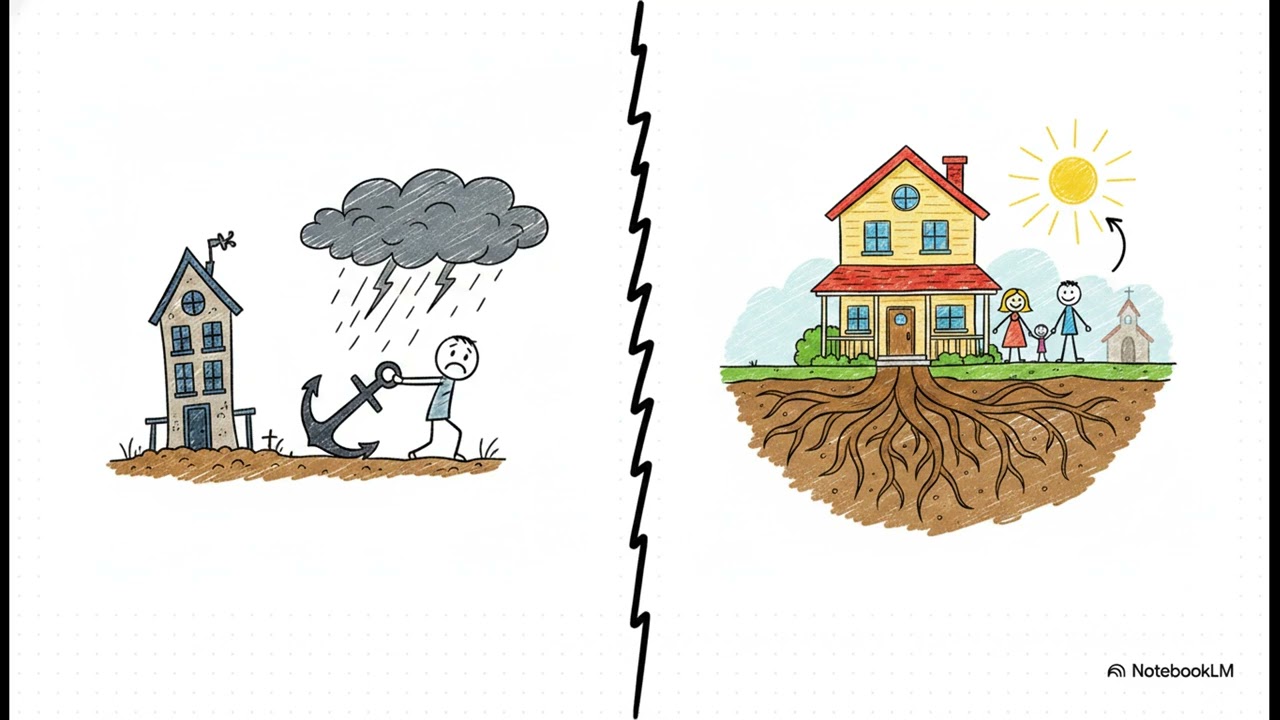
You know, something like 60 million Americans are counting on their 401 for retirement. That is a lot of people. So let's take a hard look at this thing we're all banking our futures on. Is that foundation we're standing on really as solid as we think? I mean, this is the reality for so many people who thought they did everything right. Just look at Alan Wurr. He's 60 years old. He saved his whole life, did what he was supposed to do, and then boom. The finish line he was about to cross just got shoved 10 years down the road. And then there's Kathleen Coleman. That dream of finally getting some rest at 65? Crushed. Now she's looking at working for the rest of her life. And look, these aren't just one-off stories. This is happening to millions. It's about shattered dreams. So, you gotta ask— how in the world did we end up here? Okay, so let's start with the real-world impact. Let's talk about the human cost when the market suddenly pulls the rug out from under people who are this close to retiring. $140,000. That's how much Alan Ware watched disappear in just a few months. That's nearly half of his entire 401 gone. Can you imagine? He even said he couldn't bring himself to open his statement until the cameras were literally rolling. Wow. And it's not just him. For Terry and Donna McNoth, 40% of their savings just vanished. Poof. And that dream they had of building a log cabin up north? Yeah, that vanished right along with their money. So, it makes you wonder, right? What kind of retirement plan lets millions of people lose a third or even half of their life savings right when they're about to retire? It's a huge question, and the answer is kinda shocking. The system we have today, it was never built to do what we're asking it to do. Okay, so to really get what's going on now, we have to go back in time a bit. Let's unpack how this whole retirement system was originally designed and figure out where the cracks started to show. For a long, long time, this was it— the three-legged stool. It was the gold standard for a secure retirement. And it was pretty simple, right? You had a pension from your company, Social Security from the government, and your own personal savings. Three solid legs holding up your future. But listen to this guy, Brooks Hamilton. He designs these retirement plans for a living. And he says that three-legged stool? Well, it's down to two legs now, and it's wobbly as heck. That pension leg? It's been basically sawed off for most of us, leaving the whole thing ready to tip over. And here's the crazy part: the 401 was never supposed to be the main event. It started out in the late '70s as just a little extra, a nice-to-have tax shelter. But then companies realized, hey, this is way cheaper than paying for those expensive pensions. So over the '80s and '90s, they started swapping them out. And now, for 60 million people, it's the only thing they have. And that shift? It put all the risk, all the burden, squarely on you and me. Alright, so people are losing their life savings. What does the industry, the folks managing all these trillions of dollars, have to say about it? How do they explain this mess? Well, their main argument comes down to this: "Hey, this is America. It's about freedom, choice, and personal responsibility." Basically, they're saying the system gives you the power to choose your investments. And if you make a choice that doesn't pan out? Well, that's on you. Okay, fair enough. Personal responsibility sounds good. But what happens when the choices you're given are, well, not that great to begin with? That's where the whole argument starts to fall apart, especially if you're not a Wall Street wizard. You know how it is. You get your 401 packet and it's got this long list of mutual funds with these really impressive, powerful names. The promise is choice and opportunity. But the reality? That same plan designer, Brooks Hamilton, says a lot of those funds are mediocre. And get this—he says half of them are really dogs. That's his word. So you're basically being asked to pick a winner from a lineup that's half filled with losers. How is that a fair choice? So you've got market risk, you've got a menu of crummy choices, but wait, there's more. There's something else going on, something quiet and hidden that's slowly leaking money right out of your savings. So where's all the money going? It's not just when the market tanks. A huge chunk of your money gets siphoned away by a whole maze of fees, and most of us never even see it happen. I mean, look at this: legal fees, trustee fees, bookkeeping fees— the list just goes on and on. And this is just the tip of the iceberg. These things are often buried so deep in the fine print, one expert said you could read the entire rulebook and still have no idea you're paying half of these fees. They're practically invisible. 50%! Just let that sink in for a second. According to what experts told Congress, over a 30-year career, these hidden fees can eat up half of what your 401 could have earned. Half! It's like a slow, silent drain on your future, one tiny fee at a time, bleeding away money that should be growing and compounding for you. So, you add it all up—the risk, the bad choices, the hidden fees? And you have to ask, what does this mean for people like Alan and Kathleen? For the folks who've already lost so much? Really, it all comes down to one question, doesn't it? Will they ever get that money back? Can they recover? Or is their dream of a peaceful retirement just gone? And here's the answer, and it's brutal. The reality is that money is not coming back. And the most shocking part, that's not a critic talking. That's a lobbyist for the 401 industry. He's an advocate for the system. No false hope. No, it'll get better. Just— it's gone. Which leaves every single one of us with a pretty terrifying question. How solid is the ground that you're standing on?