Scaling with Quality: A Journey from Podcast to Business
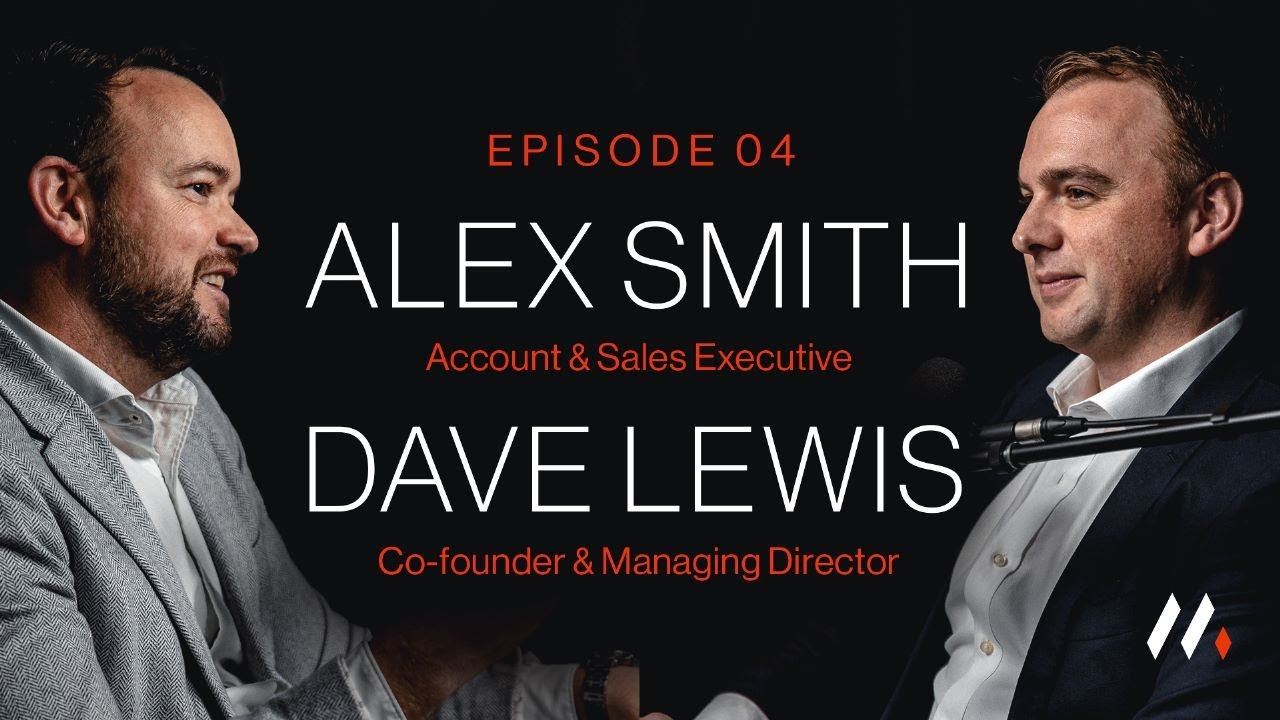
Alex Smith built MentorList from a 2016 Bali podcast into an Australian mentor-matchmaking marketplace that doubled revenue year-on-year. He and host David Lewis discuss the pivot from podcast production, scaling without losing quality, and the five-year plan that got them there.
Chapters
It's really hard to sell a product or a service when you have to explain the product. We went around this advisory boardroom and the advice was, Dave, like seriously, you're gonna go broke. It's not working, the product's not selling, you need to just can it. The hardest thing is sort of having that growth and delivering a scalable service that doesn't compromise on any of that quality that we sort of started with and doesn't lose that Almost like handcrafted feel and, uh, very personalized service. So how do you do that at scale?
Hi, this is Alex. Are you a business owner, CEO, or C-suite executive? If you're interested in finding out more about learning from lived experience, click on the link in this episode and Great.
Well, welcome to the show. We are guestless today, so thanks for tuning into The Mentalist Podcast. I'm here with Alex Smith, who he's telling me to call him Alexander Smith or Alexander the Great. So welcome, Alex. Just you and me here today, so we'll have to make this super interesting for our guests. Bit of a different format. So yeah, let's get some questions going. I know we were just literally planning what we're gonna talk about with you guys, so this is a very well-planned show and we hope you enjoy today's conversation. We're here in Richmond down at the studio. So Alex, over to you, mate. What do you want to ask?
Thanks, Dave. Always good to be here. So in this case, first question, did you, did you always know you wanted to be an entrepreneur?
It's, it's, it's an interesting question because it sort of pre-assumes, presupposes that I am an entrepreneur. I never sort of looked at it around being an entrepreneur. I just sort of thought about something that I wanted to do. I actually didn't start mentor list to really go into business. It actually started as a humble podcast. And when I look around the room today in this studio, there is a lot more technology and infrastructure and capability in the room now than sort of, if I think back to that first podcast that I recorded, which was nothing like what we're in today, Alex. I've always known that there was something bigger and better that I needed to do. And I've always felt a sense of needing to accomplish something, but that didn't necessarily transfer to the word entrepreneur, which is sort of pretty trendy now, I guess.
Absolutely. In which case, how did your ambitions evolve from the original podcast?
Let me just take you through sort of that first podcast, which never made it to be released actually. So I was in, so Ava, my daughter, was just born. I was in Bali, we were on a family holiday, done a lot of prep work around starting a podcast. This was back in 2016 before probably podcasts were so prevalent as they are now. So it was sort of still a new concept, but very fast growing and getting a lot of cut-through. So the Mentor List podcast, sort of the first one, first recording I did was with a guy called Tom Malally. So he was I was in Bali, I was looking up sort of influential people in Bali. I came across this guy called Tom, and shout out to Tom. Hi, mate. And I went back the second year and recorded with him again, and it sort of became an annual tradition, one I'd like to get back to probably in the next year and see him and see how he's— him and his lovely wife are going. But that first episode, I didn't know anything about audio, about recording, about environments, the things you sort of learn. And if you look at the room setup today, It's actually probably about 75%, maybe the tech guys will correct me, but about 75% of a good podcast audio is the environment. And then you've got the actual tech and equipment from an audio perspective. So I had some pretty good tech. It was mobile tech. I was in Bali. So I went, hopped on one of those Bluebird taxis, took me down to sort of the foreshore down there at the beach. And we're up on a windy deck sort of cafe. Went up there, met Tom. Set up the gear and we're like, okay, let's go. So we started recording and we had this great conversation. I thought it was the best podcast ever. Such a good conversation. He was like this entrepreneur who'd been living in Bali. Like, he's called the Freedompreneur. Just had this great lifestyle. Got back to sort of the hotel after what my wife said. Alison said, oh, how was it? I was like, awesome. Like, this is going to be the best. So I started listening to it and I realized I didn't have any editing technology. So I downloaded that. There was some freeware at the time. Started listening to it and I couldn't hear any of the conversation because what I didn't realize was there's like these crickets, there's like this buzzing electricity sound running through the street. And, you know, the main street of Bali, the traffic was just roving past them all the time. One of the other things is they have these granitas, which is basically like this fruit juice with ice. And every 5 seconds the bar there was like creating these granitas. So all you'd hear is Tom say something and then it would stop and get blocked out by this.
Oh no.
So it was sort of the first, first podcast. And the second one was probably not much better than that, uh, interviewing the Cocoon nightclub manager above his— interviewing Cocoon nightclub manager above his Cocoon nightclub. So he's sort of standing there with a raspy voice having a cigarette. It's all open forum, the wind's sort of blowing in and There was just this bass that was coming through, which I thought, that's great. What's that going on inside? It's gonna be a background noise for the audio. But anyway, back to my studio, which was just my Airbnb at the time. Listening to that, all I could hear was zh, zh, zh, zh. So 1 and 2 were a fail. 3rd one was went back and interviewed Tom in his home, which was a different experience, but we sort of had a second go at it. I forgot your question. Sorry, Alex. That was the first podcast, which was 7 years ago now.
Yeah, that's fantastic. And we've come a long way since. But in terms of the evolution from podcasts to the mastermind groups, how did that happen? What was the story there?
The podcast was sort of a side thing that I was doing. So I was still in full-time work, I was still in full-time study, and then the podcast was sort of coming into what started to be a bit of a full-time gig. Gig as well. And on top of this, I was doing a personal development program which had a lot of travel, and so I was sort of overstretched. And we had a new, new daughter Ava who'd just arrived, and so I was a new father. So there's a lot of growth in this period. So podcasting was sort of part of that, but it was never sort of a linear direction into, you know, growing a business with a great team and, um, you know, a product that eventually works. So it's sort of Hard to sort of step through how it went from podcasts. I guess the original ethos was we launched the podcast. When I say we, and I mentioned I was working full-time, so I was working full-time with gentleman Jack Karakis, who's now business partner in MentorList. And he was sort of asking me, why are you sort of disappearing early? Or what are you doing in that meeting room here in a corporate office here in Melbourne? It's like, oh, I'm just recording a couple of podcast. And so a few questions around what it was about and we sort of said, okay, well let's just see if we can make this a sustainable venture. And that was sort of the start of where we became, well, how do we make it sustainable? We've got to deliver more impact and value. And so we realised rightly or wrongly that we were the podcast experts. We'd launched the podcast, we'd had success in terms of stats, numbers, followings. Those types of things. So we were podcast experts. So we went out to the market as providing podcasts as a service. So similar to what Pivotal Conversations are doing for us now. I guess the learning in that is we were way too early. So it's really hard to sell a product or a service when you have to explain the product. And to go from explaining a product into then convincing or letting the potential customer realise that they need the product is a really hard sell. Which is why you always see sort of number 2, number 3 entrants eventually dominating the market. For example, well, I can't think of an example, but it's not necessarily great to be first to market in that stage. But we had some wins. So we helped ANZ Bank launch their podcast. We helped Melbourne Business School launch their podcast and an accounting industry-based podcast from the trenches. So we'd had some success. this, but we wrapped this advisory board around the business and it got to just before Christmas. I think we've been doing it for about a year, year and a half of getting out there, getting rejected, getting rejected again. We got to just before Christmas and we went around this advisory boardroom and the advice was, Dave, seriously, you're going to go broke. It's not working. The product's not selling. You need to just can it. So I took that on as, well, this product's not working, so let's have a Christmas break. We'll come back in the new year. So I'd always had full-time or part-time or short-term engagements to sort of keep the business going and keep subsidizing and keeping it sustainable in that way. And Jack was chipping in as well. And so we both had it as sort of this part-time thing for quite a while. So that was the birth and the death of podcasting services, we realised that, yeah, just being great at sort of podcasting wasn't enough and that industry had become somewhat commoditised in that it was just a race to the floor. And why would you use a local Melbourne labour force when you can look at sort of offshore options that can do things potentially with better turnaround times and work through the night and that sort of thing. So we sort of had that humbling experience around, okay, maybe we're not that great in podcasting, but we've still got a great show. Maybe it's mentoring. Maybe mentoring's the thing. Maybe it's the people we're actually talking to. Maybe that's where the value is. So with that in mind, we sort of set about creating this mentor marketplace, which is basically an online matchmaking type of platform around mentor-mentee creating those connections. And what we learned through that is similar to podcasting where your nearest competitor is doing it yourself, in mentoring, a lot of people, well, what we found was that A lot of individuals want to be mentored by someone they have a lot of trust or someone they know of. So typically what happens is you sort of, you reach within your own internal network, your family network potentially. And if you're sort of aspirated in business, you might think, okay, within my cousins, uncles, aunts, aunties, and friends of these individuals, who is maybe someone I aspire to be like? And that typically will end up, You'll approach them and you'll have sort of that absolute trust from day one and it's a free arrangement. The mentor wins because they get to have the intrinsic reward of helping someone close to them and vice versa, the mentee gets to have the benefits of that lived experience. So that was sort of the second product, probably another learning there, another fail, but it was really there in terms of we didn't get the transactions because for you to really have that trusted sort of relationship and environment. It's not just about getting to a website, looking at someone's profile, saying, wow, they're amazing. I'm going to book in for a 2-hour mentoring session. You kind of want to meet them, shake their hand, have a cup of coffee, and then maybe have a follow-on conversation with them. So it's very personal and hands-on. So the market, online marketplace was probably again, a little bit too early and before its time. I think it would probably work today. And there's a couple of models that I can see that are getting some traction in that space. So long answer to your question, I can't actually remember what it was, but you set me off on a tangent. So I guess, yeah, it was just about trying things and getting feedback.
Yeah.
And even when we sort of just on feedback and that sort of that process of asking questions, even when we started MentorList, put out a survey, I said, what should we call it? What should we start a podcast? How long should it be? What questions should we ask? Who should we interview? And I sent this out to everyone I'd know or anyone that would listen or spend the 5 minutes just to fill that in. So I sort of got this almost execution plan around, you know, what I'm going to ask people, who I'm going to interview. And one of the questions was, if I made it, would you listen? So I already had some sort of a commitment in terms of listenership, albeit it was quite small. So it's just about sort of exploring, getting the data to have that to then guide sort of what the direction was. And that's where the name of MentorList came from. It's actually a gentleman called Matt who filled in the survey and he had probably 3 or 4 absolute cracker names. Just one of those people that's very creative, I guess.
Excellent. He was on your MBA cohort?
He was working at the corporation that I was at that time, yeah. So he was kind enough to do my survey when I bugged him enough for it.
Another big shout out. Excellent. Yeah, it's funny, you've, um, you've mentioned a couple of themes there which I think, you know, go through the podcast and MentorList itself. One of those is obviously lived experience. I think when you were saying almost your origin story for starting the podcast was I think you were looking for a job and you were sort of getting advice.
Yep.
Um, so again, each, each stage of your journey you've been sort of, you know, passing on knowledge and learning from others' lived experience.
Yeah, I think lived experience, why make the same mistakes of others? People are very generous with their experiences and we see that in the podcast we're doing with individuals. I mean, it's not about hoarding all of the knowledge, it's about sort of giving back. If you think about it, if you go back to the office today and something good happens, one of the first things you want to do is one of the ways to expand something good happens is to share it. Share that story. So something good happens today. So maybe this podcast is a great thing. So I'll get home and I'll share sort of what happened with my wife. And so it makes it bigger and it brings the emotion and you get to sort of relive it. And so I guess before the podcast started and we're jumping around a little bit, so apologies to listeners. Hopefully you can follow my ramblings, but I'll sort of add a bit of a career stop or a decision point. And so some of the questions I was asking, what am I going to do next? I just finished an MBA. The corporate that I was working with had promised to sponsor that. I was just rolling into that sort of 30 June year end and then the funding of the MBA sort of got stripped back. So I'd got accredited, I sort of had a value in the market. I had my own sort of expectations of myself. And so that's what sort of led me to leave that corporation. and go back into sort of that contracting market, which I'd done previously in sort of London. But around sort of that lived experience, I was trying to plan my career, but obviously I haven't lived my career and trying to identify individuals that I aspired to be like. And I was sort of working within that finance function. And I was so surprised. Like I reached out to, for example, CFO at Telstra, CFO at La Trobe Uni, So Pranay and Mark, call out to you guys. You had a really big impact in those conversations. I was so surprised that they'd give me 30 minutes to walk through some of my thinkings about my career. And I ended up creating this big career plan, which was like this A3 sheet and it had all these swim lanes around life, location, industry, company, role, FTE, the whole thing. was planned out. And I don't think any of that sort of came to fruition, but I had my history and I had my future on a piece of paper. And that obviously was quite different because I ended up getting out of corporate and we're here today. But yeah, that lived experience was really valuable to sort of tease out some of my own thinking and help shape what my direction could and should and may be. Yeah, that's good.
And do you want to talk a little bit more potentially or expand on what it's like working for yourself or in a small growing company as opposed to a big corporate?
Yeah, sure. So I think you're a lot more agile. I mean, when we say small company, I was sort of with Jack, we'll sort of every function and everything flows through you as a founder. Even today, I think I'm head coffee maker and make sure everybody's well hydrated and that sort of thing. You do all the little bits in between as well as hopefully setting strategic strategies and things that are will help you with the future direction. But I think what's probably not often talked about is the value that being in a corporate environment can have in, for example, when you go out on your own or you're doing a side hustle or you're sort of trying to put your stamp on things. I think maybe there's a lot of great programs. If you think about how a tech entrepreneur or tech corporate warrior might position themselves now, it's almost like a— not a tattoo, but like a banner of honor that you're an ex-Googler or you've gone through Microsoft or Salesforce. So they've got really, really good programs. And even the GE sort of program, everyone knows about the Jack Welch Academy and what that sort of puts you through. So a lot of individuals that went through that program now are current CEOs and some of them are members in the masterminds today that have benefited from those sort of corporate programs. So I think It's probably an undervalue of what you learn, whether it's sort of cultural norms, how to sort of conduct yourself in a meeting, how to have the follow-up, how to have that professionalism, especially if you're in a business that's maybe a startup that's dealing with those types of sizes and those types of companies that are sort of at that size. It allows you to sort of come across quite professionally and yeah. I think that's probably undervalued slightly.
Yeah, that's interesting. It reminds me a bit of advice I got once, which was make your mistakes and learn with someone else's money, and then you can go do your own thing.
Well, that's true. That's true. I like that one. Yeah. What would you say are your biggest challenges at the moment in growing Mentalist? In terms of challenge, I think we're quite fortunate in that we're the fastest growing professional development company in Australia. Australia is a— a small market comparatively to international. We're 2% of the global scene. And so being in a business that's sort of experiencing that 100% year-on-year growth, the challenges that we get, which are not, they're not sort of that uncommon, is, well, if you're growing it, if you're doubling year on year, what are the processes and systems like? And so if you look at sort of the life cycle, we've gone through this phase of being the new kid on the block, making a few mistakes, getting away with it when we were pretty small. and agile, but now there's sort of different expectations in the clientele we sort of deal with. We need to be giving a consistent quality, high-level experience and learning potential and opportunities for our members. So I think the hardest thing is sort of having that growth and delivering a scalable service that doesn't compromise on any of that quality that we sort of started with. And Doesn't lose that almost like handcrafted feel and very personalized service. So how do you do that at scale? And that's kind of what we always, some of the quality questions we're asking internally. It's a continuous process, I think.
And also you're in this unique position as well where you're hearing from some of the most experienced people in their respective industries talk about their shared best practices and pitfalls.
Yeah.
Are you ever able to apply those learnings?
It's so good. Basically a fly on the wall for like, yeah, the heavy hitters in corporate Australia. And whilst we're a small business, the application and transferability of some of the learnings, whether it's from our mentors, absolutely shines through. And sometimes it's just about holding up a mirror to yourself as well around maybe there's something you're not acting on or something you're procrastinating on for whatever reason. But having sort of these types of trusted forums where you can really explore things in a safe way and know that other individuals are experiencing similar issues, then you can sort of really get a good confidence and have a safe space to really explore it and then take action on it. But yeah, that's one of the beauties of sort of working in personal development is that sort of we are in the growth industry. And yeah, absolutely. Taking all the learnings and IP we can out of our sessions and mentors and yeah, really enjoy it.
Hey everyone, thanks so much for tuning in. If you're loving this podcast, please give us a 5-star review. Obviously you mentioned earlier that one of the sort of the big challenges was the speed of growth that Mentalist is currently going through. Do you have a process which helps you make sort of the key decisions, the strategic decisions that have to be made?
Well, yes, I mean, yeah, it's funny, we're sort of doing lots of parallels around startup and corporate, but we are at that phase in our life cycle where we are, I'd call us a young adult, so we're starting to act seriously. So we are currently actually pulling together a 5-year strategy with international aspirations, you know, and this is what you'd see in corporates, you know, the 5-year strategy, which will turn into the rolling forecast and all this sort of stuff. that used to, I was going to say drain my life and it's probably the right description, pulling together a big corporate strategy which could take 3 to 6 months and there'd be all sorts of systems and argy-bargy between different parts and departments. Obviously a lot simpler in a small business, but we're adopting a lot of that business run type, what we see work in big business into our business. Because we need to have consistency, scalability, process, just like what the corporates have. And sometimes when you're in the corporates, sometimes that's why you get out of corporate, but then you find that you're back into that sort of what you know is true to work in business.
Yeah. In terms of, obviously you must be hugely busy with obviously all these thoughts about sort of future expansion, managing your existing team and providing that consistent service level to your members. How do you balance that? with the other life, your personal life?
Yeah, I'd like to— well, it'd be great if my wife was here. We had a chat this morning, so probably not so well, and that's something I need to consciously work on. I think my mind's wired to thrive on the complexity of a logical problem, and where I probably consciously put more effort into is actually other parts of life. So friends, I've got friends from school who I forget to call for 4 or 5 weeks. Sorry guys, it's nothing against you. It's just, it's not in my moment right here. And the same at home, I've gotta consciously come up with strategies and ways to bring sort of that richness in life because at the end of the day, that's sort of where you get all your juice from life. It's not about creating a business or a career. I was actually chatting to one of our members who's involved in one of the big cemetery trusts this morning. And yeah, we're sort of talking about obituaries. So when you're in the coffin, they're about to put you in the ground, no one ever talks about, oh, I wish Dad worked more. I wish, yeah, I just wish he worked a little harder or worked a couple extra days. It's always about, you know, his character, the time they had together as a family, and that's sort of how you'd be remembered. But yeah, that's what's important. So long, long answer, but that's a work in progress, I think, for me continually.
How do you make work fun?
Wow, well, that's another implied question. So you're implying— so it's good to hear that it's fun. How do you make it fun? Well, that's— it's sort of an interesting question because I started podcasting because I thought it was really enjoyable and then wrapped a business around it. How do you make it fun? I think it's your mindset, what you bring into, it's the questions that you're asking yourself and you're asking really quality questions today, Alex, which I really appreciate. But I think the quality of your life is somewhat dictated by the quality of your questions that you ask yourself. And if you think about what separates— going on a tangent here, but what separates us from animals is the ability to consciously think. There's probably a few other things, but that's probably the main thing in the context of this discussion. And if you think about thinking, what thinking is, thinking is a process of asking yourself questions. So if I give you an example of a quality question versus Just a question. I mean, it's mid-afternoon. When we sort of break here, we can head out and I can ask myself, geez, what am I going to eat? Starving. What am I going to eat? Where can I go to eat? So that's a question I can ask myself. That's a process of thinking. My internal monologue will come up with some answer. So we're here in Richmond. Maybe there's something we can grab locally if they're still open or back in the city. Quality question might be, well, okay, here in Richmond, I know where I'm heading back into the city. We've got a members night tonight. I know I need some sustenance. I know I need some nutrition. What is a meal I can have that's going to give me the energy to get through the day in a sustainable way so I don't wake up tomorrow burnt out? That's a different question which will lead to a different answer. So I think It's like sort of coming back to fun, but the quality of your life is dictated by the type of questions you ask yourself. And the type of questions you ask yourself can be also very— not dictated, but influenced by your state of mind. If you're coming from a place of calm and you're content and you're asking yourself questions or deep philosophical questions, you'll get a different answer to if you're rushed or you're Frustrated or, so having that sort of ability to get yourself into a mindset or a state to then ask questions is I think quite valuable. And that's something that I was practicing daily and I did it this morning. I've just gotten back into it 'cause I've realized that sort of I let that go and I always sort of come back to that sort of 15 minutes in the morning. You see it in my diary every morning. You asked me about it a little while ago. At 5:00 AM. Yeah, 5:00 AM. But I find that if you get yourself in a state and then ask yourself types of questions, so I do this sort of priming exercise, it's about 15 minutes, there's a breathing thing as well. At the end of that, you sort of ask yourself 3 questions to thrive and what are 3 things that you're committing to doing? And so just coming from that state growth mindset, it'll sort of eliminate any fear or doubts that you have and help answer or give you a good direction. Yeah, I'm waffling on a little bit there, Alex, but you're getting deep into the philosophy and psyche there.
Yeah, into Dave Lewis. That's good. Thanks, Dave.
That's all right.
How would also we— well, how would you describe the culture at Mentalist and what values matter to you?
Yes, I think the culture is evolving. We call it a family. I mean, we're a small team. I think we're pretty agile. I think in terms of the culture, I think generally everybody's fairly growth-minded, which plays well into sort of what we do. I mean, we effectively create spaces for growth-minded individuals to connect. So I think that's got a really great alignment and it's got to be enriching and rewarding. And I see it as family and at the end of the day, it's the people you— we do spend a lot of time together. Yeah, I think our culture's evolving with the business. I think we're getting better about sort of communicating collectively about where we want to head and collectively doing it. Yeah, does that answer your question? Maybe. I mean, you tell me, Alex, you're part of the culture. How do you find it?
Yeah, well, I think you hit a nail on the head when you talked about the growth mindset and it's the joy of being in a young company that's growing quickly. You're across everything. You've got to be open to for new ideas and new things and, uh, you know, to be able to throw your hat in the ring, you know, and, and sort of take ownership stuff. Yeah, I think it's, it's always satisfying when your efforts have impact and you can see that sort of play out. So that's part of it as well.
Oh, I take you for an example. Um, so Alex, we're going to get you involved in podcast. Awesome. All right, so there's a growth opportunity there. You're doing your MBA at the moment. So, you know, and you're attracted to sort of this culture or the business. So you're a great example of the culture, living, breathing work of art of the culture.
Constantly improving, I hope.
Yeah.
So yeah, that's great. And in terms of values, what would you say are the most important?
I think you've got to sort of live those values. So it's all good to have, you know, a culture or something up on the wall or a nice sort of words on your website, but if you're not sort of living them and the behaviors aren't reflecting those values. So I think if we want to have enriching, rewarding experiences for our members, we need to have that as a team for us as the staff. We need to trust each other. And if it's growth mindset, then we need to have our own development plans and path to our own sort of mission and success.
Yeah.
Yeah, I guess it's not about having people work with us forever. It's, you know, people will be with us for a time and hopefully that'll be an enriching and rewarding experience. And by the end of that, you will leave with better skills, more hireable, and we can see you sort of go off into a lovely sunset into bigger and better things.
Yeah.
Or you'll stay if there's enough opportunity. And that's the challenge on us to be able to provide that for you guys.
Yeah, absolutely. That reminds me of a Richard Branson quote. I think he said, train your people so they can leave, but treat them well enough so they don't want to.
I like it. Funny about that, one of our members is on his island at the moment. He was telling me about his daily ritual. Yeah, it's 6:00 AM ice baths. And he said they did this big mountain bike ride up a hill and Richard Branson was like, 72 years old leading the pack. So I just thought that was— That's pretty impressive. Very impressive. Yeah.
You think you're getting ice baths to the office?
I haven't thought of it. That's a good idea. I do do a cold pool dip every morning, but that's not quite ice. It sort of dropped down to 14 this morning, but it's a very quick swim and then straight into a hot shower, which is a bit of a cheat. But I do like the ice bath. concept. Wim Hof's, I'd love to get him to a session actually.
Yeah, that'd be interesting.
The Iceman. Okay, Mr. Alexander Smith, are you ready for your 5 in 5?
No, I probably should have thought about them.
Okay, well that's okay because there's 6 here. So, okay, first one, rapid fire, favorite quote. This is rapid fire, by the way.
Rapid fire.
First thing that comes to your mind, first favorite quote.
Build a man of fire, he'll be warm for a day. Set a man on fire, he'll be warm for the rest of his life. Very cool.
Which book or— I'm just trying to read your handwriting here, Alex. This is, which book or poem has made the greatest impact on you? I'm guessing the question a little bit there.
Yeah, I think you nailed it. Um, I probably read All Quiet on the Western Front when I was 13, and I think that was very profound, um, just in terms of human outlook and humanity and, yeah, what people are capable of. Probably turned me away from a career in the army at that stage. I was rather military-focused. It sounded all pretty horrific. Yeah.
Oh great, well, I'm glad you didn't go into the army, uh, because you're here with us today. And who inspires you and why?
Great question. So I look at entrepreneurs like Richard Branson. I love the fact he's got ahead in life given that he's got his dyslexia, which he talks about a lot, and is able to run multiple companies at the same time and never attend the board meeting. I think that's quite impressive.
True, that is impressive. Um, what would 10-year-old Alex say to you now?
Yeah, keep going, mate.
All right, last one, and then we'll throw in a random one. What do you want to be remembered for?
It's a great question. I never forget asking this to an interviewee at sort of the last company or previous company I worked in, and they said, I want to make the obituary in The Economist, which I thought was a pretty epic answer.
So is that your— is that what you want to be remembered for?
No, coming back to what we were saying in terms of what's important in life in terms of character, I think that's it. If you're just remembered as someone who kept their word and ideally was ultimately successful in that, yeah, that would be enough.
Awesome. All right, so one random question for you. I know you've lived in Hong Kong for many years. And what is the best pork bun supplier in Hong Kong?
That is a tough one. And I'm going to have a lot of hatred and feedback for that.
Maybe a question closer to home. So you mentioned you're getting way more steps in Hong Kong than you are here. So moving from South Yarra to Melbourne versus somewhere Hong Kong to Hong Kong. Tell me about that. Why is that?
Well, it's interesting. Actually, I think I've upped my step game in Melbourne. So I do try and walk a lot and run. But in Hong Kong, I definitely had far more elevation. And that's just the nature of the city.
Yeah.
So that's one thing I definitely do miss here, you know, running up the Peak and that sort of stuff. So there you go.
And you're still, um, still trying to get me to go up and down the stairs at Lonsdale Street.
That's right. Lunch break. But, uh, haven't convinced me yet. Not yet. Work in progress.
Awesome, mate. Thank you for that.
Yeah, thank you. Dave, who inspires you and why?
Yeah, like, I was just asking you this question, so I probably should have thought I know the answer. Well, he just walked in the door actually. I'll use Mike Smith as the inspiration. Yeah, it was— draw a lot of inspiration from Mike. I think I've heard the story of Argentina about more than 10 times and every time I really enjoy it. But yeah, just what an incredible life, across 10 countries. I know we're interviewing him very soon, but yeah, I draw a lot of inspiration from that and really around that whole pioneering a life and maybe career being secondary to that. I just like that geographical exploration thing. I've always sort of thought that I'd be one day somehow involved in sailing, but nothing's ever happened of it. So anyway, still time.
Yeah, exactly. What's your favorite quote?
Favorite quote is, quality of your life is in direct proportion to the quality of questions that you ask yourself, which is sort of a little bit like what we're talking before about. That's from Tony Robbins.
Nice.
Who strangely on his 60th birthday, we're in hot tub together and there were other people there in Idaho. in Sun Valley and he asked me how the podcast was going. I told him it was going great. Anyway, random fact, but keep going.
Oh, you have to get him on the next one.
Yeah, yeah, yeah. Loved it.
Which book or person has had the greatest impact on you?
There's a book called The One Thing. So everyone that starts at MentorList, I make sure we give a copy of this book. And the book's really about I think there's a question in it that's like, what is the one thing I can do right now such that by doing it, everything else will be easier or unnecessary? So it's sort of, and he talks about this whole philosophy in that, but sort of, yeah, when you, my brain is wired to be distracted. So having a book and philosophy like that allows me to always reorient to what is the most important thing I need to be doing now? And it's usually the thing that you're procrastinating on. It's not the list of 10. It's probably one that you've probably had there for 2 weeks.
The hard task. Yeah.
Yeah. The awkward one.
Yeah.
The awkward conversation or whatever it is.
What is a passion you're not, you're not well known for?
I'm very much an open book and I probably overshare a lot. I'm trying to think. A passion I'm not well known for might be Sumo wrestling, for example. Sumo wrestling at our Christmas party, which I still need to get you back for. Yeah, for those that are listening, Alex cleaned me up at the Christmas party.
That's good.
In a sumo wrestling outfit. Yeah.
What would you like to be your legacy?
So yeah, when you ask me that question, I just think about my daughter, 7 years old, if she's happy and flourishing and thriving, then I'd be happy with that. Excellent.
What would 10-year-old you say to you now?
Oh my God, you're so old. Like, you do dad jokes and you're like, you're like overweight, slightly overweight. You're just not cool, man. You're just not cool. That's what I'd probably tell myself if I was 10. Well, that's what my 7-year-old daughter tells me. She's always rolling her eyes at me like, oh, Dad, you're such a dag. So probably that I'm a dag, but you know, whatever.
Just you wait.
Yeah. Yeah.
That's it.
Awesome, mate. Thank you.
Thanks, Dave.
Well, that's a wrap, mate. So just you and me in this dark, dark room. You haven't had lunch. I haven't had lunch, which is why we're so sharp, connected.
Excellent. But well hydrated.
Well hydrated. No, I'm into all this mug. Yeah, I hope everyone's enjoyed the conversation today. Yeah, make sure you tune in and give us a shout out on Spotify and look forward to the next conversation with our next guest. Thanks, Alex. Do you have any other last minute, last chance to ask your last question?
Yeah, well, you brought it up earlier, but what's your favorite dad joke?
I actually don't have them in the bank. They just come to me and they fly out and they're usually inappropriate. If I had to think of one now, it would be, What did one casket say to the other casket?
What was that?
Is that you, coffin?
And I think that's a wrap.
We just lost the listenership. Thanks, mate.
Hey, this is Alex. If you enjoyed the content so far and you want us to do more, if you want to hear more, click the subscribe button. It allows us to bring on more guests in the future. Thanks.
More from David

2026 National Networking Event | Melbourne Grand Prix Featuring Guest Speaker, Molly Taylor



HR Connect Leadership Series | Peitta Dyball on culture, strategy & the evolving HR landscape

HR Connect Leadership Series | Elevating HR through community and mentorship





Uncover Neurodiversity: Empowering Hidden Strengths in Society and the Workplace w. Dr. Shae Wissell
