JF 4041: Tenant Credit, Triple Net Leases and Relationship Capital ft. David Hrizak
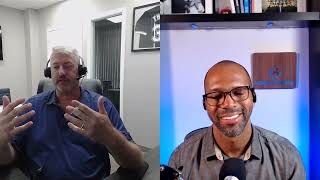
Interview-style podcast episode featuring John Kasman and guest David Hrizak. Hrizak (29-year commercial real estate veteran) discusses his career trajectory from brokerage and multifamily to commercial (office/retail/medical), the importance of relationships with lenders/partners, lessons from the 2008–09 downturn and pivoting a $4M townhome project into rentals, vertical integration of construction/property management, value creation through renovations and triple-net leases, and guidance for new investors (start small, learn from mentors, ask sponsors about hard times).
Hey, what's going on? Best ever listeners, this is your host, Jon Kasman and we are here for multifamily mastery. That's right here on the best ever series show Multifamily Mastery. And we are excited for today's guest, we've got David Rezak. David, how are you today?
I'm doing great. John, good morning. How are you doing today?
I'm excellent, man. Doing really well. Doing really well. Hey, listen, David, you've got a wealth of experience in commercial real estate, not just multifamily, but tapping onto a little bit of everything. So why don't you take one minute and give us a little bit of context about your experience and background.
Absolutely. Thank you very much. So I have been in the industry for 29 years. It's a lifetime. I started out as a commercial broker selling investment properties in the suburbs of Chicago to doctors, attorneys, business owners that wanted to diversify their portfolio. And about five, six years into that, one of my own clients convinced me to get into investing for my own portfolio. And being still young at the time, having a young family, I didn't think I was ready to start taking a ton of risk. But it was that little shove that pushed me in the right direction. And over the 29 years career, I have bought, built, owned and managed every asset class there is, except for mobile home parks and storage facilities.
So you've done a lot here, right? You talked about over 29 years you've bought, build, own, manage everything except for mobile homes and self storage. So we're talking, you know, industrial, office, medical, multi, family, of course, and so many others, man. As you look at the landscape of commercial real estate investing, why did you make this your career? Why not, you know, go and do something else or. I'm sure there's been plenty of ups and downs over that. You know, that storied experience, man. What is it about commercial real estate that kind of kept you glued in and part of the probably probably because.
I wasn't smart enough to think of doing something else. But I love it. I love dealing with people. I started out my career working for a financial services firm in downtown Chicago. I was on the 35th floor of a high rise overlooking beautiful downtown Chicago. But I hated it. It was one year in that job and I knew I had to get out and be with people, talk to people. And that's when I left. A career with salary and health benefits for 100% commission in sales. And my wife, who had just married me a year before, moved across the country for me Said, why are you doing this to us? And I said, please have some faith. And it's worked out. So as I mentioned, every touched, every asset class there is, I love dealing with the complexities of a problem, figuring out how to solve it, figuring how to project manage. Because we're a vertically integrated organization, not only are we a real estate investment company, we also own our own general contracting business, streamlined development, and we have our own property management business, streamlined asset management. So everything is kept under one roof in our investment cycle and it's just utilizing my 29 years of experience and knowledge.
So help me with, with that. Right. So as you've built this out, you're, you're vertically integrated. Right. Meaning that you've got the property management in house, the asset management's there. Right. You've got the construction management in house. So anything your properties need you can take care of. You're not hiring out to third party contractors for the most part. Right. So why was this important or how did we get to this infrastructure? I'm assuming you didn't start that way. So walk us through kind of how you built the company as it stands today.
Sure. So by starting out as a broker and property manager, I had that experience of property management and understanding the finance of buying and selling properties. When I started to get into investing and development for my own portfolio, I ran into a partner who was phenomenal in the trades. At the time I didn't know anything much about the trades, just enough to get by, but he said, let me run this part of it. Let me teach you while you teach me. And it was a great, great relationship. And ultimately in our investing career, we started with a single family flip. And then two, and then four and then we went into apartment buildings and at one point we were up to 500 doors. And then ultimately we got away from the multifamily a little bit because we wanted a little bit more peace of mind because we were managing our own properties. Tenants and toilets, those problems start at 6pm with multifamily, whereas commercial properties, they stop at 6pm so we were able to get a little bit more control on our family life by switching into the commercial at the time.
Yeah, I love that, that visual. Right. You said the issues in multifamily with tenants, toilets and other issues there, they, they start at 6pm when people are coming home from work and realizing something went awry during the day. But in your, you know, commercial, those problems stop at 6pm because they've left the office and they've turned off the lights and gone home. Right. So. So that's where you've. You've kind of ventured more of your time. Was there something that specifically that happened? Right. I mean, knowing that you've touched so many different things, I found that most people either have a moment that happens or some sort of realization where they, they find out, you know what? I'd rather focus on these kind of assets instead of these kind of assets.
Well, it did have a lot to do with the downturn of 09, the economy, the Great Recession. Obviously, everything was in the tank at that time. Started in 08 when we broke ground on a multifamily townhome development in the suburbs of Chicago. I was into it for about $4 million. The economy kept getting worse. Nobody could sell their house. People were losing jobs. My partner unexpectedly passed away, had a heart attack from all the stress that we were enduring, and I had to pivot. I went to the lender at the time and said, hey, there's an opportunity here to make the bank whole and make myself whole by changing philosophy. So we were intending to build and sell these townhome units, so we just decided to build and put them into a rental pool instead. And the bank went along with that because he was not really in tune with what the government was doing at the time with TARP money and banks being shut down. So I want to say it was that pivot of the Great Recession that forced me away from multifamily after that point.
What ended up happening with that project.
It was a phenomenal story. So instead of losing it to the bank in bankruptcy, the bank gave me enough money to complete the project. They rewrote my loan, put it on a low interest with principal and interest amortizing, and ultimately we rented out all the units. And I held that property as an investment for about four more years. Instead of being a two year flip of construction to completion, we held it for four more years until the market came back and ultimately sold every unit for a profit. The bank was whole, I was whole. It just had to go through that pivot process. And that's what I think I bring to the table to help my current investors is kind of like Kenny Rogers song. No one to hold them, no one to fold them, no one to walk away, no one to run. You have to. If you don't have the experience, you're going to get yourself into trouble. And we're here to bring our experience to help others because we invest right alongside with all of our investors into every deal that we do. So we're not risking anybody else's money more than ours.
David, I think it's a great experience, right? I mean, I'm trying to put myself in your shoes. There's. But you go back and you're talking about, you know, being $4 million into this project, right? You're scaling up, you're doing well, you've built up this portfolio, you got everything going. Your partner's handling the operational side, you've got the capital side and you got the property management side. You guys are scaling, the economy changes, you're $4 million in, it's looking bad, your partner passes away. And most people, they may talk through what happens in a situation, but maybe they haven't really worked through what that looks like. Can you talk to me about just where you were mentally and just emotionally and trying to figure out how to navigate that and to have the wherewithal to sit down with the bank and say, listen, we gotta pivot, here's my plan, here's what we should do. Just talk to us about, you know, how to navigate that situation for me. Your standpoint.
Yeah. A lot of the success came because the bank was willing to work. It was a small community bank. And I was speaking directly with the majority owner of the bank, the CEO, he would make all the decisions, and up to that point, any property I wanted to buy or develop, we would have a 30 minute sit down session and my loan would basically get approved after those 30 minutes. So it was because of the relationship we had that allowed me to pivot with the bank. But how did I feel during the time? Man, I was lost. And I didn't even realize it till about 10 years later. I went through about 10 years of depression because I just had to go through the motions of getting by, taking care of my family, taking care of his family, taking care of our business, trying to make it survive. And at the time, my partner took care of everything in the field. I would go out to the field once, maybe twice a day just to check on things because it was close to our office. But from the day he passed away, I was in the field for 8, 10, 12 hours and then having to go back to my office to take care of our administrative side because we were facing financial hard times. I didn't have a staff anymore. We had to lay everybody off. So everything was done over the course of about an 18 hour workday during that first year after he passed.
Wow. I mean, I appreciate you sharing just because this business can be tough. And I know most people like to show the highlights. And there's obviously a lot of upside with partnerships, but on the reality is there's a human component that comes into play here, and you obviously took on the brunt of that work and responsibility and had to get really lean to navigate and ultimately pivot the business. But I think one of the lessons for all of our listeners here is just how important relationships are. You mentioned that you could sit down with a small community bank and talk to the person who was making the decisions. And because of that, when you face this tough situation, you're able to get something done. I know a number of investors who went through hardships during that same time frame who were not able to get something done, who did not have those relationships with their lenders, who faced foreclosure on their properties and lost all their assets and had to just rebuild later in life. And that's something that's really important. You know, it's very easy to look at deals based on numbers and returns and IRRs, but at the end of the day, it's still relationships. Whether it's relationships with your lenders, relationships with investors, relationships with your property managers, your onsite team, or your contractors, there are people involved in every step of the way. And being able to build those great relationships is what will carry you through. With your 29 years of experience, I'm sure that you've had more relationships to kind of grow and expand, especially after your partner's passing. Talk to us about kind of the pivot you made coming out of that.
So just to touch on one point there, you, you asked what, what it was like. And one. One other aspect on that is the relationships. So when I meet with a current client or a future client and they want information about our current deals, and they ultimately ask, what am I not asking? And I always say, ask me about the bad times. Anybody can put together a nice pretty deck with pretty pictures and show you a 15, 18, 20% IRR. But tell me what's going to happen if things go wrong? Where are you going to be with the investment in its entirety? And I'm going to be right there till the end, battling to make sure it goes. If it's not going according to plan, it's going to go according to the best alternative plan as well. So promoting the good is fine. I like to promote the ugly because it shows who I am as a relationship guy. And everything I have today, my loyalty, my work ethic, my durability was taught to be by my grandmother growing up on the south side of Chicago. I didn't have a father figure in my life. My mom, beautiful woman, she was always working downtown Chicago. But my grandmother was my coach in life. She was there to teach me how to ride the city bus, how to get to the White Sox game by bus, how to go to the grocery store because she didn't drive. We had to take the bus everywhere. And she taught me the streets. She was 4 foot 10, 4 foot 9 and tough as nails and man. But she was compassionate as well. If you didn't do something right, she was going to teach you in her own way. But that what was instilled in me then, I bring to every relationship today. So when I meet with somebody and they become part of our family, I call all of our investors family because I take care of them as they're my own. You're going to get my loyalty, my work ethic, and all my dedication that I've had throughout my entire life. And that's all I am right now is about relationships. I retired a few years back after a near death experience, but I came back shortly thereafter because I missed the relationships. And that's all I'm here for the rest of my career is to build relationships, give knowledge to others, and help those coming up the ladder behind us.
David, I love that man. I mean, it's, it's, it's always great to hear like what, where that motivation and drive stems from. And for you, obviously, family is very, very important. And you were given those life lessons from your grandmother and that really draws kind of how you were draw, you know, operating then, but also even to this day coming back after retiring because you missed the relationship. So I love to hear that. Talk to me about that pivot, right? So you, I know right now you're not in multifamily, so you had that townhome project, sold that out. How did you reimagine the business and talk to us about where it exists or how it sits today?
Well, I knew without having my partner going forward, I was going to have to look at different types of projects. They weren't going to all be straight new construction or heavy value add because I didn't have the time and energy to devote to being in the field. I'm a deal guy. I love being out there looking at deals, analyzing deals. I probably look at 500 deals a year and maybe do two or three a year because I want to make sure the numbers are right, not only for my investors, but for me as well, because I'm taking on the debt Investing alongside my clients. It's an interesting point of view. When you're in this business as long as I have and you can conjure, take all of the experience you've had from day one starting out green as a broker to getting into the multifamily fiasco and then pivoting into the commercial. I went into the commercial after my partner passed away because a, they were easier to do. And you get into longer term leases, you're not dealing with tenant turnover every year, you're not dealing with tenant rent collection as much. Because these are professional businesses. You do some good background checks. To me, at this point in my life, the commercial is more stable and also produces some great returns. If you're buying. Right.
How does the investment, the return side compare to what you were doing in multifamily? And obviously the timeframe's different. Right. Because I know obviously, you know, there's always ebbs and flows with the economy. But generally speaking, like how. Yeah. How does that compare?
Yeah. So every deal I write, whether it was multifamily or is now commercial, I pretty much use the same Excel spreadsheet that I've come up with with my algorithms. So I want it to be spitting out between that 15 and 20% IRR. So the returns are there. They're very similar to the multifamily, I think, without having the headache of the multifamily.
All right, so what I'm hearing you say is for you, and let's back it up, right. For you, when you had your partner who understood the trades, as you call it, right. But understood how to go out there and handle the on site components, the construction, the repair, the maintenance, all those things that happen with properties. When you had that, it was great to grow because you could focus on the deals and the other aspects. Right. And you were a great partnership when you lost that. That part of it, you know, really takes a lot of time and energy and it wasn't really your unique skill set. So the transition to commercial projects, office, retail, industrial, those kind of assets, that was actually easier because you didn't have to deal with the tenants, the toilets, all the other things that come to be. I think it's important for our listeners because ultimately we love multifamily, but we also recognize you've got to invest with what makes sense for you based on your time commitment, your, your own experience and expertise and where you want to get to. I think one of the concerns, and you know, I was talking to Ash Patel about this a couple weeks ago and we were arguing a little back and forth on multifamily versus commercial. And I believe that you can make money in real estate doing anything. Right. It really just comes down to what you enjoy, what you can do. But I think one of the things that sole appeal with multifamily is people get it. You understand that someone needs to live in a place. Houses are getting expensive, interest rates are high, people can't afford it. Some people want flexibility, so they rent. We've all been renters at some point. Most of us have been renters or at least understand what it means to be a renter. When it gets into commercial, industrial, office, retail, some of these other things, it's a little harder for a newer investor to understand the tenant base, the, the occupancy, what factors you need to pay attention to the credit worthiness of a tenant. Right. You, those things just aren't as easily accessible. And quite frankly, we recognize that the folks who invest in this space, this is what they do. So if you're wrong or you mess up, there's nobody here to save you. If you buy a house and you rent it, you make it nice enough, somebody's going to fall in love with that house because it's just on the right street or in the right school district. Right. If you buy a retail strip center and it's not the right place or you didn't do your numbers correctly, there is no investor coming to save you. Right. So I think that's the fear that investors have when it comes to kind of the commercial space. You've got a ton of experience, though. What did you hear from other investors? Like, what's the hesitation or the concern that you hear, especially as you compare it to multifamily?
Well, it's the entry point. Entry point into single family or multifamily is a lot easier. Coming from Chicago, we had two flats, three flats, four, six, 12. It's, it's easier to start in the multifamily because the entry point is lower and start building your wealth and your nest egg and keep getting into larger size properties. The entry point in a commercial is typically a lot higher. So we don't do a deal typically under $3 million. Now on the commercial side and at 25 to 30% down, that's a lot of money. Plus, if you're going to do some value add, you have to know how to finance it, how to underwrite it so that you can include those improvements into your construction loan with the purchase loan. But ultimately it's the knowledge that I've gained over 29 years that has allowed me to do it. I don't recommend anybody jump ship from multifamily into commercial without either A taking on a passive role for your first couple deals to learn from somebody like myself, or B cogcing something with an experienced partner like myself. I'm in this game because it's what I love to do. I don't know how to do anything else better than real estate. And there's a lot of people in my situation that have these years of experience that want to give that knowledge back, that want to help others. My kids are starting to come up the ladder right now. In fact, my oldest daughter came to work for me a year and a half ago. So she's learning the business and it's fun to teach and just give that wisdom. Sometimes it's hard to pull that intellect out of your brain and explain it to somebody on a first time basis, but it's a great feeling when you can do it and they start to catch onto the concept. So, entry point into single family multifamily that is most critical for people starting out. Entry into commercial needs that education or needs that experienced partner to team up with.
What are some of the biggest mistakes you see investors making, particularly multifamily investors as they look to get into commercial?
Not understanding, just lack of education and sometimes ignorance as well. I've seen people that have said, oh, I'm successful multifamily, I could do this no problem. Well, go ask a commercial broker, real estate broker, if they could sell a house to any of their friends. They're going to tell you no, they don't understand the contracts, the forms, things like that. Same thing goes true for a residential broker trying to sell commercial real estate. Stay in your lane if you don't have the education because you're going to either a hurt yourself somehow or hurt your client as well by not representing them properly. And that's the same way as being investors. Stay in your lane until you have the experience and grow your experience. There's plenty of people out there that want to help you talk about just.
Like how business is done because I think that's fascinating, right in the commercial sphere, you know, when, when you think about residential, you know, just, just single families, two to four units, like most of that is either mls, Redfin, Zillow, you have some wholesalers that have deals, but it's fairly widely available, right. Not overly sophisticated. You get to commercial multifamily and now the brokers have a lot more control They've got their own private list that you've got to get on and communicate and network. And then you get into, you know, commercial, non residential where, you know, I, I mean there's LoopNet and there's different websites like that, but it feels like a completely different arena of how these deals get, you know, communicated and shared and business is done. So maybe just talk a little bit more about kind of how business is done in the commercial landscape.
Yeah, it's similar and different at the same time. So just like the MLS on the residential side, we have LoopNet that you mentioned, we have CoStar, we have Crexi, there's a number of other paid services out there. But the amount of data that is out there helping us analyze deals from not only from demographics but to traffic patterns to foot traffic, to amenities around the site that you're looking at, there's a lot of different data you have to look at and you have to know where to get to it. We bought a $5 million office complex two years ago and I bought it because a, it was in a great area, it had great amenities around it. A lot of restaurants, people always go out for lunch or they take clients out for lunch close to highways. So people traveling to work, it would be an easy place to get to. We bought that for 5 million, put in another million dollars of improvements into it. Took a building that was 1980s vintage, made it 2024 vintage with all new spec, move in ready suites. And we've been able to take rents that were $16 a square foot gross, which means that's all they pay. They don't pay anything more to 17 to 18 triple net. And triple net leases are great in the commercial leases because the tenants pay their portion of all operating expenses, meaning utilities, taxes, insurance, common area maintenance. The tenants all pay part of that. So it's great when you get a tenant onto a triple net lease because all of your expenses get passed through. But if you educate the tenant the right way as well, they start to consider the property home for their business and they want to take care of it as well. So you get them buying into the philosophy of hey, this is going to be a great place for their business to be long term and ultimately sign those 5, 7, 10 year leases for.
One just to, to make sure people got that right. So you're talking about you fought this building $5 million, you put a million dollars into the renovations and you were able to take the rents from $16 square foot gross, which means that's all they pay that's their all in number to 17, 18 triple net, which may not sound like a lot, but the triple net means there's, you know, I'm assuming it's some common area maintenance and stuff like that too. Right. So they have, that you're paying now the taxes, the insurance, the utilities, like they're taking their proportion. So really as an owner, all of your expenses are essentially passed through to the tenant. They're paying for it all through the lease. And now you're able to really profit more than what you would have previously.
Absolutely. So to compare apples to apples, that $16 square foot gross. Gross, when you look at my triple net lease of call it let's say 18 plus the CAM charges, that's another 6. So theoretically it's 24 gross versus 16 gross. That's an $8 increase. That's a 50% increase.
Yeah, yeah. And that's the thing too with commercial. And I think this is where folks get maybe intimidated because. And listen, I, it's a lot if you don't really understand this space. You know, I just, we just found our first lease for an industrial flex office and I even had to go through this, man, I've been invested in, you know, apartments for, you know, nine years and you know, really invested in two to four unit apartments for, for 12, 13 years. But I had to sit there and go through the lease and like, well, okay, what does this mean and what, what is this here again? And, and go through some things because it is a little bit of a different world and obviously I have a bit of an advantage because of, you know, just podcast and doing a commercial real estate. But at the same note, I could see how that could be intimidating for someone else who doesn't understand how to create value. Going back to that point on that deal, as an example, you mentioned you invested a million dollars in renovations. We know what renovations look like for multifamily. Right. So you're going to go in, you're going to upgrade the kitchens, the bathrooms, the lighting fixtures, the flooring. You maybe add some amenities into the shared areas, a swimming pool, a pickleball court, whatever. Right. We kind of know how we create value for a resident. How do you create value for someone moving into an office or retail or some other commercial non residential facility?
It's not much different. So when we have a vacant unit that hasn't been remodeled or touched in a while, we go in there. New ceiling tiles, new. New overhead lighting, new paint, new flooring, new. We spruce it up, we spruce up the Common area bathrooms. What are people going to see, feel and touch the most? Just like in an apartment, you want a nice kitchen, you want a nice bathroom. That's what you want in your office building as well. You want the nice features, not necessarily amenities. There's some buildings that have golf simulators and coffee shops in there. Those aren't our types of buildings. Just a place where you're going to go to work for eight or nine hours a day, where you feel comfortable in, in being at. And we, we can go into a thousand square foot office suite and remodel it like I just said, with new ceiling lights, paint floor for around $20,000 and that will last a five year lease.
Are you, so the renovations there, you're doing very similar to what we would do in residential. Right. Or, or into multifamily. Where you're going in, you're essentially making the office plays better. Right. You're, you're upgrading the lighting, the flooring, the, the bathrooms. You're making it a better place where it's more attractive. Are you also attracting a different type of tenant base? Like what are you doing there to kind of get that seven, eight dollar bump in the gross rent?
Yeah, so we, we had some pretty, I don't want to say sketchy type of businesses, but we had some businesses where they obviously didn't rely on foot traffic only. They didn't care what the building looked like when we bought the building. Now we're attracting high end attorneys, doctors, more professional tenants that are willing to pay more for better quality.
Yeah, I think that's important too. Right. Because it's, the business plan is like you said, there's a lot of similarities, but there's definitely some differences because there's obviously businesses where they don't have customers coming to the facility. So I don't really care about, you know, what it looks like on the outside and all that stuff. I just need an office place. Right. I need a place to store my stuff or to do my business. But I'm not as concerned with that versus if you're a doctor, you're someone like that, you have clients that are coming to the facility. There's a certain, certain look and feel that you want to project you maybe even a certain location in proximity to some of the clients that you're going to be serving. So all of these things definitely matter. You were talking about investors and some of your clients a little bit earlier. For those folks who are looking to invest and they're looking for partners to help guide them on that journey and you talked about the questions that they ask and maybe the questions they don't ask. What are some of the things you wish more people were asking or thinking about as they're looking to invest?
Ask any sponsor what their worst situation they've ever been through was and how they got through it. Whether good or bad, not everything always ends up good like my situation did I know people that lost properties as well, but did they do everything they could have to prevent that? I don't know. Fortunately, knock on wood, it's never happened to me because I've been fortunate enough with, with my relationships, my skill set to avoid that, that pitfall, but not only ask what, what's gone wrong wrong and how they pivoted or how they came out of it, but asked to speak to current and past clients. I've got many, many investors that are repeat clients with me over 20 plus years. Into every deal we get out of one, they roll their money into the next one with me, ask what their relationship is with me, ask for another sponsor, ask how responsive the sponsor is to a new investor. And questions. We do something I think that is unique. We host what's called Investor Days. Kick the bricks. Couple times a year, we'll invite our investors out to a building that they own, to a, show it to them, let them kick the bricks, feel it, touch it. Because being a passive investor is fine, you see it on paper, but it's also nice to feel it, touch it and know that it's yours. When you drive by and say, hey, I own part of that building, that's pretty cool. To actually be there on a Saturday morning to see some of the progress that's happened in the property since the last time they were there. So ask what their relationships are, what their support services are and what they're going to do when things go wrong, because that's what matters most.
Those are critical points because you talked about repeat business and being able to kick the bricks and come out and tour the property, but just to really be involved and understand what, what you're going to get from that sponsor, from that operator. Because what ends up happening, I know a lot of times is, you know, before you invest, you hear all the great things, right? And once you write that check, you really don't have any more leverage. And sometimes what happens is maybe there's a misconception of how much access you will receive or the questions that you can ask and what's involved in the relationship as a passive investor particularly. And I know that sometimes that can that can rub people the wrong way. What questions would you ask or what questions would you advise clients ask to understand the level of communication or the level of access they will receive during the investment period?
Yeah, ask them what their process for communication is. We have at entry level, it's quarterly updates with financials and a personally written letter by myself explaining what's happened over the previous three months in the quarter. But above and beyond that, we communicate with the majority of our investors almost on a weekly or monthly basis because I consider them family. We. I'll call just to touch and touch base, say happy birthday. We'll call just to go out to dinner now. And then, how is your relationship going to be with the sponsor that you're choosing to invest in? That's ultimately what you want to be asking yourself. And you want to do business with people that you like, that, that you trust and that you feel comfortable with. And if you're investing with a sponsor that's across the country and you've never met them before, is that the best situation for you as an investor? Maybe it is. But I think a lot of people, when they're giving that money to a sponsor, they want to have a little bit of a reconciliation and not control, but they want to have some good oversight to know where things are going. And that's going to come down to the relationship that you have with the sponsor and if you know, like and trust them.
David, I love that. What I would add too, is I, I think it's important to review kind of the, how they communicate. Right. So to your point on the updates and things like that, you know, it might be nice to take a look at one of those quarterly reports and understand the kind of information that's being communicated and try to learn. Okay. Hey, as you said earlier, when you talk about deals that didn't go as well, are they transparent? Are they, you know, are they in front of these challenges, are they proactive? Or they, you know, just trying to sugarcoat things and hoping it all works out? Because hope is not a strategy. And certainly there are times where people are certainly wishing things were better, but are they able to share, hey, here's what we're struggling with right now, or here's what we're working on. And to your point, are they learning? Are they growing? I think that's really, really important. And it's one of the things where as you can start to understand what the experience is going to look like working together, it becomes a little bit easier for you to make that commitment in that investment. And it just goes back to what you were saying before. Right. There were different ways of getting at that. If you could sit down and have breakfast or dinner with someone and sit across from them, that's a great way to build that rapport and get a sense of who this person is and their character, and they're halfway across the country. That becomes harder. But there are other ways to get to know somebody. Right. And to, to learn about them and understand how they operate. Talking to their other investors. Right. What was their experience like? And, you know, I was, I, I always tell people it's okay to ask, like, hey, you know, whenever I'm interviewing somebody, I'm, I try to ask, you know, hey, what's, what's one thing that you don't do well? And most people want to, you know, give you a fluffy answer, but you can't be perfect at everything, so it's okay. I would rather someone say, hey, John's out there crushing it. But sometimes, you know, you know, this happens. Or he, he will, he'll tell us what's happening after it's done. Right. Whatever the case may be. But it's okay to understand, like, where someone's limitations are as an operator, as a partner, because they're not going to be flawless. They're not going to be perfect. But you do want to make sure you understand what you're getting into.
Absolutely. We're all human, right?
Yeah. Yeah. David, what's next for you? Right? You, you, you came out of retirement, man, so you're going to be hitting 30 years in the business soon. So what's next for you?
So I'm on a crusade right now since coming back out of retirement with. We are, we have an open fund that we're raising $15 million for. That $15 million will be leveraged to buy approximately four to five medical, office and class B office buildings here in the Phoenix market. So it's meeting new accredited investors, bringing them into the mix, educating them on who we are, what the deal is. And right now is an exciting time for us. There's some great buying opportunities. There's some great new tax advantages that have come back with the a hundred percent bonus depreciation that's just going to take our returns even higher than they are currently calculated at. So we're, we're super excited. We're bullish. We want to build a nice large portfolio here in Phoenix for the next three to four years and then look to expand outside of Phoenix at some point thereafter.
So, David, what does so you got the $15 million fund. You're looking to take advantage of opportunities, particularly in the Phoenix market. I know that there's some different things with the one Big Beautiful Bill act that came through where they're going to be pushing for more manufacturing and things like that. Do you pay attention to like just the, the changes in laws and, and, you know, incentives that are out there to adjust your investing thesis, or do you. Are you just kind of locked in on like, hey, right now we're doing medical offices and that's what we're doing. I don't, I don't care whatever laws come out. How do you approach that?
That's interesting that that answers changed over my 29 years as well. When I first got into doing one or two single unit buildings, it didn't matter. Right now that we're raising 15 million going to invest into 40. I am definitely paying more attention to global economic factors. There are a number of factors going on right now, and we don't need to get down that rabbit hole, but that is keeping a lot of money on the sideline. A lot of larger check writers are just sitting on their hands right now waiting to see how things play out with the tariffs, with the couple wars that are going on. The Big Beautiful Bill was a huge step in the right direction for stimulating investment opportunities. But that's just one of a couple global economic factors. I'm highly confident in where we're going right now as a nation, as a world, and I just think that it's going to take a little bit more time to get some of these other things ironed out and then we're going to have a great fourth quarter here this year, and it's phenomenal. 26.
So sounds like you're pretty bullish here on where things stand. I know a lot of multifamily investors are a little more bearish. I really try not to play into that as much. But I will tell you that we. I also believe that there's a lot of great buying opportunities, particularly in multifamily, but in commercial real estate in general, sounds like you feel the same. How do you think this compares to say, the last, you know, two to three years?
Definitely more exciting, for sure. And the fact that there are a lot of people that are sitting on the sideline or afraid to jump in. It just brings me back to the old Warren Buffett phrase, be fearful when others are greedy and greedy when others are fearful. Because if there's not a lot of competition out there, then that's Your chance to jump at it and make your own pathway. And that's where we're headed right now.
And I think the other part of that too is like I always like to ask myself, well, why wouldn't someone do this deal? Because the reality is if it's a smoking hot deal that everyone would do, you're likely going to just pay more than anybody else for it. That's the only way you could justify, right? So if you can find some flaws and sometimes the answer is no one else knows about it, which is the best answer, right? If they don't know about it, that's a great way to find some great deals. But maybe there's some other problem that you need to solve. And sometimes I think what happened, particularly with multifamily is things were so good, especially you're out in Phoenix, so you understand, like everything was so good out in the market like that that people overlooked every issue because it just felt like, oh, you just make money, buy it and it goes up in value and you sell it 18 months later and you're, you know, make money, right? Buy real estate, do something, profit. And they've realized that there's more involved in that now. So some of those folks are walking away and they do have a negative opinion now on their experience. But I think what's great to hear from someone like you, who's been in this industry for a long time is that all this stuff is cyclical. You know, it all kind of goes up, comes down, goes back around. But ultimately for the long run, real estate tends to go up in value. So if you have that long view, you can plan accordingly and you'll be successful. I think the problems are folks who are really short sighted who look at this as a get quick rich scheme and they want to come in, buy something, double it in two years. Well, that's where you run into issues. But if you're looking at it with the right lens, a longer term lens, then you can find opportunities and you just work through the issues, right? I mean, the reality is you're at a point where you don't want to deal with toys, tenants anymore. For many people, it's the entry point. Guess what, you're going to have to deal with it until you can move on and get to something else, where you don't or you invest passively. But there's, there's stuff you're going to have to deal with when you're starting out to get that momentum, to get traction, that as you age, as you get some Seasoning. As you get some experience and you get more and more capital, you won't have to deal with those things yourself as much. And it just comes down to preference. And that's the beautiful thing about investing in general, but especially investing in commercial real estate is there's enough money flowing where you can put together teams, you can run it professionally. And that's the thing I always love over residential. If you got a house that generates $200 a month, it's just not enough money to pay anybody to do the other stuff. This is just not. But if you've got a commercial real estate, you know, building that does a million dollars a year or $100,000 a month, there's enough money being generated to hire a property manager that's on site. There's enough money to hire a professional, you know, vendor for the different services. You don't have to just call the guy who's gonna hook you up with flooring on a cheap like, no, I want a company that is licensed, insured and bonded doing all of this work so that if there's an issue, I can go after that bond. But they care about the reputation, they care about their Yelp or Google reviews or whatever it is, right? You want companies that care because it's going to be more professional. And that's the difference in investing in commercial real estate versus, you know, doing a little side project flipping houses. And I'm not knocking it, there's nothing wrong with that. But as you grow and as you scale, that's the separator. And if you get to that place now you're running a business and it's a matter of overcoming the regular day to day business challenges that I think most people face. Staffing, you know, HR issues, marketing, sales, all those kind of things. But you can solve those issues when you're running it like a business. David, you got any final thoughts here for our listeners?
Never be afraid to get involved in investing. Start small, learn, educate yourself, listen to podcasts like this, read some books, and if you want to grow your career and you want to scale up, do it with a great mentor first. Don't jump in on it alone because you're going to get hurt. Go in there passive on the first couple deals or cogp it with somebody just so you can learn. If you want to scale that way and you want to be active, go with somebody that can give you the experience. And there's plenty of people out there that will definitely take you under the wing and help you along. If you want to stay a passive investor. I've got doctors, athletes, business owners as the majority of my clients. They've got a full time job and then some in their own career. They love to be passive investors, but they still love that kick the bricks days where they can come out and really touch it. Because when they invest in Coca Cola, Coca Cola doesn't invite them to the bottling plant to see how their money's being made.
Yeah, I love it man. I love that. That's great.
Like Nike said a long time ago, just do it. Start small, educate yourself and continue to grow as a person and an investor.
Listen, if you want to connect with David and learn more about what he's working on, him and his team, make sure you check him out. You can go to LinkedIn. He's very active. His name is David J. Ryzak. Now Rysac has a silent H to start, but we'll make sure to put a link to that in the show notes David, thanks again for being a great guest and coming on Multifamily mastery sharing great insights about your journey as an investor. Overcoming the challenges you faced when you had that $4 million investment into the Townhome project. Going through so many issues your partner passing away but how the relationships helped you overcome those challenges and ultimately have a profitable deal. But also pivoting to other commercial real estate, non residential where you did not have to deal with the tenants, you didn't have to deal with that side of it and you could still add value. It just giving us some real specific things to ask for as an LP investor, as someone looking to partner with, asking better questions, helping identify the types of people you want to work with. That's going to set you up for long term success. Again David, appreciate your time today. We look forward to staying in touch with you and for all of our listeners, we look forward to getting to know you more. Please get involved in the best ever community and check us out in Salt Lake City back in or out in February for the best ever conference. Hope to see you then until next Saturday. Take care.
Thank you John. Have a great day. Great show.
More from David
JF 3995: Navigating Market Cycles and Scaling Passive Investment Returns ft. David Hrizak

Real Estate Investing Q&A for Women | How to Invest Safely | Titan Impact Group

How to Create Passive Income Without Burnout | Legacy Wealth Plan | Titan Impact Group
🎙️ Medical Office Real Estate Investing with David Hrizak | A Passive Wealth Strategy for Doctors