Podcast: Why Medical Office Investments are the SMART Move in 2025
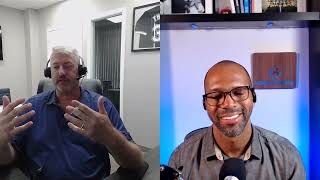
Podcast interview (host Danny) with David Hrizak, co-founder/CEO of Streamline Companies. Hrizak explains his background, why he pivoted to focus on Class B office and medical office properties (economic resilience, client-facing tenants, Phoenix population growth, aging population), and how Streamline is structured (capital, development, asset management). He discusses Fund #3 (a 506(c) fund raising $15M to acquire roughly $40M of assets), marketing to physicians and wealth managers (LinkedIn outreach; DTCC reporting enables wealth managers to keep assets on their books), tax advantages (bonus depreciation, cost segregation), underwriting conservatism (underwriting at 60–65% LTC; stress-testing with current high interest rates), and investor relations (kick-the-bricks events, repeat investors).
Questions this video answers
Third quarter of 2022 (he said he started focusing on the asset class around Q3 2022).
A 506(c) Fund (#3) raising $15 million, to be leveraged to purchase approximately $40 million of real estate (4–5 buildings).
8% preferred return plus 80% of profits (as stated in the interview).
60–65% loan-to-cost.
Chapters
What's up gold liners? Today we welcome David Rezek to the program. David is the co founder and CEO of the Streamline Companies, a real estate investment group focused on class B and medical office investments. David has nearly three decades worth of commercial real estate experience and in this episode he starts off by explaining why class B and medical offices are performing well despite the massive turbulence that the rest of the office sector is experiencing. Later on in the episode, David and I dive into alternative investing in general and why David is such an advocate for diversification outside of the stock market roller coaster. Finally, we conclude the episode with David explaining how investors can position themselves in this current market to win big in this next economic cycle. Lots of nuggets and wisdom in this episode from an experienced commercial real estate investor. So without further ado everyone, let's welcome to the show David Rezak, the Goulmind podcast. David, welcome to the gold mine.
Thank you very much for having me. Danny, good morning to you.
Good morning to you as well. Man, this is, this is exciting. I am excited to learn a little bit more about you, your business. Know that you are heavily invested not only in class B but also medical office buildings, which is definitely an asset class that I believe in. I'm very bullish on medical over the next five, ten years and so. But before we go there, right before we kind of get into the weeds of it all, love to kind of hear like your background, what got you to this point. I know that you, that you founded streamlined companies. So would love to hear kind of like the, the, the, the spark does version. Right. Of that, of that journey.
Sure, yeah. Who is David Rezak? Well, yeah, I was born on the south side of Chicago, raised in a very middle class family, no father figure in my life. My grandmother was the most influential person in my life. Graduated from Arizona State University with a finance degree. Was fortunate enough to have a job immediately after college in the financial markets of Chicago. Did that for about a year and was extremely bored. It wasn't what I was hoping it would be. And without another three to four years of continuing education and an MBA or JD program, I wasn't going to get to that level that I wanted. So I had some familiarity with commercial real estate. My sister and brother in law were very successful in the Chicago market in their respective careers in commercial real estate. So I kind of piggybacked on what they were doing. And then back in the days of help wanted ads only being in a Sunday newspaper, I answered an ad looking for a commercial real estate salesperson. And I started selling investment properties to doctors, lawyers, business owners that just wanted to diversify their portfolio away from the stock market. And as my brokerage career grew, we got into property management. I then started my own brokerage and property management firm, ultimately getting involved with a partner that helped me get into development. I didn't know anything about the trades per se, and he did. So we went out, we started a typical entrepreneurial success story. Started small, we did a couple single family flips. And then he had enough knowledge where we could do out of the ground development, did many custom homes, spec homes, then got into commercial. And throughout the course of my career, I have bought, built, owned and managed every asset class there is, except for mobile home communities and self storage facilities. So I'm not afraid to cross asset class lines. But right now we are bullish on the class B office buildings because they're the small businesses of America. They didn't have the ability to send people home throughout the pandemic. So they're not suffering through the RTO mandate that you read about a lot in the media. And then we're heavily focused on medical. Medical is economic resistance and everybody needs a doctor whether times are good or times are bad.
That's awesome. That's awesome, man. Well, and that's interesting that you're bullish on class B office, because I feel like whenever somebody hears the word office right now, they kind of run.
So absolutely, office is getting dragged through the mud in the media. The media only reports on what everybody sees. And everybody sees the large office buildings in Chicago, New York, San Francisco of sitting empty, selling at drastic discounts. The media doesn't talk about the class B. The class B are the smaller suburban type buildings. They're not in the urban core of the major cities. They're the homes of insurance agents, wealth managers, architects, psychiatrists, counseling. We have buildings that range up to 40,000 square feet. Nobody occupies typically more than 15% of the rent roll. So it's very diversified with smaller suites. And what we've seen here in the Phoenix market, the majority of the leasing over the last two years has been 5,000ft and below. So we're fortunate enough to have that product available.
That makes sense. I mean, I suspect. And when I read like the, the like, for example, the special servicing reports that come out, I mean, office is getting hammered. I think we're in the high teens now, you know, special servicing rate in the office sector. But I guess your argument would be that that's probably predominantly class A office.
Yeah, that's what's being reported to the media is the class A. Class B in Phoenix is outperforming class A. Total square footage is greater than class A. Total occupancy is higher than class A. And the rents are rising at a consistent basis in class B really well.
And basically all of the professions and all the professions that you just listed off, right. You said, you know, dentists, doctors, psychiatrists. What else did you say? You listed off like 30 of them. Right.
Insurance, your insurance agents, your wealth manager, they don't need necessarily to be in an urban core on a 20 story building. Their businesses thrive because they're typically smaller business. They thrive in the smaller suburban locations, the smaller buildings.
Right. And all of those. So go for it.
They're more in the community. There's more involvement with the community by being accessible in those smaller buildings.
Yeah, that makes sense. They also do require office space. It's not like tech. Right. We're like, you know, these tech employees, they can just work from home. Insurance agents, sure, they could probably do a lot of their work from home. But like you're not going to meet your clients at the house. Right. So a lot of client facing services it sounds like is correct, is what you're seeing.
Yes. And I don't want to go to my wealth manager's home to talk about my portfolio because it seems a little suspect at that point.
Yeah, yeah, yeah, exactly. Now that, that makes a lot of sense, David, that, that really does. So walk me through this. Right? When did you start refocusing? Because it sounds like you've been looking at or you've, you've been invested in various asset classes, you know, across a multitude of cycles. What has you excited about class B and medical coming into this next cycle? Right. What are the, what are the things that you're seeing in the marketplace, like trends that you're seeing in the marketplace that have you excited about that.
So I really started to focus on this asset class in probably third quarter of 22. In December of 21, I was on a vacation with my wife. I was turning 49 years old, went on a horseback riding trip, was thrown off my horse, had to go to a hospital with a collapsed lung, sat in a Puerto Vallarta hospital for three days. And I questioned my entire life at that point. I had worked nonstop building my business and I said, if I can get home, I'm going to retire. And the doctors advised me not to fly for 10 more days because of the pressurization system in my lung. But it was now about December 10th and I wasn't going to stick around and potentially miss Christmas back home. So we got on that flight. I held my wife's hand the entire time. It was the first time I was afraid. And once we landed, I said, I'm done. We're going to enjoy our lives right now. That portion of my life was great. My wife and I were empty nesters. We started traveling every month, traveling the world. Three weeks throughout Europe. But then somewhere around September, October, I missed the passion, I missed the excitement. And my business partner at the now at the time, he came to me as well and said, dave, I'm looking for a new challenge. And we weren't partners at that time. And I said, scott, so am I. I want to get back in the game, but I don't want to do it necessarily just for myself. I want to do it for other people. So I came back and formed Streamline Capital Group, which then developed into the Streamlined Companies. So we're three vertically integrated organizations under the Streamlined Companies umbrella. But when I came back with the Streamlined Capital Group motto, I wanted to help others build the passive wealth that I was able to achieve. And when I was looking at what products are best suited, what products were best in my career, it was the medical office and class B office. I've owned a beautiful medical building in the suburban Chicago market for 15 years. It's been 100% leased for 15 years. Triple net leases, tenants paying all expenses, rising rents from credit tenants, and they're all typically small doctors that just needed a space off of the hospital campus to operate their practice out of. So that's when I decided in 2022 to focus on the medical and the class B. And we've been successful since then with purchasing another 70,000, 70,000 square feet of commercial space in the Phoenix market. And we're doing well with those buildings. And now we've kicked off a new fund to raise more money to help more people.
That's awesome. And thanks for sharing that. And when you're looking at the medical office supply in general, like would you say that nationally? Would you say nationally? We are under supplied in the medical office sector?
100%. I read articles all the time how we're short on nurses, we're short on doctors, we're short on PAs, so there's definitely a need for that. And that's going to continue to drive the growth of the medical office space.
So we're short on doctors and nurses and stuff, which is, I mean that's, that's more like, you know, not really not really a supply issue. But what you're also saying is like, from a real estate perspective as well, there is a, there is a supply issue in terms of how much available square footage there is to rent right now as well. Is that, is that what I'm hearing?
I wouldn't say there's a limited supply, but there is a good opportunity as doctors and practices want to expand, to grow, especially here in the Phoenix market. Our population is growing nonstop in Phoenix because we have a boom in population influx coming from new businesses opening here in Phoenix. We have an aging population which isn't going to stop. We're at a silver tsunami, as they call it right now with many people turning 65 every day. So those people are going to need those services. Mayo Clinic here in Phoenix just announced a multi billion dollar expansion into their campus.
Really?
Arizona now has multiple medical schools throughout, including Creighton from Ohio at Still University. And it continues to grow here in Arizona.
Interesting. That's really, really interesting. I didn't know that. So you're just to, just to clarify here, David, so the majority of your holdings in right now are in the Phoenix metro?
Yes, the majority are here and then one property still in the Chicago market where I used to live.
Okay, gotcha. So you're, you're heavily concentrated then in that one market. Obviously, it sounds like you live there. So that's your backyard. What is, what, what are the things that, like, drew you to the Phoenix metro to begin with? Like, have you been invested there for decades? Kind of like walk me through why you selected that particular market.
So my wife and I moved to Phoenix from Chicago 13 years ago. We were both familiar with Arizona at the time. I had graduated college here, she had moved here during high school years, and we met in college. So after living in Chicago for 18 years after college, we just decided to. It was 2012 at the time. We're just coming out of the recession. We had the opportunity to get a better cost of living, better weather, better taxes, better politics, better roads. The list goes on. To move away from Chicago, and we wanted to do it before our kids were older and they set up their own roots because once families start to set up more branches in the roots of their system, it's hard to leave. So our kids were at a good age where we couldn't uproot them, move them to Arizona, and that's why we settled here. And we've been successful for the last 13 years living here.
Yeah, that makes, that makes a lot of sense. And it also sounds like you Have a large influx. I mean, Phoenix is growing all the time. I mean, like, every time I go there, it seems like it just keeps getting bigger and bigger and bigger. You know, it's definitely an area that, that continues to expand and grow. And obviously with a growing population means, you know, people need more services.
More services, absolutely.
And more and more medical attention. So that makes perfect sense to me. What are the. Do you know what the. I, I don't know if you know this off the top of your head, but, like, what are the growth trajectories looking like in that metro? Do you know, kind of like what the population growth is, is like expected to be on average over like the next 10 years?
Yeah, it's pretty crazy. Phoenix is actually the fifth largest city in the country right now at around 5 million people. We have trajectory of being at 10 million people over the next 10 years.
No way. 10 million. That is say. Oh, my gosh, that's incredible.
Businesses are moving here because there's no natural disasters that's going to shut the businesses down. It's a pro business environment in the state. Things get done quicker. We've got a great airport system. Tsmc, the Taiwan semiconductor plants, who is investing tens of billions of dollars in their campus in North Phoenix, is now 100% capacity on the first phase that's open, and they recently announced phase two that they're starting development on as well. So there's 5,000 jobs in that location alone that are coming to Arizona, not to mention everything else around the valley from other chip manufacturers, chip suppliers. And the amount of manufacturing and warehousing that's being built here in Arizona is incredible as well. The more jobs, the more people. The more people, the more services. More services. Better occupancy in the class B buildings.
Yeah, man, that makes a lot of sense. Okay, so I'm gonna, I'm gonna pivot right now because I'm also curious about kind of like the back end of your. Of your group. So Streamline. Streamline was. This is like the new iteration of David, right? So you, you had, you had a previous or was streamlining your company before, and then you kind of kickstarted it back up sort of thing.
Everything I did before 2022 was basically under the name of streamline development and construction.
I see.
I've. I've since separated everything out into the vertical organization. So we have Streamline Capital Group, which is working with passive investors to raise money to help them increase their portfolio. I still have Streamlined Development, which is our licensed general contracting company. So Any property we own, we're able to do our own TI and capital improvements and then we have streamlined asset management, which is our in house property management firm. So any building that we buy, we take back property management. Now we also do that for third party clients as well that may be invested with us now or are thinking about investing with us, but have their own portfolio. So we're taking on third party contracts for asset management. And I've also done third party consulting on development projects. There's a local business here in Arizona called the Potato Barn Furniture store. I've built two facilities at 100,000 square feet each for them and they're investors with us in our projects as well. We're going to break ground later this year on a 70,000 square foot music theater here in Mesa, Arizona. It's going to be a 2,000 person indoor venue. So we're able to diversify just based on my 29 years of experience.
Yeah. That's awesome. So just to clarify here, the Streamline Capital, you, that's your, that's your fundraising umbrella. Right? So you guys are, are raising for, for these projects. What is, what's the latest project that you guys have been working on in terms of, you know, in terms of pulling together investor capital or are you raising a fund?
Yeah, we have a fund.
Are you syndicating the deals or you are you raising a fund?
So the majority of my career I've done only syndications, single asset syndications. Last year I kicked off Streamlined investment group fund number three, which is a 506c fund raising $15 million. That 15 million will be leveraged to purchase around four to five buildings or approximately $40 million worth of real estate. So that is what we're focused on right now and we're marketing. Because it's 506C, we're able to market it nationally, bring in investors. We work a lot with medical professionals, athletes, entrepreneurs and business owners.
Yeah, I would imagine that, you know, that's one of the things that I heard from another one of my guests actually that also is in medical office. They have had a lot of success actually in raising capital from physicians for those types of buildings.
Yeah, the physicians are in those buildings more than anybody, right?
Yeah.
And if they're paying rent, they might as well own a piece of it. Right. And we've also had opportunities and discussions where doctors want to want us to come in and build their own private space as well.
That's really interesting. Yeah. So from from a fundraising perspective, this last or this latest fund, fund three you're. Since it's a 506C, you can kind of like go out there and market. What have you found the most, what have you found the most success with in terms of marketing? Has it been like ads, has it been getting on podcasts like this? What, what is TIP? What has been your, your highest success marketing strategies?
LinkedIn. So it's, it's individual reach out through LinkedIn and individual messaging. Through LinkedIn, we're able to actually search for physicians, search for business owners, search.
For f. Getting on podcasts like this. What, what is TIP? What has been your, your highest success marketing strategies?
LinkedIn. So it's, it's individual reach out through LinkedIn and individual messaging. Through LinkedIn. We're able to actually search for physicians, search for business owners, search for athletes, and then we, we reach out to them individually through messaging. They're ultimately trying to get a face to face just to build the relationship. Course we never ask anybody to invest with us after the first meeting because we want them to get to know us and we want to get to know them as well. We want to make sure it's a good fit because I call it the streamlined pleats. And then we, we reach out to them individually through messaging there ultimately trying to get a face to face just to build the relationship. Of course, we never ask anybody to invest with us after the first meeting because we want them to get to know us and we want to get to know them as well. We want to make sure it's a good fit because I call it the streamlined family. Once you're an investor with us, typically the majority of my investors have been repeat investors. They become part of the streamlined family. And what makes us unique as well, because of that, we're able to host what we call kick the bricks investor days, where we invite our investors out to one family. Once you're an investor with us, typically the majority of my investors have been repeat investors. They become part of the streamlined family. And what makes us unique as well, because of that, we're able to host what we call kick the bricks investor days, where we invite our investors out to one of our properties that they're invested in and they're able to feel touch and see where their money is placed.
I think that's really important. You know, I think it's really important for people to be able to go out there and actually sometimes they just wire the money in, right? And they don't even, they don't know, right. Like they've never touched it. They've Never seen it for the.
I do have our properties that they're invested in and they're able to feel touch and see where their money is placed.
I think that's really important. You know, I think it's really important for people to be able to go out there and actually sometimes they just wire the money in, right. And they don't even. They don't know, right. Like they've never touched it, they'd never seen it for the.
I do have some repeat clients that are still in Chicago that have wired me money without coming out to see any of the properties that we own. But it's based on that relationship. Is that based on that trust over the years?
Well, speaking of trust, I mean, I think one of the biggest hurdles in, in what we do, David, is in getting people to get comfortable.
Some repeat clients that are still in Chicago that have wired me money without coming out to see any of the properties that we own. But it's based on that relationship. It's that based on that trust over the years.
Well, speaking of trust, I mean, I think one of the biggest hurdles in, in what we do, David, is in getting people to get comfortable with the idea of diversifying outside of the stock market. And I know that you've been a big, big advocate for, you know, diversifying outside of volatile markets, right. And into, you know, real assets, like with the idea of diversifying outside of the stock market. And I know that you've been a big, big advocate for, you know, diversifying outside of volatile markets, right. And into, you know, real assets, like, like medical office. Right. So how does that conversation typically go for you? And, and like medical office, right? So how does that conversation typically go for you? And, and, and what have, what. What are the talking points right for. For someone or what would you say to somebody who's time or thinking about it, but they're a little uneasy because it's. And what have, what. What are the talking points right for for someone or what would you say to new. It's. It's something that they've never really done before.
Yeah, my talking points on that are, do you like your money to be on a roller coaster ride or would you rather continue on a steady path? The stock market this year has been crazy. People. After the April 2 Liberation Day with the tariffs, people lost 20, 30% in some cases in their portfolio. In the stock market, we didn't. Our properties continued to make money. We had lease renewals, lease rental increases. So we continued to grow. We didn't have the up and down like the market did. Now the markets come back and most money has been made back. It's pulling back. Today is today's June 12th. Who knows what's going to happen with the political and economic cycle here over the next six months. We're asking people to take a portion of their portfolio, put it into real estate, get the passive returns. We're offering 8% preferred return plus 80% of all profits. But we're also able to get tax advantages that are not available in the stock market. The bonus depreciation, the cost segregation analysis, we do all of that immediately as soon as we buy a building. So we're able to take paper losses in year one, year two, that are going to offset any of the passive gains that we have in the future or any of the other passive income those investors have currently. So we're able to take a 15% IRR pre tax advantage up to about 18 to 20% depending on the individual's tax break.
Yeah, and, and I think that's something that a lot of investors really overlook. Right, David? They, they, they look at returns, but they don't think about post tax return.
Absolutely. An investor cares about, hey, what am I making, not what am I saving. And savings are earnings. If you're not having to write that check to the IRS. That's, that's earned, that's money earned.
100%. 100%. And I, and that is, that is probably the biggest, the biggest differentiator in my opinion. Right. Are the tax advantages. Because I mean, look like some of these, and not to get too far into the weeds here, but like some of these investments are structured so creatively. You know, you wire in 100 grand and your first year, you're getting a $300,000 write off.
Yeah. It's amazing. And it's legal. It's the tax system that's in place. We're not doing anything illegal, but we're doing something that a lot of people, like you said, don't understand, don't realize it's available until they actually speak to somebody like us. A lot of wealth managers are starting to get more in tune with alternative investments like ours and understand if they can keep their assets under management, which through our company they can, they're able to offer benefits that are, are previously unavailable in the equities market.
Yeah, well, and speaking of wealth managers, I mean, look, these guys are super, I'm sure they're well intentioned. Right. It's not like, you know, these guys are evil, but the reality is, is that they're simply not incentivized most of the time. Especially the guys at the wirehouses. Right. They have zero incentive to, to tell their clients that these sorts of investments exist.
Right. And we're fortunate enough with our fund to be listed on the alternative investment platform and the DTCC so that our fund administrator can report back to any of the clearinghouses so that they can keep the assets under management on their books, which generates their fees. Once we can get past that objection from a wealth manager, and if they understand real estate just a little bit, they're going to move and invest with us. And that's what we're starting to see in the market right now. Especially since forecasted returns in the market are going to be between 3 and 4% for the next couple years. And even most recently, one of the largest 401k providers in the country is starting to make alternative assets available through individual 401ks. And that's something that's never happened. There's, I believe, $35 trillion locked up in 401ks that have to stay in the equities market right now.
Right. Yeah, I know. It's. It's. Once people realize that Wall street only cares about keeping your money in their system. Right?
Yeah. Yeah. You're 100. Right. And I know a lot of great wealth managers that are great people, but like you said before, it's. They're not incentivized unless they meet somebody like us. Where we can report back to their clearinghouse and they can keep it on their books.
Yep. Yeah. Well, and most of the larger wiring houses too. Right. Like what's. Like the Schwabs and of the world. Right. Like they, they won't touch guys like you. Right.
Like they're, they'll touch us. We can report back to Schwab. Yes. Our fund administrator through that DTCC and alternative investment platform can report back to Schwab Clearinghouse so that investment managers keep it on their books. Schwab Fidelity. The list goes on. I can give you a list of probably 100 different clearinghouses that we can report back to. So wealth managers to keep this still on their books.
So then what's. So then that's like a viable strategy for you then. Right. Like to market to the wealth managers and, and find a way to, you know, get them to allocate to you now.
Absolutely. So in addition to working with the individual investors, as I mentioned before, the doctors, athletes, entrepreneurs, we are heavily devoted to marketing with. To wealth managers, CFPs, just to educate them. Because a lot of Them were never taught when you were at Vanguard, they didn't talk about alternatives. And we have now the ability to educate them, help them, and help their clients ultimately. And any good fiduciary out there should be concerned about their client first before themselves.
I agree. Now, do they get.
Are there.
Is there a separate share class for these guys or are they just going to skim off the top? Because if they're skimming off the top, then what? Their client. Their client could just go to you directly and get a better deal. Right. So then I'm like, I'm just kind of wondering how that would work.
Yes, their client could come to us directly, but their client is paying them a fee for assets under management.
Right.
Now, whether they take a million dollars and they invest in equities, that wealth manager is getting paid, or if they put it into our portfolio, they're still getting paid. So it's no difference.
That makes sense.
And I won't call it skimmy off the top because it's legal. That's their billing philosophy is they get paid as a percentage of assets under management. Yep. Which is why many of them have not gone to the alternatives until we're now able to offer and educate that we can report back to Schwab Fidelity so that they can keep their assets under management. You.
I think you're the first fund manager that's told me that they are capable of doing that. And I've had a lot on my program, so I don't know if some of them have just kept that from me. Not told me. But you are the first one. That's very interesting. I didn't even. I honestly had no idea that you could do that, David. That's. Yeah, I knew that. I knew that some of the funds could do that. Right. Because I know that they. But I thought that there was a threshold or a minimum or something like that. But that's very interesting.
Yeah. So our fund is not publicly traded. We were not a REIT where private placement. And that's the difference. A lot of asset managers, wealth managers will go into REITs, no problem. But with REITs, you don't own the property. You own a stock. You're actually owning a percentage of the property with them.
Right. And you get to materially participate in the depreciation benefits as well, whereas a REIT, you don't get to do that. REITs are actually way more volatile and subject. They're more. They are more influenced by the stock market than they are the performance of the asset, which makes zero sense. Right. It's like, well, what are we even doing here?
Exactly. Yeah. It's not a true alternative investment. If you want to consider real estate as an alternative investment, you have to consider it as a private placement deal.
Correct? Correct.
That's.
That, that makes a lot of sense. Well, David, that's, I mean, that's interesting, man. I had no idea that that was possible. So learn something new every day.
Yeah. If any of your listeners are fund managers and they want to understand it more, I'd be happy to take a phone call, a meeting and explain it to them. Bring in our fund administrator who handles the back end for us on that participation.
Amazing. So kind of flipping gears here. Right. The office sector in general over the next decade. Right. So what are the trends that you're seeing in, in specifically in the class B office sector? Right. You've touched on it briefly before, but I want to kind of go more into the weeds. So you talked about being bullish with, with class B. Here's where my mind goes. Well, if class A, if class A is nicer than class B and starts becoming less expensive than class B, then wouldn't people who are in class B just switch to class A because it's nicer and better and cheaper?
Seems to make sense, doesn't it? But.
Right.
I'll tell you why they're not.
Okay.
People's lives are so busy, they've come to the fact that the travel time, getting into an urban location, getting into a parking garage, getting up a 20 story or 40 story elevator is going to take time out of their lives. The small businesses that we deal with, those business owners want an office closer to home so that they have a better quality of life, they're less time on the road, and it's just their workers are around that building as well. So that's what we're seeing right now. The other thing that makes us bullish on Class B is the office to apartment conversion. A lot of office is being taken offline. The supply is dwindling. A lot of class B is 30, 40 years old. It's being knocked down and redeveloped as industrial buildings or multifamily buildings, again decreasing the supply. So as we go out there and strategically purchase the good Class B buildings, the inventory is going to be coming down because it's disappearing. That's going to make our properties more profitable.
Okay. I mean, that all that all adds up. I mean, I'm just thinking about this logically. Right. Because like what you said at first makes a lot of sense. I, I do Believe, I do believe in that investment thesis. Meaning, like I could see someone opting for a smaller office closer to home than a larger office, even if it's the same price as the smaller office close to their house. Because driving 30 minutes and parking and you know, all that stuff. Yeah, it could get tedious. I, I totally understand it. So now here, so let's just hypothesize here for a second. What happens to all that class A stuff?
As our economy continues to grow, and the United States of America always grows, those will get repositioned in different ways. The space is going to have to get cut down in some aspect. People, offices aren't necessarily looking for 50,000 square feet anymore. Now they're starting to look for 20, 25,000 square feet. The hybrid work system is most likely here for ever. People have gotten accustomed to it. Business owners like myself want people in the office. So there's, there's gotta be a compromise there. Even Jamie Dimon has said so. He's the one that was, came out specifically, you've gotta be in the office. But now they're even backing off of that just a little bit. I love people being in the office because it's a collaboration. You learn better. And especially our young people graduating college right now, if they start a job working from home, their careers are going to suffer because they're not around people to learn. Yes, it's great to have a zoom meeting, but when you get out of a meeting, it's fun to recap and, and talk to people, learn from people. And if you're not in the office, you're not going to get that.
Yeah, I don't, I don't disagree with you there. I don't disagree. I mean, I, I personally believe in the office culture. You know, during COVID that was a rough time, man. You know, I think a lot of people got, got comfortable, but I also know a lot of people now that feel less fulfilled. They just look sadder. You know, I see them and I'm like, they look so sad right now, you know, And I think it's, I honestly think it's because they're all working from home. Yeah, I live in Silicon Valley, so the, the, the, we're starting to see companies call employees back into the office. That started maybe last year at some point. And he's starting to see a ramp up and more people complaining, oh man, they're calling me back into work, you know. But I, I don't, I think long term, I, I definitely see office being utilized more in the next five years than it was in the previous five years. Right. Because now we're. We're basically five years post Covid almost. Right. So, yeah, I do, I do see it being used more, but I, but I'm also curious, you know, because. Because when we look at the. Just the distress in the office sector in general, I mean, it's, it's very real. Right, David. Like, we can't, we can't overlook that or just pretend like it's not there, because it is. I mean, the latest special servicing report that I saw, I think it was like. I think we're at like 15 or 16%. I don't remember the exact number, but it's like, you know, almost one in five buildings now is in default or in some sort of special servicing program, which is pretty crazy, you know, and, and I don't know what the solution is there. I really don't.
Well, the solution is for the guys with the deep pockets that are able to buy those buildings, hold those buildings, improve those buildings, those buildings will come back, and it's a buying opportunity in the class A market for the people that have the deeper pockets. Those buildings, those buildings have come back. It's going to take a little while. But what we're investing in and what we're promoting in is stability from day one.
Yeah. And I think that's a much. I think that's a much more enticing investment thesis in general, David, because. Yeah, I mean, it's nice to swing for the fences, but the truth is, I mean, if you're not going to, if you're going to buy something right now, even if it's at a discount but not expected to generate any significant revenue over the next, you know, three to five years, then it's really got to appreciate quick, you know, heavily after that and bounce back heavily after that in order for you to make a significant amount of money for you to take that risk to begin with. Right?
Absolutely. And those are the large investment companies that have the ability to place cash and hold it there.
Yeah, yeah. It's very. I, I don't know, man. You know, I'm still like, I'm still super hesitant, but I, But I don't disagree with you that everything that you said about Class B, I think, makes a lot of sense to me.
Thank you. So. So what?
So let's talk about class. So what is class C office? Is there such a thing? Like, does that even exist?
There is just like in the multifamily community, there's class A, B, And C. Class C is probably a 1950, 1960 developed office building exterior load, very low amenity features and small office space buildings that definitely need some capital improvements. That's when you fall into the C market.
I can already think of a few in the back of my head. Like, yeah, that one's classy. That was classy. That. Yeah, that's. But same. But same concept. Right. It's almost like same Class B tenants maybe. Right, but just class B tenants that can't afford the class B office space.
Absolutely. Most businesses start in people's homes and when they're ready to get into an office, they can't afford the class A, they're going to go into the Class B. Or if there's a Class C in the neighborhood available, a lot of Class C is getting knocked down and redeveloped as well. So that product is eliminating.
So another, Another trend right now, David, that could potentially combat or be, I would say, like, oh my gosh, what's the word I'm looking for right now? There, there's like another trend right now that I think could present some, some competition. Right. For the class B sector, which is hybrid or like these shared co working spaces. Right. Like you see a lot of these co working spaces coming up right now. How. How are you guys positioning yourselves from a price per square foot basis? Right. Because like, I don't know how these shared co working spaces kind of like rival you in terms of price per square foot. But I do know like in my area specifically, there's a lot of these shared co working spaces popping up. They seem to be fairly reasonable in pricing and they have a lot of amenities. Right. So what, what are the things that you are doing to kind of like combat that competition or how do you see yourselves kind of stacking up against those coworking spaces?
We've been approached by coworking spaces to rent space in our buildings. So they become our tenant and then they sublease out space from there.
I see.
Guess what? Those, those co working spaces are in office buildings that they don't own. They're renting space.
It's just arbitrage.
Yes.
Yeah, it's just arbitrage. That makes sense. That makes sense. Okay, cool. Yeah, that's. That's interesting. So you don't see them as competition, It's. You see them as tenants.
Yeah, we've been working with one of the larger co working spaces for about a year in negotiations on what type of lease format we can put them into, but they're actively pursuing us.
I would Imagine those are pretty long term leases too.
There's different models out there. Some are leases, some are profit sharing models. So it's what you can negotiate with each individual company that's very interesting.
The profit sharing that. I didn't know that, that, that was a thing with the, with the coworking spaces. So that's interesting.
Yeah, there's so many ways to skin a cat. As they say. Every deal is negotiable and there's many ways to put it together.
Yeah. Well, we are coming up on time here, David, and I want to make sure that we're respectful of it. That being said, just a couple last minute questions here before we wrap up. First one being as we head into, I mean, right now, I think that we could all agree that we're, that we're in a, like a tough time of our economic cycle. Right. But what is your prognosis for the comm. For commercial real estate in general over the next five, ten years? Because right now, like, the distress levels have never been higher. And so I'm wondering, you know, from a, from an investment perspective, what are the things that investors should be looking out for here over the next five years or so to make sure that they're on the right side of history and don't invest in things that, that ultimately get, you know, that get kind of pummeled over the next couple of years?
Well, the oracle of Omaha, Warren Buffett, always said, be bullish when others are fearful, and fearful when others are bullish. So guess what? There's fear in the market. There's time to be bullish. It's a great opportunity to diversify investors portfolios and come into real estate because there's a lot of opportunity in the buildings that we're buying and the buildings, our deal flow is tremendous right now. We're seeing some great opportunities. If we were able to fill out that fund tomorrow, I could place all the money within 30 days into multiple properties.
Yeah, that's amazing. Okay, well, I agree with you. I think that there is a lot of opportunity right now. I also think that there's still a lot of bad deals happening, which is scary. You know, from, from an underwriting perspective, like, what are you guys typically doing to, you know, ensure that you're not overestimating what you guys can accomplish? And then how could an investor kind of pick up on whether or not a sponsor is taking the necessary precautions when, you know, formulating their, their projection slash underwriting.
So our underwriting is typically performed at a 60 to 65% loan to cost and interest rates are higher now than they've been in a very long time. When we do our five to seven to ten year projections, we're keeping that interest rate at a constant. We're not taking into account some future potential interest rate drop. So if we can underwrite the building where it becomes profitable at higher interest rates, guess what happens when the interest rates may drop in a year or two or three years more cash flow, refinancing opportunities, equity recapitalization to move into other projects or back into our investors pockets. So now is a great time to buy. I love the interest rates being high because it's a good buying opportunity for people that truly understand the market and and want to get involved.
Love that. Well, David, this has been awesome, my friend. Really glad that we got this opportunity to connect and I learned, I learned something new today. So that's always cool. But before I let you go, in traditional goldmine fashion, we're going to have you leave the audience, David, with one final gold nugget. Take it away.
Wow. Put the pressure on Danny. Thanks. First off, I appreciate your time today. Your show is tremendous. I love the information you bring out to the marketplace and the investor place. My little gold nugget is to tell people don't be afraid. Trust in people like the marketplace and the investor place. My little gold nugget is to myself that are displaying truthful information. After 29 years of experience, now is the time to be diversifying your portfolio. And over my career I've been fortunate enough, as I mentioned before, to have investors follow me from deal to deal. We're here. We want you to become part of the streamlined family. So if anybody's interested in reaching out and having a discussion with me, I'm available on LinkedIn or via email. Djhestreamlinecompanies.com we're here to help. I'm here to serve right now. I'm here to help people make money like I was able to when I retired from the system. And I wake up every day with a renewed passion of hey, who are we going to help today? Not what are we going to make for ourselves today? I'm all about service right now in my life. So that's how what I'd like to leave your audience with that David Rezak and Streamline Capital are here for you.
Love that man. That's awesome. Well, David, thanks so much for stopping by and look forward to seeing your continued success. My friend.
Danny, thank you very much for your time. Let's keep in touch please.
Awesome.
More from David
JF 3995: Navigating Market Cycles and Scaling Passive Investment Returns ft. David Hrizak
Real Estate Investing Q&A for Women | How to Invest Safely | Titan Impact Group

How to Create Passive Income Without Burnout | Legacy Wealth Plan | Titan Impact Group
JF 4041: Tenant Credit, Triple Net Leases and Relationship Capital ft. David Hrizak
🎙️ Medical Office Real Estate Investing with David Hrizak | A Passive Wealth Strategy for Doctors