How I brainwashed myself to be rich
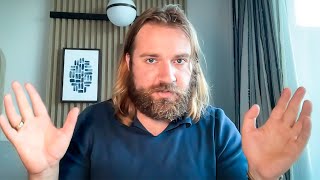
This is a YouTube video titled "How I brainwashed myself to be rich" from June 14, 2024, part of the "My Yapping Channel" where the creator riffs on various topics. The content appears to be a personal or informal talk about mindset and wealth-building strategies.
Beautiful day, a little bit windy outside, but you can see all the boats out there and out here for a quick little event. But it wasn't always that way of, you know, being able to have those beautiful views. And in fact, I didn't grow up with a whole lot my parents, I grew up with. I saw my. My dad built a. Build a business when I was, I think like 8 years old, 7 years old. He ended up launching his own business, having his own business, and it was of like selling vacuum cleaners and in people's houses. And then he ended up owning his own franchise. And then business was doing really good for him until around like 2006 and 2007, 2008. It's some issues with business. And then also we went into a recession at that time as a country and then whereas an economy. And then I saw them kind of lose everything and I saw them have next to nothing for a pretty long time. So. And I like, I saw my dad work his way up, but he never got to where he was rich or wealthy. So in a way he was, you know, I didn't really have any sort of inspiration when it came to finances. It was always kind of like the basic advice, which is like a pass saved as a penny earned or, you know, go to college because you need to have a degree and all of these basic principles of, you know, what, you know, people that want the best for us grew up on that was, you know, their advice from their generations. But I grew up in a time of changing generations, and I also grew up in a time where it's like the advice started moving. You know, it made sense for a long time to go to college, but then it got to the point where it. It's so flooded with, you know, the market of just a. It costs a lot, a ridiculous amount to go to college, but then also as well, just, you know, there's no guaranteed placement when it comes to going to college. So I had to like, I always knew that I wanted to become rich, I always knew I wanted to become wealthy, but I had to kind of blaze my own trail and I had to rewire my own brain and I had to train myself to become rich. And so inside of this video, my goal is to help you kind of buy, help bypass the time for you guys on how to become rich. And actually just I've been doing this on a couple of my videos, so I'll do it for this one as well, which I will open up one of my, one of my businesses, one of my tracking Softwares for how much revenue that we have done for one of my companies. And then now, basically now at this point, at the age of 25, I've been able to generate over $3 million. I'm on pace to do 2 million this year. And I definitely have had to rewire my brain. And that's even why I'm out here right now, out in Puerto Rico, to do that further. And so here I'll show you. One of my businesses, just one of my businesses has done just a little over a million dollars in the past. You can see the time frame there. Just, just about a year. So I have many other things I could show. Like I said, like last year I did like 1.5 million. This year I'm on track to do over 2. I'm trying to shoot for like 3 to 4 million. So we'll see how it goes. Typically, the end of the year is more the busy season for me, but anyways, so these are the things that I had to learn to become rich. These are kind of the principles that I learned and also kind of the stories that come with it as to how I applied it. My goal inside this video is hopefully I just reprogram your brain in the process, maybe you listen to us a few times, maybe watch this on a few of my other videos or a bunch of my other videos, and you're able to kind of download my thought process. So that's why I started this channel. So the first thing I would say that I really had to learn was that you have to ignore advice from broke people. Never take advice from people that are not where you want to be. I think far too often we look up to our parents and we look up to these people and. Or we take the advice of these people without necessarily asking ourselves, is this what I want? And so a lot of us, we are getting advice from all these people, but it's like they're a counselor at a school. It's like, should I take advice from somebody that's a counselor at a high school? Is that really for me? Unless that counselor is really badass and they're really aspirational for me, and I want to be like that person. Otherwise, most of us, we need to ask ourselves, who are we taking this advice from? And is this somebody that is qualified or at least in my eyes of what's qualified or my. What I want in my life, in my vision that I have for my life, is this person qualified to give me advice on this subject? And so I will. I will say What I had to realize is that a lot of the people that I thought were giving me good advice, they just wanted what was best for me, but they didn't necessarily know how to give that to me. And so they were giving me the best advice that they had for me at that time and their lives based off of the advice that they had now. You know, none of these people growing up that gave me advice were what I wanted and I just didn't know how to find that. So a lot of these people, you know, they had good careers, maybe six figure careers that owned a house or whatever, but that's not what I wanted. I wanted significantly more than that. And I felt, I felt like I was worthy of doing so much more. I felt like, you know, after seeing how many dumb people were just making so much more money than me, I felt like I wanted to make more money and do more in my life. And so what I had to realize was that a lot of these people's lives were not applicable to mine and the advice that they had were not applicable to me. So what I had to do was I had to seek mentors, I had to seek people that were further than me, and I had to seek and find people that had more wisdom than me in a, in an area in my life that I want to go. Like, I'm not going to ask a fat person how to get fit. I'm not going to ask a broke person or a poor person how to get rich. I'm not going to ask someone with the poor relationships and multiple divorces on relationship advice. I'm not going to ask somebody who's depressed as shit and taking 20 medications how to be happy. Like, that's just not how, you know, it doesn't make logical sense to ask these people for advice. And so the main thing I would, the first to start off with this video, I would tell you, is to be careful and conscious of the people that you're taking advice from and what is the, what is the place that they're coming from giving you this advice? And it's a bit challenging at first, kind of navigating these waters, but over time you kind of start to get better of just, you know, listening to people, knowing that people like knowing people's intentions. Because anytime my family tries to give me advice and I kind of share my life with them, they always give me some rudimentary advice. Go buy a house, go, you know, go rent it out and go get a degree. Because you, you never know if you're going to need that. But I'm sorry, but none of these people are where I want to be, so it doesn't even make sense to take that advice. And so what I will typically do is like, oh, okay, cool, yeah. And I just kind of. I accept it. Like, I take it in. So I'm not rude. But I know inside of my head that this is not advice that I'm going to take. And if anything, maybe it's like marketing material for. For if I'm, you know, trying to. Trying to talk to that audience whenever it comes to making content. So that's. That's typically. I view it as a learning experience. I'm like, okay, cool, this is what people think. Okay, cool. This is how I can talk to people of that nature. And so that brings me over into my next point, which is money loves speed, wealth loves time. And so a lot of people, you know, like, I've worked with a lot of people, I've coached a lot of people to making their first money online. And what I will say is there is a clear, distinct difference of the people that make 10 grand really quickly in the first, like, two, three months versus people that, you know, never hit that point. And that is the fact of the people that get to, you know, hitting these major milestones really quickly is they are very intentional with their time. They are moving quickly. As soon as they get advice, they apply it immediately. As soon as they have an insight or an information or something that they need to apply to their life, they applied immediately. The people that don't, quite frankly, never do anything with the advice. So money loves speed. Money loves things happening quickly. If you can do something, move fast on the information that you have, or if you have a service that you're offering and you're moving fast on it, you can charge more. Money loves speed. And then wealth loves time. So you got to make money quickly and you got to get rich. But if you want to become wealthy, this is something that happens over decades, over centuries. So the wealthiest people in the world are. They have. Their wealth has been accumulated over centuries. Unless it's, you know, something, you know, that where you have, like a software or something like that, or, you know, these people that have became billionaires, that's a little bit different. But for the most part, money loves speed. Wealth lost time. And so a lot of it's just accumulating money and accumulating cash flow and building businesses and building, you know, things that generate income and moving fast to do that, and. And then taking that money that you make from that and applying it to things that are going to build wealth for you. Because a lot of wealth is preservation, like preserving of the money. And then it's also slow gains over time. The S&P 500, it increases on average like 7% a year or something like that, or 10% a year. And so it's putting money into things that are extremely stable. But you need to have the money to need to preserve and to grow over time. That's going to pay you out in massive dividends. That's going to have massive cash flow for you. So you need to focus on, on moving quickly. And also you want to, you know, put a, like start investing that money so then over time it's able to accumulate for you and a little bit of some on speed things. Like I'm at this mastermind right now currently and there's like some things that they're giving me inside of the mastermind. And as soon as I realize, like as soon as I find the things that are like the bottle next to my life or I see that there are things that I know that if I apply them, apply them to my life, they're going to change me dramatically. Change everything dramatically. I do it immediately. It's like, okay, I need to start being intentional with going to the gym or you know, setting aside time of the day to, you know, mentally reset. Okay, cool, let's put that in the calendar and then applying it right now. So that way when the time comes, I'm already like pre programmed to do those things and I've already kind of did the thing and then it's already now immediately a part of my habits instead of, okay cool, that sounds good. Put writing it down somewhere and then never doing anything with it. So advice for you, Anything, any sort of advice will either be out of this video, anything that you pick up that you know is going to get you towards the closer to this place that you're going, take action on it immediately and then you'll figure out kind of the rest as you go. Don't wait to take action do. The faster that you can do things and the faster you can put things into movement and to progress, the more money that you're going to attract into your life. So that brings me over to my next principle here, which is money goes where attention flows. And so if your attention is constantly over consumed by, you know, these things that are unhealthy or for, that are toxic for you and aren't necessarily serving your life, you're going to, you're going to constantly never have enough. You're going to be constantly confused, like, where is the. Where, where is all this money? And so a lot of times too, you know, a lot, a lot of us get programmed or we grow up in, in life being told that we need to save money, that saving money is a good thing. But when you focus on saving money, you'll focus on growing the amount of money that you have, which money is nothing but a tool, which we'll talk about in a minute. And money does not serve any sort of real purpose other than when it is being used. And so instead of focusing what you don't want, you don't really want savings. Like, yeah, you want to have like a safety net when it comes to your finances. And like, if you don't have one, definitely focus on growing that and get to where you have like six months of savings. Savings. But once you have that, savings can only get you so far. Instead, what we need to focus on is the cash flow that we have and growing our means. Because if we're viewing everything as like a saving problem, we just need to save money. And that's the issue why we're not getting rich. Well, if you're only getting paid $10 an hour and you're only making three grand a month, you can only save so much money. It's only going to grow so fast before, you know, inflation takes over or whatever have you. So what you need to focus on or what we need to be conscious of, on shifting our focus of. Anytime that I realize that I don't have enough money, I focus on, oh, instead of like my saving habits or my spending habits, instead I focus on cash flow. How do I get more cash injected into the business? How do I get more revenue into my business? How do I. How do I focus on getting more movement, more transaction, more velocity, more velocity of the money, more input and output? And how do I focus on more money moving through me? And so by focus shifting my focus on that, I quit caring about saving money because I realized that it's like saving up ten grand. And let's say that you save that up for however long, it's better to just learn how to make like 10 grand a month or 20 grand a month, 50 grand a month. And then you just unconsciously just have a ton of money from over time. Like me going from zero to a hundred thousand dollars in my bank happened in, I think it was like 20 days or something like that, 30 days. I just couldn't spend more than I was making. And I Just all of a sudden went from like having no money in my bank to where I had all of a sudden like over $100,000. And that was just because I got to the point where the cash flow was so much faster than my actual spending habits. And it just got to where I was making significantly more than I could spend. And so I, for the longest time, until I'm doing over like 300 grand a month consistently, I just focus on, just get rid of whatever money that I have to invest into myself and invest into my ability to generate more money and to bring in more income and to become more powerful and to have a sharper edge and to have better talent at my company and to have better systems and better processes, knowing that inevitably I will get to a place where it's. At a place again where I'm making more money than I can possibly spend. Because for me, the way that I view it is if I'm making less than 100 grand a month, less than $200,000 a month, then it's not really that much. Like it's, it's not really going to necessarily like I'm not going to be able to have any sort of like actual lifestyle or be able to do anything, especially being in my like mid-20s, if I was like 40, maybe it might be a little bit different. But considering I'm at such a young age, I just need to cash flow. That's it. That's all that really matters. If I get cash flow going right and I got that part solved, everything else is going to kind of work itself out and problems will kind of, I can always solve it by bringing in more money and figuring out ways. I know that down the road when I'm making half a million dollars a month, a million dollars a month, and I can kind of focus more on wealth principles. And so what you need to focus on is, you know, where your attention goes or where your attention goes, the money flows. And so all that, typically a lot of it change. Like a lot of me making more money is just paying more attention to the money, paying more attention to cash flow and measuring the cash flow on a month to month basis. The question for you is, when was the last time you wrote down how much money you made? And day by day or week by week or month by month, probably never. So if you, if you haven't done it at all, start tracking how much money that you're making every single month. Because then as soon as you start focusing on that and you started focusing on how much cash flow that you have instead of how much money you have in the bank, you're going to start being able to see that go up and you start to kind of, you start to see when you see the cash flow and you see how much money you have, then you can focus on, on growing that into increasing the momentum and then increasing the velocity of the money movement that you have. And so that brings me over to my next point here, which is avoid rushing decisions. I will say nothing has bit myself in the ass and prolong things than rushing decisions. I think far too often, you know, we're afraid to Invest, let's say $10,000 into some mastermind or some mentorship, but we don't blink an eye at bringing on an employee at $5,000 a month. And then now we have a $60,000 a year salary. And so one thing I want to encourage you guys to in this video, which is, is thinking about the consequences that come with the decisions. Now don't take forever to make decisions because unmade decisions can really stack up and build. But give yourself a day. Make sure that you're in the right state of mind. As in, like, get some sleep, eat some food, then make a decision. Whenever you're like, in the optimal peak state, then make a decision. And what you will see is instead of like, doing it when you're hungry and you're tired and it's been a long day and you got a big decision to make, you know, always try to push those decisions off, like another day, or at least another day or another two, or when you know you'll be in the right state of making the decisions. And sometimes I'll know when I have a really good day, I'm like, okay, what are the decisions that I can make today knowing that I'm going to be good at making decisions. Because what we don't think about when it comes to making decisions are the consequences that come after that decision. We think, okay, if I make this decision, this is immediately what happens is the X or X or Y A or B. But what we don't think is, okay, if we make this decision this way, then it'll make this thing happen here. And then the domino effect of one after the other of all these things that impact it. So a good example of this would be if I, if I don't hire a video editor, then the immediate consequence is, okay, then I have to spend the time editing this video. But the consequence of me not hiring that editor isn't just me, not me having to spend time Editing in this video. But that means every video I have to edit, as long as I don't have an editor, then I have to edit. But then on top of that, then we also have the opportunity cost of. Because that time, let's say it's an hour, two hours, however long it takes to edit it, video is taken away. Like I have to focus on that now. I can't focus on other high leverage opportunities like doing business deals or developing other departments inside of my company or even my own kind of personal happiness, like is like doing things for myself is being taken away by me not hiring this editor or me hiring this editor. That's not good. Also then has those effects as well. Now it's going to take me five times longer to get the results that I'm trying to get. And then also, you know, it leads to frustration that comes with it as well. And then also whatever the cost is of working with this editor, when after like 10 videos, it probably would have been significantly cheaper just to hire the more expensive one that's way more qualified. And so being really intentional about the decisions that we were making and not just rushing decisions because all the rush decisions that I made just because I was just frustrated and I just wanted the solution right away are things that led to me being further from my goals and being significantly further away from where I really wanted to be. And then I had to kind of go back and re rework the decisions that I made in the past and figure things out. Or even worse, you know, I've had some decisions where they've had huge, massive consequences to it and I had to, you know, deal with the consequences and I had to had to learn from my failures and learn from my experiences so I didn't make those bad decisions in the future. So one thing to kind of save you guys hopefully here is just avoid rushing decisions. So bring it over to the next point, which is being intentional with the money that I do spend. So I am all for buying fun, stupid luxury items and doing that. You know, I think it gets frowned on a lot as it's this nightmare of a thing and it can really set you up for failure. And I think there is a such thing as, you know, there is overspending and you can totally overdo it. But I think buying nice things and spending money is totally good. You know, buying expensive masterminds, good. Buying expensive watches, I think that's good. Buying expensive clothes, I think that's good too if you are intentional with the money that you are spending because I guess I'll do it for, like, maybe like a watch as an example. It's not just an expensive watch that you buy. Part of it, you know, is they hold their value so that you kind of have that going for you. So it's not like, you know, you put $17,000 into this. It's not like you're out 17 grand. A lot of times, you. It's just a store of wealth. It's. I can go sell it for 17 grand. But on top of that, it is also a part of my costume. It is also a part of, you know, the programming that I wire for myself, that me wearing this watch means that I had to become the person that was capable of affording the watch. And so whenever I am thinking that I am inadequate or not in the right, right rooms and I'm in these places that I feel small and I feel like I don't fit in because people have significantly greater success than I have, I can look at it and realize that I have, in the past, accomplished something that I didn't think was possible or, like, I barely thought was possible. And I thought it was going to be crazy to go and achieve. And so I have things like that, like my supercars, something like that. The place that I live is something like that. The clothes that I wear or something like that as well, where it's just like, you know, every day I'm wearing a different pair of shoes, and they're all really expensive pairs of shoes. And I'm like, okay, after, you know, day five of wearing a different pair of shoes that are expensive, the thought process that goes through my head is, okay, I'm pretty wealthy. I'm pretty abundant. I'm pretty rich, actually. And, you know, just one of these would be something crazy to my mind. Just a few, like, a few shorts years years ago or five years ago or whatever would have been wild to me. And so it's about being intentional with the things that you buy and having a reason and having a. You know, I call it a frame. Like building a frame around the reason why you're making these decisions. But the better word that I've heard lately, and I want to start using more, which is like, it's the paradigm that I chose. The paradigm that I chose is that I am this person, and me buying these things is an expression of me being this version of myself, of being this person that is abundant and extravagant and wealthy and rich and all those things. And so that me spending money on these things is reminder to myself that I am those Things. And so it's about being intentional, not just buying the thing and, you know, trying to flex to all these people that really don't give a. And to all these people, like, trying to, you know, get these other people to think that you're rich. It's. It's none of that like, like, or you need to be intentional about not trying to show off to these other people, but more so showing off to yourself. And being intentional about this is a way of, you know, allowing my brain to physically recognize that we have made progress, we have made distance, and associating, you know, the expenditure of these things to us hitting these milestones in life or in business. So that way it's constant reminder to ourselves that we are this person. The same with, like, investing into mentorship or programs. Like, I've invested over $300,000 into. Into mentorship and programs and courses now at this point. And they just have all. They've all taught me a lesson. They've all in one way, shape or form, whether it be, you know, some of the ones that I bought that were bad and sucked. They taught me, okay, this is how not to get rinsed again or how not to buy the thing that's a. That's a complete waste or some of it. You know, I've learned a lot about myself, and I've also, you know, just learned a lot about what other behaviors and habits that other rich and wealthy people have, whether it be industry specific or a specific category in my life, like this mastermind that I'm going to. It's kind of business, but it's not really business. A lot of them that I've gone to are more business focused and are significantly, you know, more just like, tactical of, okay, I need, like, this is the problem that I have in my business. So I need to do why and then instantaneously, you know, make an extra 30 grand a month. Now, something like this might be significantly different. Now it's about, you know, this is something more about, like, purpose and making sure that that's, you know, a priority in my life. So then all the other things can kind of naturally unwind themselves, and I start making the right decisions, and all those right decisions come significantly easier. And so it's just being intentional with those things. Like, I've. I've bought. Invested in myself in so many different ways and just like, developing skill sets. Like, like, I remember I learned how to do real estate. I learned how. I bought courses on how to do YouTube. I've. I've. I bought courses on all sorts of things. I've spent a lot of money on this stuff and mentors and. And. And developing these different areas of my life so then I can become a significantly more powerful person. So invest your money on courses and. And mentorship and. And. And things that will level you up. It doesn't always have to be courses of mentorship. It can be putting yourself into environments that would typically be uncomfortable for you to level yourself up. So, like, staying at really expensive hotels, driving really nice cars, doing these things will kind of even just level your mindset up as well, and they will help elevate you as a person. So the next one that I have on here, which is money, is a game, at the end of the day, money is a game. When you have no money, it sucks. It's hard. It feels really like the game feels like it's against you. Like, the cards are not stacked in your deck. They're stacked in other people's decks. But what I will say is the person who loses games are the. Is typically the person that takes it way too serious. The people that take games too serious are the ones that tend to not have the most amount of fun, and they typically struggle with games unless they're really experienced at the game, and then they take it serious. It's a little bit different. But what I will say is the more serious that you take the game, the. The harder the game is. And so what I will say, when I. When I say serious, I don't mean, like, being intentional and being really strategic. I just mean when you take it serious, as in you take it personal and you emotionally invest yourself into the game, you lose. As soon as you start getting frustrated that you are losing the game, you lost, you lost the game. It's. You lost like it's over. So instead, what you have to realize is that it's a game. It's not that serious. And I know it's easy to say, easier said than done. Easier. Yeah. Easier said than done because it's like, okay, because I'm not winning the game means that it's hard to put food on the table or rent is due, or I have people that are dependent on me, or my life is, you know, a mess because I don't have the money. What I will say is like, first of all, money isn't real. They literally print, like, half a billion dollars every single day. Money isn't real, as in, you know, there's just. There's money being created out of thin air at ridiculous volumes every single day. And Then there's so many opportunities out there. It is, you know, they're literally numbers on a screen. Like, they don't even have, like as much physical cash as they do, you know, numbers on a screen these days, it feels like. And so what I will say is the less serious that I take it, but I'm intentional about it. But I am, I don't take it personal. If I am down in the game of, you know, playing Monopoly, if I'm down in the game, it's not a big deal because I know it's a game and I can find a way to get it back if the right opportunity arises. And so you need to view life through that same exact lens, which is that it's not that serious. The more serious that you take it, the more that you're setting yourself up for failure, but instead just realizing that these circumstances that you have arrived at now, right now, at this, the moment of watching this video is because of the decisions and the way that you played the game in the past. And it's just a logical. You just need to get better at playing the game. So then you're in a better situation. Situation in a better circumstance. And that thing, decisions in the game are not final. There will always be more opportunities for you to put yourself in a higher strategic position in this game. But as soon as you start taking it serious and start outcasting your, your reasons of failing the game out to others and giving external sources power, then you're robbing yourself from your ability to become better at playing the game and to become more intentional with playing the game and to have more fun playing the game. Because what I will tell you is if you're making a ton of money, you're probably going to think that the game's really fun. But if you're losing and you're losing at Monopoly, the game's not very fun. But if you win Monopoly, like every single time, you're just really good at it, you're going to have the time of your life. So what you want to do is find a way to have fun in the chaos and the, in the, and the learning of the strategy inside the game, and you will become better. And that is how you become rich. So that also brings me over to the next part, which is money as a tool. So the thing about money is it's literally just pieces of paper. It, like, unless you're in the, like, the only value it serves, like in the physical paper version of it, is if you're really cold, you can catch up, set it on fire, and then you can warm yourself up with the paper. Other than that, like, if you're out in the middle of the Arctic, it serves you no favor. It's not food. You can't eat it. There's nothing that I can do other than, other than use it for fire. If you're in the middle of nowhere, and that's the same with, that's what the same when it comes to life is just, it's a tool. It's not, it's not good, it's not bad. It just is. Money is just a number. Money is just a, it's a currency that allows you to do things. That is it. And so if you view it through that lens that it is just a thing, what it allows us to do is to take it off of this pedestal that a lot of us put money onto. A lot of us view like we freaking bow down to the, the money gods and we put it on this huge pedestal. But an analogy I'll give you on that is imagine like you put a, some girl in high school that you think is really cute on a pedestal and you just praise to her like she's some like goddess or something like that. And you just, you know, you treat her like this in high school, you're gonna be a weirdo. The girl does wants nothing to do with you. And if anything you're pushing it away. You're pushing her away because it's just weird. And the girls watching this video, you know, imagine some guy that's just like, you know, weird about you and like, creates a shrine about you and all this stuff and, and thinks about you all day and you don't really care about him, like, that's just weird. And so money is the exact same thing. If you're just like putting on this huge pedestal or Ferraris and this lifestyle and all this stuff you're on, you know, you're just praising to it all the time and you give it so much value now it makes it really difficult for you to attain it because it, it means so much to you. But if you don't care and I, I know it's kind of like I'm trying to give you guys the, the sauce here inside of this video. If you don't care about it, like you care, but it's not like, you know, you're not going to live your life by it. It's significantly easier to, to attract without getting all woo woo here, but it's significantly easier to work with because it's, you know, it's comfortable to you. It's. It's not like. It's not like something that is, you know, so special anymore. And instead it's just like, okay, yeah, it's just money. Yeah, it's a tool. It's money, but it's just money. That makes sense. So that brings me over to the next thing is this one I wrote down in my notes, which is I'm psychotic. The reason why I say like, I'm psychotic is so one thing that I learned when I was becoming rich was that any sort of setback, any sort of failure, any sort of thing that goes wrong, any sort of thing that is really awful in life that is perceived as awful could be the worst. Like most terrible things, I always view it as progress. I view it as, that's a good thing. That means change is imminent. That means transformation is imminent. That means things are happening. Failure at the end of the day is a result. That means something had to happen to. To get a result. That means transformation. That means movement happened. That means progress was made. And so a lot of people, because of how we are programmed in this system and society, that the way it is today is if you fail, you're inadequate, you're not good enough, you can't get the job, you can't get your degree, you are punished in your household. We grow up in a society where if you get an F on a paper, that means you lost, that means you suck, that means you're not good enough, and that means you're gonna become a pot smoker, homeless person. That's not doing anything with. It's just. It's portrayed in this, in this light that you're just a piece of shit. But what I will say is when you start meeting successful people and people that do things, it's not rainbows and sunshine for any of us. If anything, we probably fail and mess up and fuck up more than anybody else. And so what I will say is it's the rewiring of that. Failure is the thing. Failure honestly doesn't exist. There's only progress. Progress is the only thing that happened. There's just progress that's made that doesn't serve the result that we're trying to get or progress that's made that gets us closer to the result that we can double down on. That's it. And so a lot of people, they, when I, that I've worked with that like run into a big failure or a big setback, it demoralizes them. It sets them up for somewhat like they're just like, they can't handle it. And it makes it extremely difficult to make that next step and to make progress, like to move forward. But instead, if you view failure through this light of cool, this is learning, this is growth, this is progress. I got rear ended. Hell yeah, you know, or I got, I got called a douchebag. Hell yeah. Cool. This is progress. This is something to learn from. I sent money to the wrong person on Venmo or PayPal and it was like, a lot of money. Hell yeah, this is progress. Cool. We get to learn. Like I said, I'm a psychopath. And that's what I learned, is like, these rich people, they're freaking psychopaths. Whenever they make, whenever they make mistakes, they're. They're psychopaths. Their logic kicks in and they realize that this is an opportunity to become better, to learn more. Some of them are really freaking stupid lessons that we have to learn that we realize that we didn't need to learn. Oh, we sent a lot of money to the wrong person. Okay, well, we gotta really be intentional and pay attention to things and watch what's in front of us and be in the moment so we don't do stupid stuff like that. And it's this taking of extreme ownership of the failures and of the things that we run into that allows someone to constantly keep making progress and ultimately become rich versus someone that stops in the tracks, never gonna do anything ever again. They become a scared little whatever you want to say, and they don't make any progress whatsoever. And that is the difference. It's recognizing that failure is progress versus failure is inadequacy and loss. Because if you start associating failure with inadequacy, you're going to avoid it like the plague. And it's scary and you want nothing to do with it. Versus rich people. They welcome failure. They're excited. They love failure. They love learning other people's failure so that way they don't have to go through that same stuff and get kicked in the. Kicked in the nuts or whatever you want to use as the analogy there. Like, they're like, heck yeah, tell me, tell me more about this failure so then I can learn through you instead of having to go through the failure myself. So like I said, you have to become a psychopath in all the right ways when it comes to failure and changing your perspective on it. And honestly, that was a huge cue of me because becoming rich. So that brings me over to my next point, which is set goals and do the math. Becoming rich Is a science. It's math. People think that it's this magical thing that you get lucky and all this stuff. You just gotta do the math. If you want to make a million dollars a year, all you have to do is sell. What's the math? You gotta sell 200 people on a $5,000 thing. That's it, 200 people. So if you sell something like one person every, like every other day, just about you will make a million dollars in a year. If you have a $50 thing, or let's say 100, just so my math is easier. If you have $100 thing, then all that you need to do is sell 10,000 people on that hundred dollar thing. That's it. I know it sounds like, I know, it's like, but once you start doing the math, you can start breaking down and decoding how you can get there. And then what? You start asking yourself. Now it's like, okay, so if I have to sell 10,000 people on a hundred dollar thing, okay, what's a hundred dollar thing I can sell? Or what's the thing that can make me a hundred dollars? And then how do I do that 10,000 times? How do I sell 10,000 people? And then you start doing the math, okay, so if I got to sell 10,000 people, then you pull out the calculator, okay, divided by 300 people, okay, so that means I gotta sell 30 people a day. Okay. I mean, it sounds like a lot still, maybe, but all you have to ask yourself is, okay, how do I sell 30 people a day on $10? A $10 thing? Well, either you can get people on a recurring thing and it makes a little bit easier, or you probably would have to build a system to be able to in and sell to 30 people a day. So you got to set up a payment processor, you got to set up a website, you got to come with product that people want to buy, and then you got to put it in front of them. But now it's logical. So then all you gotta do is like ask yourself, okay, if I gotta sell 30 people a day. And let's say that if for every hundred visitors I send to this website, three of them buy, okay, then if I need 30 people a day, then I need a thousand people a day to see this website. So then if it's like a views thing and you're trying to get this traffic via, you know, organic YouTube videos, okay, so if I get say 100,000 views a day on YouTube and I get 10,000 of those people, or a thousand people of those 100,000 people a day to go to this website and 33% of them buy, that's 30 people buying a day. A ten dollar thing, you're on your way to doing a million dollars a year. So it's doing the math and it's doing the math in the way that makes sense to you and then finding the ways to go do that. So now I'm trying to make like, you know, $10 million a year. And so if I'm trying to do $10 million a year and have an eight figure company, then what I need to do is I need to do the math there. So instead of having to sell, what was the math? Instead of having to sell, if I had a $5,000 product, I'm trying to make a million dollars. See, I still haven't done the math and I need to do it. So if I want to make, if I'm selling a $5000 product, I just have to enroll to like sell 2000 people people on it. So if I can sell 2000 people a year on that, then that means I just made $10 million. And so it's doing the math and then finding ways to make that math problem happen instead of viewing it as this lucky thing. Instead of doing the math on how many things do I need to do to actually get this result. And so that brings me over to my last point, which is kind of a total curveball from the one that we just talked about, which is the having of gratitude. I think a lot of us, you know, we have to, we always ask for things to be grateful for. And I think a lot of us are told growing up that like, you know, you need to be grateful. You know, there's kids in Africa that can't afford to put food on their table. And yeah, there is, that is kind of a valid point. But I don't think that's like a necessarily healthy relationship with gratitude. And so what I will say, and this is a quote that I wrote down that I heard while reading a book on the airplane here, which was stop praying for things to be grateful for and instead pray for the wisdom to realize the things that you can be grateful for. Because what I will say is that money is not going to solve everything that you have in your life. People say money doesn't buy happiness. I think money does actually buy happiness. It's pretty sweet having a ton of money. It makes life a lot easier. But what I will say is it's hard to feel abundant if you have nothing to be Abundant for. And as I was talking about earlier, putting money on a pedestal, as soon as you start putting money on a pedestal, it makes it really hard to work for. As soon as you put this thing as like the holy grail, you're kind of pushing it away from yourself and you're retracting it instead of like attracting it. And so when you find things to be grateful for in your day to day, like I'm grateful for this light while I'm recording, so it can make it easier for you guys to watch the video. I'm grateful for my laptop having a camera on it so I can just easily record videos and not have to put my phone on a tripod and then have it kind of like a weird angle or something. And it's easy to make videos for you guys. You know, finding these little things to be grateful for and having the wisdom to find all these things to be grateful for, it makes money and attracting money and making money significantly easier. Because I'm already full. So when you're already full, it's easier for you to receive. Like, think about it, the guys that are, you know, that have these great lives, they just have all this greatness happen to them all the time. And that's because they just are already full. And so they're easy to give more to because they're already full. Like, they're just, they're, they're. You, you know that if, if, if you add to a system that is already full, you're going to receive back basically what you're giving. If not, sometimes if it's like this thing that it produces more than it receives, you're going to receive more than what you gave that thing. And so if you become that person that is so full, it's easy for you to receive things and it's easy for you to turn those things that you receive into more. Because you become a power plant, a manufacturer of abundance and a manufacturer of, of giving more to those around you. And that's where, you know, you develop this kind of like aura to you that's just like people want to be a part of you and they want to be around you because you, you give so much that they know that if they give to you their attention, they give to their dollars, then that means that they're going to receive significantly more dollars than what they gave you. They're going to receive more than what they gave to you because you are somebody that has, that is so full and so overflowing of abundance. So that's what I Got quit taking advice from dumb people or not dumb people quick. Taking advice from broke people, being conscious of the people that you're taking advice from and start applying some of these things on a day to day basis. This isn't something that just overnight you're going to become rich. These are habits that you start to apply to yourself and in you. Listening to this video over and over again, you will remember the points that I talk about and the in the stories and everything. And what I will say is that motivation and these knowledge that I am sharing with you today is something that I've heard thousands of times and I still listen to every single day. A lot of this information that I'm sharing with you, I listen like I already know it, but I also listen to it and I hear it over and over and over and over again to constantly renew myself of what these things that are really important and what are of things that don't get mentioned and are less important. And so the more that you are constantly pouring into your brain these habits and these principles and constantly hearing them over and over again, the more that that's gonna be the person that you become. So if you're watching this video expecting to get rich, what I will say is good luck trying to get rich quick, but in reality instead try to focus on getting rich quicker but by doing the things that are going to compound and to force you to keep recognizing these opportunities and to become the person that is rich and knowing that money will come to you when you become the person that is a wealthy individual. A rich individual. I'm not talking about some woo woo stuff. I'm just saying when you wire your brain, so when you're in these opportunities and when you're doing the work, you see greater opportunities and you chase after those greater things instead of constantly doing the same thing that you're doing every single day that has you stuck in this position that you're in today. So. So if you got value out of this, watch this video over again and again and again. And then also subscribe and watch the other videos on this channel. I'm Devon Knop and I'll see you all in the next one. Peace.
More from Devon











Powerful dopamine junkies, Geniuses are depressed and Nueroscience of environments