I dropped out of college and burned the boats lol
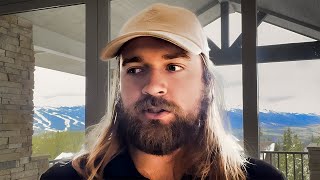
Devon Canup dropped out of college with no backup plan and worked various jobs to learn about leverage and financial independence. He argues traditional education limits your potential and that pressure forces real growth. The video is his case for burning the boats and betting on yourself.
Get a little sip of some coffee before we get into the video. So I dropped out of college with no backup plan. Imagine standing on the brink of a life altering decision. You've invested years and tens of thousands of dollars into a prestigious degree. Your future is seemingly secured with like a lucrative career. But deep down you feel a gnawing emptiness. A voice telling you this isn't your path. So what did I do? I dropped out of college with no backup plan. I was labeled as crazy for a good amount of time, but I couldn't really see it any other way. The seeds planted, really. When I got a job in high school, I remember vividly, like in order to go to this baseball camp when I was 16, I wanted to go like pro playing baseball. And so I had to. I went to this baseball camp out in California and going out there to live there. My parents weren't necessarily wealthy, they weren't crazy well off, and it wasn't like something they could really afford. So what did I do? I got a job while I was doing this baseball camp. So that way I could afford the training. So literally I would work eight hours a day, and then the evenings I would go practice and train playing baseball for a few hours. So what this turned into was, you know, I was working this job and I was kind of, you know, this was my first real experience with what it was like to make money and what it was like to work for somebody, to trade my time for money to be able to, you know, pay for my own basic necessities. Luckily, I had someone kind of host me that summer. So I don't necessarily have to pay rent, but I did have to pay for my own gas, pay for my own food, pay for my own trainings. And at the end of the day, I wasn't left with a whole lot. I remember very vividly there was one week in particular like I had, you know, I worked my ass off. I was like, I was trying to just give it my all and then just really do what was perceived as like hard work. More so for partially for the reputation of like, I didn't want to be the little bitch inside of like this with these other guys that I was working with. And then also part of it as well was I, you know, I felt like the harder I worked, the more money I can make doing this. And I remember very vividly I'd had like this one week I worked my ass off. I put like four, like whatever, 40, 50 hours into it. I was, you know, I remember I was literally had Blood, sweat and tears put into it. So I literally had like this big huge, like nail that went to my back and I was bleeding everywhere and I didn't tell anybody about it. But anyways, at the end of all this, I got this check of them, easily 400, $500. And I told this about it in some other videos as well. But I just remember sitting there realizing that it didn't matter how hard you worked, if it didn't, if you didn't have a vehicle to be able to kind of like sustain a larger growth or a large amount of money you can make. You know, when it comes to like something like, because I've done other jobs where I did sales, the harder I worked in sales, the more money I actually made because the income was untapped. I wasn't trading time for money, but instead I was trading, you know, the better my skill sets were, the more money I was able to make. And the same when it came to YouTube, when I started first doing YouTube or when I started flipping houses when I was in college, like when I first started doing that stuff, it. The more that work that I put into it, the hard work that I put in, then I actually saw a reward. If it wasn't financial, it was always, there was a learning experience. I was always involved with it. I would always gain a little bit more knowledge, I'd become a little bit more experienced, I would understand the process a lot better. And over time, the more hard work that I put into that model or that vehicle, I was able to make more money. So I started to really see the, the difference of leverage versus trading time for money. And so I remember just very vividly just seeing that. And so, you know, after, after I had this experience of working this job in the warehouse of being able to go and make some, you know, make some money with trading my time, you know, I, I realized I was like, okay. So I started looking at me going to college and I realized that it would be a waste of time. Like, I needed the highest leverage possible out of college. So what did that mean? That meant going on those websites, looking up what were the highest paying jobs that you could get out of college and what were the degrees that you needed to get those highest paying jobs. And on there there were some crazy ones like, you know, aerospace engineering and, you know, mechanical engineering and stuff like that. And I wasn't the craziest, smartest math guy in the world. And then there was like, you know, you can go to law school, you can become a doctor, but anything that was like a four year degree. It was like either business, which even then a lot of people were starting off pretty low, but the income potential was significantly higher. And then the other one as well was computer science. So. And computer science was like super crazy in demand at the time. I know it is now as well, but even more so like back then, and it was still in demand. Like all these companies, Amazon, Google, Apple, any company you can possibly think of are looking to hire software developers. So I was like, okay, cool, I'm gonna go to school for this degree specifically. And as I was going to classes, you know, I, I felt like it was just, it was, it was like a system, it was a game of like, how can I get good grades? More so than it was about how can I become a more capable human being in the world. It was more like how can I pass this class so then I can have this piece of paper that says that I dedicated four years and dedicated tens of thousands, hundreds of thousands of dollars into making this thing a reality versus actually developing these skill sets that made me a more effective human being, that made me a more valuable person. And so I started to kind of realize, connecting the dots, that a. First of all, if I got this computer science job, I was still going to be tied my, my income to time, it was going to be at a much higher leverage amount than if I was working in a warehouse or working like a minimum wage type of job. But still at the end of the day, it was still the same philosophy, it was still the same principle of trading time for money. I had to go work in 40 hours a week or so, 60 hours a week. And a lot of times in a corporate settings when you're salaried and you're getting ch. You're getting in exchange a fixed rate of an income. And so I started to see that like I was did when, when I was looking at it, that versus when I was looking at when I did sales or when I did this like the sales job or when I started flipping houses sales, I realized it was like, yeah, it was a hard work and there was a. I was probably putting more hours in it than I would have at a cushy computer science job. But what I saw was my income would be able to grow not on a, not in like a decade, not in five years, not in a year, but in a weekly week to week rate. I was able to increase my income based off of how I showed up. And if I didn't perform well, if I didn't show up well then my income went down. So it was a direct correlation, a correlation crazy fast feedback loop of as soon as I exchange this amount of value, I would get paid this amount of money. And so it was this, it was this feedback loop of refining what was actual value in the world and what was the thing that was going to be able to generate me the most money, AKA make the gen, like give the most value in this world. So I started to realize pretty quickly that like my, going into my sophomore, into my sophomore year of college that I don't know if I wanted to really work a job. And I ended up starting this business of flipping houses. And I remember very vividly I, I flipped, I think it was like three or four houses while I was in college and I made 30, $40,000 and I didn't probably work more than my college professors. I didn't work necessarily harder than the person working at McDonald's, yet I made the same amount of money. And if I compare it to the college professors, I probably made half as much money and I put like significantly less time into it than they did. And it was because I was building from a place of leverage. So I came to this conclusion really quick that you know, trading time for money doesn't make sense at college. And the whole system of all that doesn't really make sense either really. At the end of the day you're getting a piece of paper and then these days you go on fricking TikTok or any other social media platform and you see the countless amount of people that can't even find a job after they got their college degree. So it doesn't even matter if you got a college degree or not. If anything, like, dude, I like, I've hired, I don't know, hundreds of people now at this point in all my different companies and I never once gave a shit about the degree that somebody had. Like I even have people that like went to Duke or you know, some prestigious colleges in the east coast. You know, these places that are very admirable to the average middle class person where they're like, whoa, this is crazy. Never once did I really consider that whatsoever. When I hired this person, I never like was like, oh wow, this person went to this place. All I gave a shit about was who are they as a, who are they culturally, who are they as a person? And then are they going to actually provide value to my company and make me more money other than that? And would I enjoy working with them other than that? I don't really care about Their accolades. I didn't care about their degrees. I didn't care about any of that stuff. And so me on the other side of it, I really like, I see the pointlessness in getting a degree other than I get it. You know, you want to prove to the world or prove to future bosses that you know, you're able to. So you're going to do something and commit to it and get the grades to be able to pass. At least you're able to beat the system and you're able to commit to something for a long period of time. But especially the people that are switching majors and they're changing their degree and all that bullshit, that's a waste of time. Changing your degree consistently and then it takes an extra two years to get your degree. I don't think it even matters what your degree is. It just if a place does care about you having a degree, they just care that you have a degree. They don't care what it's in. They don't care if it's in criminal psychology, they don't care if it's in kinesiology, they don't care if it's in computer science, they don't even care if it's in frickin. What's one. That's like pretty stupid philosophy or something like that, you know, like that's perceived stupid. I think philosophy degree is way more important than, than an engineering degree personally. But you know, like I came to that realization pretty, pretty early on and I just. This feeling gnawed at me while I was going to class. Like I wish I would show up to class and I'd be there physically, but mentally I was never there. And I was sitting here, you know, I was working some deals while I was in class. You know, I was waiting for like I was able to make some money while I was doing it. I was making some YouTube videos and stuff and all that. I would feel whenever I was sitting in those classes like I was wasting time. I felt like I could better use that time towards actually making money and to provide value to the world and to start leveling up my career, my and my. And developing myself into becoming a more skilled person, becoming better at the things that I was doing. Because I started to view college and school as one of these things that was like, it's a bunch of like useless knowledge that you may never use in your entire life versus when it's like real world application. It's like you can actually see what the thing is that you're applying it to. Which I know a lot of school, they try to, like, they try to craft that in their classes and stuff like that. But not only that, but it was just like, you literally were like, you had the risk of being homeless if you did the wrong things. Like, it was just. It was a real world. If you did the wrong things, you had actual consequences. And there's something about those actual consequences that, like, drove me way more than just thinking, oh, I could get a bad grade on the class. A bad grade in the class never meant anything to me. I just. I didn't ever care about the grading structure other than getting good enough grades to not fail a class and have to retake it, because I had to do that a few times. That sucked. But what I realized is, like, who cares about this, like, fabricated kind of scoring system? It's like, it's like day trading without any real money. Where's the fun in that? You're not going to ever, like, actually learn any lessons. It's not about the fun, but also, you're never going to actually learn lessons. You're not ever going to actually feel like, okay, yeah, I lost all this money, and now I have to, like, find creative ways to make money, to be able to put food on the table or to afford rent, or you have to have those awkward conversations with family or friends or, you know, people that you kind of know in business, hey, I have no money. I need to figure something out. You know, it's like those awkward conversations that you had that it forces you into being a person of value in the real world versus, like, in this fabricated world of college. And then all that you're really building yourself up to is being a good employee. I realized I never wanted to be a good employee. I just wanted to be rich. And if it meant that I had to be an employee to become rich, then that was going to be the way I was going to game the system to go be that. But as soon as I found out that you don't have to actually play the system at all, and instead you can go live life on your own terms. As soon as I realized that, I realized that college was a huge waste of time for me. I realized that I was in the wrong place. I started climbing the wrong mountain. I started. It was like, as if I saw this mountain in front of me and I started climbing, not knowing that there was other mountains around this mountain in front of me that I could go climb that would get me to an even higher elevation or to a better destination that had freaking smoothies and beautiful crafted lattes at the top of these other peaks. Instead, go climb this mountain that smelled like sweaty socks and, and baby diapers that haven't been changed for weeks. And it was just like, you don't know what you don't know. And that's. I, I thought that was like, okay, cool. Everyone has to deal with the sweaty stalk smell just every freaking day. Like I thought that's just how things worked. I, that was, that was just. Yeah, you just had to put up with the sweaty smelling socks. Not knowing that if you just take a look at your surroundings and then kind of, you know, maybe get a helicopter tour or something like that, you can realize we're looking at map and you can realize that there's other mountains that you can climb. And so what did I do? So I never, I didn't officially drop out like in that semester of college or that year. What I ended up doing is when summer came, I moved out on my own. I didn't move back home with my parents. I got my own apartment and I was able to start living on, let life on my own. And while I was there, that's when I really got introduced to life. I think I set aside like 10 grand, 15 grand or so, and I spent all that money, I think in the span of like five weeks, because I didn't know how much furniture costs, I don't know how much things actually cost, I don't know how much rent costs. You know, putting down on a deposit. All these things really add up. So I saw like this money that I thought I perceived to me was a lot of money. And I saw like this, you know, it was always taught to me that 10 grand was a lot of money. And, and in the span of like just under like two months, I, I saw it all evaporate, it was gone and I was back to having to make more money. So it also first of all, like taught me that when I first moved out on my own that like, money isn't really what you think it is, you know, and it's just like, I think we get taught that certain values mean certain things, but when you're actually in the real world and you're actually living on your own and actually in this real world and you have to go figure stuff out and you have to go hunt every single day to go make money, you start to realize that like what people think is a lot really is not that much money because it's just like how quickly it can go. And especially when you realize that's Just like survival. If you look at, like the Maslow's hierarchy of needs, like just in the survival mode, it takes a good amount of money to be able to actually do these luxurious things. To go travel to beautiful Airbnbs, to go on trips all the time, to live in extravagant houses, to drive supercars, to wear beautiful watches. You have to make like actual solid, like, crazy. What's perceived as crazy amounts of money, which is just normal amounts of money to the people that live their lifestyle, but you have to, like, actually make crazy amounts of money to live this dream life. And so I realized, like, pretty quickly that if I was going to go down that route of working a degree or working a job of like during the summer, it wasn't even going to get close to having the lifestyle that I even wanted for another 20, 30 years, 40 years until I was able to actually live that lifestyle. And maybe then I would be able to go on vacation, like for two weeks out of the year. I wouldn't be able to go whenever the hell I wanted, wherever I wanted, and spend as much money as I wanted and to do it with whoever I wanted. And. And so I started to see that, like, pretty quickly when I moved out on my own and I saw what the actual value of money was and I saw how meaningless it actually was and what people. Well, at least where I grew up and how I grew up, what was perceived as large amounts of money could go so quickly and it can't even afford you to do any nice things. So, you know, after that, I was left with nothing. And I was left with this kind of pit of despair and this questioning of myself, of, like, looking and asking myself, like at myself in the mirror and asking myself, is this really what I wanted? I remember, like, sitting there, like, I. I told my parents I was like going to go live out on my own this summer. And then I was very stubborn. You know, I had 10 grand, so I had some money, but then I spent it really quick in like two months. And I had no stream of income. I had nothing. I literally, I had ways of making money. I had new ways of making money, flipping houses and making YouTube videos, but I had no income. So I literally overnight, I mean, over the span of a few weeks, I. I got. It got down to, I think, where I had, I don't know, $50 in my bank account, $20 in my bank account, some amount where I couldn't pay rent. And I had to pay rent, like three weeks. Like, I just paid rent. And I was like looking at my bank. And I was like, I had 200 bucks and I had to buy groceries. I was down to 50. I was down to $20. I think I had to get gas or something like that. I didn't even fill my tank up all the way. And I remember sitting there, is this really what I want? Should I just call my parents, tell them, hey, help me break this lease. I want to move back in with you guys, Go back to college the next semester or the next year and go finish out and get this degree? Or am I willing to do whatever it takes to live this life? Do I really want this life? Do I really want to do what I want in my life? Or do I want to live by the rules set by others? Or do I want to have to go sit in traffic for an hour and a half every single day there and then an hour back? Did I really want to grow up and not be there for my kids? That was something major for me. Like, I remember my dad was never home. Did I really want to be that person where I was never at the. Never at the sports games or anything like that? Or like, I was always gone. I was just out of my kid's life. Did I want that? Did I want to settle for a lesser version of myself, Knowing that there was a greater version of myself that was out there because I saw all these other people that were able to do it? Did I want to give up? Was it worth the sacrifice? And I thought long and hard about this. You know, I was. When I say long and hard, I was anxious as hell. I was having many, many, many nervous breakdowns. I was. I couldn't speak to people. Like, I just. I became extremely socially awkward because I did not know how to. To communicate with those around me. But there was just this. This. This voice inside of my head that consistently rang that if you just keep showing up, if you just keep doing the thing, you will figure out a way to do it, and you will figure out how to get through these tough times, these perceived tough times. You will always find a way. Because I knew in my history that I always figured things out. I figured out how, when I was 16, how to go work a job and to work with a bunch of people that didn't even speak English, how to be effective in that environment. I figured out how to get together money to be able to go afford college or to. You know, I remember, like, little things, like I would sell cars or I remember building a. A business where I would recycle. Recycle bottles and Cans. I remember all these times in my life where I did things that I didn't believe, you know, that I. I had this slight sliver of hope that I could do it, but there was a lot of forces, like, pushing against me thinking, like, oh, I can't do this. But I did it anyways. And on the other side of it, I found a way. Every single time, I found a way. And so in this moment, even though it was like the crazy, craziest moment in my life, I remember just my palms are sweaty. Like, I just, you know, like, I was nervous. I, like, was. I was scared. Seriously, I was scared sitting in this moment. But I told myself, and I came to this realization that I'd rather figure this out and I'd rather get through this, this tough time, and any other tough time that ever comes to me instead of settling for a lesser version of myself. I realized that that moment was a defining moment of me doing whatever it took to figure it out. And I knew that I could figure it out. I had this. I just had this feeling like, I just remember, like, growing up, people would tell me, like, devin, you know, you're capable of so much, like, I believe in you. And it's just all these people that, like, told me that throughout my entire life that they believed in me was sitting there in that moment, and it pushed me to keep going. Even though how I felt, regardless of how I felt, regardless of how easy the other route was, I realized that the perceived, you know, like, short term danger of self embarrassment was significantly greater than long term sacrifice of what is perceived as safety. And so I decided to say screw it. And I went all in. That was the defining moment where I went all in. And in two weeks, I was able to build this thing from the ground up. And I sold it, and it made $2,000 in the span of three days. So I was able to pay my rent, I was able to get food on my table. I was able to see that I was able to create something out of nothing, out of thin air, other than just purely the knowledge and just the experience that I had of making YouTube videos and just starting to kind of build an audience and connecting with people and building Facebook groups and flipping real estate. And I took all that information and I was able to package it up. And in three days, I was able to make $2,000. Bills were paid, rent was paid. I was able to buy myself at least another month. And that's pretty much what it was for a long time. I would buy myself another month. I'D buy myself another month. And so the end of the summer came. That year. I think we had like whatever three or four months of summer. And towards the end of the summer, you know, I registered to go back to glasses and stuff. And I was supposed to go back, but I remember sitting there thinking I have all this momentum that's building. I've proven to myself that I can figure it out on my own. I was able to see the income potential was unlimited with me working for myself and constantly learning new income streams and being flexible versus you know, going and getting a job, going the safer out, getting the college degree and getting like a six figure salary which, you know, 50% of that gets taken out in taxes anyways. And seeing that that life of comfort was actually a life of risk and a life of just settling for a much lesser version of myself, I decided to drop out. So I called up the school, I told them, hey, I'm not going to go. And they're like, are you sure? Like why? What's going on? I was just like, I. I'm going to focus on myself. And so they're pretty understanding. And then I had to tell my parents. I remember making a YouTube video about it. I had a lot of people that thought that was one of the dumbest decisions I ever made. I think I had one more year left of college and it was just the point of it all. Like I think I wanted to drop out more. So like knowing that I had one year left. There was something about that that was so just like liberating. Knowing that it was like a fuck you to the system. Realizing that it was so broken that I had one more year left and I could have easily coasted through that year and gotten my degree. But I purposely told my like, I purposely didn't go do it because I knew it was so easy to go get and I knew how meaningless it was and I wanted to prove to myself that how me. Like I wanted this story, the story was far more valuable than the actual degree to myself. And so I didn't want the degree, I didn't need the degree and I didn't need a backup plan. I just told myself if I lost everything, I'd go sleep on some friends couches and I would just figure it, I'd find some way to sell something, I would find some way to come up with another product that I could click sell or something to at least pay for another grant. Flash forward a year later, after that decision of dropping out, I actually was able to hit to where I made $42,000 in a single month from some paceless YouTube channels that I started. That income carried on over the span of the next year. I got to where I was making $70,000 a year or not a year a month, which was more than I was going to make starting out of college. So after a year of dropping out, I already was making more than about the same, if not more than what I was going to make getting my college degree. And flash forward a few more short years later. And I'm now making multiple millions of dollars a year. And so the reason why I tell you the story is, you know, I really did. I really started to learn that truth growth happens outside of your comfort zone. If you allow yourself to be comfortable and if you allow yourself to settle for the things that are convenient and that are easy. You're robbing yourself of like your truest self and what the actual true potential that you have in this life and who you can actually really become. And it's like the same as diamonds. Diamonds are formed under pressure. And I feel like that's how we as human beings are as well, that we are formed under pressure. This immense amount of pressure that's, that's forced upon us is the thing that creates us into these extravagant human beings that are able to create pyramids or to able to win. Like have a team of 300 people take on tens of thousands, hundreds of thousands of enemy troops and still hold the line just like the Spartans did in ancient realm. And all of these immaculate crazy things are due to like the pressure that was put onto whether it was self imposed or externally opposed imposed onto humans, we were able to create amazing things. And that's what I realized is I was able to do the impossible. As soon as I stepped out of, out of the line of comfort. As soon as I realized that comfort was the enemy. As soon as I realized that if I just put myself into positions of extreme amount of pressure and but a huge amount of upside that I was going to figure it out. And if I didn't figure it out, I was going to learn a lesson and I was going to become better and I was going to become more capable and more skilled. And that's the same for you. What are those things that you know that is outside of your comfort zone? Maybe it's to start that business. Maybe it's to ask that girl on a date, maybe ask that girl at the coffee shop for her phone number. Maybe it's to, maybe it's to get a different job placement. Maybe it's to just drop the life that you have currently and to go live in Thailand and pick up Muay Thai and go meditate and have some self discovery. You know, it's very. You don't kill any like thousand dollars a month to be able to go do that these days. And maybe it's something, maybe there's something there. Maybe it's to write that book, maybe it's to step up, maybe it's to talk about some stuff that you have personally that's going on inside of your mind that's like been haunting you to this day and seeking for help for it. I don't know what it is for you specifically watching this video, but just know that you know as I was able to figure things out in this immense amount of pressure that was perceived pressure but the realization that it was the more safe route to put myself into these high pressure situations and to learn skill sets. So can you. So that's what I have. Hopefully this was able to give you guys this kind of think about some things. Maybe a little bit of some motion twine inside of this video. But I appreciate you guys. You know I try to make these videos out of pure just like what's my story? And kind of just sharing my life experience that was my whole journey for the longest time was just get insane amounts of life experience so then one day I can start to share it. And that's what this channel is, is me taking all these crazy amount of situations that I've ever been in and giving it to you guys as a gift packaged up as a gift to help you guys change your lives as these events and circumstances changed my own. So that's what I have. Subscribe Drop a comment what you thought about this video and I'll see you on the next one. Is.
More from Devon











Powerful dopamine junkies, Geniuses are depressed and Nueroscience of environments