i got addicted to making viral videos, it was bad
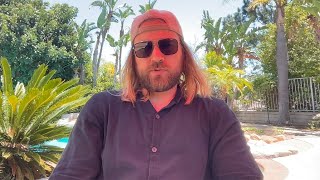
Devin Knop explains how chasing viral videos became an addiction that hurt him. He argues that relying on viral hits instead of building sustainable systems is a trap most creators fall into, and shares what he learned about making a real business instead.
One of the biggest mistakes I made early on in my career is I got insanely addicted at going viral on YouTube and blowing up YouTube channels. And this was a. This became a huge problem. It may sound like why the is like going viral on YouTube a huge problem, but you have to understand that going viral is not that cool like it is. But to the people that don't really fucking matter, what's not cool is like getting millions of views on YouTube and blowing up YouTube channels and making money in very quick sprints, but then struggling to maintain that income for a long time. I had a really tough time of like, maintaining an income because going viral and blowing things up is far different than building a brand, building a foundation, building something that people come to on a regular basis over and over and over again versus just blowing up YouTube channels. So you want to focus on building something that takes a long time to build and that's not sexy at the beginning when you're like making no money and it just takes for damn ever. My first YouTube channel, I actually did this and I was kind of a. I was kind of a dumbass for not continuing it. You see, what I did is I was building this YouTube channel up and I got to where I did like 400 videos. I did a video every single day for a year straight. And I was only making three to four thousand dollars a month at the end of this year. And I felt like it was taking forever and I felt like I needed to accelerate things. So what did I do? I started another YouTube channel up, and in the span of like 10 days, I started making three, $4,000 a day pretty much overnight was making a ton of money. And this was a huge mistake, actually. Then what I started doing was I st. I paused this long term project to focus on this thing that was making a ton of money really quickly. Which, you know, any reasonable person would kind of think that that's the best solution. But what you don't realize is something that goes up quick can go down quick as well. Over the span of a year, I ran that YouTube channel and a bunch of YouTube channels kind of around that category, and I made probably, I don't know, like 300 grand or so in the span of like 12 months. The biggest month I had, I hit like $72,000. In a single month I had another month, I hit 40 grand, but I was typically around like 10 to 20 grand. And then really pick things up towards the end of things, I'm probably underestimating. I probably made a little bit more Than that, that, but that span of that year. But it was a mistake, honestly, because then what I stopped doing is I got away from doing my personal brand and then YouTube started cracking down on the way that I was doing things. And the market shifted like dramatically as to what they wanted. And I ended up going from $70,000 a month down to where I was making just like six grand a month. It's like six months or something. And we finally got to where all this money that we invested, we were break even on it. We started being profitable on the channel and then overall total investment, we were finally at break even. It took about a year and a half, two years until we got to that point. And that channel to this day still generates profit, it still brings in an income. It's pretty emotionless, as in like it's continuously making money, it's continuously growing. We have a fantastic team, been fantastic production with it. And then I started building more channels like that that just take a long ass time to build. I had another one, took us like two years to get results with it. And that one makes 20 grand a month. And then in this meantime, around 2020, I started building up my brand and I started helping people with building faceless YouTube channels. And I think my first year probably only made like $20,000 with it. The second year I probably made, I don't know, like $200,000 with it. It wasn't a whole lot at the time. And I would take every single dollar and I'd reinvest it back into marketing or reinvest it back into like making a better product or building out a better team. And then I'm still running that business now actually after almost exactly four years. Like the, the entity was created over four years ago, but of the product that I created about four years ago and now it does millions of dollars a year and we're finally starting to get profitable. We still have a lot of break even months, but it's starting to get profitable. And the issue was with all of this is just I got addicted to blowing up YouTube channels, but I wasn't good at building a strong system around it. And that lack of creating system and instead of just constantly focusing on a new channel and a new opportunity over and over again, it deferred me from developing that skill set of developing systems. And ultimately what ended up happening for a long time was I would blow up channels, they would fall off and then I would just move on and I would go blow up another channel and then move on and just continuously through this cycle and I see some of my friends still do that. You can have success with it, but it's like they had to start becoming better at creating systems, going back and making it so those channels that did blow up are now consistent and start building brands because you can always get flash on the pan money. Like there is always going to be flash on the pan money out there in the marketplace. On YouTube, it's like I just saw a channel yesterday, I saw two channels in the same niche. They started like a month ago and they've already made like 20 grand in the first month of doing it. Like there's always going to be opportunities like that out there, but typically something that goes up fast isn't always sustainable unless there's a lot of preloaded work or you've just become the person that, that is insanely leveraged and talented and skilled and you have available resources to put into something that's different. Like if I started up a business now, it'd be pretty reasonable for it to make a hundred grand a month within the first like month or two. Like that wouldn't be too crazy for me at this point because I have the experience, I'm able to recognize a good opportunity and I'm able to spot the gaps in the market, but then also build systems because I have become the system person. And so becoming like going viral, becoming, becoming viral was, became a crutch for me. It was just I would go viral and then I just wouldn't, I wouldn't ever diagnose the actual issues that I had, the skill deficiencies I had as a person and the skill issues that I have. And so if this is you, like you're blowing up channels all the time, just know that that's a beautiful skill that you have. It's awesome. But there's a certain point where you need to grow up and start learning how to develop other skill sets that are going to put you in a lot more of a long term savvy situation. Or at least you need to find somebody that is that personality type, that is an operator person that you can install into your business. And if you've never gone viral, take my word of advice from take my word of advice is if something takes a long time to get results with, if something takes a long time to get results with, that's okay. There's probably skill deficiencies that you lack and it's just a little bit about sucking less every single day. It's about getting better at what's in front of you. And you have the opportunity to continuously get better. The biggest mistake I see a lot of beginners do is they're constantly pivoting what they're doing and they're never locking themselves into something to then develop some strong skill sets. So just pick something. Honestly, anything out there is probably going to work. If there's like, there's people making money and all these different things. And then just follow the blueprint, do that every single day. It's cool if you're not original, it's cool if you have, don't no new ideas. Just follow the system, follow the blueprint, follow the process. And then once you are at a place to where you're making $30,000 a month, you're making $50,000 a month consistently, then you can start to kind of look out in the horizon and find other ways of doing things. But until then, you just want to get good at something and it doesn't really matter what it is. I kept pivoting, I kept doing different stuff and I never got good at anything. And I think like, like if I wanted to collapse the last seven years down to three to four years, what I would have done just picked a vehicle people are making a lot of money with and then just stuck with that for years and purely focus on becoming good at that and then all the skill sets around it or finding people that have the skill sets that I don't have. So then just focusing on virality, making videos, channels go viral and then finding someone that is good at operating and somebody that's good at building systems, or if you're the systems person, go find the person that's going viral all the time, that is the jackass like I was and go partner with them and have them blow the channel up and build systems around what they're doing. You always need those two roles. And so the sooner that you have those two roles and you have them at a very proficient style, that's when you are able to build consistency and when you're able to build a lifestyle and when you're able to have fulfillment in life and when you're able to grow continuously or at least maintain where you're at, if not growing on a regular basis without as much stress in your life. It just, it was very stressful to me, like blown up channels all the time, it was cool. Like overnight getting a million views a day, it was cool. And I still see a lot of my friends do that on like in this niche, in this, in this world, faceless YouTube channels. But there's a certain point where you have to grow up and start building a business. And the sooner that you start doing that, when you start building an actual business, the sooner that you get to unlock like, you get to unlock freedom and you get to actually enjoy your life. Yeah, you get to enjoy your life when you're blowing up channels. And then you can kind of enjoy the short period that you have, but if you get away from it too long, then it starts to collapse and you kind of have to re go back into it and reins like rebuild everything. Versus when you have a business and you have systems, you can go disappear for months and come back and it's just where it was before or it's grown and as soon as you can possible, you want to get to that point. So then you can finally unlock that freedom. So quit getting addicted to the crack cocaine that is like overnight success, like repeatedly over and over again. And instead focus on a business. So then you can finally unlock that next level of your life and finally become free, which is probably why you got into all this stuff in the first place. My name is Devin Knop. Thanks for watching. See you guys all in the next one.
More from Devon











Powerful dopamine junkies, Geniuses are depressed and Nueroscience of environments