raw reality of making $3 million at 25 years old
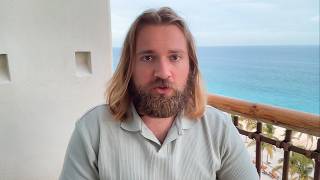
A 25-year-old shares what it actually took to make $3 million, focusing on the mental struggles and sacrifices most people don't see. He talks through the emotional toll, the persistence required, and what success really costs.
I'm not sure if this video is going to scare you or if it's going to excite you or if it's going to encourage you and motivate you or make you never want to go do something for yourself or to become rich. And I don't know, but I'm going to make this video regardless anyways and kind of share my thoughts on what it's like making millions in your 20s, what the thought process is from me being someone that's made over $3 million by the age of 25. I'm going to talk about inside of this video like some of the common misconceptions, some of the things that I had to overcome and had to face with this, some of the sacrifices that I made personally in going through this journey and ultimately at the day, was it all worth it? And so I'm out here in beautiful Cabo, so I don't know that kind of possibly answers the last question, but I'm going to go through the things that I wrote for this video, but most of it at the end of the day, you know, you think that you just all of a sudden just flip a switch and you're just this rich person, you're this millionaire and you're living, you're flying private jets and you're jetting around the world and you're living this like top 1% lifestyle just out of thin air. But in all honesty, a lot of me getting to this point was a lot of failure. I took me a long time to get to where I was making some serious money. Now obviously me being able to say at the age of 25 that I've been able to make millions of dollars sounds like I got everything figured out. But there was a good chunk of those first couple years where it's like I didn't really see that much progress. Maybe in the span of like the first two years, there were maybe like three or four, like big events where I maybe started to start to see some reward from what I was doing. But it wasn't ever really consistent. I never really saw any sort of, you know, a huge lifestyle change. And if anything, like I felt like the most like disturbed, the most depressed, like the most, like I just felt like I was not making any progress whatsoever for a pretty long time. And it wasn't until, you know, probably after two years until I started to really start seeing a good sized payoff from the work that I was doing. And it was a lot of, you know, it was a lot of overcoming of self. It Was a lot of feeling like I am able to do the things that I want to do of consistently showing up and then finding what were the things that, you know, a lot of it was. There was these triggers or these emotions that would come into play where it was just I would spend two weeks just playing video games and not making any progress on my business business. As soon as something got tough, I had these aspects in my mind that started to push me into like, into a direction of procrastination, of not making that much progress and not getting the things done that needed to get done. And it honestly wasn't until like more recently, like the person that I am now, that you see me inside of these videos, where I started to have a lot more security. I had a lot more control over my mind and the ability to, to do insane things or what I would perceive as insane things just a few short years ago and to, to constantly be able to build and to, to make immense amount of progress now. A lot of that is due to like the person that I am today. Most people, you know, they think, okay, making millions of dollars is crazy. You need to be this like special person. And they may, like a lot of people, they'll look at my life and it just confuses people. It doesn't make any sense like how I could just be young and make money and do all these things without like ripping people off or you know, doing selling drugs or having family money. But in all reality it's, it's a bit of a, it's a snowball effects. It's. You start to build these actions and you start to build this personality and these, these daily inputs that you started to build. And especially with like the modern day that we live in today with, you know, the leverage we have with media, with the ability of, you know, all these different softwares that are out there that we can leverage and use and all these different platforms. It's pretty easy to build momentum in the sake of. If you just show up every day, the leverage starts to really build. And so now, you know, today, me making millions of dollars a year, I am not necessarily working any harder than I was four or five years ago. If anything, I'm working significantly less than I used to. But because of the person I've become and the talent that I have and you know, just the position that I am and the, the, the talent that I have working for me, it puts me in a significantly higher leverage position. Like a lot of the problems that I used to deal with, I just have people that are far more superior than I am or more talented or more intelligent, do a lot of the activities that I used to do when I was getting started building my business. Now I have people that, like, if there's a fire or if there's something going on in my business, or if there's like a customer situation that didn't, like, play out how supposed to, or, you know, if there was a video that didn't perform well, I have a team all built around me that are able to jump onto these things and be able to take action. Now, that does come with its downsides. You know, this video is about the truth of making millions of dollars in your 20s. And the fact is, is that when you start to make millions of dollars at a young age, and especially if you do it through the sense of building a team and you involve other people and other relationships, is you start to. You start to carry a lot of responsibility. You start to be responsible of so many people's lives. And it's. It. It was for a very long time mentally challenging for me because I knew that for me to become the person that I wanted to be and to make the progress that I wanted to make, then I needed to have people help me in this journey. But then a lot of it as well is I never really grew up learning how to communicate with people. I never really knew what these processes and systems should look like in a business. And I never really had a good understanding or didn't have, like, the data points or like, the experience to know what a good, healthy relationship looks like versus a not healthy relationship looks like. And to be honest, like, I only worked jobs when I was really young. And so I have no idea what the normal life or I didn't for a long time of what the normal life of somebody who is an employee or somebody that does work for an income or somebody that. That works for a company. And so I had to, like, learn how to become this person. And this may sound kind of messed up in all honesty, but just to kind of really illustrate the point is I knew it was bad to like, miss payroll or to say that you're going to pay somebody and then not pay them. Like, I knew that was a bad situation, but for me, that happened lots of times, like, probably over, like, you know, hundreds of times at this point. And so for me, I just always learned that, okay, cool, I will just go find another way of making money. It started to become, you know, a lesson of, like, learning working with other people that other people don't Always have that mindset. And it's a completely different relationship of, you know, with, when it comes to money and working with finances and working with people in relationships. Because for me, I grew up with no rules. I didn't, I didn't know any of that stuff. Like if I just didn't get paid, then I would just find another way to make money. And that was just for a long time. I had this hustler mindset of like I had to, you know, I just would always have a contingency plan on top of a contingency plan on top of a contingency plan. But then what I found is that when you're working with other people that are especially pretty talented, but they're not like a self starter and they're more of like an entrepreneur or somebody that likes to build working with other people, they don't have that same mindset. If anything, they're full trusting into who you're working with. And so there was a time or two where, or a few, to be honest, where I was, I said that I was able to pay somebody in some sort of fashion. And then the day came and the money just wasn't there and it was coming with, you know, running into those situations. And you know, for me it wasn't a big deal mentally at least. Like me being at a young age, I didn't have any life experience and I'm like, okay, cool, yeah, like we'll just give it a couple more days, you know, it's not a big deal, or we'll find some sort of way or whatever to, to make this like this, this, this like everything, right? But you know, other people, they have their lives being dependent on, on you paying them. And that's something for me as somebody in my 20s that I did not understand because I never had a family, I didn't have kids. I, you know, any bills that I had paid, I would just always like negotiated or figure out some sort of way of finding a way to make that deal work. And I always, just always found a solution to things. And so working with other people, you know, maybe they can go do those things, but they don't have those resiliency and they don't have those beliefs. And if you, you know, if you put them into a situation, it makes it so they don't perform anymore because now that stress overwhelms them. And people sometimes they don't know how to deal with that stress of, or know how to renegotiate things or how to work with the variables. That are around them and play with the variables and people shut down. And so, like, that was something that I had a tough time building with, was like, knowing what are these triggers for people and knowing that they're capable of and also knowing what a highly talented person is. Because someone that is talented, they'll figure it out or they'll take ownership of things. Like the own beliefs and mindset I have, I found as I started hiring more and more talented people, if there's an issue, they take. They take full ownership of the issue. It's not my fault that we're not able to make payroll or whatever. It's they. They involve. They invest themselves just as much as I do into it being their problem. And they will do whatever it takes to make sure that we make payroll and they will take ownership of it and they will figure it out with me. But when I was getting started, you know, I didn't know that with some people, it's such a big deal. And what those different types of people are versus also as well, what is a highly talented person of somebody that's able to, you know, regardless of the circumstances, they take ownership of things and they always figure it out as well. But over time, then I started to attract those people because like attracts like. And I inevitably started to attract those things. But it really tripped me up for a very long time working with so many different people that had so much more life experience or such set beliefs or whatever. You know, maybe like a lot of times they weren't more successful than I was, but they've had, you know, know a lot more life and they had a lot more set beliefs, like I said. And working with them was very challenging because I could not relate to anybody at all. I never wanted to work a job. I never wanted to work for anybody. You know, I'll. I'll do contract work and I'll. I'll go, you know, I'll have clients and I'll work with clients. But I never wanted to have a boss. And so when I became a boss for other people, that was something that became extremely challenging to me and to understand and to grasp. And so making millions of dollars in your 20s, honestly, in a lot of ways, was more pain and suffering than, you know, it was ultimately, you know, like, sometimes I was really negotiating my price. I was negotiating the price of, like, what my dreams are worth. In many times, in many occasions, I was like, am I really cut out to be this person? And it was something that. It was a very lonely endeavor because you grow up not being able to, you know, anybody they grow up with, go to high school with, go to college with. And if you're the person that drops out of college and goes and starts a business and, and, and tries to become the successful person, you can't really relate to anybody. It's. You're. You're kind of an outcast in a way. You choose to be an outcast. Now, I know some people that figure out how to not be an outcast, how to keep their friends and build businesses and stay in touch with everybody. But for me, I had a very tough time with that. I am somebody that I didn't know how to hold these friends I didn't like. I just. I knew I didn't want that, what they wanted, so I just cut it all off. And in doing so, it was a very lonely endeavor. Then when I ran into these positions, these circumstances or situations where people depended on me and we didn't have the money or, you know, like, we. Like I said I was going to be able to do this thing, and I was run into the realization that we could no longer do said thing. And running into these circumstances where I've never had any sort of interaction or learning or understanding of how to do these things other than just a vision and a dream and an idea. I started negotiating the price of my dreams in those moments and asking myself, was it all worth it? Should I just go and do something with somebody else? And should I go just get a job after all and go back to college? And maybe my family was right and maybe, you know, I was crazy and like. And. And I shouldn't be able to become rich because my family, you know, they weren't, you know, multimillionaires. And it wasn't somebody that, like, I should have been like. It was like, like I was, you know, these positions, these circumstances, they really made me question a lot. And it was very challenging. Like, I felt like the crazy person on a regular basis because I just didn't have those people to bounce things off of. I was alone. And it wasn't until, you know, like, there are some days where I just. I kept going. I would just say, like, okay, I'll give it another week at least, or another couple weeks or another month. I'll give it another month, you know, and I would go play video games to not feel or have to think about any of the situations that I was in or, you know, I think for a long time I smoked weed. And just like that was my avoidance or I would drink or whatever it was. And I would just avoid whatever the thing was. And in some ways it kind of helped because then I didn't put all the pressure on the thing. And like, you know, I, I still showed, like I still did the thing regardless of what was going on. But there was time I wouldn't leave in bed, like leave my bed for, you know, days I would be sitting there on my computer, on my phone in bed, and I wouldn't leave bed because I was just so tired and so drained and so mentally confused and, and so challenged and I felt so, you know, I was afraid. I was, I was very concerned. Like I, like, I was afraid of like breaking my values. I was afraid of being somebody who, being somebody who I wasn't saying. I was like being the opposite of what I was telling people that I was. And that my friend, like, of inadequacy for the longest time drove so much insecurity into my life that it was, it was not easy. Like, I just don't know how else to say it, but when you keep doing something and when you keep showing up and you just, you know, sometimes you're just dumb as shit. Just, you just for some reason you have this weird ass conviction to just keep showing up and doing the thing and you just know that it will inevitably work out. And I don't know if it's all of the thousands of motivational videos that I watch and all the Tony Robbins and the Ed Mylett and the Jim Rohn and the Alex from Ozi, I guess more recently and Tai Lopez and Sam Ovens and all these people and just seeing them and hearing their stories of how they figured it out and how it panned out for them, that I just, I had a certainty that everything would be okay. I had this certainty that I was going to figure things out. I had this certainty that if I just kept showing up, regardless of what happens, there should be no reason that I shouldn't be exactly where I wanted to be. And as I kept going and as I kept listening to these people's stories, anytime that I started reaching these low points of like, do I keep going? I was faced with this decision of do I keep going or do I not? And I keep thinking like, oh, well, you know, Tai Lopez figured it out. He lived in a freaking middle of nowhere on a farm or you know, every successful person figured it out. Like anybody could possibly think of, whether it be LeBron James or it be, be. I can't think of anybody. Keanu Reeves or whoever you can think of. Everybody has Their story that they went through their heroes journey. And what I will say is just the volume of these, sheer volume of these stories held me through it. It allowed me to keep showing up regardless of what was going on. And I would get some breaks. They're like, I'm not gonna say I just had some insane overnight success. Like all of a sudden, boom, I was just, you know, raking in the dough. I was rich. As you know, there were definitely some periods where that started to happen a lot more than others. But, you know, I would get some signs. I would, you know, I would close a deal. I would make like $8,000, maybe I wouldn't make any more money for a good amount of time after that, a few months or whatever, or I would have a video go viral. I would have, you know, a big ad revenue month for my YouTube channels. I would have somebody pay me $10,000 to show them how to. How to build a YouTube channel. I would have a huge, enormous, enormous sales month that I did $300,000 in a single month. It was just, you know, and then there was lots of lows all around those. But it was just, I just kept showing up. And inevitably, over time, as I kept showing up, the results started to come and inevitably I started to start seeing the results and start being. Becoming the person that I always wanted to be. And I just dumbfoundedly just would never give up. I just am extremely stubborn, and I probably get that from my mother. But I just knew that if I kept going and if I kept doing the thing and if I held the vision for long enough and held these dreams and I chased after them with all of my being, all of myself, all of my intensity, all of my, you know, all these things that I've learned and all these people that poured themselves into me that I would eventually figure it out and sacrifices were made. Like, I had no friends for a long time. I was lonely. I was. I had nobody to relate to. I just had me, myself. And I. I had a girlfriend at the time, and I couldn't really talk to her about that stuff. She couldn't really understand and comprehend. But eventually, then I started to make friends and meet other people that were just as crazy as me, that were in their 20s as well, or sometimes even younger than me, making so much more money. And it gave me that confirmation that I needed that this was the right direction, and I kept sticking with it. And so the thing that I learned about all this is, first of all, you're not missing out on that much. Like you know, you may get this FOMO that you didn't get invited to the party, or you don't have these friends to hang out with, and. And you know, you got to go get that degree or else you're. You're going to be poor and homeless or whatever people tell you these days. But what I will say is you're not missing out on much. And if anything, it doesn't have to be all pain and suffering. I had to go through a lot of pain and suffering. I don't. Like, I, you know, I just didn't get things I just didn't understand. And it was just all this immense amount of failure. And eventually I just, you know, I didn't label it as pain and suffering anymore. I just realized I was like, oh, it's just part of the process. This is part of the process of who, like, how you become somebody who is rich. Like, if you hear all these stories of people becoming millionaires and billionaires or uber successful people, people, they all went through the same exact. And so I started to realize that this is normal and that it doesn't have to be all pain and suffering, and instead it's finding, like, a way of. Amidst the storm, amidst the craziness. You know, it's like a hurricane. It's madness. Winds are going 200, 300 miles an hour, but in the eye of the storm, it's calm, it's beautiful, it's peaceful. And it's finding a way of always finding and centering yourself in the midst of all this chaos and biting the eye of the storm and becoming the eye of the storm and the calm in all of this chaos and realizing that this is all just part of the fun. And if you know me or if you get to meet me or be around me and, you know, you don't live this life that I live, you'll find out pretty quick that I can have the craziest stuff going on. I could have just lost, like, 30 grand, 50 grand. I could have, you know, lost an employee that had worked with me for a very long time. I could have had, you know, flights get delayed, flights get canceled, you know, issues with, you know, running out of money or. Or whatever is going on, you know, chaos in my life. And you'll see me still be joyful and just centered. And I am like. And I'm in peace a lot of times amidst, like, all this craziness. And it is because the person that I have become through the years of just all this failure and all these mistakes and knowing just Damn well that it's. It'll eventually turn around. It's the law of averages that you can have a bunch of a bad streak, but on average, eventually you're going to have some high weeks as well. And I just know that in these high weeks, there's going to be low weeks. And in these low weeks, I know that there's going to be high weeks and finding the center, the eye of the storm at all times and, and becoming that person that is so comfortable amidst all of this chaos. And so what I will say is there is never a better time to go chase after becoming, you know, rich and making millions of dollars than in your 20s because you don't have kids, you don't have a family, you don't have all these responsibilities. You don't have this bad programmed mind that you need to live a certain way. And if anything, you're still in a sense where you're able to detach yourself. And right now is the best time where you can make the most amount of mistakes. I would say there's a lot of times where I just would say, like, oh, sorry, dude, I'm like 22. I didn't grow up with. I didn't grow up with parents that know business. I don't have an attorney for a father. I am learning all of this stuff as I go. And a lot of times I would just get me out of the. Whatever it was of, like, the, the embarrassment of the failure that I made and just me being like, hey, I'm 20. Like, I'm new to this. And even if you're in your 30s or 40s, you're probably going to make mistakes, and you're probably going to make mistakes because you just don't know what you don't know. And you get to use that same exact excuse. I didn't know. And now I know. Now I get to learn. As long as they have good intentions and you have the intent, you would intend to leave the world a better place than the way that you found it. It's okay if you make all these different mistakes, as long as you try your best to make it up afterwards and try to make progress and to keep moving. And what I will say is, it's not as scary as you think it is. Maybe the first time you get, you know, you. You piss somebody off or you don't do the right thing, or you say that you can do something and you don't, you're not able to do it. It's scary, you know, and having that conversation and having that tough, hard conversation. But over time, after you've done it 50 times or 100 times, which, you know, some of these people have done it, you know, thousands and thousands of times. And then you just start to learn and get better at the process and, and realizing all these different freaking spots that are holes on the board and being able to get better at navigating it and stepping around the holes and not stepping on all the landmines that are on the field. And instead, you know, you will get better at the process and if you just, you know, especially if you're just pretty honest and open with people. Oh, sorry. I didn't know. Like, we're. I'm figuring this out as I go. I'm trying to do my best. I appreciate you. And what I will say is making millions in my 20s is exactly what I thought it was going to be. You know, I get to live my life, my dream life, and I get to, you know, meet incredible people on a regular basis. Now I feel like every day is vacation, to be honest. I'm. I'm literally in the past two weeks, I went from beach to beach to beach. I went from California to Puerto Rico to Cabo, and then I'm going to go back to the California, probably here soon too. So it's just like constantly vacation and I get to meet cool people. I get to eat at amazing restaurants. I get to. I get to live this life that I thought was a fictitious thing that I was going to be able to live when I was in my 50s or 60s, when I was retired. And I get to feel like every day I'm retired now and I live my dream life and I get to do the things that I love. I have so much energy. I get to pour my passion into helping people change their lives. And that is something that I just find so much love and joy out of. And it's such a great time. And you can probably hear in my voice, like talking about it just now. So that's what I got. That's what it's like making millions in your 20s. Drop a comment down below. What's something that you got out of this? And let me know what you think. Anyways, thanks for watching. Definitely can up here. I'll see you all in the next one. Peace.
More from Devon











Powerful dopamine junkies, Geniuses are depressed and Nueroscience of environments