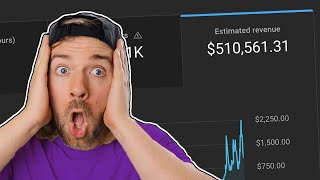
A creator explains how targeting niche fans and mainstream viewers at once generated over $500k on YouTube. The strategy uses medical residency content as an example of how to reach multiple audiences in a single video.
Inside of this video, I'm going to be showing you guys a sneak peek inside of one of our virality sessions that we have inside of my YouTube business blueprint program. Inside of here, we're going to be. I'm going to showing you the secrets of creating a viral video and kind of a cool little Venn diagram that goes along with it. If you guys are interested in joining the program, click one of the links down below. But enjoy the training. Usually most people, they want to try to figure out how to like, satisfy these two people, you know, they're trying to figure out how to satisfy for these people that are like, you know, let's say the nerds of the niche or people that are like, facing this, like, facing this thing. You know, this is where like a lot of how to videos come in. People are like, how to set up your calendar or something like that. It's very specific, very niche, specific audience. People need to figure out how to set up like some sort of specific software that they use for their work or whatever. Like, basically like facing the. The problem. You know, it's like you're talking to like a very specific audience. Like, people go on that side and then also then there's usually people that go on like this parallel opposite side. That's just like making content for everybody. For some reason, everyone always chooses like one of these two things. Like, they need to go either for like super, super specific, super niche, or they go to make content for everybody. So instead what you want to do is you want to make content for like, you want to find this niche right here. The nerds, you know, like the specific thing start from here and then what we'll do is we'll then on top of that, we'll stack it with making content for fans of the niche. This is kind of like a little intermediary thing right here. Step. So making content for the fans. I'll make it a little bit bigger so we'll fit the third diagram I'm going to make. So what you want to do is you want to try to find the overlap of making like basically the like as an example. You, you know, you want to like, if you're going to make. I remember one of the niches we were looking at was nascar, right? Heather? When you're making content, you want to make content for like, I would say instead it's fans. It's just like general interest people looking to watch from afar. They're not really like, interested in the niche, but they're just like, oh, this is Cool. I didn't know this about nascar. And so what you want to do is so the nerds of the dead facing the problem. Like, these are people that are NASCAR like fanatics. They're going to watch everything nascar. Then there's also this group of people where they're just like, oh, this is interesting. Like, they're not really, like, watching every single race, but they're like, why do NASCAR tires, like, turn red? And then the third thing, which we already kind of cheated on this one, but you want to stack it in a mainstream way. So what you do is then you pull out the parts of, like, NASCAR that people really care about, which, like, something that might be interesting is logistics of nascar. Like, people talking about the logistics of Formula One. Like, I don't watch every single Formula one race. I'm actually, like, somewhat interested in Formula One. But when I'm wondering, like, the billion dollar industry of Formula One and, like, how it makes money, I'm like, oh, that's actually, like, pretty interesting. And it's like, it taps into, like, kind of like a combination of the initiative. So they make it like, when you're watching it, if you're a Formula one fan, you can watch it and you're not getting mad because they don't know how to pronounce names. They don't know how to, like, they don't know what they're talking about. Like, as in, like, they do know what they're talking about. And they go, like, they make it for the fans, like, the people that are super fans, but then they also talk about it in a way that's like a toddler can understand. The saying is is like, you can maybe like, put this kind of category right here is make it so simple to wear. A golden retriever speaking Spanish can understand it. So this is kind of like this category right here is I get to where the golden retriever speaking Spanish is able to, like, understand this concept of what, whatever it is that you're talking about, pair that with a mainstream kind of, like, format. So when you stack the. The three of these things here, you're able to create content that is able to go viral, get lots of views. People are, like, able to be actually interested into it. And you're able to get to a point where you're making content that, like, you're able to make 10, 20, 30, $50,000, $100,000 a month off of. And I can even show you guys some examples of this real quick. So if you go to, like, let's say YouTube and, like, one of the guys that does this really well is, like, there's this lawyer that does it, and actually there's a doctor that does it, too, but Dr. Mike is a good example. So what this guy does is he's making content like his audience, right? The way that this guy does it is he makes content for people. Like, if we were to copy over this diagram here real quick, he's making content for people that are content for med students. Okay. That's his niche right there. Med students or already, like, you know, people that are, like, up and coming kind of learning, you know, going through the process, you know, in residency. What's up?
In residency?
Yeah, in residency. There you go.
My sister works with residents to help them keep their schedules organized and. Oh, yeah, Keeps them from losing their minds while they go through the residency at a hospital.
Oh, that's cool.
I had no idea there was a job that that was what people.