Watch this if you're lost, anxious and achieved nothing
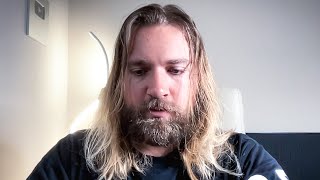
This is a YouTube video titled "Watch this if you're lost, anxious and achieved nothing" from the channel "My Yapping Channel" posted on May 31, 2024. The content appears to be a personal or motivational talk where the creator riffs on various topics related to feelings of being lost, anxious, and unaccomplished.
Feeling lost, maybe anxious or depressed and thinking you haven't achieved anything. Well, I have something for you. And I've been watching a lot of these videos of these self proclaimed like gurus on the subject that honestly I feel like a lot of them haven't actually been through any real pain. And obviously that's not to like take away the credibility from anybody. But I feel like everybody's missing the point. I get it. I know you feel very inadequate, like you aren't enough at a lot of times. I know you feel a lot of guilt and shame of seeing these people that are significantly further than you. Yet you look at your bank account, there's not a lot of money in it, or you look at your career and maybe you've made some great progress into it, but you don't feel like you have any real memories. You feel like there's no fun, there's nothing that's of substance inside of this life that you've lived so far. And you kind of feel a bit like inferior to everybody else that's out there. And I get it. I know that's kind of like embarrassing and weird to say and that's why you get to watch the video and we don't have to talk to a therapist about it. But you know, I felt all these things. I felt the anxiety and the stress of, you know, feeling like life is gonna end soon. Even though I'm like in my 20s, you know, I know that I have a long life ahead of me, but at the same time I have this feeling of just like, like time is running out and I just feel this huge, massive amounts of like, desire to change. But. But change what? Well, you're not alone in this journey and there's plenty of time to turn things around. So let's get started and find our way through it together. And that brings me over to kind of the first point that I have inside of this video, which is that happiness is a choice. I'll leave you guys with this, which is people who want to be happy. Treat it like I want to eat so good, I'm never going to be hungry again, or I want to sleep so well, I never need sleep again in my life. And obviously that's a recipe set up for failure because it's like you're going to be hungry. It's like you, you, that's just how your body works. I mean, you can only. You can maybe try to go a month without eating food, but it doesn't even make sense or, you know, it's like you're going to be tired every single day. It's like the fall. Like everybody kind of expects change and they don't make any actual change here. It's one of those things where it's like, you know, it's in the fall and then want the summer to come. Well, what comes after the fall? Winter, it's like they want it to, you know, know, stay all day. But what comes after the day? Night and then the day again. And what comes after the day? Night. And it's just like understanding that our biological body and how it works or a biological being is probably one of the simplest formulas to actually, you know, a stop feeling loss, stop feeling like you're achieving nothing and actually make a change. Not just only eliminating these feelings without taking some sort of antidepressant or whatever the fucked up shit that they give people these days, but instead an actual formula of, and a tool of, okay, my body feels this way or I feel this way, and instead of thinking, I need to go see a doctor instead thing thinking, thinking something like, okay, well here's the tool that I need to do to apply these things. And I think that's a lot of why this world is messed up. And I'll be honest with you guys. All the people that I know who obsess about happiness are some of the least happy people that I've ever met. And they're always seeking for this thing to find happiness. What I will tell you is life is shit sometimes. It's tough, it's hard, it's not easy. And if it was easy, then it wouldn't even be worth living. I mean, you look at all these people that are inheriting millions of dollars at a very young age, or, you know, they grow into wealth and they're some of the most depressed people that you will ever meet or they have like some of the most messed up tendencies. The only rich kids that I know that aren't fucked up in the head all the time, like to, to be blunt with you, are the people that they weren't given all of their family's wealth. They're the ones that had to like, they saw their family with wealth and then they took that as an inspiration. And their parents didn't necessarily just give them all their money in a trust fund or something like that, but instead they encourage going and developing themselves, going and learning skill sets, going and, and, and taking this person, who they are, and developing themselves into becoming somebody that is significantly greater. And there's something definitely to learn from that. And so A lot of people say my goal is to be happy, which means you aren't right now. As soon as you label yourself that you know my goal is to be happy, that means that there is a lack of the same thing when it comes to being rich. If your goal is to become rich, then that is explicitly telling yourself that, that I am not rich. And so I, my goal is to become rich. And you get to choose these things as soon as you decide them. Happiness actually in reality is a transitory emotion if you actually break down emotions and how they actually work. And so what we have to understand is that if we're trying to seek being happy and knowing that happiness is a transition, it's coming from a lower place to a greater place, that's a transition or sadness or depression is typically we're going from a higher place down to a losing like a lower place. And that's why you see a lot of people, without using the words that'll flag the YouTube system, people will remove themselves from this planet when they have a huge amount of loss. You know, that's. We see that story pretty often where people will have a very high paying career, maybe they'll be a CEO of a company and then the company goes under or they lose their job, or they get let go or they get fired. And a lot of times, you know, it's pretty sad ending. And that's because it's a transition of they had something and now they are dropping down to where they have perceived nothing. And that is the same with happiness. It's to go from what is perceived nothing to something that is perceived having something. And so if you can always kind of like put yourself into this state of knowing that transitions and transitor, like if you want happiness and if you seek, you're not really seeking happiness. What you're really seeking is fulfillment. You're seeking gratitude. You're seeking these things that are a lot deeper meaning than just what most people call a temporary thing as happiness. And so when you boil that down, if you feel like in your life that you feel unaccomplished, like you don't really have much going on in your life and that you know there is so much more to be doing, then what you have to realize is that's a choice and it's a physical choice. It's like an actual tool that I am giving you inside of this video, which is knowing that as soon as you have that feeling, what that means of like that dissatisfaction or that inability to feel happy, then what you need to do is figure out, okay, what is something that I can do that takes me from a lesser state to a greater state. Simple ways that are just fricking Jedi mind tricks that I do that I can give to you guys, which is gratitude. And just practicing gratitude. And I don't mean like, oh, I'm grateful I have a roof over my head. Oh, I'm grateful my parents are alive, if they're alive, or, oh, I'm grateful that I'm healthy, because those are all obvious giving ones. Or I'm. I'm grateful that I have water. But instead, it's. It's finding the little gratitudes and the ones that are real. And. And actually, instead of, like, you know, you hear that saying of, oh, you should be grateful. I think that's a lot different than choosing gratitude. It should feel. Grateful versus choosing gratitude are two completely separate things. I think they easily get misinterpreted. And so what choosing gratitude means is knowing that deep down inside, there are reasons to be grateful. And the way. The simple way that I do it in the mornings typically is what I will wake up, I'll go meditate. I'll start to kind of, like, visualize what it is I'm trying to achieve in my life. I'll kind of, you know, put myself in a state in, like, a future place in my meditations. But then what I will typically do is I will journal. And inside of my journalings, what I will do is I will write down what are the things that I am grateful for as the very first exercise. And what I don't do is I'm grateful that I'm healthy or any of that stuff, because, yeah, I'm very grateful that I'm healthy. Like, you know, they say a healthy man wants a thousand things, but a sick man only wants one. But instead, I think, let's say I was. If I was journaling with the Sharpie, I'm like, I'm grateful with the feeling of the sharpie, or I am grateful that, you know, I'm trying to think of a good one. I'm grateful of, like, the. The paper that I. I'm writing on, then it kind of feels good. Or I am grateful that I have this red blanket that was manufactured that I'm able to wrap around me that makes me feel warm and just some of these, like, most minute little things. What that does is that triggers the brain to start recognizing these little things that give gratitude. Like, maybe I'm grateful that I have a fast computer that is able to help me record These videos. And so when you start noticing the little things and the little nuanced things, so these big huge concepts of like, whatever it is, instead, when you start noticing the little things, your brain will start to see gratitude everywhere. And you start programming your mind in a. In a way that you start noticing little things all the time. You'd start noticing little transitions in your day, and that gives you the perceived value of happiness. And now obviously, this isn't going to mean that you're going to. All of a sudden all of your problems are going to go away and that everything's fixed. And what I will say is, problems never go away. That's not to get too existential there for you or make you think too much here, because I know you clicking on this video is probably, you know, a little bit of emotional. But with that being said, when we start to notice those little transitions and we start to see that, you know, all around us, there's these little things to be grateful for, then what starts happening is we start building momentum. And momentum is the key to a lot of the things that you want in your life. Because ultimately, ultimately, at this point in my life now, where I have gotten to is I have come to the realization that I will inevitably have bad days. It's just inevitable because if I never had bad days, then I would technically never have could. I would never have that dark and that light. I would never have that contrast. And without contrast, you're not having transition. You're not feeling the emotion of happiness. And so what I, what I work on now these days is instead of never having a bad day in my life, instead I focus on how do I have less bad days? And so let's say we take the span of, let's say a month, you know, maybe at the beginning of my journey when I was a bit younger and I was kind of going through a lot of the stuff, especially of like, you know, suffering from, you know, becoming successful at a young age and, and then losing everything and all this stuff and, you know, definitely having this roller coaster of promotions all the time and comparing myself typically to these people that are young and musicians and 18 years old and have seven Lamborghinis and, and seem to figure everything out in their world and, like, it came natural to them. I started to, like, I would probably out of a month, out of 30 days, I would have 25 bad days. And that was the sad reality of it. Like, I made money, but it was like, still at the same time, I, you know, it didn't really make me happier. I just. I had a lot of bad days. It was just because at that point, at that stage of my life, when I was like, 21, 22, you know, I was making money. But it was ultimately a big, huge comparison. It was an inadequacy. Inadequacy. I felt like I was not enough. I felt like I wasn't good enough. Even though I was making good money and I was probably making more than my parents at the time. I just. I saw these people doing incredible things, and I was like, I am not good enough. And it was just this label that I kept putting on myself. And so then slowly, over time, over the past few years, what I started doing is instead of having, like, 25 bad days out of the month, I would try to just shoot for 20. You know, instead of, like, laying depressed on the bed, scrolling through social media for a week at a time, I'll try to just do it for, like, try to get it down to, like, one day a week or two days a week. So then. Then over time, the amount of bad days that I started having were significantly less. And so did my feeling of anxiety and my lostness and, like, I hadn't achieved anything were starting to go away. Like, I started feeling happier, I started feeling better. Like, I really seriously thought there was something wrong with me. For a long time. I thought maybe I was on this planet to, like, die at a young age because I became successful at such a young age. And that feeling of. That I had of this not being enough started going away when I started focusing on how can I have less bad days. And then that's when I started to come across the concept of momentum, and I came across the concept of gratitude. Like, we hear gratitude, but this gratitude of, like, finding the small things that are these little things that don't mean anything, but when you stack them up, when you have these little things that you kind of just stack on top of one another, inevitably it's like we had this big, huge gratitude, this big, huge win. And so it wins are the same exact way, or gratitude is the same exact way, or happiness or fulfillment is the same exact way as if we have a big, huge amount of fulfillment. Awesome. But if we have a bunch of little stacked amount of fulfillment or gratitude, it equates to the same amount. Now the chances of us having, like, huge, massive amounts of fulfillment or transition or, you know, riches that are made are over the grand scheme of things, typically very far and few between. Like, typically people that just liquidate have a liquidation event in Their companies, that's just one day out of, let's say, like the 10 years of their career building their company, which is say that you sold your company for $300 million. You work for 10 years all to have one day where you have that amount of excitement, and then you have another 10 or 20 years where it's basically nothing. So it's like you have to think it's just this one exciting day out of all this. Now, obviously, yeah, those are freaking fantastic days or whatever, maybe you might have some weird feelings those days, but instead, if you just focus on, like, the incremental progress, it is inevitable that you will build to that amount. And then you will actually have a visual to compare it with. The point that I'm trying to make here is it is in your control. If you understand that we are biological beings and that all that we are is just a bunch of cells made up, and we have skin and arms and heart and a body, and we have instinctual behaviors that operate within us. And that is the system that the operating system that we run on. All you have to do is just put in the right types of code into the system and our body is able to function the way that we want. And so at the end of the day, I know this is a big concept to try to grasp here, which is. It took me a little bit as well, which is the concept of you get to choose how you feel. You get to choose your happiness. You get to choose if you feel like you're making progress or not. And typically, what I will see, like how it works for most cases, because I've coached so many people and I've worked with so many people to helping them achieve success is we typically tie our success to financial gains or to material objects or to our physical world, which that makes sense. That is how our brains function. Our brains function in a way to where when we see physical change, when we have, we didn't have a Sharpie pen and now we have a Sharpie pen, or we didn't have a watch and now we have a watch. And that is how your brain perceives change. But if you never do anything, if you never buy anything, if you never have anything physical change in your life and there's no actual, the number on your bank account isn't changing, the views on your YouTube channel isn't changing, then our brains don't. They have a tough time comprehending change unless we tell it that it's made progress. And the way that we tell it that it's made Progress is the recognization of these little things in our day to day, hap. Day to day lives. And that are typically unnoticed. Typically we just go our entire day without even noticing it. But when we notice these little things, it starts to wire in our brain that change is happening because we work in comparison. Comparison works against us. That's why we feel depressed, that's why we feel anxious. That's why when we see the douchebag 18 year old driving a Lamborghini makes us feel such a deep sense and urge inside that we're not enough. But at the same time, you can also use that to your advantage, knowing that we are a biological being. And so that brings me over to my next next point, which is every day is day one and yesterday is in the past. And so it's the same as, you know, something like Alcoholics Anonymous. I'm not saying that you're an alcoholic watch in this video. But what I am saying is that every day is a new opportunity. Every, every day is the start of. It has a potential to be the start of something. And so whatever was your yesterday or in the past or in the past month or the past year or the past 10 years doesn't define you, doesn't define today unless you let it define today. So if you're like, okay, yesterday happened and you know it was pretty bad, let's say I stubbed my toe. Well, I mean, yeah, you might still feel like you're toe kind of hurts, but it doesn't mean that you're going to stub your toe again today unless you let it. Unless you're like, okay, yeah, I'm going to go stub my toe again. And you put yourself into that, that mind frame of this. But it's that reframing of the mind that every day is a day for a new opportunity. It is hard, especially when we're in the same room, when we show up in the same place and we're in the same physical circumstances over and over again. And that is where cycle happens. That's where the feeling of loss happens. You know, we see these people of success, then we look around us and we're like, nothing's changed. And then we go look and we're scrolling on our phone and then we're like, okay, wow, you know, okay, cool. This happened, this happened. Okay, I'm in the same place. Nothing's changed. Okay, all right, here's another person with a Lamborghini. Here's another person that's made $10 million today. Okay, wow. Nothing's changed. And it's this endless cycle that we keep trapping ourselves into over and over and over again. And the question is, is when are you going to let that cycle stop? Every day is a new opportunity. Yesterday doesn't define today. Neither does tomorrow define today. Every day is a new. It's a new hope, it's a new opportunity. And that gives us something to hold on to in these moments when we are at an all time low or when we feel inadequate or we don't feel enough and we feel insecure and like we like, like we haven't figured things out in life. You watching this video, just know like right now when you're watching this, tomorrow is a new day. Today is a different day than it was yesterday. And so what are you going to let happen tomorrow? I love this principle. And what I do actually instead of just doing every day is a new day because, you know, it feels like we're always kind of working. Like it's just like, okay, I'm going to fall asleep. And then it's like if you've ever seen the Seinfeld skit where it's just like the nighttime Jerry is ruining it for morning Jerry inside the clip he talks about like in the, in the, in the episode Jerry Seinfeld is talking about how he's like, I'm going to like stay up all night and screw morning Jerry. And then morning Jerry's like, oh, screw nighttime Jerry. And it's just this constant cycle of like, you know, pushing yourself too hard at night and then waking up and just feeling like, and just being like, oh, screw this person. So then you, you, you just keep this constant cycle of destroying yourself. And that's kind of the constant cycle that we run into where we're constantly destroying ourselves. And so what I do to help kind of combat this a little bit is Instead of doing 24 hour days, I actually break myself into thirds. So I do three sets of eight hour days. And so in reality, you know, it's like if we have being awake for 16 hours a day, let's call it 15. So I'll break it into like three different five hour days. So I'll have the morning five hours, which is, you know, typically I start the day like I set my intentions. I'm like kind of focusing on my, like kind of myself and I take like a more fitness. I'll kind of work on projects. I will do some of my really important meetings at that point in time. And that is my first half of the day. So I Will try to win that day. And if I don't win that day, it's okay, I have another part of the day. So then now the next part of the day, then, you know, I'll probably have different types of meetings, I'm doing different types of work, or if I didn't hit the gym on the first part of the day, okay, now I'm going to try to win in this part of the day, and it gives me the opportunity to start a new day. And so then I have the third part of the day, and then that part's like, maybe more hanging out with my girlfriend, spend time with family, spend time with friends, you know, going to the gym if I still didn't go to the gym, eating healthy or whatever. And it allows for me if I win all three parts of the day, wow, I just won three days in a row. I got massive momentum today. I didn't just win one day, but I won three days to today, all today. And then also, if I had a bad day, a bad part of the day, okay, cool. I have this internal clock. It resets now at the next chapter of the day. So whatever happened that first part of the day, okay, it's in the past. I got another day to work through. And then if that doesn't work, I got another day, and then it allows. Instead of us waiting till, oh, okay, the first half of the day was shit. Okay, the day's over. It's ruined. It's completely gone. It's all over. And that's how most people live their days. And instead, what you can do is okay. And, well, and then they're like, okay, tomorrow's gonna be different, you know, then wait, they fall asleep, and then they forget about what happened and it's all over again. But instead, what you can do is then fractionalize your day. And it's just. It's a. It's a mindset. When I first heard this concept, nothing immediately happened. And I'll be honest, probably nothing's immediately gonna happen when you do this. But when you start thinking about that, when you start looking at the time of the day, and because you're going to be looking at time pretty often throughout the day, you can start realizing, okay, noon is a new part of the day. Okay, five o', clock, new part of the day. And you realize whatever happened in the previous part of the day now is different. You have a completely different op opportunity, completely different circumstances. One tip that I recommend when you do this is that you change your location physically. So typically What I will do is I'll work in, I don't know, five different places throughout the day. So then whatever just happened, and especially if I have a hard time, maybe a tough call, like I had a tough conversation, or maybe I just felt inadequate that day, which still happens to me, then what I will do is I change my location and it physically forgets. Like, my brain physically forgets what just happened. And now because I'm in a different room, in a different location, whatever, now my brain forgets what happened there. And it's a new opportunity, it's a new. It's a new start, it's a new purpose that I have, and I'm able to completely forget or at least just let go of that emotion. Now what I will do is I'll let myself feel what I just felt and then I will go switch off and go do something else. So I'll typically. Like how my day will typically start is I'll wake up. I will. I definitely, like, I used to work in my room and do everything inside of my bedroom, but that me up so much mentally. So because it was just like, I just. My brain never saw any actual physical change. But then now what I do is I will wake up, I will leave my room, I will leave my bedroom and I will go typically, if it's during the summer, I'll go outside in the backyard and then I will go lay out in the sun. If it's during the winter, I'll go sit on the couch. I don't wrap a blanket around myself. And I will start my journaling. I'll do my meditation when I'm done with that. Okay, Now I'll go to another part of my house, or I will go to a coffee shop, or I will go to another physical location. And so I will pick my thing. Like, I would just go shower or whatever, get ready for the day, go to another spot, and then I'll go work there for three hours, four hours. Once I'm done with that, pick myself up, go to another spot, and I will like, I'll go to. Like, lately my cycle is. I'll start off, I will go sit on the couch downstairs. After sit on the couch, I will go outside, I'll go work outside for three hours. If I'm on a good flow, then I'll work out there for five, six hours. And then when I'm done with that, I will come into here, into this office, and I will record here and. And then I will go to the gym. I'll go for A drive. And then I'll come back and I'll go work in the dining room or I'll use the kitchen as like a standing desk, or I have like multiple different desks throughout the house. So sometimes I will go work at these different desks sometimes, and then. Or I'll go back outside. And we have like three or four different working spots outside. So I just, I'm constantly, always changing my location. And because I'm constantly, always changing my location, I'm always constantly rewiring my brain that this is a new start, this is a new day, whatever happened. Like, I just honestly forget what happens throughout the day until I reflect at the end of the day what happened today or reflect at the end of the week or the end of the month. And so it always allows me to renew myself and to rebirth myself. And like I said, because I'm always having the start over and over again, I'm always building this transition to a gain. So it always gives me a back to a point, a point zero to a greater state. So it, it wires my biological brain that I am changing, that I am transforming, that things are happening. And it's not just me being in the same spot all day, spending my entire life there. I talked to some of my students and, or like some of the people I've worked with or mentored or whatever. And what I will see is when I talk to them, they start feeling these inadequacy. They feel depressed, typically, like their environment hasn't changed at all. They're just working in the same place all day. They never do anything. They never leave their room, they never leave their house, they never go outside and never go to the gym. They never do any of these things. And they never transition their physical state into another physical state. And that is typically a lot of times, like, as soon as we overcome that and we're just like, okay, here, just like set up multiple different places to work, then it starts to allow their brains to realize that they are making progress and that things are happening because their environment is all. Is physically changing all the time as well. Because I did the things, I bought the supercar, I bought the watches. I've lived in beautiful houses, I've traveled the world, I've done all these incredible things. But when I actually had the material thing, it short term, like how we physically change our state is short term, like, give me a sense of fulfillment or a sense of happiness or a sense of progress. But just as any other state of change, it went by quickly. And so we need Constant states of change. So we either got to always buy a bunch of shit or we got to physically just change our state and then allow ourselves to renew itself, to realize that there is a change happening. So you should definitely turn this into a drinking game. The more that I say change, the more shots that you take. But I just really wanted to get the point across. And so one thing I will say is to set healthy expectations. When I started this YouTube channel, I. I've done a lot of YouTube channels at this point. Like, I know you guys see this, that I have this plaque here. And by the time of me recording this, I have like 2,000 subscribers. I have built a lot of YouTube channels. I've had a lot of success on YouTube. I've probably had over 50 YouTube channels at this point. The Faceless and my personal brand, they're all over the place. And one thing that I found is that kills more dreams than anything else or more. It just leads to more bad emotions than anything else. Is when you set an expectation really high and you miss the mark, there's nothing worse. It sucks. It. It's in. There's times where that's helpful when you're not enough and you program your brain, you're not enough. Like that. Yeah. But to feel that every day, like all the time sucks. Like, like I said, I'm trying to optimize for less bad days than good days or like I'm optimizing for less bad days than I had before, the month before, the year before, the, the quarter before, or whatever. I'm trying to optimize for less bad days. And when I am constantly missing the mark, there is nothing that is more pain inducing, anxiety inducing, insecurity inducing than constantly missing the mark. I think there is a healthy balance of it and I think there is a good sense of like, you need to have like a metacognition of which is, you know, like thinking outside of your body and thinking like, okay, this makes me feel this way. Like if I do this, I feel good. If I do this, I feel bad. And having that third party perspective, if this happens, I start, I want to go play video games. If this happens, I want to go eat healthy. And so as I've done this for a long time of like seeing all these different states of pain and suffering and then I feel on top of the world like I'm the fucking man and seeing the difference. The one thing that made me feel more pain and suffering than anything else, I will say, is the feeling of inadequacy through Ridiculously high expectations being set. And so I think society, societally, we grew up with really high expectations. We have expectations that we need to go to college, that we need to get good grades, that we need to. Especially if you're from like a immigrant family or high achieving family, that you need to become a doctor, especially in the US and it's just like there's this high pressure that we just constantly have that's always looming over our head. And I think that's a, like, that creates a lot of anxiety and stress. And some people, it forces them into becoming great at what they do and they get good grades and they go get the degree. Now a lot of times that happens and people realize this ain't what it's all chopped up to be, but that same exact thing. Like you get to choose the expectations that you put onto yourself. And it's kind of hard to constantly shut out what society has for pressure for us of expectations. But you do have to kind of find the sense of, you have to meet your own expectations and trying to hit your bar that you have for yourself and just kind of knowing what your limits are. Especially as we get older, especially as we, you know, start to. If you try to work for yourself or if you try to become like an entrepreneur or entrepreneur, you know, it's always about setting this kind of internal barometer and setting like these bar that we're trying to hit and the goal is to never set it. Like, I have goals up here, I have a, like I have expectations of myself that like, I have expectations, but I know I'm capable of doing some pretty incredible things considering I'm 25 and at this point I've been able to hit $300,000 a month. You know, I expect to do significantly more than that. I want to get to the point where like, I know that I can go do $10 million a month. Like, it sounds ridiculous, but it's like, you know, it's the same as like, if you get to $10,000 a month, you're like, okay, I probably get to 20 or $30,000 a month. You know, you just, I've done that so many times. I know I can do pretty incredible things. I can do insanely big things. And I know that that bar is always going to move. When I got to $10,000 a month and that was all that I wanted to do, it was like as soon as I hit vanished, that that was enough. And then all of a sudden now I'm like, okay, now I gotta hit $30,000 a month, no time wasted whatsoever in the thought process of I needed to do more. As soon as I did a ten grand, I thought it wasn't enough. And so it's like you never will become enough. And so you gotta set expectations and kind of it's as internal game that we have within ourselves that is the differentiating factor of pain and suffering and feeling like the man and like you're or the woman and feeling like you're on top of things. You're making massive momentum and massive amounts of progress. And so it's knowing that, okay, cool, I have these huge lofty goals, but a mountain climber doesn't look at the top of the mountain the entire time that they climb the mountain. Otherwise that shit's depressing. I don't know if you've ever like done a long walk or a long run or climbed a tall mountain, but if you're just watching the end of where you're going, it's like that nightmare of a dream where you just. The hallway never ends. And that is what you're doing to yourself. You're setting like the top of the mountain where this like 10 mile hallway. You're like, I want to be a 10 mile hallway. I'm here on step one. And you're just constantly looking at the end of the hallway. It feels like it's never going to end. Like, it feels like torture. And so what mountaineering, what a mountaineers do is the rule is you don't look at the top of the mountain. You do like when you. Okay, cool. That's where I'm going. Okay, cool. Like, but it's just, it's overwhelming anytime that you look at the top. But instead what they do is they focus on one step after the other and focusing at the miniature milestones that they had. Okay, we're going to go, we're going to the top of the mountain over there. But instead we're going to focus on, okay, let's get to the top of this ridge. And they set that as the first goal. And they're constantly setting a goal or a place that they can get to within reason of where they are now. It's a game that we play with our brains. Like I told you earlier, we are biological beings and we are influenced and programmed a certain way for the past ten thousand, a hundred thousand years of as long as humans have been alive. And you have to know that we were programmed a certain way. So we have to gamify. So we have to know, okay, let's just go for here, you know, I'm going to the top of the mountain. But we just want to make it just a little bit more progress. And that constant minute amount of change that is reasonable allows us to constantly make progress in a sensible rate. It allows us. Our brains to. To see, okay, cool, I just have to go a little bit further. And so that's what you need to do is figure out what is the thing that is just a little bit more than what I'm doing now. So this YouTube channel, when I started this YouTube channel, cannot files the. To finish the story there was for the first month, I didn't have any expectations. Actually when I first started channeling, like, I'm going to upload videos. Okay, I'm going to keep doing more videos. I was like, okay, I'm at, like, I think I was getting like 10 views a video when I started this. Okay, I'm going to try to get 100 views a video. Soon as I started, okay, cool. A couple, like one or two of them had a thousand views after like 20 videos. And then what I started to do was I was like, okay, I think I got 2000 views the first month. I'm like, okay, I'm going to try to shoot for 10,000 views this month. I've made many videos that have got millions of views, hundreds of thousands of views. I've gotten over a billion views now at this point on YouTube. But I know that as soon as I shoot for something really high and I miss it, I'm going to be devastated and it fucking sucks. I hate that shit. So because I know how I work. I know how my brain works. I want to be there, of course, but I'm like, I'm going to shoot for 10,000 views. Cool. I think at that point I had 2,000 views already this month. I was like, okay, cool, I'm going to shoot for 10,000 views. And I kid you not, as soon as I said, I was like, I'm going to shoot for 10,000 views. I think like three days later, five days later, I made a video that didn't get 100 views, didn't get a thousand views, didn't get 10,000 views, but it got like 50,000 views. Now as soon as I started, like, okay, I'm a shoot for 10, I felt on top of the fucking moon of excitement and. And energy. Like, I just, like, I want to go hard. Like, I just like it. That energy that I felt of, like, I did more than what I was shooting for. Even though the goal was lame as Hell, I know damn well I can do more than 10,000 views a month. I know I'm fully more capable. But just that like shooting for that small goal that was a little bit further ahead than where I am now and managing my expectations like, okay, it's okay if this doesn't do anything insane. And so I'm going to just shoot for like, okay, this is reasonable. I can hit 10,000 views. I'm at 2,000 right now. I can hit 10,000 views once I had the baseline. Okay, I'm going to shoot a little bit higher. Okay, cool. So I started shooting for it. Light bulb, great ideas. I was a little bit more intentional. Just smash the goal. And so now I'm like, okay. So then now my goal is, okay, I want to maintain at least above 3,000 views a day. And my after I hit this huge kind of blow up of video because I know that's like two temporary, you have to get on top of the horse and make sure that you got badass content going out or else you're going to lose that momentum. I'm just like, okay, I want to try to at least stay above a thousand views a day. I don't want to go below a thousand views a day. And then I was able to, I think I'm like 3,4000 views a day right now. So I went from like 50 views or 100 views a day to I had this huge growth. But I was like, okay, I'm going to try to keep it. Like I'm going to. I know that this could fall off. So I'm going to try to shoot for just a little bit above what I know I could do. I'm going to try to just gamify myself to just keep showing up. Whatever it does to optimize. You can kind of get this feeling of what's this goal that's going to make me feel like I am making. Like it's attainable, it's realistic. But it energizes me because if we shoot for our goals too low, our physiological self will think that what's the point? But if we shoot too high, it becomes daunting and it feels anxiety inducing and it feels depressing. And that's typically what social media does to us. Every time we look at social media, we see these people that are ridiculously successful and it hurts us. It makes us feel immense amount of pain because we see these people that are like on the outside looking in, this person did freaking nothing and they're making like $50 million a year. And they're 17 years old. And we see that everywhere. And then we look at ourselves and we're like, why am I not making $50 million a year? Why are things hard? And so this is why things are hard, because that's our barometer. What you need to do is you need to quit looking at that. Ultimately, it's inspiring. Yeah, okay, cool. To know that the human potential is capable of doing that. But what's the game that you're playing? What is. What is bettering you? Like, instead of trying to beat other people, you need to beat yourself first. When you just focus on beating yourself. If you're just focusing on beating yourself every single day or every single week or every month and just beating yourself and just doing a little bit better, you're hitting the gym and you're hitting a little bit more weight. If you're uploading videos and you're getting a little bit more views, if you're making money, trying to make just a little bit more money, instead of just this huge overnight, like, insanity of result, instead you just focus on the one after the other. You'll be exactly where you were looking to be when you look back. And so this is one thing that, a quote that I love, which is things will happen in the short term, in the micro, a lot slower than you could have ever imagined, especially on the destination of a big, huge, you know, Mount Everest, of a feat of trying to get rich or wealthy or successful or love life or whatever. In the grand scheme, like in the micro, it looks like nothing's happening. It feels like snail pace. But in the macro, it's insanity how far we have gone. I don't. Like I just went on a walk with. On the beach with my girlfriend the other day. Yeah. Like two days ago after I just got back from the mountains and I went on a walk with her. And it reminded me of this other time I went on a walk with her. It was like, okay, we wanted to walk to the next pier. We were trying to walk, peer to peer out in like, Newport. And if, you know, they're pretty far away from each other, I think they're like five miles away from each other, but probably more like, I don't know, like three, Something like that. So we started walking and we just were looking at this pier, like, okay, cool, that's not far. And we just kept walking and walking and walking. And we look up and it's just like it's not getting any closer. And we just got walking and walking and walking. We never ended up Getting all the way to the pier. But I remember we just kept focusing on his goal. We kept chasing after it, and we just kept going to the pier. And it goes to a certain point where we got kind of mentally, we were like, dude, this is hard. But then we look back, we look back at where we just came from, from the previous pier, and it looked far. We were like, whoa, that is like, I didn't realize that we went so far. Like, one minute turns into two minutes. Two minutes turns into five, five turns into 10, 10 turns into 20, 20 turns into 30. You look back and you're like, wow, we walked really far. Now we gotta walk back. And so we didn't end up going all the way to the. To the next pier, but we started walking back. And it was the same problem that we faced in the beginning. Like, this walk will never end. I know I keep having these beach analogies, but that happened again. Me and my friend, we were like, looking out into the ocean, and there was this buoy that was out there. And. And I was like, dude, we could totally swim to that. Girls thought we were crazy. And we're like, nah, we're gonna go do it. Screw that. We just went and did it without. Like, we just went jumped into the water and we were swimming out there, like, swimming, swimming, swimming. And then, like, I had my head down kind of swimming. And then I look out and I was like, I have not made any process progress. I was like, this is crazy. I think it felt like, what was an eternity? Like, it felt like 30 minutes went by. Reality was like, probably two minutes. And so we keep swimming, swimming, swimming. And then I look up again, I'm like, this is crazy. Like, we, like, I feel like we barely moved at all. I think it ended up taking us like 30 minutes to get out there or so. And then 30 minutes back, maybe 20 minutes out, 20 minutes back. But after like 10 minutes of swimming, I look back and I'm like, whoa, if I drowned right now, like, no one would be able to save me. That was like a. That was like a real thought that I realized. There I was, like, I could drown right now and nothing. Like, this would be impossible for someone to save me. At least I had my friend, so kind of got me through it. But I was just thinking, I was like, there could be a shark under me. There could be a frickin, I don't know, some dolphin wants to fuck around or something like that. All these thoughts started going through my head, like, oh, shit. Like, what have I done? And it was like that feeling of being out there and halfway there, but also halfway from the shore. Like, I have to commit. I have to go all into this thing. And it was that like. Like I literally could. Like, I had to keep swimming. If I saw swimming, I was going to drown. And so that was all that was carrying me through at that point. I was going to be a little. And tell my friend, oh, I got to swim back. I'm a little. But instead I just kept swimming. I was just, like, talking with my friend, just trying to keep myself preoccupied, getting myself through the journey of swimming out to this buoy. And by the time I get to the buoy, like, okay, thank God I did it. I'm halfway, though. You know, I was like, I was exhausted at this point. I don't swim that much. Like, I'm not a bad swimmer. The lifeguard said I was a pretty bad swimmer, but. And then I started swimming back and I was just like, I. Yeah, it was just the most mentally daunting thing. But on the way back, it felt like significantly faster. Like I was a lot more predictable. It's something about, like, when you go out and then you go back, it's like, it's not as hard as when you went out. And so it's. It's just that mindset of like, okay, I'm going to do this for a little bit longer and then I'm going to take. Take my look. Look up and look around and see how far I've come. And it's. It's setting that expectations or the kind of. The. What I'm trying to a little straight with you guys here is just like setting the expectations of like, okay, this is reasonable and shooting for that. Obviously I have this big, huge, lofty goal, but instead I'm going to focus on this. And as soon as your brain starts looking, like, looking up at the top of the mountain, like, ah, this is impossible. Oh, my gosh, this is so far. I put in so much work. You need to, like, shut the brain up, look down, just look right in front of you. And just what's holding you there is that commitment to yourself of, I'm going to do whatever it takes. I'm going to be patient, I'm going to be persistent. I'm going to keep showing up. Who cares if there's freaking Susie at the top of the mountain already? And she started at 2am because she was an overachiever, but instead just realizing the game that's in front of you. Who cares about Susie? She's already there. Whatever. That's. That's not. That's for her. She started at a different time. She started different time than you. She started to climb the same mountain. She started at a different time. So instead you focus on your game of climbing up to that next stage. So now some action plans. First of all is don't compare yourself to others. Comparison is the thief of joy. As soon as we start comparing ourselves to others, we are robbing ourselves from our own experience. So we need to look within ourselves and realize that we have our own game going. We started at a different time. We had different resources. We were coming from a different place. And we just have the game that's in front of us. And so what you need to do is play the game that you have not. Don't play other people's games. They have different rules, they have different, you know, starting points. And sometimes, you know, we look at those people that are successful and we think they have it all figured out. But I'll give you guys a quick little example. There's this guy, there's this kid named Little Xan. I think he was like somebody that I look like. There's. He's somebody that I looked up to. I don't know. I thought his music was good when I was younger and stuff. And I thought this guy was like, whoa, this guy's so crazy. He's like 17, getting immense amount of success, basically, like all these space tats and, you know, he was talking about songs about depression and all this stuff. And he quickly became into the limelight of this massive amounts of success. And overnight he had Lamborghinis and like all this crazy amount of life. And he was somebody that was immensely amount of successful seemingly overnight. And I was like, wow, this is insane. And shortly after, like, this kid had this insane amount of success. I think he posted on Twitter or somewhere that he said that what's the guy's name, Tupac, was a. Was bad at music. And as soon as he said that, the whole entire industry turned against him. So there's this kid that was like multimillionaire overnight. And all of a sudden the entire industry turned against him and he was locked up. Like he was, you know, the record label that was holding him, they like, let him go. And it got to this kind of. It was a fast success, a fast climb. It was also a fast decline. He was taken up to the top of the mountain with the helicopter. He frickin ran out of oxygen at the top of the mountain. And then they had to Take the helicopter back down or he just frickin rolled down the mountain. That was this guy and I think would you call him successful? Would you say that's someone that you inspired to be? I mean yeah, you've made money, but he doesn't really have the things that we were looking for. Like he became madly depressed, he became insanely like he just all sorts of narcotics and drugs and stuff. And that's pretty much what he got into. And his life basically got down to where it was nothing. It was like we could look at that success and be like wow, it's incredible. But also like what was the whole point? He made money, but that was it. He what? Didn't have these other factors of wealth. He didn't have friends, he didn't have love, he didn't have family wealth and he didn't have like, he didn't have relational wealth. He didn't have, he didn't have like a self worth or anything like that. And so is. Yeah, he made a ton of money, but what was the point of it? Now he has none of it. And also he's insanely depressed. Basically back to where he was at the beginning. So we wouldn't necessarily say that's successful. But if you look at other people that had some of the slowest amount of success, like let's say. I'm trying to think of a good analogy. Somebody that had like a sore amount of success would be maybe someone like the Rock Johnson or Arnold Schwarzenegger. Arnold Schwarzenegger is a good example, is that guy had one of the most hardcore amount of like climbing and he put in the work and I think he started bodybuilding when he was like 8 years old or something like that. And over the span of like 10 years, 12 years, he became to where he was Mr. Olympia and then from there he became Mr. Olympia and then he got to becoming an actor in all sorts of movies like the Terminator and then from there he became the like he was in all sorts of movies and then he got to the point where became the senator of California and then now he's chilling, he's living his best life. Probably one of the slowest freaking success journeys ever of all time and the most hardworking of all time. But I almost would say I'd rather have his success over a little. Xan's like he like is living his best life. He's a billionaire. He's able to do what he wants on his own terms. He has a great relationship with family, he's all about leaving his legacy now. And that is Guy. That guy is the epitome of success and the epitome of keeping your head down and putting in the hard work and, and having big goals. And so I'll give you that choice. Would you rather be Lil Xan or would you rather be Arnold Schwarzenegger? And that's the choice that you have in front of yourself is instead of comparing yourself to other people, compare yourself to yourself and the person that you can see yourself becoming. And that greatest version of yourself and focusing on what are the little hills that are in front of you. The same as me recording this video. Like I could compare myself to Mr. Beast and that would be very toxic of myself that like me looking at Mr. Beast, I'm like, why am I not like Mr. Beast on YouTube right now? Can be very toxic, especially when I just started this new channel. But instead if I'm like, okay, I can record this video and then I can just record one more video. Okay, let me put a little bit more effort in and put record another video. And just constantly going through the cycle of okay, here, here's where I am and then here's where I'm going. And then just focusing on putting one foot in front of the other. I will inevitably be where I want to be. I will inevitably have hundreds of thousands or millions of subscribers if I just keep focusing on the step in front of me. And so another thing that I will say is probably turn off social media, probably delete it. One thing I always do is I typically will delete the apps off of my phone. I will put my phone in another room and I just won't focus on it. And I will unfollow all the people that make me constantly feel that way of inadequacy or like I'm not enough. Typically what I do on social media, because I use it a lot is I purely follow people that or somebody that I can see myself within them. And I know that I can. Like they show that they worked hard to be where they are. I mean every successful person for the most part had to work hard to be where they're at. I think it's like 75% of billionaires are just ultra high net worth people in the US are self made. But I will find people that I can see myself within them and see like their journey and their pathway and then those are my inspirations of myself. So I look at people that are maybe like 10, 20 years ahead of me in my career and I look to them as the people that I Follow. And I will constantly look back on like their stages and their steps of getting where they are, where they are now. And I rate myself kind of off of that baseline. Like, I know one guy that I love watching, his name's Alex Mosey. What he does is he compares himself to Warren Buffett's net worth. Now you might think like, oh, wow, Warren Buffett's worth like whatever, $100 billion. But if you compare it like age wise, Alex Mosey is significantly ahead of him. Like, I think, like to be have a higher net worth than Warren Buffett. If you have a net worth of over, I think like $100,000 by the time you're like 25, then you're being Warren Buffett. Now this might sounds ridiculous to a lot of you guys watching this video. To the average person, but even to myself, I'm like, wow, I'm actually more successful than Warren Buffett was at my age. And that, that is like something that's reasonable. So you got to find somebody that's kind of like reasonable to you. You know, a lot of the examples that people use is like Colonel Sanders and start business, his KFC business, until the age of 64. So there's. It's never too late to get started, it's never too late to get going. So you want to healthily compare yourself. And social media can be a good tool for it. But a lot of times it's not the best because what goes viral is not somebody that's right up ahead of you, but instead what shows up on your feed is people that are thousands of times ahead of you and are perceived like impossibly successful to your current brain. And it doesn't register. But what you need to do very intentionally is finding people that are just a little bit above you or you can see how they got to this point in a grand scheme of things. And you can train your brain to realizing that like, okay, this person I see it is like worth a hundred million dollars. Okay, at my age, I'm probably actually more successful than they were. That's why like when I looked at a lot of 50 year old billionaire or like 50 year old, like successful high net worth people, honestly, when I hear their stories, I realize I'm significantly further ahead than they are. And that makes my brain feel good. Like I'm like, wow, I'm very successful. And it's good to always constantly remind yourself that you are making progress. And progress breeds winning. Breeds winning. So when you're constantly winning, that's where momentum comes in. When you're constantly winning, you attract more winning. So it's the same with these videos. When I feel like I'm winning in these videos, people think that I'm winning and they can tell. They feel it. They. You watch on this video, you feel like I'm winning. And you feeling that allows me to feel like I'm winning more. And it's just this constant cycle of constant progression of me making progress. So that's what you're trying to curate for yourself. I've been trying to put this into words for a very long time. I'll be honest with you guys. Like, this is a concept that I've had a tough time explaining. Um, but it was through, I think, a little bit of some inward looking of kind of like some of the, the past experiences in my life and some of the, some of the things that created me the way that I am and some of the tools that I've learned that have helped me out a lot and kind of noting them all down and really taking the time to, to make this for you guys. I'm very grateful that like, I'm very happy in this video and I'm very. I feel like this is what I've been trying to make for a very long time. So if you got, if you watch, if you got to this point of the video, drop a comment. If this did nothing for you and actually didn't help at all, or if it did help you out a lot, tell me, tell me what are some of the takeaways that you got from this video and how you're going to implement it into your life? And so my goal is to keep providing more value. And also I read a lot of the criticism and take it into deep consideration on how I can make these videos better. Every single one of your comments, even if you're calling me a fucking douchebag, I'm appreciative. Thank you. Also, thanks for the free engagement and the free points and the algorithm for making my videos do better. I appreciate you. Some of my most viral videos are the ones where I got the most hate. So I know that it's super beneficial. So anyways, if you guys like videos like this, make sure to subscribe. My goal is to transform you and be a freaking earworm inside of your head to force you into becoming successful and taking the thoughts that I've gone to making multiple millions of dollars a year and, and giving them to you so then I can make tens of millions of dollars and hundreds of millions of dollars because my brand gets out there, and I have more awareness and I am able to help more and more people. So that's my goal, is I want you guys to freaking download my thoughts and. And embody them and. And. And you constantly listening to these videos and me making these constantly is a way for me to give you my stories, give you my lessons, give you my experience of how I got to where I am and how I can make you even more successful. So I appreciate you guys. See you on the next one. Bye.
More from Devon











Powerful dopamine junkies, Geniuses are depressed and Nueroscience of environments