What I've Learned From 1 Billion Views from Faceless Channels
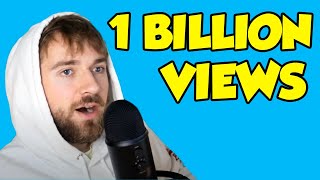
Devon Canup breaks down how he built faceless YouTube channels to over 1 billion views. He covers modeling successful creators, assembling a team, making content people actually want, and obsessing over the platform for the long haul.
Inside of this video I'm going to break down what I've learned from getting over 1 billion views on YouTube. So my name is Devin Knopp, the CEO and founder of Become Viral. And in this video I'm just going to kind of break everything down on how I've been able to get over a billion views on YouTube. I'm going to kind of, I got a list of notes inside of here, but basically I'm just going to kind of almost like podcast style, just break this all down for you guys and give you a bunch of tips that you can apply to your channels or even let's say like any business that you're trying to do yourself. So anyways, this is actually the second time I'm recording this video. I just recorded a whole video and then it turns out that the I didn't set up the mic on the audio for this recording and so I have a 20 minute video where you can just see me talking without any audio. So I'm just rerecording this. So apologize if I sound a little redundant inside of here and repeat some things, but I just want to make sure that I cover everything as this is a super important video. So. And the cool thing about getting over a billion views on YouTube is I've done this without showing my face on camera. I did this without editing any videos myself. I did this without really personally doing any production. All of this I've been able to kind of like outsource and delegate to others. It's not that I haven't been involved with the production process. I've been heavily involved, I'd like to say, but it's more or less it's just like I did this with kind of like niche based YouTube channels where we have like full on teams in place currently. Right now we work with over 30 freelancers and we've invested over a few hundred thousand dollars in content production to be able to make these videos, et cetera. So on top of this like I have recorded videos where I did show my face kind of just like this. That accumulates for probably, I don't know, like 200,000 views of the billion. So really very marginal, barely any. And on top of this we've like, out of those I've recorded like, I don't know, like 400 videos. That's how I got into YouTube. And then as far as like these other channels or other videos that we produce, we've produced thousands of videos, probably like over 4000 videos. I should add it up of content that We've put out and we're putting out at this point, me and my team, when I say we, Me and my team, we're putting out about like a video a day now at this point, almost like two videos a day across everything. We're trying to scale it up again. At one point in time, we were at a point where we were putting out like, I don't know, like eight videos a day. We slowed it down, and then now we're kind of scaling it back up. So anyways, we're gonna jump right into everything. And I'm honestly not sure if this mic supposed to be like that. I honestly think it looks better that way. But this is. I don't have to hold it when I do this, and I see a lot more people go this way. So anyways, so here's what I got. The first point that I wanted to make is that, like, and I think this is the most important point out of, like, all this is that success leaves clues. Here's the thing. Anybody out there, they leave a trail behind them. Like, anybody that's successful, they leave a trail behind them. And you can see how they had their success. So let's say, like, for example, Mr. Beast, one of the biggest YouTubers or the biggest YouTuber on the platform right now, he has like 70 million subscribers on his main channel, and then his is a couple channels with 10 million subscribers. And the thing is, is, like, Mr. Beast, he has every video that he's ever uploaded. I would say, like 99.99% of the videos he's uploaded are still on his channel to this day. You can go back and look at all the old content that he's made, and you can see kind of like the epiphanies that he had, the different things that he's. The kind of. The different phases that he's gone through on YouTube. And for a long time, I think it was like three or four years. I think it was like a thousand days straight or something like that. He didn't make a single dollar off of YouTube. He was uploading videos. And it took him very long time, even just get his, like, first thousand subscribers, and then it took him a long time to get to 100,000 subscribers and then a million subscribers. And you can kind of see, like, all these different levels of his kind of progression as far as, like, how he was able to do it. And all those videos are on his channel. So you can go back in time and look at all of the videos that he's ever posted and this is the same to any other YouTube channel. This is the same to any other successful person. I'm pretty sure myself. I've, like, left behind clues along the way with everything that I've done. There's, like, so many epiphanies that you have. There's so many lessons that you learn about business. And so if you go and watch Mr. Beast today, you can, like, see, like, how much drastically different his. His, like, ideology and his perspective and his philosophy behind YouTube actually is. And so here's the thing is, like, don't try to recreate the wheel. If someone's already invested, say, millions of dollars into learning something, why should you, someone with probably not a million dollars to invest into YouTube, 99% of you guys watching this, why should you try to, like, be fancy and special and try to recreate something new? All good artists in all of life have stolen from others and just, like, implemented their strategies. And when I say steal, I mean, it's kind of like they just model others. There's really good book. It's called Steal like an Artist. I recommend that you check it out. It's a little kind of like almost picture book, but it kind of breaks all that down. It's like success is. Leaves clues everywhere, every. All along the journey. And there's like, really no reason to recreate the wheel. Like, for example, I'm pretty, like, in the cars, and I don't. And I've seen this, like, for example, like, Lamborghini owners, a lot of them are, like, debating on, should I, like, get like, a new suspension on my Lamborghini? Should I lower it? Should I get, like, bags on it or whatever. And the thing is, is, like, Lamborghini is invested millions of dollars into testing out their suspension for their cars over the years, and probably like hundreds of millions, if not billions of dollars on their suspension alone for their cars. Why do you. Why should you invest into some company that's maybe spent, let's say, $100,000 into testing their springs or whatever or their suspension for their car, when Lamborghini has already invested millions of dollars into their suspension and there's a reason why they did the suspension, that they did it the way that it is. And maybe like a lesser car analogy is just like, who are bigger or let's say the same size as someone else that is getting, let's say, like the certain result or success that you're looking for. Don't try to, like, do anything fancy or special. Just copy what they're doing. Like, and when I say Copy just model what they're doing. Copy what's working like, like I said, don't like. But wouldn't you be much more likely to have massive like to get 100,000 view video if you copy a million view video? So that's the biggest thing. It's just like look at who is inspiring you to make these. A lot of my students, I've worked with thousands of people getting into YouTube and I see like this far too often. It's just like people will show me like the channels that are their inspiration and these are terrible people to take inspiration from. Like maybe the channels put out a couple million view videos, but they're looking at their videos, they get like 10,000 views and they're copying that. They're like, oh, this person did this. I'm doing it because they have like a million subscribers. Just because they have a million subscribers doesn't mean that every video that they put out is amazing. Sometimes they get 10,000 views on a video because they have a million subscribers. And that's it. That's the only reason why they got that many views because they already have a pretty large audience. So even if they put out like a two second video, that's nothing, they'd still get like 3,000 views on the video. So it doesn't mean that you should copy the same. So look at like their best performing things or maybe the things that were like game changing for them and then apply those to your, your content. Don't just try to apply something new to it. And then once you get mass, like once you start getting hundreds of thousands of views of video, then you can start looking at other people and replicating what they've done on your videos. Like I said, don't try to do anything new until you've like built a solid foundation and you're getting a certain level of success, then you can start trying to do fancy things and trying to do something new. Now don't get me wrong, I'm not saying don't do anything new. I'm all for that. But it's just like you need to have a solid foundation of how YouTube works in order for you to do something new. Another point that I wanted to add to this video is you got to make videos that people are like craving to watch, but they aren't already out there on the Internet. So when I say like copy other people, I don't mean like straight up. Like if someone makes a video how Elon Musk spends his spends a billion dollars or whatever. Like if that's already been done. Rather than doing how Elon Musk spends a billion dollars, do a video on how anybody else that has a lot of money spends their money. And what that is going to do is like, the main thing is, is like, not too often are people gonna watch the same video multiple times. If they're gonna get the same info and like, maybe they'll get one extra tidbit of information or piece of advice for from your video. If you make like the same video or the same topic, but instead try to come up with topics that haven't been made before and try to fill that gap and that void of another niche that hasn't been tapped into. So a big trend that was going around was like how I built. There was a video that got like, I don't know, 10 million views or so. It was like how like hiring people on Fiverr to make a commercial and that video got like 10 million views. Rather than making that same video just be like, what I could do for this content or this channel, which I think it's actually been done before, but I could do how, how to run a YouTube channel hiring people on Fiverr or I don't know how to like hiring people to mow my lawn off of Craigslist. And you could do like a five dollar an hour person and you could do like a dollar fifty an hour person and show the difference. Like literally just use the same strategy that someone else did, but just tweak the strategy and then just apply it to your content. And don't just copy those videos that are getting 10,000 views. Copy the videos that are getting 500,000 views. A million views. If you copy a 10,000 view video, the best result, the best success that you're gonna get is 10,000 views probably. I mean, yeah, maybe you could do a little bit better marginally, but wouldn't you be much more likely to have massive, like to get 100,000 view video if you copy a million view video? So that's the biggest thing. It's just like, look at who is inspiring you to make these. A lot of my students, I've worked with thousands of people getting into YouTube and I see like this far too often. It's just like people will show me like the channels that are their inspiration and these are terrible people to take inspiration from. Like, maybe this channel's put out a couple million view videos, but they're looking at their videos, they get like 10,000 views and they're copying that. They're like, oh, this person did this I'm doing it because they have like a million subscribers. Just because they have a million subscribers doesn't mean that every video that they put out is amazing. Sometimes they get 10,000 views on a video because they have a million subscribers. And that's it. That's the only reason why they got that many views because they already have a pretty large audience. So even if they put out like a two second video, that's nothing, they'd still get like 3,000 views on the video. So it doesn't mean that you should copy the same. So look at like their best performing things or maybe the things that were like game changing for them and then apply those to your content. Don't just try to apply something new to it. And then once you get mass, like once you start getting hundreds of thousands of views of video, then you can start looking at other people and replicating what they've done on your videos. Like I said, don't try to do anything new until you've like built a solid foundation and you're getting a certain level of success. Then you can start trying to do fancy things things and trying to do something new. Now don't get me wrong, I'm not saying don't do anything new. I'm all for that. But it's just like you need to have a solid foundation of how YouTube works in order for you to do something new. Another point that I wanted to add to this video is you got to make videos that people are like craving to watch, but they aren't already out there on the Internet. So when I say like copy other people, I don't mean like straight up. Like if someone makes a video how Elon Musk spends his spends a billion dollars or whatever, like if that's already been done, rather than doing how Elon Musk spends a billion dollars, do a video on how anybody else that has a lot of money spends their money. And what that is going to do is like, the main thing is, is like not too often are people going to watch the same video multiple times if they're going to get the same info and like maybe they'll get one extra tidbit of information or piece of advice from your video if you make like the same video or the same topic, but instead try to come up with topics that like haven't been made before and like try to fill that gap and that void of like another niche that hasn't been tapped into. So like a big trend that was going around was like how I built like there was a Video that got like, I don't know, 10 million views or so is like how like hiring people on Fiverr to make commercial and that video got like 10 million views. Rather than making that same video just be like what I could do for this content or this channel, which I think it's actually been done before, but I could do how, how to run a YouTube channel hiring people on Fiverr or I don't know how to like hiring people to mow my lawn off of Craigslist. And you could do like a five dollar an hour person and you could do like a dollar fifty an hour person and show the difference. Like literally just use the same strategy that someone else did, but just tweak the strategy and then just apply it to your content. This is honestly like the success strategy that I utilize for my content. I just apply what other people have done and just add a little tweak on it. Like my most viral video, it wasn't anything original or anything fancy other than it was a video that no one else made before. So what do I mean by that is there was videos that were already getting tens of millions of views from for other people in this one niche. And then what I did was I just changed up what the video was about. Like, I used the same strategy that they did and I just talked about a different industry than what they did and I got similar results as they did. I copied everything they did other than what the video was about and I just made the video about that. Me personally, I can do something new because 90% of what I'm going to apply is little bits and pieces that I've learned from all of these different videos that I've watched or the videos that I've put out or results that I've gotten. And it's all these lessons I've learned. So if I make something new and I put all my effort into it, I know anything that I touch is going to turn to gold because I have put in the work. I've gotten hundreds of millions, billions of views on YouTube. So don't try to recreate the wheel, have some sort of reason to do it. If I were to make something new and whatever, I'm not recreating the wheel still. It's like I'm taking inspiration. If I make a video, video that's quote unquote new, I'm taking inspiration from hundreds of people that I've watched or studied, etc. So the big thing is I don't like, I can never, I can't over emphasis Enough, emphasize this enough. But success leaves clues. Don't try to recreate the wheel and look at who you're modeling the inspiration from. Like, here's another example. I was talking to this kid Today, he's like 15 years old and he's killing it on YouTube for a 15 year old. He's making more than like most adults make just off of YouTube, being 15 and being like a sophomore in high school. And I was talking with this kid and he is like, he's making pretty good money but he's having like all sorts of issues on YouTube. We were looking at his like he was telling me like, oh yeah, like I get channels terminated, I get all have all these monetization issues, etc. And I used to be in the same boat. I used to have like a lot of issues like that. And what, as soon as he started describing that, I realized I was like, this kid has terrible inspiration for him making content. He said he had a lot of friends on YouTube with millions of subscribers and a million subscribers doesn't mean much to me. I realized I was like, he didn't even have to tell me, but I realized that I was like, these people that he's looking up to, there's a reason why he's having termination issues. It's probably because they're having termination issues as well or monetization issues. And so he showed me some of the channels that he like looks up to or like he's friends with and he's telling me all these like stories about how they're having all these issues. And I look at the channels and they're just like the wor. Like they're just like the most gray area content that you could possibly make and just kind of like almost like scamming people's attention to be able to watch the videos they're making like super clickbaity things that just like it's like borderline like R rated content. And it's just like YouTube isn't a platform for that. You got to make like PG, PG13 type content. And it made sense why he's having like all these types of issues because the people that he was modeling is having all these types of issues. The advice I gave him and the same advice I'm gonna give you in this video is look at who you're getting your inspiration from. If you're looking at people that have 5, 10 year plans on YouTube and are making the best content for YouTube and making videos that people want to watch, you're not going to have all these issues, just look at the people that you're getting inspiration from. And so that's, I would say that's kind of like the biggest thing is just like look at who you're getting your info from. That's number one. Qualify that first. I'm always skeptical. Whenever I get new information from anybody. They need to be extremely credible or else I just like, I'll half listen to it, you know, it's just like I'll maybe apply one or two things that I learned from them, but I'm not gonna apply everything. Like I've met people that have done like crazy sorts of like tax evasion and all sorts of fraud and everything. And then like, I don't know, like a year later they ended up in the news for like running this big huge scam operation. If I were to apply everything that this person did, then I would be heading down that same path that they did. And I don't want to do that. Instead, model the people that have the long term, business minded, like business minded kind of strategies and model those, model those people that don't have those types of issues are always constantly adapting, etc. And so that's a big thing. It's just be conscious of what your inputs are and where you're getting it from. So that's, I would say that's the biggest thing. And then the other big aspect on YouTube, and this is something that even the, like I've chatted with the guy that works at the head of the YouTube algorithm. The biggest tip of advice that he gave was that rather than viewing the algorithm, like the YouTube, quote unquote, algorithm as an algorithm, view it as your audience. So rather than focusing on making videos for the algorithm's sake and optimizing towards that, if you optimize towards your audience, you're gonna have massive amounts of success and results on YouTube. As long as you have the audience in mind, you're going to get results. So if you put out the best videos you possibly can, they'll eventually catch on. So there's some videos that we've put out that they didn't get any results for a decent amount of time. Like we put out a video like they were really high quality and we're like short term, we were like, man, this kind of sucks. Like, why isn't this happening? It was like a new niche that we were getting into and then come six months down the road, the video got 3 million views. So sometimes it just takes a little bit of time for things to catch on. And that's why if you play the long play of YouTube and just make really good videos that people love to watch and are waiting for your next video to come out, you're not going to have like, you're going to have results, you're not going to have any sort of like issues in the longevity of it. So if you play the long game, you're, you're going to eventually get results. So that's, that's a big thing, is just making content that people want to watch. Like every video that you put out, people should be excited to watch it. Like for example, here's like one of my, one of my channels that we have that I have. I'm like super proud of the content. We've been doing it for a little over a year now and we've like day in and day out constantly tried to improve this channel and try to keep making it better and better. We're competing against a hundred million dollar company on this channel as far as like our quote unquote competition, competition sake. And we're always trying to just do better and better than they are. And it's getting to a point where they're almost like kind of copying us a bit. It's kind of funny how that works. But we've spent so much time on making those videos so good that anybody I ever show this channel to, a lot of times they become fans of our content because the content is that good. I'm actually like genuinely proud of the videos that we put out on that channel. So a little tidbit of advice. I actually kind of got this from Steve Jobs and that is if you're not able to put your name on it and be proud of putting your name on it and saying, I, Devon Canup, did this, or whatever your name is, Sarah, or John or Jack or I don't know, like, if you're not willing to put your face on the front of it and say that I made this, then you probably shouldn't put it out on the Internet. Like you should be proud of the content that you make. And that is like the key to success. Yeah, there's maybe like some little arbitrage opportunities out there where you could just make a quick buck on YouTube or get a big huge amount of views. But if you want to succeed long term on YouTube and get, let's say a billion views on YouTube, you have to build a brand and you have to build some like trust with people. Unless you want to go and start up and fail, like thousands of projects. I'VE started up and failed like 20, 30, 40 projects. It's just part of business. And it's just like the ones that are the most successful are the ones where we built the longevity of it. The brand we had, the. We're like, I could see us still doing this for ten years from now. And those are the ones that are having the most amount of success to this day. Like I've had channels where they just, we were making 30, $50,000 a month and they just, they could have been, they could be demonetized tomorrow. And that was not a very fun situation to be in. And we did that for a bit and we had issues. And then as soon as we switched it to where we're like, hey, let's play for the longevity of this, then that's where we're going to have a massive amount of success. And before you drop comments saying what were those monetization issues? How do I avoid copyright claim? How do I avoid demonetization? Which I get those messages every time I kind of tell this story. The real secret to all this is just make content that people want to watch and make it for the platform of YouTube. What does YouTube want you to make? Ask yourself that. If you don't know that answer, then that means you're not spending enough time on YouTube, which I'll talk about a little bit later in this video. So make the videos that you, that people actually want to watch. You know you have a good video when you can't stop watching it over and over again. I know I have a viral video when I can watch it over and over and over and over again. I'm just like, wow, I'm so proud of this. Sometimes I'll share my family, sometimes I'll share my friends. I'll just be like, look at this video that we made. This is incredible. And that is, that's how you know you got a good video on your hands. So. And it's okay if you're like a beginner, like this isn't really a beginner minded video. But when you're a beginner, just get content out and then slowly improve over time. But as long as you got that longevity in mind and you're playing like the safe route, you're not going to have any sort of issues like try to stay away from things that are risky. If you think something might be potential high risk, stay away from it. Anything that I invest into or anything that I build, it has to fit two categories. For me, it has to be long term minded, like Is it going to make money over the next five to 10 years and is it low risk? Like is there kind of like, kind of almost like a guarantee for results granted our systems and our procedures and all of our current knowledge and resources that we have? Or can we easily go and get the resources to make it as low risk as possible? Obviously there's, there's some other qualities inside of there as far as as me investing in channels and maybe I'll make it a video on that in the future or investing into businesses or anything like that. But as far as like YouTube goes, it's just like is it have a long term minded plan, like oriented plan inside of it or is this going to be just something that's going to work for the next six months and there's no future for it? And then on top of that, how high risk is this? Is there an issue for us to get demonetized tomorrow or is there lots of people doing this and they have like no issue whatsoever And I'm not even concerned whatsoever about copyright or high risk or anything like that or like demonetization, et cetera. So on top of that, the next point inside of this video is scale is reliant on your team and the people around you. I don't know a single person that said massive amount of success that did it by themselves. Maybe you could get like let's say a million views by yourself, maybe 10 million views. Or you see those people that are those like one hit wonders or whatever that put out one viral video that goes crazy. But for anybody to have any sort of like longevity and getting results, they're people that have all sorts of people around them. They have mentors, they have consultants, they have network and friends that they have that are successful. And on top of that they have an amazing team that is helping them get the success along with them. Me personally, I can't say that I'm the reason why like me myself solely am the reason why. I've had amazing amounts of success. I had to kind of like lose my ego ego and kind of promote others, like encourage others around me in order for me to get to like the next level of success. I got to like a certain point by myself. But I realized like I can only go so far by myself and by having others around me I'm able to focus on the most important things like creating the vision and kind of figuring out where we're navigating the ship. But other than that, like I'm not the one, like I'm not the one editing the videos. I'm not the one writing the scripts of the videos. I'm not the one voice acting. I, I watch the videos and I review them and I critique things and I'm always thinking of like, what's next? Or what's like kind of our future with all of this. But the reason why I've had success is because the people around me and, and the team that I've built, like we have over three, 30, we have over 30 freelancers that we work with on a regular basis and we're always growing this and we're always hiring people. We've hired over a hundred people now at this point and gone through so many people and we've cut a lot of the fat and found like the best people to work with. Some of the people that have been producing content for me have been working with me for over a year now. And I know that doesn't seem like that long, but I mean most of the success I've gotten on YouTube was within the last two years, which is incredible, I would say. I think it was a year and a half ago. Two years ago I just had one person working for me. Now we have over 30 people working for me, which is incredible. And it's just all based down on just hiring really quality people and constantly growing and building out systems and slowly just dealing with all the scaling things as time goes on. And now we're at a point where I feel confident almost taking on any project as far as like YouTube's sake or viral video production or anything along those lines. I think we can crush it at it because we've built the systems, we have the people, and we've been able to get massive amounts ofSuccess on YouTube. So as you scale up, people are the key to you getting massive amounts of results. They say like the two keys to scaling is people and technology. Without those two things then, or without either of those, then you're just, you're going to have a tough time kind of, you're going to be pulling your hair out trying to figure everything out. So skill is reliant on the people around you. So hire good people. And the last point I wanted to make is you got to become obsessed. A point that I really want to drive into this is I watch a lot of YouTube, I spend stupid amount of time on YouTube watching videos and studying videos and just honestly I just personally enjoy. It's just something that I'm passionate about. And here, like, I'll even pull up my watch time on my, my for my YouTube channel. And I said this in the last video or the last time I record this, but we'll redo it. But anyways, in the last seven days on my one of my channels I watch on multiple channels. So this isn't even all of it. I watch about 5 hours and 16 minutes daily average. But in the last 7 days I've watched about 36 hours of YouTube. I watch YouTube on different channels because I get different types of content on different channels because I watch different types of videos. And like I try to keep business videos on just one channel or self development and then another channel. I just watch stupid videos. So I've watched about 36 hours of like stupid videos and maybe like five of those hours on productive stuff on that one and probably like another 10 or 15 hours on productive, et cetera, like self development or business podcasts, et cetera. And the thing is is that I've almost spent like, if you think about it like let's say I did say 45 hours this last seven days of watching YouTube. I spent almost like an eight hour workday watching YouTube every week. So it's like my full time job is watching YouTube videos. The reason why I get success on YouTube is because I watch so much YouTube videos, so many YouTube videos. The reason why I'm able to make like solid decisions on like production or come up with viral video ideas, etc. Is because I watch a lot of YouTube. I talk to some of my students and I'm like oh okay, like what's some of, what's one of your favorite channels that you like to watch on YouTube? And they're sometimes they're just like oh yeah, I don't really watch that much YouTube. Why on earth would you expect to have like massive amounts of success on there if you don't watch any videos on the platform that you're trying to like make money on? So that's one thing that always like kind of blows my mind. But I spend more time than probably most people that you know on the platform. You may be able have like a friend or something that does more. But I spend a lot of time and I, I'm a pretty busy guy. I do a lot of things and a lot of times I have them running in the background and I'll watch all sorts of stuff. I'll watch like fortnite gaming videos, I'll watch weird like I don't know, like I watch Roblox content or something, you know, then I'll watch like self development, I'll watch Mr. Beast videos. I watch Logan Paul, I watch podcasts, like impulsive and, I don't know, like, all sorts of videos. I watch so much YouTube that I have such a solid understanding of like, who is watching my videos in all aspects. And so the biggest thing is, like, in order to, like, have a really good understanding of like, what your audience wants, you need to become a member of your own audience. You have to be a fan of your own content or a fan of your own niche in order to understand what those types of people want to watch. Like, for me, myself, personally, I asked myself, like, why am I watching this video and not these other videos? This video looks way more appealing to me. Why are these other videos so boring? Or why are they so boring to me? Or maybe I'll start watching a video and I'll skip through it. I'm like, this is kind of lame. Like, this isn't really like giving me the dopamine that I'm looking for. And I try to apply those same tactics and strategies into the own content to the content that I make myself. I watch so much YouTube that I have such a high level understanding of like, my audience and what people want to see, that I am able to make good content. I'm able to put out videos that get millions of views. So that's pretty much what I got for you guys today in this video. This one's actually a little bit longer than the first time I recorded it, but there's a lot of value inside of here. The main thing is it's just success leaves clues. And if you guys are trying to get results on YouTube, don't try to recreate the wheel. Don't try to do anything fancy or special or anything like that. Try to model others and what they've done and just become obsessed with YouTube. Like that's how I've gotten billions of views. I've probably said the word YouTube like 100 times in this video. I'm curious how many times I've said it inside of here. But I have a question for you guys. Drop in the comments down below. What is your watch time for the last seven days on YouTube. So drop it down below. I'm actually curious what you guys have, but other than that, that's what I got for you guys. Make sure to subscribe because I'm going to be posting more videos. I've been having a lot of mic issues issues lately and I've realized I need to make these videos if I have this many issues making, making content. So I'm gonna keep hammering at it. I'm gonna keep putting out videos, but this is what I've learned from getting over a billion views on YouTube. You guys can do it, too. I honestly never thought I'd be saying, hey, I got over a billion views on YouTube. But it takes, like. It just takes a lot of dedication. And you can achieve it, too. I've been doing YouTube for about four years now, and, yeah, I've just kind of learned a lot, so that's what I got. There's probably a few points that I'm missing, but I'll make some other stuff for future videos and everything. But anyways, I will see you all in the next one. Peace.
More from Devon











Powerful dopamine junkies, Geniuses are depressed and Nueroscience of environments