Ai încercat vreodată să te gâdili singur? Iată de ce nu funcționează ☝🏻😂
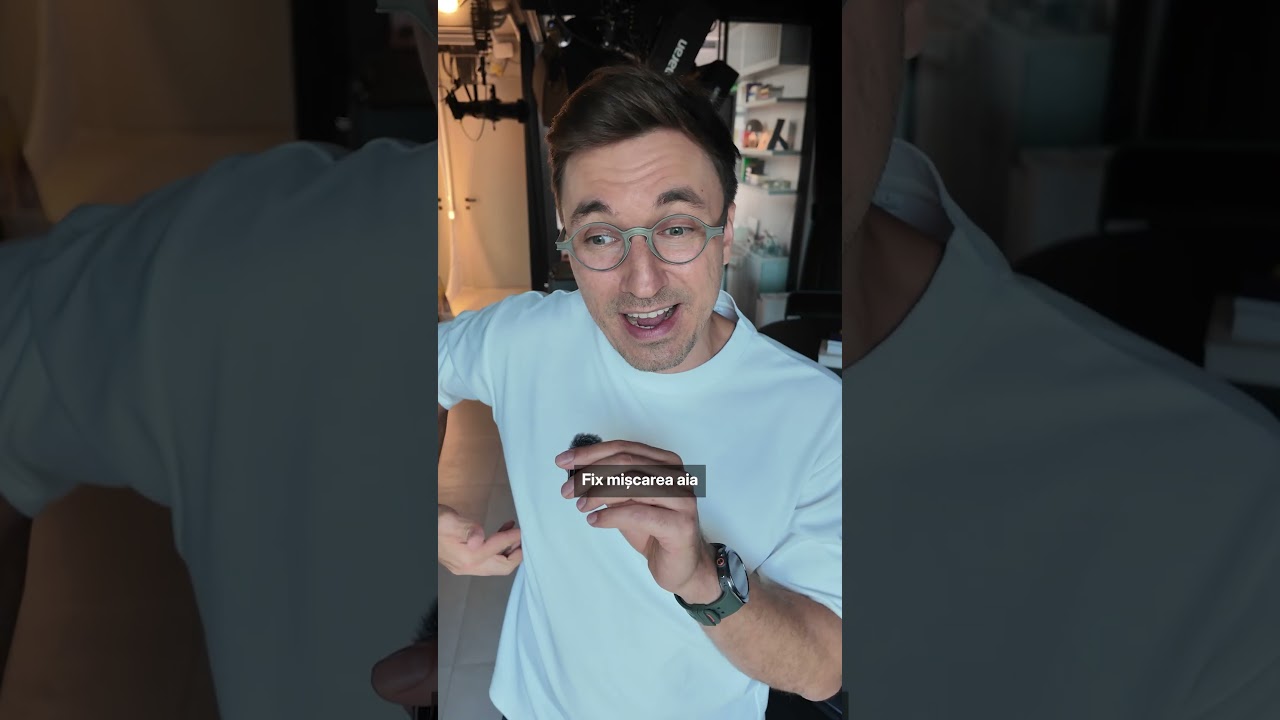
In this Romanian-language YouTube monologue, the presenter conducts a simple experiment: trying to tickle oneself under the armpit, on the belly, or on the foot, and observes that it is virtually impossible to achieve the same sensation as when someone else tickles you. He explains that this failure reveals how the brain efficiently predicts self‑generated movements. The cerebellum sends a predictive signal to the hand, informing the brain that the movement will occur, and when the prediction is confirmed, the brain attenuates the sensory signal, reducing the ticklish feeling. The speaker extends this predictive attenuation to everyday phenomena: you don’t wake up to your own snoring, you don’t hear the crunch of your own chewing, your own voice sounds different to you, and self‑massage feels less effective than when someone else massages you. He notes that while this mechanism has positive aspects (protecting us from sensory overload), it also means it is hard to surprise oneself. The video blends informal humor with a concise neuroscience explanation of predictive coding in the cerebellum.
Chapters
More from Mihail


Tu știi câtă sare consumi zilnic? Te uiți vreodată la cantitatea de sare de pe eticheta alimentelor?


Cât de atent ești la schimbările care apar, la cum percepi mirosul sau sunetele? 👨🏼⚕️☝🏻


Tu cât timp petreci zilnic pe rețelele de socializare? Ai încercat să îți setezi limite?

