Beneficiile reale ale slăbitului | Bun Bine | cu prof. dr. Cătălin Copăescu
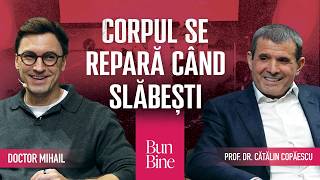
In this Romanian interview, host Mihail Pautov converses with bariatric surgeon Prof. Dr. Cătălin Copăescu about obesity as a chronic, progressive disease affecting virtually every organ. They note that 6 out of 10 Romanians have weight‑related problems and that the transition from overweight to obesity can occur unnoticed, leading to fatigue, poor sleep, hormonal disturbances and increased risk of hypertension, type‑2 diabetes, liver steatosis, cardiovascular disease and joint issues. The discussion explains how body‑mass index (BMI) thresholds (25 = overweight, 30 = obesity, >40 = morbid obesity) are used for screening, but emphasizes that clinical impact depends on fat distribution and organ‑specific complications. They describe the physiology of satiety, the role of bile and pancreatic secretions, and why eating slowly and allowing food to reach the small intestine is essential for proper satiety signalling. The conversation moves to therapeutic options: lifestyle modification, multidisciplinary evaluation, pharmacotherapy (including newer incretin‑based agents) and bariatric surgery, outlining the mechanisms by which surgery reduces stomach volume and alters gut‑brain signalling. They discuss the benefits observed after losing as little as 5‑10 % of excess weight—improved breathing, reduced apnea, lower blood pressure, decreased liver fat, better glycaemic control—and the challenges of maintaining weight loss due to physiological set‑points and hormonal drives. The interview highlights the liver’s rapid response to reduced caloric intake, the importance of early mobilization of hepatic fat stores, and the immediate improvement in insulin resistance. Detailed discussion of surgical anatomy reveals more than 15 bariatric variants targeting the stomach and small intestine, the risk of micronutrient deficiencies, and the necessity of lifelong supplementation and monitoring. Long‑term follow‑up data show a modest weight regain (≈20 % of lost weight) after 10‑15 years, underscoring the need for continuous care. Stigma, misconceptions about willpower, and professional obstacles in both social and medical settings are examined, including the analogy with oncology to stress the seriousness of obesity. Gender‑specific body‑fat percentage norms (8‑20 % for men, 21‑33 % for women) are presented as criteria for surgical eligibility. The interview ends with a call for broader access to both medical and surgical treatments, noting that pharmacotherapy could potentially help 10‑15 % of patients while bariatric surgery currently serves about 1 % of those in need, and emphasizes the role of multidisciplinary teams and partnerships (Regina Maria, etc.) in delivering effective, compassionate care.
Chapters
Obezitatea nu doare. 6 din 10 români au probleme legate de greutate.
Domnul profesor, honorati!
Trecerea de la supraponderat la stadiu de obezitate poate să se instaleze neobservat.
Cât de rău ne face de fapt?
Toate organele sufere, nu te odihnești bine, sfărei noaptea, te trezești obosit dimineața. Sunt complicații hormonale, întâlnim la tinere mai ales, ori dacă este o boală. Nu e despre voință. Este o boală care necesită atenție în diagnostic, tratament și urmărire. Schimbarea stilului de viață despre care am vorbit ar putea corecta această problemă.
Înslăbim 10% din greutate. Ce beneficii apar?
Deja discutăm despre o îmbunătățire semnificativă a respirației, o ameliorare a hipertensiunii arteriale, rămâi cu niște kilograme în plus, dar nu ți este afectată speranța de viață. Trebuie să facem ceva. Dar atunci când apar complicații, ai nevoie de ceva mai mult.
Sper ca oamenii măcar să-și găsească o direcție potrivită și să înțeleagă ce trebuie să caută. Continuăm discuția despre slăbit și cunoașterea corpului și de data asta o să intrăm într-un realm nou. Am vorbit despre prevenție și e atât de important să practicăm această prevenție și din ce am înțeles în prima conferință este că Prevenția asta e mult dincolo de a ne menține kilogramele. E despre conectarea la noi înșine, e despre a ne simți pe noi, e despre a ști ce mâncăm, e despre microbiomul pe care îl hrănim, care iată dacă e bine hrănit, o să ne ajute în această prevenție, dar o să ne dea și multe alte beneficii. Și, cum ziceam, continuăm discuția despre obezitate. Cum am spus, o definim ca pe o boală cronică și aici e foarte important să ne concentrăm pe asta. Pentru că sunt foarte mulți oameni care trăiesc în această negare, care încă au impresia că obezitatea este despre voință și atunci apare senzația de vină și de neputință. Pe de-o parte, ai impresia că nu ai voință și tinzi să crezi că doar voința este cea care te va ajuta să nu mai mănânci atât de mult și să slăbești. Și apare și această stigmatizare că iată eu am această problemă pentru că nu am văință și ceilalți mă stigmatizează și mai mult decât atât neconștientizarea sau negarea nevoiei de tratament te menține în acest cerc vicios. Și sunt extrem, extrem de onorat din două puncte de vedere. Pe de o parte pentru că vorbesc cu, să zic, unul dintre cei mai valoroși chirurgi din țară în această conferință, pe de altă parte pentru că și eu sunt chirurg și mi-e foarte dor de chirurgie și am Am avut ocazia să-l cunosc pe domnul profesor Copăescu, inclusiv în sală. Am avut ocazia să-l cunosc pentru că am o prezentare a Dânsului care spune că de 25 de ani a făcut mii de intervenții reușite. Am văzut multe intervenții ale Dânsului, că este formator al echipelor pe care și eu am fost parte din acele echipe și eu am făcut parte din cursurile pe care Dânsul le predă în chirurgie laparoscopică, în tehnici chirurgicale. Iar acum e aici cu noi și continuăm această discuție despre ce Înseamnă obezitate? Ce soluții există și de ce n-ar trebui să mai așteptăm? Apropo, aveți dublă certificare europeană și americană în chirurgia metabolică bariatrică. Ce înseamnă acest lucru?
În primul rând, mulțumesc frumos pentru invitație. E o atmosferă în care prima parte a conferinței m-am simțit foarte bine, putându-mă la cei care Sunt aici prezenți și într-o zi de duminică au considerat să fie alături de noi pentru a discuta un subiect foarte important, cel puțin în perspectiva celor care sunt atât de antrenați în tema excesului ponderal. Le mulțumesc că sunt aici și privind în sală, nu văd foarte mulți care sunt afectați de această boală. Dar interesul este mare, un interes major să sacrifici o parte din timpul de duminică într-un astfel de cadru în care schimbul de idei va face diferența pentru ceea ce urmează. Pentru că da, nu am acum o problemă, dar mă gândesc la perspectivă și asta este foarte important. Văd foarte clar ziua de mâine, vreau s-o schimb. Vreau să-mi fie mai bine apropo de ce avem aici în moto. N-aș vorbi prea mult de certificare. A fost o dorință a noastră de a valida ceea ce facem din perspectiva calității. Pentru că privindu-ne în oglindă sau încerca să evaluăm ceea ce facem nu este suficient. Întotdeauna există un risc de suficiență și e ceva specific pentru chirurgi. pentru echipele medicale este în general periculos. Suficiența este reperul la care ar trebui să ne uităm de fiecare dată conștient, încercând să stăm departe de ceea ce înseamnă finalul a ceea ce știm noi și ceea ce putem oferi. Și, într-adevăr, acum 15 ani am aplicat pentru astfel de evaluare, a durat câțiva ani, până când am reușit să îndeplinim criteriile impuse de ceva ce, din punct de vedere organizatoric, al echipei, nu e vorba de un E vorba de o echipă multidisciplinară întotdeauna, e vorba de o instituție care să accepte că un astfel de program poate fi derulat coerent pe o perioadă lungă de timp, iar rezultatul care este de fapt în beneficiu pacienților e validat constant de către cel care auditează și care oferă un astfel de certificat și la un interval de timp ești reexaminat și poți menține acel nivel de certificare sau îl poți pierde. De fapt, ideea de excelență, că la asta se face referire când vorbim despre Centrele ultra specializate e un deziderat. Nu e un apogeu. Este o etapă pe care o atingi și pe care vrei să o menții. Îți dorești să o menții.
E un lucru foarte important pentru că dumneavoastră, pe lângă obezitate operați foarte multe lucruri complicate și ați adus o școală. La paroscopie ați format în mod real mii de chirurgi și aveți o vedere foarte disciplinată, comprehensivă, foarte didactică și care tinde spre perfecționism. în Spitalul Academic Ponderas, pe care practic l-ați format și ați format echipele pe care le-am văzut, pe care le cunosc și toate lucrurile astea se extind din colo de simplă operație. La un moment dat o să vorbim despre cât de important este să să ai toată această vedere de ansamblu asupra pacientului care sufără de obezitate pentru că în final ne întoarcem la asta. Această obezitate este o boală și o să vă întreb cât de rău ne face de fapt să nu înțelegem că obezitatea e o boală, să avem impresia că este doar o voință sau e genetică pentru că și părinții au fost așa și să rămânem în situația asta.
Obezitatea este o boală, s-a spus aici. Este o boală cronică cu evoluție progresivă și care impune o soluție terapeutică permanentă. Avem nevoie de un control care va trebui menținut pentru tot restul vieții. Sigur că, specific, există o acumulare excesivă de țesut adipos. Dar impactul acestei prezențe asupra organismului este neselectiv, nefavorabil asupra tuturor funcțiilor organismului nostru.
Adică țesutul adipos în exces ne afectează orice organ, fiecare organ.
N-aș putea numi o funcție care să fie cruțată de o prezență, la un moment dat, de prezența țesutului adipos. Toate sunt influențate. S-a vorbit foarte frumos în prima parte despre prevenție, despre modul în care ne înțelegem și ne calibrăm stilul de viață, ni-l definim. Orice derapaj poate conduce mai departe la un dezeclibrul nutricional și în sensul acumulării excesive de țesut adipos se numește obezitate. Schimbarea stilului de viață despre care am vorbit în prima parte ar putea corecta această problemă. Dar dacă s-au instalat complicații ale acestei boli, dacă există o rezistență care limitează posibilitatea celui afectat să-și atingă obiectivele, va trebui să cerem ajutor în altă parte. Obezitatea este ca definiție despre kilograme în plus. Asta este cadrul general. Dar vreau să știți că medicina nu operează cu valori absolute care să se constituie într-o limită dincolo de care ar trebui să ne îngrijorăm. Am 3, am 5, am 10, am 15. Când ar trebui eu să mă îngrijorez? Operează cu niște formule și e bine să știe fiecare că e foarte simplu să calculăm indicele de masă corporeală. Poate că asta ar trebui să fie prima preocupare atunci când vrei să afli dacă din punct de vedere ponderal ești bine.
Corect. E un lucru pe care fiecare ar trebui să-l facă și nici măcar nu trebuie să facem această formulă. Există pe internet, dacă scriem BMI sau Indice de Masă Corporal IMC pe Google, primul site care o să apară o să fie un calculator automat care îți cere greutatea și înălțimea și îți dă acest IMC. Cât de relevant este, Dacă am un IMC care trece de 25, ceea ce înseamnă supraponderal, sau care se duce în zona de 30, care înseamnă deja obezitatea?
Înseamnă deja obezitatea. Trebuie să împărțim greutatea la pătratul înălțimei. Și cu cât valoarea de kilograme pe metru pătrat este mult peste 30, cu atât începem să ne îngrijorăm. La peste 40 discutăm de obezitate morbidă care asociază complicații. Nu trebuie să mai stăm pe gânduri. Trebuie neapărat să facem ceva. A spune că este o formulă care ne ieurcând la îndemână și care ar trebui să ridice niște semne de întrebare. Oare eu pot fi relaxat într-o astfel de situație sau deja a trecut prea mult timp în care eu nu am făcut nimic? Pentru că obezitatea nu doare. Poate sunt anumite situații în care ești apăsat, redepășești relativ ușor Dar nu conștientizez că trecerea de la suprafonderal la stadiu de obezitate poate să se instaleze neobservat. Incredibil de bine tolerează mulți dintre pacienții care au obezitate limitele pe care le impune această boală. își modifică stilul de viață, își stabilesc în mod particular o anumită ștachetă pentru ceea ce ar putea realiza, își construiesc practic viața într-un scenariu în care devin confortabil cu acest disconfort, un disconfort major și fizic și psihic, și medical, însă expresia medicală nu se instalează de la început. Vei putea întâlni un pacient care are steatoză hepatică? Spun analizele astea? Ai ocheografie și spune că ai eficatul graz? Analizele pot să arate foarte bine. Transaminazele sunt în limite normale. Există o putere de compensare pentru organele noastre care tolerează un exces dețesut adipos, care la început nu este etichetat ca un invadator nociv destul de multă vreme. De aceea este periculos ca această trecere să fie lăsată neobservată. Trebuie să facem ceva.
Cert e că trebuie să înțelegem că asta este o caracteristică a obezității. Nu este ceva ce simți deodată, e ceva ce se instalează treptat și e ceva la care corpul se adaptează și te ajută să nu o simți. Te ajută să te simți absolut normal. tu suferind de această boală, ceea ce până la urmă nu e ceva ieșit de comun. Asta se întâmplă și în hipertensiune arterială, se întâmplă și în diabet, se întâmplă și în sindrom metabolic. Nu simți acest lucru, dar acest lucru se instalează. Dar totuși, ca să putem să ne uităm așa chirurgical în corpul unui om, Puteți să-mi explicați ce se întâmplă cu organele sau funcțiile importante?
Cred că e bine să transmitem câteva elemente de anatomie până la urmă, că s-a vorbit aici să mâncăm, cât mâncăm, cum combinăm, dar de fapt ce se întâmplă cu ceea ce noi mâncăm? La ieșire din stomac. Alimentele întâlnesc secrețiile biliopancreatice. Biliopancreatice. Ficatul produce aproximativ un litru de bile. Pancreasul, aproximativ un litru de enzime pancreatice. Combinația alimentelor cu aceste secreții ale celor două glande determina procesul mai departe, esențial, procesul de absorpție pe parcursul intestinului subțire și mai departe în intestinul gros, așa cum s-a vorbit aici. Este esențială o astfel de combinație și organismul reacționează diferit în funcție de unde se găsesc alimentele la acel moment. Vei ingera rapid, înghiți compulsiv, mănânci repede pentru că n-ai timp, parcurgi trei feluri de mâncare într-un interval scurt de timp pentru că atât e pauza, mănânci contextual forțat să introduci multe alimente pentru că ai altă treabă, te gândești în altă parte. nu conștientizez că ar trebui să fie relaxat la masă, alimentele ajung în stomac, simt și o distenție importantă la nivelul stomacului care însă nu se traduce în senzația de sațietate, ceea ce ar trebui să încheie acest proces al nutriției. Mă cheamă senzația de foame, să mănânc, introduc alimentele in tubul digestiv, iar procesul se încheie cu senzația de sațietate. Ori există un nivel diferit de-a lungul tubului digestiv, unde stimuli pentru senzația de sațietate se formează. Și acest segment este la nivelul intestinului subțire. Deci trebuie ca alimentele să parcurgă cel puțin o parte a intestinului subțire pentru ca senzația de sațietate care anulează senzația de foame, ceea care ne-a determinat să căutăm energie. să încheie procesul de digestie.
Asta e o explicație foarte logică și care ne face să înțelegem de ce e important să mâncăm lent. Pe lângă masticația bună și lentă, ăsta e motivul pentru care e bine să mănânci lent. Eu fac o greșeală când mă duc la restaurant, zic aduce-ți tot odată. Aduce-ți tot odată, că n-am timp, am mâncat repede tot. De fapt e foarte mult sens să n-a mânca un aperitiv, după aia n-a aștepta să-ți vină felul principal. Asta prelungește timpul de a mânca, de a înghiți și asta o să ducă până la popularea intestinului subțire a primei părți de alimente digerate care îți vor da senzația de sațietate.
O senzație de sațietate veridică.
Cât durează de la înghițitura mea până când primele alimente ajung?
Durează 10 de minute. Haideți să luăm scenariul unui restaurant faimos unde calificativul cu multe stele sau pălării sau rog depinde de clasament. Ești invitat să parcurgi acest ritual în care parcursul experienței culinare este cel puțin o oră și jumătate. Și ai niște farfurii mari, apropo de dimensiuni, unde alimentele colorează puțin această farfurie, care socializezi, mai stai de vorbă, ești invitat să combini diverse ingrediente și la un moment dat, la jumătatea unui astfel de parcurs, în care nu ai consumat cantitativ foarte mult, te simți sături. Pentru că semnalele neuroenterohormonale, și nu e ceva complicat, s-a vorbit aici, s-a atins subiectul nervii, hormoni, zone unde se produc signalistic anumite informații care ajung pe calea sângelui, sau pe calea nervilor, în principal nervul vag, către zona de decizie care este în creieră și care determină senzația de foame. Deci senzația de foame trebuie să existe. Ea nu trebuie să dispară. Discutăm de anorexie și o situație patologică cu care nu vrem să ne confruntăm. Dar decizia nu este influențată numai biologic, Există mulți alți factori care determină continuarea procesului de ingestie fără ca din punct de vedere biologic sau dincolo de ceea ce din punct de vedere biologic ar fi însemnat satisfacție din punct de vedere nutrițional și pentru că în evoluția noastră de-a lungul a sute de milioane de ani nu a existat o abundență de alimente, stomacul are o capacitate generoasă pentru a putea admite ingestia a 800, 1000, 1500, poate chiar mai mult la persoanele care sunt antrenate, cantitate de alimente, un volum de alimente care sa poata fi ulterior procesate. Dar asta in contextul in care noi nu am avea la indemana o sursa continua de alimente. Iar noi expunem astazi organismul contextual într-un scenariu cu care el nu este genetic pregătit. Aceste semnale neuroenterotransmise nu sunt calibrate pentru oferta pe care o avem astăzi din punct de vedere culinat, din punct de vedere nutriționat.
Și una din soluții, am înțeles-o astăzi de la dumneavoastră, este să mâncăm fiecare cină la fine dining. Dacă nu avem această soluție la îndemână, putem să punem în practic lucrurile despre care am început discuția cu Lavinia și cu Laura în prima conferință. Totuși, dacă n-am ajuns acolo și îmi place să cred că în medicină, cel puțin anecdotic, nu îmi dau seama cât este adevărat statistic, dar anecdotic și din punctul meu de vedere și din punctul de vedere al oamenilor pe care îi cunosc, cred că este bine pentru a lua o decisie sănătoasă pentru noi care să se mențină de lungul timpului E bine să ne speriem puțin, să ne dăm seama ce se întâmplă real nociv în organism și după aceea să vorbim despre beneficiile pe care scăderea în greutate le poate avea asupra noastră. Și am înțeles cum se întâmplă digestia, cum suntem evolutiv programați de niște gene care ne-au adus în punctul ăsta și de abia de acum încep să ne facă rău. Mi-a plăcea să aud de la dumneavoastră care sunt modificările pe care le observați la pacienți care suferă de obezitate în privința, să zicem, câtorva organe și ziceam de ficat. Este printre primele organe direct afectate și se poate vedea la o ultrasonografie, o ecografie, se pot vedea modificări ale ficatului. Dar cât de mult suferă de fapt ficatul în obezitate?
Ficatul acumulează depozite de energie care ar trebui să fie utilizate foarte rapid atunci când suntem în criză dar atunci când Cantitatea de energie pe care noi o trimitem spre depozitare este exagerată, acest invadator produce local inflamație și reacția inflamatoriei are drept consecință nevoia organismului de a scăpa de această inflamație și paradoxal, încerc o explicație simplistă pentru insulino-rezistență, crește senzația de foame. Și deși nu ar trebui ca organismul să mai ceară un supliment de mâncare de îndată ce rezervele sunt consistente, a spune exagerate, avem senzație de foame. De aceea, din perspectiva unui pacient cu obezitate, unei persoane care sufere de obezitate, ar trebui teoretic, urmând racionamentul pe care l-am expus, să nu-ți fie foame. De ce să îmi mai fie foame de îndată ce eu am suficient de multe rezerve astfel încât să pot parcurge lunile următoare fără o sursă sublimitare de energie. Asta nu înseamnă că nu am nevoie de alte suplimente, vitamine, minerale, proteine care să poată conduce la finalizare reacțiilor oxidative din corpul nostru. De asta este o altă temă. strict legat de energie, ar trebui să nu ne fie foame. Și atunci, orice invitație la a mânca pentru o persoană care are deja obezitate, reprezintă o foame exagerată. Și atunci, dacă ne uităm așa, e clar că pentru persoana respectivă care afirmă și de multe ori așa se întâmplă, că mănâncă puțin, dar eu nu mănânc mult.
Au zis des asta?
Au zis des asta și e valabil aici un jurnal alimentar care e relevant pentru cantitatea care ar putea eventual să fie corectată. Dar la un moment dat, excesul ponderal este atât de mare încât fizic ei nu mai pot desfășura activitate, arderile la nivelul grupurilor musculare sunt extrem de limitate și chiar și acea cantitate redusă de alimente nu poate ajuta în sensul reversării consecințelor obezității. Vor scădea în greutate eventual un kilogram, poate două și vor pune o consecință care compensă mai multe peste acel Yo-Yo Effect.
Eu sunt curios, legat de ficat, când deschideți un pacient sau nu-l mai deschideți, intrați cu camera într-un pacient care suferă de obezitate și trece printr-o operație de chirurgie bariatrică, cum arată de regulă acel ficat? Cât de des vi se întâmplă să vedeți un ficat sănătos la un pacient obes și cum arată de regulă un ficat?
E o speranță optimist formulată exagerată că ficatul meu nu are nimic. Întotdeauna la pacienții cu obezitate ficatul are steatoză în diverite forme.
O vedeți cu ochiul liber?
Da, se vede cu ochiul liber.
Și cum arată diferit?
Prezența țesutului adipos schimbă dimensiunea fricatului, schimbă aspectul, culoarea este cu o tentă galbenă în primele faze, iar ulterior, pe măsură ce inflamația care la nivel Structural afectează funcția hepatică, se transformă în procese fibrotice pentru că vindecarea este prin fibroză, vedem macronodul și avem deja o ciroză grasă, iar următorul pas este neoplazia care se instalează pe acest fond. Deci avea un ficat gras ceea ce poate fi pus in derizoriu. M-am dus la o ecografie și mi s-a spus că am ceva grăsime pe ficat. Ar trebui să ne preocupe. Nu a spus să ne îngrijoreze pentru că poate că ar trebui să distingem între modul în care ne poziționăm față unei situații incipiente Adică un ficat gras,
prima dată văzut la ecografie?
Față de un ficat care are o steatoză cu grad avansat, există din această perspectivă posibilitatea de a evalua astăzi imagistic foarte bine. Nu trebuie să faci, foarte ușor, nu trebuie să faci o biopsie hepatică neapărat, ca să poți să fii calificat pentru o formă gravă de steatoza hepatică, care la rândul ei, steatoza hepatică, e o piesă extrem de importantă în sindromul metabolic și este în același pachet cu dislipidemiile, cu diabetul zaharat de tip 2, cu bolile cardiovasculare și toate acestea nu sunt o simplă listă de complicații ale obezității, ci sunt în măsură să afecteze speranța de viață. Asta trebuie să ne uităm. și calitatea vieții pacientului respectiv. Deci trebuie să facem ceva.
Legat de diabetul zahărat de tip 2 și rezistența la insulină, care sunt legăturile și cum afectează obezitatea această afecțiune sau această stare de a fi în rezistență la insulină? Cred că un pacient poate să mănânce mâncare ultra-procesată care are multe calorii, are un exces calorii constant care o duce la obezitate, totuși nu mănâncă dulce și are impresia că asta îl fărește de diabet. Dar de ce nu e așa și cum obezitate influențează diabetul?
Organismul știe să-și extragă glucidele din alimentele care aparent sau din ceea ce știm noi ca ingrediente în ceea ce mâncăm conține mai multe sau mai puține zaharuri. Organismul are nevoie de energie. Glucoza circulantă este cea care hrănește celulele. A avea un nivel foarte jos al glicemiei nu înseamnă neapărat că e bine pentru organism. A spune că hipoglicemiele sunt chiar mai periculoase decât hiperglicemiele. Deci avem nevoie de o valoare considerată nu întâmplător normală, de care are nevoie organismul. Acest combustibil pentru celule trebuie să existe la dispoziție. Diabetul zahărat de tip 2 asociază în 90% din cazuri obezitatea. În fața medicului este un pacient care are un diabet zahărat de tip 2, există o șansă de 90% ca acest pacient să aibă și obezitatea. Invers, obezitatea poate conduce la un risc ca 30% dintre cei care au obezitate să dezvolte un diabet zaharat de tip 2. Deci e o relație extrem de strânsă între cele două patologii. Și există, dacă privim diabetul ca pe o complicație a obezității, Există o perioadă destul de lungă de timp în care echilibrul glicemic este menținut cu eforturi semnificative din partea organismului. Prezența unui nivel crescut de glucoză în țânge determină o reacție a pancreasului să producă insulină. El... O prezență exagerată de insulină conduce la o senzație de foame care n-ar trebui să fie prezentă la un pacient cu obezitate exagerată față de învoile lui. Din fericire, astăzi avem medicamente. Pentru prima dată în istoria unui parcurs în care ne confruntăm cu obezitate, e vorba de vreo 70-80 de ani de când lumea medicală să uită cu atenție la această situație și la consecințele obezității asupra stării de sănătate. Este pentru prima dată când avem o formulă farmacologică copii a unor enterohormoni care instalează o senzație de sațietate apropiată de ceea ce noi fiziologic așteptăm la sfârșitul mesei. Se instalează precoce. Sunt încetinite mișcările tubului digestiv, contracțiile stomacului diminuă, mâncarea rămâne mai mult timp în stomac pentru anumite substanțe. Informația care ajunge la nivel central în nucleul arcoat, în hipotalamus, este senzația de sațietate pe care noi o urmărim atunci când mâncăm.
Când mâncăm avem această, ați povestit despre ajungerea alimentelor în intestin, secreția aceasta naturală a acestor hormoni proprii care ne dau senzație de sățietate și de fapt acești hormoni stau la baza terapiilor farmacologice despre care știm cu toți aceste, să zic, terapii injectabile.
Analogii în cretini și da, așa este. ne ajută să controlăm mai bine ingestia alimentelor până la urmă. Avem nevoie de o limitare, așa funcționează aceste tratamente, a ceea ce introducem pentru procesare în tubul digestiv. Chirurgia alterează tubul digestiv prin îndepărtare efectiv a unei părți din stomac și atunci stomacul care a fost gândit proiectat a fi un rezervor tranzitor pentru o cantitate mai mare de alimente nu mai este atât de generos. Atunci am putea percepe din printr-o înțelegere mecanică că o reducere de volum este suficientă pentru a mânca mai puțin, dar nu este singura explicație pentru mecanismul și eficiența intervențiilor chirurgicale. încă, de fapt, la nivelul somacului există terminațiuni nervoase care informează creierul despre senzația de foame. Există acolo niște arii unde se secretă anumiți hormonii ori exigeni și care ne invită să mâncăm. Ori secționarea somacului și îndepărtarea acestor arii face ca senzația de foame să nu mai fie la fel de intensă. Și de fapt de aceea sau prin această explicație putem susține relaxarea pe care o pacienții operați atunci când se așează la masă, când tentațiile sunt de multe ori irezistibile și ei nu mănâncă. Există de multe ori o teamă între pacienții care se gândesc să facă o intervenție chirurgicală că nu vor putea rezista regimului impus de intervenție chirurgicală.
Le efică că o să le ție
foame în continuare și că vor altera cumva intervenția chirurgicală, că vor pune în pericol vindecarea imediat post-operatorie, pentru că este irezistibilă dorința lor de a mânca. Această consecință a intervențiilor chirurgicale care alterează informația care vine dinspre tubul digestiv către creier, elementul de decizie, a inspirat industria farmacologică în a înțelege a descoperi inițial care sunt aceste substanțe mediatorii care determină și completează procesul de nutriție atât de complex în organismul nostru și asta să putem beneficia de existența unor copii care mimează cumva ce se întâmplă după intervenția chirurgicală. Mă asigur că intervenția chirurgicală atacă multe direcții, nu doar terminațiunile nervoase, nu doar microbiota, nu doar incretinele și mai e ceva, există o modificare care este irreversibilă și nu vrem să fie irreversibilă la nivelul tubului digestiv, protegem pacientul atât pentru perioada în care trebuie să scadă în greutate, ci și, și asta s-a subliniat în prima parte a întâlnirii noastre, asupra menținerii. Pentru că este esențial să nu revină consecințele acestei boli. O boală cronică cu evoluție progresivă care are nevoie, spun cu subliniere, de un control permanent. Noi nu spunem pacientilor că îi vindecăm de obezitate.
De ce e atât de greu să menținem scăderea în greutate? Și asta se vede în statistici, pentru că oamenii care scad în greutate, de multe ori revin la greutate ințealată.
Fără operație.
Da.
Pentru că organismul a perceput această senzație de criză. Organismul se poate aștepta la o situație similară care ar putea apărea în viitor, genetic trebuie să ne pregătim pentru o criză care poate apărea în viitor, o criză care nu ne oferă suficientă energie și atunci stocurile care la un moment dat recalibrează set point-ul din creierul nostru există O limită care e într-adevăr stabilită genetic, dar care poate fi modificată ulterior pentru fiecare dintre noi în viață și pe care o urmărește homeostatic organismul de fiecare dată. Urmărește să ne ducă în acea limită. și în ceea ce privește stocurile de energie. Și atunci există, după o scădere ponderală și ajungerea în normalitate, dacă particularitățile care au condus la obezitate nu sunt controlate, există acest risc de a reveni. Boala revine și revine cu o formă mai gravă de cele mai multe ori și reacția organismului este una relativ ușor de explicat trecând printr-o perioadă de astfel de crize, el vrea să se pună la dăpost din perspectiva rezervelor de energie. și o face de fiecare dată cu această exagerare care are un impact negativ asupra organismului. Într-un astfel de context boala revine și ai nevoie de ajutor. De cele mai multe ori ajutorul survine destul de greu pentru că pacienții nu se prezintă la medic. Există o percepție deformată asupra controlului pe care îl au, asupra bolii. De cele mai multe ori diminuă impactul a ceea ce este evident pentru cineva care observă consecințele acestei boli.
Apropo de consecințe, și am înțeles ce se întâmplă în corp și ați povestit cu lux de amănunte cum arată ficatul, cum apare rezistența la insulină și faptul că nici inima, nici vasele de sânge, nimeni nu scapă. Nu există absolut niciun organ care să nu fie afectat, inclusiv articulațiile care încep să scârțe, care încep să deterioreze sub atât de multă greutate. Astea sunt lucrurile care se întâmplă în corp și Mi-ar plăcea înainte, totuși pentru că am vorbit și despre farmacoterapie și am vorbit despre chirurgia bariatică care sunt cele două soluții existente în momentul de față în întrebăria medical și înainte să ajungem la beneficiile slăbitului pentru că Mi-ar plăcea să prezentăm aceste beneficii dincolo de scăderea în greutate. Dar înainte să vorbim despre aceste beneficii și o să trecem prin somnul respirației, eficație, tensiune, diabet, ursă biologică și o să le descriem pe scurt pe fiecare, Aș vrea să vă întreb pacientul în ziua de astăzi. Ok, să zicem că a înțeles că are o problemă cu obezitatea. A intrat pe Google și și-a calculat BMI-ul și a văzut că este peste 30 și a realizat că sufără de o boală cronică care trebuie abordată medical de o echipă multidisciplinară. Totuși are două soluții la îndemână. Poate să caute un medic care îi prescrie direct farmacoterapie sau poate să meargă la un centru de bariatrie să treacă printr-o operație sau poate să găsească o echipă multidisciplinară care să le combine pe cele două. Cum poate să facă pacientul această alegere? Și înțeleg că răspunsul poate să fie că e bine să vadă medicul și medicul să îi recomande. Dar cum ați alege dumneavoastră, de exemplu, dintre cele două intervenții medicale?
Cred că indiferent de soluția pe care ar trebui să o folosească, are nevoie de o evaluare. E posibil ca indicele de masă corporeală să arate că ești în zona de obezitate, dar să nu ai o obezitate clinic manifestă. Ai niște kilogrami în plus, dar nu ai deja complicații. s-ar putea să nu ai nevoie de ceva intervențional, poate nici măcar de farmacoterapie. O schimbare a stilului de viață, o atenție asupra ceea ce înseamnă particularitățile nutriției specifice organismului tău cu ajutorul unui dietetician s-ar putea să fie suficient. Dar atunci când apar complicații, ai nevoie de ceva mai mult. Și să începem să ne gândim. Nu te odihnești bine. Sforăi noaptea. Te trezești obosit dimineața. Acestea toate sunt consecințe ale acumulării excesive de țesut adipos în jurul căielor aeriene. Sub mucoasa orofaringiană se depozitează insule de țesut adipos, încep să vibreze, încep să devii zgomotos, încep să nu fii o prezență agreabilă alături de partenerul din viață, se pare că e ceva nesemnificativ. Dar dacă în pasul următor această problemă respiratorie care implicit reduce posibilitatea de oxigenare a celului din corpul nostru, de fapt Prin asta se traduce o proastă respirație, o respirație deficitară. Dacă pasul următor este întreruperea respirației în somn, adică apnea în somn, toate organele, toate celule din corpul nostru încep să sufere. Pentru noi este un semnal de alarmă extrem de important, indiferent câte kilograme în plus are pacientul, indiferent câte arată indice de masă corporeală, dacă avem o consecință a obezității la nivelul aparatului respirator e un semnal puternic de alarmă. Și vei spune, da, dar în ce masă de corporal, nu e abia 27, 28, eu nu am atât, eu toată viața am fost slab, am acum un pic de... și nu mai țină cureaua bine. Și aici este o perspectivă la care ar trebui să ne uităm, să ne raportăm la construcția specifică organismului nostru. Față de momentul în care noi am devenit adulți, ce greutate aveam la 20 de ani? Atunci când proiectul pentru organismul nostru s-a finalizat.
Contează greutatea de la 20 de ani?
Contează. Sigur că pentru cei care au la acea vârstă deja obezitate, ne raportăm la alte etape din parcursul vieții și anume la copilărie. Aici e o altă perspectivă, pentru că din păcate avem și la copii și la adolescenți obezitate. Dar majoritatea celor afectați astăzi sunt adulți și atunci a te raporta la ceea ce a însemnat finalul construcției pentru organismul tău este relevant. Este poate mai relevant decât o formulă a indice de masă corporeală pentru că dacă ai acumulat peste 30% din grebutatea pe care ai avut-o la acea dată, ar trebui să începi să te preocupi. Iar dacă acumularea aceasta este centrală, adică la nivel abdominal, acolo unde se găsesc vișcerele cu rol vital în economia corpului nostru, atunci pericolul este și mai mare. De aceea a spune că e neselectiv și poate discriminator inție de masă corporeală pentru că s-ar putea ca repartiția excesului de țuța dipos să fie undeva pe membre și atunci e nerelevant din punct de vedere medical. Trebuie să faci mare lucru. Dar dacă este central, dacă nu mai pot respira bine, dacă ficatul meu are depozite excesive de tesut, adică pot să am steatoză hepatică, dacă se instalează hipertensiune arterială, dar de ce ar trebui să sufere inimă în contextul unei creșteri ponderale? nu are mai multă energie, nu ar trebui să bată mai bine, ea ar trebui să distribuie uniform flux sanghin pentru întregul organism în care rezistența periferică crește foarte mult. Se impune o hipertrofie ventriculară care să genereze o forță presională mai puternică pentru a da satisfacție tuturor celulelor. Ele sunt la fel de importante, neselectiv, cele centrale, cele din creier, cu cele periferice, de la picioare, daca vreti, la varful degetelor de la picioare. Trebuie sa ajunga sange si acolo.
Dar totusi tot acest tablou de apne in somn, probleme cu somnul, probleme cu respiratia, probleme cu inima, cu ficatul, Sunt
doar o parte a complicațiilor. Sunt complicații hormonale. Întâlnim la tinere, mai ales, tulburări hormonale care fac incompatibilă păstrarea sarcinii. Incompatibilă sau foarte greu compatibilă menținerea sarcinii.
Sunt ele reversibile? Adică le poți duce... înapoi aceste modificări odată cu scăderea ponderală. Și asta era întrebarea, cum optează totuși pacientul? Să zicem că are acest exces ponderal și are obesitate manifestă clinic. Cum optezi între cele două soluții sau cine ar trebui să opteze între cele două soluții existente în momentul de față, care sunt validate științific, au eficiență amândouă, Au într-adevăr o curbă a eficienței diferite, pentru că chirurgia bariatrică intervine mai invaziv, dar mai abrupt în scăderea compoziției corporale și în scăderea ponderală. Intervenția medicamentoasă intervine mai puțin abrupt, dar este un tratament cronic. Cum alege pacientul între cele două? E o alegere pe care el o face?
Insist asupra acestei evaluări și am vorbit despre complicații tocmai pentru că ele trebuie căutate ca atare cu insistență. Există un protocol de evaluare înainte de a începe un parcurs de scădere ponderată.
Și în funcție de ce se face alegerea?
Care ar trebui să se regăsească la începutul oricărei terapii, fie că este terapie medicamentoasă, fie că este o terapie chirurgicală. Este nevoie ca o echipă multidisciplinară să stabilească ce e particular pentru pacientul respectiv. și ulterior să facă un plan terapeutic cu pacientul respectiv, să-și seteze obiectivele, iar aceste ținte trebuie să fie asumate de pacient deopotrivă cu echipa medicală. E îmbucurător că observ în ultimii 3-4 ani o creștere a numărului de pacienți care beneficiază de terapie și e vorba de farmacoterapie pentru că impactul populațional este mult mai mare în comparație cu chirurgia. Chirurgia nu poate trata mai mult de 1% dintre cei care ar avea nevoie de un tratament eficient pentru că răspunsul modest la schimbarea stilului de viață, la introducerea a ceea ce s-a discutat foarte frumos în prima parte a conferinței și care are relevanță pentru menținere, pentru prevenție, nu funcționează la cei care au deja o obezitate cu complicații. Și atunci dacă din numărul mare, pandemic, spunem noi, de persoane cu obezitate, care suferă de obezitate, Putem ajuta un procent de 10-15% pentru un desiderat fără precedent. Chirurgia atinge 1%, farmacoterapia potențial 10-15%. Și tot avem o dramă majoră la nivel internațional. Raportat la populația noastră sunt nemărate studii, o să-i invoc pe ceilalți societății române de chirurgie metabolică. Fiindui președinte și ocupându-mă de acest studiu, spun și cu satisfacția de a avea aceste date relevante și sperăm noi convingătoare pentru cei ce ar trebui să susțină eforturile pacienților afectați, șase din zece români Au probleme legate de greutate, vorba de adulți în acest studiu. Sigur nu toți au nevoie de tratament imediat pentru că au complicații, între ei sunt supraponderali. Dar la vârful piramidei se găsesc cei care au obezitate cu complicații, iar aceștia sunt 2%. 2% înseamnă câteva sute de mii. Iar când discutăm despre persoane care au o obezitate cu complicații de 5 de masa corporeală peste 30, cu măcar o complicație, sunt aproape 2.800.000. Deci aproape 3 milioane. Ori asta înseamnă, din punct de vedere al potențialului operațional de tratament, ceva foarte mult. Și dacă intervenții chirurgicale sunt costisitoare, și farmacoterapia are niște costuri. Și farmacoterapia nu se potrivește tuturor pacienților. De aceea, de îndată ce ai evaluat un pacient, Îi recomand un tratament care, foarte corect, ar trebui să înceapă cu farmacoterapie, dar trebuie să-l și supraveghezi. Pentru că în absența supravegherii pot să apară complicații consecutive, unei scăderi ponderale neechilibrate. Da, pierzi din excesul de țesut adipos care face atât de mult rău în organism. Dar dacă mănânci mai puțin, vei fi expus accentuării unor dezechilibre preexistente la pacientul cu obesitate. S-a vorbit aici, a spus foarte frumos Laura, că există deficite nutriționale preexistente la toți pacienții. Noi le facem analize constant utror celor care intră în programele terapeutice Și dacă pornești de la un deficit și intri într-un program care îți reduce cantitatea de alimente și uneori selectiv îți ordonează compoziția a ceea ce mănânci fără supraveghere medicală, vei
accentua aceste deficite. Am vorbit despre aceste lucruri, inclusiv cu doamna profesoară Păiană, într-un podcast pe care îl avem pe canalul nostru, pe Boabă de Cunoaștere și ne-a explicat foarte frumos cât de importantă este această homeostazie reglată, hormonală și, într-adevăr, tot ce spunea mereu și ce punctea în privința farmacoterapiei este că e atât de important să fii urmărit de un specialist, pentru că poți să faci mai mult rău decât bine, dacă îți faci singură această farmacoterapie. Am înțeles în discuția pe care am avut-o mai multe lucruri despre obezitate, despre cum funcționează digestia, cum funcționează corpul nostru, cum e afectat fiecare organ aproape de această obezitate și am înțeles că există aceste două soluții pe care, din nou, e foarte important să reținem asta. Nu eu sunt cel care decid, vreau să-mi fac sleep gastric sau vreau să-mi fac niște procedură chirurgicală, sau vreau să-mi fac tratament injectabil, e important să ajungem la o echipă care are experiență într-un centru multidisciplinar în care ambele soluții există, în care personalul medical e deschis la ambele soluții și nu vrea să se facă decât ceea ce știe el să se facă și astfel cu multiple verificări, un check-up complet, Tu, pacient, poți să iei o decizie bine informată atunci când ți se oferă ambele soluții și ți se explică care e soluția cea mai potrivită special pentru tine. Și aș vrea să auzim de la noastră despre aceste beneficii ale slăbitului, când slăbim 10% din greutate, când pierdem, să zicem, 10% din greutate în contextul unui pacient care suferă de obezitate. Ce beneficii apare? Spre exemplu, la nivel de somn sau neînsomn, ce beneficii apare când un pacient pierde 10% din greutatea somnului?
Beneficiile apar de la primele procente pierdute, dar cu semnificație de la 5% din diminuarea excesului ponderal, se începe să se amelioreze respirația De la 10% deja discutăm despre o îmbunătățire semnificativă a respirației, o scădere a impactului pe care obezitatea îl are la nivelul ficatului, o diminuare a statusului hepatice, o ameliorare a hipertensiunii arteriale care ameliorări devin relevante la 15% pierdut din total greutate pe care ai avut-o la momentul inițial. Așa calculăm. Așa are relevanță pentru a privi cu unități de măsuri echivalente succesul terapeutic. Multă vreme ne uitam doar la excesul ponderal și calculam procente din excesul ponderal. Cât am reușit eu să pierd din cât aveam în plus. Însă acest în plus este mai puțin relevant din perspectiva actuală și mai relevant este cât cântărești la momentul începerii acestei soluții terapeutice. Și începem cu terapie farmacologică. pentru cei la care complicațiile nu au un impact atât de dramatic asupra organismului. Pentru că avem un orizont de timp mai generos. Dacă sunt deja prea multe complicații, s-ar putea ca efectul farmacoterapiei să nu se instaleze în timp util și să pierdem prea mult timp. sau să fie ineficient și de fapt să continue efectul complicațiilor deja instalate. Și atunci filtrul acesta unei echipe multidisciplinare este extrem de important și sigur e relevant și modul în care tolerează pacientul acel tratament. Începem o terapie farmacologică gradual creștem doza și urmărim efectul pe care îl au pacienții. La efect
ați spus că respirația se reglează, respirația în timpul somnului se reglează, deci pacientul, pe lângă faptul că a pierdut în greutate deja somnului, Este un bonus. Nu te vede nimeni, nu te vezi tu pe tine, ești complet inconștient în somn, dar deja somnul tău e mai bun, o să fii mai odihnit, o să ai mai multă energie pe parcursul zilei. Se întâmplă ceva cu ficatul? Indiferent de metoda folosită, în timp, după ce ai pierdut, să zicem, cei 10% pe care ți-i dorești. Poate ficatul să se degreseze? Da, asta se întâmplă
iar ficatul este primul care reacționează în urma reducerii aportului alimentar pentru că el va avea rolul de a-și mobiliza depozitele depuse în exces în interiorul său și implicit scade și insulino-rezistența centrală. și vom avea beneficii imediate asupra echilibrului glicemic. Deci s-a dovedit și asta constatăm că o diminuare a excesului ponderal cu 10-15%, ceea ce poate din punct de vedere a percepției exterioare, a complicațiilor mecanice, la nivel de articulații, al confortului, al altor teme legate de estetic Ceea ce înseamnă complexitatea și obezitatea nu au relevanță de stric din punct de vedere medical. Sunt schimbări esențiale pentru a putea încetini sau limita, controla efectul complicațiilor obezității asupra organismului. Dar vei avea kilograme în plus, rămâi cu niște kilograme în plus, dar nu ți este afectată speranța de viață. Calitatea vieții s-ar putea să rămână afectată. Asta e o altă perspectivă. Dar din punct de vedere medical și al infactului pe care noi îl urmărim la nivel populațional, O scădere ponderală prin orice metodă cu sprijin medical a unui consilier sau încercând să urmezi sfaturile pe care le-ai primit în prima parte a acestei conferințe. sau dacă ai o formă mai gravă a obezității, să ai nevoie de ceva intervențional, toate acestea ar trebui să aibă un impact semnificativ asupra amprentei populaționale pe care o are obezitatea. Mi se pare că e un scop asumat pe care îl are inclusiv acest program și felicitări pentru asta, cu cât ajung aceste informații la mai mulți dintre cei avizați, cu atât vom avea rezultate mai bune. Pentru că, din păcate, obezitatea este privită cu reținere, Stigmatizarea la care s-a făcut referire ceva mai devreme este prezentă cel mai frecvent acasă. Asta spun studiile. Avem pe cineva care nu susține efortul persoanei afectate de obezitate. din potrivă îl inhibă, îl ajută în ghilimele să se refugieze, să se ascundă. Apoi avem un retractor în mediul profesional sau la școală, e cineva care Îți blochează nevoia ta de a face această schimbare și a spune că cel mai grav pentru mediul actual, nu e vorba numai despre România aici, este că în peste 60% din cazuri întâlnim stigmă în mediul medical. Exact. Te îndrepti către o persoană către care solicitarea ta dorește să aibă drept răspuns un ajutor. Ai nevoie de ajutor și vei avea parte de obstrucție, vei avea parte de invitații la a-ți controla mai bine voința. Ori dacă este o boală, nu e despre voință. Este o boală care necesită atenție în diagnostic, tratament și urmărire și niciodată promisiunea de a te vindeca. Permiteți în paralela cu patologiea oncologică Aș vrea să sublinez însă și cum formulăm apropo de stigmă. Obezi nu este o formulă pe care noi o acceptăm astăzi și mă bucur că acest prilej de mediatizare a informației corecte și a adesării care să nu frustreze, să nu stigmatizeze, să nu lezeze în niciun fel pe cel care nu își dorește să aibă
o astfel de suferință, să nu spunem
obez, cum nu spunem canceros, cum nu spunem hernios. Este pacient care sufere de obezitate. Deja avem o altă formulă. Interpretăm diferit situația cu care el se confruntă. În situația unei Patologie oncologice, ca să-mi conduc ideea, nu ai niciodată promisiune de la un oncolog că te vindeci. E o bolă cruntă, într-adevăr, de o bolă progresivă. S-ar putea să o poți controla pentru toată viața cu o abordare multidisciplinară în care primești chimioterapie, primești radioterapie, s-ar putea să fii operat la un moment dat, s-ar putea să te întorci la chimioterapie, să ai nevoie de imunoterapie. Haideți să facem mai degrabă această paralelă cu patologiile oncologice atunci când vorbim despre obezitate. Pentru că este o boală cronică care o dată instalată și necontrolată va expune pacientul unui risc inevitabil de complicație, doar o chestiune de timp, e adevărat că se instalează lent, și atunci va trebui să facem ceva. Începem cu schimbarea stilului de viață, începem cu activitate sportivă, dacă se poate. S-ar putea să nu fie deloc eficient, nici măcar relevant să ne gândim la aceste soluții atunci când obezitatea este într-o formă evolutivă avansată. Ar fi chiar o greșeală să trimitem la sală un pacient care are incet masa corporală 60, care abia respiră, pe care articulațiile sunt deja afectate de multe decade și toată lumea îl ceartă și ei trebuie să meargă la sală. Ar fi o greșeală. E
o paralelă pe care ați făcut-o, care e suficient de serioasă, dar cred că avem nevoie de această paralelă, pentru că, într-adevăr, privim patologia oncologică cu multă teamă și seriozitate. Trebuie să faci ceva, trebuie să-ți urmezi tratamentul, Nu-i recomand bolnavului sau pacientului care spune că are o afecțiune oncologică să meargă să facă sală sau sport, nu se apucă de tratament și după aceea, într-adevăr, îl pot ajuta toate celelalte măsuri de stil de viață. Și cred că e o notă importantă în care îmi place că încheiem această conferință, pentru că, într-adevăr, obezitatea ar trebui privită mai degrabă La fel cum privim o afecțiune chiar și oncologică, cu seriozitate, cu intervenție, cu urmărire, fără promisiunea unei vindecări, dar cu o promisiune că într-un setup medical poți să ameliorezi suferința, poți să prănugești viața. În anumite situații chiar sper să reversezi afecțiuni despre care am vorbit puțin mai devreme. Vreau din nou să vă mulțumesc că ați fost să ne povestiți aceste lucruri. Această conferință, această parte a conferinței Bun Bine cu profesorul Copăiescu vine ca o completare la podcast-ul pe care l-am avut împreună, un podcast care se bucură de succes în online și sunt După discuții de o oră, până la urmă, dacă sunt câteva ore de discuții și în podcast și aici, la bun bine, Ajungi să înțelegi cât de serioasă este problema și sper ca oamenii care au această afecțiune și care se uită la aceste materiale să măcar să-și găsească o direcție potrivită și să înțeleagă ce trebuie să caute. Să înțeleagă că nu trebuie să caute medicamente de pe internet sau operații care vin la pachet în țări străine care îi privează de urmărire corectă. Din păcate
asta se întâmplă și mi-am ales să dau câteva detalii despre anatomia tubului digestiv pentru că operațiile pe care noi le facem și care sunt într-o gamă destul de largă, peste 15 variante de operații pe care le adaptăm nevoilor particulares ale pacienților. se adresează stomacului dar și intestinului subțire. Și dacă intestinul subțire cu un rol atât de important în absorpția nutrientelor este alterat, este ocolit, este scurcircuitat în dorința de a absorbi cât mai puțin din ceea ce mănânci, ești expus unui risc major de dezechilibre vitaminice, minerale, proteinice, Și ajungem astăzi să identificăm între pacienții care cad în capcana nevalidată cu vreun coleg medic din jurul lor, doar în capcana unei oferte de pe orice platformă, a unui tratament minune chirurgical, fără să fie validată procedura pentru specificul respectivului pacient, cu un nivel de prediabet, o intervenție chirurgicală hipoabsorbitivă și 2-3 ani mai târziu pacientul să nu se mai poată deplasa pentru că dezechilibrele au un impact major asupra tuturor funcțiilor respectivului pacient. Ai nevoie de un sprijin pentru a valida ceea ce trebuie să faci și ai nevoie de o urmărire pe tot parcursul terapiei respective. Știți, e interesant că totul
se face cu suporți. Nimic din ce facem nu facem singuri, da? La fel cum Acest eveniment sunt eu aici, dar este și echipa mea. Vreau să mulțumesc echipei din spatele evenimentului Claudiu Enescu, Cătălin, John, Vlad, Barb care e acolo, colegii de la Creative Care. E o echipă multidisciplinară care face ca un eveniment să se întâmple și e doar un eveniment, nu o intervenție chirurgicală. Avem suportul partenerilor cu care lucrăm. Regina Maria fiind unul dintre parteneri și mă bucură foarte tare să știți că ne-am parteneriat și că avem acest parteneriat. Deja de 2 ani avem acest parteneriat și eu tot continuu. E un partener de sănătate serios care are un centru de excelență în care abordează serios această problemă și la fel și pacientul. Pacientul care are această afecțiune, care sufără de obezitate, are nevoie de parteneri, are nevoie de prieteni, are nevoie de susținere. E foarte greu, aproape imposibil să faci lucrurile de unul singur. Vreau să vă mulțumesc din om pentru această conferință și vă propun să luăm câteva întrebări din public pentru cine are întrebări. Bună ziua!
Vreau să vă întreb cât de mult scad riscurile atunci când vrei să faci o intervenție chirurgicală dacă ai un procentaj de creștime mai scăzut? Și scăzut până la ce punct? Care este procentajul de grăsime ideal sau intervalul ideal? Și în același timp, dacă ai un procentaj de grăsime ideal, dar ai un corectelor ridicat, care sunt riscurile dacă sunt? Da, există un procent de grăsime care e considerat normalitate pentru corpul nostru și asta putem evalua în studiul compoziției corporeale foarte simplu și o fac toți cei care inițiază un proces terapeutic oricare ar fi el pentru absolut toți pacienții. Există o corelare între prezența țesutului adipos și ceea ce vei constata în neregulă în analize dar nu este întotdeauna o consecință. S-ar putea să există o prezență neconformă de tesut adipos, dar să nu e o manifestare clinică care să spună speranță de viață în pericola poporului de colesterol și invers. Nu se stabilesc indicațiile doar din perspectiva acestor formule, ce puțin nu pentru operații. Dar pentru a face ceva, să corectezi ceea ce poate avea impact, poate și numai mecanic, dacă ne referim la o greutate mai mare, mi se pare că ar trebui să fie un deziderat pentru toți cei care au modificări la orice noi considerăm că este și ușor de accesat normalitate pentru compoziția corporeală, pentru analize, pentru toți parametrii biologice.
Aș dori să fac o foarte mică completare apropo de procentul de grăsime, pentru că de multe ori ne uităm la procent absolut, dar vreau să subliniez faptul că bărbații și femeile au recomandării de procent de grăsime diferit. Dacă la bărbați tineri, până în 45-50 de ani suntem 8-20% adipoți, la femei pornim de la 21% ca normalitate și mergem până la 33%. Ce vreau să spun cu asta este că femeile n-ar trebui să se compare niciodată cu soții, cu partenerii, apropo de țesutul adipos. La femeii nevoia de grăsime e mai mare datorită funcțiilor hormonale și cred că e un element de care trebuie neapărat să ținem cont când facem
evaluarea. Cu intervenții chirurgicale sunt indicate la pacienți care au un procent de gresime peste 40, uneori unul din peste 50, chiar peste 60 în compoziția
corporeală. Am întrebare legate de persoanele care au apelat la intervenție bariatrică și care sunt cauzele pentru care fie nu slăbesc, fie slăbesc, dar în scurt timp, scurt timp mă refer, 2-4 ani, acumulează greutate înapoi și care sunt principalele lucruri sau abordări pe care le putem avea cu astfel de persoane care ajung înapoi la specialiști după astfel de intervenții.
Mulțumesc! Da, sigur că discutăm despre o boală cronică, evolutivă, am spus-o asta repetat aici și medicina încearcă să controleze ceea ce e în neregulă cu impactul șesului dețesut adipos. Există situații în care pacienții devin non-responsivi? Există o capacitate extraordinară organismului in a se adapta diverselor situații pe care noi le impunem inclusiv medical. Dacă mă refer la intervențiile chirurgicale care secționează stomacul și micșorează volumul, Volumul crește în timp. Există o adaptare din acest punct de vedere. În dieta post operatorie a pacientului dincolo de primii ani în care răspunsul este, aș spune, universal valabil, nu am întâlnit pacient care să nu scadă în greutate și să se apropie de normalitate după o intervenție chirurgicală. dar ulterior printr-un proces de adaptare sau printr-o reinstalare a semnalelor fiziologice care stimulează senzația de foame. Am menționat ceva mai devreme, secționăm acolo niște structuri neuroenterohormonale care resetează sistemul, dar organul nu se va adapta și îl va invita pe pacientul respectiv, nu el mai e pacient, deja e o persoană care se pierde printre cei cu greutate normală, să readucă în tubul digestiv o cantitate exagerată de alimente. Senzația de foame este mai intensă, nu atât de intensă ca înainte de operație, dar este mai intensă. Ce pot eu să observ peste 10-15 ani, 20 de ani de la intervenția chirurgicală? Că pacienții acumulează ceva kilograme față de momentul de maxim succes după intervenție, dar nu se întorc la kilogramele de dinainte. Asta e foarte important. Deci ai un interval de timp de 10-15 ani în care da, ai mai adus 20% din ceea ce pierdusei, dar nu ai ajuns acolo unde pentru tine pericolul evolutiv al acestei boli ar fi avut un impact dezastros asupra speranției și de viață. Calitatea vieții era oricum un coșmar pentru respectivul pacient. Deci, da, impactul este foarte mare al acestor intervenții chirurgicale. E adevărat că în timp ele au fost corectate, că multe dintre cele pe care medicina le-a oferit în cele șapte decade de evoluție au dispărut și noi învățăm cum se potrivesc mai bine intervențiile chirurgicale pacienților. Și aici din nou leg de evaluare pentru că e posibil ca pacientul respectiv sau pacienta respectivă să nu fi beneficiat de ceea ce avea în mod concret, specific nevoie ca intervenție chirurgicală. Unele dintre ele sunt mai agresive, altele mai puțin agresive. Apoi, în etapă post-operatorie, povesteam ceva mai devreme de importanță. Cum suplimentăm nevoile pacientului care a trecut printr-o intervenție chirurgicală de chirurgie bariatrică? Oare e diferit dacă operația s-a adresat doar stomacului sau a fost ocolit jumătate din intestin sau 60% din intestinul subțire, ceea ce se întâmplă în multe instanțe? Consecințele pentru pacient sunt dramatice. Abandonarea unor astfel de pacienți și se întâmplă în programele de turism medicat și v-aș invita să sprijiniți eforturile noastre de a-i sfătui bine pe cei care au nevoie de tratament să se îndrepte către echipe care au experiență, au potențial de organizare a investigațiilor și mai ales de monitorizare după intervenția chirurgicală. Că nu-i nimic nou când vă spun că din spitalul unde s-a operat pacientul pleacă cu aceleași jumătate de kilograme. Nu lasă nimic în sala de operație. Intervențiile chirurgicale nu funcționează prin scoaterea excesului de care am vorbit atât de apăsat astăzi ci resetează sistemul de nutriție care era alterat și se întâmplă ca nutrientele care pătrund în tubul digestiv să fie într-o cantitate mult mai mică și organismul să fie ajutat, spun ajutat, pentru că de aceea avem nevoie de suplimente vitaminice, minerale, proteine, să-și mobilizeze excesul ponderal care, în concret, țesut adipos care invadează țesuturile, va elibera organele și va restabili funcția normală pentru tot ceea ce a fost afectat. Iar acestea se instalează în timp. Deadline-ul pentru un pacient care trebuie prin o intervenție chirurgicală este primul an. În primul an el își atinge toate obiectivele. Deadline-ul terapeutic este tot restul vieții, pentru că ulterior pacientul sau pacienta revine pentru evaluarea echilibrului nutrițional, consecință a adaptării modificărilor pe care noi le-am făcut. Bun, întrebări
care completează discuția asta. Vreau din nou să mulțumesc pentru prezența de astăzi, vreau să vă mulțumesc în această
atmosferă în primul rând. Eu vă mulțumesc pentru că atingem un subiect care mă pasionează, ați putea spune. Nu doar mă preocupă, cred că mă pasionează pentru că vedeți toate aceste necunoscute pe care le avem în jurul complexității patologiei, ovezitate. Impactul semnificativ asupra semenilor noștri, limitele pe care le au tratamentele, consecințele pe care unele tratamente calificate, drept foarte eficiente, le pot avea în afara unui supravierb medical, ne antrenează pe toți. Fără discuție, obezitatea va fi un subiect de discuție multe decade de
aici încolo. Vreau să vă mulțumesc din nou pentru participare, vreau să vă mulțumesc oamenilor care se uită la noi pe canalele noastre pentru atenție, pentru faptul că au ajuns până aici. Vreau să mulțumesc sponsorilor care ne susțin constant, vorbind despre Unicredit, care sunt cu noi de la început. Mulțumesc Regina Maria, partenerul nostru de sănătate, care sunt cu noi frecvent. Aqua Carpatica care ne susțin și ne hidratează și, cum spuneam, ne așteaptă proiecte frumoase împreună. Vreau să mulțumesc celor de la GlucoPro care au fost astăzi cu noi, bineînțeles The Point, Carte Blanche care ne hrănesc, Nocturne Flowers care ne decorează foarte mult acest spațiu în care ne întâlnim și în care creăm această comunitate. Și, înainte de aplica, vreau să vă zic că o să, la întrebarea, ai primit pachet? O să puteți spune, da, da, a primit pachet. Avem de fiecare dată aceste sacoșe Bunbine. M-ar bucura să vă văd în oraș, când mergeți la pâine, să luați lapte cu sacoșa asta. E foarte cool, uitați-vă cât de cool e. Bunbine a scris foarte bine, am ales să scrie în brand-ul foarte mic, adică nu e Bunbine in your face. Health is wealth. Pentru că, într-adevăr, asta credem sănătatea e adevărata bogăție. Și ce o să aveți în această sacoșă? O să aveți agendele, bineînțeles, pe care le aveți pe scaune, aveți această mapă bulbine unde avem sumarizate discuțiile pe care le-am purtat astăzi. O să vă întrebați cum de le-am printat și le-am pus deja în sacoșie, dacă tocmai am terminat aceste discuții. Aia este să știți că noi ne documentăm și ne pregătim înainte de acest branciu și vă vin cu speaker-ii, așa că știm în mare parte despre ce am vorbit. Avem 8 adevăruri esențiale despre corpul tău. Avem ce câștigi dacă pierzi 10% din greutatea ta. Informațiile sumarizate despre aceste două conferințe. Și avem o carte. Ne place foarte mult să facem cadou cărți. Le luăm de la partenerii noștri, de data asta de la BookZone. Este cartea al doilea creier. Este fix. Este o carte despre microbiom scrisă de Dr. Emily Lemming, o colegă a profesorului Tim Spector, despre care am vorbit în prima conferință. Este parte din echipa ZOE și din cartea asta putem să înțelegem foarte clar ce e microbiomul, cum putem să o reglăm, cum influențează de la testosteronul la bărbați, echilibru hormonal, starea de spirit, dorințele sociale și așa mai departe. E o carte pe care o aveți în sacoșe și vă rog să o citiți. E un moment oportun acum de sărbători să răsfăiți cartea asta, să vă opriți poate la capitolul care vă interesează sau, de ce nu, să o citiți. În întregime, bun. Ăsta a fost Bun Bine despre slăbit și cunoașterea corpului. Vreau să vă zic că e cea mai lung Bun Bine pe care l-am văzut până acum, dar cred că subiectul ăsta merită atenție.
Mulțumesc frumos pentru că i-ați acordat această atenție.
More from Mihail


Tu știi câtă sare consumi zilnic? Te uiți vreodată la cantitatea de sare de pe eticheta alimentelor?


Cât de atent ești la schimbările care apar, la cum percepi mirosul sau sunetele? 👨🏼⚕️☝🏻

Tu cât timp petreci zilnic pe rețelele de socializare? Ai încercat să îți setezi limite?

