Când mănânci din stres, plictiseală sau tristețe, nu e foame, e emoție. Tu cum gestionezi poftele?
28 Feb 2025 · 1 min
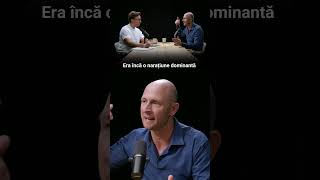
1:15
A speaker describes a technique for handling cravings (illustrated with porn use): stay with the craving without reacting, identify the underlying emotion or unmet need (anger, sadness, stress, avoidance), and shift focus from trying to stop the behavior to understanding why it occurs. By resolving the underlying need the behavior often disappears without relying on willpower.
Chapters
More from Mihail


youtube.com
Tu știi câtă sare consumi zilnic? Te uiți vreodată la cantitatea de sare de pe eticheta alimentelor?
today


youtube.com
Cât de atent ești la schimbările care apar, la cum percepi mirosul sau sunetele? 👨🏼⚕️☝🏻
today

youtube.com
Tu cât timp petreci zilnic pe rețelele de socializare? Ai încercat să îți setezi limite?
today

See all content
