Tu știai cum apare decesul? Oprirea inimii poate fi reversibilă, în timp ce moartea cerebrală, nu.
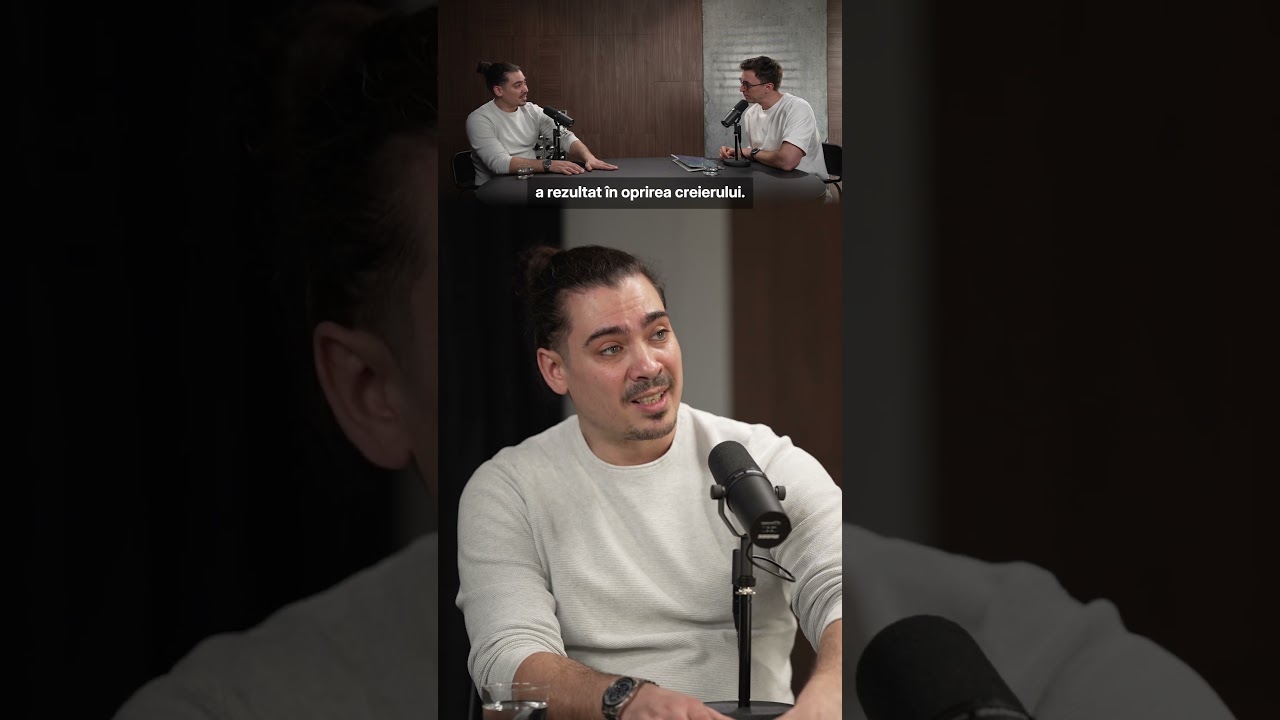
In this Romanian‑language dialogue, Speaker A explains that death is medically defined by the irreversible cessation of brain activity, regardless of the underlying cause (e.g., intracranial hemorrhage, stroke, or cardiac arrest). While a stopped heart can be revived through cardiopulmonary resuscitation (CPR), the critical issue is that cardiac arrest leads to loss of cerebral oxygenation; if the brain is not promptly re‑oxygenated, brain death ensues. Speaker B reinforces that a person whose heart has stopped is not yet dead because the brain still receives some oxygen, and immediate chest compressions are needed to keep blood flowing and protect the brain. The conversation concludes that preserving brain function is essential for maintaining personal identity, intellect, and autonomy, underscoring the brain as the seat of the self.
Chapters
More from Mihail


Tu știi câtă sare consumi zilnic? Te uiți vreodată la cantitatea de sare de pe eticheta alimentelor?


Cât de atent ești la schimbările care apar, la cum percepi mirosul sau sunetele? 👨🏼⚕️☝🏻

Tu cât timp petreci zilnic pe rețelele de socializare? Ai încercat să îți setezi limite?

