Ultimele descoperiri despre creier | BOABE DE CUNOAȘTERE | cu Sergiu Pașca
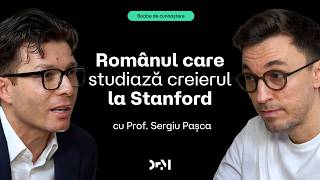
In this episode of the Romanian podcast Boabe de Cunoaștere, host Mihail Pautov interviews Prof. Sergiu Pașca, a Stanford psychiatrist who leads the Stanford Brain Organogenesis Center. The conversation spans Pașca’s personal journey from a medical graduate in Cluj to a tenured professor at Stanford, highlighting the unconventional path he took without a PhD, the role of an IBRO post‑doctoral fellowship, and the start‑up‑style funding model that supports his lab. They discuss the technical breakthrough of reprogramming patient skin fibroblasts into induced pluripotent stem cells (iPSCs) and differentiating them into neurons, which are then assembled into three‑dimensional brain organoids (assembloids). Pașca explains how the technology evolved from two‑dimensional neuron plates to ~3 mm organoids that can be cultured in large numbers, enabling disease modeling for psychiatric conditions such as autism, schizophrenia, epilepsy, Parkinson’s and Alzheimer’s. A major case study is the rare Timothy syndrome, caused by a CACNA1C calcium‑channel mutation; using patient‑derived organoids the team identified the cellular defect, screened an antisense oligonucleotide that corrects the channel’s function, and moved the therapy through animal safety studies toward a human intrathecal trial. The interview also covers the creation of increasingly complex multi‑region assembloids (cortico‑spinal‑muscle constructs, pain‑pathway assembloids, and the named AssembloEase), their emergent properties such as muscle contraction, and the ethical and translational challenges of transplanting human organoids into mouse brains, including the proportion of human tissue and “Frankenstein” concerns. Pașca reflects on critical developmental windows that limit integration of organoids in adult brains, using language acquisition as an example, and discusses emerging cell‑therapy approaches for Parkinson’s disease, including dopaminergic neuron differentiation, intrathecal delivery, and immunosuppression. He shares a vision for a future molecular psychiatry where diagnoses are based on molecular mechanisms rather than behavior, offering hope for conditions like autism and ADHD. Finally, he gives practical brain‑health advice, emphasizing regular physical exercise (e.g., five hours of walking per week) as the most evidence‑based intervention, while noting the limited data on supplements. He also discusses meditation practices, especially transcendental meditation, and the modest evidence for B‑vitamin supplementation only when deficient. The episode weaves personal anecdotes, scientific detail, and broader reflections on the trajectory of brain research.
Chapters
Putem sa luam biopsii din aproape orice organ, cu exceptia creierului. Ce face? Ca la un moment dat creierul uman sa halucineze, sa recrieze aproape o alta realitate. E un mister daca stai sa te gandesti, nu?
Poți să-mi zici cum faci asta? E science fiction sau e realitate?
Recoltăm celule din piele și apoi le reprogramăm. Le transformăm în celule STEM și apoi le diferențiem în neuroni. Nu era suficient să facem celule din creier, dar trebuie să le punem împreună. Am decis să-i numim Assemble East.
Asta e nume inventat de tine.
Da. De fapt, celulele știu ce trebuie să facă. Asta a fost una dintre descoperile cele mai surprinzătoare pe care am făcut-o în ultimii, să zic, 10 ani în laborator. Și sunt așa, știu eu, 10-15 secunde, poate că un minut, când te uiți și îți dai seama că nimeni altcineva în lume nu știe ce știi tu. Îmi amintesc că am stat câteva minute, că nu-mi venea să cred că e adevărat. Leucemia astăzi la copiii este 90% vindecabilă, curabilă, complet. Nici măcar nu ne gândeam că am putea descoperi o soluție terapeutică în următorii ani. Speranța mea este că vom intra într-o perioadă nouă a psihiatriei, ceea ce înseamnă că vom ști ce trebuie să facem, terapeutic, mult mai bine. Vezi tu, în cercetare, ideile sunt ieftine. Toată lumea are idei. Zece mii de idei pe zi. Implementarea e a ce face diferența.
Oamenii te salut! Sunt Dr. Mihaila, aici suntem la un nou episod boabe de cunoastere in Londra, dupa cum ai vazut si astazi vorbim despre creier. E un organ complex, este cel mai complex organ pe care noi il avem si este organul care te defineste pe tine, este organul care iti da amintirile, iti da personalitatea, iti da emotiile, tot ce esti tu este creierul tau. Cu toate astea este cel mai puțin studiat, probabil, organ și nu-i admirare de ce, pentru că creierul ăsta este închis. E foarte greu să pătrundem în el, să luăm o biopsie din el și foarte mult timp am încercat să înțelegem și să tratăm mintea umană studiind creere de șoricei. Ori un creier de șoricel nu seamănă absolut deloc cu un creier uman care pe lângă cât este de fascinant, pe atât este de complex și vine la pachet cu tot felul de boli misterioase și de multe ori grave. Vorbim despre autizm, despre epilepsie, schizofrenie, vorbim despre boli neurodegenerative cum este Parkinson, cum este cum este Alzheimer-ul și toate astea până de curând pentru că de curând s-a descoperit această metodă de a studia creierul uman sau cel puțin mici bucăți din creier reconstruite în EPRU BETA și astăzi invitatul nostru de astăzi Este românul care este vârful de lance în această cercetare, care recrează în laboratorul său din Stanford acesti organoizi sau asemblăizi despre care o să vorbim astăzi. Este profesor dr. Sergiu Pașca, e profesor de psihiatrie la Stanford University și este cel care conduce Stanford Brain Organogenesis Center. Este omul care a reușit să recreze aceste mici porți din creier într-o eprubetă. și este cel care a reușit să recreeze circuite neuronale umane. Înainte de a începe, vreau să mulțumesc celor de la Unicredit Bank pentru faptul că sprijină acest podcast și sprijină aceste inițiative de educație și, Sergiu, sunt recunoscător să ne vedem aici. Bine ai venit la Babe Recunoaștere.
Mulțumesc, mă bucur că ne întâlnim în sfârșit.
Exact, aștept de atât de mult timp această discuție și e un subiect fascinant. Vreau să zic că În mod sincer, te invidiez științific că faci ceea ce faci în laboratoriu din Stanford și ai acest centru pe care îl conduci și ai în emprubetă mici părți din creierul uman și poți să faci cercetare pe ele. Cum e să fii Sergiu Pașca și să faci asta?
Am cel mai bun job din lume. Ziua care zi mă trezesc și mă gândesc că realmente am cel mai bun job. Chiar le ziceam săptămâna trecută în laborator, am avut întâlnirea săptămânală, mă întâlnesc cu laboratorul meu aproximativ 20-25 de oameni și le chiar ziceam încă o dată că partea cea mai bună din ziua mea e când mă trezesc de dimineață și ajung în laborator și bineînțeles că vin toți cu date să facem noi experimente. Cel mai frumos lucru. Descoperi lucruri noi, lucruri care nimeni nu le știa. Și multe dintre ele probabil că nu sunt încă confirmate sau durează mult, dar partea, entuziasmul, faptul că vezi ceva pentru prima dată, e într-un fel infecțios, aș putea zice.
Cât cel mai bun mod de a-ți folosi propria dopamină, nu această așteptare pe care o descrii când vii în laborator și știi că astăzi poate să fie o nouă descoperire în ceea ce privește știința creierului?
Da, absolut. De sigur, multe dintre lucrurile care le facem noi sunt motivate clinic, nu? Să înțelegem bolile psihiatrice, să înțelegem bazele moleculare, să dezvoltăm tratamente pentru multe dintre bolile care pur și simplu nu au un tratament în ziua de astăzi. Dar la un nivel fundamental, rămâne curiositatea, cred că fascinația asta și, practică, nu numai pentru creier. De sigur, creierul e ultima frontieră. Dar, în general, de a descoperi ceva ce nimeni altcineva nu știe. Și desi ori revăd în studenții mei momentul când fac o descoperire pentru prima dată, adică e greu de descris, dar momentul în care faci o descoperire pentru prima dată, adică ceva ce nimeni altcineva nu știe, Și sunt așa, știu eu, 10-15 secunde, poate că un minut, când te uiți, știu eu, orice ar fi, la microscop sau ai deschis, nu știu, ai pus datele într-un grafic și te uiți pentru prima dată și îți dai seama că nimeni altcineva în lume nu știe ce știi tu. Și un moment scurt așa, bineînțeles că nu poți să ții prea mult momentul respectiv și se întâmplă probabil că o dată de două ori în cariera ta, și le spun studenților cât de prețios momentul respectiv și cât de mult trebuie să se bucure de el. Probabil că în timpul unui doctorat sau în timpul suilor postdoctorale se întâmplă o dată sau de două, dar eu mi-l amintesc pentru mine momentul ăla foarte clar.
Îmi place că am început cu această fascinație de a fi cercetător și e cumva foarte contradictorie față de ce știm noi despre un cercetător, pentru că atunci când ești mic, Și ești întrebat ce vrei să fii? De regulă vrei să fii ceva cool, cum ar fi astronaut sau polițist sau pompier, pentru că e foarte cool să fii lucrul ăia și așa este. Dar nimeni nu se gădește la un cercetător ca fiind cool, pentru că avem impresia că cercetătorul e ceva boring, care stă cu pipeta în laborator, ceea ce poate să fie, adică fiecare meseria are și porțiile sale boring. De fapt, e o meserie care e plină de fascinație și lucruri noi pe care le descoperi și ce-mi place că nu doar noi la Babe de Cunoaștere, ci foarte multe alte podcasturi, fac din cercetători ceea ce merită să fie, un adevărat rockstar care descopără chestii și mișcă știința în față și asta e foarte tare. Mie mi-a plăcea foarte mult să te vizitez în laboratorul tău din Stanford și mi-ai lansat invitația asta înainte să începem să filmăm. Mi-a plăcea să-i duc și pe oamenii care ne urmăresc acum la Stanford, în laboratorul lui Sergiu. Dacă vreți asta, scrieți-ne în comentarii. Nu promit nimic. Dar cine știe, poate se îndeprimește treaba asta. Și ceea ce faci tu în laborator este să creezi aceste, inițial le spuneam minicreere, multe de față nu e corect să le zicem minicreere pentru că nu sunt în adevăratul sens minicreere, dar sunt niște părți din creiere uman pe care le creezi într-o eprubetă în laborator și se cheamă organoizi. Poți să-mi zici cum faci asta? E science fiction sau e realitate?
Procesul începe de fapt cu celulele din piele, în sensul că recoltăm celulele din piele de la un pacient, fie un pacient cu schizofrenie sau un individ care are autizm, aducem celulele din piele în laborator și apoi le reprogramăm. Procesul de reprogramare care împlinește în anul ăsta 20 de ani a fost un fenomen descris de un, descoperit în mare măsură, e un fenomen artificial într-un fel, descoperit de un cercetător japonez care încerca să schimbe direcția timpului cum ar veni în biologie. Pentru că în principiu în biologie timpul merge într-o singură direcție. Odată ce a început dezvoltarea zic, corpului uman, nu există momente în care te duci înapoi. Dacă ai început să faci un ficat, nu te duci înapoi și te gândești, ok, poate trebuie să facem un intestin. Direcția este o singură direcție, niciodată nu te întorci înapoi. Și el a venit cu ideea asta realmente genială, că probabil există o modalitate de a ne întoarce înapoi în timp și de a transforma o celulă care deja este diferențiată înapoi într-o celulă stem. Și din nou, există niște motive foarte clare pentru care nu vrei ca o celulă diferențiată să se transforme vreodată într-o celulă STEM pentru că asta poate cauza cancer, proliferare necontrolată și atunci există niște mecanisme foarte clare care protejează celulele de a se întoarce înapoi.
Și de aici dificultatea tehnică de a totuși de a lua și de a duce o celulă deja diferențiată în laborator la o celulă STEM.
Exact.
Revenind, iei celula de la un pacient care are schizofrenie, tu iei o celula din pielea lui, o duci din nou la stadiul de celula BB, din care se poate diferentia in orice, si o diferentiezi in celula de creier.
Și procesul durează mai multe luni și din nou este destul de artificial pentru că trebuie să introduce o serie de gene direct în fibroblastul respectiv, deci în celula din piele, care cumva o confuziază celula, dar la un moment dat se reprogramează complet și devine celulă pluripotentă. Pluripotentă înseamnă că poate forma aproape orice în corpul uman.
și de acolo o ghidezi să se transforme în neuroni.
Exact. Și celulele respective le putem pune și stoca pe perioade lungi de timp.
Și acești organoizi sunt doar neuroni sau sunt rețele neuronale? Cât de mari sunt acești organoizi?
Povestea e mai lungă. Și, practic, inițial, cel puțin când am început să facem cercetarea asta, puteam să diferențiam celulele doar în neuroni cum ar veni bidimensional, cum ai avea o plăcuță de laborator și este un singur strat de celule. Asta făceam la început și apoi în ultimii să zic 10-12 ani totul s-a mutat în a treia dimensiune și multe dintre culturi au devenit tridimensionale și practic de acolo au apărut organoizii prima dată și apoi au apărut asemploizii.
Ok, și cât de mare poate fi un organoid în ziua de astăzi pe care îl studiezi?
Un organoid este cam 3 milimetri, are cam 3 milimetri în diametru, deci poți să-l vezi foarte bine cu ochiul liber. Bineînțeles că putem să facem cantități infinite, deci orice student la mine în laborator menține 5.000, să zic, de organoid ai creierului în orice moment. Adică menține în sensul că-i ținem în incubatoare, unde avem temperatura, menținem temperatura corpului, o anumită concentrație de gaze, Și bineînțeles că trebuie să le hrănești, adică trebuie să te duci aproape în fiecare zi și să le dai, știu eu, un suc, în ultimă instanță, care încearcă să mimeze compoziția lichidului cefalorohidian, în mare măsură, pentru că sunt generalele creierului. Bun, și
la ce te ajută? Ce faci concret? Adică care sunt aplicațiile concrete în ziua de astăzi pentru acești organuizi și cum arată viitorul
în această cercetare? Aplicația principală este în a modela aspecte ale creierului uman în afara creierului uman. Pentru că, așa cum spuneai la început, putem să luăm biopsii din aproape orice organ, cu excepția creierului. Creierului este probabil unul dintre cele mai inaccesibile organe. De fapt, dacă te uiți la numărul de terapii care există pentru fiecare ramură a medicinei, de sigur, mulți probabil că nu vor fi într-o totul de acord cu ce spun acum, dar dacă te uiți, este o corelație destul de puternică între accesibilitatea unui organ și numărul de terapii pe care
le avem. Spre exemplu, la piele ai acces imediat și ai o tonă de terapii și de lucruri pe care poți să le faci direct
pe ele. La fel cu cancerul, oncologia, nu? Adică gândește-te progresele care s-au făcut în oncologie în ultimii și de când eram din nou în facultate, în ultimii 20 de ani. Dar în ultimii 50 de ani, oncologia a explodat. Existau tratamente leucemii la copii care erau 90% letale. Și leucemia astăzi la copii este 90% vindecabilă, curabilă, complet. De ce? În principal pentru că acum 40-50 de ani am început să recoltăm celulele de interes de la acest pacient, adică celulele din sânge care sunt ușor de luat, le-am adus în laborator și am început să folosim puterea extraordinară a biologiei moleculare. În anii 50-60, odată ce s-a descoperit structura ADN-ului, s-a descoperit că ADN-ul dă naștere la RNA și apoi la proteine, a existat o adevărată revoluție în înțelegerea moleculară. Și asta a permis pentru prima dată să înțelegem efectiv balzele moleculare a multor dintre aceste boli. Dar bineînțeles, le poți înțelege numai dacă accesezi stesutul de interes. Și până acum n-am
avut acces la acest sesut. Și acum creier
nu avem. Concret și astăzi. Adică sunt foarte puține instanțe în care poți să accesezi creierul uman. Să zic, o tumoră și atunci trebuie să scoți afară tumora. Probabil că iei puțin sesut sănătos. Asta este o modalitate. Postmorte, de sigur. care este o opțiune pentru multe întrebări psihiatrice, dar țesutul nu mai este electric activ. Nu mai poți proba niciunul dintre circuite. Nu mai poți să mai crești celule respective. Neuronii sunt și celule care nu se mai divid. și dacă le-ai putea avea în laborator, nu le-ai putea crește în numere suficiente să stai să testezi medicamente. Ceea ce faci tu e
practic imposibilitatea de a lua o biopsie din creierul unui pacient care are o suferință psihiatrică sau o suferință a creierului, fie a genetică sau de orice altă natură. Tu creezi un avatar al acelui creier. Fără să iei biopsie, tu recreezi fix sesutul lui neurologic pe care poți să faci teste. Exact. Și ideea
asta, și mi-amintesc foarte bine momentul, eram în facultate de medicină, probabil, nu știu, în anul 4 sau în anul 5. La Cluj. Da, eram la Cluj, dar vara respectivă petreceam la Max Planck în Frankfurt, făcând cercetare și studiând în principal cortexul vizual. la animale. Adică, cu alte cuvinte, puneam electrozi în cortexul vizual și înregistram răspunsuri neuronale care le poți auzi, pentru că neuronii fac niște zgomote când comunică unii cu alții. Și ne uitam la cum reacționează neuronii în timpul în care animalul se uita la anumite imagini. Și mi-amintesc și acum momentul în care făceam experimentul în laborator și bineînțeles, deja cercetam autismul ăsta, eram interesat deja în autism, care în momentul respectiv era o boală complet misterioasă, nu că azi am ști totul despre ea, și stăteam și mă gândeam cât de extraordinar ar fi dacă am putea face experimente asemănătoare și să ascultăm activitatea neuronilor și la un pacient cu autism, pentru că tot ce făceam în momentul respectiv în termen de cercetare pentru autism era să luăm sânge de la pacienți și să încercăm să vedem ce se întâmplă în creier bazat de pe ce se întâmplă în sânge, care bineînțeles e extrapolare. Și îmi amintesc momentul, era o duminică după masa în Frankfurt, făceam experimentul, înregistram de la pisică și deschid calculatorul să citesc ce articol a mai apărut și citesc articolul japonezului, al lui Shinya Yamanaka, care a luat premiul Nobel după câțiva ani, imediat după. care spunea pentru prima data ca poti sa iei celule din piele si sa le transformi in celule stem. Atat. Atat a fost. Articolul atat a aratat, ca poti sa faci lucrul asta. Nici macar nu era inca facut in celule umane, care ar mai durata inca un an sau doi. Dar imediat ideea a fost, oh, daca poti sa faci asta, Înseamnă că pot să iei celule din piele de la orice pacient, le transform în celule STEM și apoi le diferențiem în neuron, ceea ce ar însemna că în mod non-invaziv am putea să avem acces la celulele pacientului fără, bineînțeles, să faci o biopsie. Și practic de acolo a început cariera mea, să zic așa, în neuroștiințe sau parcursul în a recrea circuite tot mai complexe cu ideea de a
dezvolta terapii. Ai pomenit de anul 4 de facultate, dar înainte să ne întâlnim aici în Londra, citeam despre povestea ta și e un moment în care povestești despre anul 2 de facultate, anul în care ai întâlnit prima dată un pacient cu autizm și asta ți-a schimbat cumva viziunea și traiectoria profesională. Ce s-a întâmplat atunci? Ce te-a motivat atunci să cercetezi
asta? Eu am mers la facultatea de medicină cu ideea de a face cercetare în mare măsură. Am fost olimpic la chimie și am mers la facultatea de medicină din nou cu ideea de a face cercetare și inițial făceam cercetare la biochimie, unde în mare măsură măsuram diferiți metaboliți în sângele pacienților, principal în contextul bolilor cardiovasculare. Problema este că, așa cum știi, studiile pentru bolile cardiovasculare sunt extraordinar de mari și de extinse. Acum 20 de ani nu existau grant-uri în România, nu existau resurse și practic trebuia să cumperi reactivii cu bani personal. Adică profesoara cu care am lucrat eu la UMF, doamna profesor, Maria Dronca, a trebuit să obțină cumva resursele pentru a face experimentele, ceea ce însemna că puteam să măsurăm metaboliții știu eu la 40-50 de pacienți. Te uitai la studiile care erau făcute, să știu eu, aici în Anglești, erau 10.000 de pacienți. Nu puteai, nu aveai nicio șansă să competiționezi. Și practic am stat un an de zile, a fost un exercițiu foarte bun, le mai spun câteodată și studenților, la mine din laborator, mai ales că acum au atâtea resurse. Câteodată e bine să stai putin să te gândești mai bine înainte de a folosi, știu eu, toți reactivii la care ai la dispoziție toate metodele. Și am petrecut aproape un an gândindu-ne ce boală totuși am putea să studiem, pentru că Nu era cumva posibil sa studiem boale cardiovasculare. Si luam un curs de statistica, atunci trebuia sa facem statistica in anul 2. Si in cursul de statistica, intr-o seara, ne-a spus la curs ca studiile sunt de obicei, trebuie sa calculezi puterea unui studiu, dar ca sunt exceptii, ca in studiile nu trebuie sa fie foarte mari. Unul dintre exceptii era daca boala este foarte rara. Dacă boala e foarte rară, n-ai cum să ai un lot mare de subiecti. Și atunci, imediat a stat să reîngândim că poate ar trebui să studiem o boală rară. Autismul era considerată o boală rară, mai ales în România atunci. Noi acum știm că e mult mai frecventă decât credeam înainte. Și practic autismul a fost într-un fel prima boală care începe cu A, nu? Când te uiți la problemele psihiatrice, practic asta am făcut. M-am dus și m-am gândit, ok, să fie o boală a creierului și să fie o boală rară. Și am început să mă duc, pe listă eram în anul 2, nu văzusem încă pacienți deloc. Și am văzut autismul, ok, sună interesant. Și am mers în clinica de psihiatrie încercând să văd ce putem să facem. Și atunci am întâlnit unul dintre primii pacienți cu autism și mama lui. Ana Dragu, care a scris foarte mult în România despre autism și e în mare măsură responsabilă poate pentru informarea publicului în ceea ce privește autismul. Și l-am întâlnit atunci pe Eduard pentru prima dată, care acum e adult, dar a avut o impresie așa de puternică asupra mea. O boală despre care nu știam absolut nimic. Copiii cu autism nu fac contact vizual, nu erau în interacțiunea socială absolut deloc. Limbajul limitat, prezența de comportamente stereotipale, obsesia, în același timp era foarte bun la a face anumite lucruri, mult mai bun decât alți copii. Pentru mine asta a fost totul. Și vezi tu că mai ales atunci era destul de... nu era cumva la modă să studiezi bolile psihiatrice, adică erau foarte puțini care studiau bolile psihiatrice, mai ales să le înțeleagă întru totul. Și cred că probabil de aici a venit și conexiunea, care am dezvoltat-o pe parcursul anilor, cu familiile care sunt în mare măsură disperate pentru orice răspuns. Nu neapărat în a avea asta vest cu timpul. Desigur, nu pentru că neapărat Știu că probabil că un tratament nu este fezabil încă sau va mai dura încă foarte mult, dar și de a înțelege ce știm momentan despre autism, care sunt bazele sau de a avea un diagnostic foarte clar e destul de important.
Într-adevăr. Și cumva tocmai din cunoștința asta, chiar dacă nu se naște un tratament curativ, dar atunci când înțelegi, îți dai seama cam ce poți să faci pentru a îmbunătăți viața pacientului respectiv. Dar eu sunt curios, l-ai întâlnit pe Edward în anul 2 de facultate și asta ți-a deschis interesul spre a studia ce înseamnă boli psihiatrice și a continuat cercetarea pe care o faci. Cât la sută era curiozitatea științifică? Cât la sută era dorința de a ajuta? Care era mixul dintre cele două? La
început, desigur, încă nici nu văzusem pacienți în clinică. De-abia făceam semiologie sau vedeam foarte mulți pacienți. Cu siguranță nu pacienți în clinica de psihiatrie sau de neurologie. Însă, și în mare măsură, Cred că a fost curiozitatea, adică ce se întâmplă, nu? Adică e un mister dacă stai să te gândești, nu? Ce se întâmplă în creierul uman ca la un moment dat să ai aceste modificări de comportament? De sigur, autismul este o boală psihiatrică. De exemplu, să ne gândim la schizofrenie. Ce face ca la un moment dat creierul uman sa halucineze, sa recrieze aproape o alta realitate. Si asta se intampla pentru tot restul vietii. O data ce un pacient cu schizofrenie dezvolta psihoza, nu mai exista, nu este o modalitate de a-ti reveni. Este numai o deteriorare, o deteriorare cognitiva care se intampla in schizofrenie. Deci ce se întâmplă la un moment dat în circuitele astea? Știm deja
ce se întâmplă, adică tu buneți că ai mulți organoizi de la pacienți cu schizofrenie. Vezi deja
ceva diferit în acele celule? Avem deja anumite diferențe. Încă e dificil cumva de a lega modelele sau studiile care avem care sunt încă destul de celulare, moleculare, cu nivelul comportamental sau cu circuitele, dar ne apropiem foarte mult și des e ori Ce am făcut? Pentru că aceste condiții psihiatrice sau aceste boli psihiatrice sunt foarte heterogene și cel mai probabil, și știm asta, nu sunt o colecție de boli. Heterogene în sensul că prezentarea clinică este foarte, foarte diferită, adică este un numitor comun pentru că de aia le punem sub o singură categorie, dar cel mai probabil sunt mai multe boli pe care le punem sub
aceeași categorie. Am putea să zic diagnosticul de schizofrenie sau orice diagnostic am pune de autizm am putea spune în viața reală că l-ai putea denumi mașina s-a stricat dar există sute de cauze pentru care mașina se poate strica și la fel și în creier. Avem o manifestare acelei afecțiuni dar sunt foarte multe cauze posibile. Totuși și asta mă duce la o descoperire pe care a avut-o și aș vrea neapărat să vorbim despre ea pentru că Aplicabilitatea și utilitatea acestor organoizi nu este pur teoretică. Tu deja ai descoperit un mod de a trata o boală, se cheamă sindromul Timothy și ai publicat despre asta în Nature în 2024. Poți să-mi zici și așa pe scurt și să ne explici pe scurt care a fost traseul, cum de la organoizi ai descoperit cauza acestei boli, ce este de fapt acest sindrom și cum reușești să-l ții sub control acum cu tratamentul nou apărut.
Dacă ar fi să ne uităm cumva înapoi și raționamentul pentru care am decis să ne uităm la sindromul Timothy și asta e momentul în care plecam din România și mergeam la Stanford, autismul din nou este o boală foarte heterogenă. Și nici nu știi la ce să te aștepți dacă stai să te gândești. Suntem acum 20 de ani și dintr-o dată există posibilitatea. Știm că nu avem acces la neuronii pacienților și dintr-o dată există posibilitatea să avem acces. Am putea face neuroni de la un pacient cu autism. Cum știi că ai descoperit ceva? Adică cum arată autismul la nivel celular? Nimeni nu știa. Exista nici o... n-am știe. De exemplu un cancer te poți duce pe stradă și dacă întrebi cineva care sunt bazele celulare ale cancerului, îți garantez că 80% dintre oameni vor spune că celulele proliferează sau cresc necontrolat, aproape oricine știe. Dar dacă întrebi cercetători, ia o sută de cercetători care fac cercetare pe autism și întreabă-i care sunt bazele celulare ale autismului, vei obține un răspuns diferit de la fiecare. Asta pentru că nu știm. Adică ce se
întâmplă în celulele creierului care duce la
autism? Dacă tu încerci să modelezi sau să studiezi sau să creezi o replică a bolii în laborator, de unde știi că ai reușit? De unde știi că ai făcut modelul ca fiind un model al bolii? Nici nu aveam practic o referință, cu alte cuvinte. Și de aici a venit ideea de a ne concentra pe o boală în care am ști la ce să ne așteptăm într-o oarecare măsură. Și era momentul în care în autism se descopereau foarte multe gene. Știm de foarte mult timp, știm din anii 70, că autismul are o componentă genetică puternică. Asta știm în principal din studii pe gemeni. Știm că dacă unul dintre frați are autism, probabilitatea, mai ales dacă sunt monozigoți, probabilitatea că acelălalt frate să aibă autism este
aproape 90%. Ok. Și din asta deducem că au ceva genetic în comun, adică au aceleși gene și deci dacă unul dezvoltă boala, înseamnă că și celălalt o dezvoltă, înseamnă că e o genă sau câteva gene care sunt de cald.
Care nu înseamnă neapărat că este o genă transmisă de la părinți, o mutație transmisă de la părinți. Poate să fie o nouă mutație. Dar știm că probabil este o bază genetică. Deci asta știam deja. Și în perioada asta, acum 20 de ani, începeam să descoperim primele gene care erau asociate sau cauzează autismul. Și una dintre primele gene a fost o genă care practic produce un canal de calciu, practic o proteina care sta in neuroni si permite ionilor de calciu sa intre in neuroni. Este o proteina foarte importanta pentru ca practic cupleaza semnalele electrice cu semnale biochimice. Creierul functioneaza in principal prin semnale electrice, dar odata ce un neuron primeste un semnal electric, trebuie să transforme în interiorul celulei semnalul respectiv electric într-un semnal chimic să spună nucleului ce
trebuie să facă. O traducere din semnal
electric într-un semnal chimic. Și acest canal de calciu este exact canalul de calciu care face asta. Adică canalul de calciu simte o schimbare în electricitatea membranei Și atunci se deschide. Când se deschide, permite calciului să intre înăuntru în celulă. O dată ce calciul a intrat, calciul activează o serie de enzime și de proteine și practic spune neuronului Ca un semnal a venit, un semnal electric a venit. Si la acesti pacienti cu sindromul Timothy, care din nou fusese descris doar cu cativa ani inainte, stiam ca exista o mutatie care cel mai probabil, de sigur nu stiam cu siguranta, cel mai probabil lasa canalul deschis Cu foarte, foarte puțin, adică vorbim de milisecunde, îl lasă deschis mai mult odată ce semnalul electric a venit. Deci un traducător
care mai inventează un pic să zicem. E un traducător care primește mesajul, dar nu-l traduce exact, mai își pune și
el părerea un pic. Problema era că n-aveai de unde să știi. Pentru că dacă vrei să studiezi asta, ai nevoie de o celulă care este electric activă. Adică un neuron sau un cardiomiocid. Nu avem cardiomiocide. Bănuiala exista, era deja prezisă de unde stă mutația în canalul respectiv. Asta
e foarte mișto în cercetare, pentru că există descoperiri pe care le faci ad hoc, pur și simplu studiezi ceva și din greșeală ai o descoperire, dar există și acest tip de cercetare în care tu ai o ipoteză, o descrii, dar trebuie să o testezi. Ori nu puteai să testezi pentru că nu aveai un creier viu sau un tesut viu din creier până s-au dezvoltat acești organoizi. Exact. Și surprinzele
de obicei îmi vin după. Și gândește-te, primele experimente, când am mers la Stanford, ideea era hai să luăm celule de la acești pacienți cu sindromul Timothy, care au această mutație în canalul de calciu. Facem neuroni, neuronii vor avea canalul pentru că celelalte celule nu au canalul respectiv. Majoritatea, să zic, celule din FICAT nu vor avea acest canal de calciu că nu sunt electric active. le punem in laborator si le stimulam electric si in timp ce le stimulam electric o sa punem in interiorul celulelor o substanta care schimba culoarea odata ce concentratia calciului creste si atunci poti sa vezi in neuroni ca ceva s-a intamplat si masori cat calciu intra in celule si compara
asta si cu celule normale care nu
au... exact si aveam celule de la un control Aproximativ 6 luni dupa ce am mers la Stanford, dupa zile si nopti, incercand sa facem aceste celule, pentru ca din nou erau primii ani dupa ce aceste celule STEM, care se numesc celule STEM induce pluripotential, nu pentru ca sunt induce sa devina pluripotente, nu sunt naturali, nu sunt embrionice. Existau încă controverse dacă celulele astea și există într-adevăr, sunt reproductibile. Am început să le diferențiem în neuroni și din nou, mergând înapoi la discuția pe care am avut-o la început, îmi amintesc seara în care am făcut experimentul, pentru că ăsta a fost cumva unul dintre aceste momente de reflecție. în care mi-am gândit să stăteam în fața microscopului, avea un microscop foarte special și la un moment dat am injectat o soluție de potasiu care practic stimulează celulele și mă uitam pe monitor și vedeai cum crește calciu în neuroni și crește așa încet. Și la un moment dat am făcut controlul și se duce calciu și după aceea am pus primele celulele de la pacienții cu sindromul Timothy și le-am pus și dintr-o dată numai vezi, calciu merge până sus de două ori mai mult și după aceea stăm mult mai mult. Știi, era momentul ăla în care nu-ți vine să crezi. Ala a fost unul dintre momentele mele în care îmi amintesc că am stat câteva minute că nu îmi venea să cred că e adevărat. Și bineînțeles că după aceea nu mai poți, nu? Și după aceea te duci să vezi cine este în cealaltă cameră, nu știu să zici vino, trebuie să vezi. Și după aceea mai vine încă cineva și încă cineva și bineînțeles după 15-20 de minute supraveghitorul meu de postdoctorat atunci a venit și din nou, toată lumea se uita. Era unul dintre primele defecte văzute în neuron de la pacienți care nu erau neuron de la pacienții respectivi, pentru că nu erau luate pur și simplu de
unul de unul de unul. Și
asta a fost începutul. Din nou, neuronii atunci erau foarte simpli. Erau câțiva neuroni, cum ar veni, într-o structură bidimensională care nici măcar nu puteam să o menținem pentru o foarte lungă perioadă de timp. Și a devenit foarte clar că dacă cu adevărat vrem să înțelegem aceste boli complexe ale creierului, va trebui să creiem și circuite. Și atunci, în următorii ani, am început la un moment dat să agregăm neuronii respectivi, adică să nu mai creștem în structuri bidimensionale, și să le creștem în aceste mingi de neuroni, care ulterior au devenit cunoscute ca organoizi. Organoizi de creier, organoizi neuronali, depinde ce nume vrei să folosești, care au fost din nou foarte util pentru că am început să înțelegem tot mai mult. Vorbim de aproape 17 ani de a studia această boală, până când am ajuns la articolul de care vorbești, care a prezentat prima soluție terapeutică pentru sindromul Timothy. Există mutația, atâta știam, am descoperit primul defect la neuroni, după aceea am descoperit alte defecte, am început să înțelegem mecanismul molecular, ce face calciu respectiv când intră în cerulă, ce gene schimbă, ce se întâmplă cu neuroni, am descoperit că neuronii nu cresc suficient de bine odată, nu se mișcă suficient de bine în creier. Deci o serie de descoperiri și la un moment dat, nici măcar nu ne gândeam că am putea descoperi o soluție terapeutică în următorii ani. Dar este o chestie de genul in care acumulezi asa de multe informatii la un moment dat despre o boala si am publicat, nu stiu, o serie de articole, 6-7, pe Sindromul Timothy, pe parcursoanelor si la un moment dat, pur si simplu stai si te uiti si iti dai seama, a, asta trebuie sa fac. E de fapt foarte simplu. In fine, are de a face cu modalitatea in care acest canal de calciu este produs in neuroni si la un moment dat a trebuit sa facem un screening Nu este propriu un medicament, este o mică porțiune de acid ribonucleic, ca și ADN-ul sau ca ARN-ul, care practic merge și interferează cu cum acest canal este procesat în neuroni și îl
calmează un pic. Știi ce
face? De fapt, strategia e destul de interesantă pentru că aceste canale își schimbă compoziția foarte mult pe parcursul timpului și sunt mai multe porțiuni ale gene care sunt folosite. Și ce facem noi, practic, este să convingem celula, neuronul de interes, să nu mai folosească partea care are mutația din genă, ci să folosească o altă parte care este foarte echivalentă, dar care este prezentă mai târziu în viață. Deci
îi dai instrucțiunea de a citi o
altă genă pentru a funcționa? Aceeași genă, dar o altă porțiune. Pentru că o genă are mai multe porțiuni și nu sunt folosite toate în același timp. Și
dacă nu e medicament, cum se introduce? Este injectabil?
Este injectabil. Este ceea ce am numit un antisense oligonucleotide, deci o oligonucleotidă care este în potriva, în direcția opusă, cum ar veni. Și practic, din nou, se injectează intratecal la pacienți. Intratecal adică unde? Sunt mai multe modalități, trebuie să ajungă în creier. Încă nu știm exact, pentru că suntem cumva probabil la... avem probabil că încă 2-3 luni înainte de a începe propriul zis trialoclinic, dacă bineînțeles va fi aprobat. Tocmai am terminat ultimele studii, cum ar veni, de siguranță în animale, fiind siguri că nu există niște reacții adverse complet neașteptate. Dar ce pot să spun e că odată ce am descoperit această secvență, că sunt pur și simplu 20 de nucleotide, o porțiune mică de acid ribonucleic, Odată ce adaugi la celule și nimeni nu știe încă exact cum intră, dar intră în celule și în decurs de câteva ore deja corectează defectul și practic toate defectele celulare de circuit pe care le-am descoperit în toți ăștia 15 ani dispar în decurs de o săptămână sau două. Și bineînțeles că odată ce am demonstrat eficacitatea, pentru că asta ar fi eficacitatea, vrem să demonstrăm că medicamentul este sigur și că nu există niște efecte adverse neașteptate. De aceea, din ultimul an jumate, majoritatea studiilor pe care le-am făcut au fost studii făcute în animale pentru a testa și să fim siguri că nu există efecte adverse, inclusiv la șoricei, dar și la macaci. pentru că trebuie să studiem și în animale mai mari și suntem probabil în următoarea lună sau două, vrem cere cum ar veni aprobarea oficială a medicamentului și apoi va trebui să injectăm. Pacienții sunt foarte rari, n-am discutat despre asta, dar nu sunt decât 20-30 de pacienți în viață, în partea lumii care vorbește limba engleză, pentru că, din nou, pacienți având autism, ne-am concentrat pe pacienți care pot fi testați cu același limbaș.
E aceeași genă care apare și în autizm, în ADHD, în schizofrenie, în bipolaritate. Exact. E
foarte interesant. Nu știam asta acum 20 de ani. Nu era cunoscut. Singurul lucru pe care știam este această mutație care cauzează sindromul Timothy, care este foarte sever. Pacienții se nasc. Inițial mureau pentru că, desigur, canalul de cancer este important și pentru inima. și aveau un sindrom, o aritmie, care era fatală, acum se identifică foarte repede, au și sindactilie, deci cumva degetele sunt unite, atunci dacă ai un copil care se naște, are degetele unite și are o aritmie, un long QT, atunci imediat diagnosticul este clar că este sindrom ultimativ. Bineînțeles că sunt foarte puțini medici care l-ar recunoaște, Totuși e important de
menționat că dacă gena asta sau atunci când ai această genă poți să ai autizm, ADHD, schizofrenie, bipolaritate, asta nu înseamnă că toți pacienții care au aceste diagnostice au această genă, corect? Sindromul
Timothy este o formă extremă, cum ar veni. Deci această mutație este foarte, foarte severă. Celelalte mutații sunt fie mutații, fie variante. Adică variante pe care și noi le putem purta. În alte părți ale genei, Ceea ce ne spune, practic, este ca aceasta gena este foarte importanta pentru functionarea creierului si probabil pentru bole psihiatrice. Odata ce nu functioneaza bine, si probabil sunt multe modalitati in care nu poate functionea bine, odata ce decuplez cumva semnalele electrice si semnalele chimice in interiorul unei celule, celule probabil cauzez o serie de boli psihiatrice. Dar sindromul Timothy este o extremă, cum ar
veni. Este foarte, foarte severă. Fiind o extremă, fiind foarte puțini pacienți neavând posibilitatea de a avea mulți pacienți, asta v-a permis și fiind o singură cauză, adică un singur canal, asta e clar că a fost practic un caz de început pentru a face această cercetare. Pornind de la celule, de la acești organoizi crescuți în laborator, identificat exact cauza, testat medicamentul, făcut trial pe animale și acum ajungem la trial pe oameni pentru a vedea exact care e
tratamentul. E adevărat, boala e rară, dar deseori bolile rare sunt cumva punctul de intrare în a înțelege boli mult mai comune. Exemplul clasic este hipercolesterolemia. Multe dintre medicamentele care avem astăzi pentru statinele pe care le avem, multe dintre aceste studii au fost făcute pe familii care au mutații și nivele de colesterol care sunt absolut imense, extreme. Sunt foarte rare familiile respective. Dar acele familii care au fost foarte, foarte rare, acei foarte puțini pacienți ne-au spus odată ce face colesterolul cu adevărat, nu care sunt consecințiile, că e mult mai clar. Adică riscul... E o
parte de intrare în cercetarea bolilor mai des întâlnite. Ce vreau să te întreb este cât de aproape crezi că suntem în a înțelege, la fel cum s-a înțeles în acest sindrom Timothy, cât de aproape suntem sau cât de aproape ești în a înțelege cauzele autizmului și poate pentru anumite sub tipuri de autizm un
astfel de tratament. În momentul actual avem cel puțin 200 de gene care cauzează diferite forme ale autismului. Nu știm dacă aceste forme de autism sunt convergente sau divergente. Adică dacă fiecare formă de autism, fiecare genă cauzează o boală complet diferită sau dacă la un moment dat sunt niște părți comune ale patofiziologiei, ceea ce înseamnă că am putea avea tratamente care ar funcționa pentru mai multe forme. Săptămâna trecută, de fapt, am avut un articol care a fost publicat în Nature, exact încercând să răspundă, nu cred că încă avem răspunsul întru totul, la această întrebare a divergenței și convergenței. Adică am avut aproape o sută de pacienți, o sută de subiecti, între care mulți dintre ei erau pacienți cu diferite formele autismului, încercând să înțelegem în ce măsură sunt căi metabolice și căi biochimice comune perturbate comun în acest pacient.
Tu ce crezi? Adică dacă n-ai doatele științifice, care e feeling-ul tău? La fel cum ai avut un feeling legat de sindromul Timothy la început și asta te-a dus la acele descoperiri. Ce crezi tu acum?
Probabil că nu o să avem 200 de forme de autism, dar probabil unele dintre ele va exista ceva convergență. Poate vom avea 10, poate că 20 de forme de autism.
Cu mecanisme asemănătoare care pot fi adresate,
corect. Exact. Momentan, tratamentul pentru sindomul Timothy este numai pentru sindomul Timothy. După cum menționai, acest canal de calciu este implicat în alte condiții. Nu putem exclude că la un moment dat acest tratament ar putea avea alte aplicații pentru alte forme. Ok, și
asta poate fi descoperit inclusiv după aprobarea acestui tratament, când sau dacă va fi aprobat și probabil urmărim pacienți care se nasc și de mici sunt tratati cu acest tratament pentru sindrom Timothy și observând că nu mai dezvoltă autizm și astfel putem să găsim poate o modalitate
de a trata. Și sindromul Timothy este într-un fel... Suntem în Londra. Îți dau un alt exemplu dacă suntem în Londra. La muzeu britanic este Rosetta Stone. Rosetta Stone e un exemplu în a înțelege un limbaj vechi, care era complet misterios, prin faptul că ai o tabletă pe care hieroglifele erau puse pe aceeași piatră cu o traducere într-o altă limbă și mii de ani n-am știut să citim niciuna dintre hieroglife. Și dintr-o dată găsești o bucățică, o piatră pe care este o traducere din stânga și în dreapta. Și odată ce ai traducerea asta, dintr-o dată înțelegi Orice hieroglif, aproape. Și practic asta, în anii 1800, când Napoleon invadase Egiptul și au descoperit Rosetta Stone, așa am înțeles cum se citesc hieroglifele astăzi. Nu vreau să zic neapărat că sindomul Timothy va însemna, știu eu, o înțelegere a tuturor, dar este un exemplu în sensul că aceeași secvență de experimente, adică iei celulele de la pacienți, le reprogramăm, facem organoiz, facem asembloiz, le transplantăm eventual la animale. Folosind această evență putem să înțelegem bazele moleculare ale unei boli care sunt destul de mistoase. Profesorii mei de biochimie, de fapt de la Stanford, nu știu, poate că și tu ai studiat când făceai biochimie, exista o carte care zicea Stryer, Biochemistry, nu știu dacă ai fost. Era una roșie. Era cea mai bună carte de biochimie care exista. Era atât de clar scrisă, era ca o poveste. Și o foloseam bineînțeles când eram în facultatea de medicină și când am ajuns la Stanford, la un moment dat mergeam pe coridor și îmi dau seama că de fapt Stryer era la Stanford. Nu știam, n-am știut niciodată. El avea deja 70 de ani atunci. Și la un moment dat, bineînțeles timid, m-am introdus și am avut o conversație cu el. Bineînțeles că, din nou, cartea lui de biochimie este cea mai populară și am devenit prieten pe parcursul ultimilor 15 ani. El m-a predat, a făcut o cercetare incredibilă, aproape a luase premiul Nobel de două ori. pentru două descoperiri, dar călătorea foarte mult în lume, făcea fotografie și când venea înapoi, venea la mine în birou și purteam o conversație. Și ultima conversație, el a murit acum un an de cancer, avea deja 80 și ceva de ani și avea o intensitate incredibilă în sensul că era tipul de om de știință care vede și imaginea. Știi, sunt oameni de știință care văd numai porțiunea lor și sunt unii care sunt foarte rari care văd și the big picture, știi? Și el era genul care făcea amândouă foarte bine. Probabil de aia a scris cartea și a făcut descoperiri de știință. Și îmi amintesc ultima mea interacțiune cu el pentru că a murit după câteva săptămâni după. A venit la mine în birou și articolul de Timothy Syndrome urmea să apară. Încă nu era, era cumva impres. Și a venit să știe care sunt ultimele noutăți cu privirea. Când apare articolul, știa că apărea pe copertă, vrea să vadă coperta, e foarte vizual. Și stăteam și mă întreabă încă o dată niște detalii biochimice despre studiu și la un moment dat se oprește și zice Sergiu, îți dai seama ce ai făcut? Stau si ma uit asa si ma gandeam, hai, poate ca aveau o inteligenta din asta absolut superioara si dintr-o data asa o frica pe mine, gandindu-ma ca cine stie si-o dat seama de o greseala care am facut-o-n. Stai si se uita si se apropie de mine si zice, ai demistificat o boala psihiatrica. Si am stat si m-am gandit si zic, adica? Si zice, da. Îți dai seama, ai mers de la un canal de calciu până la a înțelege întru totul boala psihiatrică și te reîntorci la un tratament. Asta e definiția unei demistificări a unei boli psihiatrice, într-o mare măsură. Și asta e ultima memorie care eu am cu el, bineînțeles încă o memorie pozitivă, din păcate nu mai este cu noi. Asta este unul dintre lucrurile extraordinare la Stanford. Acești oameni absolut incredibili. care întotdeauna au fost incredibil de generoși cu timpul lor, mai ales și se întâlneau cu noi oricând. Cum
a fost pentru tine să ajungi la Stanford? Din Cluj? Cum te-ai simțit când ai ajuns prima dată la Stanford?
Inadecvat, probabil că e cuvântul cel mai potrivit. Eu nu am avut sistem training în cercetare fundamentală. Bineînțeles că ideea asta de a produce celule STEM și apoi neuron era o idee. Ideele sunt ieftine, toată lumea are idei. Sunt 10.000 de idei pe zi. Implementarea e a ce face diferența. Ideea era simplă și am ajuns la Stanford cu ideea de a face asta, dar implementarea era un alt nivel. Și când am ajuns acolo neavând niște cetare, noi văzusem un cell culture hood, deci cumva spațiul în care faci culturile de celule, văzusem o singură dată la UMF Cluj. Nici măcar nu folosisem vreodată. Când am ajuns și am văzut că erau șapte într-o singură cameră și nici nu știam cum să-i dau drumul, sunt complet nepregătit pentru ceea ce urmează. Pentru că nu eram pregătit, nu aveam nici doctorat. Majoritatea care erau la mine în laborator atunci aveau doctorat în Tokyo de la Heidelberg. Și eu veneam de la UMF Cluj, care nu era nici măcar în topul 1.000 de universități din lume.
Totuși, pentru oamenii care ascult acum, asta ar trebui să fie o încurajare, înseamnă că nu trebuia neapărat să fii foarte bine pregătit ca să ajungi acolo.
Nu, nu neapărat. Și probabil că motivul pentru care am și fost cumva luat în laborator pe instituțiile postdoctorale a fost că deja făcusem foarte multe cercetări pe autism, pe care o făcusem deja în România și publicasem mai multe articole. Și cumva, cel puțin asta îmi spune mentorul meu de atunci, că mă motiv, i-am întrebat de mai multe ori, de ce m-a luat din România? Pentru că aveau oameni în laboratori incredibili, veneau de la Harvard, de la Yale, din toate locurile și veneam eu din România. Dar cum
ai ajuns acolo? Adică le-ai scris un
mail? Am scris un mesaj, da. Le-ai scris un mail? Am scris un mesaj în care mi-au zis că vreau să fac cercetare. Ok.
Și l-ai trimis unde?
I-am scris lui direct. Profesorul la care am ajuns în laborator, Ricardo. Știai de profesorul acesta? Da, știam de el. Și ce-ai
făcut? Ai luat o viză și te-ai
dus pur și simplu? Poveste mai complicate, pentru că neavând doctorat, nu eram eligibil pentru... Eu aplicasem cumva pentru o poziție post-doctorală. Eu cumva un artificiu, pentru că în Statele Unite medicina se face după ce ai făcut facultate. Nu este facultate, propriu zis. Faci bachelor degree care este 4 ani si dupa aceea faci medicina care este inca 4 ani. Cumva este un titlu de doctorat, de aia se zice medical doctor. Fata de PhD care este doctor in filosofie sau doctorat in orice altceva, dar cumva, in principiu in Statele Unite, daca ai medical doctor, poti sa fii un post doc, adica dupa doctorat. Deși la noi ești medical
doctor, dar la noi ești medical doctor... A, ești doar medic după șase ani de facultate.
Da, și la noi ești medical doctor, dar la noi mergi la facultate de la 18 ani, nu? Termini la 24-25 și apoi dacă vrei să faci cercetare, mai faci încă 4 ani sau 5 ani de doctorat. Ok, corect. Dar din nou, din punct de vedere legal, în Statele Unite, poți să aplici la postdoc cu un MD, chiar dacă este un MD din o altă parte. Eu n-aș putea, de exemplu, să fiu profesor în Europa, în momentul actual, pentru că nu am doctorat. Bine, am un doctorat onorific, dar nu am propriu-zis un doctorat. Dar asta în state poți să o faci.
În
principiu, când te duci la multe dintre pozițiile astea postdoctorale, se așteaptă să-ți aduci fundurile sau să obții o bursă. Eu nu eram eligibil pentru majoritatea burselor postdoctorale. Diceau ca și criteriu să ai doctorat, adică PhD, pe care eu nu l-aveam. Și inițial am aplicat la mai multe, bineînțeles, un alt motiv, erau două sau trei burse la care puteam aplica, la care am aplicat și bineînțeles una dintre ele Am zis că ideea asta este absolut ridicolă, încă am mesajul ăsta. Cum adică să iei celulele de la pacienți și să faci apoi neuroni? Nu o să vezi absolut nimica. Nu o să descoperi absolut nimic. Multe dintre răspunsurile erau foarte negative și apoi am ținut o bursă de la o organizație internațională de cercetare a creierului care se numește IBRO. A fost singura bursă. care a făcut excepție de la faptul că eu nu aveam doctorat și mi-a dat bursa asta pentru un an. Ce înseamnă bursa?
Adică îți dau niște fonduri. Îți dau fonduri pe care le folosești în cercetare. Practic îmi plăteau salariul. Îți plăteau salariul ca să există
acolo. Exact. Dar nici nu plăteau întru totul salariul
meu. Iar cercetarea venea din fonduri din Stanford, nu? Adică lucrurile noi pe care trebuia să le fac și toate fondurile pentru cercetare.
Da, și de fapt am obținut bursa respectivă și eu credeam că o să plec imediat. Problema a fost că nu erau suficienți bani pentru a face cercetarea asta și mentorul meu de la Stanford atunci nu putea pur și simplu nici el să obțină fonduri pentru că cercetarea era considerată mult prea riscantă. Și practic am stat acasă aproape un an de zile așteptând, la un moment dat, ca să ia el ceva fonduri și, bineînțeles, eu să iau bursa. Și odată ce au obținut fondurile, mi-am luat un bilet, o singură direcție, fără întoarcere. Mai mult, cred că de frică să nu mă întorc cumva, pentru că știam că o să fie foarte greu. Bineînțeles, era... Mă duc în sfârșit la Stanford, nu-mi vine să cred că pot să plec la Stanford, care era... Fusesem deja odată, când am intervievat, Și mi s-a părut absolut extraordinar, nu numai pentru că e în California, dar pur și simplu universitatea are un stil foarte diferit și de universitățile din Est, care sunt mult mai rigide. Aici toate barierele sunt date jos. În primul an nu puteam să-i spun mentorului meu pe numele mic, adică toată lumea îi spunea Ricardo. Eu nu puteam, nici în ruptul capului, obișnuit din facultatea de medicină, dar și astăzi dacă țin un curs...
Adică nu-i zici domnule profesor, îi zici
Ricardo. Nu, îi spui Ricardo. Și astăzi dacă predau, studenții mi se adresează cu Sergiu până și când întreabă prima întrebare. Și pur și simplu toate barierele sunt date jos, nu mai există cumva titluri universitare, nu mai contează, care era destul de șocant pentru mine. Și mă amintesc atunci că tot întrebam, dar totuși și titlurile astea, adică contează, nu este o anumită Și-mi amintesc, Ricardo mi-a zis, dacă ai făcut ceva cu adevărat, atunci nu contează. Contează numai dacă nu ai făcut nimic. Mi-a trebuit câțiva ani să realizez într-o totul de fapt ce înseamnă, că de fapt respectul cumva și în lumea academică trebuie să vină din ceea ce ai făcut, nu din titlul pe care îl ai. Chiar
și după ce ai făcut asta, poți să fii numit în continuare pe numele mic și respectul ți se depinde că se știe ce ai făcut din tine.
Da, în principiu. Și ajută foarte mult, practic, pentru studenți, pentru că discuțiile sunt la nivel. Ai alt curaj. Dacă te adresezi cuiva cu numele mic, e ca și cum ai un amic. Ceea ce înseamnă și că poți să critice, poți să nu fie de acord cu ce le sugerezi să facă. E mai mult ca o conversație și în ultima instanță ajungi mult mai departe. cu o astfel de conversație decât cu una în care tu dai instrucțiuni. Studentul ascultă, face ce zici. Desigur, poate că studentul știe mai bine
decât tine. Și ai luat această bursă în momentul în care și profesorul tău a primit fonduri, ai plecat bileți one way în California, la Stanford și ai rămas de atunci. Cum s-a întâmplat? Ai terminat cercetarea, a venit grant pentru o altă cercetare?
Când am ajuns la Stanford am avut acest șoc cumva, cumva o frică din asta că nu sunt practic pregătit și nu eram pregătit. În toată onestitatea nu eram pregătit. Nu cred că nu aș lua pe cineva în laborator în momentul actual care ar avea pregătirea pe care am avut-o eu atuncea. Sub nicio formă, să-s sincer ca să fiu. Și am ajuns și din nou era... Ceilalți erau incredibil de bine pregătiți. Într-un fel cred că erau destul de gentimitri și-au dat seama foarte repede că nu știam prea multe. Când am ajuns în sala asta de culturi celulare, La un moment dat mi-au aratat cum sa folosesc cadecat si au zis da drumul la razele ultraviolete cand pleci, sa nu uiti niciodata. Si zic ce raze ultraviolete? A zis da, e inchizi si dupa ce apesi pe butonul asta si dintr-o data raze ultraviolete. Eram asa de entuziast, am inceput sa aplaud. Nu vazusem chestia asta decat in sala operatorie. Aveti raze ultraviolete aici si le dati drumul la tot timpul? Pai normal, daca nu avem contaminari. Îți dai seama când s-au uitat ceilalți la mine, nu? Au părut probabil că destul de ridicoli în zilele respective. Singurul mecanism, bineînțeles, de apărare pentru mine era, va trebui să muncesc mai mult. Adică va trebui să pun mai mult efort decât toți ceilalți. Și din nou, în decurs de șase luni, nu mi-am gândit foarte mult din primele șase luni, sincer ca să fiu, din perioada respectivă, pentru că eram în laborator 16 ore pe zi, șapte zile pe săptămână. Dar după aproximativ șase luni am avut primii neuroni de la pacienți și am descoperit acest prim defect care îl descriam înainte în celule calciu. În decurs de un an sau un an jumate am publicat articolul respectiv care a fost pe coperta revistei Nature Medicine și care cumva dintr-o dată a deschis acest domeniu. Tot consideram că încă nu sunt pregătit. Mulți făceau un doctorat. În Statele Unite doctoratul este aproape 6 ani și apoi făceau și studii postdoctorale de încă 5-6 ani înainte de a fi profesori universitari. Eu aveam facultatea de medicină din România. cu ceva cercetare care nu era într-o totu adecvată și aveam deja un singur articol. Planul meu era să stau și îmi luam licența pentru a practica medicină în Statele Unite, ideea fiind de a termina rezidenția tu acolo. Și în timp ce se întâmpla asta și mă pregăteam și pregătisem al doilea articol, în mod surprinzător pentru noi atunci, probabil că mai puțin acum, este că Stanford a venit și mi-a făcut o ofertă de a sta ca și profesor la Stanford. Înseamnă că la Stanford, unitatea fundamentală a universității este profesorul, care este numai de 3 grade. Profesor asistent, care ar fi un fel de șef de lucrări la noi, associate professor, care ar fi un fel de conferențiar și apoi full professor. Dar ești complet independent. Nu există ierarhie. Adică nu contează dacă ești assistant, associate sau full professor. Ești complet independent. Răspunzi direct nici măcar la șeful tău de departament, răspunzi direct la provos și la președinte la Stanford.
Deci nu există o ierarhie. Și odată
ce începi, e ca un fel de companie. Sistemul american universitar și mai ales pe costa de vest, pentru că Silicon Valley este acolo, funcționează foarte mult pe nivelul de business, adică universitatea bineînțelesă îți dă știu eu, titlul de profesor și un salariu, primești un spațiu de laborator care este gol pentru că nu este nimic în el, sunt niște camere goale și primește o sumă care se numește un start-up, efectiv se numește start-up, o sumă de bani și apoi zice ne vedem în șapte ani. Șapte ani durează până când te ești evaluat să vezi dacă primești poziția pe viață. Adică dacă devii conferențiar, în momentul în care devii conferențiar nu mai poți fi concediat de universitate. Apoi mai ai de obicei încă zece ani, devii full professor. Dacă totul merge bine, în decurs de 15-20 de ani, devii full professor. Dar cea mai importantă tranziție sunt aceștia șapte ani. În ăștia șapte ani trebuie să iei banii respectivi și să te gândești foarte bine ce faci cu ei. Adică câți oameni angajezi, pentru că nu este nimeni angajat. Deci e efectiv, ai putea, ai un cont. și începi să te gândești ce faci cu ei. Depinde pentru ce faci. Suma pe care am obținut-o era foarte mică pentru ce se obținea, pentru că cumva am fost un recrutat intern și probabil că n-am avut alte oferte, deci nu era o sumă foarte mare de bani, dar trebuie să te gândești. Cumpăr un microscop de 300.000 de dolari, sau îmi cumpă reactiv de 100.000, iau doi postdoci și doi tehnicieni sau plus că trebuie să-ți plătești mare parte din salariul tău pentru că granturile trebuie și trebuie să aduci granturi noi. Cumva ideea este că cu acei bani tu obții niște date preliminare cu care te duci și ceri bani de la guvern sau de la alte fundații și publici. Și dacă publici, mai obții alte granturi. Asta este produs în ultimă instanță, publicația. Și la un moment dat, după șapte ani, universitatea vine și trage linia și întreabă și zice, ok, să vedem câte publicații ai avut și face o evoluare internațională. Deci Stanfordul, ea nu mai știe exact cât e acum. Dar practic trimit cereri la aproximativ 15 profesori de la alte universități de același nivel cu Stanford. Adică Harvard, Yale. Și întreabă acest individ care este la Stanford, este liderul în domeniul lui sau nu? Și scrie o scrisoare despre ce crezi că a făcut și dacă într-adevăr e la același nivel. Și atât scrisorile vin înapoi, plus scrisori de la studenți care întreabă cum predai, ce fel de mentor ești. Există mai multe comisii și se ia decizia dacă primești tenure sau nu. Asta este sistemul de tenure. Cumva toată lumea este activată pentru că ești ca într-o perioadă de probă, cum ar veni, dacă să te gândești în primii șapte ani. Tu ai trecut de
cei șapte ani?
Eu am fost într-o situație cumva privilegiată pentru că odată ce am început, am descoperit cum să facem aceste culturi tridimensionale, domeniul a explodat imediat, laboratorul meu a introdus imediat primii asembloizi, care practic sunt combinații de acești organoizi, doi câte două, trei câte trei, putem să vorbim și despre asta, tot mai complexe, care imediat au primit foarte multă recunoaștere și cumva Stanfordul mi-a dat tenure după patru sau după cinci ani, deci un pic mai repede.
Și acum tu ești Associate Professor? Nu, atunci
am fost făcut Associate Professor și apoi după un an am fost făcut Full Professor. Deci tu
ești Full Professor la Stanford, da? Da,
și mai există un alt nivel la Stanford care se numește Endowed Professor, în care Endowed este un Endowed Chair, adică efectiv primești un scaun care are un nume. Practic asta este cel mai înalt nivel care poți să fii de professor. Vine cu niște fonduri suplimentare și bineînțeles cu un titlu pe care trebuie să îl ai în permanență în numele tău. Și, practic, acum patru ani am fost făcut tindeau profesor. Holy
shit, îmi ce scuze pentru exprimarea! Ce tare!
Sincer ca să fiu, numai în America... Aș putea, mai ales acum, că am călătorit în foarte multe locuri. Sunt foarte puține locuri în afara Statelor Unite și probabil că e greu de zis, dar că într-adevăr sunt, în care poți ascensiona realmente meritocratic atât de repede. În general, în America nu prea există restricții. Adică dacă ceva merge foarte bine, că publici foarte bine sau așa mai departe, toate barierele se iau. Asta am văzut de multe ori.
Incredibil, mi-a plăcut atât de mult să avem acest dive inclusiv în... în povestea ta personală și cum ai ajuns acolo și această tranziție, iată, care a durat 10 minute ca și poveste de la Sergiu Pașca, care a aplaudat când a văzut că se aprind razele ultraviolete într-un laborator și a muncit și a ajuns acum la 44 de ani. Tu ai 44 de ani și ești indau profesor la Stanford. Foarte tare! Sper să fii inspirațional pentru tinerii care se uită la noi și care poate își doresc să facă cercetare și să, nu știu, fie să facă cercetare în România, fie să plece în State și să facă cercetare. Iată, uneori e nevoie doar de un mail, un pic de curaj. Adică, chiar dacă îți pare imposibil, un simplu mail trimis poate să-ți schimbe traiectoria. Și sunt mult
mai multe resurse astăzi decât existau acum 20 de ani, adică sunt mult mai multe burse. România nu era în Uniunea Europeană în momentul respectiv. Tocmai intrasem în Uniunea Europeană, nu aveam acces la fonduri europene în momentul respectiv, nu aveam vize, nu aveam dreptate să obții o viză să te duci în părți din Europa. Mobilitatea, momentan, este incredibilă și e foarte important, mai ales pentru cercetare și asta au făcut multe dintre țări, pentru că în parcursul anului am văzut ce-au făcut multe țări, mai ales China, Corea, Japonia, unde mulți își fac doctoratul în țara lor, în exemplu în Japonia, Dar pentru studiile postdoctorale merg în Statele Unite aproape exclusiv sau cei mai buni. Și apoi se reîntorc. Și aia e incredibil de important. Nu numai pentru că cunoști oameni noi, dar pentru că faci cercetare în locuri de top și vii înapoi și aduci cunoștințele respective. De asta vom avea nevoie și în România în următoarea perioadă. Desigur, încă resursele sunt limitate, dar accesul la resurse și la fonturi este mult mai bun decât era acum 20
de ani. Categoric și cred că o să poți să faci și poți și de acum să faci probabil cercetare de vârf în următoarele situații în România și, de exemplu, un exemplu e profesorul meu, profesorul Ion Popescu. care e profesor de chirurgie și e considerat tatăl transplantului de ficat în România. El a plecat în Statele Unite, a învățat de la Stadțel și s-a întors în România și a creat acest program de transplant, a creat un centru de cercetare în Fundeni și centrul e acum continuat, să zic, de donator Simona Dima, care inclusiv asta face. Fix acum câteva săptămâni vorbeam cu colegul meu de la Fundeni Andrei Șorop, care face cercetare pe organoizi tumorale. Adică noi deja facem asta la Funden. Avem organoizi tumorale pe care îi creăm în laboratoriu de la CEMT, sub supravegherea domnului Simon Adima. Îi luăm celule de tumorale de la cancer rezecat de la pacient. și recriem acești organoizi tumorali în laborator, în acest proiect care se cheamă ROGEN. O să povestesc mai multe despre el la un moment dat. Dar scopul este de a face chimioterapie țintită. Adică tu poți să ai tumora vie care crește în acea ieprubetă și poți să testezi chimioterapie specifică pe acei organoizi. Cercetarea asta e făcută de exemplu sub coordonarea profesorului Ong Kiat din Singapore și cumva lucrurile se leagă foarte frumos pentru că avem această comunicare deschisă cu mari profesori din toată lumea, cu români care sunt plecați peste hotare și acest schimb de experiență care face cercetarea posibilă inclusiv în România. Tu ții legătura cu oameni din domeniul ăsta, academii de cercetare din
România? Da, în principal cu Clujul. Desigur, UMF Cluj, Iulie Hațeganu e alma mater pentru mine. Acolo m-am format, acolo am început să fac cercetarea. Experiența mea a fost foarte pozitivă. Din punct de vedere clinic am fost incredibil de bine pregătiți, nu este niciun dubiu. Desigur, cercetarea era cumva stagnată în anii 70 sau în anii 80, nu mai existau prea multe progrese. Acum e la alt nivel și mai ales în ultimii ani a mers mai frecvent și mai ales cu doamna rector, Anca Buzoianu, care este în opinia mea o absolut vizionară a universității, vede realmente care este potențialul mai ales pentru cercetare și în principal, faptul că de fapt cercetarea este motorul principal al facultății de medicină. Așa ar trebui să fie peste tot. Desigur, educația este importantă, dar oricine poate să facă educație, adică educația medicală... E ce
știm, cercetarea este ceea ce deschide noi.
Și asta e foarte important. E important pentru studenți, pentru studenții la medicină în general să fie implicați în cercetare. Și încerc să ajut în măsura în care pot la universitate cu construirea acestor noi centre de cercetare și cumva cu infrastructura și cu logistica. Și cred că mult mai mulți români se vor întoarce în România. Adică e clar că mulți români se întorc în România. Sper că tot mai mulți cercetători. Și nu am niciun dubiu că Clujul, cel puțin nu știu foarte mult despre București, dar Clujul cred că va fi realmente un motor al
cercetării medicale. O să trec prin niște întrebări și mi-ar plăcea totuși să am niște răspunsuri, pentru că nu mi-aș putea ierta să plec de aici fără să am aceste răspunsuri, chiar dacă scurte. Am vorbit despre această genă pe care ai descoperit-o, care poate să stă la bază a multor afecțiuni psihiatrice. Ce știm în momentul de față despre epilepsie? Ai organoizi de la pacienți care au epilepsie și cunoaștem mecanismele și poate viitoare tratamente
care pot apărea? Epilepsia deseori se suprapune cu multe forme din autism. Mulți dintre pacienții cu autism vor avea epilepsie, mulți dintre pacienții cu epilepsie vor avea forme de autism mai mulți sau mai puțin severe. Multe dintre genele care cauzează autismul cauzează și forme de epilepsie. De exemplu, pacienții cu sindromul Timothy au și crize epileptice. Și de fapt este unul dintre principale lucruri care ne vom uita când facem clialutrinic, dacă aceste crize epileptice se vor reduce. Epilepsia a fost un pic mai dificil de studiat pentru ca in timpul de sindrom aveai nevoie mai mult de o singura celula sa te uiti la canalul de calciu. Epilepsia este rezultatul unui circuit si trebuie sa construiesc circuitul. Și de fapt de aici a apărut ideea de Assembloize, acum mai mulți ani. Nu era suficient să facem celule din creier, dar a trebuit să le punem împreună. Dacă stai să te gândești, creierul uman are mai multă diversitate celulară decât oricare alt organ. Nu știu câte celule sunt în ficat, probabil că vreo 20-30 de celule în total. Creierul uman are 2000 de tipuri de celule diferite. Asta înseamnă că trebuie să le formezi, bineînțeles, ceea ce e destul de dificil și durează ani de zile, inclusiv până natal, apoi celulele trebuie să se conecteze unele
cu alte. Și asta e un asembloid.
Și rezultatul sunt proprietăți emergente care apar odată ce aceste celule se unesc unele cu altele. Și asta am început să facem. De exemplu, Contractia musculară, adică faptul că eu încerc să iau acest pahar, este rezultatul a interacțiunii dintre neuronilor din cortex cu cei din măduva spinării care se conectează cu mușchii și controlează mișcarea mâinii. Nu e suficient să ai numai neuroni din cortex, nu e suficient să ai numai mușchiu, trebuie să ai toate părțile să le pui împreună. Și unul dintre primii asembloidi pe care i-am construit, acum mai mulți ani, care de sigur au creat multe controverse la momentul respectiv, a fost să creiem un asembloid al acestei întregi căi cortico-musculare. Adică am făcut un organoid care practic este o replica a cortexului, Apoi unul care este o replica a măduvei spinarii și apoi unul care este practic o bilă de mușchi scheletali de la un pacient. Și apoi le-am pus toate trei împreună, un contact unu cu altul. Inițial am crezut că trebuie să ghidăm foarte mult. Ceea ce am descoperit de fapt în asembloize este că de fapt ciurile știu ce trebuie să facă. Asta a fost una dintre descoperiurile cele mai surprinzătoare pe care am făcut-o în ultimii, să zic, 10 ani în laborator, este că deși noi nu știm instrucțiunile, nu știm exact cum aceste instrucțiuni se formează, sunt mai puțin de 5% din celulele din cortex, merg la măduva spinării. Și în măduva spinării, motoneuronii care controlează, sunt mai puțin de 10%. Și totuși acei 5% din neuroni îi găsesc pe exact aia 10% și aia la 10% pleacă și controlează măduva. Și cum arăta acest asembleu? Cum arăta? Arăta despre ceva de genul, aproape un centimetru în mărime. Și
el se contracta? Adică pui trei părți,
mușchii stau, de obicei nu au nicio contracție în mod normal, singuri, și pui cortexul, pui măduva spinării, pui mușchiu în linie mătenii, aștepță vreo câteva săptămâni, Vezi deja cum axonii, prelungirile, neuronarele cresc, celulele se gasesc unele cu altele și după vreo 3-4 săptămâni începi să vezi că mușchiul se contractează. Mai mult decât atât, poți să controlezi, poți să stimulezi cortexul și să obții contracții musculare. Și asta a fost practic o proprietate emergentă a unui circuit care rezultă din faptul că ai asamblat circuitul respectiv. De unde și numele, când am introdus numele? Am petrecut săptămâni întreșcând din noi ce fel de nume să folosim, dar până la urmă, ca urmare a rezultatului acestei asamblări, am decis să-i numim AssembloEase.
Asta e nume inventat de tine. Da. Ok, ce tare. Si asta a fost primul asembloid. Am citit inclusiv despre transplantul pe care l-ai facut al acestor organoizi la soareci care simteau cum le stimuleaza, ca daca le atingea emustatile, acele
celule simteau acest lucru. Asembloizi sunt tot mai complexi.
Ala era un alt asembloid, corect? Într-un fel. Pentru
că la început am avut asembloizi cu două părți, apoi cu trei părți. Anul trecut am publicat primul asembloid care are patru părți. O reconstruire a întregii căi a durerii. Adică toată calea durerii care are patru părți și apoi poți să stimulezi cu stimul practica ai durerii și să vezi efectiv semnalele electrice din calea durerii în laborator pentru prima dată. Avem mai multe modele de asemblează, dar sunt limite la ceea ce poți să faci în laborator. Adică acestea, inclusiv cei mai complexi asembloizi, nu primesc instrucțiuni de la restul creierului, nu sunt vascularizați, nu primesc semnale immunologice.
Sunt un fel de reflexe pe care le recriezi, dar nu este ceva ce simte per se sau ce există acolo? Unde sunt limitele și care sunt provocările etice? De exemplu, acel șoricel care avea un organoid uman neurologic și care simțea? Cine simțea? Era un șoricel controlat de un creier uman? Cum stratificăm aceste concepte care la un moment dat pot deveni controversate dacă nu le înțelegem bine?
Controversele continuă cu cercetarea pe care am făcut-o, pentru că într-adevăr poți să iei acest organize, am arătat acum patru ani de zile, Poți să-i transplantezi, lașori cei în creier și, practic, cresc să devină aproximativ o treime dintr-una dintre emisfere. Adică poți să te uiți, poți să faci un remene și vezi cortexul uman care este, practic, o treime din cortexul. Acum o să avem un alt articol în care aproape o jumătate din cortex este uman. E un fel de Frankenstein. Poate că ai putea să zici. Dar ce e mai important este ca acel tesut este bine conectat, adica primeste instructiuni de la thalamus. Noi punem de obicei in cortexul somatosenzitiv. care la șoricel primește în principal informații de la mustăți. Noi nu avem mustăți de sigur, dar dacă îl pui în cortexul somatosenzitiv și acum vii după câteva luni de zile după ce a crescut și miști mustățile șoricelului dar pe partea opusă pentru că calea se încrucișează, De ce facem experimentele astea? Poate ca e mai important sa gandim de ce. Pentru ca multe dintre medicamentele care le avem astazi sau care au fost dezvoltate, funcționează foarte bine în laborator. Le pui pe celule și totul merge foarte bine și te duci la pacient și nu funcționează. Este un alt nivel. Să te muți din in vitro în in vivo este un complet alt nivel. Adică în
vitro înseamnă acel organoid care stă neprubetă și tu pui medicamente, el funcționează la pace, el nu funcționează, dar tu ai vrea să l-ai transplantat și el să crească și să funcționeze într-un organism. În contextul
organismului și a organului, cu toate celelalte
interacțiuni. Te ajută la orice medicamentă
ai putea să testezi. Asta am făcut pentru Timothy Syndrome. Articolul care îl menționai înainte, practic se finale după ce dezvoltăm toată terapia. Nu există un model animal. Modelele animale, desi ori pentru bolele psihiatrice, mai ales pentru autism, nu recapituleaza aspectele. Nu putem sa zicem ca exista autism intr-un soricel. Ok, dar tu poti
sa ai un organoid cu autism implantat
intr-un soricel. Exact. In acest caz avem efectiv pacientii pe care planuim sa ii tratam, nu? le faci organoiz de la cei pacienti, ii pui la soricei si apoi injectezi exact intratecal, cum vom face la pacientii, la soricel, dar te uiti la efectele asupra celulelor pacientului in contextul creierului
soricelui respectiv. Asta e incredibil! Oare asta ar putea, după ce se termină aceste cercetări, ar putea să derive în varii forme de transplant? Mă gândesc la transplant sau augumentare neuronală la pacienți cu boli neurodegenerative, care ne sperie pe toți, și Parkinson, și Alzheimer, dar și alte tipuri de demență în care creierul se topește și tu te pierzi
pe tine? Sunt foarte multe discuții dacă există aplicații terapeutice pentru transplant de celule. Problema cu creierul este că, față de alte organe, are perioade critique de dezvoltare care se închid. Un exemplu este limbajul. Dacă cineva nu aude sunetul R și L înainte de a avea patru ani, de exemplu în Japonia, în Japonia sunetul R nu se folosește. Copiii care cresc in Japonia si vin, sa zic, in Statele Unite, nu pot distinge intre R si L. Daca auzi sunetul inainte de a avea 4 ani, creierul invata sa distinga intre R si L, cele doua sunete, care pentru noi in limba romana sunt foarte, foarte clare. Dar pentru cineva, de exemplu, in japoneza, n-o sa spuna niciodata rabbit, o sa zica labet. Pentru că pentru ei nu este nici o diferență. Asta pentru că cortexul auditiv a avut o perioadă critică în care învață sunetele, acumulează informații și la un moment dat se închide. Și de aceea și vedem cu timpul o degradare a abilităților cognitive pe care le avem și a abilității noastre de a acumula noi informații. Dar la începutul dezvoltării creierului, aceste perioade sunt foarte, foarte importante. Ce înseamnă asta? Dacă noi am face transplantarea de organoizi pe care o descriam într-un adult, pentru că noi o facem în șolicei care tocmai s-au născut. Dacă o facem într-un adult, Organoidul stă acolo, dar nu se conectează la restul creierului. Nu pentru că nu ar vrea, ci pentru că creierul este dincolo de perioada în care are orice interes în a forma noi conexiuni. Deci va fi foarte dificil probabil să dezvoltăm terapii care înlocuiesc părți ale creierului, Asta cu excepția cazului în care am putea redeschide acele perioade critice, care nu putem exclude, sau ar putea fi posibil. Momentan, singurul tratament care încă nu este aprobat, dar este aproape de a fi aprobat, este pentru Parkinson, unde dispare acest neuron care produc dopamina. Și cu celule STEM, o modalitate foarte asemănătoare cu ce facem noi, poți să diferențiezi aceste celule STEM de la oricine, pentru că nu le poți face personalizate, ar costa mult prea mult, dar poți să le faci generic, cum ar veni, le diferențiezi în exact acei neuroni dopaminergici și apoi îi injectezi prin chirurgie exact în locația din creier unde ar trebui să fie. Și încep să elibereze dopamină în mijlocul creierului și sunt deja mai multe studii clinice care arată recuperarea incredibilă pe care o faci după. Trebuie să folosești, bineînțeles, și imunosupresie pentru că dacă nu, ai respinge celulele respective și terapia este foarte scumpă. Bineînțeles, la un pacient cu Parkinson, care deja are diferite comorbidități, e diferit, dar ne dă o oarecare speranță cu privire la ce ai putea să faci terapeutic cu aceste transplanturi de celuleste. Mi-ar
plăcea să vi făm foarte, foarte pescuri și despre ADHD. Există vreun orizont în cercetarea ADHD-ului, în înțelegerea lui și în terapii
noi care pot să apară? E important să menționez că înțelegerea noastră aproape tuturor acestor boli psihiatrice este încă destul de incipientă. Și pentru autism astăzi, aproximativ 20% din pacienți vor avea un diagnostic genetic. Doar 20%. Nu știm pentru ceilalți care sunt, știu eu, nici cauza. Și și la cei care au un diagnostic genetic, sunt doar câteva forme în care am putea să avem o terapie. Cu ADHD-ul din nou, știm că există o componență heritabilă, știm câteva dintre gene, dar mecanismele sunt încă necunoscute. Speranța mea este că vom intra într-o perioadă nouă a psihiatriei. Psihiatria a fost, în general, definită comportamentală. Aproape tot ce definim astăzi diagnostic este definit exclusiv prin comportament. Este aproape singura ramură a medicinei unde nu trebuie să folosești niciun test. Sigur, psihiatrii folosesc diferite teste medicale, dar prin definiție Or, tot ce trebuie să faci este să vorbești cu pacientul sau să observi comportamentul. Și în funcție de prezența sau absența unor simptome, pui diagnosticul. ziceam 50 de ani sau 30 de ani, vreau sa fiu mai optimist sa zic in urmatorii 10 ani, voi intra intr-o perioada care va crea o psihiatrie moleculara. Imi place sa cred ca vom avea in urmatorii 10 ani o psihiatrie moleculara care este bazata pe o intelegere a bazelor moleculare a acestor boli, cand nu le vom mai defini numai prin comportament, ci si prin care sunt bazele moleculare, ceea ce inseamna ca vom sti ce trebuie sa facem. terapeutic mult mai bine. Și probabil că autismul și epilepsia vor fi unele dintre primele forme pentru că sunt și mai severe și în general formele mai severe de boală sunt cele care... Și din nou, și când vorbesc de autism, mă refer la formele de autism severe. Nu mă refer la forme de autism care sunt atipice sau sunt prezente în populația generală, mă refer la pacienți care sunt sever afectați, care au crize de epilepsie, lipsă de contact vizual și așa mai
departe. și tu ai 44 de ani, probabil că mai ai încă cel puțin 40 de ani de research și de cercetare la Stanford. Îmi place cât te-am cunoscut, îmi place super mult cât te-am adus la bobă de cunoaștere, îmi place că ești acolo într-un loc foarte bun și ai acces la toată această cercetare. Mi-ai povestit despre aceste, să zic, câteva momente de descoperire, momente în care mi se pare magic să ai un minut in care ești singurul om din lume care știe și a înțeles un mecanism și probabil că te așteaptă mult mai multe astfel de momente care o să ajungă la tratarea acestor, la înțelegerea tratarea acestor boli și cine știe ce alte descoperiri ne așteaptă în față. Sper că ne mai așteaptă un podcast cândva, pentru că efectiv regret că sunt atât de multe întrebări pe care nu le-am putut bifa, dar mă bucură faptul că le-am bifat pe cele pe care le-am discutat. Aș vrea la final să-mi spui, fiind omul care studiază creierul și ai bucățele mici sau fragmente din creier pe care le crești în eprubete și le transplantezi în acești asemblăizi, care sunt top 5 lucruri sau top 3 lucruri sau oricât te vrei tu pe care le putem face astăzi pentru sănătatea creierului? Ce îi place creierul nostru? Ce să facem pentru a avea grijă de creierul nostru? Începem
să înțelegem cu siguranță mult mai mult despre ceea ce trebuie să facem pentru sănătatea creierului, deși știm mult mai puțin, și repet asta, mult mai puțin decât orice alt organ. De singura asta nu înseamnă că nu sunt multe sfaturi în ceea ce privește ceea ce trebuie să facem. Probabil că exercițiul fizic de departe are cele mai multe evidențe pentru bunăstarea creierului, pentru a preveni declinul cognitiv. Aproape orice tip de exercițiu fizic. Nu există foarte multă diferență, deși ultimele studii, inclusiv în ultimele săptămâni, studii destul de largi, arată că probabil și mersul pe jos are un efect mult mai puternic decât si alte sporturi urmai. Inclusiv mersul, cred ca daca nu ma incel, este 5 ore pe saptamana. Are deja efecte la fel de puternice ca daca mergi 20 de ore pe saptamana. Deci 5 ore pe saptamana de mers pe jos care nu e asa de mult, daca stai sa te gandesti. O jumatate, 45 de ore, si nu e dificil. are niște efecte pe termen lung incredibile asupra sănătății, inclusiv asupra sănătății creierului. În ceea ce privește suplimentele, dovezile sunt destul de limitate, pentru că aceste studii sunt foarte dificil de făcut.
Există ceva ce funcționează sau ce crezi că funcționează pentru creier? Probabil că
cele mai puternice evidențe sunt pentru unele dintre vitaminele din grupul B, dar din nou, principal dacă ai deficit. Suplimentarea nu va aduce beneficii suplimentare. Ceea ce știm din nou probabil cel mai mult este că exercițiul fizic are probabil cel mai puternic impact asupra sănătății mentale decât multe alte și ceea ce știm acum iarăși în ultimii ani tot mai mult, mai ales prin studii care sunt făcute, diferite forme de meditație. de tip mindfulness, transcendentală, care sunt tot mai bine regimentate, în sensul că sunt simplificate pentru aplicații, desigur nu au o componență ezoterică sau religioasă neapărat, dar mai ales în această lume în care trăim astăzi, care e cu social media, cu interacțiunile care sunt tot mai putence, suntem complet bombardați de informații, Faptul, adică oportunitatea de a avea 20 de minute pe care să le petreci numai cu mintea ta este un lux în mare măsură și probabil că toți avem nevoie de o resetare de acest fel și vedem beneficii tot mai puternice pentru meditația de diferite forme pe termen foarte lung. Faci meditație? Da. Ok, ce tare! Orice formă de meditație? Sunt diferite forme. Eu fac o formă care e un pic mai dificilă. Sunt aproape 40 de minute pe zi. E vreun nume? Poti să ne zici ce faci? Eu fac o formă de meditație transcendentală. Practic, sunt două sesiuni de meditație de câte 20 de minute, cum ar veni dimineața și după masa. Pentru mine e o fel de resetare.
Dimineața 20 și după masă 20. Meditație
transcendentală. Meditația transcendentală care primește o mantră, sunt două silabe atribuite când faci treningul și le repeți. Și cumva se numește transcendentală pentru că cumva pentru o foarte scurtă perioadă de timp, pot să fie câteva secunde în cele 20 de minute sau probabil că mai mult, n-ar zice că pierzi contactul cu realitatea, dar cumva te deconectezi complet. E ca o formă de somn special. Trebuie să încercăm asta.
Ok, super! Bun, păi, suntem la finalul podcast-ului. Vreau să-ți super mulțumesc că ai acceptat invitația noastră și am reușit să ne intersectăm aici, în Londra. Mi-ar plăcea să te vizitezi la Stanford, mi-ar plăcea să ajung acolo. Mi-ai povestit înainte că ești coleg cu Andrew Huberman, adică ați fost studenți,
nu? În aceeași... Da, făceam studiile postdoctorale în același timp. Și, la un moment dat, eram în două laboratoare care erau aproape unul de altul. Și la un moment dat am fost puși în aceeași cameră câțiva ani de zile. Eram noi doi în aceeași cameră și practic am petrecut foarte mult timp cu el, am
povestit foarte mult. Acolo te-am văzut la podcast la Huberman, dar noi te-am descoperit înainte când studiam și făceam cercetare împreună cu colegul meu de studio Claudiu Enescu. Făceam cercetare pe experți în ADHD și în general pe cercetarea creierului. Te-am descoperit, erai pe listă și fix la o lună după ce te-am pus pe listă, am văzut și podcast-ul la care ai fost la Huberman și de atunci te-am scris și un mesaj pe Instagram s-a transformat în acest podcast și cine știe ce mai urmează. Sergiu, îți mulțumesc din suflet că ne-ai păvăsit toate astea. Mulțumesc foarte mult! și de-abia aștept să ne prevedem. Poate chiar în laboratoriu din Stanford, unde poate filmăm ceva. Super! Mulțumesc mult de tot și mulțumesc Ție că ai rămas cu noi până acum. Dacă ai întrebări, scrie-le jos în comentarii. Dacă vreați să ajungem, who knows, cândva în ani de zile în laboratoriu din Stanford a lui Sergiu Pașca, lasă-mi asta ajos în comentarii. Dacă ai întrebări în plus, din nou, lasă-le în comentarii. Le vom aborda în alte podcast-uri pe care le avem pe această temă. Mulțumesc Ție foarte mult! Mulțumesc din nou Unicredit Bank pentru faptul că sprijină acest episod din Babe de Cunoaștere. Ceau! Pe curând!
More from Mihail


Tu știi câtă sare consumi zilnic? Te uiți vreodată la cantitatea de sare de pe eticheta alimentelor?


Cât de atent ești la schimbările care apar, la cum percepi mirosul sau sunetele? 👨🏼⚕️☝🏻

Tu cât timp petreci zilnic pe rețelele de socializare? Ai încercat să îți setezi limite?

