Creating Michelin Culture with Terrance Brennan
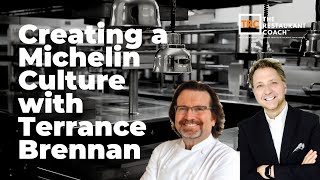
This is a transcript of a Restaurant Coach podcast episode (host Donald Burns) featuring chef Terrance Brennan. The conversation covers Brennan’s background (early start in restaurants, training in Europe, opening Picholine in 1993, later consulting), his recent activity (Instagram cooking videos, residency and pop-ups), and detailed perspectives on COVID-19’s impact on restaurants (long recovery, need to pivot, rent/PPP pressures). Major themes include leadership (transparency), culture (mindset of Michelin/excellence), self-care and routines for longevity, mentorship and teaching, financial advice (daily numbers, margins), and opportunity-finding during crisis.
Chapters
Hey, welcome to the Restaurant Coach podcast. Today, I am so honored to have not only an amazing, talented chef, but also a friend, Terence Brennan. Terrence, how are you today, my friend?
Well, considering all things, I'm doing very well. You know, my family's healthy, so that. That's number one. And then, you know, I stay busy and work out and take care of myself. So I. I'm doing well. As well as can. As you can under the circumstances.
Right. I see your whiteboard in the black in the background's full of stuff.
So. Yes, for my next. All my ideas. Right.
Nice, Nice.
Yeah, yeah.
So tell everybody, you know, if they haven't tuned in and heard you before, tell a little bit about where you're. Where you're at right now and a little bit about your background.
Right. So I'm. Right now, I'm hunkered down in Poughkeepsie, New York, in Hudson Valley. I've been. Gosh, my background, I've been in the restaurant business all my life. My parents had a restaurant when I was 12, 13, and 14. So I started then. And I'll. I'll just make this brief and just stay, you know, all through high school working restaurants. Knew I wanted to be a chef when I was in, you know, ninth grade. So I kind of stayed on that path and worked in various places in the D.C. area. 92 came. 82. 92. 82 came to New York and worked at Le Cirque and a couple other great restaurants. Went to Europe for a couple years, trained there, and then in 1990, you know, and then came back and was executive chef for a couple restaurants in New York and then opened my own restaurant, Picheline, in 1993 and had that for 25 years. Opened some. A lot of other restaurants in between all that artisanal. Fromaging bistro, Opened up a cheese company. I don't know, opened up other restaurants. And then as of late, for about a few years now, I started Brennan Group Hospitality, which now I do consulting and management contracts. And that's what I'm up to lately as I've been consulting with restaurants, hotels, and other food companies.
Yeah. And you've been really active lately on Instagram. I love your Instagram feed.
Oh, thanks.
You've been doing some really great stuff. I mean, the stuff you've been cooking at home, telling you, man, makes me want to get back in the kitchen and play again, you know?
You know, I'm doing. I'm doing more cooking now than I did, you know, because when you're Your owner, executive chef running kitchens, or you're consulting, you're not in there cooking side. You know, physically cooking. You did you taste and direct, you give demos. But, yeah, I'm cooking up a storm. It's just like, wow. It's, you know, in my home kitchen, I really didn't cook a lot in it, so I had to, like, I didn't have to, but as I'm cooking, you know, I got this now the kitchen is, like, exactly the way I want it. It's organized. I got every piece of equipment, so it's very efficient now with cooking. So, yeah, I've been cooking a lot, and it's been fun, but I also, you know, I clean up a lot. I do it all, so it's just myself.
And.
Yeah, so I cook, I clean, I video and then edit, so it's keeping me busy. It's good.
Mm. I saw some pictures of. Did you guys go. Did you go to the Cayman Islands with yourself?
Yes, I did the Cayman island cookout with Eric Repair.
Yeah, the pictures look great. I mean, you guys look like you had a good time down there.
Oh, my God. That is, like. Over the years, I've done so many of these Chef Chef events. That one is tops, man. They just. That In Natalie Costa's 25th anniversary party, they just pull out the red carpet for the chefs, and it was a blast. It's a great, great event, and it's a great get. A great event for, you know, the guests, too. Really is. That was a ton of fun. And. And the bonus was my son. My son was there with me, so it was great.
Yeah. That must be really amazing. I mean, the pictures. I mean, you know, I see pictures of you, and you and I, you know, been. You know, we've known each other for a while, and. And you just look so happy with your son standing next to you. I mean, that was, like, really, you know. I mean.
Yeah. I just posted an Instagram with him, throwback Thursday. And he spent. At one point, he's in a tech business. He's in, you know, he works in with tech. And at one point, you know, he thought he started cooking a lot. Like, you know, he started getting home meal kits. This is a couple years ago. And he started asking me questions about, you know, about restaurants going, you know, and then out of the blue, he asked me, like, dad, how much would it cost to, like, open up a small restaurant on the Lower east side? I was like, what? I said, why don't you come work with me? So he helped me Open up two restaurants this past summer. This last summer.
Oh, wow. Very cool.
He was in the kitchen with me. So he did his day job and then came to. Came to work at night. It was just great. I just loved it because he never really saw me in my element, in my environment, little bits and pieces. And when they were growing up, they had no interest. Right. I was just dad, the chef. And when I came home, I was dad, the dad. I didn't really talk about. You know, we. They just weren't. We lived in Connecticut, and they didn't come to my restaurants a lot. They didn't hang out. And I took weekends off, and I was dad at home and went to the city during the week. And so they weren't that all that interested. And I didn't try to get them interested. If they were interested in, you know, then I would have, you know, got them involved. But I didn't want to, like, push it on them, that life, because, you know, as, you know. Yeah. How difficult it can be, but how rewarding and, you know, fun it can be. But you have to. You have to love it. You have to be passionate about it. Otherwise, it's tough. Right.
So let me ask you a question. A little off topic here. So a lot of people, like, when they see me in the kitchen, it's like, you know, they say, like, you're a different person than when you're out of the kitchen. Do you have, like, a Persona, a chef Persona, per se?
Yes. I mean, listen, man, I'm in the kitchen. It's all. I'm serious. Right. Yeah.
Yeah.
Although I've learned to loosen up now and have more fun. And just like, this last project I did last summer, not the last one, but was in an open kitchen. Like, the guests were right there at the chef's club, you know. The chef's club.
Oh, yeah, I've heard of it.
Yeah. So I did a residency there for three months.
Oh, wow. Very cool.
A restaurant called Cote Medid was a French Mediterranean, which I love, and all this fresh seafood and stuff. But the kitchen is literally. They have a counter right there. And it was the first time I was really, like, you know, that close to guests. And I really had a good time, you know, like, seeing people. Like, you can really just see them eat something that just starts shaking their head. I mean, I think the best compliment when you see someone look at each other, when they look at each other and they start shaking their head, like.
Oh.
It was a lot of fun. I guess I just learned, like, you know, What? You know, because we're two mission stars, and you're trying to get three, Every little thing is just so, like, so important and intense. And then last summer had. With my son there, and it was just more of a casual place, and it was a lot of fun. I learned to loosen up and have good, you know, have a lot more laughs and not be so serious. But, yeah, I definitely. You put that chef coat on, it's just like, okay, turn on that. You know, what's the word I'm looking for? A different. Your intensity. Yeah.
But.
I'll think of it in a minute. But it's a word I'm thinking about.
I'm the same way. I tell people I put the chef coat on. It's a state change for me.
Yeah, yeah, yeah, exactly.
The mind changes my Persona.
Yeah. So, you know, when I'm filming, I don't have my shelf life outfit on, and then sometimes you can't see it, but I'm on bare feet. I just take on a different outfit. When I'm on my bare feet, I'm just like. I don't focus as much. I make mistakes. Maybe I don't make. No, I just like, okay, whatever. Anything goes at home cooking, you know, but, you know, when I'm at work, it's very precise. I'm very. Sometimes I look at the videos. Oh, my God. I think things are out of place a little bit and, like, drives me crazy. Like, I'm a little sloppy at home, which I'm not at work. I work them and I hold my team.
I know it's precision.
I'm a little more. A little more looser, for sure.
Very cool. Well, you know, COVID 19 really has shaken our industry down to its core. What is your view of the industry right now as you see it?
I tell you, it's been devastating. You know, my restaurants have been in New York. I. My last. I consulted in New York a lot. I have friends in New York. I don't have restaurants personally anymore. But, you know, listen, I've been through hurricane. You know, 9, 11, Hurricane Sandy, 2007, 8. Meltdown. You know, the meltdown. And those were tough times. So the. This is like all three of them put together, plus times 10 and lasting a lot longer. So I know the feeling of the desperation or the feeling of how you're going to pay your staff, how you operate a business and deal with the landlords when you don't have the resources, and et cetera. So it's bad. And it gets down to making tough Decisions, been guilty of letting things kind of like, you know, the problems aren't going to go away. So it's better to hit it, take them head on, make your, you know, have those difficult conversations with your partners, with your landlords, with your staff and be straight and be, you know, have transparency. And that's the best way to work through things like this. And then, you know, if you got to do what you have to do, I mean, there's no. The reality is the reality to be in reality, to deal with the issues, to deal with them head on. And then if you have to close, you have to lay people. Whatever you have to do, you do it sooner than later. And it's bad. In New York, the PPP money is running out or about to run out. You're gonna, it's, you know, listen, I'm an optimist by nature and I think within this disaster there are going to be, there's gonna be opportunity, unfortunately, there's gonna be a lot of pain and closures to get to the other side. And so I think right now you're gonna see the carnage begin. You already saw some major stuff like with, with Thomas Keller's restaurant closing, that was a shock. And Blue Hill Stone Barns, that was a real shocker. You're gonna see a lot, a lot more of that going on. And you restaurateurs will have to learn how to pivot. And, you know, some restaurants can't do the, do the takeout pickup pickup scenarios very well. Some can, some are successful at it, some aren't, but you really have to, you know, figure it all out. You cannot make money being 50% full. I mean, right now, New York has been in, you know, city outside and they've been going into the streets with sitting tables. But when that, when fall comes and, and if they allow seating inside, which I think they will, and only be full 50% and no bar, certain, no bar service. I mean, you can't make money unless you totally change your model. Where it's going to be, you know, three appetizers, three entrees, or, you know, very limited menu, limited staff, you make, you make a new financial deal with your landlord, then that's what you have to do for a year or two. And for me, New York, unfortunately, my forecast is it's not going to come back until you get a vaccine. And then even when they get a vaccine, it's going to be slow. You know, it's going to be a slow turnaround. And then you have the economy on top of that. Listen, this has not hit the real estate market yet. It's going to start to hit the real estate market. Not just restaurant, but all businesses. And people are leaving New York. You know, the wealth of the people that can afford their second homes, they're gone anyway and they may stay longer or people purchasing second homes and people are banning in New York and going to, you know, wherever they're going, those real estate values are going up. And then, you know, like my son, my son, I have a personal experience. My son lived in New York and had, you know, his company was in New York but now they live remotely. And he got stuck out in Colorado when this all hit and he stayed out there. Oh wow. Apartment in New York. So, you know, people that were thinking about coming to New York, they're gonna hold off. People that were thinking about leaving New York, they're gonna leave. And then, you know, you can have a 25%. You know, these are just like numbers you read. But what the actual number is going to be, nobody knows. But say Even if it's 20, 25% of companies are going to work remotely now, the, the commercial real estate is going to drop and it's just going to be a snowball. It's going to start now, you know, so, you know, it'll come back, but I don't think it's, it's gonna be great. So I'm looking actually opportunity outside of New York, right, That's gonna come back first where, you know, there's more space, there's more space available for human, you know, for human distancing. And even with travel in New York City, most people get to work by subway. So that, that's another factor. They have to come into play with cities like New York or you know, other cities that majority of the employees travel with public transportation.
Exactly, yeah. The remote work I think is killing big cities, right? I mean you think those, those buildings were full of workers and now they're like 25%.
I mean, you know, and people think, oh, the landlords, they got to make it. But you know, the landlords, I mean even the big landlords, they want, okay relayed and all those people, you know, they're gonna sign. But then there's the smaller landlords and midterm mid sized landlords. That's how they make their, that's a business, that's how they make their income. So they just can't say, okay, you just pay me half rent or 25% rent. It's not that easy. Right? And then also the bigger Landlords, they have their debt service to pay to the banks. So they need a certain amount of money that they made their deals on for the restaurant. So they just, you know, it's not as easy to say, oh, just pay me half rent. I mean, some people I know made deals with landlord and if I had a restaurant is what I would do is just like it's a percentage rent until we get back to normal. Right. Which is going to be the new normal, whatever that, you know. So, you know, I know friends of mine are made deal with the landlord, like I'll give you a 10% of gross, you know, that's, you know, whatever that is. And then landlords have to make deals with the bank. So it's all, it's gonna be a trickle down effect that's gonna, I think really gonna start to hit us now because the PPP money's gone and everyone that I know are losing money and they survived by the PPP money. Now that's not gonna happen. So they're gonna have to pivot again to survive or if the government's going to give more PPP money, you know, it's still not, it's a temporary means.
Oh yeah, no, definitely temporary means. You know, leadership is so critical right now in restaurants. What would you say is the number one trait that a leader needs today?
Transparency, without a doubt. You probably know this book Principles by Ray Dalio.
I love that book.
Yeah, so I, you know, integrity, transparency. So I love that book too. And that's how I manage, you know, through transparency, expectations, you know, the integrity, the accountability, all that kind of stuff. So I really believe in transparency, integrity, straight talk you have. The leader has to lead by example and you have to lead, you have to, you can't be all doom and gloom. I mean, you got to keep that. Not to say that never happens to leaders, but you can't let your staff see you sweat. But you can share some of that too because listen, everyone's concerned, everyone's in the same boat, but just transparency and be straight with them so everyone can figure out what's ahead and what they have to do to survive.
Yeah. One of my business partner in one of the companies I have, Restaurant KPI Mastery. His name is Darren Mansari. He always says that leaders are dealers of hope. Yeah.
And you have to give hope. I mean, listen, I'm still optimistic it's going to come back and I'm always thinking of ideas of, you know, what to do and you know, I've had so many ideas for fast Casual restaurants. And this is the time for me to go ahead and do it right.
Telling you now is the time. Yeah.
And know, so I'm always mulling around. That's when you saw my whiteboard, you mentioned my whiteboard. I got all my ideas there and my books and all in my head and now's the time to, you know, push come to shove, to really think, you know, flush those out and get them down on paper, you know.
Yeah. If you did a fast casual, what would you do? What would be your concept if you did fast casual?
Well, I have so many ideas, but you know, with fast casual is whether you focus on one or two really good things or I may also. I eat very healthy now. You know, when you get to a certain age, Donald, you think about, I'm into, you know, I've tried, I've dabbled with, you know, all this so called diets, keto and I, it always, for me, it always gets back to the Mediterranean diet.
Right.
Which I love. Which, that's how I like to eat. Even though legumes sometimes, you know, some diets, legumes get a bad rap and this gets a bad rap and you know, etc. So I basically do low carb Mediterranean and very little meat these days, fish. So I would do something in that realm, you know, something healthy but very tasty. I love pizza, but you know, it's not that healthy as far as if you're eating low carb and stuff. So I'm thinking about doing an ancient grain pizza, a veg burger concept, you know, things like that. Ooh, that'd be good, you know, but really, you know, healthy stuff. That's where I am now. I'm into longevity. I want to live to be a healthy hundred. And diet's a huge factor.
Well, you know, you know, in the restaurant industry, self care is usually an afterthought, especially for chefs. You know, if you could go back and change things, what would you have done different as far as self care when you were younger?
Well, well, I tell you, when I was younger, you burned candles at both ends, right. So I worked crazy hours. I worked way back. I worked, you know, in hotels. This is when, you know, the environment was a little bit different. Not in a good way, but you. I would be able to, you know, in a Hotel in D.C. during the season, we worked three months straight. And I'm not exaggerating, like seven days a week, you drink after work, you go back to, you work all these long hours, 16 hour days, and you just keep on Doing it. And then as time came, you know, went on. I worked six days, seven days, all my whole career, and then, you know, six days for the most part. When I opened my own restaurant officially in 93, you know, that was a big undertaking. And when I had Ryan, my first son, I was like, you know what? I'm not going to miss my kids growing up and be the modern. Be like, you know, I got to be there on weekends because that's what we do in the restaurant business. So after the first year my son turned one, I said, okay, I'm going to work five days a week. I'm taking weekends off. Which is unheard of. Now. It's more. So now it's more civilized. Now, the restaurant, you still got to work long hours at night. But I just flipped that where I got up in the morning with my kids and brought them, you know, made them breakfast instead of dinner. And then I took them to school or to the school bus when they were a certain age, and I took weekends off, and I went to all the games, all the recitals, all their school stuff, you know, the plays and all that. I didn't miss out on any of that as a chef restaurateur, which was unheard of back in the early late 80s and 90s.
Yeah, yeah, that was unheard of.
People ask me, how do you do that? I said, I did it because that was. That was important to me, and I hired a great staff, right? So I had a chef that was eating in the kitchen in his own right, that ran the kitchen when I was there, and I didn't get any complaints. And, you know, talk about integrity and transparency when I was in the dining room a lot in my restaurants, and I knew my customers very well, and so they saw me a lot. And when I started taking weekends off, the staff coming, what do we tell the guests? What do we tell them, you know, you're at a benefit dinner, you're traveling. What do. I said, no, you tell them the truth. You tell, I'm spending time with my family. And the response I got from my guests was just unbelievable. There was just good for him. That's great. Wonderful. Now, I didn't have any issues, you know, during service there on those Saturday and Sundays, because I had a good team. If I had. If there were problems and, you know, issues, then maybe I would have lost some customers, but they all responded to, you know, good for him, you know that. So you have to. You have to, you know, develop systems so you can do that, hire the right people. So you can do that, have accountability, structure put in place so you can do that. And I managed from afar. I still back looking back, I was still guilty at my head, being at work when I was, you know, watching my son's baseball game sometimes, you know, things like that. But what was it? I kind of digressed here. I don't know what the initial question was, but yeah, self care. So self care. So I abused my, I did all that and I wasn't in drugs or anything, but I, you know, I certainly had my fair share of beers and wine and stuff. And as you get older and I've read about self help and self care, you know, starting in my early 50s, it's like what, what I wish I would have known now, what I know then, right. So now I, you know, I listen. I have a morning routines of everybody. You have, I see what you, your book and stuff. You read a lot of the same things that I do. But morning routines are very important. Systems are very important. Blocking out time on your calendar, all that, very important. So putting structure in your day. So I wake up gratitude when I first wake up, spend a few moments with that. Kids are good, family's good, Brush teeth, wash face, meditate for 15 minutes. Then I start my coffee, I read for 45 minutes, whatever that is. Whether it's mostly now, I'm getting in because I'm thinking about this pizza concept. I'm reading Bread Revolution. It's about whole grains and you know, I want to eat whole grains. I love one thing, you know, I've given up sugar for now anyway, because sugar is like, you know, you think about anti inflammatory when you get to a certain age too. Right. So I'm really about health and longevity. So I want to eat whole grains and I love carbs. So by it's hard to find good bread that's low carb. So I'm gonna research that and make it myself and then I work out, you know, and it's very important, self care for everything. It helps with when you're feeling down or low or depression. But you know, it starts with the proper diet and feeling good about that and you know, and staying helps you stay focused throughout the day and not have the sugar crashes and et cetera, et cetera. So self care is real important to just living a healthy lifestyle and especially going through times like this, it's even more important.
Yeah, definitely. I think one of the, you know, a lot of younger chefs will ask me questions, you know, have any advice for me? The first thing I tell Them is like take better care of yourself. When you're younger, you actually have longevity, you know.
Yeah. You know, listen, my body, my. I'm 60, 61, so my body, I could feel my body just from the physicality of being in the kitchen. Even like hearing loss, you know, my hear. I got normal hearing loss for someone my age. But they consider being in the kitchen a high noise environment which I never thought about. Right.
I didn't think about it like that either. I didn't think it was as loud, as loud as construction.
Yeah. So anyway, so. It's important, it's important to take care of yourself because then it allows you to do good work. It allows you to still work. I'm still very passionate about what I do and I can still put in 16 hour days but I always put that time in the morning first to take care of myself. Then I can put in. If I didn't take care of myself, I couldn't put in those 16 hour days.
Right, exactly. Exactly. What's the best investment you've ever made? It could be something as small as a knife. I mean something. What's the best thing you've ever invested in that you felt was a really.
Besides, you know, I think just speaking to young cooks, the best investment you can make is in yourself. Right. Whether it's, you know, getting great training, make sure you work on the great shadow to get your skill set down, get take care of yourself. So invest in yourself. But besides that I would say.
But.
Let'S see, what's the best investment I've ever made? You know, there's some things that you know, you get a aha moment. Right, right. Let me get back. I think books, you know, always just.
Or you're like me, you're an avid reader. So yeah, yes, books are a huge investment for me. I put so much money into, you know, books are huge.
I mean, you know. Yeah, I think books because it helped me with a lot of my self care is reading and I, you know, I got this from. I didn't have a mentor to show me the way. And so yeah, reading and good books and it's always a good investment now. So there are a lot of bad books out there. A lot of the self help care stuff gets recycled and reused. But you know, I've learned a lot through that and developed my own systems and how to take care of myself and stuff. But through, you know, productivity is big. So I would say, you know, in books in general, very cool.
And you mentioned how important do you think is mentorship very important.
That's what I, you know, probably in my younger career, when I first started out being a chef, I probably, I know I wasn't a good mentor. Now I am now, especially with consulting. I did one huge job up in Vermont and the labor pool and skill set wasn't very good. And I came in there and I had. My job was to do like seven restaurants with nine concepts in six months and redo a couple kitchens and bring Michelin standards to that project. And a lot of them, when I realized, when I sat and talked to them as I got into it, you know, unfortunately, the opioid addiction went through there and they were ex convict stuff and they were talking and stuff. And, you know, I'm very disciplined. When I go in a place, it starts with coming in on time and doing clean works and all that stuff. And I apply the same standards and, you know, I wanted to bend a little bit more, especially when it's not my kitchen, you know, consulting.
But.
At one point it clicked for me that when I'm not, I'm not. I'm not there for as their boss or to tell them I'm there to mentor them. And when you come from that mindset of mentoring versus I'm the boss, do as I say. It's a, It's a different. You get a different response. So that is very, very important to mentor your staff. You get a lot more out of them. They learn and then they go on and carry that on. And part of that mentoring, you're teaching, right? And I get a lot of satisfaction out of teaching and showing and even this funny Instagram. The Instagram videos. I didn't want to do them just to say, hey, what am I eating today? Isn't this cool? Isn't this fun? I didn't want to do videos for shock value. I wanted for people to learn something. So it's important for me, for my enjoyment, to do them. Because I'm not doing it for my ego. I'm not doing it. Maybe eventually it becomes, you know, part of my, you know, at some point you monetize it. Because being an entrepreneur, you always think about monetizing. It's not my why I'm. It's not my motivation now, but one is to stay busy. Two is as I'm actually teaching something. And I feel like I'm mentoring even though it's not. It's through this medium of the Internet. But I get satisfaction because hopefully people are learning something. And that's why in the videos I'm doing More longer videos, which is not the norm for Instagram. Instagram. One minute. One minute. Because people have short attention spans. And I've tried that, and I just don't like to do. Because then I got to think about what I'm going to say. What am I doing? Cut it and do this. And I miss a lot of my antidotes and what I want to say in the history of something. So. So I do long ones and, you know, maybe I'm not going to get as many hits or many views, but that's. That's the enjoyment for me. And I feel like I'm mentoring and teaching through this, through Instagram. So I'm getting. That's what makes. That's what. How I'm enjoying it. Not. Not. I don't go back and see how many views I get, even though you do see that, to say, hey, okay, right, Right. Geez, I busted my butt last week. I got three new. I do it sometimes just to monitor. Just to, you know, what you got to measure to. What's that saying, Don? What's the saying when you measure? I'm losing my thought here. You have to measure to manage, right? You have to measure.
Oh, if you can't measure it, you can't manage it.
Peter Drucker, actually, Peter.
It's Peter Drucker. Can't measure it, you can't manage it.
Right?
But, you know, I would say on your Instagram stuff is like, you stay with the demographic you feel is comfortable. I mean, yeah, I got people that watch my videos for 5, 10 seconds and they check out. But then I got people watch all my video, watch the whole thing. I do my stuff more towards those people. They actually want the value.
You know what? And I've gotten my chef friend, they call, say, oh, we love your videos. We love you. And then, you know, you've heard about the term a thousand true fans, right?
That's it.
So, yeah, versus 200,000. Didn't really care, but just a thousand fans. So, yeah. And I've had people say, like, what equipment are you using? It's like, I just got my iPhone. That's it. No special lighting, no mics, nothing. It's just me, myself, and I video it and do limited editing and throw it up. And if I, you know, it's not. It's not supposed to be perfect, right? It's supposed to be raw. And that's what I throw up there anyway. That's fun.
That's good. That's good. Yeah, really good. So what do you kind of see, as the new normal.
Obviously the new norm, it's going to change, it's going to evolve. The new norm now, obviously is safety and protocols controlling all that. With mask and all that. What do you put in place? It's very important to communicate that to your guests. Put it up on your websites, train your staffs, have systems in place to make sure that's all being implemented. Because as you know, you can. Unless you have the systems in place and accountability structure put in place, you know, things will slip through the cracks and something could happen. So that's the new norm, certainly, to go and pick up models. The new norm. I was thinking the other day, you know, these restaurants that do tasting menus might be a good format because, you know, you can be well spaced, you charge $500 a person. I know I am desperately in the mood to go out and have a good meal. I've been to a restaurant, all happen. I think that, you know, right now people aren't even thinking about fine dining. But I think there's the one that launched in, I forget the name. The one lost in Chicago, used to. The chef, what's his name? He just, you know, did a tasting menu format.
Alinea Grant.
Not Alinea. No, it just opened up.
Oh, it just opened up. A new one. Oh, wow.
Just opened up a couple weeks ago. Like.
Oh, the guy from. Is the guy from Curtis Duffy.
Great. Yes, Curtis Duffy. So he opened up, he used to have grace. He opened up a restaurant and they're, they're doing, you know, all that tweet, you know, all the fine dining, 12, 15 course tasting. Now you charge 3 or 4 or $500 for that. And, and those type of reservations you did very carefully anyway, you did two turns and spaced them out three hours. And then, you know, it's conducive to having people six feet apart. And, you know, maybe that could work. You know, so I think about that, like, maybe it's time to do a restaurant, you know, that, that could work. But, but the concept of having a large space where you're counting on turnover and large volume is not going to work for a while. It'll come back when, when people are more comfortable. And I would say that's going to be, I don't know, several years out.
That's right. His new restaurant's called Ever.
Okay.
Yeah. In Chicago.
Yeah.
Ever.
Yeah. He's on Instagram. He did, I saw a live video. You know, he's doing fine dining just as he would.
Yeah.
Pre. Pre Covid. You know, it Might be worried. And supposedly he's booked out, you know, two months in advance.
Oh, wow, that's awesome.
Yeah.
Yeah, that's very awesome.
Actually.
Chicago wasn't so crazy. I'd probably go.
Yeah, exactly.
Chicago's a little crazy. I stay away from the big cities right now. You know, I'm just not wanting to go to the big cities for travel with all the kind of unrest that's going on. So what's your favorite social media platform?
I guess, you know, I didn't dabble in at all until, I mean, I had my face. I have them up and I had a staff that did it and then. But I never really got too involved in it. I never really. I never really jumped into that whole celebrity chef thing 100%. But now I'm really, you know, realizing through this, you need to diversify, Right? You just can't rely on your restaurants. And so my chef friends that are the big celebrity chef friends, I mean, maybe I'm second tier celebrity chef, I don't know. But, you know, they're doing okay. They have their stuff going on and they got their endorsements and they, you know, they're going to survive this without any, you know, without much of a, you know, listen, everyone has a certain level of pain, right? So right now, I guess it's Instagram, because I'm so involved in it, and I'm trying to tie it together with. There's something wrong with my Facebook connection. I don't know. I got to figure all that stuff out. But I get very frustrated, very easy, because technology is not fast enough for me. Right? So you'd think that, you know, because for me to do a video, and I'm probably doing it wrong, I got to do a video, edit it, put it on my desktop, transfer it to iPhone, imovie, edit it, transfer it back onto my desktop, put it onto another form, revert. Anyway, it takes a while, and I'm thinking, why does this take so long to upload? And I thought technology, because I never done this and does take a while, but anyway, so. But if I don't know something, I get. I want to master it quickly, and I get frustrated. And technology only works so fast, even though parts of it do work fast, but the whole uploading video and the. And it's not for me, it doesn't flow quickly enough yet. There's. I think there's room for improvement there.
Very cool.
I guess that's because that's the platform I'm using now to do my videos, but to buy you know, you gotta. Oh, and then YouTube, you gotta do horizontal. So Instagram prefers vertical and film horizontal now. So right now I'm just focusing on Instagram.
Mm.
And, you know, I don't know, I'm gonna start to dabble in more with YouTube because I think the videos that I'm doing are more apropos for long version videos that people, you know, maybe the more. More open to watching longer videos or learning something as opposed to just getting entertainment. Right. Because Instagram's about more entertainment and I think learning something. Although I think it's changing because a lot of the chefs are on there now. Right. And they're doing longer videos. And people like Michael Simon and a couple other chefs. I was. I was studying to get the stylistic things and what equipment to use. Tripods. I mean, I really studied this equipment to get. And how they shot certain things and what they did, you know, so I've learned all that anyway.
Do you have an iPhone?
Yes.
Yeah. So what I do is like, I'll shoot the horizontal format.
Yeah.
And then I'll go in to my photos, I'll edit the video, and I'll crop it to make it a square so I can put it on Instagram.
Oh, okay. So is it just. You know, I don't want to waste up your.
No, no, no, no, no. This is a good hack for everybody. It's an easy thing to do. I didn't know you could do it.
So you go into photo. I know. My girlfriend was telling me there's a new app too that does that. That automatically squares.
Yeah, you can do it right on your iPhone now.
So. So I'm in my iPhone. I mean, I shoot horizontal, right. Bring. I open up my photos and edit it.
Edit and hit crop and just bring it in to make it square. And then you can use a. You also do a small piece of it and you can use it for your Instagram.
Yeah, I've been doing. I haven't done it with horizontally, but I always fit it to Instagram. But even so, when I do that still, sometimes the opening photo. My headphones. Sometimes.
Yeah.
But I think that you either got a film further away or I don't know. So. Thank you.
So what's your Instagram handle?
Terrence Brennan.
That's pretty like me. I'm Donald Burns. It's pretty easy to find. Yeah. Yeah. Anybody wants to get on Instagram? If you're on Instagram, probably most people are. Yeah. Check out Terrence's Instagram feed. Good stuff. Like I said, man, watch him cook makes me hungry. You did some duck the other day, that thing. I was just like, oh, now I want ducks so bad. So, you know, you and I talk about culture a lot. How influential is culture to a restaurant success?
It's probably the number one. Number one thing culture is, and that's what I focus a lot on when I go into a consulting situation, is changing the culture, which is the hardest thing to do. Right. Changing the culture especially it's steeped in 20 years of mediocrity or the things they've done. Oh, we've always done it this way, this way. We've always done it well. So when I do, when I go into. That's my number one thing. And that's, you know, the Ray Dalio book is good.
Yeah.
Principles is about. Is that's the number one thing because you can put all the systems in place, all your new checklists and all your recipes and stuff, etc. But if you don't change the culture and get them to come on board with it, it's not going to make that big of a difference. So when I go into a place, I change the culture to the cult. The mindset of excellence. The mindset. You know, I like to say the mindset of Michelin is because I've had Michelin stars, but mindset of Michelin is just the mindset of excellence, right. So whether I'm doing a sandwich or torshon or fragra, it's the same approach. The mindset of excellence. We want to make it the best sandwich. And the same detail goes into that sandwich as does, you know, a torchono. Fragrant. Right. So changing the culture is. When I go into a new situation, I talk to the staff first, not even management, because the staff is going to give you. I mean, everyone has their biases, right. And their opinions. And you got to decipher what, what's. What's real and what's not and what's an opinion versus fact. Right. Because people speak their opinions as fact.
Exactly.
What really nowadays, huh? What's that?
Especially nowadays.
Yeah, yeah. So. And people add on to things. They're not really lying, but they don't realize it, but they're. Some people do lie, but some people will say something and assume something and then they speak it as it's fact. And you have to decipher through all that noise to get to what actually happened or what really happened. So I'll get all the history and then I paid no mind and then I come in, I start a new. You Know, start from this clean slate, knowing the history, just to get that background, to know some of the history is good, but, you know, to change that culture and get them on board and they're used to, like, BSing or no one holding them accountable and someone just going, okay, that's, you know, okay. And I always ask, you know, the five question. The five. You know, the five questions, right? Yes, five questions. The five questions, Right. I mean, Steve Bezos uses it. Toyota, one of the Japanese firms. That's constant. But I'm getting all my knowledge and reading a little confused here. But it's five. You ask, like, when you have an issue with a problem or you ask five. You ask five questions, right? Like, how did that happen? What is it? By the time you ask the second, third question, you come up with a solution. So I apply a lot of. Lot of that into what I do. And that change in the culture, you know, is the most important thing because it's. That team is gonna. It's. It's. It's gonna execute your. Your vision or the concept or your standards is the culture that you set to. Because it's the people that are gonna. It's all about people in the restaurant industry and in any business, really. And they're the ones that are going to implement what you change or your goals and standards and procedures. And you can't do that without changing the culture of the staff.
Exactly.
To get them on board to whatever your. To whatever that, you know, whatever the goals are.
Yeah, yeah. So I feel culture is probably the number one thing that is what holds restaurants back from reaching their potential. You know, in my first book, you know, was your Restaurant sucks.
Right.
My second book was your Restaurant still sucks.
That's great titles, by the way.
Yeah. And then, you know, I'm working on my third book right now, and my third book. No, actually my third book is called you'd Restaurant culture sucks.
You gotta bring all your. Because. Yeah. Because they didn't make the changes or something.
Yeah, yeah. It's like, okay, I've tried and tried. You know, this is. This stuff. This is my final plea. And I said, I gotta do, like, one last book in the suck series. I said, so I'm gonna finish it off with your restaurant culture sucks.
Yeah. Yeah. They say coach Culture.
Culture. Yeah. Your restaurant coach sucks. Yeah. If you haven't read. If you haven't read your first two books, you still haven't fixed it. Yeah, maybe I suck then, you know.
Maybe. Yeah, right, right. No, but culture is the most important thing because Even if there's a, even if half your staff is on board and your other half isn't, it's still going to be a break in the chain. So the culture is very, very important, extremely important. And you got to set up accountability structure and checkpoints to make sure the culture is being implemented properly and consistently. Consistently is very important, too, because you can get anyone rah, rah, rah in the beginning, but you go on, you move on to other things. You're not there every day, and then you can't let that slip. So you got to put accountability structure in place to make sure that that's still, you know, it still carries on whether you're there or not.
Very true. What is one thing you suggest that restaurants do right now to get ready for kind of this new economy?
Get financially, you know, get, get a clear picture of what, what you're going to do, Number one. I mean, you can't just, let's try this. And you can't be wishy washy. You don't have time to try things. You need to do all your research financially, get stable, you know, figure out what you're going to do, right? Whether it's curbside pickup or delivery or, you know, can you make it on. You run the numbers run, you run your pro formas and whatever you're going to do, make sure the numbers work and then make sure you're financially set up to make it work. And then have, you know, insurance into that too. You know, make sure you, you have enough resources and funds to, you know, in case it doesn't happen the way you want it or there's another huge outbreak and, you know, you got to have a backup plan, plan B and plan C and D, I think now, too. So get clear, get clear on what you want to do. Get, get a plan, get financially stable to support that plan and then have plan B, plan C and plan D.
How I'm always shocked how many restaurant owners, especially small independent restaurant owners that don't, don't know their numbers that well.
Right. You know, it's not, it's not brain surgery. You know, you got to, you know, the numbers aren't that difficult, but. And then look at them every day, Donald, you know, I've been guilty at this, you know, early in my career where things are going well. I get my monthly statement, look at, okay, numbers look good. I could have made so much more money if I watch my numbers daily, you know, oh, here's the saying I was trying to. What doesn't get measured doesn't get managed. That's what I was trying to say earlier. So you got to measure. I do payroll every day now, or what I did. You look at your numbers every single day, your top three, right. Your food that, your food, you know, and then that's how you manage it. And then you can control it because after the fact, after the monthly statement comes out, it's too late. And then if you get your whole staff looking at the numbers every day, then they're going to do a better job of managing the numbers.
Right.
And matching it to your forecast budget, etc.
And that goes back to your transparency thing, right? Yeah. I hate to say is like most people who work in the restaurant think the owners are just making bags load of money. Yeah, you know, right.
No, I mean, listen, I did. You can, if you hit, if you hit all cylinders, right, back in the day, you could. Now it's. It's more difficult, right? It's much more difficult. That's why managing and watching numbers on a daily basis is much, is that much more important. But no, I mean, the margins are notoriously low.
Right.
So they're not making tons of money.
And so when, when Pitchline was in its heyday, what was your, what was your best profit profits you were making?
Gosh, 20, 22, 25%.
Yeah.
You know, the norm for finding a restaurant like that, if you're fully capacity, 80, 90% of, you know, the week, because, you know, Mondays you're going to do, you know, if you average the weeks out, you just need to be 80, 90% occupancy to make money. That's why this 50% occupancy is not going to work unless you got to deal with the landlord. And obviously you change your concept where, you know, it's got to be limited, everything, limited menu, limited staff, et cetera. And if you can do two turns out that you may be able to take. So yeah, and then. But the norm for a finite restaurant is below 10%. 10% is considered good. 10, 12%, you know, 8%. Some restaurants go on 3 or 4%. I think another thing that's going to happen, Donald, during this is restaurants that are marginal, marginal losing money, but they're able to let that go on for a while or they're marginal. They're going to think it's worth it to work this hard, work even harder to make 2 or 3%. It could be the opportunity then to say, you know what, let's just close up and reinvent.
Right?
You know what I mean? Because they can save face. They make a deal. There's no. People are not, you know, to be surprised if they close it when it's perfectly normal to, hey, listen, we're going to close up shop. Because it's just doesn't. It's not viable anymore. Right, exactly. And if restaurants that are obviously losing money, they'll close. But I think restaurants are even marginal and making a little bit of profit. They're going to reanalyze and say, you know, is it worth it? Is it worth all this taking all my sucking, all my time and energy and barely making money? Let's just close it up and then see what we're going to do on the other side.
How long do you think it's going to take for restaurants, the restaurant world, to kind of recover from all this?
Five years.
Five years?
Yeah. Three to five. I mean, if we get a, you know, a vaccine early next year, it's still. And then you still hear 40, 50, 50, 60% of people aren't going to take it. You know, it's gonna, it's gonna be a while before people feel comfortable. I think it's gonna start in second, second market, secondary cities where there's more space like we talked about earlier, and less, less density. And, you know, everyone's gonna, you know, and we could do quick testing. Quick testing is a big part of that. But then, you know, not only have to worry about COVID and then it's going to be kind of, what's the economy going to look like?
Right?
Are we going to go into a deep recession? Are people going to have, you know, the debt, the debt that companies are taking on now? I mean, people are just not going to have a disposable income. People are going digging a big hole right now, you know, so that's the second component coming out of this is how, you know, the economy and people's supposable income and, you know, to support, you know, restaurants now? I think the restaurants that do survive, they're going to be busy because there'll be a lot less. There's going to be less of them. Right. So I don't know if you read Talib, you know, Swan book or Black Swan. Yeah. Or Antifragile.
Yeah, yeah, that's. Those are good books. I love those.
This is the stressor, right? At certain points throughout history, there's major stressors. This is a major stressor for the world right now. And what is going to come out of this? We're going to come out of it stronger with new Things put in place for the next epidemic. Is there going to be another epidemic that's going to hit us, whether it's 10 years or five years, then we'll be ready for it. We'll be hopefully more set up for it. Right. And then the same thing with restaurants. We're going to have a fallout, but from that we're going to run our business much better. We're going to be stronger for it. We're going to restaurants are going to the restaurants that are left. They're going to be busy because there's not. There's that less restaurants to go to. I mean, we were. And it showed all our issues we had over their business. Really, like how fragile is the restaurant business? That really showed all those issues. So now we can rethink how we want to rebuild our restaurants, how we want to operate our restaurants. You know, does that mean insurance for every employee and we charge you more? Yeah. It's probably going to mean restaurants are going to be more expensive, but there's going to be less of them. And, you know, people, you know, the public's gonna have to get over that. It's a lot of money to run a restaurant, to go enjoy what we, you know, to go enjoy a great meal in a restaurant. Not to say Three Mission Star, but just any restaurant. There's so much that goes on to what you're getting. And I think that that's gonna come out of this too. It's like it caught, you know, it costs a lot of money to do that. And restaurants have been hesitant to raise the prices because there's always slack about it. The media is a big part of this. It's like, this is expensive. $300 to go get one of the best meals in life is nothing. It's an experience you're paying for, not just the food on the plate. You 3, 4, $500 at a Broadway show. No one said that.
No one box it at all.
Right. It's a production like that. It means a lot of hands involved, a lot of. Lot of labor. Labor is your highest cost in a restaurant. Right. Highest controllable cost. And it's your highest cost, period. Higher than, you know, so, you know, that, that, that'll be, I think, something new that we're going to have to charge more and especially if we want to pay our employees more, because the whole tip, the tip percentage things, I don't think it's working inclusive and I don't think it's going to coming out of it. It's going to all of a sudden explode either. But restauranteurs, you have to charge more so they can take care of their staff.
Right.
And they can get more stable and they can put money away, a certain percentage away to ride out hard times and not have just a couple weeks of cash flow in the bank. I mean, it's crazy, right? We live well, you know, most restaurants live week to week.
Yep. Sad. So how do you deal with stress?
Well, I deal through it through meditation, through, you know, working out. Helps out, healthy, feeling good about, you know, yourself. And I listen. I don't know if you've heard of landmark education. I've taken courses like that where, you know, the stress comes from what, you know, human beings are meaning making machines. Right. And I, you know, I study the stoics. Right. You read about stoism, I love it. It puts things in perspective. Right. Life is. Life is what happens in life. And then what we do as human beings is the meaning we give to it. Meaning. What happened is with the meaning we give to it. So all that's happened is what happened. And then all the stress and pain and suffering comes to what we give meaning to what happened. So I have that education, that perspective where now listen, not to say I never get upset or get stressed, but I live in the, you know, in the moment. Yesterday is gone. Like, you know, you learn from that. But, you know, all we have right now is right now and then right now. And right now is this moment to, you know, create the next thing. To create. It doesn't mean you don't plan and you don't make goal and you don't create goals. But it means that if you really live in the moment, there's no, there's. Everything's neutral. There's no, there's no thinking about the money in the future. There's no this in the future. The past is that you don't think about the past because all there is now. Now. Easier said than done. Right?
Right.
And I really think we. If you have, you know, if you have children, that's the most important thing. And if they're all healthy, it's all good from there. Right. And you have your own health, that's good. I mean, I have a girlfriend that has health issues. So that's a, you know, a sad, A sad point in my inside with me. Right. However, she's unbelievably strong and she still brings joy to people lives. And it is, you know, we want to live with it. But not to say there's no, there's no Suffering in my life and everything's all hunky dory. But that's, you know, I do that a lot and meditate.
And.
This is life, the good and the bad and ugly is this. Going through. This helps you appreciate sitting down and having a meal with your kids. I haven't had. I'm not able to be with my children in the last seven months. Right. So. And my son Ryan lived in New York and we used to go out all the time and eat and dine and he got me involved in going out to eat again. I, I was jaded, right? I did there. I've been there, done that. I don't need to go the next hatter's, right? I don't need to go throw some three Michelin star restaurant. But we experienced that together. And I really, like got into dining as a guest myself, and I really missed that. So. I appreciate the cup of coffee in the morning. I appreciate my gym, I appreciate this office. I appreciate talking to you. The technology we have these days is extraordinary. I mean, if we didn't have Skype and all that stuff, I can still be somewhat connected. Imagine that. I mean, you know, I have, I, you know, I have gratitude. Gratitude is a big part of that, right? Gratitude. And not just gratitude for the small things, right? Gratitude for having food, gratitude for, you know, that cup of coffee, just a cup of coffee in the morning. Be able to have that cup of coffee without, you know, bombs dropping on you or hurricanes hitting you or, you know, hopefully no one's, you know, gotten sick in your life and everybody's okay. So, you know, I wake up every morning, first thing is gratitude. You know, my, you know, made it through. I Woke up number one, because I think all over the world, maybe 8 million people didn't wake up, did not wake up, made it, you know, family's good and from there it's, you know, shit happens, right? Life goes like this is life, you know, all what's happening now is life. So you got to appreciate that too. Not to appreciate the death and all the, you know, know, the injustice, the, you know, going on, you know, in the world now and all that, that's part of life. But you gotta have that, that part to appreciate what's really important too, you know. So if you have a healthy, family's good, that's most of it, definitely.
So you mentioned quite a few books today, but what would you say is the one book restaurant owners must read this month?
Well, I'm not gonna. It's probably not gonna be. I don't read a lot of restaurant, but how to run a restaurant or, you know. No, no, no.
What's one book you think people should read to make themselves a better human being?
Oh, my gosh. Let me see. I got. I got.
You're like me. I got books. I'm surrounded by books. I'm surrounded by books.
Calendars. Get my own because I had my. When I moved up to Hudson Valley, I put all my books up in the attic, Right? But I had my. I have shelves in my office, and they're full. And I'm trying to reorganize because I'm trying to keep the books I use the most. Now that I'm doing more cooking and stuff, I'm doing more. I have books that are, like, more scientific because I want to teach you. I want to not just tell why, but how, and to tell them how, but also why. Right. So. So I got books everywhere. I'm reorganizing stuff. I don't know. We're not gonna talk about health stuff. So let's see. I'm reading about health stuff a lot lately. What changed? I guess people. Probably a lot of people are going through. Being down a lot, So. Goodness. Let me see what I got over here. I think that Stoism. So let me.
Oh, that's a good one.
You know, Letters from the. From the Stoic Seneca.
Oh, that's a girl. I love that one.
Stoism books. It helps you put things in perspective. I mean, I'm gonna talk about gold, you know, goal setting, all that kind of stuff. But let me see. Oh, there's another really good book by Ryan. What's his name?
Ryan Holiday.
Yeah. Obstacles in the Way.
Oh, that's a good. I like that one too.
Yeah. So I think people probably got a lot of obstacles in the way now. It's just. That's. That's a real good one. When you're going through some hard times and having problems and issues. That's good. That's a good one. Tony Robbins is good. Like, I'm a huge Tony Robbins fan that I've got a lot of pages turned over and stuff. It just helps you get through. Get through some difficult times. You come up with them, you know, a mantra, something that keeps you in a mind, you know, positive mindset. Helps out a lot. Like, I have a. I have my calendar that I. You know, we do block timing and, you know, deep thinking and. And.
And.
And then right now I'm looking at supplements now, so I'm all study supplements and, you know, Put that on my calendar. But I got a day book. I work on my computer a lot, but I also got a day book with top three priorities. Right. Affirmations are good, right? For affirmations that you repeat a couple times a day, I put them on my.
What's one of your affirmations?
Oh, they change. You know, they. They change a little bit, but, you know, it could be like, something awesome is going to happen today. Thank you, universe. You know, something like that or something great is going to come out of this. I just know it, you know, just. Or, you know, simple as, you know, one or two. Just to keep your mind. I mean, I'm very well trained, so I don't need that as much. But I know when I was going through tough times, back before I had this knowledge and stuff, these kind of tools kind of help. Yeah.
Mindset.
Listen, this. It's gonna be okay, right? It's. This too shall pass, you know, and because. Because I've been, you know. You know, we've been through a lot, and we know that there's gonna be good times again. There's gonna be this, you know, it's. We'll get through it. And then it's, you know, it's just. It's just. It's life. And the good and bad of it is. It's just fascinating. You know, life is. This is. It's fascinating. Definitely.
What's kind of one quote you live by?
I think it's, you know, one of them is, you know, every adversity, every failure carries with it an equal or greater seed of opportunity. That's true. Right. Who's that? Clement Stone? Is that Clement Stone?
Yeah, I think so. Yeah. Yeah. W. Clement Stone.
Yeah. So listen, bad things happen, and there's opportunity from that comes out of that. It's something equal or something better. So I'm going to. Something. I'm going to finally do my fast, casual thing right now, or something's going to present an opportunity to me because of the COVID There's going to be other opportunity. I've already had two phone calls because of COVID Right. So I can, you know, it's bad, and I'm not making light of it and people are at all. But it's making me think differently. Right. And you know, there's. There's always a seated. Equal, greater opportunity out of something that's not so great.
So true. You can probably see one of mine is on the wall behind me. It's a Mario Andretti quote, and it says everything seems under Control. You're just not going fast enough.
I have one on my. In front of me, right. Two of them I have posted up here. The best way to predict the future is to create it. I love that one.
That's a great one. I love that one.
And then there's. And here. I'm guilty of this. I have so many ideas, but this one's really good. It's not about ideas, it's about making ideas happen. I'm so guilty about having all these great ideas and that not making it happen because I just got too many things going on.
Yeah, you're like me. I got notebooks of stuff too. Yeah.
So that, that was. And the best way to predict the future is to create. I love that one.
That's awesome.
You know, being an entrepreneur in control of yourself are, you know, nobody else to look at but yourself and look in before you look out. Right? Look in.
Yeah. And you make a good point, you know. I know, like you said, I have my quotes on my wall. You have your quotes on your wall. Surround yourself with things that are positive that just kind of reminds you all the time.
Right. Your environment. You bring up a good point. Your environment is very important. Yeah, you surround yourself, you set up your environment where there's less negativity. One thing, you know, your quotes that you like, the books that you write, you know, sometimes, you know, listen, you don't need to read every single book that's out there on self improvement.
There's a.
There's a few good ones and you just read highlight and read them. And you know, even, even if you reread something at some point in your life, it could occur to you differently and there could be an IHO moment and it's something you read before and that will help you get through a situation or help you, you know, finally sit down and do something and write that business plan or get that idea in action and things like that. Be in action. Right. Also, another one I like is, you know, be cause in the matter.
Oh, yeah, that's good.
So that's just like it's up to you to make it happen. Not like, oh, so and so didn't call me back. I didn't pick up the phone call, you know, dad, didn't happen. Well, you got to be causing the matter.
I'm gonna write that one down. That's a good one.
Yeah. You know, it's like, what's the other one? I do. Let me look my old daybook. I gotta. And I also write down daily quotes in my Book So I can do things physically too. Because you remember them better.
Yeah, I do too. Yeah. I mean I, I try to be digital because, you know, I travel and you know, and just, you know, but, but I still love pen and a nice heavy duty pen and a paper. I just like putting my ideas on paper. Just makes me.
So that's a mantra or affirmation is I'm in action and being causing the matter.
There you go.
Because you can't be causing the matter if you're not in action.
Exactly. That's true.
There's my day book. I'd write that up top, highlight it. You got to look at your day book.
Yeah.
I do this as part of my morning routine. So I have my day set the next the day before. But I don't put down specific. I don't. I write this down the day of because I want to, want to be in the moment. So my priorities, my schedule. I do the day before. I do a one week out and then I do a daily one. And then there's what I'm thankful for. I do in the morning and leave that open day. Priority is already set for day four. So I know what I'm doing when I wake up.
Right.
Affirmations are done that day because when you write them out, they, you know, you feel it better and you, you're more aware of it. Right. So then I do that and then I'll put reminders in. I want to check this at least three times a day and read it. Because if you Write your information 1Affirmations once and then go about your day, doesn't matter. So I make sure I hit it three times a day and, and take a few minutes to visualize. Right now it's not much to visualize. I don't have any problem. Kind of things are on hold. So I'm working on myself. So now I'm really working on my health, learning all that. And that's what I'm working on the next few weeks as projects develop, then it will turn into projects and business plans and things like that. But right now, last month and a half, two months, I've been working on what to do to improve my health so I can live to be a healthy hundred.
What day planner do you like? Which one?
Which I'm all I even thought about. It's called this is my Era.
This is my era.
Yep. And what I'm thankful for, top priorities. As you know, you can't do five things. It's top three even, you know, another good book Is called the one, the One thing.
Oh, I love that book too. Yeah, it's a great one.
If you got one big project, then it's got your to do list. So I put on my, you know, certain. It's so easy get pulled away with social media, especially now I understand more with being an Instagram is to only, you know, block out time in certain times that you see, you know, social media because you get yanked and your day, you know, pulled away and your whole day is gone.
You lose a lot of distractions, man.
It has affirmations and then it has a, you know, you have. It's also a goal book. So it has your goal. It has a week planner. And then for my week planner, I do my day planner. Right. And then, you know, then it has your. Then it has a regular physical schedule with.
Well, I put my own stickers on there, but I use one from Ink and Volt.
Okay.
Yeah, I love this one too. I'll check out yours though. That I like that one looks good too. But yeah, I love this Ink and Volt one too. I've been using these for a couple years now.
Yeah, I mean some of the stuff I've tried, I've looked at a lot of them. I tried them. Some of the stuff I just don't. This was more specific and if I do one myself, I would, I would make some changes. So maybe that's some. Some idea that might come out of it. Going to write an ebook. I've listened to podcasts about how to, you know. Do you know James although. Yeah, so. Or of him or. So he has a podcast and now he's doing a thing called Side Hustle and it's all about doing, you know, how to make money.
Oh, wow.
With a Side Hustle. And now I'm about recreating myself. So I'm recreating myself now. Right. So how do I know not realize so much of me physically being there as a consultant on the spot? Because that's, you know, there's no secondary income in that. It's just like they want you there, blah, blah. How do you build them? So I'm looking at redoing my website doing ebooks. And even if they're just a series of small ebooks he charged $1.99 for it doesn't matter, you know, something like that. So I stay busy with a lot of things like that.
Well, if you need help with that, let me know because I got the publishing stuff down now. So.
Do you have you self published?
Yeah, I self Publish? Yeah, my first two books were self published and I did that little. A little booklet too called Outstanding Mindset. I self published that and then.
Oh, okay. Did Amazon publish it?
Yep, I did on Amazon. I can help you out with that, too.
Oh, great. So that's. So that. That I came across in a podcast when I'm done with the stuff. I've already, you know, next few weeks, then at one point I'm going to spend two weeks on that. You know, learn as much as I can. I'm sure I'll be calling you.
Yeah.
Write an ebook.
Yeah, definitely. Well, you know, Terrence, if people want to go to your website, how do they get a hold of you?
Terrencebrenn.com Pretty easy.
Yeah. Www.terencebrennon.com yeah, pretty straightforward.
Instagram. Terence Brennan.
Terrence Brennan, Instagram.
And then, I don't know, I got two, I got two Facebook accounts, but I think it's Terence Brennan. But it's not very active right now. I gotta get. That's one of my goals. The next is this week is to hook that up with Instagram having issues, some. Something happened where it's locked and I don't have anyone to help me and I'm frustrated. So I don't know. I got to figure that out.
All right. Hey, Terence, I want to say again, you know, I always, I enjoy our conversation so much. I always learn so much. I got tons of little notes here I've made during our call, and I really appreciate you. I appreciate your friendship. I appreciate all you've done to help restaurants out there in the world get better. And, you know, and just, I'm just, I'm really honored just to have you as a friend and as a guest on today's show.
Likewise. I really enjoy your work and I think there's a lot of things that, that we, we practice the same. Right?
We definitely do. Yeah.
Yeah. So, okay, then say, stay, stay safe, my friends.
Stay safe. Stay healthy.
Okay, great.
Thanks, Terrence.
All right, we'll see you now. Bye.
More from Donald




If your restaurant only works because you work 80 hours a week, it doesn't work.






