Diving Deep into Success with Mark Weber
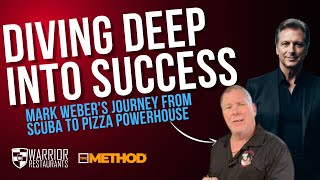
Mark Weber, owner of Your Pizza Shop Largo, talks about his 33-year restaurant career and how he uses the TRC method to run his business. He focuses on prime cost at 65% threshold, a training methodology called 70002010, and daily practices from the Warrior Restaurants program that cover body, being, balance, and business.
Questions this video answers
33 years.
July 30, 2024.
People, Processes, Product.
The Core Four: body, being, balance, business.
65% prime cost.
Chapters
And welcome to the Restaurant Coach podcast. It is the cure for the comedy restaurant. I'm so honored to have a fantastic human being on the podcast today. He is not only a. A fellow martial artist, but he is also a restaurateur and a member of not only my Restaurant Coach programs, but also in the warrior restaurants. Mark Weber from your pizza shop, Largo, Florida. Mark, thanks for being on the podcast today. I'm so excited you're here.
You know, thanks, thanks, thanks for having me. I'm excited to be here too. You know, I, I excited, stoked. Ready? Ready? Let's go.
Ready? Well, hey, tell people a little bit about you and tell you a little bit. Why'd you get into this crazy restaurant business in the first place?
Well, so I've been in the restaurant business for 30, 32 years. I started out in the scuba business.
Oh, that's right. I forgot. Yeah, that's where we. Another commonality we have.
Yeah, yeah. So I started on the scuba business. Well, it started out in college. I wanted to own some, some type of business. Yeah. And. And so I got into the scuba business. Scuba business. Real fun. I, I really enjoyed it. And I, I'm gonna get over, Open up a scuba store. So moved to Florida, was teaching scuba for about seven years then, you know, quite, quite expensive, quite frankly. Kind of, Kind of expensive to open up the store the way I wanted to do it. But I had a student who, who liked me, who saw, I guess, potential on me.
Yeah. Yeah.
And he wanted. He had a, A pizza franchise that he wanted to open up down in Florida from Ohio. So he made it financially easier for me to get into the pizza business. And so he invested some money and, or invested time and, And I got into the pizza business just because I wanted all my own business. So there you go.
Awesome, awesome, awesome. Yeah. How long has your pizza shop been open now?
33 years.
33 years. That is a milestone. Most restaurants, I mean, there's certain milestones for restaurants. Three years is kind of like that, you know, the first kind of benchmark. If you make it past three years, you're good. Then if you make it five, you're really good. And 10 is like, if you make it past 10, you're what we call a legacy brand. So, hey, congratulations on making it this long. That's an amazing testimonial about you and also kind of leads us into our topic today about leadership. I mean, you and I both know leadership is crucial, Critical, critical in restaurants. What do you think is the number one trait that a Leader needs today.
You know, integrity, there you go. And you know, there's integrity because you, you can't get respect from your team if, if they don't know what to expect from you and if you're, if you're not honest with them, you know, true. And, but I think integrity goes two ways. I, I think really probably the most important part of integrity is being honest with yourself because, you know, you get employees, you, you get people who, who lie to themselves one way or the other or can admit that, you know, they have some weaknesses and, and they can't, just can't improve. But, you know, if your team don't trust you, then you can't build any type of teamwork or any type of foundation.
That's it. Yeah, all, everything starts at the top. Culture, you hear me talk about this all the time. And the TRC method, you know, culture flows down, doesn't flow up, starts at the top, starts with the leader, with the owner. That's the most important thing. So self care, you know, I talk about self care all the time. All the time. Do you believe in self care?
I do, I do. I, you know, and I think self care is important for just mental well being, you know, you know, it all starts, you know, your progress, your, your thoughts and, you know, everything starts from your mind. Yes. And if your mind's not right, you're not right. And so self care. Yeah, I, I think it's very important, you know, I, I, I think for me, you know, getting up, working out early in the morning, listening to audiobooks, I'm big into audiobooks. Listening to the TRC morning playlists.
Oh, I love that.
I tell you what, that, that, you know, there are times is, you know, starts me up in that journey again.
You know, so, yeah, yeah, the TRC morning playlist started as I was just like making a playlist on YouTube of like motivational videos I like to listen to for myself. And it kind of grew and grew and a lot of people started asking me, hey, how, you know, what do you do to maintain your, your positivity and your motivation? I listen to these playlists and stuff like that. Hey, could you share it with me? And now we've had a couple thousand people listen to the playlist. It's like it's grown into this huge thing, I think, what, we got 200 something videos on there now?
Yeah, it's great. I tell you, it just, it just starts the morning off great.
I listen to it every morning on the way to the gym. I listen, I just that's the first thing I get in the car. First thing I get in the car, turn on TFC morning playlist, boom. Mindset changer. Boom. Get going, get myself all pumped up. I hit the gym. I probably need to wind down a little bit before I hit the gym. Probably the people at the gym are like, what's wrong with him?
Yeah.
So. So describe for me, if you can, maybe some of the core principles of the TRC method and how that you see it differentiates from like, you know, maybe like a traditional coaching or traditional, like restaurant consulting kind of.
You, you've got the, I think the, the thing that the TRC method really, really good about is people.
Yeah.
You know, you, you break it up into three different parts. People, processes, product, and a lot of love. The other coaching programs I've seen, or you know, they just leave the people out part out all together.
They do. Actually, no, most of them are focused on the process part or maybe like some marketing, you know, which is a part of the product part. But very, very few people talk about the people part. And you know me, I say all business problems are business problems.
People problems.
People problems. People problems. That's right.
And you know, it's so true because, you know, that's the base of everything. It is, it is base of everything. And I don't know why, I don't know why other coaching programs don't do that.
You know, they should. They should.
So go ahead.
Since you've implemented the TRC method into kind of your restaurant, stuff like that, have you noticed any kind of changes within the operations, within the team dynamics, anything like that?
Better teamwork, more culture, people get along better. Yeah, because I, I think again, when you, when you focus on. I, you know, as you know, I was in the military too.
That's it.
And you know, there's mission above everything. You know, people first, people first. You don't take care of your people and then everything else falls apart.
Man, that's the truth. So true. And it starts with. And that goes back to self care. It talks about the leader taking care of themselves first. Make sure they have the right energy, right attitude, right motivation to inspire their team and lead their team properly.
Right. Yeah, yeah.
So no one wants to, no one wants to take orders from someone who doesn't look like they, you know, should be in that role.
Right, right. And you know, without, without proper mindset, you don't feel like.
Yeah, exactly.
You don't feel like taking care of your team. You don't feel, feel like teaching your Team leading your team. You just go through the day.
That's exactly it. So, you know, so a lot of restaurants struggling with hiring a team. What tools or strategies have you used inside the TRC method to help improve your hiring and you know, kind of getting team members on board?
Yeah, you know, I, I think again it's, it's. You've got the whole program about hiring people and you got a whole program about, you know, the ad you run, how you put them into the, the third part or the first person. I think picking the writing for people. Sometimes we want to feel slot, you know, just, you know, get a cook, you know, just fill that slot. You don't look at, you know. Yeah, it's just you, you know, it's, it's. I got it. So it is easier. You can make a pizza cook or you can make a businessman a pizza cook.
Yeah.
But you can't make a pizza cook a businessman.
There you go.
I. And you know, if you don't hire the right people, the right slot. Yep. You're just, you're wasting your time.
Yeah, yeah. And in the TRC method we have a whole kind of blueprint. We call it the talent attraction method, which teach you how to attract better talent, how to recruit better, how to interview using behavioral based interviewing programs, how to onboard like a rock star, how to set up a training program because the training is the critical thing. We follow this 70002010 methodology and then how to really get that team, that retention plan that they want to stay engaged, how they grow with you and things like that. And what Mark was talking about with the job ads is that we have this kind of a framework. Everything I teach is a, it's always a frame within a frame. We have a job post model. It's called the perfect job post. And I'm telling you, man, when you use that perfect job post, it actually really works. I've, you know, Michael from Bailey's, he was getting maybe four people applying a week and then he started using that perfect job post. Now he gets over 100 people applying each week at his restaurant. It just a, it's a flood now. He doesn't know what to do with all the, all the applications. So.
Yeah, you're right. I, I have, when I run an ad, I don't have a problem with getting people to, I don't. And I, you know, it's nice to.
Be able to pick and choose by personality and not have to be like, I'm so desperate, you know, that panic hiring. We've all Done it. I've done it, too. At my first restaurant, I was like, I need a line cook. Oh, you got line cook. Experience was a mistake. That was horrible.
You. You know, one. One of my worst teams I ever had was a team that had a whole bunch of experience.
No. Yeah, I would have to agree. Yeah. The worst team I ever worked with had a team that was. It was a lot of seasoned vets that just. Everyone had their own way of doing it. It was horrible.
Yeah, you know, I. I used and, you know, I started, like, advertising. Hey, look, man, I've got, like, a hundred years of experience here in my pizza restaurant. It was horrible, man. Horrible. You know, always love that.
I've been doing this. I've been doing this before.
You were a baby.
All right, all right. And you got 30 years just running your one restaurant. I mean, 33. I mean, that's a long time.
It is. You know, what's really nice about it is, you know, so when I first started out, I had kids come in with their parents. Now they're growing up, and they're bringing their kids in.
See, that's what I call legacy brands. Like, you know, and they bring their kids because that's where their parents took them. It's really cool to see that kind of history in the making. You should start documenting. That'd be a really cool thing. When these guys come in with their kids. You should start documenting this. I remember. I remember Freddie when he was like, this tall, couldn't even stand up, you know, had to use two hands to pick up a slice of pizza. Now he's just. Now he's just crushing it by himself. Yep. That's really cool. That's awesome stuff, man. So you're also. Now you're in the TRC method, but you're also a member of my Warrior restaurant. So let's talk about Warrior Restaurants. Warrior Restaurants is, I always say, is the next evolution of what my restaurant coaching program is. And in Warrior restaurants, it's not just about business. I found that in most of my TRC programs, we focus really a lot on your business, that people product, process. We try to get your business stabilized, get the money going in the right direction, really focus on that people part. Getting the right people on the team, getting the culture right, get the hiring and the product part food cost, menu, and then marketing, and then the process part system, strategy, and profitability. Now with Warrior, what we're doing is we're taking that next level, because I find that there are a lot of restaurants I've Coached over the years, have been very, very successful in their business. But. But their body is falling apart.
Yeah.
Their being, their connection to their higher self, their mindset, their meditation, their sense of calm is off. And then, of course, their balance, their relationships with those people that they're supposed to be doing this all for have fallen off to the wayside because we put business first. And then in that business part, there's three big elements we talk about in warrior restaurants. Making money, keeping money, and growing money. And that's the big things, especially that last one, how to grow your wealth. So you actually have a restaurant that actually provides the lifestyle that you want, no matter what that is. I mean, I'm not one to say what your lifestyle should be, but if you ever. You want, that's the thing. So how has Warrior restaurants changed the way you run your restaurant and your life?
How? You know, I don't know if it really. I could say that the warrior program has changed a lot about how I run my restaurant because I was in your TRC program before, but I can tell you that it's changed, you know, put a lot more emphasis on, you know, not. I. I take the same type improvement I use for my business, and I use it into the other three. The other three stages or the other three.
Body being in balance. Yep.
Yes. So I. I take the same things that I. I do to improve that work on the others. Planning. You know, I think planning is put. Just pull up more. A lot of thought process into it.
Yes, yes. You know, definitely.
Yeah.
I. I love. In the warrior restaurants, we have this little game we play. It's called the core four. And every day, we have the four elements. Body, being balanced, business. We have two elements of each area that we have to do. Like in body, we have to do a little bit of Fitness. Like 20 minutes, just moving around, just get the blood flowing. And then fuel, taking proper fuel. And then in the being part, it's all about meditation. Or you could do prayer and then some journaling. And then the balance part's about reaching out to two people that you're really, really close to, sending out a warm affirmation or just a thoughtful message or. Or a note to someone that you care about, and you do it to two people every single day. And then in the business part, it's more about learning something new and then sharing and declaring that with your team. So it's a fun little game. The Core 4, I find, has always been exciting, and I like to see how fast I can get my core four Done in the morning. So.
And I tell you what, it. It really makes a difference when they. So how I do part of that reaching out to the. The. The.
My YouTube.
Yeah, yeah, yeah, the Bean is texting.
Yeah. That's awesome.
I, you know, I will start texting all my employees once, you know, go through a list, text them, hey, I really appreciate you, you know, thank you for being here. And, you know, hey, I really thank you for, you know, the extra work you did with that family last week. You know, the kids crying. You went in there, you know, you. You made the kid happy. You know, the. I can see the mother, you know, being relieved that someone. Yeah. Are, you know, texting. Sometimes, you know, we get out of touch with our past and, you know, you, you know, friends in the past and stuff, so, you know, I just shoot them a text. Hey, you know, just been thinking about you. I. I really appreciate you guys and I, you know, I appreciate the time that we spent together and, you know, Missouri or whatever. And so that has really helped me with that, reconnecting with. With both my, My. My past friends and my employees.
Yeah, I, I use it also, like you do is I reach out to people I haven't talked to. Like, you know, I was in pararescue in the Air Force, and it's kind of funny. It's. It's kind of cool. We just had our 40th. This is. This year is our 40th air anniversary from my pararescue class graduating. And so we've been all getting connected a little bit better and everyone's reaching out. We got a big group chat going. It's nice to connect to those guys. A lot of those guys I haven't talked to. I mean, actually probably 40 years.
Yeah.
And it's nice just to reach out and see how they're doing, what they're up to and stuff like that. It's really cool. I love that kind of stuff. It's really, really powerful to have connections with people besides the people at your restaurant or at home. It's nice to have other friends and outside things. Yeah. Yeah. So what's the best meal you ever had?
I'm just a simple man. I'm just a kid from Missouri. We used to raise cattle when I was young. And so that. Yeah. Yeah. You know. Nice ribeye steak, man.
That's.
That's all.
That's your favorite steak. A ribeye.
Yeah, I would say so.
Yeah. I like New York. I don't know why I love. In New York.
Yeah.
Just love a Good. New York. Yeah. Yep.
You know, a little butter, a little garlic.
Just. Just simple and straightforward. That's the best way to have it. Yeah.
Yeah.
What's your favorite side?
You know, cream mushrooms. Mushrooms, yeah. Baked potato, of course. Sour cream.
You know, angel hair pasta. A steak with angel hair pasta is like. I mean, that would be like the. The best meal I've ever had if I. A nice New York strip with a nice set. A nice little angel hair pasta with garlic butter on it. Oh, I'm in heaven right there. That's awesome. So what do you see as, like, the biggest problem with restaurants when it comes to profitability?
Not paying attention. It's not paying attention to your numbers.
Yeah, that's it.
Yep. You know, and. And here's the other thing. Not. Not only not paying attention to your numbers, but knowing something's wrong and not doing anything to correct it.
That's it. Yeah.
You know it is. Yeah. I. I see restaurants. Well, I am surprised that most restaurants don't even know what their food cost is. Yeah, I bet most. A lot of restaurant people don't even know what prime cost is.
They don't. You know, that's always funny that you mentioned that. So, like, you know, when I speak on stage, I'll usually ask the audience. I'll say, raise your hands. Who. Like, I'll have like a thousand people in the crowd, Right? A thousand restaurants in the crowd. Like when I'm in Madrid, a thousand people raise your hand. Who knows their food cost down to the penny? 10 people raise their hand. It's sad.
Again. Yeah. I mean, it's. So when I was in the scuba business, I was getting out of the scuba business. The. The gentleman who, Who I worked for.
Yeah, yeah.
He had been in the scuba business for 30 some years. Wow. And it felt he had. He had took this place from, like a little fishing shack into this just huge operation. And. And he's. No. And, you know, he goes, hey, Mark, you know, there are two things you can control. He goes, you can control your labor costs and your product cost. Yeah. You know what you sell your equipment. Equipment for. Because if you keep your eye on those two numbers, you'll be fine. Because you can't work. You can't really control, you know, your insurance, your eating costs, your cooling cost. No, keep your eye on those two numbers.
So that's why prime cost. That's why I'm big on prime costs. That food cost, labor cost, 65 is that line in the sand. If you're at 65 or higher. You're bleeding out. The higher you are above 65, the faster you're bleeding out.
Yeah, yeah. I can't believe that. Again, it's so not keeping an eye on those numbers and not doing nothing about it when they're all.
Yeah. Now, you hear everyone complain about the labor crisis out there. Ah, these kids today don't want to work. These kids are lazy. What do you think's the real problem?
Bad hiring.
Bad hiring, bad ads, bad hiring, bad toxic cultures. I always tell people like, you don't have a hiring problem. You got a culture problem.
Yeah, yeah, It's. It's, you know, so when you hire correctly, you hire a person who fits a job, they're happy.
Exactly.
You take care of them. That's the other thing I think the problem is. Restaurant owners are notorious for not taking care of their employees.
That's it right there. That's true.
You know, they treat them like crap. You know, make them work extra hours, make them do doubles. Don't tell them they appreciate them. All they do is tell them, hey, here's how you're screwing up.
Exactly.
Yeah, and why would I want to work there? So I quit. So they have to rehire.
Yeah, yeah.
You hire the right people the first time, train them, treat them good, they don't want to quit, you have less of a hiring problem.
Yeah, there's a common saying. You probably heard me say this on one of the calls before, too. As I say, if you beat a dog long enough, it does one of two things. Either turns and bites you or it runs away. Yeah, that's what happens when most restaurant owners, they treat their employees like dogs, and it is beat them. I mean, there's come in looking for a fight, looking for what's wrong. Like I said, they never say thank you. One of the things we talk about in the TRC method is this theory of 100 thank you. You never leave the restaurant. If you're a restaurant owner listening to this, this is something you want to implement today. Never leave your restaurant without walking up to everyone on your team, looking them in the eye, shaking their hand, saying, thank you, and then give them something positive. Hey, man, you really did a great job with that guest. Hey, man, I love how you handle this. Hey, man, I saw that, you know, there was a big, you know, spill in the walk in, and I saw you clean it up on your own. Little things go so far, man, and you know it.
You get so much more rewarding. Good stuff.
Exactly.
Look, my wife goes, hey, look, you know, you did this Good. I tell you what, I'm gonna do that good again next time.
Exactly, exactly. Everybody wants a little pat in the back. Everyone wants a little bag. Hey, you know, you did good. Atta boy. That. Hercules. Hercules, please. Right, right. Yeah.
I don't really want to, you know, do stuff good.
I know, yeah. It's like, I just feel when you just get beaten down so much, you finally, like, what's the, what's the use? What's the. I don't even know why I'm doing this.
Now, now, Donald, of course, my wife never does that. Oh, yeah, well, she always praises me. You know, she might see this, she might see it.
I'm gonna keep my mouth shut. That's what I'm gonna do today. Yeah, what's, you know, and here's the thing. I would just. And I'll finish up this. What's wrong is always available, but so is what's right. You want to be a seeker of good, look for the good things that are going on in your life. Appreciate those, talk about those, celebrate those, give people a pat in the back. Everyone needs a little bit of just, you know. Know what? Hey, man, I know it was a rough day, but I really appreciate you being here and sticking through it. I mean, you're gonna get your ass kicked in the restaurant business. That's a given. It just, it just goes with the territory. It's like, you know, you gotta get in the fight, you gotta get in the ring with Mike Tyson, you just hope he doesn't bite your ear off, that's all. You know you're gonna go, and he's know he's gonna hit you and it's gonna hurt, but you gotta get in there and you gotta fight. You know, just hope he doesn't, doesn't bite your ear off. So let me ask you a question. If you came with a warning label, what would your warning label say? You can't outwork me, can't work me. Oh, that's a good one.
Don't try to outwork me. You know, I, I, and I, I don't think that's a bad thing, you know, I, I, because work, work's got me where I'm, I'm at.
Yeah, yeah, yeah.
You know, it, it has, you know, I, I think I've got a pretty good. I enjoy my job. I enjoy serving the customers. I enjoy probably more, I enjoy helping my team grow.
Wow, that's awesome.
You know, because when I help, you know, it's just, I've had again, you know, I have had, you know, I had an employee one time who I hired him was 14, a little bit, you know, at the time. He was a little bit young.
Yeah, yeah, 14 showing. Yeah, I started at 15.
Yeah. His mother was, you know, had a drug issue.
Oh, wow.
There was not much going on home.
Yeah.
And he was. He was a good employee. Left kind of on rough terms, just not doing. I mean, left. Left on a rough. Not. Not bad terms, but just. I. I don't think what. I think it ended up that he just really did not give a really good notice.
Oh, wow.
And, you know, just. But, you know, that eight years later, comes back to me and he. He told me how much that job changed his whole life.
Oh, that's so cool.
Yeah. And, you know, he was. He was a fry cook. You know, it wasn't like, you know, he was not like a management thing or anything like that, but, you know, the things he learned there help him with other jobs, you know, and that's amazing.
I love that kind of stuff. That, that pay it forward kind of mindset is cool. I have people. There were some kids that started with me, like in high school at my first restaurant. Start off washing dishes, start moving up to prep line cook. Today they have their own restaurants and their executive chefs. And every year they send me a. They send me a birthday card no matter what. It's really cool that, I mean, my restaurant know 28 years ago, I mean, and they're still sending me birthday cards. That's really cool. That's. That's a great legacy to have.
I agree. And you know, again, so. Yeah, you're right, it is. And because of that, I, you know, I don't mind going to work because I get to help other people.
Exactly.
You know, Exactly.
Exactly. So we talk about, you know, in the TRC method, culture is probably one of the things I talk about every week. Talk about that culture, that culture wheel. We talk about that core value mission card a lot. What do you think is the key to creating a great culture?
Well, I. I think living it.
Yep.
You know, living it. Talking about it. Talking about it. And, And I think the thing that really helped me was coming up with core values.
That's it. Yeah, that thing. That's a game changer. A lot of restaurants don't see the value of it because you're gonna do this core value card. They're like, how do we get. How do I get the profit part?
I think that came again from the military because the military breached core values, you know, you know, honesty, conduct yeah.
That code of conduct in the military, that's where I got that code from. That code of conduct was we had an oath that we swore when we became pararescue men that you took this oath, you know, and it was like, yeah, it's like in the military, it's like, I will defend the, you know, I would defend the United States against all enemies, foreign and domestic. I mean, you take this oath and you take it seriously.
Yeah, yeah, yeah. So I, I, I, I, I think that the, you know, the, the core values is a biggest thing.
That's cool. That's so cool. And then how do you deal with stress? Everybody gets stressed.
The positive ways that deal with stress.
Both.
Oh, you know, I think there's, there's ways that you can preemptively working on stress and is post, you know, so working out in the morning is big for me because I go to work with a good mindset. Yep. I, I think journaling after work, I like to sit down, have a beer, do my journal. Gives me time to depress, you know, to, to decompress before I go home. Faith. I, I think have, having. I have a good, good faith in, in, in, in my Christian faith.
Yes.
And because of that, I, I think that that takes out a lot of stress out of my life because I, I feel that I'm right with my maker. You know, everything else will, will fall into place after that.
That's huge. No, that's huge. I, yeah. I've just recently got reconnected with my Christian faith and I'd say it's been a game changer for me as far as just being calm, just being centered and being confident and knowing that, you know. Yeah. You know, has plans for you and he's got, he's got your back no matter what. So.
Yeah. Yep.
That's nice.
I had, I had a store and I think it was 2006 during the, the real estate crisis, and it was not in like the best neighborhood. And I stressing about it. I was stressing about it and started praying about it. And I realized that, you know, God has a plan.
He does.
And you know, that plan's gonna happen one way or the other. And I just have to go with the flow.
That's it. That's it.
Even if it goes bad, I'm still.
You know, it's a plan. A lot of times we, sometimes the plan's not what we want, but it's for the best, for everything all the way around.
Yeah.
Always works out right.
Yeah.
So when you were A kid, man. What. What was the first thing? I didn't think you. When you're a little kid, you didn't want to be a pizza shop owner. What'd you want to be when you're a little kid?
I. I wanted to be a paramedic. I wanted to be a paramedic. Yes. I don't know if you remember. The show is on. It's called Emergency.
Oh, my God, that was great. Yeah. Yeah, that show is awesome, right?
So. Yeah, so you should watch that. My father, My brother was in the army, who's a pharmacist, so.
Oh, really? I didn't know that.
Yeah.
That's really cool. Yep, that's really cool. Yeah. I wanted to be a zoologist. I want to be like. Remember Marlon Perkins from Mutual Omaha's Wild Kingdom? I wanted to be Marlon Perkins. I didn't want to be Jim wrestling alligator. I want to be Marlin talking about the animals, not Jim out there, like doing battle with the crocodiles. I didn't want to do that. But, yeah, I want to be a zoologist. That was my. Like, I loved animals and I love going to the zoo when I was a kid. So that would be my. That would have been my thing. Far cry from where I turned out to be. But then again, it's like I had a direction and then, you know, of course, God had another calling, and I've stepped into that calling, and it's been a beautiful thing. I love the restaurant industry. I love helping people break free from their restaurant, running them. It's been a huge. A huge plus in my life to be able to help other people. So. So name one book, one audiobook or a podcast that you recommend.
Podcast, I would say, are a book, you know. Hold on.
Got the timer going off.
Yeah, that's my timer for journaling.
There you go. There's the time to journal, man. Yeah, journal. Is that we. So one of the things we talk about in the TRC method, we do alarm nudges a lot to help you kind of have. Remember, you know, get new habits. So we use alarm launches a lot.
So anyway, yeah, you know, books. I. You know, I like the Dichotomy of Leadership.
Oh, that's a good one. Yeah.
By. By Jocko Willington, the I. So I got that one for my martial artists. You know, I think the Gift of Fear was a good book. You ever read that are violence. Some violence is the answer sometimes. Yeah. Yeah. And, you know, of course I. I was gonna. But I just never wanted to be that guy on Your show and talk about how great.
Talk about my own books. I know, I know.
Yeah.
So, hey, but of all my books, which one you like the most?
I think the Warrior book. The one that.
Restaurant success.
Yep.
Yeah. Savage Restaurant Success is my latest book that came out at the beginning of the year. And it really dives into the Warriors Way and how this. Warrior Restaurants is kind of an integration of the Warriors Way and the TRC Method, how we've kind of folded the two and basically stack them on top of each other. And it's. I mean, that book just poured out of me. It was just a. I. I figured it was divine inspiration. It just poured right through me and just. I got it done in record time.
I just got done reading it on my trip up to Michigan.
Nice. Nice. Yeah. So what's a quote you live by?
You know, I don't know who. Who said it, but it's, you know, something like, you know, be yourself because everyone else is taken. You know, I. I think sometimes that we. We look at ourselves and we want to be like someone else, and we're not authentic. And I think that when. When you're not authentic, you're. You're not you. People see it.
That's true. No, that's true. No, people understand. Yeah, people just. People could spot a fraud a mile away. And that's one of the things we talk about in Savage Restaurant Success is being authentic, being your truth, taking the mass down and being who you really are. There's a great quote out there, St. Catherine of Siena. It's probably my favorite quote in the world. Be who you are meant to be. Actually, the cold quote goes, be who God meant you to be, and you will set the world on fire. I think that is so powerful. Just be who God meant you to be, and then you will just set the world on fire. And in a good way, not in a. Not a terrorist, burn the down in a bad way. But no, it's a powerful, powerful quote. So what's your website?
Your pizza shop, largo.com.
There you go. And you're on Instagram.
You're on TikTok, Facebook. Tick tock. Yeah, yeah, yeah, yeah.
Hey, well, I want to say, Mark, thanks for stopping by today. I really appreciate you taking the time to talk about your experience with the TRC method, your experience with Warrior restaurants. Get a little more insight into what makes your pizza shop, Largo so special, so unique. I've seen. In the time that you've. I've been coaching you, I've seen a huge transformation in you as far as. Just like you said, you're just appreciation and gratitude for your team is probably up there very, very on the top. Of all the people I coach, you are at the very top as far as being just really, really appreciative of your team and really, really paying it forward on them.
And I'm going to tell you something. My staff has came and told me that they'd seen a difference.
That's awesome. That's. That's what it's all about, right? Yeah. Yeah. Awesome, my friend. Well, I want to say thanks again for being here. If you want to check out Warrior restaurants at all, all you have to do is just head over to therestaurantcoach.com if you want to check out. We have a new program. It's called the conquest program. The conquest program is a series of different worksh and I will tell you this, no matter where you're at, I have a program for you. If you're bleeding out profits, you're about 5% or less bleeding out. The program you want to go into is called the Gauntlet. Now, if you're at that 5 to 10%, but you can't break through that 10% barrier, which a lot of restaurants get stuck at that 10% mark, then you want to go into restaurant owner academy. Now if you're above that 12% mark and you just like I don't know how to scale this thing or I don't know how to grow this thing, then I have other programs available for you. There we have the restaurant profit ascension. We also have council. We have or which which program is best for you is just go to the restaurantcoach.com apply and then book a call and then you and I will get together and we'll talk about what is the best place for you to go. So I want to say thanks for being here, Mark. I appreciate you my friend. It's always a pleasure and an honor to talk to you. And you have a fantastic. Now you can go back and do your journaling.
Journaling, yes. Thank you. See you by. Have a good night.
More from Donald




If your restaurant only works because you work 80 hours a week, it doesn't work.






