No Coach, No Chance The Hidden Cost of Going Solo
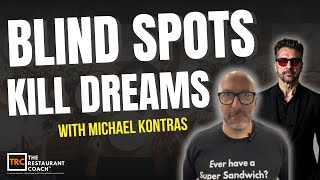
Donald Burns interviews Michael Contras on the Restaurant Coach podcast about the value of restaurant coaching (the TRC method) versus struggling alone. Key claims: owner mindset (ego, denial, waiting for 'phases') is the primary barrier (~99%); food costing and inventory are the hardest technical tasks but expose truth via data; concrete leverage comes from disciplined systems (daily manager logs, standards like “never walk past the problem”, automation); the TRC 3P/3x3 framework (People: mindset/culture/hiring; Product: food cost/menu/marketing; Process: systems/strategy/profitability) guides implementation. Outcomes and program facts mentioned: Michael reduced hours to ~32/week and bought a house in Costa Rica; a cited client went from losing ~$50k/month to profitable in ~7 months; TRC has ~17 years of material and ~1,200+ hours of video content plus templates; coaching timelines are realistic (rule-of-thumb: remediation ≈ half the time the business has been failing). Closing CTA: book a complimentary “profit recovery” call at therestaurantcoach.com; Michael contact Mike@therestaurantwealthcoach.com.
Questions this video answers
July 21, 2025
Daily Seafood (Buffalo)
Approximately 32 hours per week (shifted to five days)
About 17 years
Over 1,200 hours of video content (plus hundreds of downloads/templates)
Chapters
And welcome to the Restaurant Coach podcast. It is the cure for the common restaurant. I am honored and just. I mean, just thrilled to have back on the show Michael Contras. Michael Contras, full disclosure. Michael is not only the owner of Daily Seafood in Buffalo, but also Michael is one of my certified restaurant coaches, and he helps me coach members in our restaurant accelerator program. Michael, welcome back to the show. How are things in Buffalo?
What's up, Donald? Thank you for having me again and super appreciative of everything you've done for me and giving this awesome opportunity. I love it. I love coaching everyone in Buffalo.
You're like a natural, man. I mean, there's some people I just say are like naturals. Like, you were born for this. You actually were born for this. You are.
Well, you threw me right in the fire immediately, so.
But, you know, and here's the thing, too, about Michael, and the reason Michael is such a powerful coach and he gets such great results with his clients is that he actually uses the TRC method. Michael actually started two years ago as a client of mine. I coached Michael, and he was like a lot of restaurant owners just struggling, you know, seven days a week, not making any money, just beating his head against the wall. Felt like he was micromanaging, babysitting everybody. He started taking the TRC method courses, the accelerator program, and then he actually started implementing him. And now Michael has a whole different life. Yeah.
From six days, like 12 hours a day, to five days to 32 hours a week.
Yeah. And making a lot more money than he did. And he also has the opportunity. He bought a house in Costa Rica. I mean, these are. This is like we always say, like, the goal of coaching is not just to get your restaurant back, but also get your life back. Because so many restaurant owners, they build this dream, and it turns into this pre prison, and they're just handcuffed to it. And so the whole goal of the accelerator program, the coaching program that we offer in the TRC method is to help you first get your restaurant back. And then once we get your restaurant back, we'll get your life back.
So true. And I can. I mean, I can. I can speak for it. Oh, yeah.
That's why. That's why I think you're. You're probably. You are a powerful, powerful coach because you're like me when I was first learning this system, I was implementing it and learning as I went in my first restaurant, got that thing turned around. Then I just took that TRC method, and, you know, back then, I didn't Call it the TRC method. But just like, this is the program, this is the system, and I installed it into my second restaurant, got that thing profitable right away and got my life back.
Yeah.
So you've coached a lot of restaurants inside our. Kind of. Our TRC nation. That's what we kind of call everybody who's on our ecosystem. We call you. You're part of the TRC Nation. What's the most common lie you think restaurant owners are telling themselves? They keep them kind of stuck in that valley of mediocrity.
Well, this is something that you can see right away during onboarding. Right. Or the first, like, couple weeks. So a lot of owners will. Will think, and it's a mindset of years and years. So they think that everything's a phase. Right. And you know this. So everything's a phase. So, like, a phase is like an excuse for something like, you know, I can't. I can't find good help.
Yeah. I can't find good help.
And even the word help is like, you can go down that rabbit hole. So, like, if you're calling your team help, it's like, yeah, that's a whole nother mindset.
Yeah.
Like, end the podcast and just call us right now. But that's, you know, that's. Everything's in. Everything's in phases. Like, this is slow season. I'm waiting. I'm waiting for the busy season. So that's, you know, that's another phase. Or the economy, you know, or the. The tariffs.
That's. Oh, yeah, that's a new one. That's the one lately right now.
Yeah. So that's like a. That's like a mindset of, like, fantasy, hope, you know, whatever you want to call it. And when you're in that mindset, you're delaying hard decisions. And when people have this mindset, these are the same type of restaurant owners that have a toxic employee working for years, and they're not firing him because they're waiting for someone better to come along. Coaching is just letting them realize that they're the problem, the owners are the problem, and they're also the solution as well. And we'll help them with the solution. And this is, again, something that we see right away, like, right away, within the first couple weeks.
Yep.
You know, sometimes it's like, on the onboarding call, too, but everything. I mean, when. When. When you're talking about phases, this is like, everything's in phases. Like, oh, it'll get better when I find the right person.
Yeah.
Right. So that's yeah, that's a, that's a.
Very, very duck that lays golden eggs. I'll be set, man. Yeah.
Yes. There's always something like something. Something always is at the end of the path. But it's like, this is why we're here. We're here to help you. Straight.
Yeah. And you know, because you've done this firsthand, you know, the TRC method works, but only when it's implemented. What do you see is like the biggest resistant point that clients hit when they're trying to install the framework into their business?
So, you know, the first part is the people. Right. And then the people product process. So the people, the culture. That's. I don't say that's easy, but that's not as labor intensive. But the hardest part is when we get to food costing and inventory easily. That's the hardest because that's when you really have to drop your ego and really see the data and really see the numbers. Especially if you've never done it before or if you've never used a software to do it before. It's completely foreign to a lot of people. And this is why coaching is good, because we help you do it because we know, we know all the systems. Like I still use systems and this is something I help a lot of clients with.
Yep.
With food costing inventory. Some people just do not get it. It's very, very hard. And we help them, we help them do it. And again, that's. Yeah. Total mindset issue. It's like, I know my, I know my food costs. I know, like, what's your food cost? Oh, it's, it's, it's like about 40%.
You know, we feel about the word about.
People don't really know. But again, it's not their fault because there's no, there's no school for restaurant owners. There's no school for it. And then we kind of shatter the world when we start getting into food costing.
Yep. You know, especially when they start having some reality, like the first time they actually do their food cost and they actually really see how much they're losing at first. I mean, I hate to tell you, it's almost like depressing. It's like they have like this kind of like shock and then they go into this little depressive kind of state for like a week or two because they're just like shocked how bad. And then it's like a person then if you go into this denial and then you start, you know, self, self talk and beating yourself up. I'm so stupid. I can't believe I just.
In food costing is. There's no ego in food costing. It's just data. So there's no lies. It's all data. There's no ego, there's no nothing. And this is where, this is where we see like portion control and waste and theft prep, like inconsistent prep. So this is, this is where everything's exposed. You can't, you can't lie about that stuff.
Can't hide. You can't. The data doesn't lie. Data doesn't lie.
So this is, this is the awesome thing about coaching too. Like we, you know, we let them know I'm actually working on this with a client right now and, you know, redoing their manual just a little bit. Little tweaks that bring down the food cost, you know, sometimes 10%, 15%, like easy stuff that people aren't even aware of. So this is. Yeah, so that's, that's, that's the biggest resistant point, food costing inventory, because it's the hardest, it's the most labor intensive. It could take one or two months.
Oh, yeah. And then you mentioned a word that we like to talk about a lot. Ego. You know, let's talk ego versus execution. How often is it mindset, not the mechanics that really is blocking their progress? What would you say is you had to put a number on it?
99%.
Exactly.
Like mechanics or systems. That's, that's already set. Right. So it's.
Yeah.
Ego is a person that's actually running the system. Right. So, so mechanics, like I said, that's the easy part, Will, you know, we give you all a checklist. We help you do the SOPs, templates, food costing, all that stuff like interview scripts, marketing, like we, we do it all for you. Like, you name it, we'll do it. We can get it for you. But when the ego. When, when there's a giant ego mindset, and this is what actually kills the mechanics, it kills the execution of actually doing something. Like a, A good example is, no, no one can do better than me. I do it, you know, I can do it faster. It'll take them an hour. It takes me five minutes. Yeah, you know, that, that's, that's a giant thing. Or like they're going to mess up the soup recipe and, you know, I hear this all the time. I'm sure you've heard it like a million.
All the time. All the time. All the time. It's just easier if I do it.
Yeah. Yeah, easier. Yeah, easier.
Sometimes not better. Especially if you're trying to work on building your business instead of working in your business trapped, handcuffed.
And the thing about ego is like something like that with an, you know, anybody with an ego like this that just doesn't have their guard down yet, because eventually there are. The guard will come down with coaching. It just, It'll happen, you know, once you build that relationship. But usually in the beginning, when there's a big ego, like, the pattern is that they always want more information. You know, they can't do this yet because I need more information, I need more data. And it's a total. Like, you don't need data. You just gotta. You gotta do it. You gotta delegate, you gotta do things. Yeah, that's ego's 99%.
99% easily. Yeah. Ego, pride and denial. I say ego pride and denial has kills more restaurants than the economy. A lot of people like, oh, it's the economy, it's the tariffs.
No, a hundred percent, you.
That's why in the 3P framework. So if you're not familiar with the 3P framework that we teach the TRC methods based on this napkin that I got from my first business mentor, and he wrote down three words. He wrote down people, product, process. And then over the years, I've taken that. That basic frame of people, product, process, and I've basically expanded on it and blown it out. And we call it a 3 by 3 framework. So the 3 by 3 framework is in the people part, it's always mindset, your mindset, then culture, then hiring, then the product part is always food, cost, then menu, then marketing, and then the process part. It's always systems, then strategy, and then profitability. And we always say, if you want to win the game, just gotta follow the frame. Now, you've helped, you know, lots of restaurants kind of, you know, go from that chaos to having some control. What's been the most dramatic turnaround that you've personally coached, and what do you think truly triggered that shift?
The most dramatic was actually my very first client that you gave me.
Okay.
And I was like, you threw me in the fire right away. And what the is going on? So my very first client, he was losing 50,000amonth.
Oh, my God. Yeah, I remember that. Yeah.
He had two restaurants, so his one restaurant was funding his failing restaurant. So he was basically just breaking even, running two restaurants. And he was. I mean, he was. I forgot what his sales were, but they were. They're huge. And so we got him set up with the culture and, you know, really, really pushing him to do the culture. And this, this took a while. Just because he had a big team. He's never, he's never done anything like this before. You know, we built a team up and then we started getting into food costing. We revamped his menu, but he still got a lot of work to do. But he. He just started making profit probably seven months into it.
Yeah.
Which is really good because I mean, there was a lot of work to do. Tons of work.
I mean, we had a 50k. I mean, to make a money. That's a huge shift. That's amazing. Yeah.
Yeah. I mean, there's so much more potential. I mean, he's gonna. He's gonna kill it the next, the next few months. He's gonna. He's gonna really kill it. We're just. We're bringing managers in and we're doing. We're just doing all these, all these awesome systems and just, just how he interviews. Everything is so much different now. He. He actually called me. Like it was probably two months into it. He called me one night and he's like, you know, I gotta talk to you. And now I remember it was a Saturday night and we're right about to go out, me and my wife. And he called me, he was crying and he's like, I can't do this anymore. Like I'm. I'm losing money. And I'm like, you're not. You haven't done your 515report yet. I've been asking every week. I still don't have a P and L from you. Like. And I was like, you're. I can't. We can't progress if we don't have real data and real numbers that we need to figure some things out.
Yeah.
And that was a phone call that like turned everything around. He never, he never misses a call. He's. He's. Does his work. He's one of my favorite clients now. He's awesome.
Yeah. I find a lot of times with you hear about this word breakthrough, a lot of like coaches talk about, I gotta push you to the point you get a breakthrough. Breakthrough happens when you've hit of despair and you're just like, you just feel like you just can't go anymore. This happens like when people have like drinking problem alcoholics, they basically don't ever get in recovery until they just really hit rock bottom. Because once you hit rock bottom, there's nowhere to go but up. Same thing with restaurants. I mean, if you're bleeding out when you gotta get to the point where you're just like. I just. I refuse to be like this anymore. And I will do whatever I need to do to pull myself out of this pit of hell that I created. Yeah, that's another thing restaurant owners have, to be honest with. You created the. Yeah. It's not performing. There's only one person to blame, and that's you. I mean, I don't, like, sometimes people don't want to hear that and they like, they, again, they want to blame everything else. But I mean, honestly, I mean, you're the people. You're the person hiring people. You're the person, like, you know, putting up with. You're tolerating mediocrity in yourself and in others.
Yeah. You know, I gotta. I got a text message this morning from a. From a client. And this is a client that doesn't want to give her recipes away, doesn't trust anybody, doesn't want to hire a kitchen manager. She sent me a screenshot at 7:00 clock this morning of her blood pressure. It's a screenshot of her blood pressure machine. It's high blood pressure. And she's like, I have high blood pressure. I have to go to the doctor. And she's super stressed out. And I've been telling her we need to hire a kitchen manager. And we're actually in the middle of finding her a kitchen manager. And she said, it took me two months to realize this and thank you for letting me do this. They'll serve a text message or two months to realize.
And I'm like, listen, yeah, I've had. Now I over. I've done this 17 years now, and I've coached over 3,000 restaurants. I'll tell you, there's no. A lot of people say, how long until I kind of have that breakthrough? How long till I finally make the turn on that corner? And I start seeing things as. There's no set rhythm or rhyme. I've had people in two weeks. Oh, my God. And just have this epiphany in the breakthrough. I've had people in the program eight months, a year, you know, and then they finally, like the light flips on and they finally, oh, now I get it. Yeah. There's no set pattern. It all depends on you. Yeah, yeah.
Or circumstance. It's like, yeah, you can't come to work. You have to go to the doctor.
Again. Yeah, yeah.
Restaurant didn't burn down, so you're doing something right.
What do you think is like one really, like, unsexy system that restaurant owners avoid? But you've seen them Create massive leverage once they commit to using it.
Unsexy. So okay, so the un. Daily manager logs, that's the unsexy.
Yeah, those are totally unsexy.
Yeah. So I actually just, I have a client that we, we work on this last week. So he was like, this is like the central nervous system of my restaurant. That's what he called it. And I'm like, yes. When it's done right, it's literally the central nervous system of your restaurant. All the, all the managers and the leaders, it's almost like they can, they have a pulse of the restaurant. They can see what happened on the previous shift or the, or the day before or the week before.
Yeah.
Like if a pilot light is not turning on or something, they can put in the log and then they can see well the piling light hasn't turned on the last, whatever, three shifts. So they know there's something going on. Just anything, it just exposes patterns in the restaurant. Good patterns and you know, obviously bad patterns. If like a team member is like acting up or something, it's in the log. So they'll be like, oh, I'm going to be watching this team member on this shift because we had a problem with them on the last shift. But manager logs is like super simple thing and there's a really simple template. It just like sells sales data, labor percent just anything with inventory check, average stuff like that, ticket times, guest complaints. That's a huge one. And I always say document the wins of the day as well.
Oh yeah, definitely.
So but this is, this is just a tool for getting leaders and managers to think like owners as well. Because you want a team to think like an owner.
Yeah, yeah, definitely.
This is, this is a, this is a, an awesome tool. It's awesome. An awesome tool for pre shifts as well. You can just, you can read the log to the team and say this happened yesterday. Like let's try to fix this. It's an awesome thing. So that's, that's an unsexy one. But speaking of sexy, like a sexy system is like, is automation. That's like, you know, so what's the unsexy. Automation is the sexy one. Like that's. I tell everybody, like if you can automate something, just automate the out of it.
That's it.
It's easy. That's easy to do. Everybody needs it and everyone's a huge fan of it. It's easy.
What's it, what's a small but maybe a powerful standard? You think every restaurant should kind of lock in Immediately to get control back.
I mean, we do this at work, too. And I. And I've. I tell us, the clients all the time. That nobody walks past the problem ever.
Yep.
Yeah. So don't ever walk past the problem. Like, if a napkin falls on the floor, anything, like, a light bulb goes out or if, like, there's no soap in the dispenser. It's not. There's no. Like, it's not my job. Like, we take care of it asap right away, so nobody walks past the problem. This is like. This is like everybody owns everything in your restaurant. It's not like, it's not my job thing. It's so.
I had a kid tell me that one time at my first restaurant, and he said, you know, it's not my job. I said, you know what? You're right. It's not your job anymore. Have a good day. I said, what? You're firing me? Yeah. You said it's not your job. That's cool, man. Hey, thanks a lot. I appreciate you coming in. Make sure you head up the office to get your final check here. Let's just shake hands and go our subways.
Yeah. So, I mean, so that. Yeah. So never walk past a problem. I mean, that's a huge accountability thing for the team. Huge.
Yeah. I always. I always. I always say, like, that. That line you just said, never walk past the problem. It's like at the airport, if you see something, say something.
Right.
You know, they always say all the time, like, if you see something, someone leaves their bags unattended, you report it right away. Like, yeah, see something, say something. Everyone's responsibility. Yeah. Yep. Most people think. There's a misconception that people think that someone only on leadership team has the right to say something.
No, Everybody should say something.
Everybody. Everyone's accountable for the standards, no matter who they are. From the top.
Yeah. These are just simple things that most people don't even think about. This is. This is why, like, I always tell people, like, don't miss your coaching calls. Don't miss your weekly calls. You'll just get little tidbits of information. Like. Yeah, it's like, don't walk past a problem is a huge thing. Like, if somebody hears that it's such a simple thing, but people don't really think about things like that. You can tell somebody something. You can just, like, you can run with it and just create a whole sub culture just underneath that.
It's actually. It's a funny thing. It actually goes to psychology. In psychology, there's A principle called the bystander effect. And the bystander effect is they did this psychological experiments where, like, on the street, like, someone's laying on the street yelling for help, help, help. And the bystander effect is that people tend to think that someone else will take care of it, so they don't do anything. Even though someone's laying on the street yelling, help, help, help. People tend to. Bystanders just walk by and don't do anything. It's really crazy. Like, if. And it just. This really experiment is really crazy in the sense that psychologically, someone's yelling, help, help, help. People tend not to do anything, but if they just change the word the person yells out. If they yell out, fire, everyone runs to help.
Yes.
It's funny because now it affects them. Fire. What's on fire? Am I in danger? Yeah. It's so crazy that the words we use become so powerful. In fact, we have a. We have a new program that we're teaching. It's called Restaurant Builder. Restaurant Builder is based on the new book Ingredients, which is available on Amazon. Selfish Self Plug. Right there.
I read it twice.
In Restaurant Builder. We have a doing. We're doing a thing next week. It's really, really power. It's called transformational vocabulary and how the words we use shape our culture, but also shape our outcomes and also shape our energy and our vibrations that we put out to the world. So, I mean, words are so powerful. You've seen this over, you know, the last couple years working with me. Yeah. Like, you know, we don't use the word. Like, you know, we don't use the word. Yeah, yeah. I was like, what's. I. I need to find. What was it when people were hiring people? I need to find, like, oh, my help. Help. My help. Yeah, I gotta find help. Yeah, yeah. Help. All right. Yeah. That really is enticing. You know, like, I never use the word. Like, dishwasher. Yeah, we always. I'm a ceramic aquatic technician, you know?
Yeah. Words are super powerful. Like, so many clients. I mean, I have clients where we have great relationships, and they'll. And. And I'll. And I'll tell them something like, we need to do this by next week. And they'll be like, all right, I'll try to do it. Then they'll pause and they'll say, I know you're gonna say something right now. I know you're gonna. I'm like, why are you even using that word? Like, take that word out of your vocabulary.
We don't say try. We don't say should.
Right?
Yeah, that's like words that, like, I'll stop same like you as soon as someone says try, say, whoa, whoa, whoa. Did you just use the T word? I'd rather. I'd rather have you tell me to off. Honestly, I would rather have a client say, no, you know, not doing that. Cool. That's awesome. Don't tell me you're gonna try. That's like the piteous, lamest excuse in the world.
Yeah, that's why. That's why people need coaching. Seriously. Because restaurant owners, I mean, they're. There's egos anyways. I mean, there's always egos. And they're very hard to bring a big eagle like that down to earth. And that's. That's our job. That's what we do. We just kind of bring everybody down to earth and just kind of say, this is the facts, this is data, and let's. Let's start making some money.
No more pretending, you know? And culture. Culture is one of the hardest things to ever fix. What do you see is, like, when you're talking to a restaurant, a new restaurant client, what do you see as, like, the first kind of cultural red flag that tells you the restaurant's off.
Track when there's no communication with the owner and the team. So when there's, like, very low communication, like no meetings, no pre shifts, like no one on ones, and that's a huge thing to connect with your team. And I see a lot of owners not do this. It's almost. Almost like some people are shy or just, like, afraid to do it. But that. That just creates. That creates, like, its own culture.
It does.
And I mean, it can be a culture of, like, you know, no, zero urgency, you know, or people clocking in late, nobody says anything, and, you know, just things like that. And it's like, as soon as somebody is disengaged, then someone else is gonna be disengaged. And then next thing you know, the whole team is disengaged. And then you have a culture of disengagement, right? So good luck fixing that. And that becomes your culture. So that's a huge red flag. Non communication with the team. Not being transparent. And this is. This is. This is another thing where. Where I see as well, when there's no communication with the team, then the owner will just get pissed off, and then they start making rules. So there's rules for everything. There's signs and there's rules, and don't do this, and don't do this. It's like, this is your fault. Completely, 100% your fault. Yeah, because you don't have a culture. That's why you have to. That's why you have to make all these rules in your restaurant.
And signs are the worst thing in the world. When owners just go around and put up signs. I tell you, that's the most passive aggressive I've ever seen in my life. Yeah, because we talk about the communication model when we're teaching, coaching, or we're talking to people. We're talking about the communication model. It's 7, 38, 55. 7% of how we communicate is the word we use. 38 is the tone. 55 is non verbal. So when I post up a poster and just tell people to do this or that, that's only 7% effective communication. And we wonder why people just don't get it. And then I'll ask them, well, what happened? Well, I put a. I put a notice on the wall. I put a memo on the wall. Like, oh, yeah, that's not gonna work. Yeah, yeah.
I told so many, so many clients, take all those dumb signs down and you're gonna. You don't need. You don't need this.
I'll admit, my first restaurant, I was guilty of doing that because I didn't know any better. You know, I didn't know any better. So I thought, I'm pissed off. I go up in the office, tape up a memo, you know, effective immediately, and I post it on it. I would make it all big fonts, all catch apps, blasted up on the walking door. And then, like, nothing changed. I was like, how come they don't get. Did you guys read this thing? Did you? And then, of course, you think you're gonna take it one extra level. You got to initial, initial the memo. God gets buy in.
Growing up in. In the restaurant with my dad when I was young, he had signs everywhere.
He was everywhere.
Close the freezer door, close this door. Make sure this is like every. There are signs everywhere.
It was.
I mean, it's like crazy.
And then what happens? Law of familiarity kicks in, and then after a while, that sign doesn't even.
People don't even know the sign.
It's like when people install security cameras in their restaurants, and then two months later, everyone forgets their security cameras. They do. Stupid. Yeah. We have. We have a client in the restaurant boot camp. I'm not gonna go into detail about this, but video camera. He caught a bartender doing something that was like. I mean, way over the line. Like, yes. 17 years of coaching. I've never heard of this example of stuff like that or the person. All right, I'm gonna go a little into detail. Not too much. The bartender pretty much offered to do, like, on a customer in the bar, and it was all recorded on video. Like, they forgot the video cameras were there. You want to talk about, like, oh, my God. Like, oh, he's like, you want me send you? I don't want to see the video, dude. Trust me. I don't need to see that. I'll take your word for it. I don't need to see that. Yeah.
They need to make a sign.
Do not give the guest in the dining room. Yeah. Oh, I'll tell you, I've seen you, and you probably, like, you and I have both been in the restaurant industry a long time. You grew up in a business like me. You've seen some crazy shit.
Yeah, yeah. It's not. I mean, it's a circus. It's a circus.
Yeah.
And it's very. It's very. The restaurant business is very complex.
Very.
Most people don't think that it's complicated. It's a lot of moving parts. I mean, tons, Tons. Once we start breaking things down and people are like, I don't even know. I can. I. I have to look at this or look at a check average or look at anything.
What have to do with anything? That's everything, man. Your guest check average. Is your number one driver thriving KPI?
Yeah. A lot of people don't know, but like I said, there's no. There's no school for education for restaurant owners. Well, there is now. There is. Yeah, there is now. But I mean, people. Everybody should have a restaurant coach. I swear to God, like, any restaurant I go to, I mean, I see now. Now that I'm in the world of restaurants now I see any restaurant I go into. I just know that we can fix this, and we can totally fix this. Here's how you fix this. So it's like, I'm coaching in general.
Everyone should. No matter what area of your life you're trying to improve, you should get a coach for that, Someone who specializes in that. Like, if you got marriage problems, you don't go to a marriage counselor or a marriage coach. You know, I have friends who are marriage coaches, like, fitness. Like, Michael and I have the same fitness coach, and the reason we have the same fitness coach is that that coach gets results. And so, yeah, Michael saw the results I was getting. He asked, hey, who's your fitness coach? I told him the guy's Name. Carter. Carter. Carter Montgomery, by the way, great guy. Probably the best in the business of what he does. And then Michael's got him as his coach, and now Michael's on the same thing, and that's it. I mean, I have a mindset coach. I have a business coach. I have a marketing coach. I have a voice coach. I have coaches for everything. Any area of my life I want to improve. I always automatically get a coach because I find the investment in coaching is 10x what I would learn on my own. Like, books, great book. You can. You can buy a book. You can go on Amazon, buy any of my books. I've got seven of them. You can read a book, and you got some great knowledge. Now, to implement the stuff that's in the book and hold you accountable to it, you definitely need a coach. Yeah.
100. Yeah. I mean, just like, like I told you with. With the. With Carter, with a workout coach.
Yeah.
I said, don, I just want a guy. I just want him to tell me what to do and tell me what to eat, and I'll do it. And that's exactly what I've been doing. Like, I don't question anything. I just. I just do it and I see results and it works. I mean, you. You've had amazing results.
Yeah. And I have that. I actually have a poster if. How do you get the results? Just do what your coach tells you to do.
Right, Right.
Don't overthink it. Don't negotiate with it. Don't compromise. Don't try to bargain. Hey, instead of doing, you know, Michael, instead of doing food cost, what if I just. What if I just do this instead? No, you gotta do your food cost. Yeah.
Yeah.
What if I just. What if I create a new menu? Hey, what if I just roll a new menu? And after I roll out the new menu, I'll go back and do the food cost.
Yeah. And just like you, I mean, you've obviously coached thousands of restaurants, and I just. I see this all the time where people are trying to change things, and I'm like, all the time, just do. Just do the way we're showing you. And it's 100% gonna work. There's no question about it. You just have to just, like, drop your guard. Trust the process. That's it. And it's going to work.
If you just do what your coach tells you to do, trust me, you will get results.
Yeah. And we're more like a. Like an accountability coach as well. Just hold you accountable as well, which you need.
You need someone to hold you accountable. And also someone who can actually, like, call the audible. It's like, think about a coach on a football team. Like, they just, like, you go out and like, they call a play and then they might see, like, the defense lining up differently and they might call, like, whoa, whoa, whoa. Run this play instead. Because they see stuff that you don't see. Same thing. Having a coach. A coach gives you, like, outside look into your business. And I always say it's like, it's really nice because most time when you're in your business, you got blinders on and you're so worked in the business that you can't see what's going on. So that's why it's nice to have a coach who can actually look inside your business from a distance, have no emotional attachment to it and say, no, you need to do this and this and this.
I mean, I can give you an example. Just. Just last night, one of my clients, she's looking for a manager and she hired a guy. Totally in love with this guy. He's gonna be awesome. He's gonna be my new manager. And I'm like, just relax first. And then, and then she sent me. He's like, he did all this work for me. He went home and he sent me this. She sent me a screenshot of what he sent her. And it was like, we need to do this, this. We need to rip up the floor, get a new floor. We need to put new wallpaper. We need to change the menu. We need all these things he was doing. And I was like, this guy is not gonna make it 100%. He's like, he's telling you what to do with your money. He's worked one day so far.
Yeah. Yeah.
And I'm like, he's not gonna work. Like, don't even waste your time with this guy. He's. He's already super comfortable telling you what to do. This morning I get a text. He sent me a text, and he annoyed the shit out of me. So I'm not even gonna have him back anymore. I'm like, just gotta, like, I've seen this a million times, and you've seen it probably a hundred million times. And I mean, you just have to just relax.
We call it the 21 day. It's exactly every time someone calls me and says, I hired a new man. They're going to be. They're going to be. I'm so happy. They're going to be amazing. I always say, hold. Hold that thought for 21 days. You told me that in 21 days, I'm going to ask you a question. How are you feeling about them now? And I mean, 99% of the time. Oh, yeah, yeah, yeah.
You've told me this so many times, like, during our coaching calls. I'd be so excited. You're like, okay, let me know in a couple weeks.
What would you say is, like, a hard truth most restaurant owners don't want to hear, but they need to hear, but they don't want it. They don't want to admit. What's a hard truth.
That it's going to take work and it's going to take accountability.
Yeah, yeah. That.
That's a hard truth. And this is why they need a coach. Because most people don't tell. Because they're already leaders in the restaurant, and most people don't tell leaders of the restaurant what to do. Everyone kind of walks on eggshells around them. But that's a hard truth, is you need a coach and you need to listen to someone. And like I said, drop your guard, drop your ego, and it's going to be work. But we're here to help you every single step of the way. And this is what we're here for. This is what I look like. This is what I truly like to do.
Yeah. And you've heard me tell people this before, is that coaching is not a quick fix. It is a process, and you have to trust the process. And here's the thing about the process. A lot of people say, how long is it going to take? I usually give this as a rule of thumb. However long your restaurant's been running amok, running bad, it's going to take at least half that amount of time. Let's say your restaurant's been in the shit for a year. It's going to take us six months just to get you stabilized and on the. And just get you back to zero. And then it's going to take us another three months to get you going the right direction. So it's not a quick fix. A lot of people sign up for a coaching program, think automatically. Like, in 30 days, I'm going to be at 8% profit from losing my ass to. And then having a team that does exactly what I want, and I'm not working at my restaurant anymore in a month. It doesn't happen like that. It's not a quick fix.
Yeah. This isn't just like, download this, and then your restaurant's fixed.
It'll be like, hey, Michael, I'm 100 pounds overweight. I want to sign up for a coaching program for weight loss. And I want to lose £100 by next month. And I want to have six pack abs. And I want to feel the best I've ever felt in my life.
Yeah, exactly. That's exactly how it is. There's no quick fix, but it's a permanent fix. It's a permanent fix.
Yeah. Because here's the thing. I'll tell you, and I can see this for Michael. Michael was like, he is in the exact same spot almost every restaurant who comes into our program. Is that. Yeah, worked. I'm working my ass, you know, into the ground. I'm working seven days a week. I can't get a break. I can't, you know, I just, I. I don't see any way out. I just have to be here. I have to put in the hours. I have to be here. I have to micromanage. I have to be. Do it. I have to do all this stuff. I'll tell you, it took Michael, like almost a year, right?
A little under a year.
Yeah, a little under a year. I think eight months. You were like one of the fastest people I've seen turning around eight months. And then you started making that switch. And then you just started seeing. And I started, I started seeing just a change in your, your whole energy on a call.
Yeah.
Cause you went from being stressed out, just like anxious and anxiety, to like more relaxed.
Yeah, yeah.
And like the biggest compliment I get now is like when people come to like, restaurant owner boot camp. Boot camp's a two day workshop we do here in Arizona. Michael comes out, we invite clients to come out for the restaurant owner boot camp. It's a two day thing. And we just had one here last month in Scottsdale. And the best compliment I got was people came up to me and say, I want to be like Michael.
Oh, that's.
And I said, I want to have that kind of just relaxed energy. I mean, Michael doesn't. He's not stressed out about his restaurant. He's here. He's here two days, not answering. He's not, you know, dealing with his team. He's not answering questions, not putting out fires. He's just totally immersed, just having a good time, relaxed, enjoying the process, having fun. Fun. We go to, we have lunch, we're talking. He's not stressed out. Man. I want to be like that. I said, you can do that. You just, just follow the process.
Yeah, yeah. And I've, and I've. I've seen during breaks at the, at the boot Camp and as soon as like we're done, we're going to break. Everybody's on their phones and everyone's like stressed out and, and we went out after for dinner, you know, a group of us.
Yeah.
And I was like, guys, what happens if you just don't even look at your phone until like five o'?
Clock?
What's. Is your restaurant going to burn down? Nothing's going to happen. All you need to do is. Because they're fighting, these people are fighting and this guy didn't show up and this broke and they got to know this and I'm like, yes. Don't reply, don't answer. What, what's going to happen? Your restaurant is not going to close down. Just take it easy, relax.
We had people and we had people at boot camp that like Michael was talking about. We had some people like arguing, like, well, we have. What are you on the phone for? Oh, these people are arguing with each other. And Michael and I both said, you got to fire them. Just go back and fire them immediately. Just get rid of them. Fire them.
What?
I can't. Yeah, you can, right? You think you can, but you can. Yeah, yeah.
I mean there, I've had clients where they're, they're afraid to fire people and I'm like, I'll do it. Like get them on a call and then I will fire people. Like, I will fire people for you if you want. I don't have a problem doing it.
I have that same rule, like if I do a site visit, like clients sometimes have me come out and do a site visit where I come out for four days at their restaurants. I have one rule. When I come to a site visit, I have carte blanche. I can fire anyone on the team. Anybody. I don't care if it's your brother who's been, you know, your brother in law who's been there for 10 years. If I think they're toxic and negative and just basically killing your brand, I will, I will fire them.
Yeah. And what happens when that person gets fired? Everybody comes out and says, it's so much better without them.
So much better.
All the time.
All the time.
Yeah.
It's like you're dating somebody and you know, and you break up and then all your friends say, I never liked her. You're supposed to be my best friend. You didn't tell me. I just didn't think it was my, my place to say. It is your place to say.
It's exactly how it is. Yeah, for sure, for sure.
Oh my God. So if you had a tattoo, like one message on your forearm that every restaurant owner in the T or she nation should know, what would it say?
I'll tell you because one of my clients is actually sending me a T shirt that says this. 1% improvement every day.
That's it. 1%.
Yeah.
Yep. Yeah, we got the new shirts now. Michael has one on. It says, you know, raise our. Raise your standards. That's our new T shirts we have. Raise your standards. That's our new thing. Yeah, I know. It's like. And I tell people, like on the call, say, get a Sharpie right on your forearm. Raise your standards. And lots of times I'll make people, like, sometimes at boot camp or like, summit, I'll actually give them people Sharpies and I'll make them write on their forearm something that they have to wear around for, like, two days. And there's like, oh, my God. Yeah, yeah.
Raise your standards.
I mean, raise your standards. 1% is.
Yeah. And this is different. Like, you know, you've talked about this before, but standards is a difference between a $20 cheeseburger and a 99 cent cheeseburger.
Exactly.
That's the difference. When you have higher standards, you can. You can charge more.
It's all positioning. Yeah. There's that company out there, I think it's called Last Crumble or Last Crumb. It's a gourmet cookie company a lot. And we. We use this analogy a lot of times. We'll ask people, like, what's the most you ever pay for a cookie? Most people say, like, three bucks, four bucks max. This company charges $120 for 12 cookies. You know, it's a cookie, okay. It's not gonna change your life. It ain't gonna be like, you're not gonna have this cookie and have an epiphany. It's not laced with any. Any CBD or anything. It's not like a magical cookie. It's not, you know, it's just a regular cookie. But I'm telling you, they position their brand where it's a premium item.
Yeah. You walk in, you have this whole experience, and then you get home, you're like, oh, my God, I just spent 120 bucks.
120 on cookies.
But when I was doing it, it was fine. I felt fine about it. But now I get home and I'm like, what am I doing?
Exactly. So the beautiful thing I think about your coaching style is it's very direct but also grounded. What part of your personal story do you think really shapes how you Lead and challenge your clients?
Well, I. I think because I. I went through the whole system and I've been. I've been in the shit, and I. And I. I mean, I can connect very easily because I know how people are. Like, when someone's texting me on a Saturday night, I'm like, these people are in trouble, like, because this is something, like, I want. I wish I had somebody like me. I had you. But before you, I. You know, I wish I knew you earlier. And I can. I can connect easier. And my clients know that I genuinely want to help them. They know that, and they can see it just. Just for anything, you know, and then, you know, after a few months, we start making a connection and we're, you know, are more friendly and it's. They're more loose. And this is. This is where like, the progress really, like, happens.
Amplifying. Yeah.
Yeah. And then this way I start making money because, you know, then I can call them out easier and faster. And you didn't do shit last week. Like, you haven't done shit for the past two weeks. Like, let's go. Let's do this.
My. My entire coaching program, the whole TRC method, was built around one premise. I was that person. So I always make. A lot of times on my videos, a lot of people say, like, I understand you because I was you. That was my first restaurant. I was in the. Every day, working, just thinking that, you know, if I just work harder, I can figure this out and fix it, you know, and it's gotta sacrifice everything just to make this thing go. Sacrifice my marriage, sacrifice, you know, my relationship with my kids, sacrifice my health. I had ballooned up to, like. I mean, wouldn't realize it now. I mean, I'm like, 218 right now. @ the time when I had my restaurant, I was like, 285 pounds. I mean, just miserable drinking, taking, you know, doing pills, Adderall, to get jacked up in the daytime and be able to work all day, and then taking Xanax to deal with the anxiety and sleep at night. It was a horrible train wreck. Yeah. And I would say, yeah, I understand you, because I was you. Yeah, yeah.
Yeah. And I, you know, I've been.
I wish. I wish this program is the exact program I wish I had when I had my first restaurant. It probably would have saved me so much heartache and just. Yeah.
How many people have told you, like, I wish I would have met you 10 years ago? I hear this.
Everyone does.
I hear this all the time. All the time.
I have a client, Vicki. Vicki's been with me six years now, and. And people stay in the program because they like the accountability. A lot of people say, wow, they've been with you six years. Yeah. Why? Because they like the accountability. But Vicki had been in the business for 40 years.
Wow.
She says, I wish I'd met you 40. I wish I missed you 39 years ago.
Yeah.
Because I never. I wouldn't have had this 40 years of, like, trial and error and just, you know, working it, trying to figure it all out on my own. So one of the things we say about coaching is that coaching compresses decades into days. In the sense that you think, like, how many years experience do you have in the restaurant business, Michael?
I mean, I've been in the restaurant since I was 11 years old.
Yeah. I mean, what, 40?
Yeah. Like.
Yeah, yeah, 45 years. I mean, between the two of us, we got almost 90 years of experience in the restaurant business. I mean, that's like mainlining experience. You don't have to work in a restaurant 90 years. You can just tap into Michael and I, our experiences. And I'm telling you, we've seen so many much stuff. We can give you, actually shortcuts to help you kind of deal with this stuff.
And we have such a. Me and you have a very close communication. If I have a client that I don't know something and, you know, I don't know everything, I'll be like, let me just. Let me text Donald and I'll get back to you. And that happens, like, all the time.
Yeah. And I have clients that like to reach out to Michael and talk to Michael because, you know, Michael's approach a little bit different in mine. And again. But the beautiful thing about the program is that you got two of us.
Yeah.
You know, it's not like when you sign up for the accelerator program, you don't just get me as a coach or you don't just get Michael. You get both of us. You get like, it's like a tag team. Sometimes we play good. Sometimes I play good cop. Sometimes Michael plays good cop. Sometimes I play bad cop. Sometimes Michael plays bad cop.
But we get results, right?
Yeah, we definitely do, but we're not.
You know, whoever's watching this, you know, we're not going to be your best friend. We're not going to hold your hand and tell you you did good. Like, if you didn't do good, we're going to tell you you didn't do good, you fucked up. Like, we're going to tell you.
Yeah, but you do good. We'll say you did good, but. Yeah, I'm not gonna, I'm not gonna sugarcoat it. The last thing you need a really good coach. You don't need a cheerleader. And we've had people that have been in our program that tried to be coaches with us before, and we had to, like, get rid of them because they were trying to be more cheerleader than coach. Yep. Yeah.
Yeah.
So when you hire us, you hire us to be your coach.
And you will get someone to tell.
You you're great and misses you and wags their tail when you come to the door. Get a dog. It's not us.
Yeah.
You know. Oh, my God, Michael. It's so good to see you. I'm so happy you showed up in the call. Oh, my God.
Just.
You're here just makes my life so much better.
Yeah.
Donald, I didn't do anything this week. That's okay, Michael. You know, at least you're here. You're on the call, you're showing up. No, no.
This is what, this is what separates the TRC method with anything else. I mean, anything else is a such a distant second. You have, I don't know how many hours of content. I mean, over a thousand. It's gotta be.
I have over a thousand. Like, in every month we add probably another 20 hours. Yeah. So you think about the TRC method that my coaching program has been going 17 years. We've got probably over 1200 hours, just video only, not including probably 6, 700 downloads and templates that are easily accessed right away.
Yeah.
So you can get a more comprehensive coaching program on the planet. And I will go to the ends of the earth and say that with 100% confidence. There is not a coaching program on the planet more comprehensive than what the accelerator program is.
Yep. I mean, I, I, I tell my wife this all the time, and I'm like, I can literally open up any concept I want. And I know without a doubt I will be successful. I can, I mean, I can open up a, an Asian restaurant. I can open up a pizza. I mean, I know I can open up anything. It's the same framework. The only thing is different is the, is the menu.
Yep, that's it. And that's what we teach with the 3P framework, that people product, process. And then we always say, if the people part and the process part is solid, all you gotta do, you can plug and play the product part all day long. That was the number one lesson I learned working at Wolfgang Puck. So I was introduced to the TRC method, that 3P framework, when I had my restaurants and I used it on my second restaurant. And then after I sold my restaurants, I got recruited by Wolfgang Puck. And you know, and I was still playing with this idea of this, you know, this, this whole kind of 3P framework stuff because I was just starting to expand on it even when I worked at Wolfgang. And the thing I noticed was that Wolfgang Puck follows the 3P framework. I mean all our pro, our people part was all the same. Like our culture, the core values were the same. No matter which brand you went to, which you went to, Spago Cut, you know, Wolfgang Puck Bar and Grill, the catering company, the culture was the same. The way we hired was the same. Way we onboarded, way we interviewed, the way we trained, all the same. Same. The process part checklists were all the same. Our strategy, our strategic planning, every year, every quarter, every month, all the same. The way we looked at PNLs, the way we did budgets, the way we looked at KPIs, all the same. So the people in the product part was the same. All you had to do is just plug out and just plug in that new product part in the middle. So if the people in the process is solid, you could mean blow this thing up and make as many different concepts you want. This is where like the companies are in like my high end program called Restaurant Empire Builder. That's what they learn. They learn how to solidify that people and process part and then they just basically change up the product part and that's how they build these restaurant empires where to have like six, seven different concepts and they're all running great.
It's all the same. It's all the same.
Yeah.
This is what we teach. We, we literally teach this. I mean you have it at your fingertips.
That's the truth.
Yeah. So this is, this is why I love it because I, I, I, it's, it's all the same. We have so many different concepts. Like we have steakhouses and then we have like Asian places and then we have like fried chicken places. It's all we teach. Everything's the same. And you know, it's everything, everything works. So this is why, this is why I'm, I feel so strongly about this and I'm like, everybody needs a restaurant coach. You have a restaurant.
It works. It works.
Yeah, totally works.
Totally works. The investment, I mean, it's totally, totally works. Yeah. What do you say is something you think most clients don't realize about the TIERC method? That kind of hits them kind of mid implementation.
That culture will drive everything.
Everything.
And I've seen this. I mean, again, I've seen this so many times. We've seen it times a million. But as soon as they. They realize everything revolves around culture, then it's like a light bulb goes off. I've. I've had so many clients that say, I've, I've. I've. Now I realize how important culture is. I realize it. And they, and just. And they. They'll. They'll do anything to. Not to not, I guess, dent that culture to like to ruin that culture. And they'll do anything.
Like, I don't know why they avoid it, man. Like, they all want to avoid the culture piece. Like, I just. Donald, I just need. I just need. I need marketing. I just need to work on profitability. Yeah, that's great, man. But you can't sustain it without a good culture.
Yeah. And the most successful restaurants, they talk about culture more than anything else.
Exactly.
That's a. That's a giant pattern that I. That I see.
Yeah.
The ones that have it together, they want to talk about culture and how to make it better because they know everything else is easy after that.
That's the truth. That is the truth. So if a restaurant owner is listening to this right now, overwhelmed and unsure, you know, is coaching really worth it? What would you say to shake them awake?
Oh, call us 100.
Call us, like, and, you know, you head to the restaurantcoach.com book A. We call it a profit recovery call. Book a. Call with me. Let's just talk. It's no obligation. I mean, the call is free, man. Just like, talk to us, you know? And here's the thing. I'll tell you, if I don't think you're a good fit for coaching, I won't recommend coaching for it.
Right.
I would tell you right now, like, if I do 10 calls with somebody, I'll only offer coaching to four, because most people aren't ready for coaching.
Yeah, yeah.
I mean, sad but true. So if you're not sure, give us a call. You know, you can also reach out to Michael. Michael has his. His emails. Mike therestaurantwealthcoach.com. you know, you reach out to either of us, we are here to help you. We're here to talk to you. We just want to help more restaurants because, again, someone helped me, and then Michael reached out and I helped him, and now we want to help you. So that's how it works. Yeah.
Yeah. Let's get on it, guys.
Let's do it.
Let's get a restaurant coach. I mean, how many people that you know own restaurants have a coach for the restaurant? Have you ever heard of that before?
Nobody. Yeah.
Yeah.
And when I was first looking at, you know, doing the restaurant coaching thing in, like, 2008, I googled at the time, restaurant coach. Nobody was calling themselves a restaurant coach. Now everyone's a fucking restaurant coach.
Yeah. Yeah. And this, I mean, this is literally your secret weapon.
Yeah.
Your secret weapon. I mean, like I said at the summit, when people are like, I want to be like Michael, so calm and like, there's no secret. I. I hired you. I hired a restaurant coach.
Yep.
That's it. If you want to be a good runner, if you want to. If you want to be good at, Hire a running coach. If you want to be good at your restaurant, hire your restaurant coach.
And here's the thing we always say, too, is, like, if you hire a restaurant coach, and there's a lot, trust me, there's a lot of people out there calling themselves restaurant coach. Number one. Thing is, number one, they should have a system that they can share with you and show you the roadmap. Number two, they should have owned a restaurant. You know, I'm just. Yeah. I mean, there's theory about running restaurants. And we know, we know some people out there call themselves restaurant coaches that never owned a restaurant. Yes. They've opened restaurants. That's great. But there's a difference between running a restaurant and owning a restaurant, because there's a psychological element of owning a restaurant. There's a stress and anxiety level of being an owner that only an owner understands.
Oh, absolutely.
Yeah. How many times you wake up at 2 in the morning, just stress the fuck out, please. Every morning it was like, so many more.
Yeah.
Even like, think straight. How many mornings I just, like, lost.
When I get it, it's like you have to. Yeah. You have to bring people down. You don't bring them down to earth because they think it's the end of the world.
Exactly.
And I've been there.
Yep.
So I, you know, I can help.
Yeah. So if you want to schedule a proper recovery call with me, just head over to the restaurantcoach.com. it's a complimentary call. You know, we'll just have a conversation. If nothing else, we'll just get some clarity. I'll figure out where your restaurant is now. We'll talk about where you want to be, and I'll give you a short, easy, step by step, roadmap if I can help you get there faster then I might offer to jump in our coaching program if I think I can help you. Now again, I'll be honest. If I don't think I can help you, I'm going to say this isn't the program for you. You know, go get some books. Go get this and that. Start here, start there. I will tell you where to start. Trust me. I'll give you a solution. I won't just say, oh, well, you know, no, I'll definitely give you some, some tools and some ways to get going forward. And if we can help you get there faster, we definitely want to help you. So Michael, thanks for being here today. I appreciate my friend.
Much appreciated. Awesome. I will be in touch. Thank you again for having me.
Everyone have a fantastic day. And if you need anything, please again reach out to us therestaurantcoach.com you hit up Michael. Michael's email is Mike at the restaurant wealth coach.com Everyone have a fantastic day.
Thank you. Thank you.
More from Donald




If your restaurant only works because you work 80 hours a week, it doesn't work.






