The Restaurant Coach Podcast with Nick Mattia
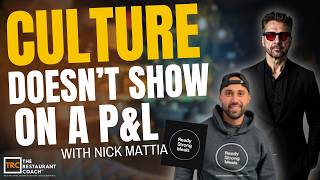
In this episode of the Restaurant Coach Podcast, host Donald Burns interviews Nick Mattia, founder of Ready Strong Meals, a boutique meal‑prep service delivering high‑quality, locally‑sourced meals throughout Northern New Jersey and New York City. Nick shares his journey from a decade in corporate America to launching a food‑business driven by a love of clean eating and family cooking traditions. He explains the company’s product philosophy—no fillers, no preservatives, small‑batch production, and seasonal menu rotation—along with the logistics of delivery zones. The conversation dives deep into operational challenges Nick faced before joining Donald’s TRC Restaurant Accelerator, especially inventory over‑ordering, inaccurate portioning, and food‑cost leaks that eroded profit margins. By implementing the TRC method (the 3P framework of People, Product, Process), Nick introduced systematic portion controls, multiple kitchen scales, yield tracking, and a culture of accountability anchored by core values (Respect, Integrity, Communication, Collaboration). He discusses leadership lessons, the importance of building culture versus merely hiring, generational dynamics in the workforce, and the need for self‑care for restaurateurs. The episode also touches on marketing shifts (highlighting team stories over product photos), industry stereotypes, and practical advice for listeners: understand every dollar of food cost and eliminate low‑selling items. Throughout, both hosts maintain a conversational, enthusiastic tone, emphasizing actionable insights for restaurant owners seeking profitability and sustainable growth.
Chapters
And welcome to the Restaurant Coach Podcast. It is the cure for the common restaurant. I am honored to have on the show today Nick Mattea from Ready Strong Meals in New Jersey. We're kind of making a joke about like everyone we know from Jersey, like when I say, where are you from? Jersey. Jersey. Jersey. What exit?
Exit. Yeah, exactly.
Everyone knows the exits, right?
On 123.
Hey, there you go. Oh man, I know where he's at right away. Yeah, so hey Nick, I want to say number one, uh, in full disclosure, Nick is a member of my TRC Restaurant Accelerator program. So just so you know, uh, you know, but I like to bring, uh, people on the show, uh, just to number one see, you know, how has the TRC method helped them, and also get an opportunity just to learn a little more about his brand. And especially, I know we have a lot of listeners to the podcast on the East Coast, especially in the Jersey area.. And if you're, I mean, looking for some really, really great meal prep, because I'm a huge believer in getting meal prep. I think it's one of the things that helps me stay on track and on, on schedule with my fitness goals. So I definitely wanted to bring Nick on and have him talk about his brand. So tell us a little bit about you. Tell us a little bit about your story. Tell us a little bit about, and then tell us a little bit about Ready Strong Meals.
Yeah. So, um, really pumped to be here. So my name is Nick. I own Ready Strong Meals. Actually, before I started the business, I was working in corporate America. Corporate America for about 10 years. So did the normal, like, you know, go to college and graduate and get a job in a 9 to 5. And I just really wasn't happy in that, in my current situation. Like, I didn't want to do corporate forever. It was, you know, it was, I definitely learned a lot and built really strong relationships that I still kind of leverage and use today. But I didn't see myself doing it for like 30, 40, 50 years. You know, you work, you retire, you sit on a beach. It's like there's more, there's more to life than that. Um, so, you know, I, uh, decided to get in the restaurant business. That'll keep me busy and, uh, occupied.
Um, now you didn't just think of like, you know, you just like woke up one day going, you know, I think I want to be in the restaurant business. I mean, there had to be something that like— Yeah, no, so I'm kind of just joking around, but, um, No one ever wakes up and goes, you know, I think I just want to mess my whole life up.
Yeah, so I've always worked in restaurants and like always been around food, um, you know, growing up. Like my mom always cooked like really high quality food in my household, um, you know, Sunday was like a really big deal in our house. I come from an Italian household, so like my mom would make like sauce and pasta and meatballs and sausage and all that stuff. So, um, you know, I was always like revolved around food and, uh I worked in smaller mom-and-pop restaurants growing up. So it was always kind of an itch to start a business. And I originally wanted to start a restaurant, but I wanted to start a breakfast concept. And then I saw how much money and how much capital it was to open up a brick-and-mortar, and I was like, holy crap. I was like, there's no way I can afford this. I would totally just empty my savings and my account. I kind of didn't want to take that risk. And I was always like, I always wanted to eat healthy. I was always trying to eat healthy and eat clean. And, you know, I work in New York City, so like there's a lot of places where, you know, overpriced salads and, you know, stuff that you think is healthy, quote unquote, but then you really peel back the ingredients and you look at what's in it. You know, a lot of these like big companies, they're using a lot of fillers and preservatives and low-quality quality oils, um, you know, and that's kind of, you know, what, what sparked my, um, my idea of, um, you know, kind of putting out a really good product, um, with no, no fillers, no preservatives, no seed oils, you know, just really high quality ingredients, um, sourcing from local farms, and, um, you know, creating everything in small batches so we're not going to mass producing everything. So like Yeah, so that's basically where Ready Strong Meals started. We don't mass produce anything. We don't ship nationwide. So everything is really like boutique, local, premium. And, you know, we use really, really high quality ingredients in all of our meals. So fast forward 8 years later, you know, we're delivering all throughout like New Jersey, New York City, some of the outer boroughs. And, you know, business has, has taken off.
So Yeah, how far out do you go?
So we go all throughout, um, like Northern Jersey and then New York City, so all of Manhattan and then a lot of the outer boroughs. So we'll do like Queens, Bronx, Washington Heights, uh, Brooklyn, Long Island City, uh, so that's kind of like, like Brooklyn and Queens are our busiest, um, New York City locations. Okay, cool.
So yeah, yeah. And then your menu and stuff like that, is it like, does it— is like a list of like some standard stuff all the time? Does it rotate every week? What's What's the kind of setup for that?
So at first we were doing rotating options and then as I grew, I wanted to have like a standardized menu. Okay. And what we do is, so we have about 50 different options and then we also every month we'll add new options to the menu and we'll kind of take off the meals that aren't selling. And then we try to work like in season. So we'll use a lot of like seasonal ingredients. So like, you know, winter, obviously, like, people want like more comfort foods and, you know, a little bit heavier. It's bulking season. Um, whereas summer, it's a little bit leaner. People want, you know, they're going on the beach. Um, obviously for you guys out on the West Coast, every day is, uh, the summer, but it's—
every day's somewhere out here.
Yeah, every day is, uh, somewhere out in Scottsdale, which is—
well, you know, it does get cold out here. I had to put on— I had to put a hoodie the other day.
50 degrees or 60.
It was like in the 50s. And like, you know, when it hits 50 here And we think it's like, it's winter. It's like the Arctic, you know, it's like the ice age is starting again.
Yeah, I mean, we, uh, I was in, um, I was actually in Colombia for, uh, for a vacation, uh, last week and it was like 80 degrees. And then I come back to the New York weather, it's like 20 degrees.
And yeah, I bought a stocking cap. Like, you have a stocking cap on? I bought a stocking cap for Arizona, but I never wear it.
Yeah, exactly. Like, right now it's like 25 degrees. Like snow on the ground.
Oh, it's snowing?
Yeah, it was snowing on Sunday.
That's that white stuff, right, that comes down from the sky, right?
Exactly.
Okay, I've heard of it.
Yeah, you've never seen it before?
Yeah, I've heard of it. I've heard that. I heard it's pretty nasty.
Yeah.
So like on the menu, what is your favorite go-to meal for you?
I would say I have a couple go-to favorites right now. It's the pot roast. Yeah, we slow cook, uh, chuck for about 5 to 6 hours, and then it like literally comes out like super tender. And then we put, you know, mirepoix in there, celery, carrots, onion, and we, we braise it in like a red wine. So it's like, oh wow, super flavorful. We use like garlic, extra virgin olive oil, red wine, tomatoes. So really flavorful and really just like that comfort um, that comfort that you're used to. And then I love our salmons. Our salmons are, um, our Cajun-crusted salmon. So we use a really high-quality, um, salmon, uh, called Copper Frost, and it's a sustainably sourced salmon. A little Old Bay seasoning, garlic, rice, vegetables, um, you know, nuke it in the microwave for 2 minutes and it's like, yeah, so delicious, tender, flaky, you know, comes No, I need, I need you to come out to Arizona, Scottsdale, and set up a shop because, you know, because you're not out here, I'm forced to go to another meal prep company in Arizona.
Exactly. And I tell anybody watching, listening to this podcast, anybody watching this on YouTube, I mean, if you really, I mean, if you want to really nail in your fitness goals, getting a meal prep system in place was the number one thing that got me to where I needed to be with my fitness goals. Because I was like a lot of people, I would work out like crazy. 5, 6 days a week, but my nutrition was off, really off.
Exactly.
And it wasn't until I got my nutrition dialed in that everything just started coming together. And then I actually started seeing the results. I mean, you're working out hard every week, but if you're not putting the right fuel in your body, it doesn't matter. It doesn't matter how hard you work out. I was, I mean, I was like fanatical. I'd work out like 2 hours a day, but I wasn't like, I mean, I would make some steady gains, but nothing like I have now. And it wasn't until I got, I hired a fitness coach and he really dialed in my, my my nutrients, my diet, and it changed everything. That's why I'm such a huge believer. Like, if you're like— and I know we're coming up into 2026 and, you know, everyone has like the big New Year's goals, stuff like that. I'll tell you right now, if you want to keep your goals for 2026, get a meal prep company. Like, you know, and if you're in the New Jersey, New York area, New York City area, get Nick to set you up and have stuff delivered so you don't have to think about it. I would say that's the number one thing that has helped me, is not thinking about my food.
Exactly.
Yeah, you sit there and you're like, I don't know, what do I eat today? This man, it's all right, there's breakfast, there's lunch, there's dinner right there.
That's like, that's, uh, it's like 70% of people by 4 o'clock don't know what they're eating for dinner. Oh my God. Which like, you know, you got— and then you tend to make poor choices, right? It's like 4, 4 o'clock, 5 o'clock, all right, let's just do DoorDash, or let's just, you know, order a pizza, or let's, you know. So like, if you have those meals in your in the fridge ready to go, for me it's just like, it's a game changer 'cause I know that, I know what I'm eating. So it just takes the thinking out of it. So like, I'm not only selling a really good product, I'm selling like time and convenience. So that's like, you know, the biggest thing for us is you're taking the guesswork out and you have your meals ready to go. So—
I would say if there's a secret to success in anything in life, it's don't think. Do. Just implement.
Just execute. You taught me that with my team, right?
Oh yeah, don't let them think.
Yeah, it's like, don't let them think. Because like, I— like the other day, like a couple weeks ago, I saw like, you know, one of my cooks, like he was like counting and thinking, and I'm like, why are you— why are you thinking? Like, you— like everything is here, it's ready to go, right? Like the, the prep sheet, you know, what you need to, um, you know, prep, it's all right here. You don't need to think. You don't need to count. You don't need to do anything. You just need to execute.
I had that problem when I, when I was a young chef, you know. You go in the kitchen, you, you try to get the team all fired up. Everybody ready? You guys are right, right? Everyone ready? Rock and roll. Ready for a big service? Yeah, we're ready, chef. We're ready, chef. And then like an hour into service, 86 this, 86 that. And I'll be like, hey, what happened?
Yeah.
And they always say the same thing. I thought I had enough.
Yeah.
And like, oh, then I was like, did I realize, oh, I need to take I need you to take the thinking out. I just need you to execute, not to think. That's your job as the leader, as the owner, is to figure out what the pars are, figure out what you need for inventory, figure out what our quantity is we need every day. And then the team just needs to focus on just executing.
That's it. Yeah, because like I, especially like years ago, man, when there was no like process in place, oh my God, we would run out of stuff. And like, we're not even a restaurant. We're like, we have all the orders ready to go. So it should have been easier for us. Um, but, you know, just a lack of knowledge, lack of experience, um, you know, not really understanding like what we needed to, to cook. You know, let's say someone burned something or, you know, we had to throw something out, we'd have like little, you know, reserves. So it was just a— it was a mess. And oh yeah, uh, it was definitely, definitely difficult. Um, but, you know, as you kind of get experience and you clean things up It's, uh, it's much easier.
What kind of leads me into the question I want to start off with is like, you know, before joining the TRC Method, what was like your biggest frustration or pain point in with your, with your business?
I would say, um, inventory and food cost. Oh yeah, yeah. Like for me, I would over-order, um, and we actually weren't portioning a lot of the meals, uh, accurately. So, and then also underportioning. So inventory, overportioning, underportioning. Um, and underportioning is just as a, you know, much of a problem as overportioning because then the customer is actually not getting the, the right, you know, the right meal. Um, so, and they're just not gonna, you know, they might not, uh, respond back to me, or they might not email or, you know, question, right, at the end of the day. Um, so underportioning was a, was a really, uh, big problem. Overportioning was inventory. I was spending like $4,000 a week in inventory, and then I, I, uh, I dropped that down to like $2,500.
Wow, that's amazing.
Yeah, just by like, you know, kind of like putting some systems in place, controls, portioning, I know how much, you know, a bag of chicken yields, and, you know, really just like measuring, you know, things. Like, we got like a bunch of scales, um, so we have like 4 scales in our, uh— oh yeah, yeah, in our kitchen now, which is like my favorite tool, um, in the kitchen, uh, because, you know, if we don't weigh it, then we don't know what's going on.
The, um, especially in your game, your game, weight, weight is everything.
It's huge.
Exactly. People are huge about their macros. Like, you know, and if you're like a— you're, you're an ounce off, man, that throws people's macros off and then they get mad, you know.
Exactly. Yeah. And I've had a couple customers that, you know, I've lost over the years because our portioning was a little off. So, you know, now it's, it's really ingrained in the team. Like, you need to portion everything. Everything matters, um, because that is, you know, um You know, it's, it's going to hurt the customer and it hurts, you know, the business, right? If you're overportioning, you know, you're just bleeding out like slowly, right? Exactly. And then you don't realize, okay, you know, if I overportion like 1 ounce of chicken, you know, and then we have like 400 chicken meals, that's a lot. That's a lot of ounces of chicken.
Well, that's a, that's quite a few free meals that you just gave away.
Yeah, yeah, exactly. So I would say like inventory overportioning, underportioning, and really just like, you know, those are the biggest like 3 pain points that I've had. And, you know, we've solved over the past couple months, you know, working with you. So that was the biggest thing. Yeah.
What do you think is like a leadership trait that every restaurant owner must develop if they really— I mean, if they really want to just not just survive, but they want to thrive in the next couple of years?
I would say Figuring out how to build culture. That's it. Yeah. Um, that's the biggest thing for me that, you know, you kind of changed my mindset on because, you know, we have a really good product. A lot, a lot of businesses, you know, a lot of restaurants have good products.
Yeah, yeah.
But it's just a matter of like, all right, now how do you— like, how can you step away and not have your restaurant, you know, fail, right? You know, putting those standards in place and making sure that people are held accountable and building up your team is, you know, one of the things that for me I've been focusing on the past few months. Um, because on a P&L you don't see like— you don't see human capital, right? You see all variable costs. That's it. Yeah, prime cost, right? Human capital is a really— like, it should be on the P&L. Like, you should really be concerned about, you know, your investment in people and training them and making sure that you know what they want, um, you know, in the future. Like, you know, do you know, um, you know, what their goals are, what their aspirations are? Like, you have your goals, but do you know, you know, your cook, your chefs, your, you know, the dishwasher, um, the people that are on your team like, do you know their goals? And, you know, are you willing to invest in them? So I think like culture is super huge. I'm trying to really like, you know, understand culture and immerse myself in the, you know, in that culture, if you will.
You know, we should create a human P&L. Yeah, I like that. Yeah, that actually, you just gave me a guess. I was sitting there, you know, I mean, you probably see that. Smoke coming out of my ears. Yeah, I know. Yeah, no, I'm thinking now. Oh yeah, now wait, now—
well, because you can't— it's hard to measure, right? You can measure everything.
You can measure everything else.
Yeah, you can measure food costs, you can measure, you know, your labor, you can measure, you know, your fixed cost, your overhead, but human capital is something that you can't— you can't put the dollar sign on it. That's so true.
Yeah, so like, we're gonna have a workshop in the future in the group, just so you know, if I want to say when it comes to getting credit, I'll say, you know, Nick gets credit for the human capital.
I like that. You know, I like that. Like last night, right? Like I invested in my culture. I took my team out to dinner and we had a really fun day.
Yeah, that was awesome, by the way.
Yeah, we went to Korean barbecue. Like a bunch of my guys, they love Korean barbecue. So I was like, let's go to— it's like right by the kitchen. Really good stuff. We had like bulgogi, steak. Rice, pork, and, you know, that is an investment. That's a small investment in my culture, right?
Like, but it comes back so, so— yeah, man, that ROI, really, you can't really— it's hard to measure that ROI because number one, now the team is loyal. Exactly. Number two, the team is like, now they're committed to making sure they got your back because it goes to the process. Like, you know, hey, Nick did really something nice for us. I want to make sure I got his back too.
Yeah, which is really, really powerful. Yeah, and like, you know, a couple of my drivers actually didn't even, you know, because on Sundays they're not, my two cooks and a plater is not in the kitchen. So two of my drivers actually never even met some of my cooks. Oh, wow. Yeah, yeah. So like, there's like, this is the first time that they're meeting, which is pretty funny. And, you know, we all like had a really good time, a lot of laughs, like, you know, just joking around and, you know, just having a night off, you know, and just, just, you know, messing around.
Yeah. And then you did like what, you know, we always promote is like, you know, you got on social media and promoted it. Yeah. And you're showing that your team's like having a good time and like everyone's out and stuff like that. And you gave, you know, gave props up to your team and stuff like that.
Yeah. I'm gonna do it like I did a story and then I'm gonna do a post.
Uh, yeah, awesome.
Just like, you know, building, building, uh, That's one thing I'll say about—
I've seen the change in your social media content too, is that you went from just like posting about the product, so now you post a lot more about the people behind it.
Yeah.
And you tell a lot more of your story behind it too.
Well, it was— I was doing vanilla stuff, right? I was doing, you know, cookie cutter, you know, healthy meals, you know, just holding a picture of like a meal, just like, you know, pot roast. Um, so like now I'm really— I'm trying— I'm like working on getting more specific, locally sourced.
Yeah, we slow braise it for this many hours.
Yeah, yeah, because we, we use a lot of really good quality stuff, so it's just a matter of highlighting that.
Right, especially like in your industry, like, yeah, in your segment. I mean, there's a lot of meal prep companies out there, a lot of those big box brands that, you know, that do actually mass produce crap.
Yep. Yeah, they mass produce stuff and they're using crappy oils and they're using—
well, they're using— they're not using high quality stuff, they're using stuff with, you know, all kinds of, you know— yeah, they're just using like chicken steroid laced, you know.
Yeah, exactly, exactly. Um, and it's funny because like a lot of people that do switch from those companies and come to my company, they're like, oh my God, I wish I found you guys sooner. Yeah, because I, you know, was supporting these big this big company, and I didn't even feel— I didn't feel good after the meals either.
So, you know, years ago when I first heard about meal prep companies, I, I tried one of those big box brands, and I just— number one, you know, I always felt weird. It comes frozen. Yeah, it's like airplane food. Yeah. And then, then it's like when I taste it, it just— for me, I don't do a lot of salt in my food, so I'm really— I can taste salt pretty easy.
Yeah.
Yeah. And it just seemed like it was like real— all of it just seemed like, man, it seems like it's super, super salty. Well, you know, and they do it— I think they put that extra salt in there also to preserve it too, a little bit, right? Exactly, exactly.
Um, yeah, and you have a good palate, so you're a chef and you know, you know what good food is.
And just simply, yeah, it was nasty. But man, yeah, man, you— like I said, like, if you're in Nick's Market, definitely you got to get— especially if you want— you got any really good goals for— and I'm not saying like you got to become a gym rat and like, you know, get down to 8% body fat, but you just want to lose a little. You want to just feel good about yourself. You just want to have a little bit more energy during the day to feel more present for your, for your, for your people, for your team. Maybe a little more present at night with your family because you're just not burning the candle. I'll tell you right now, your nutrition does have a huge impact on that.
100%.
I can work all day. I can, you know, give 100% on my clients. I'm on calls 8 in the morning to usually like 8 at night, and then I can turn around and I can spend time with my, you know, my girl, and I'm 100% present. I'm not just wiped out because I've fueled myself through the day with proper foods.
Exactly. And a lot of people, you know, they're, they're strict during the week, and then on the weekends they have, you know, they have their pizza, their burgers. But like Monday through Friday, they're really strict, and they, they order— like, our, our most popular order is tent meals. So Monday through Friday, lunch and dinner. Yeah, that's perfect. And then Saturday and Sunday, they, you know, take a break, they have their own thing, they go out with their friends, family, they enjoy their life. And then back, you know, Monday morning comes, they're right back on the grind.
So, but I find like when you follow like that kind of program too, like you have, like, you know, I have like during the weekdays I'm really, really strict. I find that when I have the weekend open, I I'm a little more conscientious.
Of course.
Of what I'm gonna eat, 'cause I know I don't want it, 'cause now, especially when you have a really good diet and you have like really clean food like Nick offers at his place, when you have really, really clean, high-quality food, and then you have an opportunity to eat something that's, you know, and my coach gives me a cheat meal. Yeah. I remember like my first cheat meal, I decided I was gonna do fried chicken 'cause I was like, I was really craving fried chicken. Probably good. Wrecked my gut. I mean, miserable. I was miserable. Next day I was like, oh, that was a bad idea.
Yeah, it's like going back to your point too, I was traveling and I don't know what it is with America, the food that like the, the preservatives and fillers and all the stuff— horrible food is just horrible. Whereas other countries, like when I've traveled to other countries, my stomach is totally fine. Like everything's pretty clean, organic, like locally sourced. You're getting good vegetables. You know, pretty high quality. But then something here is just— I don't know if it's just so the mass amount of people, and you need to, in order, you know, you need to produce lots of food, and you need to have those fillers and those preservatives and those chemicals. So like, like, little trick for me when I'm in the grocery store, I always try to shop the perimeter. I don't shop the aisles because the aisles is where all the preservatives and all Yeah, that's true. That actually is true.
Yeah, yeah, you have your produce, you know, or like, like I like to go to like those, uh, like those farmer— there's a couple restaurants, a couple stores here I like to shop, like Sprouts. Yeah, yeah, I know they have high quality stuff all over. Everything is pretty good, but like the same thing though. Yeah, even in the aisles though, that is the stuff that's a little more—
yeah, more interest-driven. Exactly. So you just got to be, got to be careful and be smart about, you know, what's going in your body.
What do you think is like the biggest profitability leak that you see in restaurants?
Biggest profitability leak, I would say not knowing— I would say not knowing your numbers on the, on the, um, on, on your actual like menu items. Oh yeah, yeah. So I would say like most restaurant owners have no idea what it costs to make, um, And, you know, really, like, that's, you know, if you don't know what something costs and you're promoting it, um, that could be like detrimental to your business because then you're just like slowly bleeding out. Um, so like food costs should be number one and really just like understanding what every single menu item costs. And then, you know, maybe you have a bloated menu, maybe you have too, too much stuff on your menu and you gotta, you know, trim stuff off. Help. So I would say like, if you don't— if you're not selling, you know, 10% of something, just get rid of it. Kill it. Yep. And I think it's like ego from the owner and—
or the chef. Always ego. That's the worst.
I can say that because I'm a chef, but it's like, Nick, it's not selling. Why are you keeping that on?
Oh well, you know, that's my favorite.
Yeah, that's my favorite. But like, the market is telling you it's not good, right? And the market is really just saying, hey, we don't want this.
Like, market definitely tells you where— what people want and what they don't want.
Yeah, yeah, the market is the biggest, uh, you know, indicator of that.
So that's number one. Like, when people open new restaurants, this is the number one problem most people have. Most people have a great idea, yeah, and then they open a restaurant and try to find a market to buy their product, where A smart, smart business person is going to find, find a hungry audience. Exactly. And then you give them what they want.
Exactly.
That's the most important thing.
Yeah. And it's like, you know, people buy off of emotion. They always do, right?
And, and not all the logic. Yeah, they justify with logic.
Yeah. And they, and they justify with logic, you know, whereas I was trying to do the flip, like when I was selling to my—
yeah, trying to sell with logic.
Yeah, I was trying to sell logic.
It's healthy.
Yeah. But no one buys logic. They do, you know, they buy off emotion and then justify with logic. So, you know, it's like when you're scrolling something on Instagram, you're like in your head, you know, it's like, ah, do I need this? You know, probably not, but it's cool. And then you kind of, you justify it in your, in your, your mind, you know. It's like your mind is like your biggest salesman, right? They will sell you on, you know, why you should buy it. So that's, that's always fun.
One of the things I would say about the TRC method that we have and that I offer and stuff like that is the biggest thing I think about the TRC method is I give you lots of tools, lots of resources. And like you were talking about understanding food costs like that. So Nick's in a program called the Accelerator Program. The Accelerator Program is basically, it's a series of like workshops. So you've probably heard me talk on a podcast before about the 3P framework, which is people, product, process.. And inside each one of those little areas is another, like, we have mindset, culture, hiring, then the product part, it's food cost, menu, marketing, then the process part, it's system, strategy, and profitability. Now that's great. And that's very, very high level. So like, well, how do I understand my food cost? I give you a detailed course. It's called Food Cost Bootcamp that the members jump into. And so like when people first get onboarded with me and they sign up for a coaching program, first thing I understand is like, I need to know where you're at, where you're struggling. And then I kind of I customize your program like, all right, you need to do the Know Why workshop, let's get the culture piece going and then don't worry about the hiring one right now because you get your teams fully staffed. Let's jump right into the food cost bootcamp.
Yeah, I think the, like there was a lot of concepts that I didn't understand. Like we were talking earlier, like theoretical versus actual food cost. I had no idea what that was because I was just kind of thrown into running a business. Yeah, my goal was to, you know, sell and bring in, bring in business, right? Like, that was my, that was my job. And then as I was getting business, you know, that was, that's great. What was happening, and really what kind of sparked the conversation of working with someone, is my margins were compressing. So I was, you know, bringing in a lot of this business, but I actually wasn't really making any money, which was extremely frustrating because I was like, I'm going to call it the bucket theory.
Like, you're filling the bucket with cash. Yeah, but you were like, you know, you had a lot of holes in the bucket. And so exactly up there.
Yep, exactly. So like, that was like the biggest frustrating, like, pain point for me was I would, you know, bring in $60,000, $70,000, you know, uh, a month, and then I would look at, you know, the P&L. I'd be like, oh, you actually, you know, you broke even, or you, you know, you made couple thousand dollars. I'm like, wait, how is that possible? Because I did all this business. Um, but it was the, it was the food cost. It was, um, not understanding, you know, the portions, not understanding, um, the actual like numbers. And that was like, like for, for me, like the 40 fees of food cost, um, really just like tightening, um, you know, things in the kitchen. And just like when, when you're— when the cooks and the chefs know that you like, you're really like drilling down on things. Oh yeah, they'll, they'll be more careful. Like, I was making them, like, you know, save all the scraps of the vegetables, and the— my yield for all the vegetables, like, it was, it was crazy. Like, it actually went off. Um, so I was able to, you know, increase more, get more food out of the— just by a simple exercise of, you know, saving the scraps.
And I've seen that working with you, how you've kind of made— and we talk about this in the TRC Method, this, this kind of— I always want this shift from having an operator mindset to an owner mindset. And I've seen this shift in you, is that you've gone from operator mode trying to control everything to actually now you train and coach and develop the team, and you hold the standards, you set the standards, and you hold the standards higher. And now you're moving into that, that owner mindset. Exactly. And that's really nice because it allows you to have some freedom. Like, you just recently went down to Columbia.
Yeah, exactly.
Yeah, the place didn't burn down, so it didn't go up in flames. And like, yeah, yeah, exactly.
Yeah, that's always nice. I was also— I was concerned. I was like, is everything— I'm almost like, do you need me, guys?
You know, like, it was, it was, uh— I've had, I've had members in our, in our coaching program— this is honest, this is like, you can't make this stuff up— I was like, hey, you ever take vacations? Yeah, we take a vacation. Oh yeah, what time of year? Well, usually that's Well, what happens with— oh, we close the restaurant now, we're on vacation. What do you mean you have to close restaurant? We have to close restaurant now. Why? Because, uh, they can't run without me.
I'm like, oh, that's— yeah, then you just bought yourself a job.
You have a job. It's actually—
you're just basically a glorified whoever. Yeah, exactly. So like, that was, you know, the, the shift for me. It's like, how do I run my business when I'm not there, you know? And I'm still working on it, obviously.
Like, there's still— oh, but you've made huge leaps and bounds from when you started?
Yeah, for sure. I've made massive, massive improvements. And, you know, just like installing some simple things like the values, right? Like core values. Our core values are RICC: Respect, Integrity, Communication. And just kind of drilling that into them every single day and just having them really understand, you know. We had an issue with like my chef, you know, a few months ago, and I brought the, you know, core value card in front of him and, you know, put my manager cap on because, you know, we have— yeah, um, and I was like, listen, I'm not messing around. Like, this is, you know, this is a breach in our core values and I want this to happen again.
You brought some documentation and now we got no— we got no problems. I remember you said when you first said he thought you were joking. Yeah, dude, no, I'm being that serious, dude. No, This is, this is the standard, this is where we're going.
And then, yeah, I haven't had a problem since. Yeah, no, I haven't had any problems since then, you know. And I've had multiple conversations over the years and, you know, didn't really think having signed something would be like more serious. Um, and, you know, it's just, uh, just doing like these little, these little things, like, just they go such a long way.
Um, like the little quote on my, on my, on the whiteboard behind me, it says, you don't rise to the level of your ambition, you sink to the You sink to the level of your accountability.
Yeah, exactly. And like, true, it's like how you do one thing is how you do everything, right? Every— you know, so like if I don't see that the tie— that the boxes are tied in the trash can, I go absolutely nuts because I know if they're lazy with that, they're going to be lazy with other things, right? And it's just a simple thing, but it's like, oh Nick, why are you so mad about the boxes? But it's, it's a little thing that could, you know, it's like a ripple effect.
Back, right?
If you don't do one thing, then you don't label something, and then you over-portion or under-portion, and then it's like I lose money, right? So it's not—
it's a game changer. I'll get flack for this, and, uh, there'll be a hundred, uh, a hundred people will comment on social media when I make this comment, and they're like, that's not fair, you can't judge somebody by that. But one of my favorite interview questions is this: do you make your bed? Yeah, 100%. And like, I know someone's gonna— someone's gonna comment when they listen to this podcast or watch a short saying you can't judge somebody by if they make their bed or not. Yes, I can. Yeah, because exactly how you do anything is how you do everything.
Absolutely. I bring it back to— that's a great— that's a great point, Don. And it's— and do you put your cart back? Exactly. Grocery store. Just a simple, simple task, right?
Yeah.
Do you leave your cart in front of, you know, other cars, or do you actually take time? Are you disciplined enough to put the cart back in? That's why, like, people have no standards, right? The people, the standards, the people that have— that don't put their cart back, I can guarantee you, if I look at their bank account, it won't be that high. How about people who— how about people who park crooked? Oh, that's another thing that's good. Unless you're driving like a Lamborghini, you don't want people to like park next to you. Even then, you're just—
yeah, just park away from everybody, man. You should park in the— like, there's a guy in my building, you know, I live in this condo building in Arizona. There's a guy, he parks behind me, and then he never parks straight, and I'm just like, oh my God, dude, can you just get the car into like the There's lines there for a reason, man. And he's got a little Tesla. You can't put— the Tesla has that auto park thing. You can't get that thing in between the lines, man. Come on.
I don't know if it's lack of standards, laziness, you know, everything. It's, it's a little, you know, a little evolved, like a little, a little everything. Yeah. Um, so yeah, so it's just like, I, I tell people, like, it's just frustrating, like, when I, you know, see that stuff.
So, so like, in the industry in general, do you think we have— do you really think a lot of people say, oh, there's no good people out there, these kids today are lazy. Do you think it's really a hiring problem, or do you think it's more of a leadership problem?
And why? I think it's more of a leadership problem because I think it's more of how you, how you speak to people, right? And, and how, right, it's a different generation, right? The Gen, the Gen Z, you know, I'm, I'm a millennial, um, so Gen Z is, they're, they're, it's just a different breed, right? It's a different, like, how they how they were brought up is, you know, they were on, they had iPhone, they had their, you know, Macs. And even like, I see a lot of my, you know, my nephews and nieces are, you know, 5, 6, 7 years old and they're on their tablets. So they're, it's a leadership problem because you need to know how to treat them and how to talk to them versus millennials or other generations where it was a little bit different. They, I feel like, you know, with Gen Z, it's, they don't handle like confrontation as well. Oh yeah, definitely not. Be careful how you say things. Whereas millennials, like I would, like my boss, like when I was working at restaurants, they would literally chew my ear off and I would just take it, you know, and I'd be okay with it and, you know, carry on, right?
You know what I think was the big turning point for that with the millennial, with the Gen Z? I think COVID was a big turning point with that because when COVID happened, they didn't have that face-to-face contact, so they lost a lot of those interactions, those human skills, those—
for sure. And it's like, me and my fiancée talk about this all the time. As soon as you like walk into an elevator, as soon as you, you know, go somewhere, people are on their phone, right? They just— they immediately go to their phone. It's like, they're— you need that— you need that little like awkwardness, right? Yeah, yeah, little uncomfortable place to be in. Even at the gym, right? I talk to people a lot at the gym. Oh, you all the time. I just talk to people. You're an extroverted guy. I'm extroverted. And there are people that just have their headphones, their head down. I was at the airport the other day and there was actually a motorized— it was an electric scooter with no one on it. Um, yeah, it was weird, dude. It was— they had it in Miami and it was, it was literally a, uh, like a, a wheelchair, electric. And yeah, yeah, no one was driving and, um, it was automatic. And people like literally, they're like, you know, was trying to get through and people were just on their phone, had no idea. They didn't even like look up, they just like moved out of the way. It's like something is like, it's like, dude, get off your— get off your phone. Phone and like look around a little bit. And listen, I'm guilty of it too. Like, I just— times it's hard for me to, you know, unplug and, you know, be off my phone.
But yeah, you know, oh, that's me.
Yeah, that's my, that's my lifeline.
Yeah, exactly. I mean, my lifeline to my, to my members.
It's a lifeline to everything. Yeah, yeah. Like, I wish I could unplug totally, but you know, we, we own businesses, so it's really hard to—
getting better. When I go on vacation, I usually will put the phone in the in the safe in the room and I'll leave it there. That's smart, man. Yeah, I've gotten better about that. Like, I usually try to do at least one day, and I usually make it a rule, like, one day no phone at all, and I'll leave it in the safe.
Yeah, like, totally hang out with, you know, with my girlfriend and just like really be present, you know? Yeah, like, really, really be present.
And at first you're gonna be nervous, trust me. When you try this, trust me, you'll be like— you'd be sweating.
That's your— yeah, yeah, that's your default, you know.
And yeah, well, actually means that when you're nervous like that, it means you have a little bit of an addiction to it.
You gotta— yeah, 100%. We all— we're all addicted, you know.
It's a matter of, uh, you know, it's better than all the booze I used to do. There's better—
there's worse addictions, I guess.
Yeah, there's some, uh, there's some healthy addiction, there's some, some not so healthy addiction too. That's not healthy. Exactly. Yeah. So like self-care, you know, I'm a huge about self-care. Yeah. Do you think self-care, especially for restaurant owners, you think self-care is a necessity or you think it's just a luxury?
I think it's a necessity. I think you need, you need self-care, whether it's going for a walk, working out, just like simple things. Like I try to, you know, I, I work, I wake up early, I work out for about an hour. Yeah. And it just puts me in like the right mindset, definitely. And there's times where if I, if I sleep in or if I don't work out, if I don't move my body, I'm just like, I don't know, I'm kind of— something feels off. Um, and for me, I like to move my body. I like to listen to a couple like business podcasts. Oh yeah, yeah. I'm working on getting back to like reading. I have been off, you know, I haven't been reading, you know, a lot, like reading business books um, leadership books and stuff like that. So I actually bought the, uh, the Nike, uh, Shoe Dog.
Oh, Phil Knight. Yeah, yeah, yeah, that's, that's actually a good book. Yeah. Okay, I read like 5 books a month.
That's awesome. Yeah, that's, that's where I kind of want to be back.
You know what helped me too is I took a Jim Quick, uh, Jim Quick speed reading course. Yeah, he's great. That changed my life, man. When I took a speed reading course, I can go through books pretty fast and have good comprehension. Yeah, that's one of my favorite tricks. You've heard me talk about my favorite trick is I'll buy a book. Yeah, I'll get the audiobook and I'll listen to the audiobook at 1.5 speed while I'm reading the book at the same time. Yeah, I get like 70% comprehension that way.
That's it. Yeah. Yeah, I think self-care is really necessary because if you don't do it, you're just gonna, you're gonna burn out and it's You know, it's, it's a high-stress business that we're in, whether you run a restaurant, whether you run a business, but you know, whatever you do, it's, it's super high stress. So you need that, you know, moment to yourself. And but, you know, I, I work out early in the morning before everyone starts bothering me. So that's what I like to do too. Yeah, exactly.
Yeah, we're both early. I always say I make the first meeting of the day with myself, for myself.
Exactly. Yeah, if you're not taking care of yourself, then you can't take care of other people.
And that's what the hospitality is about.
We're about hospitality, giving to other people.
Exactly. Yeah. You don't give yourself— you're basically, you're serving from an empty gas tank.
Yep. Yeah. Do they say in the airline, put your oxygen mask on first before you help others?
Yeah. Yeah. So like when stress hits, how do you handle stress?
Ah, this is my 2026 goal to work on. I, um, I, I need to do a better job of handling stressful situations because, okay, I, uh, you know, I, I— not that I fly off the handle, it's just I get frustrated. And, um, you know, I've, I definitely have made improvements over the years because, you know, at first when I you know, when something went wrong in my business, I'm like, oh, why is this happening to me, blah blah blah. Now it's like I almost expect something to go wrong, or I— not that I expect it, I anticipate it. And, you know, I, I work on having a backup plan, you know, having, having that like contingency plan. Um, like if this goes wrong, all right, what do you— what can you do? Um, but stress is definitely It's a, uh, it's something that I'm, I'm working on. And, you know, sometimes it's, uh, you know, it does get, it does get, you know, it obviously gets stressful in our businesses. And, um, working on improving that, you know, making sure that if I do get stressed, then I'm calm, cool, collected.
There you go. So if you came with a warning label, what would your warning label say?
Warning, that's a good question. Don't piss me off. Don't piss me off.
Yeah, I'd say— Mine would say, mine would be like, are you sure you want to do that? It's like, are you sure you want to do that? Yeah, yeah, exactly. Think about it. Are you sure you want to do that? Yeah, so like when you're a little kid, what'd you think? What'd you want to be? I know you didn't want to go like, hey, you know, like you're like, here's like little Nick, like he's 6 years old, it's like someday I'm gonna have a meal prep company. What'd you want to be when you're a little kid?
I wanted to be, um, that's a good question actually. I wanted to be, uh, a cop. Yeah, yeah, when I was younger.
Because I can see you being a cop and I can see you also pistol whipping people. No Yeah, you could have been a cop like back in the '70s. Yeah, you could get away with like, what'd you say to me?
Yeah, well, I feel like cops get like a bad rap, you know. I think they get a horrible rap. Yeah, I, I think they're— I think a lot of them are really good people. I think, you know, there's definitely some bad apples in the mix.
Would you like anything? I would— I, I believe this in general. I believe people in general are good.
Yeah, bad people just get better press.
Yes, exactly. Well, because— yeah, because, because the media gravitates to that, that doom and gloom kind of, you know, for sure. They want to keep you like in that kind of like, oh, the world's going to hell, everybody's like—
everybody's in the bad people. No, they tried to do like a happy news station, I think, like years ago.
Like, it was like— and then it failed. Failed miserably within like a couple months.
Nobody wanted it. Yeah, there are no viewers, you know. Yeah. But, you know, I think like helping people, you know, and I do agree with you. I think most people, I think a lot of people are good. We agree on a lot of the same stuff, like in general. Like we wanna live, you know, we wanna live a really good, safe life. We wanna provide for our families. And, you know, we wanna be successful and make money. Right, I think, you know, there are really good people out there, and I, um, you know, a cop is, uh, yeah, I think it'd be cool to like drive in the cop car and just like pull people over, you know, kind of like scare people like, oh, you're going 90 in a 60. Like, I think that'd be like fun to do for like a couple days.
Um, but actually, I think you'd be a, you'd be a very, very fair police officer.
Yeah, I'd be fair, you know, like if you're a father with a kid and you're speeding to get, you know, to your kid's You know, don't worry about it. If you're like—
if you're a punk kid and you're like— you're a punk kid and you give me an attitude, all right, all right, like, all right, yeah, that's been my experience with cops. Like, I—
if you're respectful of them and you're, you know, polite and, you know, like, you know, they'll, they'll, you know, they'll let you go.
But yeah, I've always been— I find the same thing too. If I'm always respectful cool? Yes or no?
They're always cool to me, you know. Yeah, for sure. So I think it'd be fun to do. I have a couple friends that are, um, I have one friend that's a state trooper in New Jersey.
I have another friend, a lot of my, a lot of my pararescue guys, like when they get out of Paris, a lot of them become police officers. So yeah, so most of the guys I know from pararescue are either, they either go into, they become firefighters, yeah, paramedics, uh, physician's assistants, or they become police officers. They usually do something like that. Yeah, yeah, exactly. And then I go and become a restaurant coach. So yeah, you go open up a restaurant, become a couple of planes to save restaurants.
Same thing, basically. Yeah, exactly.
It's similar business, similar business. It's all about the rescue business. Yeah, yeah. If you could sit down with any chef, any leader, any historical figure, I mean living or dead, and have dinner, who would it be?
It's a great question. So chef, I would say Thomas Keller. Okay. For sure. He's like kind of paved the industry. Yeah, yeah. Um, any historical, probably George Washington. Oh, that'd be cool. Yeah, probably just like him, you know, he was so, he was so young when he like discovered America. Just like shooting, shooting the shit with him over a beer.
I always made a joke, I would like Marcus Aurelius. That.
Yeah, yeah, like, just because that Stoic philosophy, I just like to pick his brain. Yeah, that'd be cool. Yeah, just like understand like what their mindsets were back in, you know, hundreds and hundreds of years ago. Uh, there you go. You know, they have a different mindset than us. Yeah, yeah, we have it made here. We have everything, you know, on our fingertips. We can order, um, food and it come to you within 20 minutes. You know, we order anything really, a package, and it comes to you in 24 hours. They had to really be resourceful and really like fight and, you know, understand, like they had a different perspective. So I would like to pick their brain on, you know, how to be more resourceful.
Oh, very cool. So what's kind of an unpopular opinion you think that people have about the restaurant industry or a stereotype people have about the restaurant industry?
Um, that there's a lot of bad people and, um, like there's bad cooks. Yeah, there's bad, um, people in the industry. I think a lot of people are really— I think a lot of people are really good.
Uh, same thing like we talked about being police officers.
Yeah, yeah, exactly. I think there's like, there's a lot of talent, but I think the leadership, um, I think a lot of leadership are lazy. Yeah, that's definitely managers. You know, they don't— and when I say managers, right, they manage, they don't lead. Exactly. So, you know, for me, I always try to make sure— I always, you know, make sure that my employees are happy and, you know, my customers are happy because if they're not happy, then I'm not doing a good job. So how do I lead them and make sure that, you you know, they're in a good place. And I think a lot of leaders are, you know, they have that like, I don't know if it's ego or laziness or maybe, you know, a little incompetence, but they just, they don't care as much, right? And they're just showing up, getting paid.
Definitely. If you had one superpower, you could get one superpower to run your restaurant, what would it be? And how would you use it? And please tell me you use it for good. Read, uh, people's minds. Really? I don't know, sometimes, man, I don't know, that might be a like curse. Yeah, it might be good or bad. Oh my God, it's like, oh, did it really just think that?
Oh no. Yeah, or maybe, yeah, maybe read my guest's minds. Oh, that'd be good. Yeah, you know, because then it's like they they won't tell me some stuff, but I can read their minds and I can take all that feedback and create like an amazing product.
Yeah, that'd be cool. Yeah, that'd be really cool. What about you?
Like some kind of on-off switch though, so I could turn it on and off. So yeah, that's right.
Yeah, like a little remote, remote, like that Click movie. Yeah, exactly. Turn it on and off when you need to. So if your restaurant had a mascot that represented your culture, what would that mascot be?
It would definitely be somewhat something like happy and, um, maybe like a, like a, uh, it's a good question, like broccoli, like a smiling broccoli, like a smiling broccoli with like eyes and like a nose and like a big face. Hey, hey, it's ready, strong meal, it's healthy. Bobby Broccoli. Or maybe like, maybe like a chicken.
Like a chicken, like a happy chicken.
Yeah, like a happy chicken from Gobble Farms, the place that we—
Oh, that'd be funny.
That'd be cool.
Yeah, yeah, like, yeah, at least you didn't say like a grizzly bear. I'd scare people away. All right, this next little part of the podcast interview is I call it In or Out. I'm gonna say a word, all you gotta do is no explanation, just gotta say is it in or is it out. You're You ready? I changed one up on here for you. So, ready?
Sriracha?
In. Smash burgers?
In.
Nashville hot chicken? Out. Cauliflower as a meat substitute?
Out. Charcuterie boards? In. Hot honey? I thought you were gonna say antipasto, not charcuterie boards.
Antipasto. Yes.
All right.
Hot honey?
Out. Yeah, I think it's played. Out.
Hard seltzers. In.
I hate those things. Yeah, tequila.
Mocktails. Mocktails. Out. Okay. Flavored cold foam on coffee. In. Okay, and then the last one: meal prep.
100% in.
How could I say out? Meal prep is definitely in.
Yeah, meal prep is in.
It's been hot for years. It's been hot for years. Now it's time. Yeah, if you've never— like I said before, if you've never tried out— if you're in the New Jersey, New York City area, get a hold of Nick, uh, Ready Strong Meals. And, you know, try out— I mean, I'll tell you, I'll put this website right there. It's just— it's readystrongmeals.com. It's pretty easy to find. Yeah, I mean, readystrongmeals.com. It's not rocket science, people. It's Just like, yeah, order your meal prep there. Um, if you had to recommend a book, a podcast, you know, an audiobook, which one would you recommend? You're really good on business stuff, so pick a—
maybe a book or a podcast you like. Podcast, I love Andy Frisella. His, uh, yeah, yeah, he, uh, he owns a, uh, $200 million, um, supplement company, First Form.
Yeah, really, I love their stuff. I, I mean, I use the protein powder.
Yeah, I use a lot of supplements. Yeah, no, their stuff is great. Oh, business book. There's— God, there's so many. Um, Zero to One by Peter Thiel is really good. Oh really? Yeah, it's a really— it's a really good business book if, um, you don't know.
Uh, I haven't heard that one.
See, now I got one from my library now. Yeah, it's Startup. Um, He was in charge of PayPal. He's like Elon Musk's good business partner. So I would say "Zero to One" is definitely one of the better business books for sure.
And if you had one quote to live by, what would your quote be?
One quote to live by. Of good.
Do everything 100%. There you go. You know my favorite quote for restaurant owners is this one. It's by Mario Andretti: if everything seems under control, you're just not going fast enough.
Very true. It's very, very true.
You always want to— yeah. What's one thing every restaurant owner listening to this podcast could you could do this week to make more money?
Understand your food cost. There you go. Really understand every single dollar that's going into each meal and kill the stuff. Really just get rid of the stuff that doesn't sell. That's it.
Get rid of it. And then give me, give me one word that describes your restaurant, your business today versus before you started the TRC method. One word.
Quality. Oh, that's good. Our quality has gotten better because we're portioning the property. Yeah, being in, being in your program.
So perfect, perfect. Well, Nick, I want to say thanks for being here today, man. I appreciate you. It's great having you in the program, great having you on the calls. You always, uh, it's great having you come down to the live events like the boot camp.
Yeah, yeah. For anyone like looking for a restaurant coach, and there's like, you know, different coaches out there, but D Burns is, you know, the best. Um, he'll tell you how it is, you know, which sometimes, uh, you know, and he, he really holds you to a higher standard and he holds you accountable, which for me I think is, is super important.
So it's all about, it's all about accountability, right? Everyone needs a coach.
I mean, I have 5 coaches.
Yeah, we got to hold ourselves accountable. Oh yeah, I love my coaches. They hold me definitely accountable. But here's the thing, I get massive results when I'm held accountable. Exactly. Yeah.
And that's what you need to do, right? You need to get us results, you know, that nothing else.
Like what I do, I always do. I get, I get, I get— I coach to get you results. Yeah, exactly. Someone helped me when I had my first restaurant. I was struggling. He coached me and helped me and held me accountable. Yeah. And it changed. It doesn't only change my restaurant, changed my life. It saved my life, actually, really, honestly, it actually saved my life. I was heading down a destructive path. Yeah. So yeah. Yeah. If I can help one person, man, turn their life around, turn the restaurant around, that made everything worth it to me. So again, thanks, Nick. Anybody wants to check out, if you're in the New Jersey, New York City area, even in the boroughs, right? They venture out into the boroughs. Don't, don't be afraid. ReadyStrongMeals.com. .com. I'll put the website up one last time.
It's super simple.
ReadyStrongMeals.com. Yes, sir. Check it out. Get some meal prep. Get healthy. Just, just, just live the best life you can. That's all we want to say. Exactly. Thanks, Nick.
I appreciate it, man.
Thanks, Doc. Appreciate you.
More from Donald




If your restaurant only works because you work 80 hours a week, it doesn't work.






