The Rocky Road to Recovery with Kyle Inserra
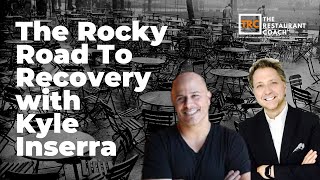
A recorded interview on the "Restaurant Coots" podcast where Donald Burns speaks with restaurateur and commercial real estate professional Kyle Inserra about navigating the restaurant industry during COVID-19. They cover Kyle’s background, how his taqueria pivoted (outdoor seating, focused marketing, lean menu), practical recovery strategies (safety messaging, menu simplification, landlord negotiations, percentage rent), views on ghost kitchens/virtual brands, leadership under stress, and personal routines. The episode closes with resources and Kyle’s contact (Instagram: kyleandsarah; text community: 914-996-4569).
Chapters
Hey, welcome to the Restaurant Coots podcast. It is the cure for the common restaurant. Today I am honored to have with me Kyle Inserna. How are you today, sir?
I'm doing well. Thanks for having me. I appreciate it.
Did I butcher your last name, man?
It's in Sarah. Yeah.
I added an N in there for some reason.
I don't know why, but it's the mustache.
It's the mustache, man. That thing is like. That thing is. I'm telling you.
Yeah.
Last time I saw you didn't have that, you know.
Yeah. I think you're being nice, but it started as a joke and now I got it. Now it's part of me.
Now it's part of you. The wife likes it, so.
Yeah. So just like anything else, if the wife likes it, it stays. That's kind of how we got the dog, too.
That's it. That's why you get the dog, too. What kind of dog do you have?
We have a French bulldog. His name is Taco.
Is what?
Taco.
Nice. So for people who haven't, you know, I think it's your first time actually on my show. You've done some stuff with me before, like with the Conquer Restaurant summit and things like that. But tell people a little bit how you got kind of into this crazy business, because I know, you know, restaurants and your other kind of passion, real estate. It's kind of like, wow, how do you get into this world?
Yeah. Yeah, that's a good question. So I started my career in restaurants when I was. I guess I was in ninth grade, and a couple of my buddies were making cash, and they were like, hey, we're working at this new restaurant down the street. And I was like, wow, I want to make some cash. So they got me a job as a. The official title was glass boy at a brewery on Long Island. And they basically shoved me in a closet with two stacked dishwashers. And I just kept taking liter pitchers, liter glasses of empty liters, and putting them in the dish machine and washing them for like six hours a night. But for some reason. Exactly. For some reason, I loved it. And I was just hooked on. On the energy, the vibe, the people. And I kind of worked my way around restaurants up until college, and I kind of lost touch there. I didn't really. Didn't really work in restaurants. And I graduated school and I tried to do the right thing and go. Go get a quote unquote, real job and hated every second of it. So I was living in New York at the time, and then unfortunately, on 9 11, I was in midtown Manhattan, and wow. I went through that whole thing, and it made me think, like, I don't want to do this. I don't do any of this, you know? So about a month later, I enrolled in culinary school and I did the whole chef thing from there. And I kind of worked my way around New York City. I traveled overseas. I cooked in the Caribbean for four years and came back here to New York to open up a concept with a buddy of mine. And that was 2009, and we had that concept for about 12 years. Had a falling out of the partnership, and I started working in real estate, but now find myself back back in the restaurant. Literally in the back of my restaurant right now.
You always. You always get dragged back in. It's like the Godfather movie. Just when I think I'm out, pull.
Me back in, you know? And I. I fooled myself saying, I'm never doing that again, you know? And then I was like, sort of like, as the days went by, I was like, I'll probably get it all somehow. So here I am.
Here we are. And where are you living at now?
I live in Westchester County, New York, which is just north of Manhattan. I'm in Larchmont, New York, right outside the back of my restaurant. Lala taqueria. Small, little Los Angeles style taqueria that we started about two years ago.
Cool. Cool. And how's. Okay. Since, you know, Covid hit. How's sales been lately for your restaurant?
So, like, our bookkeeper tells us we've been a unicorn. We have been. We're actually up almost 200% year over year since COVID hit.
Wow.
Yeah, it's wild. We. We were very small space, less than 900 square feet, and we did a good amount of takeout and delivery business already. But when we didn't have the option, we automatically, I think, became the go to place, you know, and the price point is good enough. So that coupled with the fact that once we were allowed to have outdoor seating again, the town here bumped out our parking, our street parking. So we're in a downtown village kind of setup, and we now have six tables, six picnic tables outside, plus six, two tops. So we're actually bigger now that we're outside. And we created, like, little ambiance scene with palm trees and hanging lights and stuff. So we've been very fortunate.
Very cool. Yeah. If anybody's interested, you know, Kyle has a really great Instagram page, and he actually does some really, really cool videos. And he actually took people like, you Know, you did like a real estate, taking people around town and kind of a updated what's going on. And he went by your restaurant too. You can see a lot of the street seating and stuff like that, which is really, it's really cool. If you want to check it out. Kyle and Cerna, I think that's your Instagram, right?
Yep.
Yeah.
Yeah. So, yeah, I mean, we're trying to do those videos as part of my job now working in commercial real estate to kind of just keep people up to date. That's what's going on. It's been a little bit more tricky lately because it seems to be changing quite a bit. And I don't really, you know, puts me in an awkward position. I don't want to, you know, put cameras in the face of restaurants, you know, my peers who are kind of struggling. But yeah, just kind of keep. Keep people updated on what's going on in the town.
Cool, cool. You know, what's your kind of view right now, you know, with all this Covid stuff going on? What's your view of the industry right now as you see it from your end and maybe, you know, even from a, maybe a real estate spin too.
So from my personal end, it's, you know, gut wrenching. It's hard to, you know, you, you know this, and I'm sure a lot of your listeners know what goes into opening a restaurant. A lot of people are, you know, putting money together that they don't have, necessarily borrowing from friends and, and putting things literally the back of a napkin, you know, into a brick and mortar store and pay, know, basically overnight, it's, it's gone. And, you know, I feel for them, I feel like it's been, you know, it's not of their doing. A lot of them were not prepared. And, you know, you and I both, both know a lot of people get in this business that shouldn't be in this business, but it doesn't make it any easier for them to feed their families. And that kind of, that kind of vibe is tough to swallow for me. But, you know, look, I think you have to as an owner, if you're going to be a real restaurant owner, you have to take on the situation, say, okay, this is where I'm at. I didn't plan for this, but I have to make it survive. And I think those types of individuals are built for this. I think restaurant owners, you know, who have dealt with, you know, the dishwasher pulling out on a Saturday night, the pretender not showing up for two weeks, At a time are, you know, built for adversity to some extent, not to just. They've never experienced it at this level. But, you know, I think those restaurant owners who have the internal fortitude and have the just the wherewithal to weather this are going to come out the other side like a hero. From a real estate perspective, those same people are going to be looking at tremendous opportunity. It's just a matter of knowing what you want to do.
I think now, you know, your. Your concept's been up. Is there anything you did that kind of pivot to kind of position yourself a little bit better with COVID Did you push harder on the delivery? Did you partner up, partner up with third party stuff or, you know, where.
We're very fortunate to be almost like in a community bubble. We're only 20 minutes north of midtown Manhattan, but we are. It's an affluent waterside community. So we just kind of leaned in on our marketing to let people know, like, hey, we're here. We, you know, we paid to have a video done that was kind of like showing here's how we handle things. You know, we're wearing masks at the time, we were putting things in the trunk, and we kind of just didn't take our foot off the gas in terms of letting people know, like, hey, we're open. You know, we didn't weigh too heavy on what was going on around us. We just kind of said, hey, you want to eat? We're here. These are the hours. Kind of bear with us. While things were a little dicey in the beginning and the community has been.
Great, I think the two things you mentioned there were real. I think a real key for most restaurants. Number one, you got to go out of your way to show people that you're safe, because safety is everyone's concern. You gotta go, you gotta show them what you're doing. Just can't assume. Oh, they know we're taking temperature. No, we're like, we're in. No, they don't know them because there's a lot of places that aren't. I went to a restaurant the other day. They just walked in. No one had masks. I was like, I'm out of here. I didn't even. I, like, I got like halfway in the door and I saw. Looked around like, I'm out.
Yeah, exactly. Yeah.
I heard.
I don't even know where. I heard it had to be on social somewhere. And it was like, people are not going to go. It's not going to be like, you know, prior to Covid it was like, are you mood for, you know, Chinese or you want to go for Vietnamese? You want to go for pizza tonight? It was like, well, what's the place that's going to make us feel the most safe?
Exactly.
And that's, and that's, that's what it's all about, I think.
Yeah. Now I think that's the first concern is like, but before we decide what kind of food we want, what places do we feel safe at?
Yeah.
And then we narrow, then we go to what kind of food we want. Right.
Yeah, exactly.
And then the other thing you mentioned, I thought was also key is that you didn't take your foot off the gas. I think so many restaurants, especially when Covid hit, they just like disappeared.
Yeah, totally. Just, it's, it's one of those things. And I think, and I hate to say it, but if it's like, you know, maybe you weren't meant to be in this business to begin with, you know, and I think that's unfortunate to say, but I also think it could be a huge turning point in your life for you because as, like, as everybody knows, this business is not easy. It's a passion. It's a absolute, you know, 24 hour a day, seven day a week gig, whether people want to step away from the restaurant or not. And you know, it could have been you could. I have a feeling that a lot of people are going to look back on this restaurant owners who lost their space or, or just decided to pack it in. We're like, you know what? That was the best thing that ever happened to me. Maybe I wasn't cut out for this. So that's unfortunate, but I hope I'm optimistic that that's the case.
Now you do a little bit of consulting stuff too, right?
Yep.
What have you recommended to some of your clients about, you know, making changes? Anything, like with menus, anything with staffing?
You know, I think the first thing we took a look at was the menu offerings. You know, you know, 20% of your menu drives like 80% of your sales. Classic 80, 20 rule. So give the people what they want, charge them for it. The family packs we leaned in heavy on in the beginning, but we were ultimately focusing on being lean and mean. And what can you do, like immediately have conversations with your landlord, have conversations with your vendors, have conversations with your staff and let them know what the expectation is around, around the whole thing. And, you know, I think the smart guys cut everything back to basics. You know, no TV service, took a look at all the Utilities, cut back what they could and just started. You know, I'm big on analogies, but somebody told me, you know, you got to be Mariano Rivera right now and just be the fastball. You can't. Don't come at them with your slide or your curve or your change up. Just. Yeah, give the people at the burger. Give them burger. Give them the burger. Give them. Yeah, give them the make at home burger. Give them the burger recipe on YouTube. Do. Do that. Go heavy on. On what you're good at. So that was our advice, and it was kind of, you know, not a universal response for everybody, but that's kind of what. Where we. What we led with.
Very cool. Very cool. Did you. Did you scale back your menu at your restaurant?
You know, we have so few items, it was. It would have been impossible. We have, like, five tacos and four.
Quesadillas, and your menu is lean and mean. Anyway.
Yeah, we could. I think we may have lost, like, a couple of seasonal item there, but we, in general, we kind of kept things where they were.
Yeah. You know, the lot of the clients I've seen and a lot of people I work with, you know, they scale back their menu quite a bit. And the funny thing is that at first they were scared to scale back their menu, but when they did, they actually saw that their profitability increased.
Yeah. It's like, okay, yeah. And I'm sure you have clients that you were probably telling them to do that before COVID Oh, God. Yeah.
Way before. We can't. We can't. We can't. That was a word I got. I can't. I can't.
I can't. Yeah. Mrs. Smith loves this salad. I can't take it off the menu.
Yeah. When people tell me I can't, I said, let's just be honest and say you won't.
Yeah, right.
Don't lie. You can. I can't. No, you can. You just don't want to. That's all.
Yeah, yeah. There you.
Let's call it what it is. No, I don't want to do it.
Yeah.
So, you know, leadership is huge right now, especially in the restaurant industry. What do you think is the number one trait that a leader needs today?
Man, you. You have to. I just had this conversation with somebody. You gotta. You've gotta be the guy, the gal. You've gotta walk, talk, breathe, everything about your restaurant. If you are. You know, if a customer is acting a certain way and you make a snide comment, well, expect that dynamic to infiltrate your restaurant almost instantly because you know, if you're in the restaurant, whether you're a day to day operator, you pop in and out, if you're known as the person who makes the snide comments every time a guest is a little bit more demanding than they should be, then that's going to be the tone of your restaurant. If you were going to be the, hey, no problem, ma', am, I'll get that for you. Absolutely. My pleasure. That kind of person. It instantly also. So it's a lot easier to be nice and you know, at the same time you have to, you know, you're upfront taking the bullets right now, right. If someone's not wearing a mask, if someone's not wearing gloves, if there's not enough social distancing. So it's a little bit tougher now, but I think in general, you got to walk the walk and be the change that you want to, that you want to be in your restaurant. Otherwise you're just kind of wasting everybody's time and it's just a matter of time before you're not in business.
Yeah, well, you know, I'm a big believer in the power of words. And one of the things I always tell people, look at, look at the power of word and look at the words that we use, like manager. To me, a manager manages. And then you look at the word leader. Leader leads. So pretty basic. It's how you see yourself. What do you do? I'm gonna, this is off topic. I'm gonna, I'm throwing a curveball here. What would you do? What do you do if someone. Guest doesn't want to wear a mask in your restaurant? Are they, are they required to?
Yeah, they, you're required to. And I can tell you, I kicked him out about three days ago. It was, Yeah, I mean, you know why? Because it was, it was just like a defiant attitude. It wasn't like, I forgot it, you know, if you forgot it, that's cool. Yeah, we got one for you. Or we understand. But this guy was like, gave me like the, what's the big deal? Like one of these, like typical New York, what's the problem? And I was like, here's the problem, sir. I'm like, sir, you can, you can take your mask off. You're sitting down, eating like, well, my kids are eating right here. I said, right. And they have their mask off. You're standing in the middle of my restaurant with no mask. So, yeah, it's, it's horrible because it puts hospitality people, it cuts against their grain. Right? Like our Prior to Covid, we were like, come on in, sit down, squeeze in over here. You don't mind sitting here, do you?
Yeah, yeah, Squeeze in, squeeze in.
Yeah, yeah. You don't know them. It's fine. You'll get to know them after a few drinks. But it's. I think what it is, is, you know, it's also hard because you. We need money, right? We need income. So you don't want to piss anybody off or kick them out, but, you know, that's. That's a whole other conversation. But it's. Yeah, it's tricky. You gotta. You gotta kick them out. You're putting everybody at risk right now.
Yeah, I think you gotta. Number one, you gotta look out for your team and for the safety patrons, too. Over a sale?
Yeah. Yeah, for sure.
Definitely. Yeah, I know, I know your. Your family's pretty big into self care, you know, and I'm sure you, you know, I know you believe in self care. What do you do to take care of yourself? So you're at your best.
I'm really bad at it, to be honest. I'm not consistent with it. It's like one of my priorities that kind of came out of this Covid thing was, you know, finding that time. And I think it's. For me, I'm a very early riser, which is rough as a restaurant person, but I get up early every day and I meditate. To be honest, I do about 15 minutes of meditation, and then I try to work out. I try to do it some kind of cardio. I'm a morning. I'm a morning workout guy. And I find out if I don't do those two things, you know, I'm not in the right place. But if I can get that down pat and, you know, stay consistent with it, I'm really firing on all cylinders, and I think it's more important than ever to look. And not everybody's gonna meditate, but maybe your meditation is walking the dog a couple miles or going to take some pictures in the morning. Whatever it is, is just find that I found it to you just like that. Quiet time for your brain to really just sort through whatever you got going on up there. And that's been huge for me.
Yeah. No, every time I tell people about meditation, they all freak out. Oh, I just can't do it. It's like, you know, it doesn't have to be meditation, per se. It could be listening something inspirational. It could be maybe ear. Maybe a religion. Maybe it's prayer. Maybe it's reading something you know, that's actually better than the damn crap you read the news. You know, maybe you're reading something, you know, informational or educational, something that's going to make you a better person or a better leader, you know, whatever it is. But like you said, it's time for quiet reflection.
Yeah.
Get your brain kind of in the right path. I always. Yeah, that's the first thing I do, too. Every morning. First thing I do. Boom.
How long have you been doing that?
Oh, God, four years.
Oh, good for you. I'll tell you a funny story. My wife is. She works in fitness, and she's very high energy, and she's. But she's aware that she should meditate. But, I mean, she wakes up like, oh, ready to work out, like, ready to go. And she's like, you know what? She's like, you know, I want to meditate with you. I'm like, oh, awesome. Let's do it. I'm telling you, Donald, she lasted. I don't even think we got to 10 seconds. She was like, I can't do this. What is this? I can't do it. I'm like, this is why you need to do it. This is exactly why you need to do it. So. But, yeah, it is tough in the beginning, but it's totally worth it if you can stick with it, I think.
Yeah. So what's the best investment you've ever made?
I made a lot of bad ones, I can tell you that.
I think we've all made tons of bad ones. Yeah.
You know what? Really. And it sounds corny, but the best investment I made is. Has really been in myself, you know, in terms of, you know, now. In what. In the commercial real estate world. What I do. I realize that there's not, you know, the restaurant world, there's a lot of noise, social media, there's a lot of interest. You know, the food. People are excited. Sexy. It's is cool. Commercial real estate is not that sexy and cool, but I saw an opportunity to invest in doing some, like, in a videographer and somebody who's actually going to edit my videos or, you know, trim down my podcast and do certain things. So I would say the best investment I've made probably recently has been in that and just realizing that I felt something and kind of just going with it. Other than that, I would say my wife. I have to say, my wife, she's been really. Yeah, she's really been. She is tough. She is a strong Colombian woman, and she's my harshest critic about everything. And If I have any kind of idea about what I want to do, I got to bring it to her first. It's been. And she's, I have to be honest, when it comes to taking criticism and to doing that, I'm not the best at it. And she delivers it very direct, but it's what you need sometimes. And so that's, that's been, that's been huge for me, I think. Yeah.
I have a couple clients in Colombia, and I can agree with you that women are very, very strong. Very.
Yes.
To the point. Yeah.
Intense. Yeah. Yeah. There's no. You don't know. I've never said to her. What are you trying to say?
Yeah, no, they're.
Spit it out. Yeah.
Exactly what she's.
Yeah. Yeah. Oh, yeah. For sure.
They do not mince words.
No. Zero.
No, zero. It's really great. Yeah. Have you ever invested in a mastermind group or a coach on your own?
No, but you know what? I, I, somebody was just talking about, like a, like a, like, not like a personal coach, but like a, yeah, like a, like a business coach. Kind of like talk you through. Almost like a CEO type coaching. I'm not a CEO, but like, that kind of thinking. I just, you know, to be honest, I've never, I would absolutely consider it. I just have never knew where to start it. And it's just. I don't know, but I've never participated.
Yeah, but you probably had mentors in your life, right?
Yeah, for sure. I mean, I had mentors that were not, didn't know they were mentors, but yeah, for sure. I mean, that's, that's, that's, you know, huge for me to be able to pick up the phone and talk to some of those people.
What do you, what do you kind of see as the new normal for restaurants?
Oh, man. You know, I was really, I was really bummed out that, you know, I was in the city last week, and it's just a ghost town, and it was tricky to kind of figure out what's next. But I think the idea of being whatever you were needs to be. You really need to think that through and see what that means going forward. Because if you're going to turn a blind eye and just say, no, I'm going to go back to being the place that was the white tablecloth restaurant and people loved us. And as soon as we can get back to that, I'm going to be good.
Right.
I mean, I think that's, I mean, you're just not paying it. It's not going to happen. So I think the future is filled with opportunistic restaurant owners. I think this is a massive shakeout. I think there's going to be a change in the way that we eat in terms of distancing and whatever, hand washing, all those other safety procedures. But I think in terms of the operation itself, there's not a universal answer. I think everybody's going to have to look at their existing operation and see where they can improve. You know, we really had to put a mirror up against the industry here. And if you haven't taken that time to meditate or think on what you might be able to improve on your restaurant, do it now, because I'm telling you, there are opportunistics out there who are going to. Opportunistic restaurant people are going to knock on your door and speak to your landlord and say, hey, what's up with this guy? Is he paying rent? Like, because we want this space and it's right. So be proactive, be agile, be flexible, and realize that this is not all bad and you might be able to improve your existing business and be better than you were.
You think the big, huge, mega restaurants are going to last?
I don't, I don't think too many of them will. I think, at least for us in, in New York. I don't. We're just so dense. I don't see how that, you know, catering halls are losing all their deposits into next year and all that kind of stuff. But I think some will last. You know, the good guys will last. But I don't think it's going to be, you know, as prevalent as it was before, for sure.
Oh, yeah. Oh, yeah. I have a couple clients in New York and Manhattan especially, and, you know, they're just like. I mean, they're going from doing like, you know, 20,000 a day in sales to 1800.
Yeah, yeah, yeah. It's sad. It's sad because, you know, they. There's no option. Like in New York City, you're. They say, oh, you can have your outdoor seating. There is no outdoor seating. Your storefront, you may do $20,000 a day, and that's legit. $50,000 a day. But your entrance to your restaurant, like your leased premises, is about 8ft wide, so you can't do anything. Yeah. So it's been tricky. But I, you know, I sure hope that it's. It's coming to an end or coming to the next phase for sure, at.
Least, especially since they lost a lot of the, you know, because everyone's doing remote work. So all those workers, I mean buildings are what, 20, 25%?
Yeah. I mean, yeah. I mean I talked to a guy the other day and he works in commercial real estate. He's like a kind of foodie. So we connect on a lot of different things. But he did that. He's in an office building that has 8,000 people and there were 18 people in it the other day. You know, he checked, he's, he's always interested in what's happening. But you know, I saw Gary Vaynerchuk put on LinkedIn today, what's the future of office? So I'm like, okay, what is this guy thinking? You know, but that's true. You know, those lunch spots that were exist on what we call in our business daytime pop, they're like, what are we gonna do for lunch now?
Right?
Are you gonna do? And it's, you know, there's a couple answers there. Ghost kitchens. You can extend your delivery radius, handle your own stuff or whatever the case is. But yes, that's a major concern in definitely the urban areas.
What do you feel about ghost kitchens?
I feel like they are a fantastic idea for existing concepts to test new markets. So I think they're also, they're also a little bit misunderstood. I think people think that they can just open up a ghost kitchen because they have a vacant restaurant space. But what I think is they're gonna create a lot of opportunities for people who maybe were sitting on some ideas. I know some of the big boys are already creating their own one off concepts to make their own ghost kitchens and partnering with doordashes of the world. I think it's not gonna change the restaurant industry. I think it's gonna sit on top of it. I think it's gonna be another way. I like it. And these virtual brands are another thing. I don't know how long they'll last, but I think it's part of the evolution and I think we should embrace it and see where it goes.
I think, you know, like you said, I think it's going to be a part of the industry. It's not going to replace industry. So every market I've kind of, you know, been have clients in that basically had a shutdown and just went to delivery. Of course, delivery then skyrocketed. But then when they were allowed to go back to like 25 or 50% indoor capacity, delivery dropped off. It was still good, better than it was before because now people have a new habit and they like, you know, that convenience of delivery or pickup. But People still crave going out and having that, you know, then being in a restaurant or, you know, or sitting outside on a patio and, you know, just kind of just relaxing.
Yeah. Because you know, why? Delivery. Delivery is just the part of the restaurant. It's the food. And what we all love about restaurants is the energy, the vibe, the experience, the conversation with the bartender. And the good operators know that their brand is built a little bit on food, but it's really built on the big whole picture. What are we, you know, as an experience. And that's, that's the big difference. And that's why I think restaurants, the good restaurants aren't going anywhere.
How do you think right now restaurants should kind of shift their marketing message?
Stay on top of it? Like, don't go silent. Yeah. You know, some guys, like you said before, kind of like going to a hole. But I think you need to, you know, I love the day in the life stuff. Like, if you're going through it and it's real crappy out there and you need some, you know, what am I gonna do for content kind of thing, I think you can just say, hey, look, here we are, this is what we're offering today. And just try to provide an insight into your day to day and, you know, show some chef recipes, highlight a bartender how to make your favorite cocktail at home. I think you have to stay relevant because, you know, if you go silent on social these days, as much as everybody's home on their phones, you're just gonna not gonna exist. And I think it's a real opportunity. One of the coolest things I saw was a guy doing a picture of his. Here's. Here are the ingredients. And it would say, hey, here are the ingredients for our tomato basil pasta. And it was like a cool, like, very artsy style. Like, here's the parm, here's the rigatoni, here's everything. And then the tagline was like, on Friday at 6 o', clock, our chef is going to be showing you how to make this. So you got a day to go get the stuff and then tune into us live. And we do this every Friday. And he's been doing it every week since, and it's tremendous.
That's pretty awesome. See, that's really cool. Yeah, I think, you know, video is probably the number one way to get attention and get engagement on social media. And I'm really shocked how many restaurants don't employ or use me or use video more.
Yeah, I think they're afraid. I think they're afraid and I think they're just. They don't want to show too much. You know, our industry's always been like, oh, I know. Show them how we make this. Like, everybody knows, dude. You know?
You don't have that much of a secret.
Exactly. Yeah, it was. I remember there was a. There was a pizza place around here that everyone wanted their sauce. Like, how do you make this sauce? Like, how do you make it? And they were like, no, we can't tell you. We're not gonna tell you. And then it's. It's really just. It's the tomato. It's a can of San Marzano tomatoes. And they just strain out the tomatoes and they just use that sauce. No seasoning. Yeah, that's it. And they're. They're like, that's it. You want to know? There it is. No secret sauce. 50 years. Here it is. Yeah.
People. Here's the thing about. I find about recipes. People want to know the recipe, they want to know the secret, but they're too damn lazy to do it, you know?
Yeah.
Especially if your stuff has, like, different layers or different techniques. Like, I just come there and get it. I just, you know.
Yeah, exactly. My wife will be out to eat, and my family will be like, why can't we make this at home? I'm like, all right, you know what? Cool. I'm gonna give you the list of stuff.
Yeah. You go, we'll make it.
Yeah, we'll make it together. Yeah. You tell me how many times you want to make it after that.
Yeah. You go to store, you get it all. You gotta. We have it all. We gotta make all them, you know, do all the prep, and then we gotta make. Cook it all. Then we gotta clean everything up, too.
Clean up. The cleanup is. Ok.
Everyone bails on the cleanup. Right.
I'm the. I'm the first. No, thanks. I'll cook. I'm not cleaning. But it's. Yeah. And that's, you know, same thing when they say, why is this 18. Okay. You want to go make it? Let's go do it. We can have a lesson in restaurant math.
Have fun.
Yeah. Yeah, exactly.
Have fun with that. Yeah. Please. Please. How long do you think, you see, the restaurant world is going to take to recover?
You know, I mean, I feel like I have the same response every time you ask me a question. I. I'm optimistic that it's gonna be faster than we think. Yeah. I think it's not gonna. I think the change is gonna be immediate. We're not gonna open back up to this it's not gonna be like, instantly, oh, hey, we're back to everything. But I think it's gonna be faster than we. Than we're anticipating. I mean, it's hard to say because New York right now has no guidance. There's no guidance in New York City. They're just like, stay closed. So.
But started on New York.
Yeah. But, you know, in general, I think that, you know, across the country, I keep hearing things that are opening up left and right. So that. That keeps me going, like reading those little. Hey, you know, Miami's opening back up 50% occupancy. Parts of Texas are, you know, more. I don't know exactly where they're at, but they've eased their restrictions. So I really feel like. I mean, part of me. And I know it's controversial, like, can we just put this in the hands of the restaurant owners? You know what I mean? Like, this little bit of government interference scares me, like, because where does it stop? But, you know, something happens and shut us down. But if it doesn't let us do what we got to do, it scares.
Me because, like, a small restaurant owner who lives on dine in can't open indoor. But you can cram 300 people at Costco.
Yeah, right.
You know, I mean.
Yeah, I was at Lowe's last weekend and it was, like, packed.
And every time I go by Lowe's, I cannot believe how many people. There's so many people with Lowe's. It's like.
But we can't have two people can't sit next to each other and have a slice of pizza. It's tough for me to figure out.
Yeah, I just definitely. New Mexico just finally opened up, and it's starting to actually. Saturday. They're actually finally going indoor dining. 25.
Oh, wow.
Okay.
That's good. Yeah, that's not. That's not a good equate to revenue. Exactly. Right. Like, so the hard part is going to get through people's psyche. So that's why, I think, by showing people how safe you are. Yeah, that is a big, big piece to that.
You gotta go out of your way. You've got to make a real effort to be the brand of choice as far as safety. Now, before, it was brand of choice as far as quality hospitality and service. Now you want to be the brand of choice first for safety first and all the other good stuff.
Yeah, exactly. I couldn't agree more.
Yeah. So, you know, I always say, when there's crisis, there's danger and opportunity. What do you see out there? As opportunities for restaurants right now and maybe especially with real estate.
So I think a couple things. One, if you're an existing restaurant with a relationship with a landlord, that's maybe not so great, but hopefully by now you've had these conversations. I know New York a little bit like, hey, Mr. And Mrs. Landlord, this is the situation I'm in. Be upfront and honest. I used to do X amount of months, I'm doing this amount of month, I can't afford this. What can we do? Like so from that perspective, be upfront, honest and try to negotiate the best deal for yourself over a temporary time frame, agreed upon time frame. So percentage of sales or just paying your cam or whatever the case may be in regards to, maybe you have not much term left on your lease, like six months or a year or so. Maybe you can negotiate some sort of situation where you just let them keep your security deposit and leave. You know, you may be paying below market rent and the landlord may want to be opportunistic and try to roll the dice on a new incoming tenant. You never know if you don't have the conversation. So I think those conversations are important and make sure you get it all in writing. So find out what they're willing to do and hopefully you guys find something that works for both of you. You know, both sides, you have to give up. That's the definition of a good deal, right? Like both sides are gonna feel like they got got the raw end of the stick. But you know, I think for other if you have like a long term lease and things are tough, you know, I think you gotta just start to weigh the financial risk reward scenario. You know, everybody's different and I'm sure you're talking to people about that all the time. And we're talking to people about how to handle their landlords and their existing leases across multiple concepts across the country. So again, nothing is universal but the conversation. A land partner, you want to have a relationship with them where you understand where you both need each other. And you know, and if you don't, then maybe you cut bait and you can make a deal with somebody on the other side of town for a better rent and a better location. And that's what I think the big board is looking at. You know, people look at Starbucks closing all These stores and McDonald's closing all these stores, but they're underperforming stores. If they have the conversation, and I know they have more leverage, but if they have the conversation, say hey Mr. Landlord, it's not working out Cut bait. Because on the other end, I can promise you, they're calling us left and right to try to find real estate. Definitely like we. So it's, it's a matter of being opportunistic. And I think to your point, it's a time to kind of like now that the dust is settling. Okay, what's here? What's. What, what, what, what can we make happen with our existing concept? Where can we improve some existing stores and where can we, you know, cut what's. What's kind of holding us down?
Right. You mentioned in one of your videos on Instagram, there was one place that like, the landlord didn't want to make a deal. And then they just basically said, all right, fine, we'll find a new place. They found a better location actually.
Right, yeah, yeah, exactly. You could be, you could put yourself in a much better situation. You could say, okay, I'm gonna move across town. Yeah, I know my build out is gone, but maybe you're in another second gen space, you know, another man, Unfortunate situation is now your opportunity.
Right.
And maybe you say, Look, Mr. Landlord, I'm moving over here. It's been a risk for me. I need to be, you know, I need to be on percentage rent till the end of the year. I need percentage rent for a year and just to kind of, you know, it's all about the relationship. I think if you can find the release right relationship, and there's a lot of conversations to be had and you're really interested in doing it, you can, you can improve your situation if you play your cards right.
Yeah, you mentioned it and a couple other people on the podcast have mentioned it too. That percentage of rent, you know, is, you know, percentage of sales for your rent is the way to go right now.
Yeah. You know, it's. Again, the pandemic is not the restaurant's fault.
No, no.
And the landlord has to eat too. Right. And we all get it. Right? So what's the answer? You know, let's realize what the market rent is. I'll pay the market rent. At this point, I'll pay it. Up until that point, I'm going to pay a percentage of my sales. And then once I hit that threshold consistently over, you know, make sure the language is buttoned up. And once I hit that threshold consistently for, you know, 60 days, then it will shift to whatever the previously agreed upon market rent was. So I don't know a landlord, I don't know why rather a landlord would rather roll the dice and try to bring in another incoming Tenant. Seems a little risky to me, but, you know, it's happening. Everybody's situation is different.
Yeah. Very cool. So how do you deal with stress?
Stress? I'm working out, to be honest. You know, like, really kind of losing myself. And, you know, as most restaurant people, I can't get it out of my head. And then, like, I'm compounded with this, like, empathy I have for all these clients that I'm dealing with. And to get out of my head, I really just have to, like, blast the music and go for a bike ride, go for a run, or take my wife's soul cycle class, you know? So I. It's. It's been. You. You have to lose yourself. You got to lose yourself and kind of get caught into it, you know, for me, it's always. It's usually riding a bike or running.
Yeah.
And it's just. It is. It's such a huge relief. I think so many people don't work out because they're like, I don't want to be sore or, I don't want to get hurt. But they don't see it as an opportunity to clear their head.
Definitely. I have to work out.
Yeah.
I work out for your benefit, not for mine.
That's great.
I work out for you, not for me. Because you don't want to be around me.
That is a great one. I'm gonna use that.
Yeah. I'm doing this for you. That's what I tell.
Trust me. Yeah. I don't want to be here either. I'm doing this for you, but I'm.
Doing it for you. Trust me, you don't want to be around me if I haven't worked out today or meditated.
And my daughter kind of, like, wants to be an athlete, but she's not quite turned the corner where she realizes what she has to do. And I saw a video on the other day. I think it was on Tick Tock, believe it or not. And I was like, hey. Just. The guy was like, hey. Just a real quick reminder. Nobody likes the first couple minutes of working out. Nobody. This guy was like, you know, shredded. He's like, I. I don't like it. Nobody does.
And if someone says they do, they're lying. I'm telling you right now, no one likes the first couple minutes.
Oh, yeah.
And halfway through a workout, especially a cardio workout, halfway through, I owe. Every time, I'm like, you know, I could just take it easy day, just call it, you know? And then all of a sudden, that little. My head says, nope, nope. We're not doing that. Just keep going.
Yeah, yeah, yeah. No, that's. That's. That's the thing is once you get kicked, that little voice out of your head, you're on the other side. You're doing well.
Yeah. I always say we have an. We have an inner winner and we have an inner whiner.
Yeah, for sure. For sure. Which one?
It's just too much today. Let's just take it easy.
Yeah.
You know, relax. What's one habit, good or bad, that you picked up during COVID.
A good habit is I've now created, I think, a decent morning routine.
Good. Good. Yeah, yeah.
And, you know, working from home is not as great as it sounds. I mean, I'm sure you're. You're working from home quite a bit, but, like, I need, like, a quiet space. But now I figured out I got to get up super early to get it there and get it done. One of the bad habits. I probably had more tequila than I had than I've had previously. I've probably gone through a decent amount of that, you know, but, you know, it's all in the market research.
But yeah, come on, man. Look at your restaurant. You need to do his research.
I don't see my other partner is doing it. Yeah, for sure. But, you know, I think one of the best things that has come out of this has been for me is, like, the family time and, like, figuring out things at home and like, okay, I'm home. This is. This is what life is. And you start to, like, you can get lost in those connections. And it's. It's just that. That overall that vibe has been good. So I don't think this quarantine's been all that bad for me. Let's be honest.
I found a love for gluten free pizzas. And, you know, and you think you go. And you, of course, you justify it to yourself. It's gluten free. It's not that bad. Oh, yeah, it's bad. It's bad when you had like, all the time and then you're like. You get the scale, and the scale's like, get off.
Yeah. Yeah. Oh, okay. Yeah. Like, I think my pants, I think. Yeah. Did you wash them in the hot water? Because they're way tight. Yeah, I'm familiar.
Yeah, I think a lot, too. A lot of people during COVID picked up the sweatpants. Sweatpants is my only wardrobe.
Kind of.
You don't look, you know.
Yeah. Oh, my God. Well, there was. I just saw the New York Times. Like, has a new blog, and I think it's called, like, living in Sweatpants or something like that.
Welcome to the new world, right?
Yeah, exactly.
Yeah. We get on these Zoom calls, and, you know, you put on a nice shirt, but you got your. You got your jammies on, you got shorts on.
I always said that would be great if, like. Like, okay, everybody stand up. Right now. Right now. Everybody's standing. Yeah, exactly.
It was funny. I was doing it, you know, because we're working remotely. I'm helping a client interview for a general manager. We're doing an interview during Zoom, and the guy had a. Had a nice shirt on, sport jacket on, right? And then he goes, oh, let me grab something. He got up and moved away, and you could see he had shorts on and flip flops on.
Oh, my God.
I was like, that's classic, man. Really nice.
You were so close.
I'm so close, man. Were so close, dude.
That's great, though. I would think. I would respect that if I thought. I'm like, okay, I respect that.
Actually. I gave him.
I gave him.
I gave him points for that. I was like, you know, hey, you know, at least he got the upper half. Dress nice.
Yeah, he's efficient. He's being efficient with his time.
Exactly, exactly. So what's one book, audiobook or podcast that you recommend? You have a podcast out?
Yeah, I would recommend. Recommend mine, for sure. No, I would. What's your podcast name? The National Restaurant Owners Podcast. So basically, like, get either restaurant owners or people who work in the industry to provide some insight. Because, like I mentioned before, you know, we're not known for sharing our tips, but I feel like when people are on a Zoom or on a microphone, they're more apt to kind of provide that insight. So. Especially now, you know, I think the thing that has been most. Most beneficial to me in terms of, like, a book has been it's called the One Thing, and it's. Yeah. And it's what I struggle at. Like, I'm. You know, if my phone goes off, I'm gonna see what the alert is. If it may, I'm gonna read that. But it's really about time blocking and doing only certain things at certain times. So as nerdy of an answer as that is, that book has is it's really small, so I don't. I'm a huge reader, so I was able to fly through it, and it really resonated with me. That and the David Goggins book. Yeah. Intense, intense, intense stuff. Which makes your problems, like Kyle mentioned.
If you're not a reader. Those. Both those books are available on audiobook, too, on Audible. So no excuses.
No excuses, no interwiners, no whiners. But, yeah, I mean, look, I think it goes to, like, in the COVID thing, it's like finding that time for yourself to better yourself. And at that moment, one of the ones I read this time. Yeah, it was great.
Yeah. Can't do better if you don't know better, right?
Yeah. Right. Yeah. I was saying that somebody the other day. It's like, you know, you don't know what you don't know, and that's a problem. So you're gonna start educating yourself. You don't want to listen to me, that's fine. But then go listen to somebody else. That's. That's, you know. You know, consulting is tell everybody, tell them what to do, and then they don't do it, and then they get mad at you.
Yeah.
Yeah, yeah, it's you. I tell you, it's you. You're not doing it. Yeah, yeah.
That's what. That's. You know, a lot of people say, you know. You know, that you. My title, my first book. You know, your restaurant sucks. How'd you come up with that? I said it, actually. It was a real conversation I had with a client. He was actually just full on, just bitch and complain mode, you know? You know, my counter people suck. My cooks suck. You know, you know, the. My vendors suck. You know, the guests suck. My market sucks. And he was. He was a big guy, too. I mean, really big. And I just sat there listening to him vent. And I finally said, you know, if your restaurant sucks, it's because you suck running it. And I thought, yeah, you see his look in his eye? He got real intense. I thought he was going to stand up and punch me. And then all of a sudden, I saw this, like, just switching his. His state, his energy. He just, like. All of a sudden, he got. His face, like, relaxed, muscles relaxed. He got calm looking. He sat back in his chair, leaned back in his chair, took a deep breath. He's like, you know, you're right. This is all my fault.
Yeah. And I said, yeah, that was the best business advice I ever got. It was in regards to a restaurant. And it was, you know, I was like, we keep having a hard time with a bookkeeper. We keep having a hard time with this. And this guy was my mentor, who didn't know he was my mentor, said, you know, Kyle, the same thing keeps happening to you. It's probably you.
Exactly.
I was like, oh, all right, got it. But I, I, you know, it couldn't be more true.
It's like, if you go from bad relationship to bad relationship to bad relationship, I always tell people, what's the common denominator in all those relationships? It's you.
Yeah, yeah, yeah. I'll save you that. I'll save you. Yeah, it's you. Yeah. And then. And to be honest, it's so freeing once you realize that.
Once you realize it and come to grips with it, you know what? Then you actually can get clarity and you can start moving forward.
Yeah.
So what's one quote that you live by?
Oh, man, the number one thing that sticks with me and I played a lot of sports growing up, and my college football coach used to say it all the time, was, nobody cares. Just work harder. Nobody cares about your whining. Nobody cares. You have a paper tomorrow. Nobody cares. There are other people figuring out a way to get it done. So it's a little bit like looking yourself in the mirror, like, you know, it's your fault kind of thing. But it's really what I think about all the time, is that if I'm about to say, like, oh, I'm not gonna be able to do this today because. Because what? Why can't you do it? Because. Why? You know, it's either a lack of priorities or whatever the case is, but I think it's a. It's a great way to think because it kind of helps you look at yourself. It teaches you how to prioritize, teaches you how to, you know, really, you know, figure out what. What you can do better. And I think that that's what. What it would be if I could get a bumper sticker for my car that would be branded with me. That's what it would say. Because it's. Nobody does care. No. People who act like they care, but they don't care, they don't care less. Yeah. They got their own things going on, so.
Exactly. We should get bumper stickers made for that. That's a good one. No one cares. Just work harder.
Yeah, no one cares. Work harder. No one cares. Figure it out. Like, that's. That's. Another one is you.
You get a T shirt like that, man. I'll buy one, man.
Yeah.
Old type in front. No one cares. Work harder.
Yeah. Mustache.
There you go. I would buy that.
I'm into it. I might be on printful right after this.
There you go. Get on there, man. I buy one. So how can people contact you?
The best way to contact me is On Instagram, you know that Kyle and Sarah and you know, I have the text platform now, which is really, really my preferred method right now, which is 914-996-4569.
Oh, cool.
And it's really just a community of restaurant people and it's a tech service. It's not my phone number, so you have to opt into it. And basically it's just a way to communicate. And a lot of my clients and prospects use it to just kind of say, hey, Kyle, what's going on here? And it turns into either a piece of content for me or it turns into like a question that everybody has. So it's, it's a really great kind of thing. So that, that's either the text number or, or Instagram is the best way.
Very cool, Very cool. Well, Kyle, I want to say thank you so much.
Yeah, thank you.
All the way from New York City.
Yeah, I mean, I appreciate it. Like when I started looking into social media and all that stuff, you were, you were the guy on there and really gave me inspiration to kind of go into it. You know, I saw the lens of the language that you were using and the quotes that you had and just the way that you spoke really resonated with me. So it's a little surreal to be having this conversation. I really appreciate the opportunity.
No, it's really great. No, you inspire me too. I mean, your Instagram, man, your video is like totally. Your video game's totally on point.
Oh, thank you.
I'm like, man, I suck.
Let me tell you something. You know how. You know where I found that kid? He was mopping the floors at a gym.
No way. Really?
Yeah, he was mopping the floor. She was a college student. And he's like, I would love to edit one of your videos one time. And I'm like, okay. And I took me about a year before I got him a video and now we work together every week and he's. Yeah, it's great. So, yeah, that, that little investment in him was fantastic. So I appreciate you noticing that. He's a hard working kid.
Oh, tell him that his, his stuff's, man, that's the bomb. But you know, that's another thing too is people like, look for opportunities sometimes. Opportunity comes to you all the time. So just think if you would have acted a year earlier, how much more. Yeah, opportunity when. Opportunities there. I always say, when opportunity knocks, man, you gotta open the goddamn door.
I love your quotes. Yeah, that's the thing. That's. And it's also like, try to just say yes more often. Like, say, like, heck, yeah, here it is. Yeah, yeah. And try to. You gotta test things out, see what works. So thank you so much for the opportunity. This is great.
Thanks, Kyle. I appreciate you, man, so much. And again, get on Instagram, follow Kyle. His stuff is great. I. I look at his feet every day. I'm a. I'm a stalker.
I'm a brother.
All right, thanks, guys.
All right, Don, thank you so much. I appreciate it.
More from Donald




If your restaurant only works because you work 80 hours a week, it doesn't work.






