College Student Mental Health Crisis with Prof. Jeff Wilks and Parent Coaching Expert Andrea Rowley
Transcript of a Finding Noble podcast episode (host Carly Redd) featuring Dr. Jeff Wilks (BYU professor/associate dean) and Andrea Rowley (Noble Health coach leader). The conversation documents rising rates of depression/anxiety among college students, campus and classroom evidence (increased CAPS visits, accommodation requests), causes (loneliness, social media, performance pressure, extrinsic goals), and practical responses (BYU University 101 small-group course, use of the Noble coaching/app, coaching techniques like reframing and goal-setting). The tone is solution-oriented and hopeful, emphasizing skills parents and educators can teach (self-talk, curiosity, relationship-building).
Chapters
Foreign.
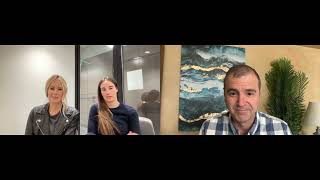
Welcome to Finding Noble, a podcast where we climb into the world of young people's mental health and where we provide support for the adults who support them. I'm your host, Carly Red. Welcome to another episode of Finding Noble. I'm here today with two wonderful guests, Dr. Jeff Wilkes and Andrea Rowley. You both have a breadth of experience working with this age group and their mental health, so I'm incredibly excited to have your support in our discussion. Today, we're discussing mental health on college campuses, more specifically, young adult mental health. But before we get into it, I'd like to introduce our guests. Let's begin with Jeff. Jeff is an Associate Dean and EY Distinguished Professor @ the illustrious Brigham Young University Marriott School of Business. He graduated from the BYU Marriott School with a bachelor's degree in accounting in 1995. And then after earning a master's degree and a PhD in accounting from Cornell, he returned to teach at BYU Marriott School in 2000, where he was later awarded the EY Professorship in 2013. And in addition, Wilkes served as a Director of the School of Accountancy for six years and received the Outstanding Faculty Award from the BYU Mary School in 2023. Really lucky to have you and your time today, Jeff. Thank.
You. Thank you. It's great to be.
Here. And Andrea is a Chief Clinical Coaching Officer at Noble Health. Andrea has created and managed multiple mental health program programs, including Betrayal, Trauma Recovery, Addiction Recovery, Grief and Loss, Parenting With Purpose, and Teen Programs. She's spoken at conferences all over to help parents and teens navigate how to work through mental health issues. She's CBT certified through the Primal Health Institute, is an NBHWC certified coach, helps others to set smart goals, S M A R T goals to improve their life. She's also a former dance teacher, voice instructor, piano teacher, a developmental therapist, and get this, has six kids and has been married for 20.
Years. Welcome, both of.
You. Okay, now as we get into this, I think most people are aware of the pervasiveness of mental health issues on campuses, and it seems that these issues have reached an all time high. So many recent national surveys exhibit rates of depression and anxiety among college students at historic levels. So I think we can admit the mental health crisis is real. Jeff, I'm looking to you, could you tell us more about how this is evident in the work you do? And also I would love if you could tell us how you came to believe that these kids needed extra.
Support. Very big first question. When I think of evidences, what did we first start seeing that things were changing? What There are a few. One, we would hear a lot from our counseling and psychological services groups or CAPS group about the number of students who are visiting them. And we would even get reports about the number of students visiting from, say, our school. And they could even tell us, we know when your midterms are, because we know exactly when they're all coming in now. And they would give us a sense of our students that maybe we weren't quite seeing yet. And we could see that the counseling services across campus was ramping up big time. So that. That was one thing we could see we were hearing. And then the. A second one is accommodations requests that come through counseling services and through the accommodations office to us as professors. You know, I. I maybe went the first 18 or so years of teaching. I've been here at BYU for 24 years, and in those 18 years, I may have had 10 students over the entire time who have formally requested accommodations. And I would receive that notice from the accommodations office. Whereas in the last five to six years, it feels like across I teach 120 students a year, I might get anywhere from seven to 10 a year in that time. So those numbers aren't necessarily reflective of the entire university, but that's. That was something that I was seeing, and it was a significant increase just in that last five to six years. And then I guess the. The next. The other item I would see is just my daily interactions with students. What I would. The conversations that they would have with the. Then, you know, their peers and then with me, where they would raise particular issues that they had from a psychological perspective, a mental health perspective. It seemed that they were very familiar with the language and the. The issues, and they were raising them as potential conflicts with the educational process. So students. Okay, yeah. And just. Just to elaborate for a moment on that, Dee, they would mention to me, I'm not sure I can do this class. I have either severe anxiety, and what you're asking me to do in this class is really going to be tough for me to do. So we can talk more about that throughout the recording today. But those are three different scenarios, three spaces where I could see something's changed. There's a significant change in our students over the last five to seven.
Years. How interesting. What it was your experience getting more involved in mental health. Did you start talking to other professors? How did you start raising awareness? Was it just more of an internal thing like, hey, I'm going to start including my curriculum and my.
Teaching? Yeah, great question. For me, there were, I don't know, two or three things. I observed my own kids, first off that going through high school years and then into college, I could see what they were experiencing and how their mental health faced some super challenges. One child was, you know, who's had just a battle with depression and anxiety. And I saw that carry over to the college scene and just was much more aware because of what I could see my own kids going through. But then I also went through my own health challenges about three years ago now. Had a cancer diagnosis to stage three where I had to go undergo, you know, pretty significant surgery and chemotherapy. And when you go through that and you start asking yourself, why am I doing what I do at work? What really keeps me going? You kind of cut out the things that don't matter anymore. And because I'm a professor and I have a lot of choice over what I research, I could redirect my efforts. And I thought, where do I want to spend the next 10 years of my life where I can really make a difference? And what I could see in my students, I could see that the firms who are hiring our students were talking about and I could see in my own children was this huge need for better understanding of mental health. And, and so I thought, well, I'm just going to start researching mental health and in the accounting profession because that's my space, but also with students in the educational process because that's also my space. And that led to reading, you know, just this year, 10 different books on just understanding the space because I'm not trained in this. Funny enough, when I got my PhD in accounting, my minors were in cognitive and social psychology because I study how people use accounting information in decision settings. So that means you have to understand the social aspect and the cognitive aspect of the decisions they're making. So I really have come full circle back to what I studied when I got my PhD, but I'm augmenting that now with much more, I think better understanding that's happened in the last 20 years of mental health and how that relates to the decision making. So that's, that's how I got into this. Just this sense of we need it. And I only want to be working on things where it really feels like it matters and makes a difference. And I have truly seen that in just the short time that I've shifted gears toward mental health research. It makes a difference in these students lives and, and I've loved.
It. Wow, that's really powerful and also very noble. We like the word noble over at finding noble, but very noble to kind of Redirect your attention to something just so necessary for this specific time in university history, in campus history, and the world of young adults right now. I. I'd love to ask both of you, maybe I'll ask you, Andrea. I know that you have a lot of experience training and working with coaches who coach this age group. What are some of the things that they're dealing with? What are some of the stressors? What are some of the issues that might be more universal across the student.
Body? Some of the bigger issues that we have seen are, you know, they're, they're coming into a new environment like Jeff mentioned. And some of those stressors they had at high school are kind of growing and they're in a new environment with new people and everything new. And so it can create a lot of anxiety for that reason. But loneliness is a big thing. A lot of these individuals feel very lonely. They feel that maybe they're the only ones who are struggling. And when you're in that space, you don't really want to reach out and say, I'm struggling because work hard, but yet everyone around them is struggling as well. And so it's this kind of isolate. I'm, I'm alone in this space. And that seems to be a big factor as well. Some of these students are starting their own families. So you've got not only school and the stress there, but now you're starting a family and you've got some children to provide for and going to school. And so there's just a lot of different challenges that we've seen, but those are kind of the main ones that's.
Helpful. What about you, Jeff? What would you say then? Maybe more specifically, you know, what about the pressure of performance? I mean, the Marriott School of Business is, I'm aware, is notoriously difficult to get into and also to do well within. And so I imagine that adding that on top of it, maybe there's more to.
That. Yeah, we are definitely in a space where pressure, because we're limited enrollment programs, there's a lot of pressure on performing well pre business before you're getting into the majors. And then once you're in the majors, many of them, it's competition for jobs or competitions to get into the master's program. So there's this constant battle that we're trying to help students overcome of not seeing this as a competitive situation, but one where you actually can work together and grow together. So a lot of our work is team based. But while that could help, it also sometimes provides for more comparison and you're, you know, immediately the person sitting next to you and how they're doing and that you're not doing as well, or at least you're telling yourself you're not doing as well. So comparison is a really big problem, both from competing to get into programs, but even once you're in programs, the constant negative talk about, you know, I'll never measure up, I'll never get this as fast as this person over here. And as a result, you know, you're just zapping your energy, you're taking away your ability to perform well on the loneliness front. Yeah, I'm only echoing what we've all heard, but it is the loneliest generation, I think I Certainly in the 24 years I've been teaching here. Given all the ways that we can supposedly connect with each other, it is shocking to see how disconnected so many of our students are. And the ones that you see who are doing so well, they're the ones who have found ways to get rid of things like social media or severely limit it in their lives so that they're. They're forming real relationships, real deep relationships with people. They're recognizing they may only have three or four really good friends, but that's better than a thousand likes or friends in social media. And they're.
Thriving. That's so interesting because I think so often we talk on this podcast about how our modern world can create a host of mental health issues. And I'm wondering how these kind of extrinsic goals. You know, David Brooks always calls it the pool of meritocracy or a merit based system, how that can kind of infiltrate our sense of worth. I like this. Vivek Murthy, US Surgeon General. I think he's getting a lot of airtime right now, it feels like. But he says, in modern society, we've somehow taught our children and learned ourselves over the years that our worth as human beings is determined on whether or not we're successful. And our success is often driven by one of three things. Our ability to acquire, number one, wealth, number two, power, or number three, fame. And that we focus really early on in our systems and at times in our homes on these extrinsic goals. I am very guilty of this. I just was forcing my son to retake the act for the last time before he submitted his college applications. And this can ingrain into our children this motivation or desire for approval and reward from others. And really the contrast of this is intrinsic goals, goals that we make or values that we place on love and Relationships, that's the other side of this. But rhetorically speaking, how often are we having discussions at home or at school about making goals for our current and future relationships? Like you said, that just stuck out so prominently that those who are able to facilitate and maintain real relationships outside of social media are the ones who are doing the best and thriving the most. I don't know. Do any of you guys have thoughts on.
That? So something that I see a lot in the clients that I work with is exactly what you said, Just that intrinsic belief in themselves, motivation. And something that we try to do in our coaching is to allow them to tap into their deeper why, you know, why is this important for you? What will this help benefit your life if you set this small goal and we try to get them to set small, realistic goals so that they can see kind of that momentum build of, okay, I did this, now I can do something bigger. Another thing that we try to do, which I think a lot of individuals don't think about, and Jeff can probably attest to this, that happens with any individual. When we're working towards something like a degree in school and setting goals, we often don't think of the blockers that might come our direction. You know, here's something that might hit us from the side. And so what we try to do is get these individuals, these students to see what's coming towards them from the side and say, what could possibly get in a way from accomplishing the thing that you truly want? And then we set a plan around that. So instead of it just hitting them from the side and then they feel discouraged that they didn't do as well as they wanted to, or maybe it didn't pan out the way they hoped. Now they're able to say, okay, this was already planned. I got a plan for it, and I'm going to work through it and around it and whatever needs to happen. And we're seeing them take those steps that they need to take to find the success that they're looking for. And it builds, like you said, that intrinsic motivation and that confidence that they can do this. And yes, it's hard. I'm always realistic with my clients, with our. With the students that I work with. It's going to be hard, but here's the momentum and you can do this. And that builds self efficacy, which is what we.
Want. I really liked how Andrea said that. I think it's important in this space that we are not communicating that we're leveling down expectations or that we're trying to get you to pare back. Uh, we're, we're still seeking excellence. We want students to define carefully what success means. So we don't want to fall prey to just the way the world's defined it, but still pursue excellence in any. Anything that you're setting as a goal and then recognize as, as Andrew saying, the blockers are often these. The, the self talk and the comparison and the things that will just blindside you. You don't realize, oh, my goodness, I, I just failed this first test on this path of a very long path to get a degree or to get into a profession, and now you're telling yourself you're never going to be able to do it. Well, that's very natural. When you finally get into a major of choice, you chose it because it was going to be challenging and rewarding to you. You're going to have some times where you don't do well at something. Does that mean you're done for? You can never succeed at this. No. Keep your expectations high. Recognize. Yeah, I'm going to trip sometimes. Everyone's going to trip sometimes. How do I deal with that moment and how do I deal with other success? It doesn't mean that I'm a failure. It's like, hey, that's fantastic. What do they do differently than I just did? How do we help them to recognize that negative chatter. Some great books that you know refer to that as chatter, but negative chatter to where you can diffuse it and then continue to move forward with the excitement your goals, your intrinsic goals gave to.
You. I really like this too, because everything you both have been saying is not correlated to how anybody else is performing, that nobody else's performance is dictating your performance, and that the energy. I love the word momentum that you use the word momentum because I feel like in mental health, that feels so good when we finally get some footing and we gain some momentum. But the momentum comes from creating personal goals and overcoming personal obstacles in a way, finding our own lane and staying in that lane and then recognizing the growth within that lane. I think that's where momentum comes from. Is seeing that interesting. I don't. Do any of you have any thoughts before we go.
On? I was listening to Craig Manning this morning, a podcast where he was talking about when he consults with high level athletes, just amazing performers. It's still about comparing yourself to yourself, not yes. And when you're saying staying in your own lane, what I think of is it's not meaning, well, this is the only place I can do well. No no, no. We're just meaning keep focusing on improving yourself on yourself. Don't worry about how others are doing. In fact, rejoice. Be excited about what others are doing. That just tells you that there's a path for you to do the same thing too. Just gotta find that path for you too. So I. I think it's so important that we are focused on the comparison with ourselves and looking back from time to time to say, wow, I have actually gotten a lot better than it was a year ago at this. I'm certainly working on new things now. But that is so rewarding and exciting, I think, too. Keeps the momentum.
Going. I'll add to that. That's something that's been very helpful for a lot of students that we work with is reframing. Reframing situations, learning from what we would term a failure. It's really a learning opportunity. And so when we're working with these students, we're saying, check your judgment at the door and let's get curious. What did you learn from this? Yes, this was difficult. Maybe it didn't turn out the way that you wanted to, but there was a learning opportunity.
Here. How did you grow? How did you.
Learn? And that reframing can be very helpful. So replacing the condemnation they normally do, they condemn themselves and beat themselves up, and now it's curiosity. So we replace that condemnation with curiosity, and it changes the way that they see themselves. It changes the way they see the situation, and it helps them to move forward and.
Progress. I think that's really important, especially in the mental health world, that reframing. I think when I'm in a rut, my new thing is what I'm thinking is most likely wrong. What I'm thinking might be the wrong way of thinking about it. I've oversaw how I interacted with someone or the way they spoke to me or texted me, and I'm overthinking. I just assume most of the time I'm probably wrong. And I'm internalizing this and narrating this whole situation very differently than perhaps is the truth on the other end. And I think that perspective, especially when you said that, Jeff, about them no longer seeing every other student as a threat or someone they have to beat to get to the top. I think instead to be able to see other students doing well means, oh, that increases my probability of doing well. If all these people are doing well, that means that I have a chance of doing well. Also not. And said that there's only so much to go around, you know, that zero Sum mentality. There's only so much to go around. I don't think it's gonna work out for me. I think we all think that at some point in our lives. Like I am the exception, I am the one this isn't gonna work out for. Rather, this reframing, the shifting is all happening internally. But I think that's what's so powerful about creating that awareness in that space through curiosity like you said. That's so.
Good. Yeah. I wanna add, add to that. I think there is so much this age group, the young adults have to learn about thoughts. They're incredibly well versed with language from the mental health space. They've got their own TikTok university where they've become very familiar with, oh, these symptoms and these symptoms and self diagnosing and one upping each other in terms of what they all have. But it's, it's like they miss the core part of it. So some of the most effective aspects of mental health relate to your thoughts and, and recognizing as you, as you were describing Carly, I, I, I'm, I'm almost defaulting to oh, I know what's probably wrong right now. My thoughts are totally beating. And when you can recognize that and let that be your first thought, it's like, you know what? Life actually isn't that bad. What am I saying to myself right now? And letting that be the trigger, the chance to go, oh, oh, I know what happened. I'm still kind of upset about this and I'm beating myself up like this. That's silly. And so that reframing. But before you can reframe, you have to recognize. I've been surprised how many young adults, when they are just taught a little bit of this, had this huge light bulb go off. It's like, oh my goodness, I didn't realize that's what was going on. And, and it is, it's life changing for.
Them. That's so good. And probably, I mean we all feel so alone. And like I said, we feel like we're the exception. To understand that it is a natural state or a default state that almost all humans act from. Then you realize, oh, there's a million other people, literally millions of other people, billions of people feeling this exact same way and we're all learning how to shift. Yeah, reframe, reframe. That's good. Tapping on into loneliness. I just wanted to go into that a little bit deeper. Loneliness. The study of loneliness has actually been well studied by another BYU academic professor. It's Julianne Hunt Lunstad I've read a bunch of her articles recently, and it's fun because I've also heard, I think it was on a podcast with Vivek Murthy and Arthur Brooks, and they were quoting Julianne Hunt Lunstadt from byu. She talks about the perception of loneliness, that we think that we are alone oftentimes, even when we're surrounded by a million other people, that we can be surrounded by so many people and yet still feel so lonely. And I think that is the epitome of a college campus. I mean, I felt this way in college. I was there before there were headphones, earbuds in people's ears.
But. But there were walklings. People would walk around. Walklings.
Right. That's.
True. Yeah, that's.
True. But it was. It is different. It is.
Different. Yeah, it is different. And I've been on campuses where they're literally heads down, walking straight to wherever they're going without connecting to people. And that can feel very lonely, that they feel very lonely. Have you seen that with your students and in this young adult population, both of.
You? I definitely have. I mean, I. In my new role as associate dean, I walk across campus a lot more. So I'm leaving my building and seeing, you know, how many people are walking and looking at their devices. Yes, not everyone, but it is certainly more than it would have been 10 years ago. So loneliness in the midst of proximity, I mean, where there are so many people around you, but you are still not connecting and not realizing that the way that social media in particular lets you connect is not what we need at. At the core of human connection. It's a. It's a totally different thing to have surface level likes and comments back and forth than it is to have a real conversation with someone. You talked about needing to feel support or that you could have support from someone. You don't know that if you haven't really gotten to know the person sitting next to you and how often. I mean, we just want to encourage people to ask questions. Truly be curious. We're back to curiosity again. Truly be curious about the world around you and the people around you and asking who they are. Why'd you choose that major? Oh, my goodness. What was that like? When it's asking more and asking more because you're flat out curious and interested in that person. Yeah. So it's definitely.
There. Well, I think it comes back that work mentioned earlier too, is. It's easy to compare. You know, we're connecting on social media where everything looks really great and Lovely. And, you know, maybe not the full picture. And so it's very easy for someone to compare and say, well, how do they have it together? And I'm over here struggling. And so that can be a piece of it too, is just they're not connecting on that deeper level and saying, here's where I'm at, here's how I'm feeling. It's hard to put yourself out there when you feel like everyone else is doing well, but you're struggling. And you know, what's wrong with me? So part of it too, just kind of that internal dialogue. If I put myself out there, what are they gonna.
Think? What are they gonna.
Say? How are they gonna react to that? Well, going back to what you guys were saying, that internal dialogue that happens, very real and it's very critical. And so something that when I'm working with individuals I often have them focus on, quite often is how is the relationship with yourself? How do you speak to yourself? How do you judge yourself? That relationship is so important because if that relationship isn't healthy, then all other relationships will suffer. Because if I am struggling with how I see myself, then everything that you do will go through that self hatred filter. And now I will see it differently. I will take it wrong, I will twist it to kind of fit my narrative because it goes through that filter. So I'm always very curious when I'm working with clients, how is that relationship with yourself? And then I branch out. How is your relationship with school? Do you beat yourself up if you don't get the grade that you really, really wanted? Is it, is it good? But it's not perfect, right? That, that perfection. How's your relationship with food? You know, they're, they're stressed and maybe they're coping in different ways. So you look at all relationships, how is that relationship with yourself and everything around you? And that makes a huge.
Difference. Yeah, I love that you've entered you writing me like two of my favorite books that I've read this year. One, Chatter, and that's exactly what that negative voice that, that automatic negative thoughts that jump to our minds. And then Anxious Generation, which I just finished last week, very much about the loneliness that has really taken hold the effects of social media through high school and now into college. I'll tell you what we're doing here at byu, which has had already phenomenal impact. We tested it last semester, but now this semester, every incoming freshman has to take a course called University 101. And the, the course size is limited to no more than 25 students. So you can imagine as a freshman, you're often in these massive classes, hardly get to know anybody around you, let alone your professor. You have to take this class with 25, no more than 25 people. You get to know that professor really well. You get to know those students really well as you talk about the mission and the purpose of BYU education. And the assignments for that class are you would need to go to a sporting event together, you need to go to a cultural event together, you need to visit the museum together, you get to know the university, but you're getting to know it with this small group of people who become your family. They're. You're really connected because of the conversations you're having with each other in that space. So now when you communicate over these newer technologies in social media, it's with a backing of a deep, deep relationship already versus I only ever had a surface relationship with this person in the short time we did it last winter. And now everyone that comes in, university people are connecting so much better and feeling like they have family here. They have someone. And including a professor and the small group of students that they know they can reach out to without, you know, going. Who, who do I talk to in this university of 30,000 plus.
Students? I have a daughter that just went to BYU and I didn't know that was the new thing. I could see her go from stressed and anxious to, I have a network, I have these people in my corner and they've already talked about running races together and doing things together and they're going to see each other and, and so I, I do, I love that, Jeff, and I love that you bring that because I feel like that is a great benefit that, a great change that they've.
Made. It's, it's a game changer. It will it. And, and what I can't wait for is, you know, we won't see them in my classes until two or three years from now. Except I get to teach one of these courses in winter semester, so I'll see it then. But to see that wave of students who have felt like they belonged and have family around them from the very beginning, finding their way into majors and still have that, that strength. It will be a different group of.
Students. Well, and how interesting to put them in a course that eliminates the competitive aspect right here, all cheering for the same team, most likely you're all going to the same event. It's very connected. And also how interesting that this was a natural college experience for almost every other generation. But this one, we have to kind of put it in a little petri dish and make sure that it happens for the kids that are on campus now, who decided and how long did it take for that to.
Happen? It happened very fast, I'll tell you.
That.
Really. And so I think President Reese, who's been our university president now for a year. So the ideas of this may have started when he was the academic vice president because they started testing it very early stage. Fall a year ago, and then more expansive winter and now full blown. So I think he's been part of that from the beginning. Even President Worthen made it, I think at the tail end of his time was part of it. But it's been very recent and it's. I mean, everyone's just feeling. It's not just the students. Even the professors who are part of this are connecting with these students better. And think of how many sections that's. I think it's 280 sections right in the. All along. And most of these are being taught on an overload basis. But presses are just say, I want to do that, I'll do this, let me do this. And it's. It's.
Phenomenal. That's. And I hear the word momentum somewhere in there as well. I feel like once you get some grounding at college, all of a sudden you're in it and it probably changes the entire experience for every.
Student.
Wow. Well, that was a question I was going to ask. What changes are happening and what do you hope to see? Change? I mean, that's on a campus level. What about within the students themselves? Do you feel like people are changing? I have a huge hope that, that we will not be overruled by technology. That humans are smart enough to know we need connection, that it is innate to our species, that we have to have it, and that we will make changes and shifts for all emotional, social, even physical health, relationships and connection effect the whole gamut of who we are. I think we will pull through. I think we will make it. And this gives me so much hope that that could happen that.
Quick. Oh.
Yeah. On a college.
This. I definitely believe that I'm hopeful, beyond hopeful, because I. I do think we are seeing clear signs of this generation recognizing what they've been.
Through.
What.
Yeah. What their particular age, like no other age before was, you know, thrown into a comparative scenario. The constant comparison, the constant awakeness of social media. You could never turn it off. They are seeing, I think now how bitter that pill has been and how unhealthy it has been. There's still healthy ways of using those tools, some great ways, but they are turning it off, shutting it down. You see movements where people are saying, let's go for a summer without any connection through social media. And as that catches hold, the excitement, the momentum that they all have with each other again, what's unique about this generation is they can connect so fast on a movement. We should do this. So ironically, what enables them to share so fast is that you're trying to shut off too, or at least shut it off appropriately. So I see lots of great signs, and I also see great signs of desire to learn more about their own mental health. So last. Last fall. Andrew is very familiar with this. Last fall in my graduate class. So these are students who are either seniors or master's students. We study technical accounting research. It's a very intensive class which beats up a lot of people. It kind of scares them. Uh, and having realized this, I wanted to introduce my students to research on mental health and how it can apply in professional settings. Of course, it's going to apply in personal settings too, as you're learning this, but our focus was in. In accounting settings, where can you see better awareness of mental health, recognizing negative thoughts, reframing all these things we've been talking about today, how can that make you a better accounting professional? So along with. Yeah, along with the technical research that we were doing, because we would do a lot of cases every week, on the lighter day of the week where they were deep into their research, I assigned them research in mental health research and cognitive behavioral therapy. And we come to class and talk about that. And we even experimented with them using Noble, the health app, which is very cognitive behavioral therapy focused. And what was a startling thing to us is we pitched this to 120, 130 students, and 25% of them signed up for it. I didn't require it, but I just said, hey, here's a great tool that will help you set some goals, learn more about how your thoughts work, and if you're prone to depressive thoughts or anxiety or stress comparison, you can set some goals, work with a coach to identify and work through exercises that helps you be better at this professionally, which of course is going to affect you personally as.
Well.
Right. 25% of of my students sign up just to get exposure to that, along with all the readings we were doing in the class. But it went so well. This is getting back to your question. There was so much to hope for as I watched their reaction. Just the little bit of exposure they got and recognizing their own thoughts and going, oh, wait, I can do something about that. It was such an effect in those students that we opened it up to our junior year students, which were about 300 students, went in, pitched it, described it, saying, it's just a tool for you there for your use. And we had, again, 25% of our students sign up to use this one month into the semester, right after the first midterm, when they were super stressed, they're like, yeah, I could use that. And the reports throughout the year, when they filled out their surveys and they described why it was so beneficial, were really indicative of what we've been talking about today. When they could recognize the thoughts that were, you know, automatic. Everyone has them then automatic negative thoughts, and then reframed them and go through exercises that would help them do this. They reported such improvement in their personal lives as well as what they were experiencing as students. So there's some of the things we're trying, the experiments that we're trying and giving students opportunities to do. That's an example of.
That. That's really beautiful. Andrew, do you have anything you want to say about that experience with.
That? Just to go off of what Jeff was saying, it really was such a beautiful experience to see these students come in and, you know, like, we've been talking about overwhelmed stress. I. I don't think Jeff Kim can describe enough how stressful that program.
Is. It is pretty.
Intense. And to have them know that they had somebody to, you know, we talked a lot about connection today and loneliness and having somebody there in their corner that they feel safe with. When I'm working with our coaches, I tell them, this might be the one place that these individuals have that someone will work into them, reflect back what they're saying, ask some very meaningful questions, to kind of dig a little deeper and get curious. When we reach out to individuals, what we typically get is, here's how to fix it. I'm not comfortable with what you're saying. Let me just fix it, and let's shut this down. And so when someone's reaching up to a coach who says, tell me more, that's a game changer. It's okay. I'm safe with you. I can share how I'm feeling with you. And just being able to kind of release that pressure valve with somebody who's safe and then be able to jump back in and start getting to work makes a huge difference on an individual. Whereas, you know, a normal situation, that pressure valve just keeps building, and eventually it hurts. And we don't know what that looks like. It might be health problems. It might be, you know, we're just fed. Maybe I can't do this at all. And they just kind of back up and. And quit. And so having that pressure valve released along the way is so vital for these students. And I love. I love that we were able to watch that process take place where they were able to release and keep going and feel heard and understood and found in their corner. They're not just trying to fix them, but they're going to listen and be there in the trenches with them. How many people have someone in the trenches with you, but just having that, it does reduce that loneliness. It's okay. I have someone in my corner. I have someone in the trenches with me. I'm not alone, which is.
Beautiful. That's such a wonderful visual. The pressure valve, it needs to be released, and then we can keep going. That needs to be released, and then we keep going, rather than a continual buildup until more deleterious consequences happen. I also think it's very interesting that the majority of students probably would not sign up to go see a counselor on campus. And to have support that addresses their specific and personal goals and needs is very helpful, I imagine, for them. I already know that campus therapists and resources are drowning with all the students who need help. But at the same time, there are so many students who wouldn't initially reach out to that, but may be more apt to reach out to something that seems less.
Intense. Well, I think it's a couple things. It's certainly less intense and more welcoming and inviting and on your terms, because you're actually using the tools that you're constantly, you know, the devices, electronics that are always there in front of you, you're more comfortable with. But, hey, I've got a real person I'm talking to on the other side from a coaching perspective. But I also think it was helpful that they saw a professor talking about these things in a way.
That.
Right. We're normal every day, not stigmatized. And it doesn't mean that everyone in the room is suddenly free of all stigma. And because there's still some who, you know, have a. They have some hurdles there to want to talk about these things. But seeing a professor and then others talking about it, not in a. I'm going to say it this way, and this will maybe sound bad, but not in a high school whiny sort of a way, but describing it in very clinical and accurate terms. Here's what you're experiencing. This is what research says is very normal. You don't have to be in an acute situation where you've got to get to a counselor right now and I need to walk over with you for you to benefit from knowing these things. There's this space where a lot of the battle for mental health is long before you have an acute situation. It's realizing that all of us, you know, I'm. I don't know, we haven't measured everybody, but I think very close to all of us have these automatic negative thoughts and this struggle that, you know, whether it's causing stress or depression or anxiety or, you know, it's too much comparison. It's there when you recognize that that's just normal and you learn how to pick up on it and reframe whatever the exercises are you want to use. It changes without having had to have a session, if you will. Because I'm. I'm. I'm fully depressed. I'm diagnosed with depression now. I think we help a lot of people avoid ever getting to that. That acute.
Situation. Individuals take the course of least resistance often. And so that's where, you know, if I'm struggling, it's. It's a lot less difficult for me to go cope with food or with something that's maybe unhealthy. And it's harder to say, well, I need to call up, go to a physical location and see somebody for.
This.
Right. That I'm having. And they have it now on their phone. So it's. It's now very easy. If there's not so much resistance to it, I can reach out, I can talk to somebody. And the nice thing, too is that they can do it within the walls of their own home. Like Jeff said, it's a safe environment for them. And they also have educational content that they can listen to throughout the week if they need to just kind of learn about something. You know, we can learn more about anxiety and learn more about stress and overwhelm and burnout along the way from. From therapist created content. And so it's just this perfect combination of therapist content that they can do on their own. And then when they need to reach out, it's very exploitable. It is that path of least resistance that they can do and reach out to their coach and say, I am having a hard time. And that's a really great combination that, that they have at their.
Fingertips. I think it's worth mentioning because, Andrew, our comments have focused a lot on the person who could use this help. But one of the reasons I think so many people signed up for, you know, first enjoyed the readings that we were doing in the class and then signed up for the Noble app is we told them, even if you don't think you could benefit from this or maybe things are going great for you, learning more about this will help you be a better ally, will help you be a better listener when someone else is struggling. And I think again, that destigmatizes, that makes it much more comfortable to have these conversations. And, and I think people learned so much and then they probably realized, oh wait, there's something for me here too. But I don't care how they got there, if they got there, because they were genuinely looking for a way to help a friend or someone who, you know, a family member. And then they realized, hey, there's some things I can work on too.
Fantastic. And what I think might even be interesting as so much discussion, awareness education is occurring at this age group. This thing that feels like an issue or an obstacle or a weakness might eventually be a strength of this generation because they've been around it so much and there's so much emphasis on it. I think that's.
Helpful. I like, I like.
Hopeful. Andrea, I love this thought as you were speaking, that so often we go to our phones to cope with negative mind chatter, whatever negative anything happening in our bodies. And how interesting that this kind of replaces that with the social media and all the things, the false forms of connection or the lesser forms of connection and supplant it with actual connection and help. They're not having to drive in a car, they're not having to make a. Other than maybe a few, you know, wiggles of your fingers. That's really.
Cool. I should tell you about this study. So one of my colleagues here recently completed a study and it was students who wanted to do it. Students came to them, said, we want to study this a little bit better. These were technology students, information systems students, but they had seen the apps for mindfulness and, and they said, well, how good are they really? So they created a study, all qualtrics based. And there was a task that people had to complete which was incredibly difficult tasks, mentally challenging tasks. But they had four different interventions and a control group. So the control group, they just went and did the task. But the other groups were, you have to complete this mindfulness task first. So a typical mindfulness task, another one was listen to a pre selected set of music, which was meant to kind of calm them down as well. Another group got to flip through social media and I don't know how they were tracking that, but they, they had all the same amount of time. And then they measured how well they did on the task and their heart rate. And there was another group, I remember what the other group was that manipulation. But what they found was if you were doing the mindfulness exercise and listening to the relaxing music, your scores, your heart rate one was much lower and your scores were so much better. But the social media just, just flipping through things was, you know, so much worse. The very thing you're trying to do use to cope in that moment is probably robbing you of the coping you.
Need.
Exactly. Anyway, I love that.
Study. That's really cool. Okay, I think I would love to ask this last question for you both, especially for our listeners who may not have a young adult age children yet, but would hope that they can prepare their children for that age. What can parents with younger children and teens do now to best equip their kids for the young adult years? What can they be doing.
Now? I'll start off on that one because we work heavily in that space with parents. I mean, it sounds a little bit like a broken record, but that, that relationship to self is a big one. Parents really teaching their kids to have a healthy relationship to self. When I am checking in with my kids, I don't say how are you doing? I say, how is the relationship with yourself? How are you talking to yourself? How are you treating yourself? Just kind of shifting that mindset to how is that relationship? Because it is the relationship. And then normalizing emotion, I think that's another big one. Is just really teaching our kids it's okay to be happy and sad and all the things I think we kind of lump emotions into good versus bad. And so when I worked with clients, we have to reframe it to pleasant versus unpleasant. They're all healthy, they're all good. There's no good versus bad. It's they're all good. But some are more pleasant than others. And so we want to learn from the unpleasant. What, what can we learn from that? What can we take from that? And then the pleasant ones are there to kind of give us a little bit of a break from the unpleasant ones. And that's really the dance that's happening is, okay, we've got some unpleasant things going on. What can we learn? Let's get curious. And then the pleasant ones, oh, good, we get a little bit of a break. But they're all good and they're all necessary. And I think that is a huge thing that we can Teach our kids is to normalize that and not be ashamed of those emotions, but to reach out, to connect, to get curious about and process through them in a healthy.
Way. Love it. This, this is a great question. So thin you might have to talk me down here at the end. I'll be upon it. So Puck's yelling myth, but we, you know, we have two dogs and one's a puppy. It's just two months old until we're in the middle of training the puppy right now. We tried to have a puppy when our kids were all young, and it was impossible to train that puppy because there were a lot of kids undoing all the training we were doing, they were doing for the puppy. And so it's so frustrating now. It's great. And what, what you realize is it's has almost nothing to do with the puppy, has everything to do with the adults, the trainers, the ones. Are you being consistent? Are you learning everything you need through? So not that our kids are like dogs or anything, you know, like that, but when you think about this scenario of who needs the training, who needs the counseling? I think parents first and foremost need to understand this space. They really need to take the time to read and take to heart the very things that they're maybe saying, hey, kids, you need to figure this out. Don't just hand over everything to a therapist to. You can't just think that giving my kids over to a therapist or a coach or a school counselor is going to solve the problem. You need to learn and understand and listen and take the time to listen and understand what your kids are really going through. So that my first thought is, parents, you've got to own your responsibility to learn and to really invest in your children. And I don't mean invest by paying for the best therapists and paying for the best. I mean spend the most rare of resources. That's your time to get to listen and have natural curiosity and what your kids are going through. So that gets to my second point, which is your kids need real relationships first with you. It needs to be a real relationship. And so often that's going to mean separating from technology, getting away from spaces, getting away from home, even go do things together where you are physically together and undistracted and allow them to do the same thing, encourage them to do the same thing in their relationships with others. There is a huge question. I don't know why it's even a question of what should we do? This is my third item. What should we do about social media in schools? And smartphones. And there are two districts I think in Utah now who have banned phones outright in.
School. I wish it was my district, but it's.
Not. And I, I'm just.
Shocked. Like, what is this going to.
Take for the adults to work, being adults and saying this is dumb. All of us just need to say, kids, you don't need this in school. Check it into a magnetic pouch. And I mean my, my son, he was a counselor this summer for a youth trip. So you know, high school age kids, they'll go on a two week trip back to, well, all over the world really. HXP it was, was the one that he participated in. But at the beginning of the trip, they all put their phones in this pouch and it magnetically seals and you don't get it back till the end of those two weeks. They were such different kids after just two weeks. And, and a huge part of that was just, you don't get to have that access anymore. We need to do that every day with school. You check in, it puts it in a locker. You don't get it back, not even between classes. You just don't get it back until the end of class and end of the day. That would do a huge amount of improvement from a mental health perspective because of the relationships you're going to form again that, that aren't there right.
Now. Like the parents that we work with, you know, having them look at.
Their own social media use and their.
Own, you know, use because they're telling their kids, but they're kind of struggling themselves. And I think it always comes back to self. When I'm working with parents, I'm like, let's bring this back with you. If they're like, I'm struggling with my relationship with my teenager, I'm like, okay, how is your relationship with you though? How's.
That? I don't want to hear that, Andrea. I don't want to hear that ever. Well, and it's the narrative.
Right? It goes back to that narrative. I as a parent have my own narrative. Am I being a good enough parent? Am I not being a good enough parent? And that can get in the way of me actually just being a good parent because I'm constantly feeling like I'm not doing enough. And so I'll kind of put that onto my kid. And they're not doing enough. And now we're all not doing enough. And so it's just seeing the little wins and saying, you know, we're all doing, we're doing a good job. But I Need to monitor mine.
You need to monitor.
Yours. Let's do this together. And kind of making it a team effort. It's, it's really fun, you.
Know?
Yeah. Love it. But I guess the last thing I would suggest here as you're informing yourself as parents, as you're trying to learn more and more about this, there are such great books out there and the two that have had the biggest impact on me are of course the Anxious Generation. That will help you understand a whole lot more about what you or and your kids may be going through. But then the other one's called Bad Therapy. Why our kids aren't growing up. And one of the key takeaways from that book is, you know, we do need to understand thoughts. They're informative books about what we could do to understand our children better and help them thrive, flourish. And I truly believe we're going to figure this out. It's been too much suffering these last few years and these kids are going to figure it out too. But we can do a lot to make that happen right now as.
Parents. Wow, those were both beautiful responses. I wish we could go on forever and I wish you both could just come home and be in my back pocket and help me get with next year. I was the teenager. Just, I did everything I was told. I was so afraid of disappointing my parents and I can't figure out why my kids don't have that fear inside.
Them. They just.
Don'T. Well, yeah, I'm actually really excited to go back and listen to this episode. I was trying to write down as fast as I could. You know, even just the how is your self talk. I'm really needing to ask my 16 year old daughter that. So thank you both for just the work that you do and your thought into the answers and the motivation behind doing what you're doing. It's really beautiful and hopeful that it is going to get better and that we're all going to get better. Thank you for your time. I know you both are very, very busy. It's been a delight to spend the morning with you and I hope you guys have a good.
Day.
Thanks. So thank.
You. Thank you. It's been great to be here with you.
Both. You've been listening to Finding Noble. I'm Carly Redd. Follow Finding Noble on all available podcast directories and find out more on our website findingnoble.com that's finding noblen o b l e dot com and if you or anyone close to you are looking for further resources on young adult and adolescent mental health. Dr. Skinner and a host of other leading professionals working in the mental health world share courses and even answer your questions, all on parentguidance.org that is parentguidance.org brought to you by the Cook center for Human.
More from Dr.



"Ask a Therapist": How do I Know if my Child is at Risk of Suicide? And is Prevention Possible?