Can You TRULY Heal After Cheating? A Therapist’s Guide to Recovery

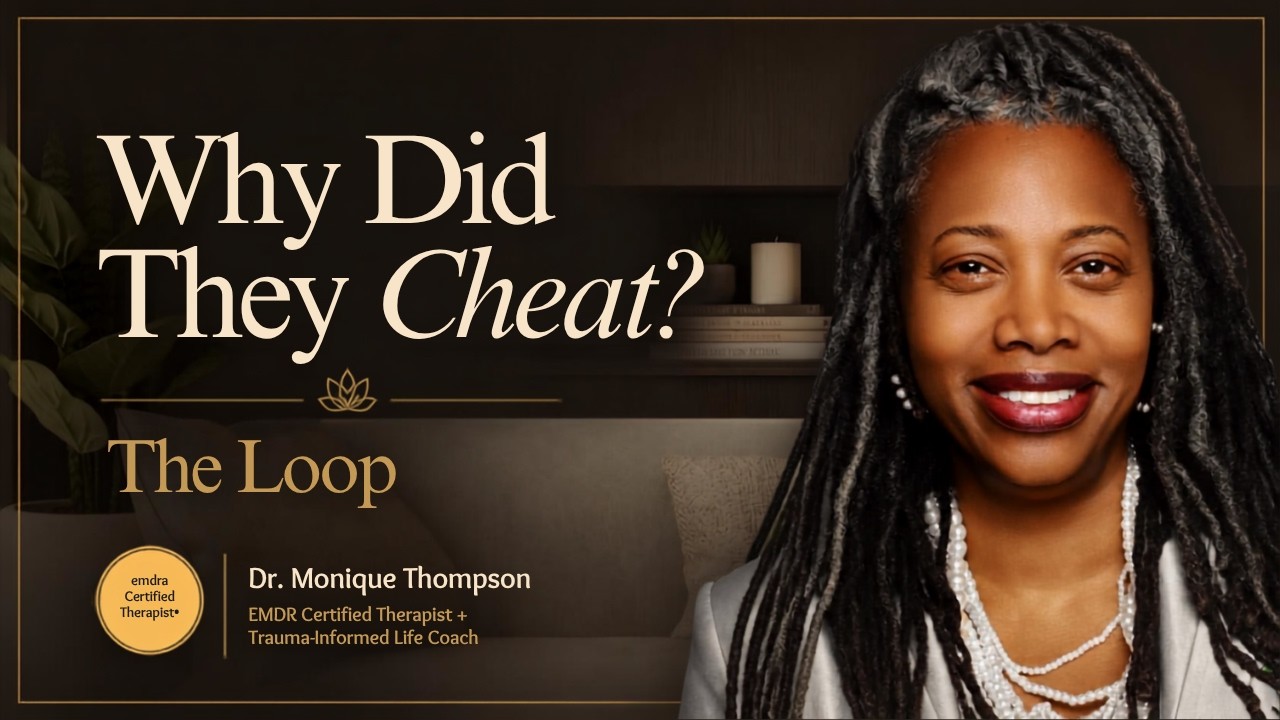
In this episode of the Relationship Renovation Podcast, hosts Tara and EJ Kirwan interview Dr. Monique Thompson, a licensed professional counselor, therapist, and life coach who specializes in infidelity recovery. Dr. Thompson shares how her early experiences and extensive clinical work with sex offenders, psych‑ER, and community mental health led her to focus on couples dealing with betrayal. She discusses the Infidelity Recovery Workbook she authored, explaining its dual‑partner structure, the importance of completing it together, and why cheaters should finish it before confronting their partner. The conversation delves into therapeutic tools such as EMDR, Deep Brain Reorienting (DBR), and trauma‑informed nervous‑system regulation, emphasizing the need to lower physiological arousal before meaningful dialogue. Dr. Thompson warns against common pitfalls: waiting for time to heal, public shaming on social media, and rushing conversations without personal processing. She stresses the central role of hope versus confrontation, self‑care for both betrayed and betraying partners, and the necessity of individual work before joint sessions. A poignant case story illustrates how early therapeutic intervention prevented an affair that later turned tragic, highlighting the power of foresight. The hosts and Dr. Thompson cite research that roughly 70 % of couples who engage in infidelity therapy emerge stronger, and they stress empowerment, perseverance, and the importance of professional guidance over DIY approaches. Contact information for Dr. Thompson and a call to action to order the workbook conclude the episode.
Chapters
Today on the Relationship Renovation Podcast, you are going to listen to every minute of the show. Today we have Dr. Monique Thompson, who's a life coach and a therapist, and she specializes in infidelity. And she has an incredible workbook that helps couples move through this process together.
Very critical piece, which is hope versus confrontation.
Usually the betrayer is like, I don't deserve self-care. And the person betrayed is like, absolutely, no, you don't.
Time does not Heal any part of this.
That can help a couple get through the most difficult thing they could and end up closer and happier than they've ever been.
You're looking at, who do I love the most? The person I love the most is me.
Yeah.
If I love me the most, then I'm gonna do what's the best thing I can do for myself.
Hello all, and welcome to the Relationship Renovation Podcast. I'm Tara Kirwan.
And my name is EJ Kirwan. And, you know, recently we have been getting a lot of questions. We've been talking a good bit about infidelity. We just had a— we just had an episode about emotional affairs and sort of defining those and how to, how to be aware if that's happening and how to maybe prevent. And so Tara was lucky enough, she met someone that she thought would be an amazing expert to bring on. And so I want to introduce to everybody today, Dr. Monique Thompson. Now, uh, Dr. Thompson, she's a licensed, uh, professional counselor. Uh, she's also a— she's a therapist and a life coach, and she's known for her expertise in trauma-informed care, emotional resilience, and relationship healing. Dr. Thompson brings a compassionate and insightful approach to helping individuals and couples navigate some of life's most complex emotional terrains. And today, we're going to talk to Dr. Thompson about infidelity. So welcome, Dr. Thompson.
And we can't forget about your Infidelity Workbook for Couples.
Thank you so much.
That is a shining star.
Yes, she has the Infidelity Recovery workbook, which has got to be an incredibly useful tool for, I would assume, both therapists and couples. So welcome, Dr. Thompson. Welcome, Monique. How are you doing today?
I'm doing great. I'm doing great. It's good to be here. Thank you for having me.
You bet.
I guess the first question we always want to ask is, how did you, how did you get into this healing work? And then why choose You know, the topic of infidelity?
Hmm, good question. Um, I used to say that the way I got into this healing work was because I had a very strict mother. And I was in high school with no classes left to take because of the strict parent who had me in extra science and math classes forever. So then when it came time for like, you know, your upper classes, I didn't have very many required courses left to take. I thought I would co-op and she said, go back up there, find some plans. So I went and told my counselor, my mom said I have to, you know, I can't leave school to go to work. I have to find classes. So my counselor said, well, you can get an AP psychology and AP social work, sociology. And she happened to have a grant to train teenagers to be counselors.
Oh, wow.
And so I happened to get into that program as a teenager, and I just never left the field. Um, but how did I get into infidelity? The scope of this practice— and I don't even know if a lot of people know this, but, um, you guys know because you actually are in fact professionals in the field— you have to go through a lot to get licensed. Okay?
Yeah.
One of the things you have to do after grad school is this ridiculous internship of a bazillion hours, right?
Yes.
Um, so in the course of me doing my bazillion hours, I really wanted to get a very thick, rich experience of all the different areas and levels of care and the different types of mental health conditions. And I really wanted to get like deep exposure into complexity.
Mm-hmm.
So I was doing group therapy for adult male sex offenders. In addition, I was covering the psych ER. I was doing community mental health, meaning going into homes, doing assessments for urgent levels of care, I was really going into boarding homes, things like that. I was working at the hospital, at the psych hospital, and doing obviously, you know, deep work. Well, I got tired very quickly.
Yeah.
One of my supervisors, we were staffing, and I said, I said, oh my God, I can do this. He said, yes, if you can do this, you can do anything. And I took that and I was like, okay, I'm gonna get very good at this. So I did. I got very, very good at doing all those things. But you guys know, It wears you to your bones.
It does. You can get crispy.
Whoo! Crisp, child, like bacon. Like bacon. Like bacon, right? So I, at the end, at the very, very, very, very, very end, I had my first baby. And when I came back from maternity leave to do my first group, I could not do it.
Yeah.
I could not do it. And nobody prepares you for what is— the way the baby just takes your whole heart in their little tiny hand. And I could not develop. And you guys know you have to have this professional distance.
Yes.
Yeah. To do good work. And I did not have it. So I left doing forensics and went into practice. Um, and I thought, you know, I started seeing a lot of couples because I had this baby. So I changed my hours. And then you see, we're on people, right? So I started to see a lot of couples. Infidelity, unfortunately, is a common reason that couples come into therapy. So I got really, you know, same as I had approached everything, got really, really good at that. And I will tell you, though, and maybe people don't realize, sex offender treatment is incredibly complex. And there is not a state in the union that does not require an additional credential to do work with sex offenders. And I was in the process of getting that credential.
Wow.
Than doing work with couples for infidelity, at least 90% easier. This is the most complex, deep-rooted work I have done in my entire career since I was 15. And I am well— I have an AARP card at this point. And my practice is 25 years old next year. And this is the deepest, most complex work. But here we are, you know, and during COVID a company, a A publisher reached out during COVID I do not know how they heard about me, found me. Um, but they did their research and reached out. They wanted an expert in infidelity to write the workbook. I wrote the workbook. It has done exceptionally well, and it is used by therapists and clients. And those who are listening, the ones who find it the most helpful are the ones who cheated.
Are the ones who cheated. I bet.
Once a cheater.
It's so interesting because I know, like, like, I, I know the couples I work with with infidelity, there's so much time and attention that goes to the person who is betrayed, you know, because they're so— they're in such a state of— they're just— their entire world has been blown up. But it's— it is such an important thing that you find this way to bring that attention back to the, to the betrayer, you know, the person who, who made those choices. But for some reason, I, you know, it's interesting. Like, why, why do you think that is? Like, Why is that person, the betrayer, really drawn towards your workbook?
I would say that some of it may be our human instinct towards crying. In other words, even for babies, one of the reasons that babies cry is because as humans, we're drawn to the cry. And I noticed that in couples, like the person who's crying, we're drawn to the cry. And as humans, we're drawn to comfort a cry. We're drawn to do that. Um, on the one hand. On the other hand, the person who— because I see everybody. So to be clear, people come to me when they're thinking about having an affair. People come to me because they have had an affair, thinking they want to stop, not sure what to do because they did decide they want to stay in their relationship or they want to stay married, but now they've done this other thing and they're not sure. sure what to do next. I also see a nice big chunk of people who know, who know their partner has cheated.
Yeah.
And they cannot decide what they want to do with that. Do they want to confront it? Do they want to ignore it? If they decide to confront, how do you— I mean, really, we spend a lot. So the workbook has helped people no matter what stage they're in, because the workbook is really about your authentic truth, which means you could have 2 conflicting truths co-occurring, you know, living, existing on the same plane at the same time. But how do I move toward talking to anybody else until I have first sat with my own truth, kind of taken a breath and dealt with myself? And everybody has to do that, both the betrayed person and the person who cheated. I think Society as a whole has made it a little bit more socially acceptable to approach the person who was betrayed. But if you're thinking about reconciliation, and the book is both people, right? There is no such thing as only focus on one partner if we're talking about reconciliation.
I wanted to ask, so this, the workbook that you developed, that you created, is it for couples to work through together or is it an individual?
Together, us together. You can do it by yourself. I don't recommend it. Um, you do it together. So there's a chapter for each person, and then there's some chapters to do a little bit together. Um, one of the most inspiring— it is kind of a— you'll get a little chuckle out of it, but there's a picture of this review on Amazon, and there's this man doing the workbook, and his wife has written this full review and what— how they used it and what they did every night. But what's going to give you a chuckle is when you see his head down doing the workbook, you can— if you look closely, there's a little sippy cup. Oh, Nathan is a man. And he looks like he is giving everything he has doing this workbook. But you get this quick picture of, well, see, you know, this is— you got to take the time out to do it. And they had taken time out in a very Strategic, you know, consistent pattern and had gotten through it. That workbook, it works, but I'm gonna tell you, if you're the person who cheated, so this is quite quickly to people who cheated. If you cheated, do not talk about it until you have done that workbook.
Yeah.
Because you want to say some things.
Oh, man.
That seem, you know, I read, don't you, Jay?
Yeah.
You're gonna say some things that seem like a good idea to say, or you think the questions that the person is asking and they're screaming them at you that you had better say something. I'm telling you, do that workbook first, because what's going to happen is secondary trauma. The first trauma, now you're to the secondary trauma. And if you thought the first trauma was bad, wait till you get to the secondary trauma from you trying to answer questions that you're not ready to answer. And you're trying to tell—
You don't answer them well. Yeah.
And it's never enough. And it'll never be enough.
Yeah, I think, I think one of the things I see so often is because the person who's been betrayed is in that trauma response place, right? Where they're just like, what? Why? How? They're like digging. They're trying to make sense of it. And they keep coming back to the person who cheated with that, like, why? Why? How could you have done this? And then that person, because they haven't done the deep work into their why, they're just trying to figure out what to say. And then you hear like so often the the betrayed person be like, I asked you this 3 days ago and you said this. How could you have said that? And they're just like, I don't know how I said it. I'm just trying to figure out what to say.
Right.
And so it's wonderful that you're saying like, I have a workbook that's gonna help that person get to some real insight about why I did something that was horrible. Like nobody wants to break the heart, crush the world of the person that they love.
Well, the person who got hurt believes that's your full destiny in life is what you would put on earth to do is to like try to annihilate. So EMDR, I'm an EMDR trained therapist.
Oh, yes.
And I'm telling you, the person, both people, both people need to do something. And there's lots of different modalities, but you need to do something to bring the heat down, to just bring the brain's heat down enough for you to even talk like a regular human being. You know, you gotta do something.
I love that. Like, one of the first things we have— well, I have our couples— there's this Betrayal Trauma podcast by Dr. Stan Takin, and he literally talks about what happens to the nervous system when a betrayal happens. And then it takes like at least a year. I mean, couples don't want to hear this. They want to come in and be like, just make it all go away. But the more psychoeducation and normalization, like, listen, this is not just this quick fix. It's not about 3 months, 6 months. There's no time to place on it. But we, you know, with our couples, we have to help them. Like, it's like they're floating up in the air and our sessions just stabilizing for the first few months. It's like, yeah, feel your feet on the ground because we can't hear anything differently. And my space is supposed to be safe.
Well, I listen to some of y'all stuff. You, you're bringing to them what I feel like is a very critical piece, which is hope versus confrontation.
Yeah.
So I'm a straightforward therapist, but I'm not the old school LCDC therapist who is, you know, you better— you're gonna die. You know, no, what we're gonna try to do is get to the truth, but you have to have some hope in this, some hope And that people can— so you have to choose to learn, right? And your brain learns what you teach it. So choosing to learn. And sometimes if you're using certain methods, like EMDR is one of my go-tos. I like for each partner to have some EMDR to just bring the heat down some. But you have to resurface that strong voice inside of you that said, I have the power—
Yes.
—to learn. And I can choose to use that power. But to get that voice back opened up and awake inside of me, like you guys, the podcast, I've been listening to a few episodes. You bring hope to people and you need to go to somebody that's bringing hope to you because you're likely feeling like hope passed you by. They were passing around the hope cup and nobody gave you a sip of anything. You know, it'll make you feel, it'll make a person have such a fatalistic about their whole life going through something like this. But there is hope. And if you're using an approach that's fairly systemic, you know, that somebody has a plan, like you guys have the download, you can get started quickly. You want to go someplace where people have hope and a plan. I'm gonna give— can I tell them what some—
100%.
Absolutely. Do not take a wait-and-see approach.
Do not take a wait-and-see approach. Time does not heal any part of this. The clock going by means nothing. Um, so do not take a wait-and-see approach.
Wow.
The day you find out is the day you are looking for an appointment for the next day, for a same-day, next-day appointment. If your partner won't go, you go. If you're scheduling appointments and your partner is not showing up, you still show up. This is the time in your life where you can really use this to improve yourself. But that is the powerful choice you're making.
Yeah.
If you choose to take a wait-and-see approach, or you choose to let time heal our wounds— and this is my last, and I'm going to let y'all ask me some questions. If you do this next one, you are probably sealing the tomb on your offer. Do not Do not go on social media and to all your friends and family, blaring a horn about what has just happened to you and how you can't believe that Jimmy cheated on you and you found all this information. You posting screenshots to the whole world of everything that happened.
Yeah.
Now, you can recover from anything, true enough. But I'm just giving the people who are listening, like a tip sheet on things not to do.
You'll be, you'll be cleaning that mess up for 100 years.
The internet is forever.
Yeah. Good gosh.
Okay, I have so many questions. We could— this could be like a 3-part series. I'm just telling you, Dr. T, like, I could just go on and on. So here's what I've noticed. And because I've been doing this 20 years, and my, my I feel like your story relates a lot to like I I remember in high school I love psychology classes in graduate school I freaking my my master's thesis was EFT couples all the way like my first couple I was 22 years old I'm like what do I know I know nothing but 20 plus years later like it is my love it is my heart I'm so glad EJ and I had to go through what we went through to do this. together. And I know that couples who are coming in for infidelity, they feel so hopeless. And I've seen amazing results when people put in the work, whether that's— I mean, and it's not like every couple stays together, but they have more clarity. They're not making decisions out of fear. They're modeling to their children healthy emotion regulation, how to be your best person in the shittiest time ever. But the one big thing I've noticed is that person that was betrayed feels like, if I take this person back, even though I love them, people will judge me and I'll look like a fool. And I just— that, like, that so many people don't want to do the work because they don't want people to judge them as the fool.
Well, welcome to EUDR. You, you're gonna have to use approach behavior where you allow yourself to feel the sting of that possible truth. Because this work, there's no space for lies. So this is not Pollyanna positivity where I say, well, nobody's saying it. Somebody probably is saying it about you right now. It might be your best friend.
You're hilarious.
But no, you got to taste it. So you go to your therapist, you go, you go to people like you guys, you go to the relationship Ship Renovation Podcast, listen to the people. And you're probably going to find that you have a sense of connection with the two of you, right? Because both of you come across as genuine. Like, you did— you're like Carl Rogers, poster people. You know, unconditional positive regard.
Thank you.
You go in and you say, okay, um, here's what's going on. And then you try the system, you try the process, and you find that in the end, what you're looking for is not that you won't have negative thoughts, or you won't have negative people, or you won't have people just saying stuff about you. But you will find peace where you can coexist in a world where things are not always your way, where the, you know, Leave It to Beaver story just was not your life. Turns out it really was Black and white TV.
Yeah.
You realize that you actually are the living proof You. You are the living proof that you can live through this because here you are. You know, and then you say, well, I didn't want to just live. I wanted to live well. Well, now you've got to make some powerful choices. And to make powerful choices, I tend to lean toward go find a studio. We sometimes call that therapy. You know?
Mm-hmm.
Find your place in that studio and get with someone who can give you that all the things you need in the studio to grow and to choose to learn, choose to heal, choose your power. Doing it on your own, a DIY, it sometimes works out. When it comes to the quality of your life, I'm— I am a YouTuber myself. I love watching the DIYs. I'm not about to try to build a house from a YouTube video.
Right.
Maybe I'll paint from it. Well, this is like building a house. You know, so I don't recommend the DIY. Go to some people that do this for a living.
Exactly. Yeah, I feel like, like what you're, you're really drilling into there is empowerment, is, is because I think an affair is one of the most ultimately disempowering moments in a person's life where I have lost all control. But there really is this like shift that can be made relatively quick into like, hey, you're choosing to do this. You're choosing to do the difficult thing. You actually, if you're thinking people are perceiving you as weak, well, those people got that. They got a cloud in front of them because you're doing the hardest thing you could possibly do is you're going through the hell of the affair and saying, I love this person so much. I'm so dedicated that I'm willing to do everything I can. And as long as that other person—
Why do you? So the person is you, though. When you're looking at, who do I love the most? The person I love the most is me.
Yeah.
If I love me the most, then I'm going to do what's the best thing I can do for myself. Well, I can focus on, well, can I forgive this? Before I jump to forgiving it, can I forgive it? And I'm going to love myself enough to give myself space and time to make an intelligent, peaceful decision. And so I may send, like you're saying, that time, that people trying to rush. Well, I ask people to just sit at the table, the peace talks table, for a year while you come to a decision. Don't make the decision yet. You're either too hurt, angry, sad, terrified, whatever the too is, wait until that's gone. And during that year, you spend your time loving on the person that got hurt, which would be you.
Yeah.
Even if you're the person who cheated, the person that got hurt was you. So you spend that year getting yourself ready to get back at the table and make a decision. And now you can make a peace with— everybody doesn't choose to reconcile the marriage, but you can choose to make a family for your future generations. Your grandkids, your great-grandkids, everybody's life around you can be positively moved by how you solve this. Or you don't have to look far for people that the story is terrible. They can't come to the graduation. You got to sit them someplace different at the wedding. You— I mean, it's when the person passes away, we got to have them sit someplace different. I mean, it can continue.
I know. Oh, I know. Can I ask another question? Thank you. First of all, I love the work you do. I love that you have so much experience and knowledge and interventions for couples going through this because they really do come into this powerless place.
Really do.
And the idea of shame, like when a couple walks in, I can just feel it. It is like so dense and heavy. And usually the betrayer is like, I don't deserve self-care. And the, and the betray— person betrayed is like, absolutely no, you don't. Right? Like, you need to be in, in the most hell that I'm in right now. And so that idea of even accepting that both people have to do a ton of individual work in that first year, it's like, how do you separate the shame from the really the betrayer who's like, I don't deserve anything. I just deserve to, like, I can't even believe they're giving me a chance right now.
Mm-hmm.
Like, how do you convince them? It took me like with one couple, it took me like 2 years to even try to like get through all of that shame, which we did. And it's great. But it's like, do you have any like magic tricks, Dr. Thompson?
Girl, I'm fresh out of fairy dust. But listen, let's see what we can find. Let's see what you just told me is that you do have that superpower that many therapists life coaches need to come to the table with, which is perseverance. So you coming to the table with a gallon of water and a well behind the gallon of water to continually having the most essential thing you need, which is something to refresh yourself as you go. So you choosing to do it for 2 years means that somewhere back in there, you just came to the table with, well, here we go.
Yeah.
Here we go, you know. Um, so you, you want that person, you need that person on your team. You, you need the people to actually come back. So what you just shared with me is that somehow you pull yourself enough together to stay active and energized and present with people for 2 years. So that's the essential therapeutic alliance. That's the essential feature of any kind of dynamic. And it relies heavily on the professional.
Mm-hmm.
The professional is responsible for creating it, maintaining it. fixing if there's a rupture. So that part they can't do anything about. So fortunately, there you go. You brought that part. The other part though, is any number. So the art of what we do, right?
Yeah.
So there's the science of what we do. So that's the neuroscience, right? That's our nervous system. That's your brain as an organ. How does this experience affect your amygdala, your prefrontal cortex? Your hippocampus takes a hit first. So the science of what we do, but then there's the art. You know, the art of what we do is every single human life we see presents such deep, beautiful complexity. And—
Yeah.
We get in there, we get in there and figure it out. So we, you know, from going through high school psych, then undergrad, and then grad, and then thousands of clients later, that there's a whole, like, Oxford Library of options that we have to pick from for any given situation. So they're depending on your expertise. But then your artist comes out and says, well, actually, I think we need a shade, you know, a shade of psychoanalytic theory. We need about an 8th of a teaspoon of CBT.
Yeah.
You know, you're pulling together everything as the artist. Which is how you— so even EMDR, EMDR is 90% effective, but then what about the 10%? Right. So you have to figure out, and you obviously did. So people listening, you need someone who's going to not give up on you when you are trying to give up on yourself. Right. That's the key.
And I love what you said too, because within this couple, both of them— we have 2 EMDR practitioners at our center, so they both had their own EMDR and also the DBR, deep brain reorienting. Oh my, that was amazing too. And so using that to bring back into the couple's work, it's like you could just see, it's like night and day from where there's shocks in their body and they're activated in their flight, fight, freeze, fawn system.
It's a holistic approach.
Yes. But I mean, I feel like the biggest thing here is because couples listening, and if you know someone that's going through this, if you're going through this, If you have an idea, like there is hope. And I think that last statistic we shared was like 70% of couples who go through therapy for infidelity actually make it out alive and together and happier than they ever thought. Like they would never say, oh, I'm so glad this happened. But then they're like, wow, that just like showed us that we, there was some fractures in the system, cracks.
Yeah.
And like, they were almost thankful that that experience happened to them so that they could get into this place of like, just very authentic, genuine selves together.
But don't we see that with lots of, like, kind of near-death or experiences that bring you so close to the taste of your mortality? You know, cancer survivors healed up. You know, we see that when they come through those experiences, they are stronger than ever.
I know.
Right? Like you say, well, would you like to go back to be a prisoner of war? Absolutely not. Would you like another round of cancer? No. You know, would you like infidelity again? I'm good on that. Yeah, you can hold the meal, you know, just— but can you choose that you are going— everybody who survives something And survives well, you know, survives well, has that trend of just choosing to not give up.
Yeah. I mean, I think that that's one of the— honestly, one of the hardest parts. Like, I can think of a couple I'm currently working with where they are closer than they've been in decades and loving that. But then knowing that, like, this amazing return to us being together had to be so painful in order to get there. That there's something like really like, like, it's just, it's just a hard thing to reconcile. Like, why do I think that returns to them frequently is like, why did we have to go through hell to get to this place?
Well, you know, that's almost an existential crisis, though, right? Yeah. So I don't— I have, when appropriate and respectful, a faith-based approach that I use with my clients. And sometimes that's almost an existential crisis where it's almost not just shame, but it's why me, God?
Yeah.
You know? And I'm open to exploring that. I'm open to walking that journey alongside someone versus being the sage on the stage. But I don't believe that simplicity is even reasonable to expect when you're talking about infidelity. You just go in expecting complexity.
Well, and I also, just to piggyback what you said, because, right, it usually takes a crisis for us to be like, oh, like, EJ and I are working on our book. It's called You Had Me at Goodbye. Because that's when, like, couples come in. It's like, it's either this or I'm done. But the idea that people see you when they're contemplating having an affair, because now they're doing preventative work. Like, if I could just have one thing happen before I go in this world, it would be that people are more preventative and they do not wait until a crisis to happen. That— because it does take skills to have healthy relationship with yourself, with others.
Um, well, that might be a great, like, little question there. Like, these people who do come in preventatively, What are the first signs to an individual that, that I'm at danger of stepping outside of my marriage?
I only have one story that I have permission to share. So I've seen over 8,000 couples, right? And it's 24 years later. I see a lot of people from different walks of life. Like your poorest, and I have, you know, celebrities. I choose to be extremely closed mouth about my work so that people feel safe coming to me. But I have one story that when it unfolded entirely, it was just so powerful. I asked permission and I shared in a way that is non-gendered, non-clear about the level of the relationship.
Sure.
So that I can share the core of it, the guts of it. So this is what happened. The person was thinking about having an affair. We were in therapy about that for almost a year. And that was not their presenting reason for coming to see me. We had been working off and on for a good 5 or 6 years. They came in at this point because this was the current, you know, stressor, whether or not to cheat on their partner. So I am genuinely nonjudgmental, so we're all clear. I'm not faking that. But as they unpack it and figure it out, they had literally worked it out to the most minute detail on how to do it, How to get away with it. And they were mostly sure they were going to do it. But session after session, they still hadn't done anything.
Huh.
So finally they came in and this is how I ended up asking for permission to share the story. They said, I decided not to do it because although I'm 99% sure I can, I can get away with it, and that I'm not doing it because I actually want to be with this person, I just want to have sex with them and they just want to have sex with me. It's very clear that they're far from each other, and they found them delicious and yummy, right?
Mm-hmm.
He said, but because the world is big and small, it will happen that we are all in the same room at some point. Some kind of way, it's going to happen that we are all somewhere. And I don't want someone to be around this person that I do love and do care about and know Wow. Yeah. Now here— now listen, this is where this story is going to really hit you in your gut. Not a few months later, they were in a car wreck and the person passed away in their arms.
Oh my God.
Their partner.
Their partner. And when they came back for the grief counseling, That had allowed them to not have an extra burden.
Oh.
Wow. Now, how would they know that this was just up the road, you know, symbolically and literally? But it helped them to unburden at some level because they felt like I honored them in a way that— yes. Doesn't that just pull you in?
Goosebumps everywhere. Like, of course, I'm like, God, that's beautiful. That little voice before that came in.
Yeah, I just— I mean, I think like what I heard there, a lot of it is like the prevention is really taking a thorough look at what are the consequences.
Mm-hmm.
'Cause I think that, that, you know, that impulsive part of us just wants to sit with like all the upside, all the, all the just like in the moment stuff, but really playing it down the road of like, look at the destruction Mm-hmm.
For, for oneself and others. Yes, yes. Okay.
All right, well, we— I mean, again, I always feel— I, I feel like we say this quite frequently, but like, we just scratched the surface here. I mean, this is like so valuable. I think like the biggest thing I want to throw out there to people Is your workbook. I mean, this Infidelity Recovery Workbook. And I think like, if you are a couple who's gone through or is going through emotional affair, physical affair, if you're a clinician who wants a little more structure in your work in dealing with infidelity, the Infidelity Recovery Workbook by Dr. Monique Thompson I think— I mean, I know we're ordering them for ourselves.
I was just gonna say, you're gonna have about 12 orders today. It's from us. That's us.
Yeah. Yeah. Yeah. Well, listen, I'm gonna— for the— I'm sending a— I have a desk copy I'm gonna send to the two of you with a nice little thank you note in it because I have enjoyed myself today. I— this was so much fun.
Well, you're incredible. Your energy, your knowledge, but your humor alongside with all the suffering that you hold, like So my heart to your heart, you're just fantastic.
Yeah. I mean, I think that that is, I mean, and I love that you said, you know, like you need a guide, you know?
Yeah.
You need a guide. And then, and then you are just an incredible role model of an amazing guide. 'Cause you have, you have everything you need. You got the knowledge, you've been doing it, you have the experience, but then you also, you just, you have something where you, this, that humanistic, like, Yeah. You're not judging, you know, you're looking at like, this is something that happens. And being able to hold that space for somebody in a nonjudgmental way with positivity and fun, because that's not what they're expecting. I mean, because we've had that same experience with couples where they come out of it and they're so closer together, but they also have really enjoyed their time with us working through it. And I'm sure that there have been countless couples who came out of this experience, just valuing the time that they spent with you.
Yes, we are all exhausted. As you said, about the 2 years, we're all exhausted. Yeah. But it's a refreshed exhaustion because you did— it's like a good workout. You're done. You did good.
I love that, a refreshed exhausted. I love that. We'll have to bring that to our team.
Well, can you— if there's someone in our audience or a number of people in our audience who want to connect with you, what's the easiest way for them, them to find you?
Go to drmoniquethompson.com. Dr., D-O-C-T-O-R, Monique, M-O-N-I-Q-U-E, Thompson, T-H-O-M-P-S-O-N, .com. Or my office number, 972-820-9965.
And we'll make sure to put all of those in our show notes.
Yeah, everything will go in the show notes for sure. All right, well, thank you, Dr. Monique Thompson. Thank you for just being a really wonderful, fun person to talk to. And thank you for all of your really valuable expertise.
And thank you, listeners. And if you have questions, I mean, again, you can reach out to Dr. Thompson, you can send us an email, we can always get in touch with her as well. But thank you again for your level of expertise and for, yeah, taking on this type of work. It's right. There's a lot of therapists in our community like, why do you want to work with couples? We're like, because it's so intense and complex. And that's what we Love. Um, again, thank you listeners as always. And if you know someone that could really gain a lot of like benefit from this episode, please share it. That's like our heart to your heart. Like share it. We just really wanna help our community learn the skills, hold the hope, and know that you deserve to have a, a relationship that feels great for yourself and with each other. So as always, take care of yourself. Take care of each other. Bye-bye.
Bye-bye.
More from Monique
How long have I been calling my husband Big Daddy Wonderfulness The Unconquerable
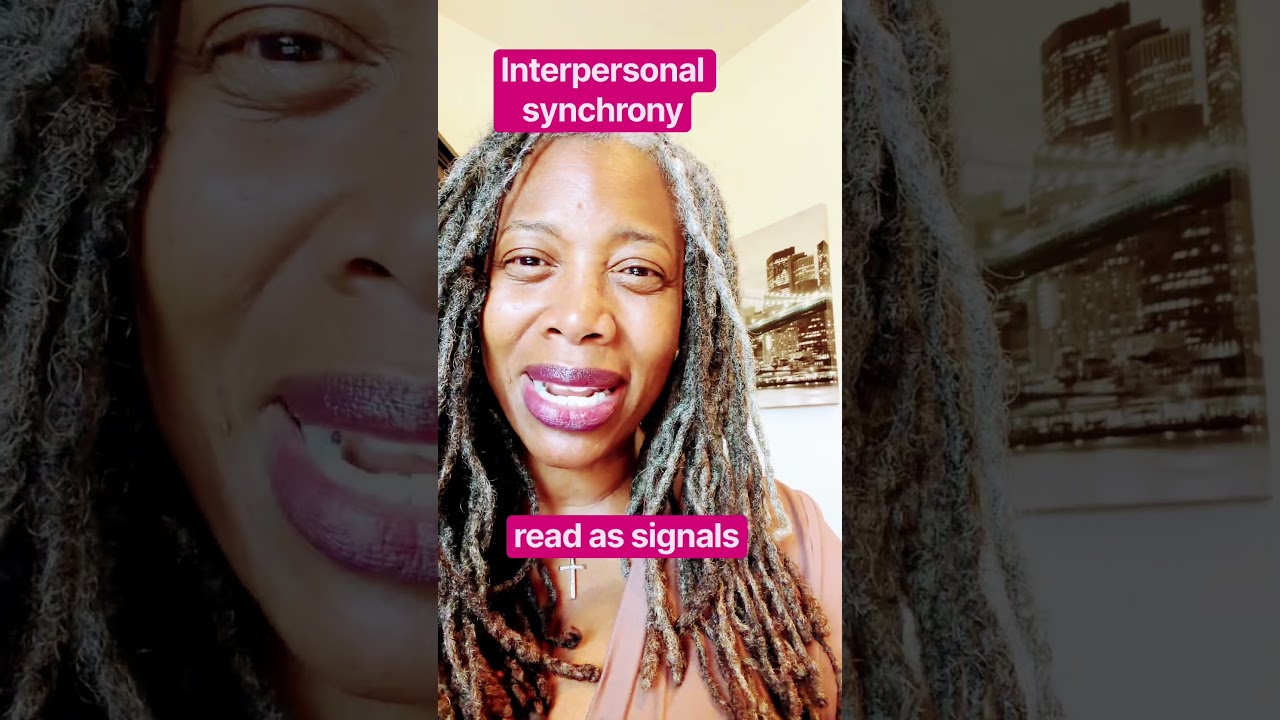
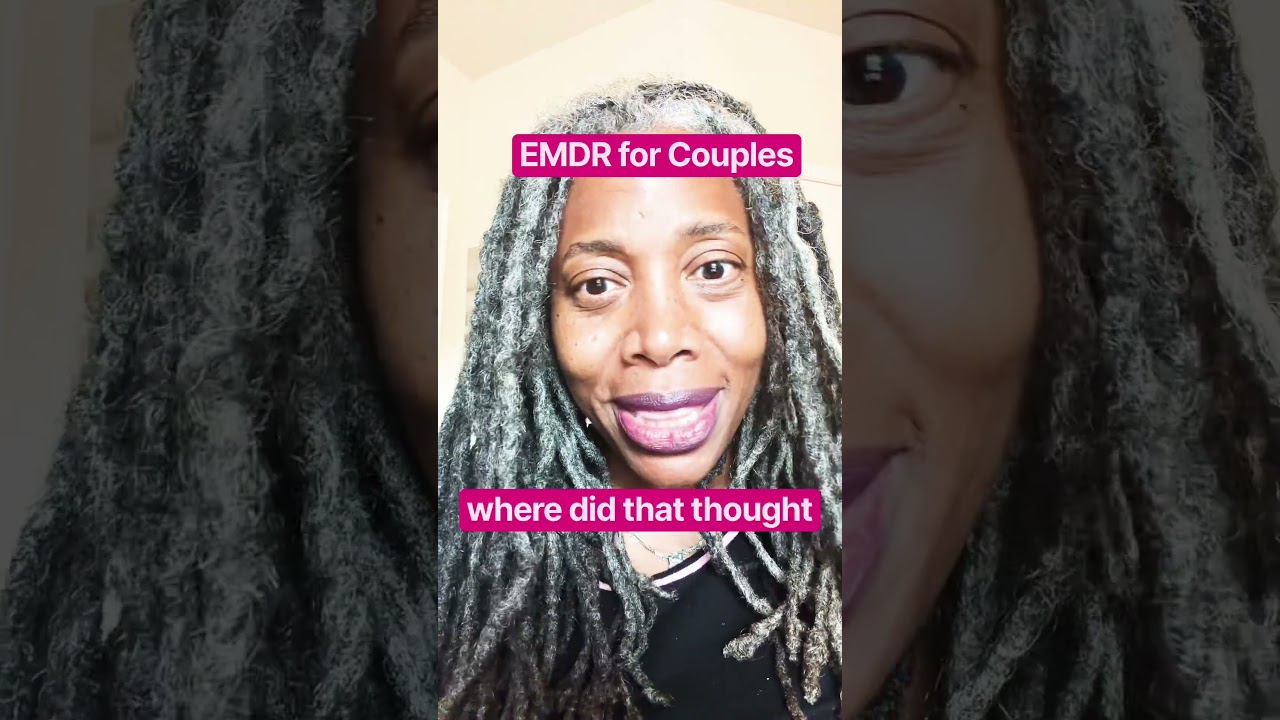

Tune in tomorrow morning on K104 Dede In The Morning for my monthly mental health segment.
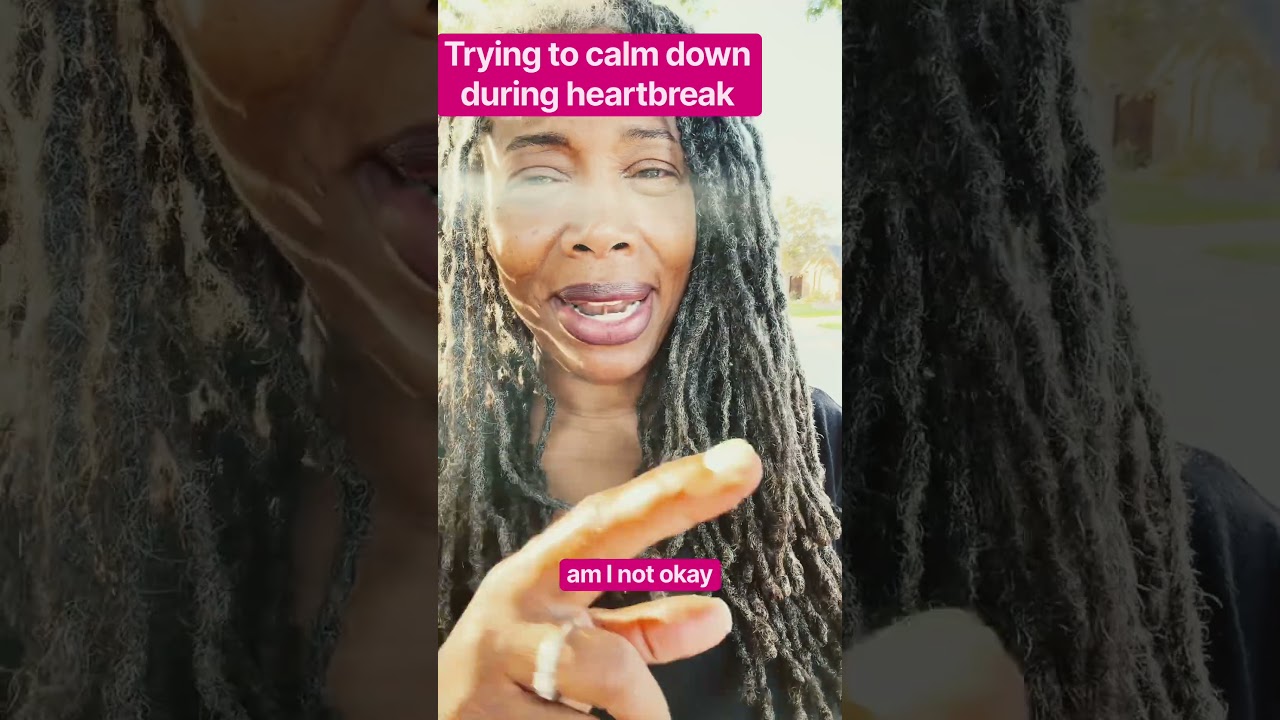
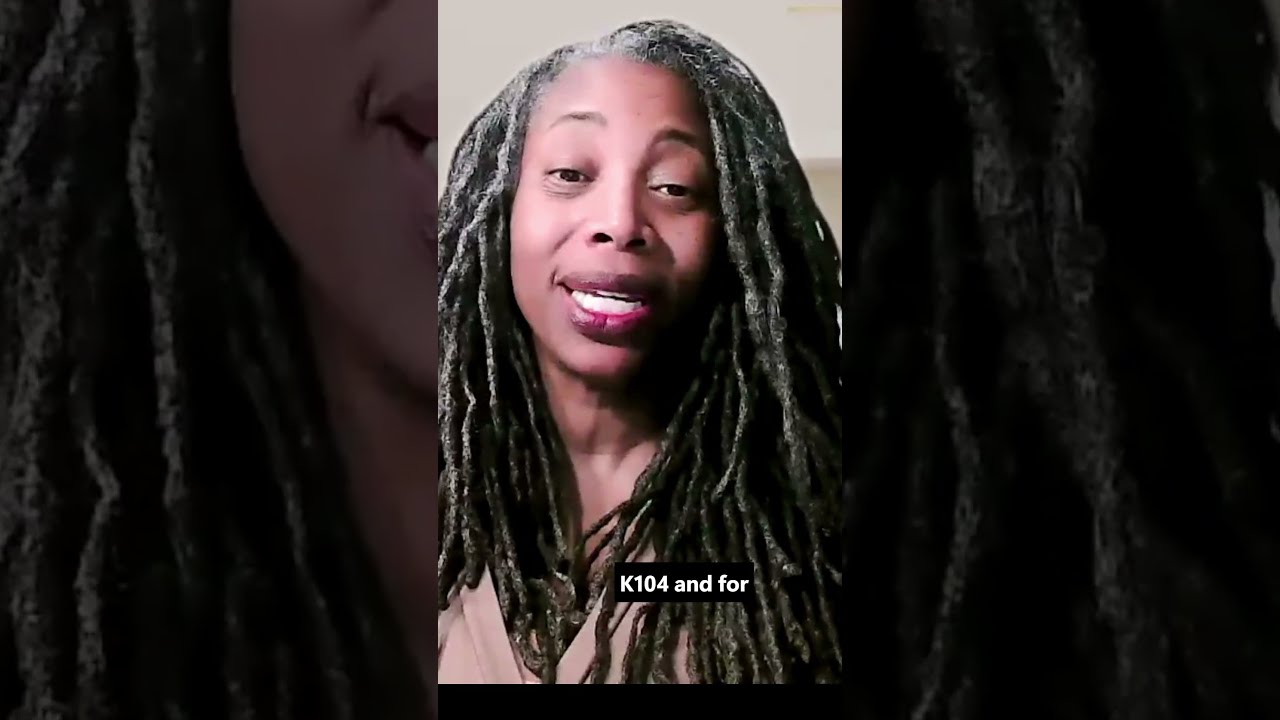
Catch me on K104 tomorrow morning, we're talking about couples disconnect and sexual dissatisfaction
My partner said: I cheated because we weren't having sex. The "Why Did They Cheat?" Loop