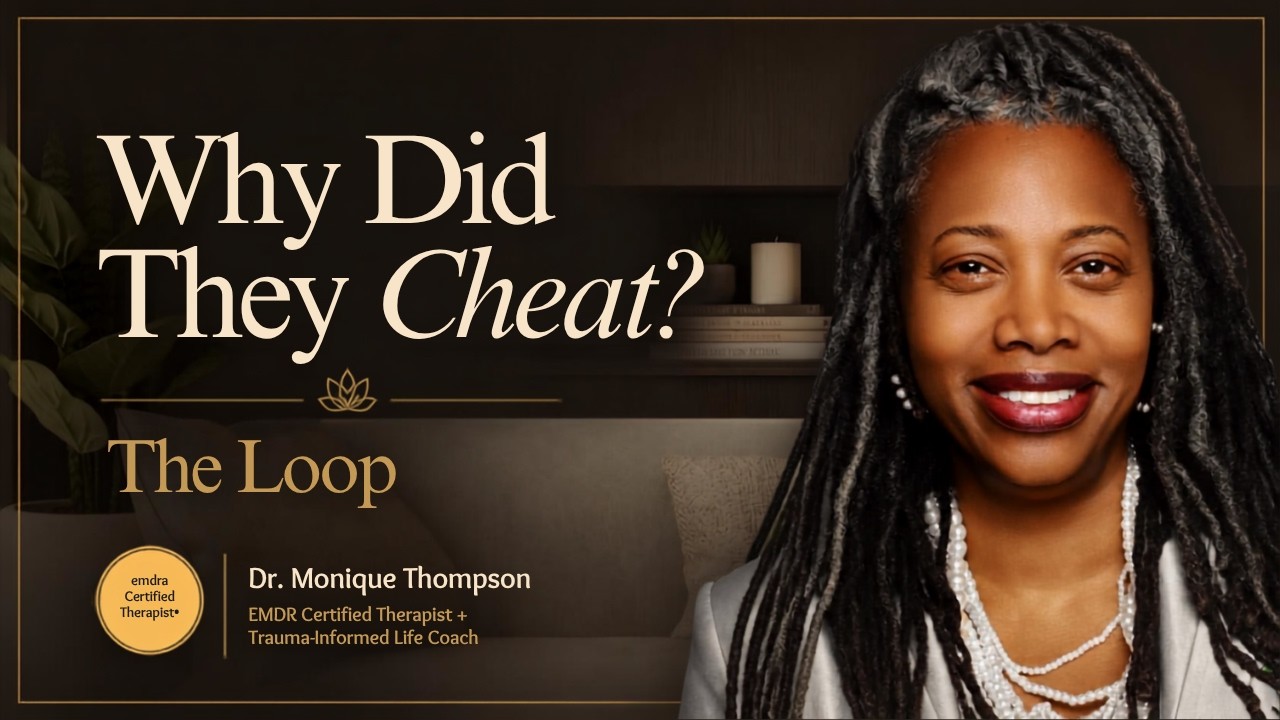
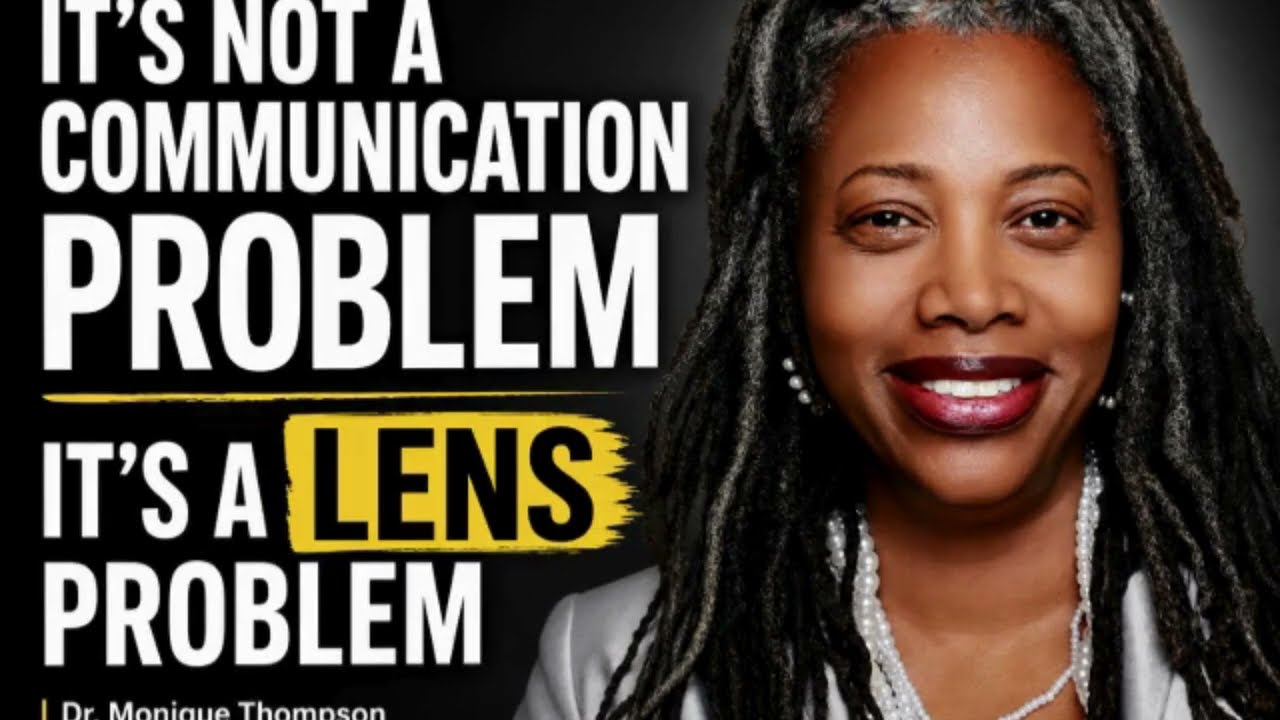
In this solo YouTube talk, Dr. Monique Thompson, a mental‑health professional specializing in infidelity, explains how forgiveness after cheating requires more than a simple apology. She uses a car‑accident liability metaphor: just as a driver who hits your car must pay for the damage regardless of circumstances, a cheating partner must take full responsibility and repair the harm caused. Thompson outlines four categories of amends—emotional, financial, living (changing behavior to prevent recurrence), and direct (reparations such as returning money or rebuilding trust). She emphasizes that these concrete steps are essential for rebuilding trust, whether the couple seeks therapy or works independently. The video concludes with an invitation to contact her practice in the Dallas Metroplex for in‑person or virtual counseling.
Chapters
So hi, I'm Dr. Thompson. I'm a mental health expert, and infidelity is one of my specialty areas. I'm going to share with you something that you want to know. You want to know for sure if someone has cheated on you. Someone's cheated on you. And the first thing you're thinking about is, well, should we get back together? Should I forgive them? What should I do? You got a million questions, right? Well, something that comes up often, and I'm going to use this metaphor, is, you know, how do I forgive them? Shouldn't I forgive them? Doesn't the Bible say forgive? And I'm going to point something out to you. In most states, if somebody hits your car, they are liable for the damage, right? Okay, so let's use that metaphor. Somebody hits your car, they're liable for the damage. But what if they were having a medical emergency? They were having some kind of issue. They fell out. And they hit your car, don't you still want their insurance? You still want their insurance. You want them to be responsible for the damage. And so now let's relate that back to infidelity. If somebody is sorry, it is not enough to apologize. They actually need to take care of the damage that was caused and take full ownership and responsibility for the damage that was caused, no matter what the reason might be. All right, so keep that in mind as you go into counseling. Maybe you're working with a therapist, or maybe you're trying to work it out on your own. If the person is making amends, then they are going to make amends for all the different kinds of damage that was caused. That's the emotional damage, the financial damage, the actual time lost to you and the family. There's a lot of different ways that they need to make things up, make living amends. And direct amends. Living amends means that you literally go and live a life where you're not gonna do this. The lowest probability is there that you will ever do this again. You become a person that is thick with integrity. Direct amends means you spent how much money going where, doing what with who. Put that money back into our account. You worked at that job and everybody at that job knows what happened. You want me to go to the Christmas party? Make this comfortable for me. So that means the person takes a lot of extra efforts to make amends, build bridges, and take care of damages. I hope that helps, and it may or may not, but if you'd like to work with me, please reach out. My office number is 972-820-9965. I'm in the Dallas Metroplex area, and I offer in-person and virtual visits. Take care.