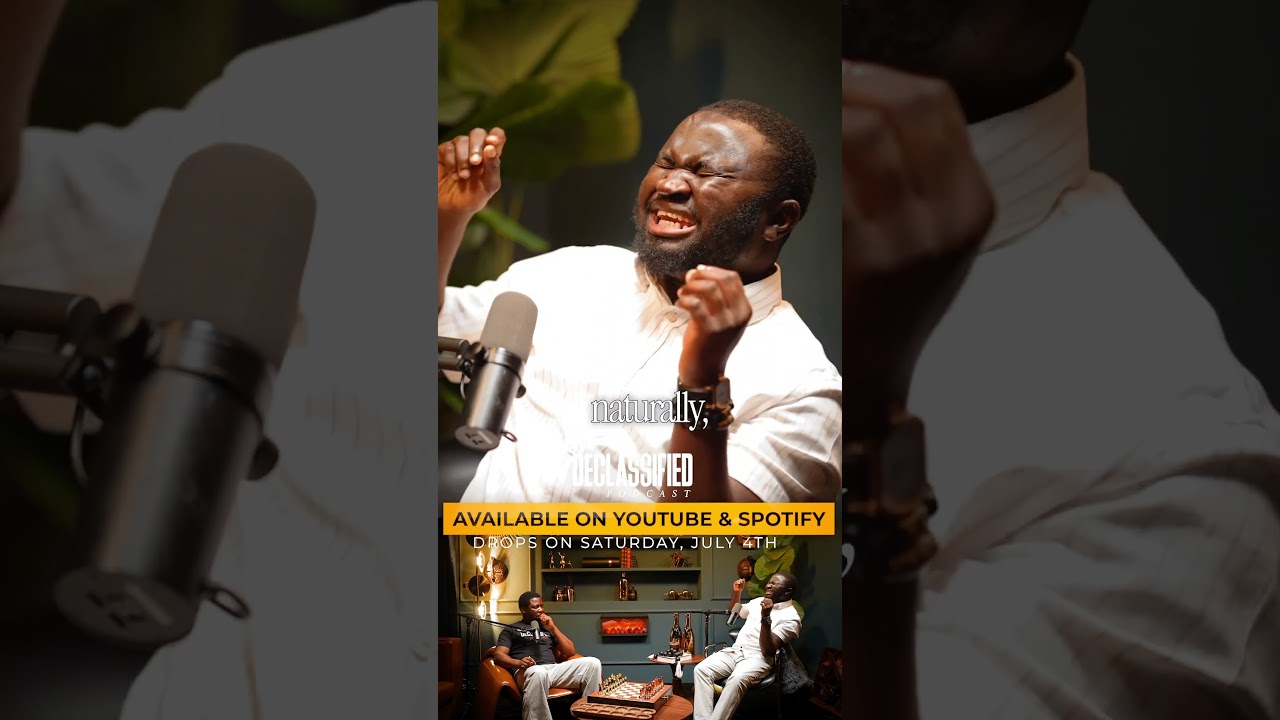
In this segment of the Declassified Podcast, the hosts discuss how colonial and post‑colonial dynamics have conditioned African peoples to undervalue their own natural resources and identity. Speaker A argues that Western powers extract raw African resources, refine them abroad, and sell them back at higher value, creating a narrative that African wealth is inferior. This economic exploitation is reinforced by an educational and ideological system that leads black individuals to defer to white authority, internalizing a sense of inferiority. The conversation cites a former U.S. president’s claim that black people cannot run things for themselves as an example of overt racial ideology. Speaker B adds that the values and rewards celebrated today shape the aspirations of future generations. The hosts conclude by urging a reorientation of the narrative: shifting focus from external assets to personal and collective self‑worth, thereby breaking the cycle of conditioning.
Chapters
If a white man says something and a black man says something, naturally black man will feel, oh, the white man is correct. Someone who does not have knows what you have, and if he wants to get it, he would do anything to get it, including manipulating you to make you think what you have is nothing.
Are you saying that's what happened to Africa?
Yeah, I'll give you an example. I was looking at the map and I was looking at Africa, how that you have natural resources You are blessed naturally, but because you are— they've made you feel over time, you've been conditioned to think you don't have anything up here. They've ravaged what you have on your inside. It's a picture of a beautiful girl. You're beautiful, but you have nothing. You have to give her what you have to get what you want instead of— so the same thing applicable to Africa. Yeah, loaded with resources. Check the developed country. They don't have these things that we do. They come here, we do the rigor of bringing those things out, we export it to them, they refine. Again, when you refine, it takes intelligence to refine some things. And when you refine something, you've increased the value, right? You are celebrating the crude resource you have. I mean, what does that mean in, in, in grand scheme of things? So the refined one has higher value, then they sell it back to you. Because again, they've convinced you successfully. You've been conditioned by the educational system, you've been conditioned by different things. You see them as higher and you as lower. If a white man says something and a black man says something, naturally black man will feel, oh, the white man is correct. So we need to first of all reorientate ourselves because they've conditioned us to tie who we are, our esteem, our worth to what you have.
Yes.
So we need to first change that narrative. It's not about what you have on the external, it's about who you are, who you are as a person. When— because this is what these guys did. They don't even have the resources, but they just believe that they are the best. The mind, it starts from the mind. They just believe they are the best. They just believe they are smart. They believe they have it. Yeah. I listen to an audio of a former president of the US. Claiming that black people can't run things for themselves. Do you know how strong that is? That's an ideology right there. So he believes that if he's in a room with black people, they can't run things, he can run it. And guess what? He may not be able to run things, but he knows how to conjure what you have, conjure what you have, bring it together, and you guys produce it. And that's who he dies. Wow, that's intelligence right there.
From what you're saying, What we identify with, what we celebrate, what we pay attention to, what we reward, what we reward generally contributes to what will be mirrored to the next generation and what their outcome will be.
Declassified Podcast is now streaming on YouTube and Spotify.