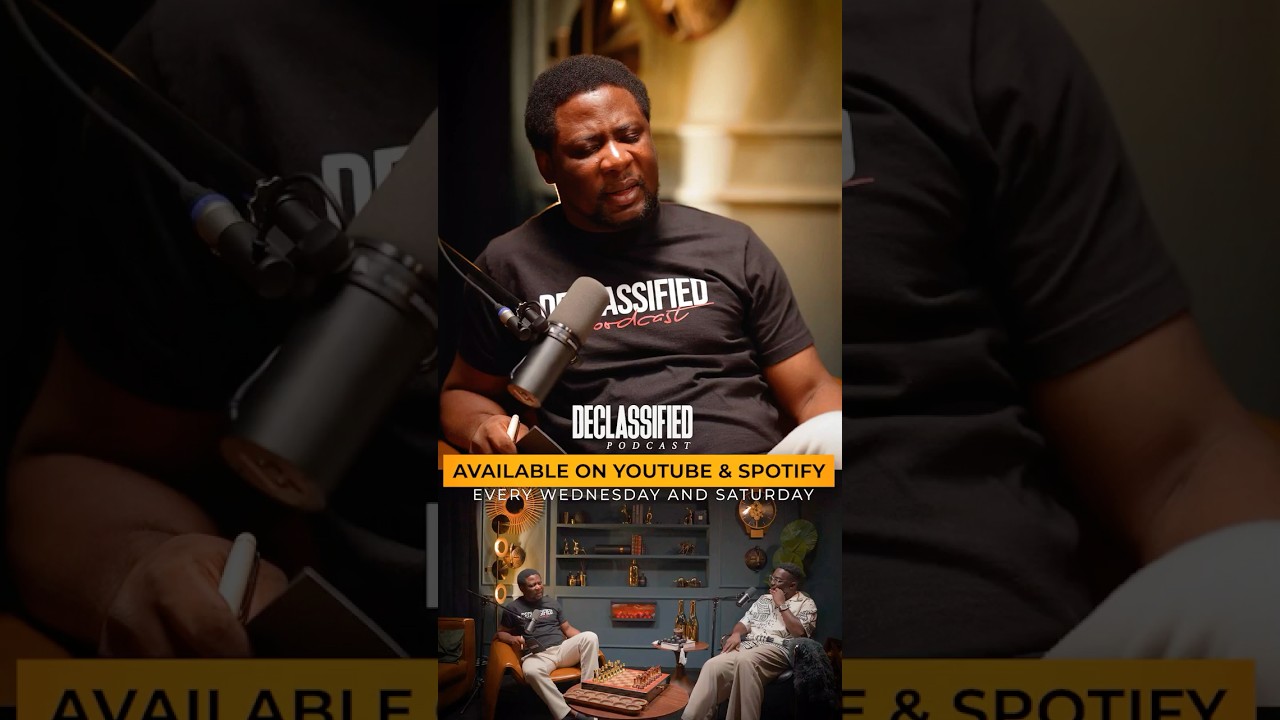
In this excerpt from the Declassified Podcast, the hosts discuss how pervasive trauma in Nigeria has pushed the population, including very young children, into a constant survival mindset. They describe how witnessing extreme violence (e.g., a beheading) can permanently alter a child's amygdala and delay prefrontal cortex development, leaving lasting fear responses. The conversation then shifts to the kidnappers, noting that many are former Almajiri children who were forced to fend for themselves; their own past suffering fuels a "recycling of pain" as they inflict similar trauma on others. This cycle creates a broader societal hustle culture where individuals must self‑provide for electricity, security, water, and internet, fostering intimidation of other Nigerians abroad. The hosts lament the erosion of compassion and human connection, urging personal and national healing to restore balance. The segment ends with a brief promo for the podcast.
It is tough being in Nigeria.
It is extremely tough being in Nigeria. The age barrier of the toughness— so before, you used to experience the toughness maybe in your 30s, then it dropped to your 20s, then it dropped to your 10s. Right now, there are children who are experiencing what it is like to be Nigerian. In— have you seen the pictures of those children? 4 years old, 5 years old, 2 years old. Exactly. Those children were there, and this is very concerning, when that man's head was being cut out. They saw it. They can never recover from that trauma, remain the same. Their amygdala, their amygdala, which is in development phase, the part of the brain that is responsible for, for flight or fight, yes, it has been triggered permanently. Their prefrontal cortex, which develops much later, will spend years catching up with that experience. Now everybody talks about the children who were, who are in currently in captivity. Let's talk about the captors, the kidnappers. Yes, it is very possible because I've lived in the north. When you look at Almajiris, I grew up in the north. Exactly, you will see a child that has been forced to take responsibility for himself. Do you know it's possible that those, those kidnappers may be looking at those children and saying, what are you going through that I didn't go through? Oh, because I'm tying you up? I was tied up. Yes. Because you are starving? I was starving. My life changed when I got this gun. So it's a recycling of pain. It's a recycling of hopelessness. And being a Nigerian and having to go through these levels of hardship at different levels forces you to become a survivor. A person who is trying to survive is not thinking of thriving. Yeah, so we must balance it. Yes, we are transactional, but if I have to pay for my own electricity, pay for my own security, pay for my own water, pay for my own internet, a time will come when I have to actually be a hustler. And this is why everywhere Nigerians go, they, they intimidate the indigenes of those places because we have such a— nobody's gonna do it for you, so you have to do it for yourself. So let's be gracious to ourselves as Nigerians, but let's also ask ourselves, what is the cost of being that way?
Yeah.
What are we losing as a society? What is happening to our compassion? What is happening to our human connection? Because only then can we now start bringing balance and bringing healing to ourselves first as individuals and then as a nation.
Declassified Podcast is now streaming on YouTube and Spotify.