Sports psychologist Gavin Freeman explains why Australian athletes like Ian Thorpe and Grant Hackett struggle after retirement: their identities are built entirely around sport from childhood, with no backup sense of self. Individual sport athletes fare worse than team players. Freeman argues for teaching life skills before retirement ends, not after.
Chapters
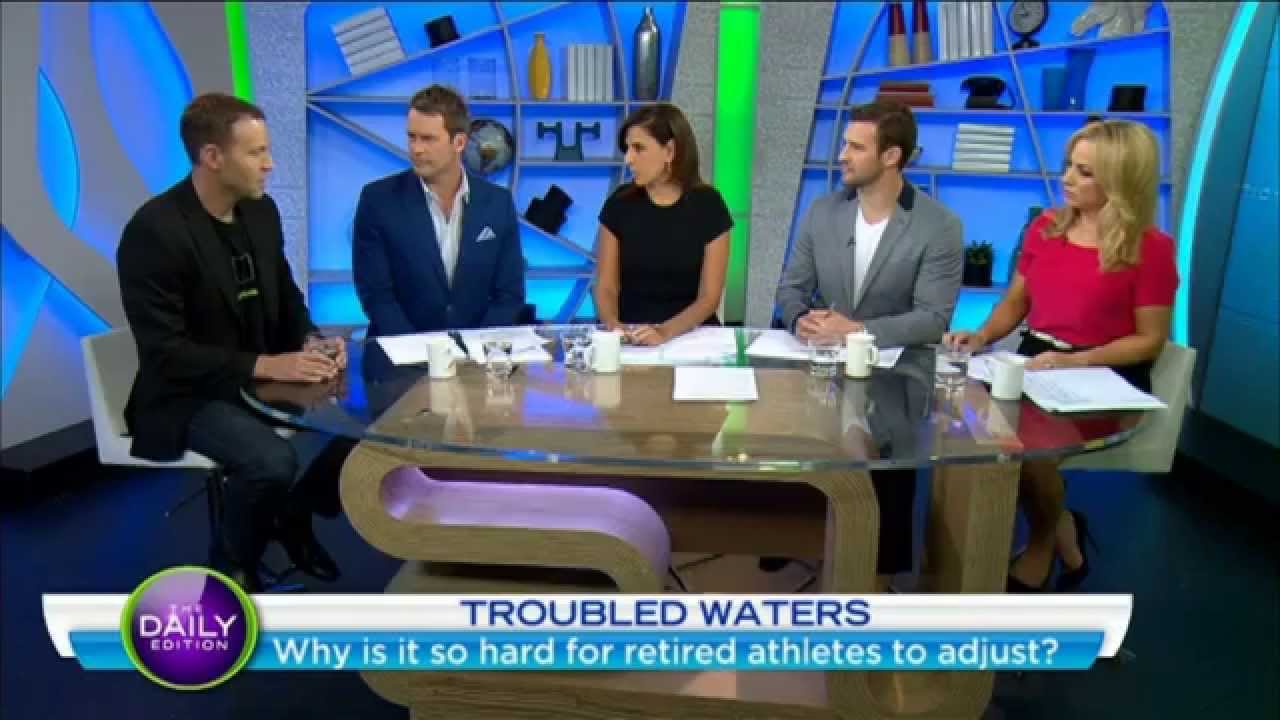
2-time Olympic medallist Geoff Hugill has lost a string of sponsors after he was allegedly caught with cocaine at Sydney's Randwick Racecourse on the weekend. Geoff joins a growing list of athletes to face a variety of problems in retirement, including Ian Thorpe, Grant Hackett, and Scott Miller. So, why are our leading sports stars finding it so hard to adjust to life outside of competition? To find out more, we're joined by sports psychologist Gavin Freeman. Gavin, there's a list there and it's not everyone.
No.
Why is it that they find it so hard to have a normal life outside of We've got to take it back a little bit and realize that when you and I build our identity and our value system, it comes through our childhood, it comes through all the failures we've had, the successes, the trials and the tribulations, and we start to build our identity and our value system. Unfortunately for athletes, they don't have that opportunity. They're put into a parameter, they're told what to eat, what to— when to sleep, what to do at any point in time, and it's not until they finish their sport that they get this opportunity to kind of go, well, who am I now? And it's very difficult for an adult to work out who they are if they haven't had that experience.
Do you often find that it's the case of the individual sports stars that go down this road? There's not many reports of team players actually going down this road. It's individuals that are one-on-one concentrating nonstop.
You will see it more in individual sports simply because they don't have that team around them. They don't have that family kind of culture that can often be fostered within a team environment. So your team sports, you do get this luxury of saying, we've got a team, we see how other people respond around us, and we can learn from each other. Individuals don't have that.
Should then the sport that they retire from have more responsibility to helping them into retirement?
Look, I think we should start earlier on rather than just waiting for the retirement phase, which is often what happens. They go to retirement and then they say, now we'll help you move on. I think we need to start actually earlier on and give people the social skills required for them to move on to later on rather than sort of saying, oh, you're finishing now, oh, by the way, here's the book, have a read.
Gavin, the other tragic news out today is the death of Ryan Tandy, a suspected drug overdose. Now, of course, the A former NRL player was banned, lifetime banned from the sport for match-fixing. What do you think from here? Is it something that needs to be done from a government level to look at all sporting codes?
You know, the government tried to do a lot of work through the Sports Commission and through the Institute of Sport in trying to set up a whole series of structures to support athletes. The challenge is when we're looking at professional sports, it's sort of like a business, and so trying to legislate over a business is very difficult to say, well, how do we treat people? I mean, you guys have Fair choices, work choices, whatever the government puts in place to legislate the way your employers treat you. In sports, there is the same, but it's still a very different bubble that they operate in. And we really need to understand the impact later on. So we need to do the research to understand what's happening post-sport, but then we need to get in early. And I can't stress that more, is that if you can get to somebody early enough and build up those skills, they are able to transfer them later on.