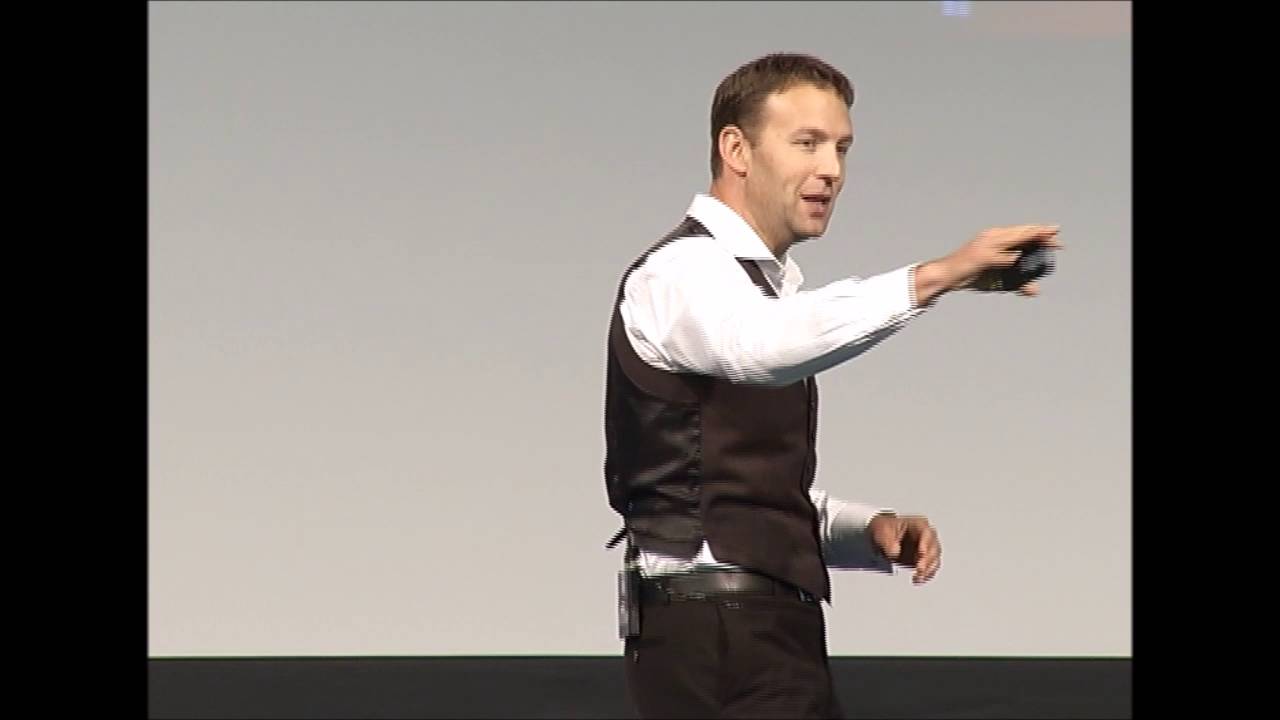
Sports psychologist Gavin Freeman explains why elite athletes struggle after retirement: coaches control their lives so completely that they never develop identities or learn to handle ambiguity outside sport. He points to recent tragedies involving former athletes and drugs, arguing clubs need to teach life skills and accountability long before athletes retire.
Chapters
The latest high-profile sports star to find himself in troubled waters. The Olympic silver medallist will face court next month after he and his wife were charged with possessing illegal drugs, believed to be cocaine, following a day at the races last Saturday. He joins a growing list of athletes to face a variety of problems in retirement, including Ian Thorpe, Grant Hackett, and Scott Miller. So why are our leading sports stars finding it so hard to adjust to life outside of competition? For more, I'm joined by sports psychologist Gavin Freeman. Gavin, good morning to you. Why do so many high-profile sports stars struggle with life after competition?
We've actually got to go back a little bit earlier and realize that, you know, when we start to build our identities and our value systems are generally when we're younger kids. Now, you and I had all the trials and tribulations. We fell over, we failed along the way. With these young athletes, they don't get that opportunity. They get told what to eat, where to go, and it's about how they develop that value system early on. Unfortunately, They start to develop it later, and it's a lot harder as an adult to actually work out who you are and what your identity is.
But a lot of people sitting at home would say, hey, they're so disciplined as elite athletes that surely that discipline would continue after competition, that it would just be part of their life.
Take it out of context though. The discipline is around the parameters of sport, and sport gives you great criteria by which you have to compete. Life doesn't have those same parameters. Yes, we have rules and regulations that we live by, but sport's very easy. You dive in the pool, you stay in your lanes, you get to one end, you turn around and get back. Life's not the same way, and unfortunately they become very disciplined in their sporting lives and don't necessarily always transfer that discipline across. It's sad, isn't it?
Because the other terrible tragedy overnight, Ryan Tandy was found dead, suspected of a drug overdose. Of course, he was banned from the game for life for match-fixing. Guys falling into trouble And then getting so desperate. What can we do to help them? Should clubs continue to look out for them?
Well, there's a couple of things that have to happen. One is about the ownership of their own responsibility and their own behaviours. And unfortunately, athletes have that, you know, they're allowed to get away with stuff while they're athletes. We need to make people more accountable. We need to give them skills to enable them to do that. And we've got to start very early. Don't start when they're 32. It's too late. Transition them to real life. Absolutely.
Hmm, okay. Food for thought. Thank you very much. Good to see you.