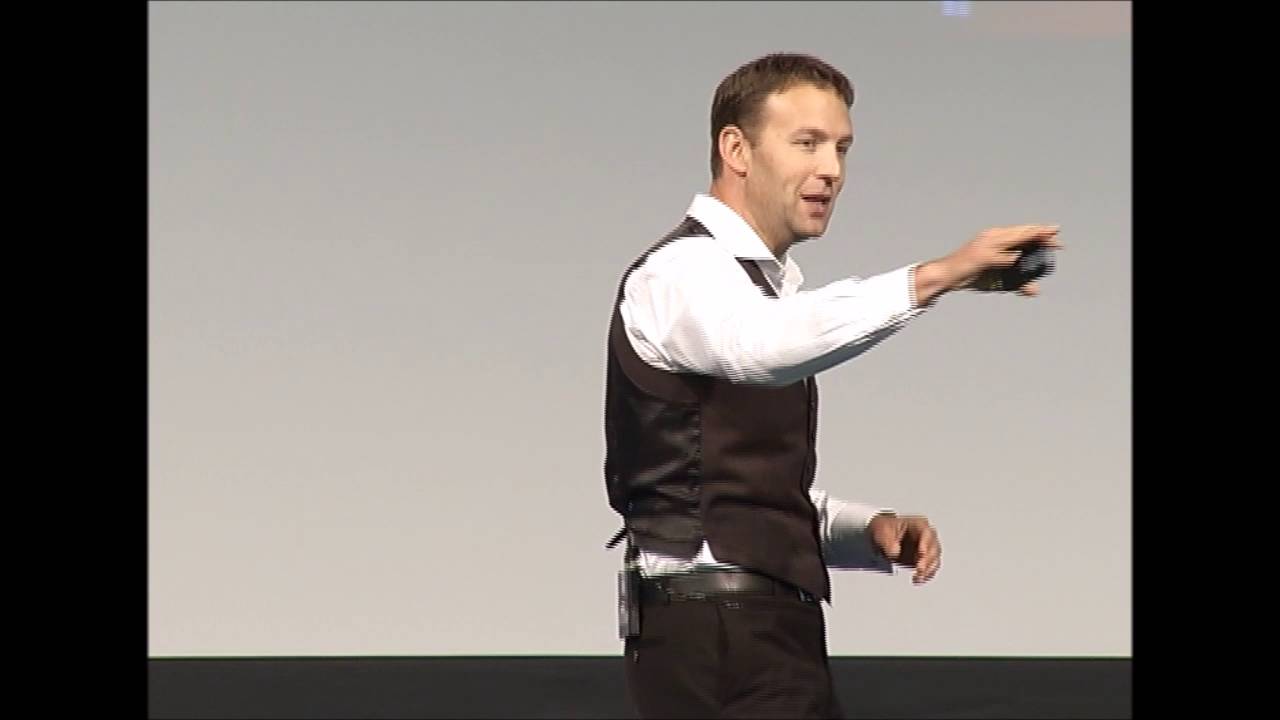
Gavin Freeman discusses athlete retirement, contrasting planned exits with forced ones due to injury or deselection. Unplanned retirements often trigger depression and grief. Athletes need a "plan B" and early education about life after sport, yet most receive far less support at career's end than at its beginning.
Chapters
How hard is retirement, especially on the account of injury, for them?
Well, it's really important to recognize there's really 2 types of retirement. There's the athletes that are forced into retirement and/or quit, and there's those that can retire really well. And often, unfortunately, it's the very small percentage that get to retire well. That is, they've achieved all their goals, they're happy with where they are, and they've got a really good sound future moving forward. Many of the others don't, and unfortunately, whether it's injury or deselection, and they don't, you know, fulfill those goals, Unfortunately, have to deal with that loss, and it's really like grieving. And sometimes what we unfortunately see is that manifests itself in some form of depression or other forms of mental illness.
Gavin, we've spoken to you on the show before, and you've talked about the fact that often athletes make excellent business people. They've got that drive, that motivation, that focus. If they can't find an avenue for those particular skills, can it often mean they're at a loose end?
Yeah, unfortunately it does. And you've got to remember, there's a lot of things in place for these athletes early on in their career. So when they go to an institute, there's so many people there that are trying to help them out. Unfortunately, at the other end, there's not as much support as we would like to have. And so these athletes really have to recognise that the skills that they've got, whether it's around their focus or their ability to block out noise and distractions, can be useful. What they need to do, though, is make sure that they've really got a plan B in place— a vocation, some form of a career that they can bring those skills together and use that moving forward.
Gavin, often these rising stars have a great support network around them when they're achieving great success on the sporting field or in the pool, but when their career is over, sometimes they don't have that same support network. Do we need to establish an organisation to make sure that they kind of get back into society on the right track?
Things like this already are in place. Unfortunately, many of the athletes don't necessarily use them, or sometimes they don't even know that they're there. But I think we do need to put a lot more emphasis into helping athletes at the end. But I think what we also need to do is make sure we give them all the good advice when they're really early and younger. And I talked to you last time about, you know, what do we do with kids and how do we instil this ability in kids to deal with, you know, the things that life throws at them later on in life. And I think that's where we need to focus our attention, as well as giving them the support when they do retire.
Thanks, Gavin. Always really great to chat to you.
Cheers, guys.
Well, the Olympic Winter Games are almost upon us. And Ten is the official broadcaster of the Games, and Wake Up will be the only breakfast show bringing you complete and up-to-minute coverage.
And we've got a crack team heading out to Sochi, including Noorla, as we mentioned earlier in the show. But Magdalena Rose has already touched