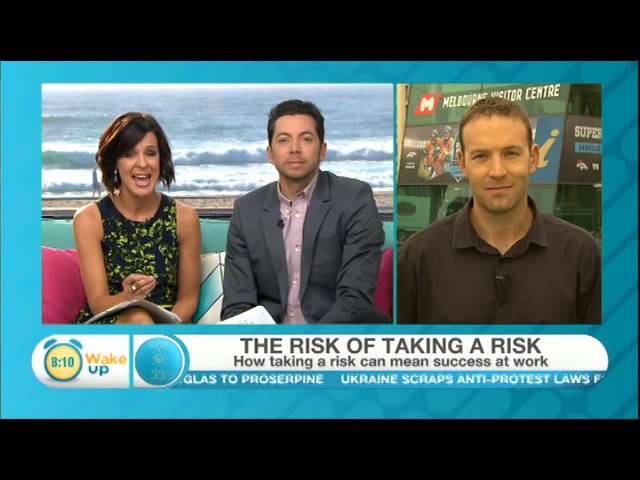
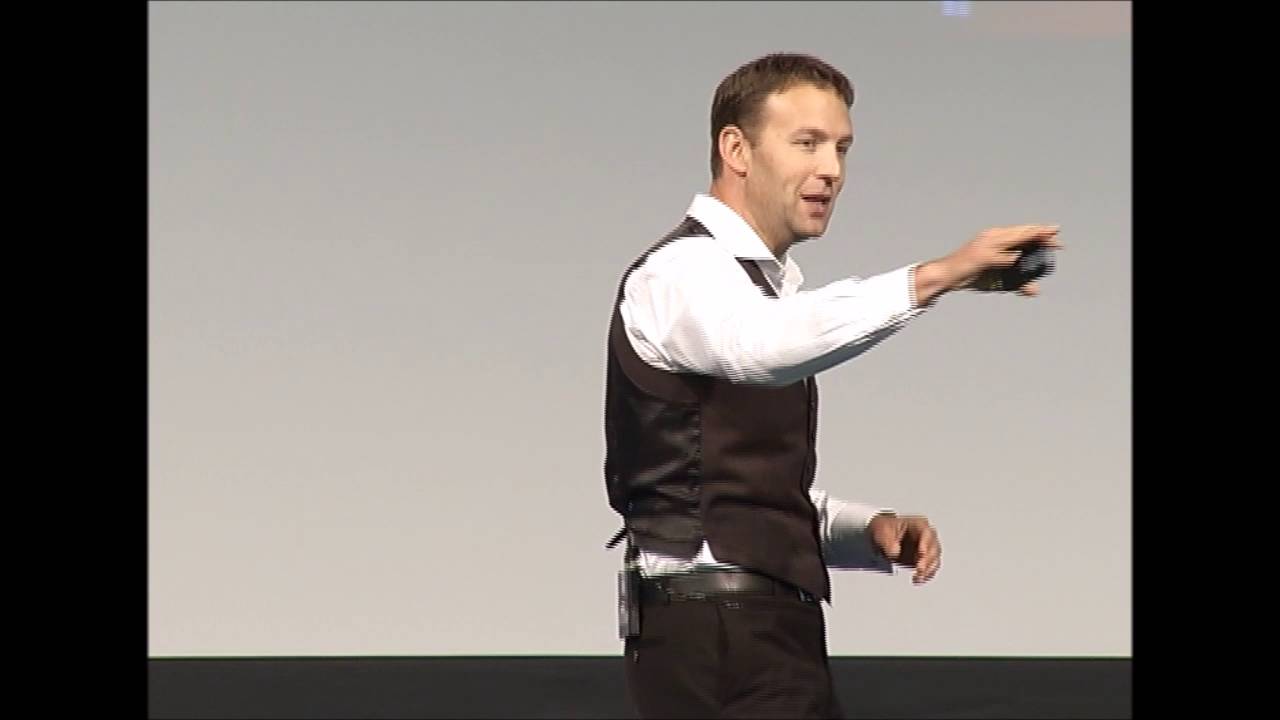
In this morning‑show interview, sports psychologist Gavin Freeman discusses why humans tend to avoid risk, linking it to the brain’s craving for certainty. He argues that taking risk is essential for innovation and achievement, and highlights the shared mental traits—mental toughness, resilience, and the ability to perform under pressure—found in elite athletes and successful businesspeople. Freeman explains that some individuals view failure as a stepping stone while others default to safety, and offers practical techniques for cultivating a risk‑taking mindset: writing down goals, creating visual images, and vividly imagining successful outcomes. He illustrates that these visualization tools work for both major ambitions and everyday goals, sharing personal examples of using them with his children. The conversation wraps up with light banter and a reminder of upcoming studio programming.
Chapters
risk might actually make you more successful.
Right now, there are some athletes in Russia who are weighing up just that ahead of the Games. For more, we're joined now by sports psychologist Gavin Freeman, who also runs the business Olympian. Good morning, Gavin. Thanks so much for your time this morning.
Good morning.
Are human beings wired to avoid risk, and why do you believe it's so important that we do take risks?
Well, it's really interesting. What the brain really looks for all the time is is certainty, whether that's your train running on time, your job being secure, or even, you know, when your baby's due. When you remove certainty, unfortunately what that does is it adds to the risk. And so the riskier it is, the less certainty it is, the more we're going to want to avoid it. However, with, you know, with innovation and opportunities out there, sometimes we do need to take that risk to see what's out there, and you never know what we're actually going to be able to achieve.
Gavin, you work with both athletes and business people as well. What are the correlations between the two, and what are the commonalities you find between successful sports people and people who thrive in the business world?
Oh, look, it's a great question. I've had the absolute fortune of being able to work on both sides of that coin, and what we find is that the mental toughness, the resilience, and that ability to perform consistently under pressure is absolutely common across both those groups. And as long as they can build skills, and they're predominantly mental skills, to be able to block out those distractions and to perform like that, we tend to see them excel and rise to the top.
Gavin, we always hear great stories about very, very successful athletes or business people that have taken risks and have found that success, but there are also a lot of other stories that people have taken risks and have not succeeded.
Yeah, and unfortunately that's part of it, and it's coming back to that certainty piece. Some people are just wired to be able to take that risk and they look at failure as simply a stepping stone to future success, whereas others are not really prepared to take that risk. So what they're going to do is avoid that, aim for somewhere in the middle and kind of to some degree feel comfortable and coast a little bit. You know, not all of us want to do it. Some of us who do can experience those highs and the rest of us, well, we've got to be prepared to accept with what we got.
What about the idea that there are people out there who want to take more risks but they just don't feel like it's in their nature? What are some tips for them to achieve their goals which might take, you know, a little bit of coaxing?
Look, the first thing is to actually write it down. You've got to make the goal real. You've got to make yourself accountable for it. It can't just be an idea that's floating around in your head. You then need to find a way to take a picture of it, you know, whether that's physically go out and take a photo of it Or actually create an image of it, of what it's gonna look like. Then you need to experience that success in your head. You've got to imagine what it would feel like. What would the emotions be like standing up there, whether it's on a podium, signing a contract, whatever it might be? You need to know what it feels like and then let that be your motivation and inspiration to keep going.
So this creative visualization, it doesn't just have to be for major sporting events, does it? If I've got small little life goals, you know, I want to give a good presentation or I want to give a speech or something like that. They're things that you can actually use these tools for.
Look, I've done that with my 6-year-old and my 10-year-old. I've asked them to visualize what it's like to present, you know, showtime at school. It's no different, and I think it's skills that we learn and we can use every part of our lives. So I encourage everyone to sit out there, create an image in their head, visualize it, and go out and achieve it.
I just love— I've got a mental image of Gavin with his kids before school at Steadford talking them up. Pumping them up.
Come on!
See yourself winning.
See yourself getting that A.
Must be fascinating in the Freeman household.
My my daughter's a dancer through and through, mate. She'd love that.
I can imagine. Thanks so much for your time this morning, mate, and your tips.
Cheers.
Well, Studio Ten is coming up in just a moment. Aita and the gang will join you at eight thirty.