8 Essential Books for Building Business Systems
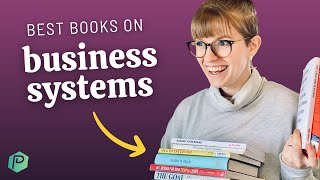
This is a YouTube video titled "8 Essential Books for Building Business Systems" created on June 3, 2021. The content likely discusses key books that provide guidance on building effective business systems. There is no indication of multiple speakers or a conversation involving George B. Thomas.
Hello. Hello. Hopefully you guys are able to hear and see me. All right, I'm very excited to get us started here in just a few moments with my eight favorite books for system building. So if you are someone who is joining me here live for this talk through, I guess of my bookshelf, which I have, I have the props even back here so you can see kind of a teaser of some of them that are coming. I'm really excited to have you guys here today. Hopefully you are able to see and hear. As always, I'd appreciate your help just in the chat if you don't mind. Let me know if you were able to hear and see. Okay. It's about a 30 second delay till I'm able to check. So if you can beat me to it, I would appreciate that. I'm really excited. Today we're going to be walking through eight different books. But not just a, you know, a list, right? I'm not going to read to you what could just be a blog post. Instead, today we're going to be talking about not just what these books are, but the system building or process building. It's a journey. And at the beginning there are better books to read than later on down the line. So I hope you guys are excited as I am for this one and thank you guys all who have voted. Hello, Darwee. And for all of you who have voted for this topic during today's stream. Okay, so with that I think let's just go ahead and dive in to the presentation. If you guys are joining us live, please do go ahead and say hello. And also if you hear unsolicited feedback, I guess solicited. Unsolicited feedback. What do you guys think of the headphones? Is that really weird? I decided that today I'm like, I'm just going for comfort. So you guys are getting the behind the scenes look. All right, so dream it will. Hello, Clive. Hello. We believe that it's always weird to say brand names because I'm like, well, who are you? Your person somewhere behind there. Hi, Melanie, nice to see you. Let's dive into this adventure. Let me hide the little canva thing there as well. So today, like I said at the onset, we're going to be going through eight system building books by system and you iterate and you somehow turn that thing that you do into a system. A systematic, intentional how? An intentional way of doing things. So, so like I said at the onset, while we were just getting settled, everyone was coming into the Stream 8, my synopsis of each, which hopefully, you know, as I have the pile here next to it, hopefully I don't drop anything or spill my water. We're going to talk about the recommended order for reading all these books, if you'd like to add them onto your summer, I guess, summer reading list, at least in the states here. And good morning. Hello, Casey. Hello, friends. Hello. Hello. It is nice to see you all this evening. Morning, whatever it is for you. All right, so let's start with eight favorite books. That's enough. That's enough. Prologue. Right. We're all. We're already ready to get started, the eighth book on our list today, the, I guess first, AKA last one that we're going to be talking about is. Let me go through the pile here, this guy. Now, this book is probably one of the most technical ones I'm going to be talking about today, but I wanted to. Oh, gosh, lots of books. The reason I want to talk about this at the onset is because it's probably the synopsis of what's going on in this book. This is way too small for you to see, but hopefully you can get the idea A particular process really flows. And what I love about this, what is this is Service Design Doing book is that it has a lot of really practical diagrams. So I not to like spoil the book for you because there's definitely a lot you should check out here. This is a really good example of kind of what you can expect when you're looking at this book. These kinds of diagrams helping you visualize your process in a different way. It's, it's the kind of stuff that when I first read it, I was like, why did I spend so many years trying to figure this stuff out alone? The different ways that they visualize a process for me at least was some of the first times I'd seen this, talked about it felt like it should have been a college class. And here's just another visual example. This is the book. I guess I would say this is the book if you want to truly master how to identify what a process is and then optimize that process for whatever criteria is important for you. This is service design doing because of the name service design. From what I gather, at least about this space, it originally really skewed towards services design. But even as you read through this, you're going to hear them constantly correct the fact that process design and service design is not just about services. Everything that involves a human experience has a service component. And in that way, I really think this is more of a. This is Process design doing. And this would be an absolutely great read if someone, you know, if you have time to read a textbook. Because like I said, I have put pros and cons for each of my favorite books here. While I love the practical exercises and the broader community that is part of this service design kind of community that they've built here. This is a really dense book. This, this is no double shots SEO is talking about. She has four books on her bookshelf right now. Well, I tell you what, this is a book that if you have on your, your bedside table, you probably won't get through more than a few pages before you fall asleep because of the fact that it is dense. This is, this feels like it's a college course textbook, which for better or worse, very comprehensive. But it's not something that the casual business owner would probably want to pick up. It's just too much and it's not going to be worth your time. Okay, so there's the critical. We'll flip back into this one and I'll talk about the next book in our lineup. But actually, I guess before I do that, if you guys have any questions about these books as we go through, just post them in the chat. So if you guys aren't aware, over on the right hand side if you're on Facebook or on the bottom if you are on. Oh, sorry, flip that. On the right hand side if you're on YouTube and the bottom if you're on Facebook, you can actually leave a comment. And you leaving a comment, liking sharing, all of those things help this content reach more people. And of course we have affiliate links for all this good stuff on the YouTube video. So if you're looking for these links and you want to support the channel while you do it, check out our affiliate links. All right, next up, next up, Scaling Up. Okay, so let me shuffle through the bookshelf again. Oh, God. Okay. All right, so Scaling up. This kind of feels like, I don't know, like a Christmas morning. Like, let me go go through my prizes. Scaling up is one of the earlier books I read in my business Journey. And for, for those of you who are familiar with scale Scaling up or Rockefeller habits, you probably see some echoes of it in some of the ideas I have. In fact, the. I used an element from Scaling up with citations in the Blueprint workshop, which many of you attended. And if you haven't attended that processdriven co Blueprint. It's where we walked through our full framework for systemizing ClickUp. Systemizing your business using ClickUp and one element of that kind of built on top of one of the lessons that was shared inside this, this book. So this to me has been a really influential one. A lot of folks actually do not know about scaling up, but you might know about a competitor scaling up called Traction or Entrepreneurial Operating System or eos, which I've also mentioned here on the channel. You're not going to see Traction or EOS in this lineup today. Spoiler alert. I know many of you are big fans of the EOS framework. I. I am not. I am not a big fan. Not to say that I don't think it's super helpful for some teams, but for me it just feels a little rigid. And to me, scaling up, when I read the two books side by side, you know, I went through all the worksheets of both of them side by side because I've worked with clients who have set up both systems successfully for Inside ClickUp for their teams. To me, scaling up is a lot more. I'll just keep holding it so you have a visual. This one is a lot more flexible of a framework, whereas EOS relies on what feels felt to me at least as very rigid. Waterfall. Let's plan everything out in advance and track our time for everything. Scaling up to me felt a little bit more theoretical in a good way. So just to give you kind of my synopsis or my pros and cons on this book because of course it's not perfect. Rather than thinking about the nuts and bolts of process, which is kind of where the service design doing book went, Scaling up focuses on scale. Wow, that's a shocker, right? No one expected that one. So it is talking more about the broader systems of your business and what scaling up is really known for, at least in the circles that I, you know, the cool kids circles that I've been are the different worksheets that they use. So I'm just going to flash the page from the book up here. So once again, you know, I'm a sucker for worksheets. The O, oh my gosh, osps. Oh no. O, P, S, B. I always say the letters in the wrong order. The one page Strategic plan and other worksheets like this are what makes scaling up kind of stand out because it gives you a new way to categorize and think about the overall systems that your business works in. So that's where I'm talking about how does it all scale? It's talking about growing your business from, you know, a hundred thousand to a hundred million. That is the perspective of scaling up and that's kind of the phases that it walks you through. It goes far beyond just systems and strategy into people. You know, here we go, people. Strategy, execution and cash. All of the elements to scaling versus just looking at the zoomed in level like the last book we talked about. So Anna, thank you for adding this into your must redo database. If you guys don't have one in ClickUp, this is the time to make one. And it looks like we are going to need to have a book trade circle because ain't nobody got time to buy all these books and then skim through which are the good ones. All right, so that is that it's much less waterfall and simplistic than EOs, although they are both fantastic frameworks. Works. One negative about this book, besides the fact that it's just a lot, is that it can feel a bit like a cliche business book. And you're going to hear me talk about that idea a few times throughout this. This could just be a Layla ism. I know I have, I mean, many quirks. One of them is that I generally find business books annoying. Not that I don't love the content, but I find them annoying to read because to me, the best example. Do I have it? Oh my gosh, I have it back here. Hold on one second. Hold on, hold on, hang on there. We're back. This book. Okay, I had to go run and get it. This book is what I mean by cliche business book. There's some good stuff in here, but the whole book could have been one 1000 word blog post. And that is my problem with business books. And so there are times inside Scaling up and some of the other books we're going to be talking about today where it falls into the business book trope. Here's an idea, here's an example of a business doing this. Here's a case study of how we've helped them, oh by the way, hire us onto the next idea. And I don't know, maybe that's just me, but I am over it. So that is one downside of this book. One thing I will say, which I've already said at the onset here, is that the ideas that are nested between some of the businessy cliches are actually really profound. And Scaling up, unlike the other books mentioned today, are not create was not created by a single author. Yes, Verne Harnish is the author, but there are contributing authors to every chapter and section. So because it compiles so many thought leaders, ideas you end up creating a book that is very quotable and compiles kind of some of the best ideas over the past 10, 20, 30 years prior to that book being written. And in that way, it's very quotable and kind of. It sidesteps the concerns of the fluffy cliche business book because while it has some of the tropes, it has so much, much meat that all in all, it's a very pleasant read. And I actually was able to read through chapters of it in the way that you could not do with the service design doing book. So that is that one. So we're up to number two or seven, six, you know what I mean? All right, so here we are at our next business book or system building book, which I have to shake out of the list here. Oh, I just dropped a book that's going to be fun to get later, Idea Execution. So you can see I buy my books used because, you know, frugality is fun. As I say on the bottom of this, you can use our affiliate links to support me or just go to your library or go to a used bookstore. Idea to Execution is one of those books that I do not hear talked about a lot, which is why I wanted to bring it up today. Because Idea to Execution is about actually executing systemization, and it's not about, you know, some consultant who, you know, has a theory about systemizing. I hate those people. But it is about actually systemizing a virtual assistant business at scale. What I find really interesting about it is it is systemizing an industry when the industry itself is being born. So a lot of these books, you're going to see a trend. They resonated with me because of the personal relatability. Interesting about it is it is systemizing an industry when the industry itself is being born. So a lot of these books, you're going to see a trend. They resonated with me because of the personal relatability. There's going to be different books that resonate with you, but for this particular one, the two authors, Ari and Nick, they walk you through how they founded their virtual assistant company and how they use systems in order to do that and scale without having a huge cost increase. I'm trying to find a good example of what they have in here because this is one of those ones that is just incredibly practical. Here's an example. Let me see if it's not very easy to see here, but they even have screenshots of software that they used throughout the business to show you exactly what their operating handbook, what their systemization look like. And yes, they use. I think they even use Trello or Asana something, you know, we don't agree with that. But there's going to be different books that resonate with you. But for this particular one, the two authors, Ari and Nick, they walk you through how they founded their virtual assistant company and how they use systems in order to do that and scale without having a huge. They have some strategies in here of exactly how they decided to systemize their business, which I think is. Is something that for me at least I was kind of hungry to see after seeing so many fluffy business books talking about theory. This is a real business. Who talked about how exactly they systemized their own business. So that is idea to execution. Again, the link to this book is in the bottom. I will say this, as you can tell, cost increase. I'm trying to find a good example of what they have in here because this is one of those ones that is just incredibly practical. Here's an example. Let me see if this is a thinner book. This is more of a quick read. It is not like a here's exactly how you can do it. This is more of a narrative of how they did it. Are you guys still with me? Did I lose anyone on this? This is my first time doing like a book review, so I'm not sure if this is terribly boring or actually helpful. Let me know in the comments if you can. Just to give you the good and the bad of this book. How does system thinking done? Well, look, that's really what I would say this book is all about. So if you're someone who's curious about, you know, what does mean to systemize, what does it feel to systemize? What am I working towards? This would be the book to read. And because it is so short and sweet, it's a very good one to kind of wet your whistle here. Like I said, it's the real story of how a VA agency scaled with specific examples. And it's an easy conversational read. It's not very easy to see here, but they even have screenshots of software that they used throughout the business. So when you're actually reading these stories, you're talking. It feels as if you're talking to a person which to show you exactly what their operating handbook, what their systemization look like. And yes, they use. I think they even use Trello or Asana something. You know, we don't agree with that, but some of our favorite business books do that and some of them try to do that. This one Successfully did that. Some of the other ones you saw me call out Clockwork, which again, great book, terrible writing. Clockwork tried to do. Did not do well. This book does that quite well. So if you're someone who likes to have kind of a conversational book experience, hang out with. They have some strategies in here of exactly how they decided to systemize their business, which I think is something that for me at least, I was kind of hungry to see after seeing them in your reading time. Okay. Okay. Good, good, good. You're still here. I was wondering. I was like, I hope I'm not going too far into the deep end here. So again, links are in the description if you want or support your local library. And skip Bezos, because I think he's got enough money. All right, next up. Next up, we have Built to Sell. So for this one, has anyone read this book? This is an oldie but goodie. And I feel like this is a little bit more of the. The trope. And I think this is also the one I dropped on the ground, so. Excuse me. Indeed, it was the one I dropped on the ground. Anyone else read this? Built to Sell Is this book here. You might recognize the title. Oops. There you go. The COVID So many fluffy business books talking about theory. This is a real business. More than you actually recognize the book title. It's actually a hard one. It's proven to be a hard. Who talked about how exactly they systemized their own business? So that is idea to execution. Hard book title for me to remember and I'm not sure why. Built to Sell tells the story of a person systemizing a agency, I believe, marketing agency, Web design agency. Again, the link to this book is in the bottom. I will say this. As you can tell, they do a little bit of everything this book. One of the reasons I wanted to mention this on this, and it's actually one of the, I guess the books that inspired this video. This is the book I recommended to my brother. Hey, Richard. He's looking to systemize his business. And he was asking me for what resources I would recommend. And I said, beyond anything else. This is a bit of a L. This is a thinner book. This is more of a quick read. It is not like a here's exactly how you can do it. This is more of a narrative of how they did it. Are you guys still with a teaser for the end? This is the book I would start with. And it looks like Casey also is in the same boat here. Yes. This is the first business books. Awesome. Like I said, this is going to be telling you how exactly to systemize a web agency. But unlike the idea to execution where we're talking about a service agency, this is specifically talking about what we'd currently call productization or service productization or productized service. I do not believe the word productized service or the phrase was ever used in this book. And Casey, or anyone else who's read this, please correct me if I'm wrong, but I actually think this book might have predated that being a common phrase. For those who don't know, actually, I can pop back here. A productized service is the idea of selling a service as if it were a product. And the way you do that is by having me. Did I, did I lose anyone on this? This is my first time doing like a book review, so I'm not sure if this is terribly boring or actually helpful. Let me know in the comments if you can. A fixed outcome typically, so there's no proposals involved. You know, you can just give a title and that is what people are getting. You have a fixed process for how to get someone that result and you have a fixed price. So those three elements are what turned a custom just to give you the the good and the bad of this book. How to system thinking business where someone comes to you and says, hey, I want a website and you're kind of inventing it each time versus having in this book, for example, the signature logo design process. You pay a fixed price. Done. Well, look, that's really what I would say this book is all about. So if you're someone who's curious about, you know, what does it mean to systemize? What does it feel to systemize? What am I working towards, $10,000 in this book or something. You go through a fixed process that you have time to get better at each time and you get a fixed outcome which was, you know, a brand guide, a logo, this, that and the other, productizing what otherwise would have been a custom service. And like Kasey says in here, great for web designers, I'm going to push it even further. Guys, this is great for anyone in service and I know just like service design, doing the other book we talked about here. Hold on. Oh gosh. If I get through this without destroying something on my desk, this is going to be a victory. Just like this book here, the word service is in here and I know already our e commerce, our product people, our creators, our makers, our watching this video and they're thinking, wait, you're leaving me out again? I am not. This book can be adapted to anything where humans are involved. So yes, for your e commerce business where you're drop shipping there's this would be the book to read and because it is so short and sweet, it's a very good one to kind of wet your whistle here. Like I said, it's the real story of how a VA agency scale human involvement by you there. So you don't have control. But everything else in your business, the way you handle customer support, the way you answer the phone, the way you sign off on emails, the way you, whatever else you do, you do your marketing. Everything else in there can take a productized field with specific examples and it's an easy conversational reads approach. Whether in the vendors that you select, maybe you have a preference towards productized providers. I do. Or you have a approach to productizing. So when you're actually reading these stories, you're talking. It feels as if you're talking to a person with your own experience inside your business which goes back to the art of execution. So just because I'm using the word service in here, this, this is applicable to anyone with humans. Some of our favorite business books do that and some of them try to do that. This one's performing everything like service design doing says everything has a service component. Even if it's just, you know, ClickUp for example, software company. Does that have a service component? Everyone, even the chat. Yes. No. Do you think ClickUp has a service component? Leave it to you guys. Leave it to you guys to answer that one. What do you think? I'm going to move ahead and go to the next book because you know the answer is yes. Customer support roadmap. Working with people like me. That is a service that they offer. The style of this book is extremely narrative, very easy to read, very good at actually doing the job to make you feel how this narrative successfully did that. Some of the other ones you saw me call out Clockwork, which again, great book, terrible writing Clockwork tried to do, did not do well. This book does that person feels and you're going to hear me use narrative teaching a few times here. Let me just explain the jargon. Basically this is the sense this is delivered in a story format. So that means you're following. I forget his name. Oh my gosh. Anyone? Alex? No, not Alex. This is terrible. I forget his name. Anyway, there's a guy named Ted and there's another guy, let's just call him quite well so if you're someone who likes to have kind of a conversational book experience, hang out with him. John. Bob. Who knows someone? Bob. Bob has an agency. And you follow Bob's life for a few years as he's trying to systemize his business in. In preparation for selling it. So by telling the story from Bob's point of view, from learning about Bob's them in your reading time. Okay. Okay. Good, good, good. You're still here. Home life. This narrative style makes it easier to connect because as humans, we relate better to stories and it's just so much less boring than the traditional business books. So narrative style here. I was wondering. I was like, I hope I'm not going too far into the deep. Very easy to digest. And one element that it does include in here, just like scaling up, is hiring. So one of the things that we often miss in these books about systemizing is that eventually humans need to get involved. And a lot of these books that we're going to be talking about today skip that. They're just like automate, automate, systemize, systemize. And they fail to talk in detail about what that means for your current team versus the team you would need to have a productized or systematic business. The fact is, not every person you have with you today is going to be able to work in that kind of environment. So yeah, next up, Boss end here. So again, links are in the description if you want or support your local library. And Skip Bezos, because I think he's got enough money. All right, next up, next up, we have built to sell. So for this one, has anyone read this book? This is an oldie but goodie, and I feel like this is a little bit more of the. The trope. And I think this is also the one I dropped on the ground, so. Excuse me. Indeed, it was the one I dropped on the ground. Anyone else read this? Built to sell Is this book here. You might recognize the title. Oops. There you go. The COVID It's Life. All right, so this one is probably a little bit of a curveball because this is definitely not about systemizing. Just like last time. I'd love to hear you guys read this. This one. Sorry if it's a little shiny. Boss Life Surviving My Own Small business. If you go to the affiliate link, they have a slightly different cover photo because this is probably an old one because, you know, I buy books on the cheap. Boss Life tells the story of a custom desk making or furniture making company based in. Oh, I wish I knew where I am. Not sure I used to know. Doesn't matter. Makes furniture, makes tabletops, makes pieces of custom desks. For fancy offices and such. You're following the story of Paul. Paul's the author. Paul is the person who actually wrote the book and Paul is the person who the book is about. This book reads like a private journal and it's absolutely fascinating to read. I don't know that it teaches you how to systemize as much as it teaches you what life is like if you don't. It is also probably the number one more than you actually recognize the book title. It's actually a hard one. It's proven to be a hard book. I would recommend for anyone who is not sure if they want to run a business or not because I don't know if any of you have read this, but when I read this especially I think I read it, you know, a few years in I wasn't very far along, I read this and it talks a lot about the numbers, the anxieties, the stress, the cash flow constraints of running a business and your. The anxiety in the page is palpable. So that's why when you see the summary here saying pages of pure empire book title for me to remember and I'm not sure why Built to Sell tells the story of a person as if reading another's journal. That is exactly what the experience is. So if you're in systemizing a agency, I believe marketing agency, web design agency or someone who needs to be scared straight about systemization or if you just want to reality check, they do a little bit of everything. This book, one of the reasons I wanted to mention this on this and it's actually one of the, I guess the books that inspired this video. This is the book I recommended to my brother. Hey Richard. He's looking to systemize his business and he was asking me for what resources I would recommend and I said beyond anything else, this is a bit of a teaser for the end. This is the book I would start with and it looks like Casey also is in the same boat here. Yes. This is the first business books. Awesome. Like I said on what running your business can feel like if you're not systemizing or scaling. I think this is a great book and if nothing else it's just. It's just really good because it is a personal story taking place over I think one year of time which was then published as just a for fun thing that became a best selling book. So Boss Life. Check it out. Narrative story style just like the built to sell book but actually based on a real person, not fiction. So it goes a lot deeper and pulls on the heartstrings a lot more. Okay, number three, you guys knew this one was going to be in here, right? Because you saw my post a few few months back. Next up is Systemology. So this is Systemology. If you guys haven't checked this one out, this is the one that I had to buy new because David is not yet in the used markets. Systemology is a book about building systems. So unlike the other ones which are coming at the systems equation from various angles, Systemology is coming at it very directly. It's looking at the whole problem and it's saying here is the system for building systems, which as you can imagine is something that speaks directly to me. I just, just to answer a question that I get a lot. I actually didn't read this until this past winter, so long after we we'd started our own framework here. And there are a lot of similarities. I promise it's completely coincidental or just logic based. But some of the ideas that Systemology really echoes that we share here is the fact that systems do not need to be built by the business owner. It also talks about a critical flow for how exactly you build systems. What order do you take? We take a slightly different approach to how to get to that. But this would be a great book if you're looking for the overall process in order to systemize an entire business from start to finish. There's a lot of text here, so I'm going to read it to you full, full process. It does have a bit of a service skew because like some of the other ones here, this person's background, the author's background was in an agency environment, also a retail, I believe. But mostly it feels very servicey at times. We share a lot of beliefs with Systemology, but I also have some pretty broad differences, so I wanted to speak to that as well. This particular book is a marketing book, so I think that's one difference from things like Boss Life, which Boss Life is just someone's life story, basically selling nothing. As it says in the book itself, Systemology has a little bit more of an agenda, more like scaling up or traditional business books. Systemology is selling System Hub and Systemologist. Now I will not speak to those programs because I've never been in them, but I will say that System Hub is a software that helps you document SOPs like Trainual or even Google Docs. And so this book has one cornerstone around keeping your task management and your SOP management entirely separate. Which as you guys know, I fundamentally disagree with. But one of the kind of, you know, eyebrow raising things is that they, they own a software that helps you keep your sops separate from your tasks. So take that with a grain of salt. They also run a program that helps other people become systemologists. So one of the staples of this framework is that you need to have somebody else help you systemize. Something outside your organization needs to be there to help you pull the information out of your head, which is what systemologists do, as far as I understand it. If we have any systemologists in the group, feel free to drop in the chat, say hello, all that stuff, because I know we have quite a few of you in the audience. I hope I'm not butchering the summary of your profession. I mean it with, you know, all due respect and all that, but that is a fundamental difference. And I. It's hard to know with books like this whether that is a fundamental conclusion that they reached. And so then they offered the additional service or if they offered the additional services or businesses. And so that became a conclusion that they reached. A little funky on that one. Unfortunately, the flow of this book does tend to feel a little bit cliche. Business bookie. So not as. Again, not as bad as Clockwork. That's like the epitome of terribly written business books, but it is pretty skimmable. So just something to keep in mind in terms of the joy of reading. Definitely not quite as charming as some of the other books that we've read here. Maybe not a vacation book. Okay, we're down to our last two. You guys still with me? All right. I hope you are. I got the. The last two ones here, which you can already kind of see what they are. But, you know, humor me. Just to remind you, once we get through these two, I'm going to be going through the order that I would recommend reading these in based on your proficiency level, your skill, and your interest. So keep that in mind. So next up, we have the goal. So this is the old cover of it. If you go to the affiliate link in the description, there is a newer cover that looks actually kind of creepier than this. Believe it or not, the Goal is a book around process improvement. And in the slides here, I describe it as the OG book about process improvement. But before I say that, I should thank you to Score. Side note, this is not sponsored. This is just me, like, loving on a nonprofit who does amazing work. Scores a free mentoring program for businesses all across the country. Score Lancaster, Score Lebanon, Score York, and Susquehanna. You guys are awesome. And Scores who originally introduced me to this book. This is one of the first business books that I have read that actually put words to the work that I now do. So this was really meaningful to me early on when I was starting out as a virtual assistant, which that's a whole other video. But, you know, I started out being a, you know, hands to keyboard hourly virtual assistant. I want to say my first rate was like $15 an hour. It wasn't that long ago, so come far. And one of the things I really credit with that is free programs like score. So if you're someone who, you know, you read Boss Life and you realize that, yeah, I do want to own my own business, then Scores, you have to take time to find the right mentor. But man invaluable. So thank you, Katherine, at Score, for directing me to the Goal. The Goal is a classic process improvement book. I would say it's the classic as far as I've read. I continue to read books and books and books about this and everyone seems to mention the Goal. This also uses a narrative style based on fiction, but you know, it's fictional based on real life, if that makes sense. And personal details are added to add depth. So like Boss Life, this one actually talks a little bit around the protagonist, outside life, which makes this book feel a lot more like vacation reading and a lot less like a textbook. And I know I keep mentioning that, but to me that is so important in the books I read. I don't want the books I read to feel like work unless they're really worth it. So this one is definitely an enjoyable read. This book is powerful because it teaches you the lingo that has since evolved. So just like when I talked about Built to Sell, how I was saying, it used the productized service ideas without using that term because it might have predated that or maybe it just didn't want to confuse people. This book uses a lot of terms that have since become kind of standard in process improvement in general. This whole book is based around the story of a manufacturing plant which is charged with increasing their productivity or efficiency or throughput. And just a very interesting way to change the way you think about a manufacturing facility and the way you think about efficiency in general. And now I know now it's the opposite case right now. I'm betting all my service providers are like, manufacturing. This is about products. This isn't relevant to me. Hopefully if you learned anything from this presentation so far, it's that you can always find something relevant to you. And I would definitely recommend this, no matter what type of business you are, to start thinking In a way that defines efficiency based on what actually matters or the jobs to be done. So you guys still with me on this? I hope so. We got the last book, last one, which is the real curveball, which I actually kind of sneak preview and showed you at the beginning. So hopefully that's okay. Onward, onward to our last business book today, this evening, which is the Millionaire Real Estate Investor. What? Layla? What? The Millionaire Real Estate Investor. This feels like a telecommercial. Telecommercial. Telemercial. Telecom. Oh my gosh, you know what I mean, Like a late night TV commercial. But I promise you, it's actually a pretty good book. So this book, minus the spammy title, which just feels dated. Actually, let's check when this book was created because I know it's been around for a while. Some of the prices in this book make me think like, oh man, if only timber was that low. 2005. So not that old, but old enough. Had that 90s sense to it. The Millionaire Real Estate investor talks about how exactly to approach the world of real estate investing for the first time. It is a complete A to Z tour of how to become a millionaire real estate investor. Now, as the title implies or the subtitle, you see that little. That straight out of the 90s or 80s tagline there? As these things suggest, this book is a little woo woo. But I think it strikes a really nice balance. And the reason I'm bringing it up here in a business about or in a live stream about systemizing is because when you are looking to get into anything, you need to build frameworks. And this book, even though it has a terrible title, is one of the best books I've seen for teaching someone a framework or process with a careful balance of woo woo, you know, you can do it, whatever. And practical tips. This, I would say even goes further. No offense, Vern, like scaling up. I love that book. I think it's a great leader. This book goes further. I wish this existed for business. And maybe one day we'll write that. That's the dream, right? But until then, this is a book that I think even if you have no interest in real estate, if you are someone who is interested in systemizing or teaching systemizing, I just think this book is a great case study of how to do that effectively without going too far into the weeds or being too prescriptive. What I love about this book is it has modularity, so it gives you frameworks that allow for personal adjustments. So things about your preferred investor profile, examples of how you might learn Based on xyz the different risk factors that go into each strategy for real estate investment. And it just does a great job of indoctrinating you into a way of thinking. But better still it doesn't do so in a way that's kind of putting you into a box like some of these other books or especially the books that aren't on this list. Some of them can be a little bit heavy handed. I just feel like this does a good job at laying out the foundations with opinions but not opinions that you feel like you cannot break or build upon. It's very much a foundational process book and it surprised me by how much this which I've read for my own personal interest. Actually I'm hugely obsessed with real estate investment. Personally this has been very, very helpful for me thinking about how I'm going to teach process building or what we have inside. Clickingup. When it comes to systemizing a business, actually learned a lot from the real estate investing book which yes, that's a form of business. But that surprised me. Maybe it surprised you as well. Okay, break time, water time. Are you guys still with me? We're going to go into the recommended order for these books. Before I do that I want to just check in of these books, of these eight that we talked about. Have you guys read all these already? Were these, was there, was there any new ones? Anyone's that are on your reading list, let me know. Also lemon water is the best. So if you guys, if this is any new books here I'll just go over what we had in case you join late. And again links are in the description and if I'm not careful, books will be in my water cup. We talked about idea to execution. These are not going to be in order because I threw the pile all over scaling up. We talked about the goal, we talked about scaling systemology, we talked about Boss Life. We talked about built to sell. We talked about oh my gosh, this is service design doing which you're just gonna have to deal with the fact that that's on an angle that's as good as we're gonna get today. And then we talked about the millionaire real estate investor as kind of a contradictory choice. This does not include the dozens. I don't know, it might even be 100 at this point. Books that I've read that I do not think are worth mentioning today because like clockwork, like other books like that there are a lot of junk system building books that are woo woo, that could just be long blog posts and instead have been spun out into published works to feed a media empire. And that's not what I want you guys to know. So if you guys have your own book recommendations, please do write them in the comments. So if there's something that you think I missed on this list, live chat here, or if you're watching the replay, put it in a comment. I am honestly curious to know what books I might have missed. Maybe I've already read it and I was like, eh, not my favorite. Or maybe I forgot about it. Or maybe I've never even heard of it. So I would love to hear and audiobooks. Audiobooks or podcasts. Welcome to. I'll admit that a lot of the popular books like E. Myth and those ones I've just listened to podcasts instead of actually listening to the whole book because business books. All right, so let's talk about the order of these. So if you are looking at all these books that I've mapped out here, I'm not going to tell you the order that I've read them because actually, maybe I will be kind of interesting. I started with the goal before I went through this whole spidery web. But if I were to do it again and I were to have someone tell me, you know, this is the preferred order, I would want to organize it in terms of how knowledgeable I was about system building. So I gave you guys the example and if you came late, here you go. My brother Richard. Hello. Is looking for some information about systemizing, a service. And so naturally I threw him right at Built to Sell, because I view that as one of the best beginner books. He was at an awareness stage, meaning he was just looking to become aware of what systemizing actually looked like. And not necessarily, you know, the nitty gritty details quite yet. If I gave him service design doing, he would not have made it through it, as they say, bless his heart, but he would not have made it through that. So we want to be aware of where you are in the journey. So if you are someone who is just being exposed to the idea of system building, you're going to be down here in the awareness stage, which is a great place to start. This is where you picture your vision. This is where you figure out what's important to you, and this is where you really decide what matters when it comes to systemizing. Because the thing we don't want to do is to spend a lot of time optimizing for a solution that we personally do not care about. I repeat that we do not want to spend a Lot of time systemizing to optimize for something that is not important to us. So you hear me talk a lot about effectiveness when it comes to systemizing. When I am improving a process, I am looking for effectiveness, which to me means human satisfaction or how wonderful it is for the humans and straight up efficiency, meaning the reduction of cost. I add that human variable because to me work and process is about enjoying it. The CEO perspective, the team member perspective, the customer perspective, the contractor perspective. It is about the humans actually enjoying the engine of work happening. Whereas other folks have a different thing in mind idea to execution. When you read that, it's very cost centric, it's very efficiency minded. And I want to make sure that when you are in this awareness stage here, you are starting to identify what is it that you are chasing, what direction do you want to go from here? Because while it looks like a visual up, this is not a linear path. I really probably should have drew this as like some kind of squiggly arrow, because it is a squiggly arrow. Okay, before I go into this order, I just want to go through here. Of course. I've read Systemology. Yes, it's a great book. Lots of quotable moments. Yeah. Okay. I can definitely give you some additional ones on here. Darwin, about the. Maybe the ones that are not worth the time or just the ones that are a little bit more woo woo. I am not a woo woo person, but I've read a lot of woo woo books that I'd be happy to share which are helpful to the right person. Again, all this is about being aware of what you need. And I know what I don't need at this point. So there you go on that one. And I would say just on this, Casey, just be careful about the tech level. I mean, I think you're talking about technical level. But just for anyone else reading this, I wouldn't trust any book's advice about technology just because they're so dated by the time they come out. I mean, even reading Systemology, I think it came out in 2020. Maybe Anna knows. Some of the technologies that they reference in there just feel so out of date right now. So Casey, I know you know better, but other people watching this, listen for the strategies that are, I don't know, as old as time process. It's an old space. Listen to the old things that continue to remain true and skip some of the shiny stuff. There we are. There you are. Okay, so I wish I had, like, I think I do have a drum roll, but I'M not going to try to mess with that now. Okay, so here are the first two books I would start with. So you, if you are in the awareness phase, I would start with Boss Life and then Built to Sell. Okay. Boss Life and then Built to Sell. If you guys are not remember oh my gosh words. This is why I can't do these at the end of the day, I guess Boss Life is the book about why you what the reality is of running a business. The reason I put this in first place is because Boss Life is going to scare you straight of running a business if you are not really ready. Because unlike some people, I do not believe everyone should run a business. I think everyone could. I think a lot of people would hate it and I think this book explains exactly why a lot of people would hate running their own business. So Boss Life is there next up, Built to Sell over here. Built to Sell. So when you're starting to think about what exactly you offer the world, we want to start thinking in a second terms of scale. Selling. Stepping back from the business from the beginning. We want to know what systemization looks like so we can be aware of whether or not that is something we want to chase. So to me, Built to Sell and understanding what a productized service is, this is the one to read. So that's number one and number two, which is why I recommended these to my brother. As I've talked about a few times in here, he doesn't, doesn't know he's getting mentioned. So haha. All right, next up, three and four. So this is going to be when you're just starting to get out of the awareness phase and you're getting into the DIY land. All right, so if you are someone who's like, yep, I know I need to systemize. Yep, I know it's good to do. What exactly am I going towards? What are some of the terms I need to know? What are some of the technical knowledge I need? And again, like Casey said, technical strategy, not technical as in what's the tutorial? I need? The third one. Oops, I was about to grab the wrong one. The third one, the goal. This is the time to introduce the terminology that you need to think about when it comes to improving a system that you have and then hand in hand with this art of execution. So these two really go there you go. Go hand in hand. Idea to execution is talking about growing the business. And I think the goal, while it is about improving a business, it really is a better primer on the frameworks and terms that you can then use in Google or using YouTube search and find more resources about. Because again, in the aware and DIY stage, these early stages here, we're just trying to get kind of the terminology down, be able to know enough to be dangerous, as they say, which is honestly where most people, that's really all you need to get to. So next up, next up, we have got five and six. There we go, Systemology and Scaling Up. So now we are starting to go beyond just DIYer and we are going into the provider stage. Okay, so if you're someone who's like, you know what, I understand the terms of how to do this for myself, but now I really want to, like, I almost want to be good enough that if I wanted to, I could sell this to somebody else because I know my stuff. When you're in that stage, I would recommend reading Systemology or and Scaling Up. If you are someone that does not enjoy scaling up methodology or if you are someone that just prefers something simpler, you could choose to replace Scaling up with traction eos. But like I talked about the beginning, this is my preference. These two. So these are ones that if you're someone who's entering this video and you are someone who is either already a service provider or you're a VA pivoting to one, or you're the ops manager or the COO of a business, this would be where I start. Because you probably already have your baseline knowledge figured out. Scaling up, like I said, is about going from 0 to 60 in a. In a business. It gives really good examples about how other businesses have done that. Although it does fall into some business tropes. But so many good ideas in there that you're going to be quoting for years like I do. Then there is Systemology, which I actually gave you these in the backwards order, 5 and 6, 6 and 5. But systemology is talking about how to systemize a business. It is the process for processes. And this would be the next book to read if you're moving into the I want to be good enough to do this for other people space. I realize I'm talking fast. Hopefully you're still with me. What is next? What is next? Next. Voila. All right, so last two, millionaire real estate investor. And this is service design. Doing this is probably not surprising because I kind of gave you some teasers about this along the way. These are going to be ones that you're going to want to introduce when you are going from the provider level. Honestly, I would say when you're at the provider. The last ones are about when you're getting to provider, when you're really starting to offer these kinds of services. This is where I would go. I would go to service design doing. If you are working one on one with clients or if you're a facilitator, or if you're a UX designer, or if you're an operations manager who wants to have a more customer experience mindset, this would be the book and this is a textbook. So honestly I'm not sure if I've even read every page of this. It's something that I continue to go back to. I read a chapter I mentioned, I reference it back, especially when I was doing client work. Like you can see it's all dog eared. It's. It was kind of like almost a Wikipedia for me of different ideas and exercises. For someone who's looking to get into this work professionally, this is the book. They also have a whole bunch of other books. So if you make it through this and you're like, I am hungry for more. This whole organization has a whole bunch of content around professionally doing the service design. It does. Like many of these processbooks on the high end, they tend to feel a little enterprise y. So I know Anna's in the comments and other folks who have experience working in larger organizations scaling up. This is service design doing and to an extent systemology can start to feel a little big business. And that's something I want you all to keep in mind. I am talking from the perspective of system building for a small to mid sized business. So once you're over 100, 150 people, I'm not your person anymore. I'm not your person anymore and that's okay. But these books are really for that size bracket of company and people who are looking to figure out all the quirks in that size bracket. Now this one, the reason I'm putting this on here, besides I just enjoy it is because if you're looking to educate. So while service design doing is about facilitating, consulting, maybe even coaching, that would be service design doing. This is around when you're looking to teach what you know. So you're becoming a provider, you're pivoting into that expert space. You want to be able to start teaching the systemization that you have a book like this, it might not be this one. Maybe find something else that's, you know, something that you're interested in learning more about. To learn how to teach a framework. And I didn't realize how important that was. I've read a lot of teaching or instructional design books. None were as helpful as just experiencing instructional design. In fact, effectively done in just a book format. And imagine supplementing that with video to build your own way of explaining how you do things. Now that if I actually show you, the visual is the preferred order. And I know someone in here asked for my bonus books, so I actually have one if you hold on while I go run back to my bookshelf here. Hold on, I'm coming. I'm coming. Just wait. Almost there, almost there. Hang out. Coming, coming, coming. Hold on. There's a lot of books here. Trying, trying, trying. Okay. Okay. Hopefully you can still hear me. All right, I've got four bonus ones. So for those of you who have hung out, you want to hear some other ones that didn't quite make the top eight list, but I think would be ones to check out. I don't even think I have affiliate links for these. They're just. They're just good books. Maybe we'll add them later. This one. So if you wanted the companion book to this one. Here you go. Mapping Experiences. This is your bonus book. Number one of four I have here. I'm sure there's way more that I am forgetting about, but these are the ones that are. Oh, five. Sorry, five bonuses. Mapping Experiences talks more in detail about creating customer journeys. It's a different form of what they talk about in system. This is service design doing. And again, if you want to be in that expert provider level, these are the books that I would start reading. Also, side note, I meant to make this point earlier. I don't have any books for the expert level because despite what some people on YouTube think, I. I am not an expert in this either. I am not. I do not know what perfection in ClickUp expertise or perfection in process expertise looks like. I will let you know as soon as I'm there. And that's why I'm grateful for you guys checking out this channel, for following me along this journey because I'm not there and I'm. I'm a few steps ahead of some of you. I'm a few steps behind the rest of you. But I'm hopefully documenting how we go through this learning curve. So as I discover those expert level books, you'll be the first to know. So continuing on, my way more about real estate investing, because that's what I'm interested in. But you could use many books for this practical guide to actually systemizing a real estate business. This is another example of using a framework and prescribing exactly what someone can do. Prescribing a system playbook. This book does a great job. It is by one of the co founders. Sorry, it's by one of the founders of Bigger Pockets. Actually, I'm not sure if he's a founder or just a founding employee. But anyway, I've listened to like 300 episodes of air Pockets and you'd think I would know that. So for any real estate investors or people who are interested in learning about this space, that is a good book that works a lot like the millionaire real estate investor, but is a little bit more updated. That's an example of a book that prescribes an entire operating system for a business specific to one industry. Which things like scaling up and EOs are industry agnostic. More. Do we want more bonuses? Or is this like. Are we. Are we burning out? Let me know if we're burning out here. What do I want to go next? Okay, we'll do this one. I mean, this isn't really. Okay, we'll. We'll clue this. This isn't really a system book. Let my people go surfing. So if you guys haven't read this, this is a cultural book. I guess this is around thinking about your business as doing more than business. You could also consider a book like this in line with learning more about B. Corves. So if you're someone who's looking to have a business that does more than just make a profit, which I know in clickingup, we tell people to organize your business around the main objective and typically it's make a profit. And some people really are. I mean, it's amazing. It's. It really stresses people out to think about the fact that their business is there just for profit. So if you have a broader purpose or if you'd like to design a business that is built around the stakeholder rather than the shareholder, books like this are good ones. This is not teaching you a process so much as a bias or a variable you can add into your decision making to start thinking about how to make different decisions. Like I talked about, my own view is that efficiency plus human effectiveness or efficiency plus human happiness or humanity is effectiveness. And that humanity variable is really guided by books like this or by folks who follow a lot of crazy HR stuff lately as I'm trying to learn more about radical transparency. And it's. Those are very interesting ones to check out for sure. So if you're looking for more cultural biases and these ones didn't make the hot list, but nonetheless. All right, so if you guys liked Built to Sell, I've got one more book related to that. Let me just throw these books on the ground here, pick them up later. Remember this guy? We talked about it earlier. So many of you read this. Built to Sell is a great book about productizing a service, but let's check the date. Actually. 2010. Wow. You think they would have been using productized service by then? Maybe I'm just crazy. Either way, 2010, this book, badass your brand, which I've had actually on my website for a while, in terms of just a book that I recommend all people read this. 2017. All right. Seven years later, builds on top of Built to Sell. All right, so these are kind of like the part one and part two, even though they're in no way affiliated and could not be more different in style. Badass yous Brand is a book by a brand designer named Pia Silva, who has a podcast. She has a website. She provides design services, obviously. And to me, when I was reading this, it really felt like she was embodying exactly what Built to Sell said, minus the sell part. She talks about productizing your design service in almost a VIP day, minus the VIP day. So Jordan Gill, she. She owns the VIP day space right now, but I kind of think Pia Silva has been doing it first. So they have a radical process for building out brands. They outline exactly how they do it in this book, which. This book is a sales tool, but it includes cartoons and just so much good stuff that I forgive them for being a little bit salesy at times. But it talks about how exactly you can build a brand that's unique. And it's outlining their framework, once again, teaching you how to teach a process by taking it. And again, the cartoons just really help make it more engaging. Here's a book, I think, last I checked, this company, which I believe is just a husband and wife. So Pia and her husband, I think they're charging like $30,000 for a brand. 40,000 something. I mean, crazy to me, right? That's the whole thing about this book. It's the mindset shift around what is a lot of money, what is a worthwhile experience. It's a lot of the things we now hear popularized by the VIP days, which have become a little bit overdone. But before they were, I guess before they were cool. So Badass your brand. That would be one to check out. Last but not least, and this is another one that I'm going to guarantee that almost none of you have read, because it is so, so Niche. And I think I just heard about it on a podcast and it's like, I think it's self published. I'm pretty sure it is just by the COVID This guy. So don't judge the graphic design. The Customer Support Handbook. Has anyone read this? Let me know if you have because I would feel very seen. I don't know Sarah Hatter personally. She's the author of the book. But the Customer Support Handbook is a collection of stories from customer support leaders about how to approach customer support processes, which, once again, just like the goal. Hold on, Here we go. Just like this one didn't feel relevant to many of us because it's about manufacturing. This is about customer support. How many of us work as a customer support representative? No one. Almost no one here, I would bet is a customer support representative. But how many of us at some point in our day or life are wearing the hat of a customer support representative? I am. I don't know about you guys. I am definitely customer support representative more often than I'd like. And this book talks about practically, what processes and values can you instill in a customer support process in order to build a better customer support flow? That's a bonus book. I keep hitting these headphones. Can you hear that? This is the bonus book number five. So the Customer Support Handbook. I actually do not think this is on Amazon last I checked. At least. I think you actually have to go to their website to find it, which is, let's see, Co Support. Great name, good business name. But it has chapters from a bunch of different industry leaders talking about different ways in order to. In order to approach customer support in a radically different way. And again, short read because each chapter is almost a standalone idea. There's some chapters that are better than others, but I learned something from each one. I would love to see the author actually write just a book by themselves because I think they had some of the best chapters. But you get the idea. Tom says, okay, one book I'll add to your list is the E Myth Revisited. Tom, I got some feelings about the E Myth. I don't know. I should put that out here though. If anyone's completely new to the productivity book world, the E Myth is like the bible of it. I feel like it initiated a lot of it. That in the four Hour Workweek, which I also didn't mention here, The E Myth is one of those books that I didn't even read. I actually got it from a library. I skimmed it and I was like, why is this book so long when it could have just been a blog post. It was one of those. So I just listened to a bunch of podcast interviews from the author rather than reading the book, which is probably not good for the author, but I don't think he needs any help at this point. Michael Gerber, if I'm remembering correctly. But I don't think he needs any help at this point. Michael Gerber, if I'm remembering correctly. Oh, and thank you Anna, that the Customer Support Handbook is on Amazon. I think when I ordered it, it was just on their website, but I might be. I might be missing something. However, I should say not to shut you down, Tom, at all, because this book, a lot of people claim that this just transformed their life. So if you were someone who is new to the idea of delegation systemizing, this seems to have helped a lot of people. Oh, and thank you Anna, that the Customer Support Handbook is on Amazon. I think when I ordered it, it was just on their website, but I might be. I might be missing something. However, I should say not to didn't resonate with me personally, but it's probably because I am just allergic to some of the business book tropes as I've talked about here. So all the ones that are on this list are free of tropes for the most part or the tropes are very worth it. So that is. That's that, guys. That's it. If you guys enjoyed this video at all, I'd appreciate you saying like and subscribe. And please do what Tom did. I promise. Tom, I only did this too because I shut you down, Tom, at all, because this book, a lot of people claim that this just transformed their life. So if you were someone who's new to the idea of delegation systemizing, this seems to have helped a lot of people. Didn't resonate with me personally, but it's probably because I am just allergic to some of the business. I know you won't be offended, but I will not shut you guys down for having your own book recommendations. Tom can take the heat. But any of you guys, if you have your own book recommendations that I missed here, I am genuinely interested in adding to my reading list because I am rereading this right now, but otherwise I'm out. I'm out of books. And I only the way I read, which might be the way you read. I read nothing or I read a whole book in one day and it kind of just alternates between that. So it's tropes as I've talked about here. So all the ones that are on this list are free. As soon as I finish this, which should be in a day or two, I will have no books to read. So I'm looking for some recommendations from you guys. If you have any thoughts as to what your favorite of tropes for the most part or the tropes are very worth it. So that business book is. Oh gosh, no. Now I'm scared. Tom. You guys haven't checked out Tom's YouTube channel. He is also brutally honest, so I knew I was safe here. You guys have any books? Please do leave them in the comments in the chat as always is that's that, guys. That's it. If you guys enjoyed this video at all, I'd appreciate you saying like and subscribe and please do what Tom did. I know. I promise. Tom. I only did this too because I support this channel by liking, subscribing and commenting. If you want to support this channel even more with actually spending money, you can go ahead and use our affiliate links in the description for any of the books we talked about here. I know you won't be offended, but I will not shut you guys down for having your own book recommendations. Tom. The bonus books will be in the description once I have some time to put them in the description because I literally just grabbed them off of my bookshelf and I think that's about it. You can also join us inside the inner circle if you really want to join our inner world. Because I like to joke, or at least my new vision is that in a few years you'll see a new book about process building and hopefully it'll be the best of both worlds or all worlds. That's the dream anyway. All right, guys, thank you guys so much for joining me today. Have a wonderful evening. Hope this evening time worked out very well for all of you and happy reading. So bye. Bye. Enjoy the process, everyone. Enjoy. Take the heat. But any of you guys, if you have your own book recommendations that I missed here, I am genuinely interested in adding to my reading list because I'm rereading this right now, but otherwise I'm out. I'm out of books. And the way I read, which might be the way you.










