Clarity Is Kindness: How Being Direct Will Help You Grow Your Agency
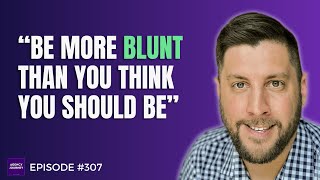
This is a YouTube video titled "Clarity Is Kindness: How Being Direct Will Help You Grow Your Agency" published in August 2024. It features a detailed conversation between Kuba Greitzan, the host of Agency Journey, and Gray McKenzie, founder and CEO of Zen Pilot. The discussion centers on leadership clarity, vision alignment, operational processes, and communication strategies within agency management, emphasizing the importance of directness and kindness in fostering team clarity and growth. The content is a single-speaker interview format without the involvement of George B. Thomas.
Hello, hello, hello, everyone, and welcome back to Agency Journey. I'm your host, Kuba Greitzan, and with me on the call today is somebody you might already know, Gray McKenzie, Zen pilot, founder, CEO and previous host of Agency Journey. Greg, welcome back to the show.
It is amazing to be here. Longtime listener, first time caller. Thanks for having me, Kubla.
Yes, longtime listener, to be sure. That was me when I was joining zenpilot. I was like, long time listener, meeting the man behind the show. And now I am the man behind the show. What a journey. What a journey. An agency journey. Okay, first, first part of the episode is out of the, out of the way here. Great. What have you been up to recently? Before we get into agency stuff, what's been happening?
I am sitting here at the little recording studio desk and I am keeping my hands like this far apart as I'm sitting down and I'm trying super hard to not itch poison ivy that I've got from, from working outside. So I'm sure everyone wanted to hear about what strange itches we have going on. But work wise, I've been really focused on going back to what we're doing from a delivery perspective and just finding ways to simplify. This is one of. We talked a million times about EOs on this podcast, and one of the five leadership practices that they talk about is the ability to simplify and, and just trying to find ways to simplify what we're doing. So that's been big, the big focus, work wise. And then obviously I'm trying to simplify my, my posture here and not be moving my hands all over the place as we're talking.
Okay. Yeah, well, a little bit of extra challenge there. But hey, you're, you're seasoned at this. I mean, a little bit extra spice, I think is, is exactly what the doctor ordered. Maybe I'm just trying to put a positive spin on it. I'm sorry to hear about that. Just in general, good.
It was a great weekend. Spent a ton of time working out on the, on the hill here and got a lot of, a lot of downed stuff cleared out. So was a fun time clearing and burning and working outside for most of the weekend, but I did not come out 100% unscathed, so. Sorry.
That's neat. That's neat.
The only way for you to not at some point be creating friendly fire or, you know, campaigns or projects that are kind of at odds or knocking heads together is to have an aligned vision.
Yeah, Yeah, I like that. I like that. And I do think you Know you've answered the devil's advocate here adequately. So what would you say to an agency owner who's nodding their head at this and thinking, okay, there's not enough clarity on the vision or maybe, you know, it's in my head, I want it to be in the team's head as well. What would you say to them in terms of like practically speaking, here's what you do, here's how we fix that?
Yeah. First thing is I'd say just relax. Like this is not, it's an important problem, but it's not super difficult. Like the more that we complicate all this stuff, the more that strategy and vision becomes like, oh, I need to be out thinking about strategy and vision three days a week and you know, I already have a full, a full plate of stuff, the more overwhelming it becomes. And it just gets too complicated when we try to give it, you know, when we allow it to become over complicated in our heads. So instead super simple. Like where, what roughly what size of business? Who are we serving in our business? What's the ultimate reason that this business exists? Like how do we go get those clients and how do we go serve those clients or customers? And then you know, what does the team look like? Like, look like that's going to, to deliver on that. What does the day to day experience look like? And this is all going to be at the beginning aspirational and the farther and farther on you go. Like some of those things get checked off but there's always some element of it. It's not a vision if it's not somewhat aspirational. Hey, we are not yet there but we're, we're working as hard as we can to achieve this vision. So you know, you've got, you could certainly buy into any of the operating infrastructures. You could run on EOs like we do and say, oh, here's your vision Traction Organizer. What a dumb name. But what a powerful concept and powerful tool that is. So some simple way to answer the basic questions of where this business is going.
Okay, so can you talk about just for a moment? I would love to fill in the details of kind of operationally speaking, I mean we keep that on ClickUp kind of within our project management tool. And can we spend just a minute on like the advantages of that? I just, I wanted to make it tangible in the watchers and listeners minds of, you know, how it's structured, where it lives, when it's referenced, just so they can take it and apply it.
Yeah, for sure. So we Keep all of that inside of ClickUp. We've got a state of the company meeting, every state of Zenpilot address. It's our Soza every quarter. And there should always be some element of reviewing. You will always be reporting back on how we've done according to goals. We're rolling out new quarterly objectives or rocks that are all tied back to our one year plan and our three year plan that's ultimately tied back to our long term picture. But yeah, we keep it inside of ClickUp. Everyone's got access to every component of it. And on that Vision Traction organizer for us, think of that as like your one page or two page. Almost, almost business plan you've got on the left hand side like what's our, what's our mission here? So for Zen Pilot, that's turning chaos into clarity. And then how do we do that? And so that is like. Or what's the application of that? What does that look like in practice? That's where we're helping build healthier, more productive and more profitable teams. That's like the, the why we exist. And then you get into, well, how does that play out? How do you actually deliver on it? What's your target market? And kind of the marketing component is who do you serve? How do you serve them? What are the characteristics of that market? And then you know, on the, the right hand side, if you were looking at this on a, on a piece of paper, you've got, you know, you know the three year picture. So what are the measurables at the top? That's things like revenue, profit, team size, clients served, what does that look like? And then down below it, a handful of bullet points around what do things look like three years from now? So when we're, and we'll walk through this together as a team, when it's New Year's Eve, we take the last week of the year off as a team for the holidays. And so when it's New year's Eve of 2026 and you're sitting there reflecting back on while a crazy journey these last three years have been at Send Pilot, I want everyone to think of these bullet points and different people will gravitate to different ones more. But be like, wow, that's so cool that we accomplish that. We do take the team on annual off site every year. We do have dedicated time for R and D and we're building this leveraged expertise business very intentionally. And so, you know, that's the, that's kind of more tangibly what that looks like.
Yeah, Actually, you know, speaking of the off site and my first, the first time I encountered the Zen Pilot Vision Traction organizer was actually I felt like I was thrown in the deep end a little bit. I was, I joined a call, must have been February before the march that I, that I joined and this, that Andrew was on that call with us. Right. Zenpilot CO FOUNDER so he led this exercise of. And you know, I was fresh to the company. I didn't know what to expect. But it was one of our Soza meetings. And he said, close your eyes. And I was like, okay, that's new. Close your eyes. And he was reading kind of the. I think it was the three year vision elements of it, like point by point, like imagine it like you said, you know, at that point it wasn't. I think it was 2020. Yeah, it was 2026, I think. And he was saying, this is true, this is true. We' you know, we're the. You mentioned, like different parts of the vision are going to speak to different people. The part that spoke to me, that definitely made me feel something was, you know, we are the authority on agency operations kind of out in the market. People know us as the experts for that if there's agency operations problems or the best people to talk to. And you know, so, you know, if I were to talk with somebody who's got this problem of lack of clarity of vision is it might feel a little bit awkward at first. And definitely my first impression was, you know, this is a little cultish, isn't it?
Yeah.
However, it did register on an emotional level, I have to admit. It made an impression on me and it made it much more like it made it clear that there's a level of care about the vision, there's an investment in there. So try that on a call, you know, try to meditate on the vision with your team, I guess is what I'm advocating for here. I'm curious, actually, this is a bit of a tangent before we move on to other areas of clarity is kindness. Did that practice of like, you know, close your eyes, think about the vision. Did that start like from the beginning of Zen Pilot or how did that come to be?
That did not start at the beginning of Zen Pilot. That's something that I thought Andrew was the first time I saw him do like close your eyes. Visualization was my freshman year of College together in 2007 and he played goalie on our college lacrosse team and was very into the mental side of performance as it relates to sports. And so, you know, meditating on stuff, visualizing making the saves, making the plays, making the right passes. Right. And, and even visualizing like the, the fundamental pieces that go into it. What's, you know, what does the footwork look like? And so that kind of evolved later on with Zenpilot, but that's been a piece that he brought to the table super early on and was very new to me and seemed weird at first and it's actually very helpful.
Yeah, yeah. But we are continuing that right on the off site. Just a couple months ago, Andrew wasn't there, but we still did that exercise in person and that was super, super special. And I wanted to say, you know, watchers and listeners, you should too close your eyes and visualize yourselves following Agency Journey Hands and pilot on YouTube, wherever you get your podcasts. But that's as much of a CDA as I'm going to throw in there. So we talked about, and I think if somebody's having, if they're thinking about the vision piece, we gave them something to chew on, something to think about. But there's a whole slew of other areas to look at. You mentioned EOs. I'm thinking of the EOs like six slices. And when I hear you talk about clarity is kindness, I feel like often this focuses on the people slice of things. I would love for you to talk to that a little bit more in terms of managing people either in an owner position or like high level agency leadership position. How do you know that you've got lack of clarity there? What are the symptoms? Let's start there once again before we talk about how to build clarity, Practically speaking.
Yeah, I think clarity is. When you hear clarity, I'm curious, what are some of the things that you think of? If I just said I need you to bring more clarity to this podcast or to a meeting, what are some. Are there any things that come to mind right away?
For me, clarity is about removing doubt, removing ambiguity. If something is clear, then I know what is part of the plan. Not part of the plan, part of the mission, not part of the mission, part of my job. When we're talking about the people area, not necessarily part of my job or part of this role right now, that's the first thing that pops in mind.
Yeah, I think that. And a lot of times I think that can be associated with being direct. Like I want our team to be much more direct than probably most people raised up who spent any time in the corporate world or in at least the US education system are used to being. It just allows us to Move faster. And it removes the ambiguity that you mentioned, which is great. The hidden thing, the kindness piece, like, what else that eliminates or reduces is the anxiety that people feel when it's not clear. Oh, did he say that because he meant I should actually be working more hours, or did he say that because he's glad that I'm taking a day off?
Right.
You know, like, there's just so many, so many areas where we create stress and anxiety. Taking a day off.
Right.
You know, like there's just so many, so many areas where we create stress and anxiety and stress on people that we wouldn't create if we were just a little bit more clear in terms of what we said, how we said it. And that's, you know, clarity is all, all forms of communications and, and I think ultimately clarity is a form of respect for others. So I guess it takes me back to being a summer sports camp counselor through college and teaching kids like, hey, our primary rule here is respect. Like, that's the number one rule before everything else is respect others, respect yourself, respect, you know, what's around us, the environment. And so being clear is a huge form of being considerate and respecting other people and how they're, how they're feeling. So I think getting rid of misunderstandings, anxiety and stress is a big piece of it. So to go back to your question, was your question, how would we know that things are unclear?
Yeah, yeah. The symptoms, you know, kind of. Or the anti patterns or bad habits that people might fall into here.
Yeah. So if we look at it, one of the first places that it shows up, if we just think of like, how does our business grow if we're not clear in our positioning? This is one we've talked a lot about on this podcast. Like, who do we serve? How are we serving them? If that's unclear, you'll see it show up with folks either not doing enough on your growth, on the growth side of your business, not having a clear filter for who we accept in as a client to work with us, and also not having a clear target of who are we after? Are we serving agencies or are we serving manufacturing firms? Are we serving healthcare facilities? Yeah, what, what, who are we after in terms of how you're delivering work? There's a lot of uncertainty. This is emblematic of most teams that come to us. There are people on the team who are certainly unclear on how exactly we ought to deliver work. What's the right order? What's the right steps? What's the right process for how we do it? At a management layer, there's a real lack of two things. One, it's actual data to make better decisions. And two, for most of those teams, it's also, I don't even know exactly what I should be measuring. Like, that hasn't been relayed to me from the ownership side or from the leadership side. Like, what do they actually care about and measure my performance on? And I don't know what to measure that then impacts those few key things. So it'll show up in a lot of different places. But those are a few that pop to mind right away.
Okay, so I'm curious about that last one in particular. I feel like that one might be something that a listener might be hearing and thinking, okay, so how do I take some steps to remedying that? Another question that might pop up is like, should all of my team members have something that they're measuring, even if it's like a typical individual contributor? Frontline. I call them Frontline. You talked about extreme ownership and now these metaphors come to mind. Frontline role. So tell me a little bit more about that one.
For sure. Yeah. I think everybody's measuring and measured on some type of output. We could run through a bunch of different examples like marketing role, hey, here's Cuba's seat we care a lot about. I think most of growth boils down to creating conversations and then having quality conversations. And that's a framework that came from Christopher Filipiac, who I coached with on the sales side for a while. And so on the marketing side, that is largely creating conversations. So how many first time appointments, how many qualified first time appointments are getting created out of our marketing department? That's the ultimate outcome. That's the number that I care about and that I'll look at every, every single week. What numbers does it take from you on the marketing side to get there? Like that's the next piece to get figured out and that you then have to work with your team to say, hey, here's what I need to be able to get to the number of conversations created that we need. And you know, you go to the sales side and the, the marker of the quality of those conversations, if those are actually qualified conversations and you can't retroactively qualify somebody. There's got to be a qualification matrix on front. Say, I, I decided to invest my time to show up on this conversation and have this conversation. That means, you know, that should mean, hey, I thought there was some legitimate reason to think this was an actual prospect. So close rate is. And then obviously you know, closed one amount is tied to that. But you know, there's a couple key metrics on the sales side that you want to look at and measure and then there's a whole bunch of other indicators that tie into that. How many folks are moving to this stage of the process and then to a quote sent and then to a, you know, ultimate win. So there's, there's more stuff on the sales side that they'd be looking at. But I, at a higher level don't care about all the, all the nitty gritty. There's just a few numbers that I care about.
Right.
So those, and we can keep going on the delivery side or like other individual contributor roles. What are some examples there? But I think the other part of your question was, you know, what should I be doing to get to understand what Those metrics or KPIs or measurables are? And I think also from extreme ownership, the idea that great leaders don't ask, you know, hey, what, what should I do here in this situation? Instead they tell their, whoever they're reporting to their boss, here's, here's a situation, here's my plan of attack. You know, here's what I'm going to go do. And that's your way of basically saying, hey, if you object to this, do it. Otherwise I'm stepping up to lead, I've got the most information. I'm going to go make the decision here. And so I'd do the same, same thing here. If I'm sitting in a seat where there, there's nothing in place, I'd say, hey, here's the metric that I think is important and I'm going to start measuring every single week and I'll be reporting on that to you. You know, let me know if there's anything else you'd like to see rather than saying, hey, what should I be measured on? So I'd take that same approach. And if I'm an owner listening to this, I would take ownership of the fact that, hey, my people don't have any, any clarity on what to run towards right now. And so the same thing as vision, like start as simple as possible and give folks, you know, one, two things to, to care about, to track and, and start there and it won't be perfect enough to tweak and adjust from there.
You know, a thought that pops to in my mind based on what you said is you think as a leader that you can give people autonomy. But also I think it needs to be bidirectional. It needs to also come from the other side, that this autonomy needs to be taken by the other side. What you're talking about, you know, when you said extreme ownership, my mind goes to a book that's very similar in concept called Turn the Ship Around. Also, you know, like, in a similar vein, that one's about the crew of a submarine. I read that recommended by a guest from. From the previous podcast that I ran. And the key phrase that stuck in my mind there is I intend to. It's a very similar concept to what you mentioned, but I've been using that ever since, you know, and I've been, you know, when I was in a leadership position, also teaching that to my team. Just start your sentences with I intend to. Like you said, here's my plan of attack. And this creates, you know, this also I feel like sending that kind of signal already creates clarity in the sense of I expect you to have a plan, come with a plan, and I sign off on the plan or I comment on the plan. But this is what the dynamic should be like. Turned the ship around. It was called a leader leader dynamic instead of a leader follower dynamic.
Huge.
Yeah. Yeah. So that's kind of what pops in my mind here. That's kind of where we went with that one. So one last piece on the people front before we pick maybe a third one and try to make this not one of the longest episodes ever on the agency journey. Let's try and aim for that. Is how would you address clarity in terms of responsibilities? I feel like a symptom of chaos might be that myself as a leader, I expect certain situations to be handled by a person in a certain role. And we look at that situation in retrospect and they say, oh, I didn't know I was supposed to think about that, care about that. I didn't think that was part of my job description or, you know, that situations like this would. Should be something that I'd be looking at. So how would you address, you know, if that's a symptom, how would you address that? How would you create clarity? What are, what are the tools here?
Right. So your org chart, or what the entrepreneurial operating system EOS calls the accountability chart, is kind of the fundamental tool for trying to say, hey, here are the five main roles of your function. You're in a marketing seat. Here's the five main things that you're responsible for doing. And that covers the majority of stuff. The reality is it's never going to cover, you know, those are meant to be the, hey, these are the Big things. They're certainly going to be at minimum 20% of other things that pop up. And it's unclear who owns that. And so this is part of, part of clarity. Being kindness is creating a culture also where that's so much of the expectation that people hopefully will raise that as an issue and you'll be great at saying, hey, this is an issue. Nobody's quite sure where it, where it goes. We've got people who are hungry to see it solved and to pitch in and solve it. And it's just making a decision of who's going to, being clear on who's actually going to solve it. So it's not, I don't think there's any perfect system for saying here's 100% of the, the situations that come up and it's 100% clear who owns all of it. I think we can get the vast majority of that covered with a really simple tool like the accountability chart. And the accountability chart is every single role in the organization. You picture this as like, hey, what's the right and, and best thing for the organization? The right and best number of boxes or functions, what needs to get done? That's not titles, it's just the, you know, hey, we need somebody in marketing and the first thing they're responsible for is creating first time appointments. And then there's each of the, each of the bullet points as part of that function. But it's, and it will cover the vast majority of things, but there is going to be stuff that falls in between. And so part of that then is, hey, what are the departments that we have? Who leads that? That's probably the, the point person. If it's a growth related thing, it's whoever's sitting in that growth function on the accountability chart who's probably the main person. But there's certainly questions and stuff that you have to work through as you, as you just deal with the day to day of any organization.
Got it, Got it. Okay, so let's leave the people part of this aside or maybe it'll be connected what we look at next. So coming back to the six EOS slices, what were they? Vision traction people data. There was also processes. I think let's pick, you know, not again, not to overextend the episode, but let's pick another one where you think that lack of clarity can be especially harmful. And following a similar framework, like what are the symptoms, what is an agency owner likely looking at? That's a symptom of lack of clarity, how that might be Hurting them and how to address it.
Are you asking me to pick which of the six C components?
Yeah. Based on your experience, like what can wreak the most havoc where you don't have clarity there.
Right. Process. All the time does. And process shows up most commonly with the, with the earlier stage teams who we work with. And just a lack of, hey, we've spent very little time. We've got some stuff documented, but we have, we have very little documented. And the way that that shows up tends to be, I've got this one account manager who's absolutely crushing it all. Their clients love them. Very high, you know, success rates, referral rates, NPS scores, all, all that kind of stuff. And then I brought on somebody else or I've got these other people and it's totally opposite. And so much gets attributed to just, man, I just need to clone Cuba and I need to not have gray take on any more client accounts. And it's just a people first thing. But really what's, what's different is, and I think we often over ascribe value to a certain personality type. Then it's like, oh, Cuba's just engaging. He's got this hello, hello, hello thing that he does and he wins people's hearts and.
Right.
Warms them up and brings them on board when really what's happening is there's a process. There's a huge distinction in process between the two. And if you actually got in and looked at what's happening, how is the prep work being done, what's happening on those calls, what's happening in terms of follow up and in communication with clients? You would realize almost every time that there's a huge process gap between what they're doing. And so that's how it often shows up is it gets kind of pushed back to what we think is a people issue. But it's really a lack of clarity on process, kind of core root of the symptoms that we're observing. So that's the first place that it shows up. I'd say the other piece around processes and the lack of clarity around processes is like, where do I go to get them? Even in larger teams who have documented processes, there are a lot of questions about is this updated, is this accurate, this isn't even what we should be doing anymore. Where do I find this, where do I find that? And so those are a lot of the pains around lack of process, that this is one that just takes continuous effort. Like your processes will always be evolving to some degree. And so this isn't a One time, set it and forget it type of. None of these areas are one time, set it and forget it. Clarity is not the natural state of things. And so it is. This is discipline that we have to build into ourselves and into our organizations to create clarity for the team. The outcome is well, well worth it. I mean, just in terms of efficiency, much less like the huge benefits to your people and to the, you know, the impact, the. The impact of the efforts that you're doing. But just in efficiency, there's huge gains that come from it, but it takes some ongoing effort tied to it.
I like that last part in particular. Clarity is not the natural state of things. That said, that'll be a clip for sure. Okay, so give me one more piece, a little bit more about this. If only we could clone. I mean, you say Cuba, I probably say Jeff from our team situation. Like, I don't know, I just. I notice a lot of guests do that when they mention the kind of my name as like the example person name. But I think it can be confusing sometimes. So, you know, this was just an example. Anyway, let's say somebody is again, kind of nodding their heads at that, right? Okay, yeah, yeah, I have that one over performing person. What do I do? Do I sit them down and kind of try to download their brain into an sop? Is it, you know, that simple or is there more to it?
Yeah, I think there's a piece of that. I think it's actually more helpful to have somebody else watch what they do, take notes on it. Hey, here's the process that I observed. And almost always when they write it down, it won't be exactly what the process that the person thought they were doing. We see this. I know I'm gonna lose just about everybody here. We see this in baseball all the time. So in baseball, you hear some great hitters describe what their swing is like. And this is where I have to be careful not put my arms together. But you got these hall of Fame hitters talking about how they swing down on the ball. Like they start here, you know, talk about all their pre pitch routine, and they're swinging down and through the baseball. And then you think like, man, how's that line up? How are they hitting all these home runs? And they're like, they're putting the ball in the air a lot and they're pulling it and, you know, they've tapped into all this poolside power that they have that swing and how they're always thinking about opposite field and hitting down through the ball, like, what's going on and then you look at their actual swing and break it down and what they're saying is actually not what they're doing often. Okay. And so you, you will observe differences between and that mindset can be part of like both of those are valuable. The mindset that they had the idea of staying behind the ball and then we're going to hit it to the opposite, opposite field. We're taking fast balls and we're putting them into right center and that allows us to be on time to off speed pitches as well. And their idea of like, I'm swinging down, that allows me to keep the barrel through the zone longer and, you know, have more success. So the mindset is actually valuable even if it's not 100% lined up with, with what they're doing. And so I think having somebody else shadow, like, oh, cool. Like I want you to just literally you're just going to be on zoom all day with Jeff. He's just going to go about his normal workday. He's just sharing the screen as he works through stuff and we're just seeing what he does. And then I want you to be the one who comes back and says, here's what I observed about his process that looks different from mine and here's what I think his process is. And he says, I didn't even think about that. Like, this is the intention. Here's what I did with intention that you captured and here's the piece that you missed and here's what I unintentionally did and don't replicate that. And both of those can be very powerful to do. So I think that's one of the things that has gotten more. The, the flaw 10 years ago was that people would shadow but nobody would document. So everyone was in person, you'd shadow. And a lot of the success of your team came down to who did you shadow with? Oh, you shadowed with Jeff. You turned into a great performer. You shattered with Gray. You turn into a terrible performer. Now it's the opposite. Now we document more, but we do so little shadowing because we're all remote. And so I think it's, it's what we're after is merging both of those concepts.
Ah, yeah. You ended on a very interesting note there that it's like almost like an overcorrection and like a blend of the two could be useful. And like, I agree. I didn't do like, I've never done shadowing. I've been shadowed maybe once or twice, particularly on the way I did things in ClickUp at my previous company, but I do agree that could be really. I mean, it even comes down to the little things, you know, like what kind of keyboard shortcuts people use, or like how they move data between, you know, maybe various tools. Like there's a lot of nuance here that can save you a lot of time or can make you waste a lot of time. And on the subject of self awareness, this reminds me of a little adventure I had with ChatGPT some time ago where I. And it's a typical play for content marketers. You, you know, you take a bunch of content. In this case, it was like a library of my LinkedIn posts and I asked ChatGPT, or maybe it was Claude. I forget to analyze my writing style and kind of tell me what my style is like. And I thought I wouldn't be surprised by any of this, but there was this one element there that said, well, Kuba uses a lot of self deprecating humor in his, in his writing style. And I was like, I do. But I wasn't aware of that. I'm not consciously doing that. It's just part of me being me and having that be articulated by an external observer, even if it is a machine in this case is really useful. So I absolutely agree with you and I think that's a very, very good point. All right, so we've covered like three big points in terms of clarity is kindness. As I mentioned, not to make this like, longest episode ever. However, there's two more things that I wanted to touch upon. One is an objection related to something that you said, like half an hour ago. You said that clarity can also be rephrased as being direct. So I think an objection that might pop up is okay, I mean, I want to be direct with my team, but how do I, how can I be direct without being at the same time blunt and kind of damaging some of the relationship? You know, causing, pardon the expression, emotional damage in the process. Like, do you have any advice on striking that balance?
Always more blunt than you think for 95% of people, probably. Yeah. I just think that's. Most of us would much rather know that people are just speaking their mind and saying, here's exactly how I feel. And that has lined up for me experientially. I have never, I've coached people on, hey, I would have phrased this differently. I've never told someone, oh man, you should not have said what you really felt about. I'm sure that there are people. That's why I say 95%, not 100% of folks, but I would say way more often than not, just be candid.
Be more blunt is basically the advice.
Yeah. Yeah.
And what about a person that might be worried about, like I said, kind of the. The relationship piece of it or, you know, the way it's. It's received on an emotional level.
So I think this goes both ways.
I think.
I think this is also a.
Me.
Being honest or candid means I also hopefully am letting people know where they really stand in my mind. Like, hey, I actually do love and care about you, and not just for the work that we're doing or for whatever else, but I care a lot about you on a personal level as well. And so hopefully. And that this is all part of. You know, I even. I've used this phrase before. I don't love the phrase, like, build relational equity because it sounds like I'm trying to make these investments so that I have something that I can then, like, you know, draw down over time. When I think of it more as, like, no, I really do love the people that I work with, and I want to see them succeed here, there, wherever, like, wherever and in all aspects of life. I want to see them flourish. But I do understand the concept of relational equity, too, which is, if they don't understand that and now you're giving very blunt, negative or constructive criticism, then it's very hard for that not to be taken personally and not to. Not to feel. So there certainly is a too far that we can go and saying it can. And so it's not just, how do I feel about you? But also calling out the good stuff on our core values. Celebrating good work is like, I also have to be honest if I really love something and make an effort to make sure that I'm sharing that too. But there is too far that we can go, and we could, you know, just tear down everything, have zero filter. That's like, a filter is not lying. A filter is being professional. But for most of us, we have too much of. We think that we're being professional when really we're just not being honest with people.
Okay, so the way I'm understanding this is you're saying it cuts both ways, because on the one hand, if I'm receiving a piece of feedback that something is not okay, I'm taking that seriously. Or, you know, if it's. How should I say that? The degree of intensity is something I can trust. If you're giving. On the. On the other hand, if there's praise and it's strong praise. You're not over exaggerating it for me to feel better. Like I can trust your words basically because you always kind of steer in the direction of truth and clarity. So I think that's really powerful. And one thing I wanted to ask you for here is could you dumb down relational equity for me a little bit more? You know, for somebody who's listening to this, who doesn't understand that person is me.
Could you dumb a little bit? Sorry. The idea being that we need to invest in having a relationship or like some kind of bond so that when I say things that are negative about your performance, that doesn't crush you. Like the only thing that we talk about isn't just your performance and is this good or bad? And that's like, you know, the trap for anyone to fall into is our identity gets confused with our performance. And so then our self worth gets confused and conflated with did I do well at work today or did I not do well at work today? And those are the emotional swings and huge ups and downs that are just not sustainable and lead to burnout, dissatisfaction, lack of fulfillment, like all kinds of negative outcomes. So relational equity is just like, hey, do we have a strong enough interpersonal bond that I can give you constructive criticism? And you know that I still care about you and love you as a person, but I'm at the same time, this is what we have with our kids. You've got to discipline your 3 year old and say, hey, this is not okay. This is not what we do. I'm not happy with how you performed here, but that has nothing to do with the fact that I love you like crazy as your father and this doesn't change that at all.
Right? Yeah. And if anybody listening to this is a parent and I think they know what, what a difficult balance it might be sometimes to strike at the same time. Striking that balance is what it's all about in this sort of relationship. And from what you're saying, from what I'm hearing and understanding and also agreeing with your team members as well. That was huge. That was powerful. That was awesome is one thing you would say. As host, I wanted to talk about the concept of seats in EOs. I feel like that is a smart frame for it where you've got a seat and you've got a person and the two are separate and you can explore the fit between the two. A person may fit a seat, or that seat may not be right for a person. It might be right for a season and Then they grow it out of it or something else happens. But that makes it less personal. It's about, you know, the seat and you fitting that seat. But it's not about like you as a person. So that came to my mind. Found it at the end. So my last question on this, and it's going to be a totally unfair question I think because I'm going to ask you to pick one thing, one conversation out of the whole concept, you know, of clarity is kindness that you talk about a lot imagining, you know, you've talked with hundreds, thousands, probably of agencies throughout your whole career. What is the one conversation or the one area or the one movement that most of them probably need to make to create clarity? Like what is the one that is most often missing and can make the biggest impact?
I will first go a little bit more ethereal and then bring it back to a tactical level. The first one is probably just being honest with themselves or ourselves if I personalize it. To me, I have had a lot of conversations now. We've been talking, people might have reached out about, hey, we're looking at onboarding with this tool called ClickUp and like then we found you and you know, we're talking about a very tactical thing. And in the course of the conversation it just kind of naturally goes to like, I like why are you doing all that? I don't understand. There's a fundamental like question to your, to your business model. And I think this thing is broken. And there have been a lot of times as I've gotten more comfortable where I've just said Hey, I 100% sure I don't know all the things about your business, you know, way more closely than I do, but can you help me square this from like what you're saying you want to, what you guys are actually doing today? I don't see how these match up. And there have been double digigit number of times where this is kind of separately like people have been somewhat offended and I'll often say, can I say something I think might offend you?
Yeah.
There have been times where I've certainly offended people. There have been double digit number of times where people have come back a year or years later and said, hey, that conversation, you probably don't even remember it, but we had it and you said that thing and that was actually like really caused me to question stuff and figure out what I wanted. And here's the change that we made. And a lot of it, like the common phrase is I just got clear on what I wanted and that happened from somebody just having the courage to ask, you know, what's probably like what are, what are 8 year olds would ask and be like, oh man, this doesn't make sense. Like what's, what's going on. But most of us aren't willing to step up and just ask those questions. So that's the first one is just. And that doesn't need to come from the outside. I think often other people are used in our lives to help us get to that point of clarity and get to those breakthroughs. But it's just questioning, do what I said, want from life and the mission that I'm on, does that line up with the actions that I'm taking right now and the way that I'm building this organization. So that's the first one.
So an example of that might be, tell me if I'm understanding this correctly. You say you want to run a data driven agency, but at the same time I'm seeing you not tracking time. It doesn't match up. Is it? Yeah. Is that an example of that?
That's an example. I'd say probably a more common example is like, hey, I've got this strong passion to be working in this one specific space or working with these types of projects or I want to be out of day to day delivery. But what I keep doing is I keep saying yes to every piece of business that comes into me and there's no way I can build any repeatable systems to hand off work to anybody else because every product is completely unique. I'm not pricing it like it's unique. I'm doing, you know, very inexpensive work trying to solve these problems that I'm really not even. I can't charge a premium because I'm not even that good at solving them. I'm just good at figuring it out and getting to a passable or you know, and sometimes a very good outcome. But I'd say that's, that's a more common example.
Okay.
And that bleeds into the more concrete thing that I would say. Like where, where I see this caused the most pain for folks is they haven't figured out who they're for and who they're not for yet. So if you would have told me 10 years ago, someday you will run a business. This is the largest business that you've ever run and it's only going to service this specific type of client on top of this one specific software that was started in 2017 and hardly anybody knew about until 2020. And you won't Accept people who don't work with that software, even though you could help them out with all, you know, with process development and with team training and all these other pieces, I would have been like, those are crazy constraints. And I can't see that happening. And the truth is making those hard decisions and clear decisions about who we work with, who we're for and who we're not for has been the best catalyst for growth and for building the. And. And it was ultimately the right recipe for the type of business that I was after, much more intentionally with Zen Pilot than with like, Guava Box, our first agency. So, and I'd say that's, you know, I'm going to go to the inbound conference a month after we record this together. So in September. And a bunch of friends who I talk to a bunch of other agencies who I speak with a common trend of folks who have, who feel generally pretty fulfilled with the teams that they built, everyone's struggling with something, but who feel more fulfilled and who are having more success externally. Team size, revenue, profitability, that kind of stuff will be that they've also made that decision and they've figured out who they're for and who they're not for. And so I'd say that's the very first thing. This is like dumb advice because what do you do when you build a business? You, like, solve somebody's problem somewhere and you need to know what problem you're solving and who it's for. But the reality is that's not very clear to many, many agency teams. And so getting clear on that is the, like, the number one concrete thing that I would recommend, right.
To flip it again. And I have thoughts on that to add on top, but to flip it again. So what lack of clarity might be looking like here is you're doing too many things for too people or too many different types of things, Too many different types of services, too many different types of businesses. I love that. I love that this whole latter half of the conversation has been awesome. I mean, not to put, you know, not to kind of qualify one versus the other, but just I'm excited to hear about that. And, you know, I've been host of Agency Journey now for, I think half a year or so, and already the 1:1 trend that's been emerging, one thought that I've heard, I think the most frequently is I keep talking with people who have found success because they not just figured out, but finally kind of took the plunge on their niche and their positioning. And now I'm not surprised that you mentioned this already a few times throughout this episode and I'm sure it'll come up again. I picked my lane, so to speak, and it was scary and it made for some hard choices, but I'm so glad I did. And I keep hearing that from successful agency leaders, agency operators, as we would say all the time on this podcast. So I wanted to underline that and that's, I think, a nice moment to tie a bow on this episode, which I didn't fulfill my goal here. We made it a little bit of a longer one, but hopefully a useful one for you watchers and listeners out there and fans of Agency Journey, hopefully. Anything else to add on top of that before I do? You know, the quick close your eyes, subscribe Agents Journey exercise with everybody here.
That's right. Some of them will need their eyes open. I think that the call to action for me, before you give the call to action, would just be it is often easier to see more clearly other people's situation than your own situation. So that's not an excuse for not trying to figure out our own stuff and make those hard decisions. So strive for clarity, work for clarity in your own organization. If you need help operational, operationalizing, those things, come to Zen Pilot. But also my, my, the call to action would be give that gift of clarity to someone else. Obviously not fully or rarely fully unsolicited, but if you've got someone who has ears that might be want to hear and you are seeing something that seems clear, don't be afraid to share it with other people.
Yeah, I wonder if somebody listening to this will come to somebody in their life, professionally or otherwise, and is going to say, can I say something that might offend you? You say you want this, but your actions are saying something else. What's up with that? And I think that will be you, watcher or listener, practicing clarity is kindness. And that's one of the main messages that I've learned from this man over here. Gray mackenzie was our guest here today. Gray, thank you so much for coming on the show. If you want more conversations like this, as I mentioned, maybe don't close your eyes because you'll need them, but find a way to subscribe to Agency Journey on your favorite podcast platforms, follow zenpilot on YouTube. And yes, indeed, if you want somebody to hold a mirror to your business, operationally speaking, help you find better productivity, build a happier, more productive, more profitable team, go to zenpilot.com read about what we do. And yes, we do only do it for a particular type of company in one tool, and that's ClickUp. Check out our book a call page and have a conversation with us. It's free. It's like therapy in a sense, and you might take away a lot from it. That's it for today. Thank you so, so much for. All right. Thank you so, so, so much for joining us here today, watchers and listeners. And we'll see you in the next one. That's all, folks. Bye.










