How to Strategically Brand Your Clients’ Businesses
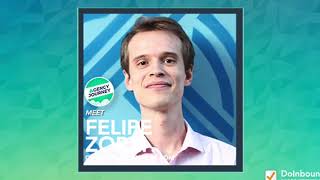
This is a YouTube video titled "How to Strategically Brand Your Clients’ Businesses" containing an English podcast episode from February 2018. The episode features a conversation between hosts Andrew Demski and Gray MacKenzie with guest Felipe Zorzi, discussing the detailed process and strategy behind branding projects for clients, including naming, client engagement, and maintaining momentum throughout the project.
How do you build an agency that allows you to live the dream that you have for yourself, for your family, for your community, for your team, while at the same time helping your clients knock it out of the park and doing it all profitably? These are the big questions that we tackle here on the Agency Journey podcast. I am your host, Andrew Demski. Now let's get to it.
All right, welcome into another week of Agency Journey. This is Gray, and this week on the podcast, I have the privilege of bringing on Felipe Zorzi. I feel like I messed that up already, Felipe, but welcome to the podcast anyways.
Hi, Gray. That's all good. That's all good. Don't worry. So usually we stay with the client for three months, at most four months, and then sometimes it's not guaranteed. After a year, he comes back to us to continue the work with an imbalanced strategy. So this is, this elimination obviously made us along the way to start this second front of service that could guarantee clients on the long term, clients for a year. So I would say right now we are 50. 50.
Okay, that makes a lot of sense as far as the branding process itself. If we could dive into that. Someone comes to you, how are people presenting that need to you to start off? Are they coming saying, I need a brand and I heard you were the guys, or are they coming saying, we don't really know what we're doing? Is it typically a rebrand of organizations or a company coming to you for the first time during like the startup phase where they're trying to name it? What does that look like?
Yeah, so if it's a startup company, they will probably come to us to build from scratch. So they have nothing. They basically know what is the project, what is the service that they are launching. But they asked us to create synthetic concept, the name, the logo and so forth. But the methodology that we created here is adaptable according to the company's needs. So if it is an established company, sometimes the challenge is different. So we had a prospect this week that the only challenge that they had was to find their purpose. So they were not interested in changing their names, they were not interested in rebranding, redesigning. They needed to find a purpose. They just don't need what say when people ask why you do what to do. So the methodology is pretty much adaptable for all different kinds of companies and moments.
That makes sense. So someone comes in and maybe this is like an. We'll just use the example maybe of somebody coming to you. And I don't know if this is not the best example or not. Not a common example. Maybe we pick a different one. But someone comes to you with, you know, a business that's in existence already, with a brand that's out there, but they want to rebrand for whatever reason. What does the process, how do you, how do you take folks through that process? What does that look like?
Yeah. So I guess for us it's very important. I would say that the step number one before even start the partnership would be to believe in the client's business or the client's idea, or I know that we won't do a great job. So before even start working with a startup or a company that already exists, I often ask the clients, why do you believe that your business are so relevant for their people? What kind of impact you are willing to cause? You know, this kind of questions makes me feel if it will be a good fit because, you know, if they can convince me if I don't buy the idea, then I know that branding product won't work well for us. On the other hand, when we buy it, we know we'll be able to do a great job. So an example, we were recently chosen to develop a branding project for a huge energy and infrastructure company that exists a group called Pascac here in Brazil. They're from the south of the company, the south of the country, and they are opening a new business in the clean energy segment, starting with wind power. Wind energy. So that's an amazing idea, an amazing product. We truly believe in that. It makes sense towards working on stuff like that. We know that this has the power to make the world a better place for our children to future generations. So I would say the step number one the process is to feel that it is a good idea, it has an impact and we would recommend it to our family.
Right. I think that's a good test now is that I think what might be tricky here might be helpful to understand is, is most of that happening? It sounds like most of that is probably. My guess is that most of that is probably happening pre sales before there's actually here's a contract and the client has paid you. Or is that actually happening in a first step? Is your kind of understanding of the client and being convinced that you believe in the idea?
No, that's definitely pre sales. I would say that doing this for a lot of years, the first three minutes, 30 minutes of conversation, I know.
That, you know, it's.
Yeah, I just, I just. Slow. Right. I just know.
I think. And this is probably different with different size businesses, but with a lot of like having those conversations with a lot of owners, you just figure out very quickly whether someone actually believes in what they're doing and if they're really passionate about it or not by the way that they talk about it. And I don't think, I think there's like sometimes just relying on your gut. Now that doesn't necessarily mean there's more obviously that I'm sure you dig into and that you need to dig into to figure out does the. Just because they believe it in it doesn't mean that you believe in it. But understand whether someone, if someone else doesn't believe in it, it's going to be very hard to get anybody convinced that is a good solution or a good product or a good business. That's helpful to kind of understand that on the front like this is happening pre sales, moving forward from there, what happens next.
Yeah. So the other point that I would say that it's crucial for successful branding projects is to start with the strategy and also put the client the center of the process. When a company hires a branding project, they definitely looking for strategy planning good quality information for them to be able to make important decisions of their own business. So otherwise they would be hiring only a designer Though very, very often the phone rings here at GDN with people asking us to create a logo and I get back and say we don't do logo, we do branding project. It's cool. Different. So strategies is the first part of the process. So we start with a huge immersion into the client's business. We spend an entire week with interviews. If it's a startup, usually we talk to the founder and we have a script to make this first interview with the founder and then we go deep into competition. The category and other reference. If it is an established company besides the founder or the CEO, you also have a workshop that we do with the board of directors. So we bring the board of, we bringing the directors. It is very important. So it's not only top down, it's both ways. So strategy would be the first step with this immersion, these interviews and the output of it would be first, the why, how and what. Second, the brand manifesto. Third, the position.
Okay, so you're actually, you're creating all of the kind of the underlying the foundation messaging before moving into any of the actual design. You know, like here's how we're putting together the logo or the some of the brand assets that they need.
Yeah, no, that absolutely. Otherwise we would be doing anything. The designing output would Be the same for any sort of company. That's why we need, we need this time to go into the heart, into the minds of the, of the people who are leading the company, who are working there and, and extract all the good things from there and then make it it a good and a good design project, a good naming project and so forth.
Right, that makes sense. So in terms of timeline here, you mentioned like we've got a week long process, maybe that's condensed a little bit if it's a younger or smaller company, but it's expanded a little bit. What is the timeline from we're starting the project to we have those, the assets that you mentioned, the manifesto and the why, how and what and those pieces, is that like within a two week span or is that a longer time frame from when you actually get the interviews, get the information out of them to how that gets condensed and goes through the process to create the ultimate messaging?
Yeah, this usually happens in the first month. So we have a four week sprint making all these strategy alignments before we start the creative stage.
Okay, that makes sense. So then once that's built out, is that the point at which you're rolling into like building out the logo and I don't know if I don't know how much goes in, it might be helpful to also understand is this like we're creating, do you start with a logo, do you start with a style guide and then build the logo based on that? How does that all come together?
Yeah, actually Bo, well it depends on the client. So if it's a startup, we'll probably start with the name, which I usually say that is like creating the name of your son because it is as important as that. So the first step would be, would be the name. And it's crystal clear for us that we should bring the client into this process from the very beginning. They actually enjoy interacting with the process. So when it comes to presenting the name, for example, we print and paste all the names and its rationales on the wall here at the agency and then the client decides which one stays on the wall and which ones go to the trash. So he does that until he came up alone with the winner. So he's the one designing the name of his children, not us. That's a part of, part of the process that we feel that adds value when the client is interacting and helping us moving forward with the project. So I'm not pushing anything to him. He's there with us in a presence meeting doing all of that thinking on the names. With us. So it's kind of funny.
That's an intense process going through the naming process. So are you typically taking all the research kind of going back and the agency compiling a list of ideas and then obviously I'm sure, at least in most cases, probably running it against what's already trademarked or where the domains available or not available or what would getting some of the assets look like for these pieces? Are you guys creating most of those or is it more common for your clients to come to you with here's some ideas that we had. And you work off of and iterate that how does that. And I'm sure there's probably a mix of those that might happen. But how does that process go down during the naming phase?
Yeah, I would say that most part of the time we build it from zero, so he doesn't have the name. And then we have a methodology to the naming stage which starts with briefing, an online briefing document that we send to the client. So he filled it in. And then from that we do the brief documents with everything that we understand, like what sort of territories the client would like to be, if the name would be more. How would I say that in English, like more descriptive or more abstract. So we have this document to understand what the client has in his mind and then we get back to him with everything we understood from that. So this is the document that goes to the creative department. So all the info that they need to start building the name is over there already aligned with the client. So they usually now getting into the creative stage. They usually go into I would say like 200 names that it comes from all different universe that you can imagine. Depends on the client's business obviously. But after that the creative team does their own their first, how would they say their first shortlist. So they separate around 40 to 50 names. And we then paste all the names on the walls, on the walls of GDM and we do like an internal brainstorming and come up with a final short list of 20 names. So this is the number that we usually of names that we usually present to the clients. 20. Not more than that, but before the presentation and getting to your question, we do some research. Basically we look for three points at this stage. The first one is if there is any other company in the same segment with the same name and in case it does, we just withdraw it from the shortlist and won't present it. The second point we look is the domain, if it's available, if we can register or if not, what is the solution for that. Sometimes the client is very concerned about the domain if it's available. And sometimes this is the most important criteria for him to choose the name. And the third point would be the legal part. If a lawyer would be able to register here in Brazil, we call it impi. This is the place, the process that they usually register, the namings, the trading, the trading part of it. So we do like a high level research at inpi at this stage, we don't go very deep into the research, but a high level already shows to us if it's a green or a yellow or a red light. Right, right.
Some idea of what's there that's really helpful to kind of have it broken down and just understanding those two different criterias. Felipe, are there any other. So this is a super complex process. I've got a ton of questions I.
Could ask, but yeah, we're almost over.
But are there any other kind of major points from any lessons that you guys have learned in the branding process that would be helpful to share with folks?
Yeah. So being very brief shortly, I would say that pay attention to the amount of work you show to the client in every step. So don't present more than 20 naming options and don't present more than three logo options.
So don't overwhelm.
Basically, yeah, don't overwhelm them. This is about leading the process, leading the client's journey inside the agency. Make them feel confident about their decision. And finally, I would say that have fun along the way. So we usually don't celebrate the good work that we do, the great ideas that we have becoming real business. So the message would be value all the deliverables from the planning to the graphic materials. It is important to show to the client that you and your team, the agencies, enjoying the work, enjoying working with him, that you are having fun along the way. So when it happens. Yeah, go ahead.
Well, that's what I was going to ask is just how are there any, like, is there anything in your process that's kind of built in to do that? Or is that more of just a cultural thing? How do you communicate that to the client without it just coming off as like cheesy or fake friendliness or anything, or like the fake celebration, but actual, like, is there anything built into the process that's meant to keep the client excited along the way?
Now with the Zoo Inbound system, we have process for everything, my friend.
That's awesome. So what is that? I guess specifically, and I didn't mean to set you up for do Inbound there. But is there anything specifically? Like, is this during meetings or on calls? I guess how do you communicate that sense of like, we're moving in the right direction? Because I think these having gone through this process and maybe it's just because I didn't have as good of a process as you had to go through to go through this process, but momentum starts to die out along the way and like, it feels like it's dragging on at least in a couple cases that I've gone through this on projects. And so I think it is important to have. I think what you're saying is like, this is a golden point that people need to realize is your job is not just a cheerleader, it's way beyond that, but your job is partially a cheerleader to keep the momentum going and to keep things. A big part of what people are paying for is the experience here. So anything specifically that you guys do to kind of communicate that.
Yeah, it's quite simple. So when you have a name approved, we have an email that one, usually the product manager of the job sent to the client saying that the name is and valuing all the naming process, everything that the client went through with us. And now that we have that part done, what will be the next stage of the journey? So we have, we created this template for. For the moment that the client approved the name and the logo and the other stuff. So I guess one part of it that is very important is to break the process into very small pieces. So as I said, it's a three month project. So it is important to have a weekly interaction with the clients during this whole period so the client will feel that the work is flowing, you see things going on. So we have this moment that we celebrate like a name approved or a logo approved. And we also have daily routines that we just say to the client, this is finished now. We are working on that and have the client on board with us.
That makes a ton of sense. And I think that's honestly, that's where at Guavabox with probably the first three different retainer clients that we had, and with a lot of website projects early on, that was like the biggest missing piece. We were doing a ton of work on the back end and never communicating that to the client. So they feel like nothing is happening. We feel like we're working super hard and all it is, it just comes down to communication and just the culture of do we have a process and are we consistently keeping the client in tune with what's actually happening? Because we are making progress here, so. That's awesome.
Yeah. Yeah, that's it.
Wow. Well, Felipe, this is a lot of. A lot of nuggets in here. There's a lot more I'm sure that we could dive into, but this has been really helpful and valuable. I appreciate you being willing to come on and share. So, obviously we'll link up the website in the show notes for this, but is there any other place to point people to follow either you or the agency?
Yeah, I'm pretty active on LinkedIn, so you guys can find me over there. Felipe Zorzi. And by email. But try LinkedIn. I'm always there.
Okay, that's awesome. Well, we'll definitely include that in the show notes then. Fleetbet, thanks so much for being willing to share and coming on, man. Much appreciated.
Awesome. Thanks so much.
Want more great episodes like this one? Hey, I'm Gray MacKenzie, a host here on Agency Journey. I don't know about you, but sometimes I get a little overwhelmed when I find a new podcast. There are so many great episodes and great guests, it's hard to know which ones to listen to first. That's why we put together a list of the top 10 most downloaded episodes of Agency Journey. And you can get a copy of that list, plus all of our notes and takeaways, just by texting the word do inbound to 44222. Again, that's do inbound, all one word to 44222. Standard text rates apply. You don't want to miss these great episodes. Texts do inbound to 44222. Now.










